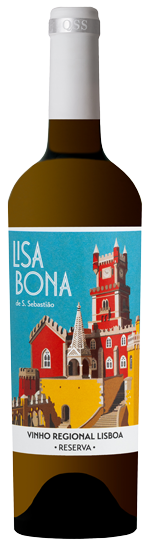
Quinta de S. Sebastião Lisabona Reserva

MARCH WINE CLUB:

Silky styleLisa_Bona_White_Reserva_bottleQuinta de S. Sebastião
Lisa Bona Reserva
Arinto, Semillion
Lisbon, Portugal

SILKY WINE STYLE

Wine of citric color, complex nose with notes of apricot and some citrus, happily paired with a characteristic minerality. The palate is intense, smooth and with a lively and refreshing acidity.

WINE DETAILS:

  • Varietals: Arinto, Semillon
  • Location of the Vineyards: Arruda dos Vinhos, Portugal. Mostly hillside vineyards.
  • Alcohol: 13% vol.
  • pH: 3.18
  • TA: 7.1 g/L
  • Climate: Mediterranean with strong Atlantic influence
  • Soil: Clay-limestone
  • Vinification: In an open spout at a temperature of 53.6ºF, followed by a partial stage in new and used barrels.
  • Winemaker: Filipe Sevinate Pinto
  • Recommended Serving Temperature: 53.6ºF
  • Pairing Suggestion: Soft cheeses, fatty fish and white meats.

VINEYARD NOTES:
The combination of mild climatic factors, sunny slopes, geographical location, proximity to the sea, the mountain’s protection, and of course the people who live and care for the Quinta de S. Sebastião land and vineyards every day give shape to the rebirth of wines with a distinctive freshness and a very unique identity. 

Quinta Sebastiao Portugal winery

ABOUT THE WINERY:
Quinta de S. Sebastião is located in a small town north of Lisbon called Arruda dos Vinhos, a historic region with more than 1,000 years of winemaking tradition. The heraldic symbol that inspires the logo of the Quinta de São Sebastião tells the story of a martyr and a Christian Saint who believed he could deter the Roman Empire from persecuting Christians.

Founded in 1755 – the same year the Lisbon earthquake reshaped the region – the estate has played an important role in preserving local heritage while producing outstanding wines.  The vineyards sit on the hills of Forte do Cego, part of the historic Linhas de Torres fortification system that once defined Lisbon during the Napoleonic invasions.

Today, under the leadership of Portuguese entrepreneur António Parente and winemaker Filipe Sevinate Pinto, the Quinta continues to gain global recognition. Its wines reflect a unique combination of sunny slopes, maritime influence, mountain protection, and the dedicated stewardship of the people who care for the land. Learn more here.
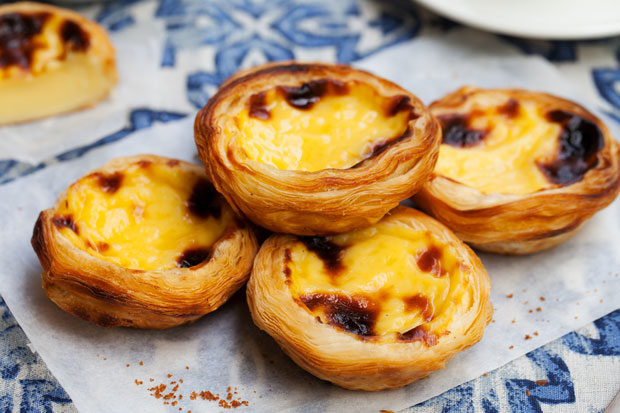

Portuguese-custard-tartPastel de Nata

INGREDIENTS:

  •  cup all-purpose flour
  • ¼ teaspoon salt
  • 1 ½ cups whole milk
  • 1 ⅓ cups granulated sugar
  •  cup water
  • 6 large egg yolks
  • 1 teaspoon vanilla extract
  • 1 cinnamon stick
  • peel of 1 lemon cut in thin strips
  • 1 sheet puff pastry
  • ground cinnamon for dusting optional

DIRECTIONS:

  1. Preheat the oven to 550°F, and lightly grease a 12-cup muffin tin.
  2. Bring the sugar, water, vanilla extract, lemon peel, and cinnamon stick to a boil in a medium, heavy-based saucepan. Cook without stirring until it reaches 220°F, then remove the cinnamon stick and take the pan off the heat.
  3. Meanwhile, in a separate saucepan, whisk the milk, flour, and salt until well blended. Whisk constantly and cook over medium heat until thickened, about 5 minutes. Remove it from the heat and let cool for 10 minutes.
  4. Once the milk mixture has cooled, whisk in the egg yolks, then add the sugar syrup and mix until everything is well combined. Pour through a sieve into a measuring cup to remove any lumps.
  5. Cut the puff pastry sheet into two pieces and place them on top of each other. Tightly roll the sheets into a log from the short side, then cut it into 12 evenly sized pieces.
  6. Place one piece of pastry in each of the 12 wells of the muffin tin. Dip your thumb in cold water, then use your thumb to press the pastry against the sides to form a cup. Make sure the pastry comes slightly above the edge of each well.
  7. Fill each pastry cup ¾ of the way with custard.
  8. Bake at 550°F for 10-12 minutes. The tarts are done when the custard starts to caramelize and blister, and the pastry turns golden brown.
  9. Dust with powdered sugar and cinnamon if desired, and serve warm. Enjoy!

Information & Photos © Quinta de S. Sebastião – All Rights Reserved.
© Recipe courtesy of Spanish Sabores.


Wine club logoJoin our WINE CLUB and enjoy these amazing wines and pairing recipes each month. Plus, you’ll receive 10% off all retail wine purchases!
Learn about our Memberships >

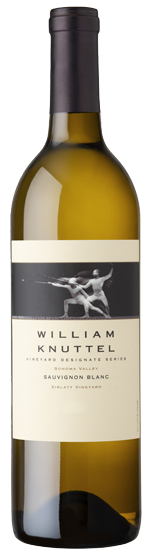
William Knuttel Sauvignon Blanc

FEBRUARY WINE CLUB:

William Knuttel-Ziblatt-vineyard-Sauvignon-Blanc-bottleSilky styleWilliam Knuttel Winery
Vineyard Designate Series
Sauvignon Blanc
Sonoma Valley, California

SILKY WINE STYLE

This Sauvignon Blanc delivers prototypical varietal characters and excellent concentration, and, as always, straddles the elusive balance between old and new world styles.  A classic Sancerre-like minerality anchors a complex array of aromas, where peach, pear and tropical fruits mingle with herbs and grassiness.  The palate is light and crisp, adding flavors of spicy grapefruit, tangerine and lemon zest.  The wine’s balance, elegance and intensity beg another sip over and over again!

WINE DETAILS:

  • Varietal: Sauvignon Blanc
  • Vineyard: Ziblatt
  • TA: 6.1 g/L
  • pH: 3.35
  • RS: 0.18 g/100ml
  • Aging: 100% tank-fermented
  • Brix: 22.9 wtd. average
  • Yield: 4.5 tons/acre average
  • Cases: 548
  • Accolades: 92 pts. Wine Enthusiast 2021

WINEMAKING:
Winemaker William Knuttel began producing Sauvignon Blanc in a Graves style during his tenure at Chalk Hill Estate, and later in a Sancerre style with the wines of Teira.  This Sonoma County blend merges those two styles to achieve the best of both worlds.  Some of the blend components are picked quite ripe to emphasize fruit, richness, and creaminess, while others highlight the quintessential herbaceous characters of SB. All lots in the final blend were tank fermented at 50°F utilizing yeast with high-tone fruit characteristics. The wine was cold filtered for bottling, but did not require fining.

VINEYARD:
The predominant vineyard source for Knuttel’s Sonoma Valley Sauvignon Blanc is Ziblatt Vineyard, in the heart of Sonoma Valley, near Kenwood. They also produce as a single vineyard wine, but in a Graves style, different than the Sancerre style employed here. The vineyard naturally splits into sections that are lower and higher yielding, and these are harvested at separate times, giving two distinct fruit and acidity profiles. They blend aliquots of these with Sauvignon Blanc from Wilson Vineyards in the Clarksburg appellation, which enhance the minerality of the blend.

ABOUT THE LABEL ART:
Designer Jeffrey Caldewey captured William Knuttel’s kinetic wine world with Etienne-Jules Marey’s 1890 “chronophotograph”, in which multiple exposures are superimposed to show the complete motion of “le coup d’epee”. The image metaphorically highlights the balance, finesse, powder and poise valued by the winemaker.

ABOUT WILLIAM KNUTTEL:
William Knuttel was formerly Winemaker & Vice President with Chalk Hill Estate from 1996 to 2003, specializing in ultra-premium Cabernet Sauvignon, Chardonnay, and Sauvignon Blanc and Dry Creek Vineyard’s Executive Winemaker from 2003 to 2011. As proprietor of Tria, 1995 to 2003, he produced fine Pinot Noir and Zinfandel. As Saintsbury’s winemaker from 1983 to 1996, Knuttel established that brand as a leader in ultra-premium Pinot Noir and Chardonnay.

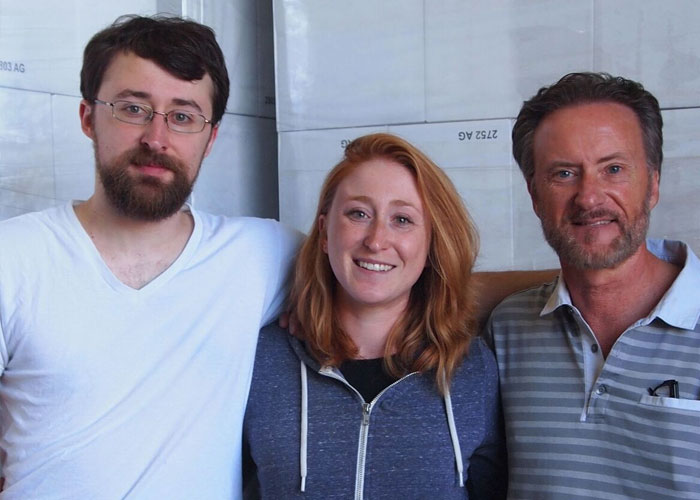
The Knuttle Family. Left to right, Sebastian Knuttel (Cellar Master), Kate Knuttle (Business Manager), and William Knuttel (Proprietor and Winemaker).


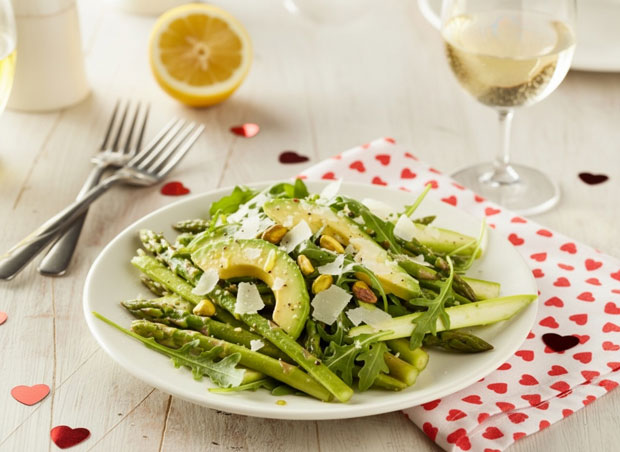
asparagus-salad-valentines
Shaved Asparagus Salad

INGREDIENTS:

For the Dressing:

  • ¼ cup olive oil
  • 2 tablespoons lemon juice
  • 1 tablespoon champagne vinegar
  • 1 teaspoon honey
  • 1 clove garlic, minced
  • kosher salt and black pepper, to taste

For the Salad:

  • 1 lb large asparagus, woody ends trimmed
  • 3 oz fresh arugula
  • 1 large avocado, pitted, peeled, and chopped
  • ½ cup shaved Parmesan cheese
  • 1/3 cup chopped pistachios
  • sea salt and freshly ground black pepper, to taste

DIRECTIONS:

  1. First, make the dressing. In a small bowl or jar, whisk together the olive oil, lemon juice, vinegar, honey, and garlic. Season with salt and pepper, to taste. Set aside.
  2. Use a vegetable peeler to shave the asparagus. Lay an asparagus spear flat on a cutting board. Starting at the bottom end, use the peeler to shave it into long thin strips or ribbons. Place the asparagus shavings in a large bowl and repeat with remaining asparagus.
  3. Add the arugula to the bowl. Toss the shaved asparagus and arugula together. Add the avocado, shaved Parmesan cheese, and pistachios. Drizzle desired amount of dressing over the salad and gently toss. Season with salt and pepper, to taste. Serve the salad immediately.

Information & Photos © William Knuttel – All Rights Reserved.
© Recipe courtesy of Maria Lichty of Two Peas & Their Pod.


Wine club logoJoin our WINE CLUB and enjoy these amazing wines and pairing recipes each month. Plus, you’ll receive 10% off all retail wine purchases!
Learn about our Memberships >