May Premium Club

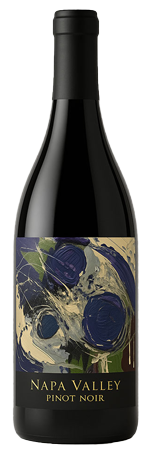
Far-Niente-Post-Beam-Sonoma-Coast_2024-bottleMellow style logoFar Niente Winery
Post & Beam
Pinot Noir 2024
Sonoma Coast, California

MELLOW WINE STYLE

Brilliant translucent ruby in the glass, the inaugural release of the 2024 Post & Beam Pinot wine reveals alluring garnet and deep cherry highlights. On the nose, vibrant aromas of pomegranate and fresh raspberry leap forward, layered with subtle hints of baking spice. The palate is silky and inviting, showcasing juicy notes of strawberry and red plum that unfold with finesse. A touch of spice lingers in the background, adding warmth and complexity. Bright, balanced acidity lifts the fruit and carries through a smooth, elegant finish.

Varietal: 100% Pinot Noir
Appellation: Sonoma Coast, California
Harvest Date(s): September 9th – 19th, 2024
Aging: 10 months in French Oak, 30% new

HARVEST NOTES:
2024 began with consistent rain and saturated soils which laid the foundation for a strong growing season. Bud-break began mid March and led to healthy canopy development and a well-balanced crop load. Summer and early fall were marked by extended periods of heat which compressed the harvest and developed bold wines with ripe flavors. Cool nights throughout the year maintained natural acidity lending balance and complexity.


Bold wine Style logoFar-Niente-Post-Beam-Cabernet-bottleFar Niente Winery
Post & Beam

Cabernet Sauvignon 2023
Napa Valley, California

BOLD WINE STYLE

The 2023 Post & Beam Cabernet Sauvignon opens with expressive aromas of red fruit, cassis, and blackberry jam, accented by hints of cedar and graphite. On the palate, the wine is youthful and vibrant, showing polished tannins and a core of dark fruit that brings both weight and freshness. Notes of brambly berry, mocha, and subtle spice carry through a long, mouth-coating finish, highlighting the vintage’s balance and structure.

Varietal: 91% Cabernet Sauvignon, 6% Merlot, 1% Malbec, 1% Petit Verdot
Appellation: Napa Valley, California
Harvest Date(s): October 7th – November 10th, 2023
Aging: 10 months in French Oak, 30% new

HARVEST NOTES:
The 2023 growing season was defined by cool weather, steady rainfall, and a notably late bud-break—all of which contributed to a slower, more measured pace in the vineyard. This extended ripening period encouraged the fruit to develop layered aromatics and deeper color while maintaining bright acidity. The team began picking Cabernet Sauvignon from the northernmost sites in early October before moving gradually south through Napa Valley as flavors reached their peak. Longer hang time delivered purity and concentration, while Merlot and Petit Verdot from their Carneros and Oakville blocks helped round out the blend with lift, structure, and depth.

ABOUT FAR NIENTE and POST & BEAM:
Named for the simple yet elegant barns that dot the landscape as an enduring reminder of America’s history, Post & Beam represents craftsmanship, tradition, legacy, and purity. There’s nothing unnecessary or overly complicated about a post and beam barn. It just works beautifully. The same can be said for their wines. They are simple, elegant, pure expressions of each grape in its finest form. Learn more here.

Information & Photos © Post & Beam / Far Niente – All Rights Reserved


Wine club logoJoin our PREMIUM WINE CLUB, enjoy amazing wines every other month. Plus, you’ll receive 10% off all retail wine purchases! 

Learn more about our Premium Club >

Valdepalacios Crianza Rioja

MAY WINE CLUB:

Mellow style logoValdepalacios-CRIANZA-bottleBodegas Leza García
Valdepalacios Crianza
Tempranillo
Rioja Alta, Spain

MELLOW WINE STYLE

In the glass, cherry red in color with ruby red tones that are clean and bright. The nose has complex and intense aromas of wood that is complemented by a blend of oak and fruit. The palate is harmonious with the right proportion of acidity, freshness and smoothness with a pleasant, fruity aftertaste.

WINE DETAILS:

  • Varietals: Tempranillo
  • Alcohol: 14.5% alcohol / volume
  • Harvest: First week of October
  • Pairing Suggestion: Ideal with game dishes, roasts and red meats, as well as cured cheeses and sausages
  • Serving Temperature: 57.2°F – 60.8°F

WINEMAKING AND AGING:
Fermentation time was 14 days with daily pumping over stainless steel vats at a controlled temperature of 82.4ºF. Barrel aging was done in 2205 liter oaks casks, 70% were made of American wood, the rest French wood. This aging process lasted 12 months with regular racking.

ABOUT THE WINERY:
Located in Najerilla Valley, a historical area in the heart of Rioja Alta, Bodegas y Viñedos Leza García is a family winery that produces DOCa Rioja wines from their own 140 hectares of vineyards in an altitude between 500-700 meters. Leza García maintains its success with their integral management, from the vineyard to the bottle. Learn more here.


beef-empanadas-tapas

Beef Empanadas (Empanadas de Carne)

INGREDIENTS:

  • homemade empanada dough (or 15 store bought empanada discs):
  • 3 cups all-purpose flour
  • ¼ to ½ teaspoon of salt
  • 6 ounces 170 grams of unsalted butter (1 ½ sticks)
  • 1 egg
  • ¼ to ½ cup of water adjust as needed

Beef Empanada Filling:

  • 4 tablespoons of butter or oil
  • 1 white onion diced
  • 2-3 garlic cloves crushed
  • 1 tablespoon of dry oregano
  • 2-3 teaspoons of ground cumin
  • 2 teaspoons of annatto or achiote powder
  • 1 lb ground beef
  • salt and pepper to taste
  • 1 egg whisked – to be used as egg wash

DIRECTIONS:

  1. Homemade Empanada Dough Preparation: Use a food processor to mix the flour and salt. Add the butter, cut in small chunks, and pulse until mixed.
  2. Add the egg and the water (in small increments) and continue pulsing until a clumpy dough forms. To make the empanada dough by hand, follow the same process, but use your hands to mix the ingredients together.
  3. Split the dough into 2 large balls; flatten slightly into the shape of disks. The dough can be used immediately or refrigerated until ready to use (1-2 days max).
  4. To make the empanada disks, roll out the dough into a thin sheet and cut out round disc shapes for empanadas (use round molds or a small plate). You can also make small individual balls with the dough and roll out each individual ball to a round shape (doesn’t need to be perfectly round) – or use a tortilla press to flatten the dough balls.
  5. Beef Empanada Filling Preparation: Heat the butter in a large frying pan, add the diced onions and crushed garlic. Cook until the onions are soft.
  6. Add the oregano, ground cumin, ground achiote or annatto, and salt/pepper.
  7. Add the ground beef, stir and cook until the meat is fully cooked. Taste and adjust salt/pepper and any seasonings to your personal preference. Let the beef filling cool down completely before using to fill the empanadas.
  8. Beef Empanada Assembly: Place a generous amount of the beef filling on the center of each empanada disc.
  9. Fold the empanada discs and gently seal the edges with your fingers. Then twist and fold the edges of the empanadas with your fingers. For extra sealing you can use a fork to press down on the edges.
  10. If you have time, refrigerate the empanadas for 30 minutes to an hour, this will help them seal better and prevent them for leaking. You can also prepare them the day before and bake them right before serving.
  11. Pre-heat the oven to 400°F for medium sized empanadas, or 375°F for smaller empanadas.
  12. Place the empanadas on baking sheet, lightly greased or lined with parchment paper.
  13. Brush the empanadas with the whisked egg mix; this will give a nice golden glow when baked.
  14. Bake at the empanadas for ~20 minutes, or until golden on top.
  15. Serve warm, alone or with your choice of dipping sauce.

Information & Photos © Bodega Leza Garcia – All Rights Reserved.
© Recipe courtesy of Laylita’s Recipes – All Rights Reserved.


Wine club logoJoin our WINE CLUB and enjoy these amazing wines and pairing recipes each month. Plus, you’ll receive 10% off all retail wine purchases!

Learn about our Memberships >

Valdepalacios Viura and Malvasía White Rioja

MAY WINE CLUB:

Silky styleBlanco-Valdepalacios-bottleLeza García Bodegas y Viñedos
Valdepalacios
Viura & Malvasía White
Rioja Alta, Spain

SILKY WINE STYLE

In the glass, straw yellow in color with greenish tones that are clean and bright. The nose is intense and very fruity with tropical aromas and a touch of citrus fruits denoting its youth, lightness and good balance. The palate is smooth and fresh on entry. Medium-bodied with excellent harmony between acidity and fruit. It has a very pleasant lingering aftertaste.

WINE DETAILS:

  • Varietals: Viura and Malvasía
  • Alcohol: 13% alcohol / volume
  • Residual Sugar: 1 g/l
  • Acidity: 5.5 g/l (tartaric)
  • Harvest: Last week of September
  • Pairing Suggestion: Recommended as an aperitif, with seafood, salads and all types of fish.
  • Serving Temperature: 42.8°F – 46.4°F

VINEYARDS:
The Valdepalacios white wine is crafted with Viura and Malvasía grapes from different plots located in Rioja Alta, on different soils between 500-700 meters above sea level.

ABOUT THE WINERY:
Bodegas y Viñedos Leza García is a family business, producing wine from their own vineyards since the first part of the twentieth century. Their estate winery is located in Rioja Alta, a historical area of Rioja, Spain, well known for high-quality wines. The family has created a legacy from caring for their land and their tradition of making the best wines. Learn more here.


shrimp-mushroom-tapasMushroom and Shrimp Tapas (Champiñón con Gamba)

INGREDIENTS:

  • 14 oz. small button/champiñón mushrooms (stems removed)
  • 5-6 tablespoons of Olive oil
  • 5-6 cloves of Garlic crushed
  • baguette cut into 1-inch slices
  • 2 oz small shrimp (around 1-inch or less is ideal)
  • salt for seasoning

DIRECTIONS:

  1. First, crush the garlic and add it to the oil. Mix well, use a mortar and pestle for best results
  2. Heat a little of the garlic oil in a pan on high heat and add the champiñón mushrooms to the pan. Cook for 3-4 minutes on high heat, flipping the mushrooms once or twice. Add more garlic oil as required. Just before serving, fry the shrimp.
  3. Cut a baguette into a 1-inch slice, stack 3 mushrooms on top, drizzle with oil, and add the shrimp to the top of the mushroom. Use a small toothpick to help hold it all together and serve.

Information & Photos © Bodega Leza Garcia – All Rights Reserved.
© Recipe courtesy of Byron of The Spanish Radish – All Rights Reserved.


Wine club logoJoin our WINE CLUB and enjoy these amazing wines and pairing recipes each month. Plus, you’ll receive 10% off all retail wine purchases!

Learn about our Memberships >

May Wine Club Pairing Recipe

MAY WINE CLUB:

Bold wine Style logoVendimia-Seleccionada-Valdepalacios-bottleLeza García Bodegas y Viñedos
Valdepalacios
Selected Harvest
Tempranillo
Rioja Alta, Spain

BOLD WINE STYLE

In the glass, bright garnet red color with purple reflections that are clean and bright. The nose has complex aromas of ripe fruit that are well integrated with subtle, spicy hints of vanilla and caramel. The palate is round and balanced with an excellent entry in the mouth and good tannins with a long aftertaste.

WINE DETAILS:

  • Varietals: Tempranillo
  • Alcohol: 14% alcohol / volume
  • Residual Sugar: 1.2 g/l
  • Acidity: 5.6 g/l (tartaric)
  • Harvest: Second week of October
  • Aging: 4 months in mixed American and French oak barrels
  • Pairing Suggestion: Particularly suitable with cold meats and medium-strength cheeses, as well as grilled and barbecued meats
  • Serving Temperature: 57.2ºF – 60.8ºF

VINEYARDS:
The Valdepalacios Selected Harvest is made with Tempranillo grapes from different plots located in Rioja Alta, on different soils between 500-700 meters above sea level.

ABOUT THE WINERY:
Leza García Bodegas y Viñedos (winery and vineyards) is a family business making and trading wine produced from their own vineyards since the first part of the twentieth century. Their estate winery is located in Rioja Alta, a historical area of Rioja, Spain, well known for high-quality wines. The family has created a legacy from caring for their land and their tradition of making quality wines. Learn more here.


chorizo-patatas-tapas

Patatas Bravas with Chorizo (spicy potatoes with Spanish sausage)

INGREDIENTS:

Chorizo and Potatoes

  • 6-8 Yukon Gold Potatoes
  • 1 tablespoon olive oil
  • 2 teaspoon Spanish paprika (this will be mild. Use more or less based on spice preference)
  • ½ teaspoon garlic powder
  • ½ teaspoon salt
  • ½ teaspoon ground black pepper
  • 10 oz Spanish chorizo either cooked or uncooked is fine, but not dried

Paprika Aioli

  • 1 cup mayonnaise
  • 4 teaspoon Spanish paprika
  • 1 teaspoon garlic powder

DIRECTIONS:

  • Preheat oven to 400°F. (You will roast the potatoes in the oven as the prep-ahead and then later crisp them up in a skillet when ready to eat.)
  • Wash the potatoes and leave the skin on. Cut the potatoes into bite-size pieces, generally about an inch. Add the potatoes to large sheet pan. Cover the pan with aluminum foil for easy clean up, but it’s not necessary.
  • Drizzle with olive oil and then sprinkle the salt, black pepper, and paprika.
  • Rub the seasoning all over the potatoes using your hands making sure each pieces is coated. Then spread into a single layer and roast in the oven on the center rack for 30 minutes.
  • While the potatoes are cooking, prepare the paprika aioli sauce by adding the mayonnaise to a mixing bowl, then adding the garlic powder and paprika. Mix to combine and store covered in the fridge.
  • Finish Cooking Your Patatas Bravas: Preheat a large skillet on high. The chorizo has a lot of delicious fat, so you probably don’t need additional oil if you are using a non-stick skillet. But you can always add a drizzle of olive oil if desired.
  • Add the chorizo to the hot skillet. If raw, break it up with a spatula into bite-size pieces. Let it sear and start to render the fat.
  • Once it is fully cooked and/or seared, remove it it using a slotted spoon or spatula, leaving the fat behind.
  • Add the potatoes to the chorizo fat and stir to coat with all of that yummy flavor! Maneuver the potatoes into a single layer so that each potato is touching the skillet and then let them sear to get crispy for a few minutes. Once one side is crispy, you can flip them to get the other side crispy.
  • Finally, add back the chorizo to the potatoes and stir to mix.
  • To serve, dollop or drizzle the sauce over the top of the patatas bravas.

Information & Photos © Bodega Leza Garcia – All Rights Reserved.
© Recipe courtesy of Carry Tyler of Talking Meals – All Rights Reserved.


Wine club logoJoin our WINE CLUB and enjoy these amazing wines and pairing recipes each month. Plus, you’ll receive 10% off all retail wine purchases!

Learn about our Memberships >

Rhino Run Organic Red Blend

APRIL WINE CLUB:

Bold wine Style logoRhino_Run_Red_Blend_bottle (1)Van Loveren Family Vineyards
Rhino Run
Organic Red Blend

Western Cape, South Africa

BOLD WINE STYLE

Deep crimson in color and full-bodied, this wine shows notes of ripe plum, blueberry and blackberry on the nose. The palate is a deliciously rich fruit compote with every sip ending in a long, smooth and seamless finish.

WINE DETAILS:

  • Varietals:80% Cabernet Sauvignon | 20% Pinotage
  • Alcohol: 15.04% alcohol / volume
  • RS: 1.7
  • pH: 3.74
  • TA: 4.6
  • Pairing Suggestion: Rosemary lamb, turkey, roast beef, served rare, or roast chicken
  • Maturation Potential: 5-7 years
  • Harvest Date: March
  • Tons per Hectare: 8 t/ha
  • Age of Vines: 12 years old
  • Soils: Well drained alluvial sandy soil: Karoo
  • Trellising: 4-wire Perold system
  • Irrigation: Drip irrigation controlled by a computer system through meters and tensiometers
  • Harvesting: Hand-harvested at optimum ripeness
  • Vinification: Fermented on the skins for 7 days, followed by aging in stainless steel tanks. From there, it was blended, stabilized, filtered and bottled.

ABOUT THE WINERY:
A decade ago, black and white rhinos seemed on the road to recovery, but since 2008 nearly 8,000 have been poached, pushing them back into a fight for survival. As a family-owned business rooted in responsible farming and environmental care, Van Loveren provides the ideal platform for Rhino Run to raise awareness and funds for rhino protection. With SANParks as its main beneficiary, Rhino Run donates a portion of every bottle wine sold — contributing over R600 000 to conservation to date. With every sip, you’re part of the story. 1.5% of every bottle sold goes directly to SANParks anti-poaching initiatives, helping to protect and preserve rhinos for future generations. Rhino Run is more than a wine —it’s a purpose, a story of hope, and a commitment to conservation. Learn more here. >


malva-pudding-black-marble-tableChocolate Malva Pudding

INGREDIENTS:

Chocolate Malva Pudding:

  • 1 cup of white sugar
  • 1 large egg
  • 1 cup flour
  • 6 tbsp cocoa powder
  • ~3 ½ Tbsp. melted butter (50 grams)
  • 1 tsp baking soda
  • 1 tsp white vinegar
  • 1 cup milk

Chocolate Sauce:

  • 1 cup cream
  • ~7 Tbsp Salted butter (100 grams)
  • 1/3 cup sugar
  • 3.53 oz 70% dark chocolate

DIRECTIONS:

  • Preheat the oven to 350ºF and butter a medium sized ceramic oven dish with butter.
  • Using an electric mixer, beat the egg, and sugar on high for about 5 minutes until pale and fluffy.
  • In a separate bowl sift or whisk the flour, cocoa and baking soda together.
  • Melt the butter in the microwave and then add the vinegar and add that to the batter.
  • While the mixer is still going, alternate between adding the flour/cocoa and the milk in parts until it’s well combined
  • Pour the batter into a greased baking dish approx. 8 in diameter (glass Pyrex or ceramic works well).
  • Spray the one side of a piece of with foil well with baking spray, cover the pudding properly and bake for 45 minutes.
  • The pudding is ready when it has risen and is springy to the touch.
  • While the Malva pudding is baking, make the chocolate sauce. Place all the ingredients into a double boiler or in a bowl over a small pot of boiling water and stir until the sugar has dissolved and the chocolate melted. You should have a smooth warm sauce.
  • As soon as the malva pudding comes out the oven, pour over ¾ of the sauce. It will seem like a lot but it does soak in. Reserve the rest to serve warm with the pudding.
  • Serve chocolate Malva with vanilla ice cream or fresh whipped cream.

Information & Photos © Rhino Run – All Rights Reserved.
© Recipe courtesy of Drizzle & Dip.


Wine club logoJoin our WINE CLUB and enjoy these amazing wines and pairing recipes each month. Plus, you’ll receive 10% off all retail wine purchases!

Learn about our Memberships >

Rhino Run Chenin Blanc

APRIL WINE CLUB:

Rhino_Run_Chenin_bottleSilky styleVan Loveren Family Vineyards
Rhino Run
Chenin Blanc

Western Cape, South Africa

SILKY WINE STYLE

Partial barrel-fermented wine with a fragrance of freshly picked citrus with a melody of stone fruit and tropical flavors. The palate is finely textured with creamy orchard fruit with a well-rounded and harmonious palate weight. The wine ends focused with preserved lemon and a crisp finish.

WINE DETAILS:

  • Varietals: 100% Chenin Blanc
  • Appellation: Western Cape, South Africa
  • Alcohol: 12.5% alcohol / volume
  • RS: 2.30
  • pH: 3.34
  • TA: 5.7
  • Pairing Suggestion: Herbal mussels, grilled chicken with citrus and herbs, Camembert cheese
  • Cellar Aging Potential: 3-4 years
  • Harvest Date: February

VINEYARDS AND SOIL:
Grapes were sourced from a selection of vineyard blocks from trellis to Busch vine, in a variation in meso-climates, exposed hills, and sheltered valleys, with soils from, Hutton, Oakleaf, Granite, sandstone soils and sandy soils. Grapes are picked from a selection of these different wards in the Western Cape.

WINEMAKING TECHNIQUES:
The grapes were harvested at 22° Balling and picking was done in the early morning hours to ensure the grapes arrived cool at the cellar. No skin contact was given, and only the free run juice was used. Reductive winemaking practices were followed to retain as much flavor and complexity in the wine as possible. 60% of the Chenin Blanc was fermented in stainless steel tanks. Fermentation temperature was kept at around 57.2°F for 2 weeks. After fermentation the wine was racked with fine lees and matured in third fill 500L Sylvain French Oak barrels. 40% of the Chenin Blanc underwent barrel fermentation in second fill 400L Sylvain French Oak barrels. The wine was matured in barrels for four months before being blended and bottled.

ABOUT THE WINERY: VAN LOVEREN
A decade ago, black and white rhinos seemed on the road to recovery, but since 2008 nearly 8,000 have been poached, pushing them back into a fight for survival. As a family-owned business rooted in responsible farming and environmental care, Van Loveren provides the ideal platform for Rhino Run to raise awareness and funds for rhino protection. With SANParks as its main beneficiary, Rhino Run donates a portion of every bottle wine sold — contributing over R600 000 to conservation to date. With every sip, you’re part of the story. 1.5% of every bottle sold goes directly to SANParks anti-poaching initiatives, helping to protect and preserve rhinos for future generations. Rhino Run is more than a wine —it’s a purpose, a story of hope, and a commitment to conservation. Learn more here. >


chutney-cheese-raisins-boardSouth African Fruit Chutney

INGREDIENTS:

  • 250 grams (about 1/2 pound) dried apricots
  • 1 ½ cups boiling water
  • 500 grams (about 1 pound) peaches
  • 500 grams (about 1 pound) red onions
  • 125 grams (about 1/2 pound) raisins
  • 500 grams (about 1 pound) sugar
  • 250 milliliters (about 8 ounces) vinegar
  • 2 teaspoons chili powder
  • 2 teaspoons ground coriander
  • 2 teaspoons salt

DIRECTIONS:

  1. Gather the ingredients.
  2. Soak the dried apricots in just enough boiling water to cover; let sit for about 1 hour to allow the apricots to rehydrate and become plump.
  3. Chop the apricots into chunks, reserving the soaking water.
  4. To remove the skins from the peaches, blanch the whole fruit in boiling water and then place them in a bowl of cold water.
  5. Chop the peaches into large chunks, discarding the pits.
  6. Chop or dice the onions.
  7. Place all of the ingredients in a pot and cook over medium heat for 20 minutes.
  8. Allow the chutney to simmer at medium heat for about 1 hour, without covering, stirring occasionally. Do not worry if the mixture still appears to be runny; it will thicken once cooled.
  9. Allow it to cool for 10 to 15 minutes. Spoon the chutney into 3 hot, sterilized pint jars.
  10. Keep the jars sealed for two to four weeks prior to consuming to allow the chutney to mature.
  11. Enjoy.

Information & Photos © Rhino Run – All Rights Reserved.
© Recipe courtesy of The Spruce Eats.


Wine club logoJoin our WINE CLUB and enjoy these amazing wines and pairing recipes each month. Plus, you’ll receive 10% off all retail wine purchases!

Learn about our Memberships >

April Wine Club Pairing Recipe

APRIL WINE CLUB:

Bold wine Style logoRhino_Run_Pinotage_bottleVan Loveren Family Vineyards
Rhino Run
Pinotage

Western Cape, South Africa

BOLD WINE STYLE

A barrel-matured wine with rich black berry, red berry fruit, and strawberry confit on the aromatic nose. Elegant expression with firm ripe tannin structure, super-voluptuous yet finely balanced and rounded. Wisps of cherry tobacco and roasted berries add to the complexity through to the dry, graphite finish.

WINE DETAILS:

  • Varietals: 100% Pinotage
  • Appellation: Western Cape, South Africa
  • Alcohol: 14.5% alcohol / volume
  • RS: 3.7
  • pH: 3.56
  • TA: 5.7
  • Pairing Suggestion: Sweet barbecue ribs, Boerewors & steak, Gouda cheese
  • Cellar Aging Potential: 3-4 years
  • Harvest Date: March

VINEYARDS:
Grapes were sourced from a selection of vineyard blocks from trellis to Busch vine, in a variation of meso-climates, exposed hills, and sheltered valleys with soils from Hutton, Oakleaf, Granite, sandstone, and sandy soils. Grapes were picked from a selection of these different wards in the Western Cape.

WINEMAKING TECHNIQUES:
Harvesting occurred at optimal ripeness when the grapes were between 77-78.8°F Balling. Picking was done in the early morning hours to ensure the grapes arrived cool at the cellar. Cold soaking was done for 24 hours before inoculation. Grapes remained on the skins for 24 hours to allow for color extraction. Fermentation lasted between 4 and 6 days at 71.6-77°F. The wine underwent malolactic fermentation in 300L medium toasted Vicard and Taransaud barrels of which was second and third fill barrels. The barrels comprised 95% French oak and 5% American oak to add a fruit and vanilla component. Barrel maturation lasted for 15 months whereby the wine was racked twice.

ABOUT THE WINERY: VAN LOVEREN
A decade ago, black and white rhinos seemed on the road to recovery, but since 2008 nearly 8,000 have been poached, pushing them back into a fight for survival. As a family-owned business rooted in responsible farming and environmental care, Van Loveren provides the ideal platform for Rhino Run to raise awareness and funds for rhino protection. With SANParks (South African National Parks) as its main beneficiary, Rhino Run donates a portion of every bottle wine sold — contributing over R600,000 to conservation to date. With every sip, you’re part of the story. 1.5% of every bottle sold goes directly to SANParks anti-poaching initiatives, helping to protect and preserve rhinos for future generations. Rhino Run is more than a wine —it’s a purpose, a story of hope, and a commitment to conservation. Learn more here. >


bobotie-recipe-blogBaked South African Bobotie

INGREDIENTS:

For the curried ground meat:

  • 3 slices bread, crusts removed
  • 12.3 fl oz milk
  • 2 tablespoons vegetable oil
  • 2 teaspoons butter
  • 2 sliced medium onions
  • 4 garlic cloves – or 2 teaspoons garlic paste/chopped garlic
  • 2 tablespoons mild curry powder – add ½ tablespoon more if you like it spicy
  • 4 tablespoons fruit chutney, heaped
  • 4 tablespoons apricot jam
  • 1 tablespoon Worcester Sauce
  • 1 teaspoon turmeric
  • 1 teaspoon fresh ginger, finely chopped/minced
  • ½ teaspoon ground cinnamon
  • 2 tablespoons red wine vinegar
  • 2.2 lb. ground beef
  • 6-7 tbsp golden raisin
  • 1 ½ teaspoons salt – test for salt and add more if you’d like
  • black pepper to taste
  • 1 beef stock cube, crumbled
  • 1 egg, lightly beaten

For the savory custard topping:

  • 2 eggs
  • 1 good pinch salt
  • 1 good pinch turmeric
  • 6 bay leaves

DIRECTIONS:

Prepare the bread

  1. Roughly tear the crustless bread into pieces, place it in a bowl and cover with the milk. Leave this to soak while you get on with the rest of the Bobotie.

Prepare the Meat:

  1. Preheat the oven to 356ºF (320ºF fan).
  2. Heat the oil and butter in a large saucepan or frying pan and add the chopped onions and garlic. Gently fry over medium heat until the onions are soft and translucent. About 4-5 minutes.
  3. Next, add the curry powder, fruit chutney, apricot jam, Worcester sauce, turmeric, chopped ginger, cinnamon and red wine vinegar to the onion mixture.
  4. Gently fry over low heat, stirring frequently for 1-2 minutes until everything is heated through and smelling fragrant.
  5. Revisit the bread that’s now been soaking in the milk for a few minutes. Drain the bread from the milk and roughly mash it with a fork.
  6. Keep the remaining milk, we will use it for the savory egg custard topping later.
  7. Add the ground meat, soaked bread, sultanas, salt and black pepper to the spicy onion mixture in the pan. Then, crumble the beef stock cube into the mixture.
  8. Give it a good mix and gently fry, whilst stirring, until the ground beef has lost its pinkness. (Tip: A wooden spoon works great for breaking up the ground beer).
  9. Spoon the meat mixture into a greased oven dish (roughly 12″ x 8″) and smooth the top.

Prepare the savory custard topping:

  1. Break the two remaining eggs into the leftover milk together with a pinch of salt and a pinch of turmeric. Whisk thoroughly until the egg yolks are fully incorporated and evenly blended.
  2. Gently pour the egg mixture evenly over the top of the meat.
  3. Place the bay leaves on top. Try to space them out equally in a pattern of your choice.
  4. Bake on the middle shelf of the oven for 50 minutes to 1 hour.
    1. The cooking time is a good guide, but ensure you have a bit of a crispy edge on the sides, that’s the best bit of a well-baked Bobotie! Add on a few extra minutes if necessary.

Information & Photos © Rhino Run – All Rights Reserved.
© Recipe courtesy of The Cinnamon Jar.


Wine club logoJoin our WINE CLUB and enjoy these amazing wines and pairing recipes each month. Plus, you’ll receive 10% off all retail wine purchases!

Learn about our Memberships >

March Premium Club

Pali-2020-Fiddlestix-Vineyard-Pinot-Noir-bottleMellow style logoPali Wine Co.
Fiddlestix Vineyard
Pinto Noir 2020
Santa Rita Hills, California

MELLOW WINE STYLE

In the glass, the Fiddlestix Pinot Noir displays a luminous ruby hue hinting at its intensity. The nose is expressive and layered: ripe red cherry, wild raspberry, and strawberries mingle with rose petal, black tea, and a whisper of coastal sage. On the palate, a vibrant core of cranberry and pomegranate is framed by notes of cinnamon, clove, and a touch of forest floor. The vineyard’s marine influence lends a subtle vein of minerality and bright acidity that lifts the wine’s plush texture. Fine-grained tannins and well-integrated oak provide structure, leading to along, polished finish.

Elegant yet grounded, this Pinot Noir captures the distinct character of Fiddlestix—its cool maritime climate and sandy clay loam soils. It’s a wine of poise and precision, made with an eye toward balance, and will reward both immediate enjoyment and several years of thoughtful cellaring.

Varietal: Pinot Noir
Alcohol: 14.6% alcohol / volume
Production: 150 cases made
Mellow Style Pairings: Pasta, veal, beef, pork or lamb

THE FIDDLESTIX STORY:
From the famed Fiddlestix Vineyard in the Sta. Rita Hills. Fiddlestix sits in a cool pocket of Santa Barbara County where consistent pacific breezes, morning fog, and ancient marine soils nurture Pinot Noir of exceptional depth and elegance. In 2020, the vineyard’s low-yielding vines delivered small, concentrated clusters brimming with flavor. The winery hand-harvested at optimal ripeness to preserve natural acidity, then gently destemmed all fruit for a pure, transparent expression. After a five-day cold soak, fermentation unfolded in open-top tanks with selected yeast and daily punchdowns by hand to extract color and flavor while maintaining silkier tannins. Each clone (115, 667, and 777) was harvested, fermented, and aged separately. The wine matured for 18 months in French oak barrels, 50% new and 50% neutral, allowing structure and spice to integrate without overshadowing the fruit. The final blend was assembled just before bottling.


Pali-2020-Pinot-Noir-Rancho-La-Vina-Vineyard-bottleMellow style logoPali Wine Co.
Rancho La Viña Vineyard
Pinot Noir 2020
Santa Rita Hills, California

MELLOW WINE STYLE

This vintage captures the richness and depth of Ranch La Viña Vineyard. Aromas of ripe blackberry, black cherry, and plum are layered with hints of violet, baking spice, and forest floor. The palate is plush and concentrated, delivering bold, dark fruit flavors balanced by vibrant acidity and refined tannins, leading to a long, structured finish.

Varietal: Pinot Noir
Alcohol: 14.7% alcohol / volume
Production: 122 cases made
Mellow Style Pairings: Pasta, veal, beef, pork or lamb

THE RANCHO LA VIÑA VINEYARD PINOT NOIR STORY:
The ‘Rancho La Viña Vineyard’ Pinot Noir hails from a remarkable ranch with a rich history and abundance of life. The ranch is farmed locally for its heirloom tomatoes, squash, and green beans grown beneath a historic, certified organic walnut orchard. Crowning this beautiful property is a small vineyard exclusively planted to Pinot Noir. Rancho La Viña’s roots run deep, with ownership by the Cooper family dating back to 1872. The Pali Wine Co. team have proudly worked with this site since 2010, and the vineyard consistently produces one of the most fruit-drive expressions in their lineup. Fertile soils, a natural spring, and the specific clonal selections of 115 and 777 contribute to the darker, brooding berry character found in this wine. Grapes were hand-harvested, destemmed, and fermented in small open-top tanks, then aged for 18 months in 50% new French oak barrels before bottling.

ABOUT THE WINERY:
What started as backyard dinners and a love of wine has grown into a family-run winery with roots across California’s Central Coast. Founded by Tim and Judy Perr in 2005, Pali Wine Co. blends tradition, curiosity, and community. From their early days in a Lompoc garage to their estate vineyard, natural wine project, and coastal tasting rooms. Today, Pali is guided by two generations of the Perr family, their longtime winemaker Aaron Walker, and a commitment to wines that reflect people, place, and purpose. Learn more here.

The Perr Family, Pali Wine Co.

Information & Photos © Pali Wine Co. – All Rights Reserved


Wine club logoJoin our PREMIUM WINE CLUB, enjoy amazing wines every other month. Plus, you’ll receive 10% off all retail wine purchases! 

Learn more about our Premium Club >

Boas Uvas Red

MARCH WINE CLUB:

Bold wine Style logoBoas_Uvas_Red_bottleTaboadella Winery
Boas Uvas
Red

Dão, Portugal

BOLD WINE STYLE

Boas Uvas Red displays a deep ruby color, with aromas of blue fruits, plums, and blackberries, accompanied by subtle floral and spicy notes from its aging in wood. With a well-defined structure, it reveals smooth yet firm and well-integrated tannins. It boasts lively acidity and a long, elegant finish.

WINE DETAILS:

  • Varietals: Touriga Nacional, Jaen, Tinta Roriz, Alfrocheiro
  • Appellation: Dão, Castendo sub-region
  • Alcohol: 13.5% vol.
  • Producer: Bucozal
  • Recommended Serving Temperature: 60.8ºF-64.4ºF
  • Pairing Suggestion: Pairs well with game meats, lamb, veal dishes, aged cheeses, and cuisine with intense flavors.

VINEYARD HARVEST:
From September 6th to October 3rd. An atypically cold spring, combined with the delayed pruning decided by the technical team, resulted in a slight delay in the vegetative cycle. This strategy successfully avoided exposure to the late frosts that occurred during the first half of April in the Dão Demarcated Region. Flowering took place under sunny conditions, enabling a generous berry formation with fully developed clusters. June, July, and August were dry months, with high daytime temperatures, but cool nights that allowed the clusters to develop with balanced ratios. These temperature variations, along with perfectly adapted and well-established vineyards and the richness of water in the subsoil, facilitated a balanced ripening process. This resulted in an exceptional grape quality, reflected in wines with a unique profile and richness.

VINIFICATION AND AGING:
The grapes were carefully selected in the vineyard and destemmed. Fermentation occurred in stainless steel tanks under temperature control. Approximately 30% of the wine aged in 500-liter French oak barrels for about 12 months.

ABOUT THE WINES:
Boas Uvas, meaning “Good Grapes”, is a fresh and fun line of wines from the team at Taboadella Winery in Portugal’s Dão region. Featuring a smooth, fruit-forward red blend and a richer, oak-aged Red Reserva, these wines highlight native Portuguese grapes like Touriga Nacional and Alfrocheiro. With a playful spirit and serious quality, Boas Uvas brings the charm of Dão to every glass.  

ABOUT TABOADELLA WINERY:
The Amorim family have been involved with the world of wine since 1870, when they first started producing cork stoppers for the Port Wine cellars, in Vila Nova de Gaia. Today, it is one of the most renowned family groups in Portugal with businesses in many countries and many different sectors.

Since 1999, the fourth generation of the family has been involved in wine, through the capable hands of Luísa Amorim, upholding profound respect for the historical heritage and the reputation of two of Portugal’s most important wine regions. In the Dão and Douro, with a total of 127 hectares of vineyards, the Amorim family solely grows indigenous grape varieties, parcel by parcel, in a practice that combines traditional processes and sophisticated technology to produce exceptional wines.

Two estates, where the vineyards and wine have ancestral roots. Two pioneering wine tourism projects in Portugal that maintain the local culture and uphold a profound respect for the historical heritage of two great wine regions – the Douro and the Dão. Learn more about the history of Taboadella>


Portuguese-beef-stewPortuguese Stewed Beef

INGREDIENTS:

  • one (4 ½-pound) chuck roastcut into 2- to 3-inch (5- to 8-cm) chunks
  • 2 tablespoons crushed red peppers, or more to taste, or ½ teaspoon crushed red pepper flakes
  • 1 large (9 oz) onioncut into slices
  • 1 bunch parsleycoarsely chopped
  • 6 to 8 cloves garlicsmashed and peeled
  • 2 bay leaf
  • ½ teaspoon allspice berries
  • 4 whole cloves
  • kosher saltto taste (optional)
  • 3 tablespoons (1 1/2 oz) unsalted butter or lard
  • 2 cups hearty red table wine
  • 2 tablespoons store-bought or homemade tomato paste
  • ½ teaspoon ground cinnamon

For serving:

  • Boiled white potatoes(optional)
  • Roasted red peppers(optional)
  • Cooked greens(optional)

DIRECTIONS:

  1. The day before cooking, in a large bowl, coat the beef with the crushed red pepper, cover, and refrigerate overnight.
  2. About 4 hours before you intend to sit down at the table, scatter the onion slices, parsley, garlic, and bay leaves in the bottom of a Dutch oven. Tuck the allspice and cloves in a piece of cheesecloth tied together with kitchen twine or in a tea ball and toss them in the Dutch oven. If desired, season the beef with salt. Place the beef on top and dot with the butter or lard. 
  3. In a measuring glass or bowl, stir together the wine, tomato paste, and cinnamon and pour it over the beef.
  4. Bring the mixture to a boil, reduce the heat to a very gentle simmer, cover, and cook until the meat is very tender, 3 to 3 ½ hours, turning the pieces occasionally. For a more stew-like version, keep the lid on for the duration of cooking. For a more concentrated, glaze-like sauce version, about halfway through cooking, remove the lid to let some of the liquid evaporate so the sauce can concentrate in consistency and flavor.
  5. Remove the bay leaves and the cheesecloth pouch or teaball. If desired, serve the caçoila with boiled white potatoes, roasted red peppers, and cooked greens.

Information & Photos © Boas Uvas, Taboadella, and Weinbauer – All Rights Reserved.
© Recipe courtesy of Leite’s Culinaria – All Rights Reserved.


Wine club logoJoin our WINE CLUB and enjoy these amazing wines and pairing recipes each month. Plus, you’ll receive 10% off all retail wine purchases!

Learn about our Memberships >

Quinta de S. Sebastião Lisabona Reserva

MARCH WINE CLUB:

Silky styleLisa_Bona_White_Reserva_bottleQuinta de S. Sebastião
Lisa Bona Reserva
Arinto, Semillion
Lisbon, Portugal

SILKY WINE STYLE

Wine of citric color, complex nose with notes of apricot and some citrus, happily paired with a characteristic minerality. The palate is intense, smooth and with a lively and refreshing acidity.

WINE DETAILS:

  • Varietals: Arinto, Semillon
  • Location of the Vineyards: Arruda dos Vinhos, Portugal. Mostly hillside vineyards.
  • Alcohol: 13% vol.
  • pH: 3.18
  • TA: 7.1 g/L
  • Climate: Mediterranean with strong Atlantic influence
  • Soil: Clay-limestone
  • Vinification: In an open spout at a temperature of 53.6ºF, followed by a partial stage in new and used barrels.
  • Winemaker: Filipe Sevinate Pinto
  • Recommended Serving Temperature: 53.6ºF
  • Pairing Suggestion: Soft cheeses, fatty fish and white meats.

VINEYARD NOTES:
The combination of mild climatic factors, sunny slopes, geographical location, proximity to the sea, the mountain’s protection, and of course the people who live and care for the Quinta de S. Sebastião land and vineyards every day give shape to the rebirth of wines with a distinctive freshness and a very unique identity. 

Quinta Sebastiao Portugal winery

ABOUT THE WINERY:
Quinta de S. Sebastião is located in a small town north of Lisbon called Arruda dos Vinhos, a historic region with more than 1,000 years of winemaking tradition. The heraldic symbol that inspires the logo of the Quinta de São Sebastião tells the story of a martyr and a Christian Saint who believed he could deter the Roman Empire from persecuting Christians.

Founded in 1755 – the same year the Lisbon earthquake reshaped the region – the estate has played an important role in preserving local heritage while producing outstanding wines.  The vineyards sit on the hills of Forte do Cego, part of the historic Linhas de Torres fortification system that once defined Lisbon during the Napoleonic invasions.

Today, under the leadership of Portuguese entrepreneur António Parente and winemaker Filipe Sevinate Pinto, the Quinta continues to gain global recognition. Its wines reflect a unique combination of sunny slopes, maritime influence, mountain protection, and the dedicated stewardship of the people who care for the land. Learn more here.


Portuguese-custard-tartPastel de Nata

INGREDIENTS:

  •  cup all-purpose flour
  • ¼ teaspoon salt
  • 1 ½ cups whole milk
  • 1 ⅓ cups granulated sugar
  •  cup water
  • 6 large egg yolks
  • 1 teaspoon vanilla extract
  • 1 cinnamon stick
  • peel of 1 lemon cut in thin strips
  • 1 sheet puff pastry
  • ground cinnamon for dusting optional

DIRECTIONS:

  1. Preheat the oven to 550°F, and lightly grease a 12-cup muffin tin.
  2. Bring the sugar, water, vanilla extract, lemon peel, and cinnamon stick to a boil in a medium, heavy-based saucepan. Cook without stirring until it reaches 220°F, then remove the cinnamon stick and take the pan off the heat.
  3. Meanwhile, in a separate saucepan, whisk the milk, flour, and salt until well blended. Whisk constantly and cook over medium heat until thickened, about 5 minutes. Remove it from the heat and let cool for 10 minutes.
  4. Once the milk mixture has cooled, whisk in the egg yolks, then add the sugar syrup and mix until everything is well combined. Pour through a sieve into a measuring cup to remove any lumps.
  5. Cut the puff pastry sheet into two pieces and place them on top of each other. Tightly roll the sheets into a log from the short side, then cut it into 12 evenly sized pieces.
  6. Place one piece of pastry in each of the 12 wells of the muffin tin. Dip your thumb in cold water, then use your thumb to press the pastry against the sides to form a cup. Make sure the pastry comes slightly above the edge of each well.
  7. Fill each pastry cup ¾ of the way with custard.
  8. Bake at 550°F for 10-12 minutes. The tarts are done when the custard starts to caramelize and blister, and the pastry turns golden brown.
  9. Dust with powdered sugar and cinnamon if desired, and serve warm. Enjoy!

Information & Photos © Quinta de S. Sebastião – All Rights Reserved.
© Recipe courtesy of Spanish Sabores.


Wine club logoJoin our WINE CLUB and enjoy these amazing wines and pairing recipes each month. Plus, you’ll receive 10% off all retail wine purchases!

Learn about our Memberships >