October Beer Club: Iowa

Lindemans Brewery

This month, our Beer Club members will enjoy a variety pack of Lindemans Brewery’s beers, plus a Lindemans branded stemless glass! Learn more about our October Beer Club beers below.
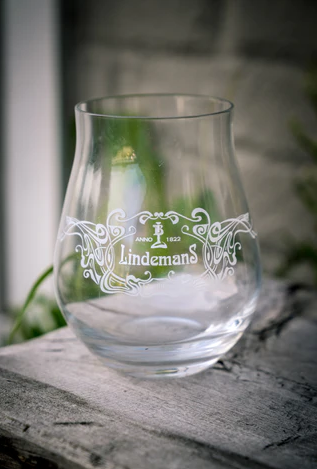
Lindemans Beer Glass


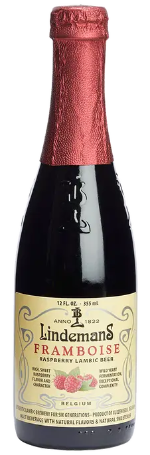
Lindemans-Brewery-Framboise-bottleLindemans Brewery
Framboise (Raspberry)
Vlezenbeek, Belgium

Dark pink with a slightly pink foam head. Powerful raspberry aromas with a hint of caramel and a slightly sour finish, characteristic of lambic beers.

ABV: 2.5% alcohol / volume
Style: Lambic – Framboise

IBU: 12
Beer Style at WineStyles: Sour, Tart & Funky
Serving Suggestion: Served as an aperitif at 35.6ºF-37.4ºF. Can also be used in cooking, or pair with an endive salad.
Conservation Tip: Bottles should be stored lying on their sides
History: Available since 1980
Awards:

  • International Beer Awards – Winner category Fruit Beers 2010
  • World Beer Awards:
    • Gold Medal – Category Sour & Wild Beer, Framboise 2019
    • Bronze Medal – Category Sour & Wild Beer, Framboise 2020
    • Winner, Category Sour & Wild Beer, Framboise 2021

Brewery Notes:
“The appearance of this exceptional beer is matched only by its taste! To make our Framboise, we add raspberry juice to our lambic. That gives it a delicate fruity aromas and a beautiful dark pink color, just like the dress I wore to our cousin Willy’s wedding (but that’s no interested to you since you undoubtedly don’t know Willy). Our raspberry lambic is served as an aperitif, but also use it in cooking. And when I don’t finish the bottle in my preparations, I finish it in my glass.” – Victorine de Gens
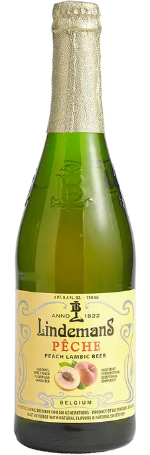

Lindemans-Brewery-Pêche-bottleLindemans Brewery
Pêche (Peach)
Vlezenbeek, Belgium

Golden blonde and slightly cloudy in appearance. As its name suggests, Pecheresse is a lambic beer enriched with peach juice. This is a fresh fruit beer that has a bright and full-bodied flavor as well as a nice balance between the sweet taste of the peach and the sourness of the lambic.

ABV: 2.5% alcohol / volume
Style: Lambic – Fruit

IBU: 10
Beer Style at WineStyles: Sour, Tart & Funky
Serving Suggestion: Serve at 35.6ºF-37.4ºF. Pair with salads (such as Salad Niçoise or a Waldorf Salad), Meats (such as grilled chicken, caramelized pork or peking duck), and desserts (such as peach melba, sorbet, Belgian waffles and crêpes)
Conservation Tip: Bottles should be stored lying on their sides
History: Available since 1987
Awards:

  • Australian International Beer Awards – Bronze Award, 2014
  • World Beer Awards:
    • Europe’s Silver Lambic, 2013
  • World Brewing Congress:
    • Gold Award, 1994
  • Asia Beer Awards:
    • Silver 2010 Category Fruit Lambic, 2010
  • US Open Beer Competition:
    • Gold Award, 2014
  • World Beer Championships:
    • Gold Medal, 1994

Brewery Notes:
“Lindemans Pêche is a young lambic enriched with peach juice. And this fruit beer is a real peach! It is nice to drink at any time of day. Or, on a sunny patio. Personally, I enjoy it with my girlfriends. And what we talk about is of no concern to you.” – Alice de Voghel
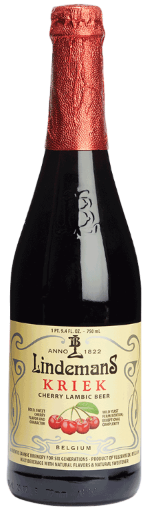

Lindemans-Brewery-Kriek-bottleLindemans Brewery
Kriek (Cherry)
Vlezenbeek, Belgium

Red and slightly cloudy in color. This deliciously fruity lambic highlights notes of freshly picked cherries. Its sharp and full-bodied flavor gives way to a perfect balance between sweet and sour. Like other Lindemans beers, this filtered kriek is made from a lambic base. The difference, however, lies in the maceration of 25% juice of fresh sour cherries before the beer is filtered and pasteurized.

ABV: 3.5% alcohol / volume
Style: Lambic – Kriek

IBU: 18
Beer Style at WineStyles: Sour, Tart & Funky
Serving Suggestion: Serve at 35.6ºF-37.4ºF. Pair with bread with cottage cheese and herbs, terrines, and carbonade flamande (a traditional Flemish stew)
Conservation Tip: Bottles should be stored lying on their sides
History: Available since 1979
Awards:

  • World Beer Awards – Europe’s Silver Kriek 2013
  • Beer International Recognition Awards:
    • Best of Fruit Beers, 2011
    • Belgium Grand Award, 2011
  • World Brewing Congress:
    • World Champion, 2001
    • Platinum Award, 1994
  • US Open Beer Competition:
    • Gold Award 2021, Category Sour/Belgian Lambic: Kriek

Brewery Notes:
“We’ve already told you that our family never does anything the way other people do. Lindemans Kriek is a good example of that. In order to obtain a beer like no other, we have been adding whole sour cherries to our lambic for generations. Our meeting with American importer Charles Finkel in the 1970s revolutionised the fruit beer segment. Charles convinced us to export our old kriek to the United States by boat. What we had not thought of is that the movement of the waves would reactivate the fermentation process and cause the corks to pop during the trip. It was like something out of The Adventures of Tintin. To prevent that from happening, we therefore developed an alternative production method for our kriek. We use fresh, not from concentrate, unsweetened cherry juice which we blend with lambic that is at least one year old before fermenting & macerating for up to 3 days and pasteurising the whole batch. So the corks don’t pop. Due to the use of juice and pasteurisation, this kriek is sweeter and fruitier than Oude Kriek Cuvée René, which undergoes a second fermentation process in the bottle. Thanks to its innovative flavour, it was a resounding success both here in Belgium as well as around the world. Nowadays, it is undoubtedly the reference kriek for consumers.” – Rene Lindemans
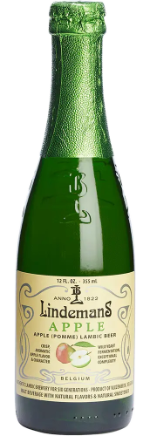

Lindemans-Brewery-Pomme-bottleLindemans Brewery
Pomme (Apple)
Vlezenbeek, Belgium

This apple lambic is the youngest of their range of lambic beers. A mixture of several selected varieties of apples, this young lambic is a fruit beer with a nice balance between the sweetness of red apples, the freshness of green apples and the sour-sweet character of lambic. The first taste is sharp and full-bodied, but then the sweet cider notes give way to a balance between a slightly sweet-sour taste..

ABV: 3.5% alcohol / volume
Style: Lambic – Fruit
IBU: 12
Beer Style at WineStyles: Sour, Tart & Funky
Serving Suggestion: Serve at 35.6ºF-37.4ºF. Pair with salads or foie gras on toast
Conservation Tip: Bottles should be stored lying on their sides
History: Available since 2005
Awards:

  • World Beer Awards – Europe’s Best Lambic 2013

Brewery Notes:
“Apple Lindemans (formerly called ‘Pomme’): brewing apple beer goes back to ancestral tradition. The Celts drank it in abundance during their harvest festivals. All we have done is extend the pleasure to the present day by adding the juice of several varieties of apples to our delicious lambic. The tasting experience, which is quite exceptional, combines the sweetness of cider with the sourness characteristic of lambic.” – Geert Lindemans

ABOUT LINDEMANS BREWERY:
Southwest of Brussels, in the quiet Belgian town of Vlezenbeek, the Lindemans family has crafted wild fermented lambics of exquisite taste and complexity for six generations. What began as a small home brewery to keep the farmers busy (and quench their thirst) during winter, continued to grow until commercial brewing started in 1822. Merchant du Vin introduced Lindemans lambics to the United States in 1979, making them the first lambics marketed in US history. To this day, they are the best-selling brand in the category. Check them out on Untappd, or learn more about their company here.

PLUS, CHECK OUT ALL LINDEMANS RECIPES HERE!

Photos and information © Merchant du Vin and Lindemans Brewery – All Rights Reserved.


Untappd

Follow WineStyles on Untappd


Don’t forget to follow your local WineStyles on the Untappd app and tag us when enjoying your Brew!

LEARN MORE ABOUT OUR BEER CLUB >


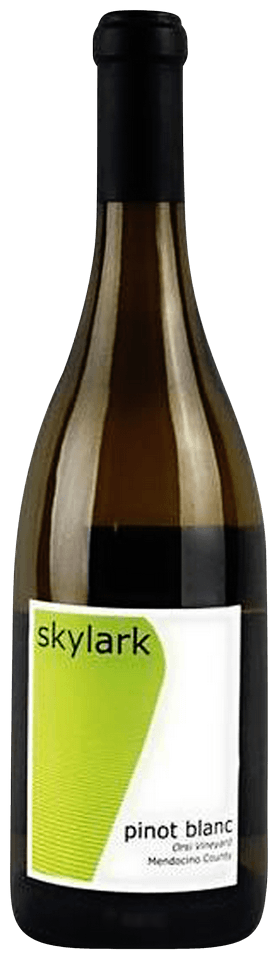
Skylark Pinot Blanc

Creamy Lemon Pappardelle with Scallops

Creamy Lemon Scallop Pasta

© Spices in my DNA

INGREDIENTS:

For the scallops

  • 1 pound jumbo scallops, side muscle removed
  • small drizzle of olive oil
  • 1/2 tablespoon unsalted butter
  • salt and pepper to taste
  • squeeze of lemon

For the pasta

  • 9 ounces pappardelle pasta
  • 2 tablespoons unsalted butter
  • 1 tablespoon olive oil
  • 2 cloves garlic, minced
  • 1/4 – 1/2 cup reserved pasta water
  • 4 ounces mascarpone cheese
  • 1/2 cup ricotta cheese
  • 1/3 cup finely grated parmesan cheese, plus extra for serving
  • zest of 1/2 a lemon
  • 2 tablespoons chopped fresh basil, plus extra for serving

DIRECTIONS:

For the scallops

  1. Make sure scallops are super dry, pat down thoroughly with paper towels until they’re dry. Season with pepper (no salt yet). Heat a nonstick skillet over medium-high heat. Add a small drizzle of olive oil and the butter. Once melted, wipe out the pan so that only a thin layer of oil and butter remain. Sear the scallops on one side for about 2 minutes, or until a golden brown crust forms. Flip and sear on the other side for 1 minute or until just cooked through. Season with salt and a squeeze of lemon.

For the pasta

  1. Bring a large pot of water to a boil for the pasta. Salt the water generously. Once boiling, add the pasta and cook until al dente. Be sure to scoop out the pasta water during the last few minutes of cooking, or right before you drain it.
  2. Heat a large skillet over medium-high heat. Add the butter and olive oil. Once melted and hot, add the garlic and sauté for 30 seconds to 1 minute until fragrant, stirring constantly. If it seems too hot, reduce the heat to medium (you don’t want the garlic to brown). Add the reserved pasta water (start with 1/4 cup), mascarpone, ricotta, parmesan, and lemon zest, and stir until melted and creamy. Add the pasta and toss until coated. If the sauce seems too dry, add another splash of pasta water and toss until desired consistency is reached. Add the chopped basil and toss again. Season to taste with salt and pepper. Serve the scallops over the pasta, and garnish with extra fresh basil and parmesan. Enjoy!

© Recipe from Spices in my DNA

DECEMBER WINE CLUB:

Silky styleSkylark Wine Company
Pinot Blanc
Mendocino County, California

SILKY WINE STYLE

Light straw yellow in color. High-toned aromatics of lime peel, roasted lemon, Granny Smith apple and a complicating note of pebbled soil. Intense and penetrating on the palate, the flavors follow through with the roasted lemon and green apple enlivened by natural acidity. Deftly light and concentrated at the same time, with the crunchy fruit streaming into a palate-staining finish.

One of Skylark’s oldest vineyard sources is Bernie Orsi’s Pinot Blanc outside of Hopland in Mendocino, California. Originally planted by John Fetzer in the 1970s, John and Robert walked through the oldest block of this site in 2005. Impressed by the thick, stubby trunks and gnarled old vines, they signed on to purchase that section for harvest 2005.  They have now grown production to almost the entire vineyard for Skylark’s Pinot Blanc bottling. After picking, the fruit is whole cluster pressed into a tank, then racked to Mueller stainless steel barrels for fermentation. Stirred the lees once, blocked malolactic fermentation and bottled with a light filtration. No doubt, this vintage of Pinot Blanc will brighten your day.

John L and Robert P

Photo by Skylark Wine: John L. and Robert P.

Analysis: 13.2% alcohol / volume
pH: 3.28 g/L
TA: 7.1
Aging:
Whole cluster pressed and vinification in multiple stainless steel 75gl barrels

Harvested: Hand-picked
Vineyard: Orsi Vineyard
Cases Produced: 800

“To reflect our palates, the portfolio at Skylark includes crisp, flavorful, aromatic white wines and full-bodied, rich, spicy red wines. As we have long admired the beautiful white wines produced in Alsace and Austria, our Pinot Blanc is a California rendition of a classic European varietal.”


Wine club logoJoin our WINE CLUB and enjoy these amazing wines and pairing recipes each month. Plus, you’ll receive 10% off all retail wine purchases!

Learn More >

July Beer Club: Iowa

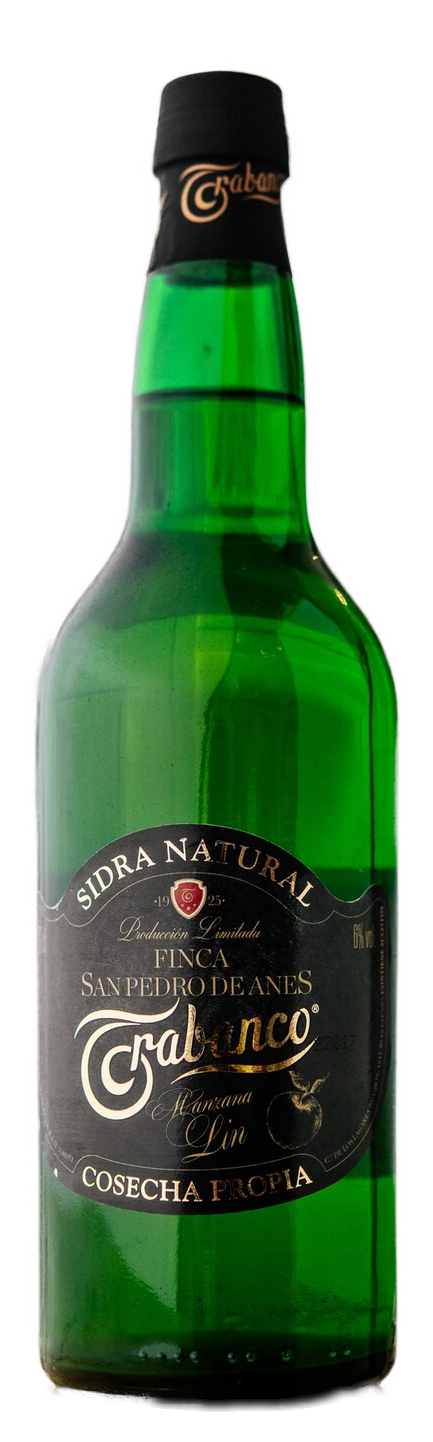
Manzana LinTrabanco
Manzana Lin Sidra Natural
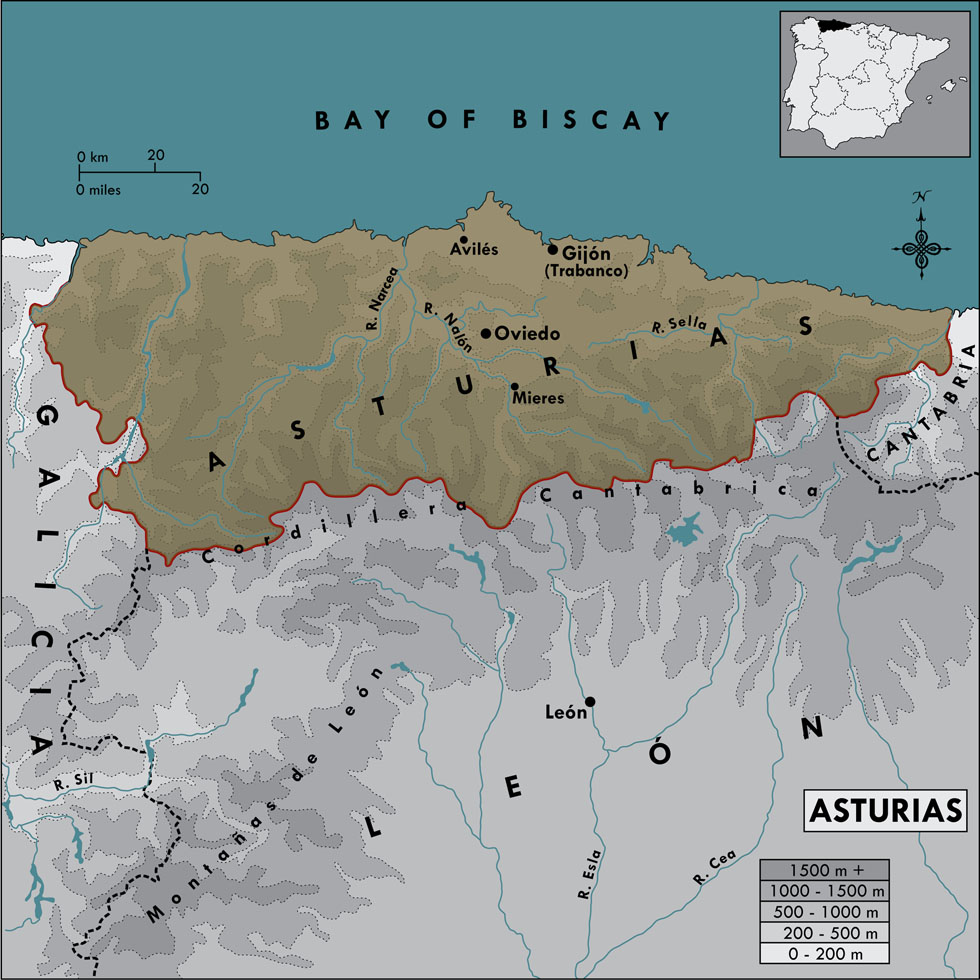
Gijón, Asturias, Spain

Manzana Lin is a special, limited production release from Trabanco. This single-site cider is made of Lin apples sourced from the San Pedro de Anes orchard. The juice is fermented with indigenous yeasts and in accordance with the guidelines for “Sidra Natural,” producing a low-alcohol cider that is tart and lacks carbonation. Sidra Natural should be served cold in a wide glass and poured from great height to break up the residual carbonic gas. Only a small amount (one sip’s worth) should be poured into the glass at a time.

BeerStyles: Fruity and Spicy
Style: Sidra Natural (Cider)
ABV:
6%
Apples: 70% Lin with a blend of local apples sourced from the San Pedro de Anes orchard.

Vinification: This cider has been fermented with indigenous yeasts and in accordance to the guidelines for “Naturally Fermented Quality Ciders.”

ABOUT THE CIDERY:

Like most families from the Asturian countryside, the Trabanco Family made their own cider from their own apples, but in 1925 Emilio Trabanco decided to turn this household hobby into a family business; creating Trabanco Cider. Using the best apples of selected varieties and following traditional methods, Trabanco Cider quickly became known throughout the region as the premier natural cider from Asturias. Not much has changed since then, the Trabanco family is still using traditional methods, augmented with modern technologies, to produce exceptional Asturian ciders. From a very young age, all of the members of the family are involved in the production process, from the apple picking and weighing, to operating the press. The family business continues to grow, as their inheritance is passed from one generation to the next.

Asturias Map

Asturias Map by Paul Dangel

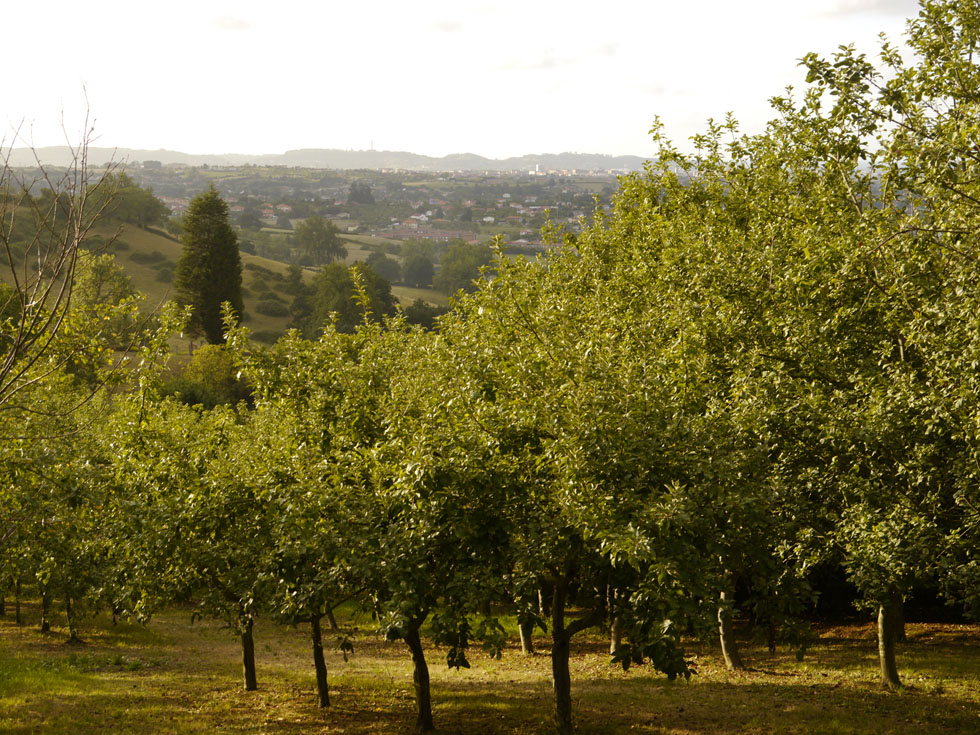
Trabanco Orchard

Trabanco Orchard. Photo by Steven Alexander

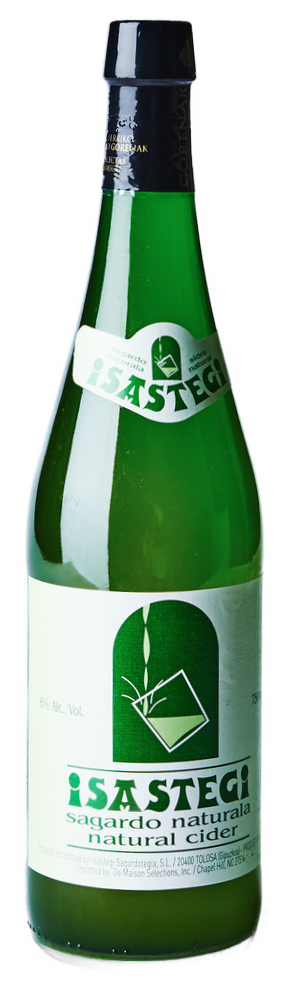
Isastegi CiderIsastegi
Sagardo Naturala
Tolosa (Isastegi), Spain

Sagardo Naturala, or “natural cider” is from the Basque Country in Spain, where basque ciders have been produced for over 2,000 years.  Golden-green hue in the glass, Isastegi’s Sagardo Naturala has ripe notes of apple on the nose, but lead to an acidic, malted apple on the palate. The finish is crisp and fresh. This cider goes through a completely natural fermentation process in large wooden barrels and is bottled fresh without filtration. Sagardo Naturala is more bitter than most ciders, with only mild residual carbonic acid. It should be served cold in a wide glass and poured from great height to break up the residual carbonic gas. Only a small amount (one sip’s worth) should be poured into the glass at a time.

BeerStyles: Fruity and Spicy
Style: Sagardo Naturala (Natural Cider)
ABV:
6%
Apples:
A blend of over a dozen native varietals
Vinification:
After fermentation in kupelas (old, large, oak cider barrels) the cider is bottled fresh and without filtration before each shipment.

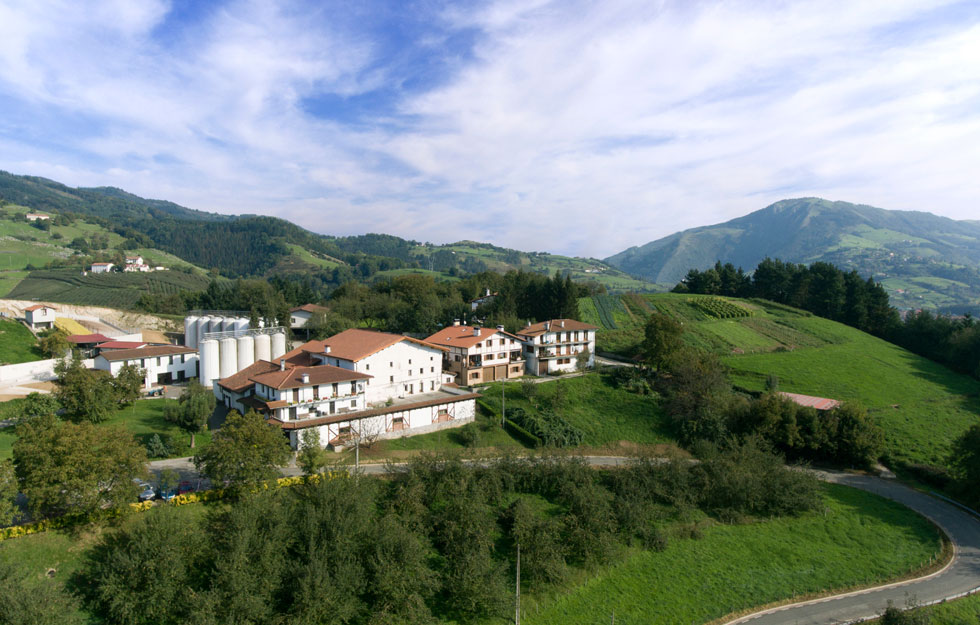
ABOUT THE CIDERY:

Isastegi is an old family estate located in the town of Tolosa in the Basque Country of Spain. The estate was originally covered by pastures for cattle, with only a few apple trees for the family to make a small amount of cider for itself. In 1983 they decided to switch from livestock to cider output and started selling their cider to the public. Over the years the demand for Isastegi cider has increased and the family’s country house has adapted to the changes. Pastures were replaced by orchards, while renovations added new state-of-the-art pressing and bottling rooms and a larger spaces for the kupelas (old, large, oak cider barrels). Isastegi prides themselves on their local focus and adhere to the strict guidelines of Basque Ciders by using only local apples with no added carbonation or sugars.

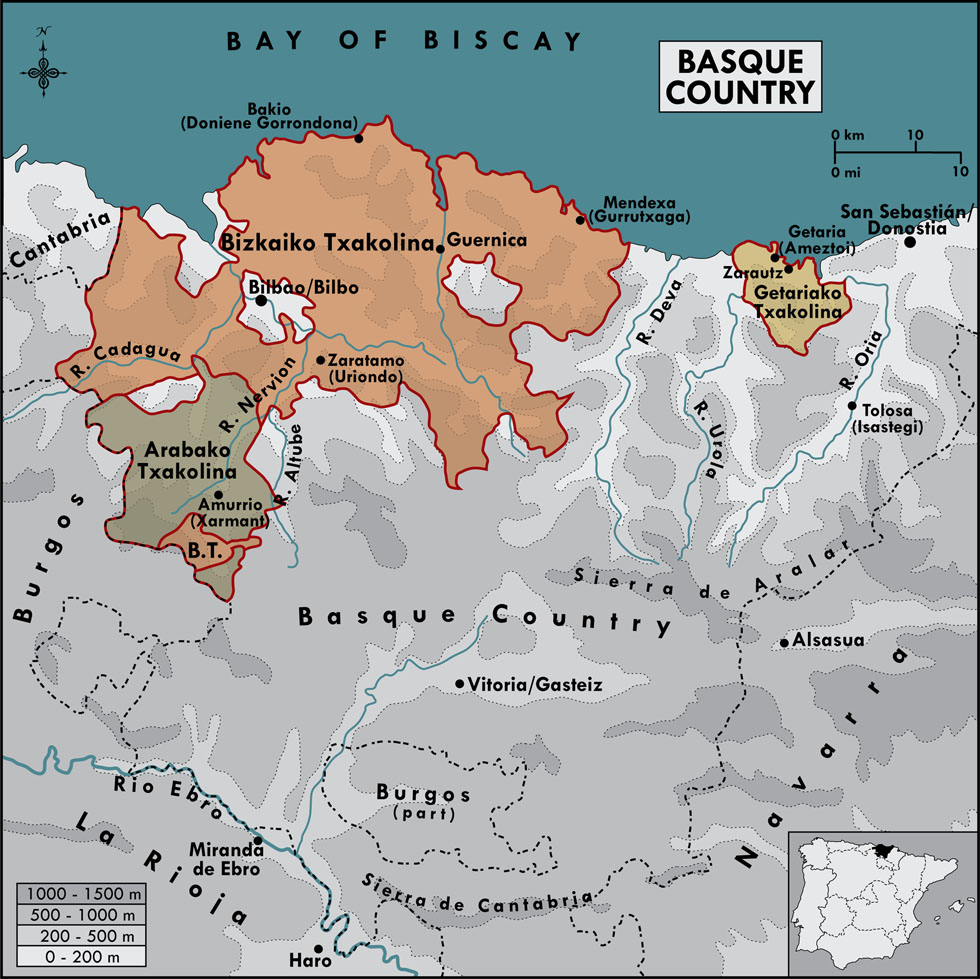
Basque Country

Map by Paul Dangel

Isastegi

Isastegi Cidery