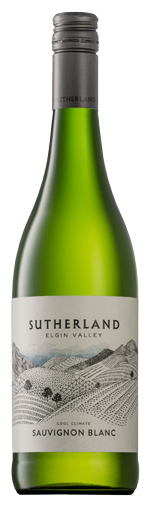
Sutherland Sauvignon Blanc

JUNE WINE CLUB:

Crisp Wine StyleSutherland-Sauvignon-Blanc_bottleSutherland Vineyards
Sauvignon Blanc
Elgin Valley, South Africa

CRISP WINE STYLE

Beautiful purity of limes and ripe gooseberry, with tropical, floral and fine herbal notes. This is cool climate Sauvignon Blanc – vibrant, mineral, elegant, balanced and delicate, with a long, layered and complex finish.

WINE DETAILS:

  • Analysis: 13.5% alcohol / volume
  • Residual sugar: 1.9 g/l
  • pH: 3.44
  • Total Acidity: 6.4 g/l
  • Food Pairing: A nice apéritif with fresh cheeses like chèvre (goat), or with oysters, shellfish and white fish like trout, cod and halibut.

VITICULTURAL PRACTICES:

  • Appellation: Western Cape, Elgin Valley, South Africa
  • Varietal: Sauvignon Blanc — 316D, 316A, 317A and 7A
  • Root stock: R99 and R110
  • Soil: Bokkeveld Shale
  • Age of vines: Planted 2003 and 2005
  • Plant density: 2222-2500 vines per hectare
  • Trellising: Vertical hedge
  • Pruning: 2-bud spurs every 15 cm
  • Yield: 11.4 t/ha
  • Irrigation: Supplementary drip
  • Vintage: Drier conditions limited berry mass and subsequently yields, but also ensured outstanding quality
  • Grape sugar: 21.0-23.3ºB
  • Acidity: 6.5-8.8 g/L
  • pH at harvest: 3.3-3.3

WINEMAKING PRACTICES:

  • Yeasts: Vin 7 & Alchemy 2
  • Fermentation Temperature: 59ºF
  • Method: The grapes were gently de-stemmed, pumped through a mash cooler, (Glycol set at 41°F) to cool the fruit down, a dose of pectolytic enzymes as well as a small amount of SO2 to aid in the juice clarification process, prevent oxidation and spontaneous fermentations. Once the press is full, the cycle is started and the juice is moved to a holding tank. Clarification takes place via floatation in the late afternoon and the juice is moved to its fermentation tanks early the following morning. The juice is inoculated with a commercial yeast strain, the ferment runs at 57.2°F, to maintain a progressive yet stable fermentation curve. The wines are left on their gross lees for 6 months, then racked and add a light fining to clean them up a bit for evaluation and then bottled.

ABOUT SUTHERLAND VINEYARDS:
After establishing Thelema Mountain Vineyards as a renowned estate in Stellenbosch, Gyles Webb set out in the early 2000s to craft a new line of small-batch, cool-climate wines. His search for the ideal location led him to a former apple orchard in the Elgin Valley—an area that would become home to Sutherland Vineyards. Located just 9 kilometers from the Atlantic Ocean and ranging from 140 to 250 meters above sea level, Sutherland benefits from its cool maritime climate. These conditions contribute to wines that are beautifully balanced, with remarkable depth and complexity of flavor. Elign was declared a wine ward in 1990, as one of the Cape’s newer appellations. Even though it has a grape cultivation history dating back to the 18th century, it was only recently recognized as a wine ward (designated viticultural area). Learn more about the Elgin wine region here. Learn more about the winery
 here.


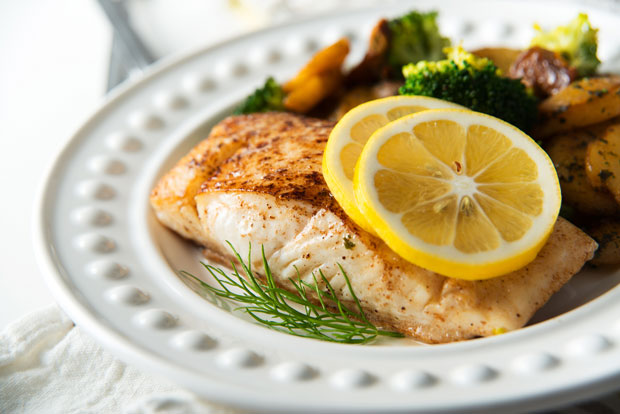
grilled-halibut-blogGrilled Halibut

INGREDIENTS:

  • 4 4-6 oz halibut fillets
  • salt to taste
  • black pepper to taste

Garlic Thyme Butter

  • 3 cloves garlic minced
  • 4 tablespoons unsalted butter melted
  • 1 tablespoons fresh thyme leaves
  • 1 lemon juice

DIRECTIONS:

  1. Preheat your grill 375ºF.
  2. Place the halibut fillet in a shallow baking dish. Combine all of the ingredients for the butter in a small bowl and pour over your halibut fillets.
  3. Gently toss the fillet to ensure all sides are evenly coated in the butter. Season all sides with freshly cracked pepper and salt.
  4. Moisten a paper towel with cooking oil. Pinch the paper towel between tongs and wipe it on the grates of your grill to prevent the halibut from sticking while it grills.
  5. Place the seasoned halibut directly on the grill grates. Close the lid and grill for 5-7 minutes. Flip them, close the lid, and grill until the internal temperature of the halibut reads 145ºF. You want your fish to be opaque and just start to flake.
  6. Remove the grilled halibut from the grill. Serve hot with lemon wedges.

Information & Photos © Thelema Mountain Vineyards © Sutherland Vineyards – All Rights Reserved. © Recipe courtesy of Hey Grill Hey.


Wine club logoJoin our WINE CLUB and enjoy these amazing wines and pairing recipes each month. Plus, you’ll receive 10% off all retail wine purchases!

Learn about our Memberships >

June Wine Club Pairing Recipe

JUNE WINE CLUB:

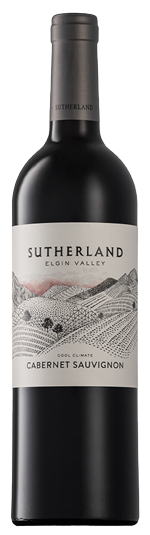
Bold wine Style logoSutherland-Cabernet-Sauvignon_bottleSutherland Vineyards
Cabernet Sauvignon
Elgin Valley, South Africa

BOLD WINE STYLE

Vibrant, dark ruby in color, this fruit driven, complex wine displays layers of dark berry fruit flavors and prominent cassis on the nose which follow through onto the palate with the additional intrigue of spice. Seamless tannins supported by the fruit intensity have combined to create a wine that provides a satisfying and lingering mouth feel.

WINE DETAILS:

  • Analysis: 14% alcohol / volume
  • pH: 3.40
  • Residual sugar: 2.2 g/l
  • Total Acidity: 6.3 g/l
  • Food Pairing: Red meat (especially game), strong cheeses.

VITICULTURAL PRACTICES:

  • Varietal: Cabernet Sauvignon, Clone 338C
  • Appellation: Cape South Coast, Elgin Valley, South Africa
  • Soil: Tukulu/Glenrosa
  • Age of vines: Planted August 2005
  • Plant density: 2353 vines/ha
  • Trellising: 7 wire perold with moveable foliage wires
  • Pruning: Spur
  • Yield: 6 t/ha
  • Irrigation: Supplementary drip
  • Vintage: Wet, cool climate conditions allowed replenishment of water reserves and slow ripening period
  • Picking date: 9th-24th March 2021
  • Grape sugar: 24-25º Balling
  • Acidity: 5.3 g/l
  • pH at harvest: 3.5

WINEMAKING PRACTICES:

  • Yeasts: Alchemy4
  • Fermentation Temperature: 78.8ºF
  • Method: De-stalked, hand sorting of berries, crushed, pumped into stainless steep tanks, pumped over once a day until dry, racked to barrel of malolactic fermentation. 18 months in 35% new French oak, balance in 3rd and 4th fill barrels.

ABOUT THE SUTHERLAND VINEYARDS:
After establishing Thelema Mountain Vineyards as a renowned estate in Stellenbosch, Gyles Webb set out in the early 2000s to craft a new line of small-batch, cool-climate wines. His search for the ideal location led him to a former apple orchard in the Elgin Valley—an area that would become home to Sutherland Vineyards. Located just 9 kilometers from the Atlantic Ocean and ranging from 140 to 250 meters above sea level, Sutherland benefits from its cool maritime climate. These conditions contribute to wines that are beautifully balanced, with remarkable depth and complexity of flavor. Elign was declared a wine ward in 1990, as one of the Cape’s newer appellations. Even though it has a grape cultivation history dating back to the 18th century, it was only recently recognized as a wine ward (designated viticultural area). Learn more about the Elgin wine region here. Learn more about the winery here.

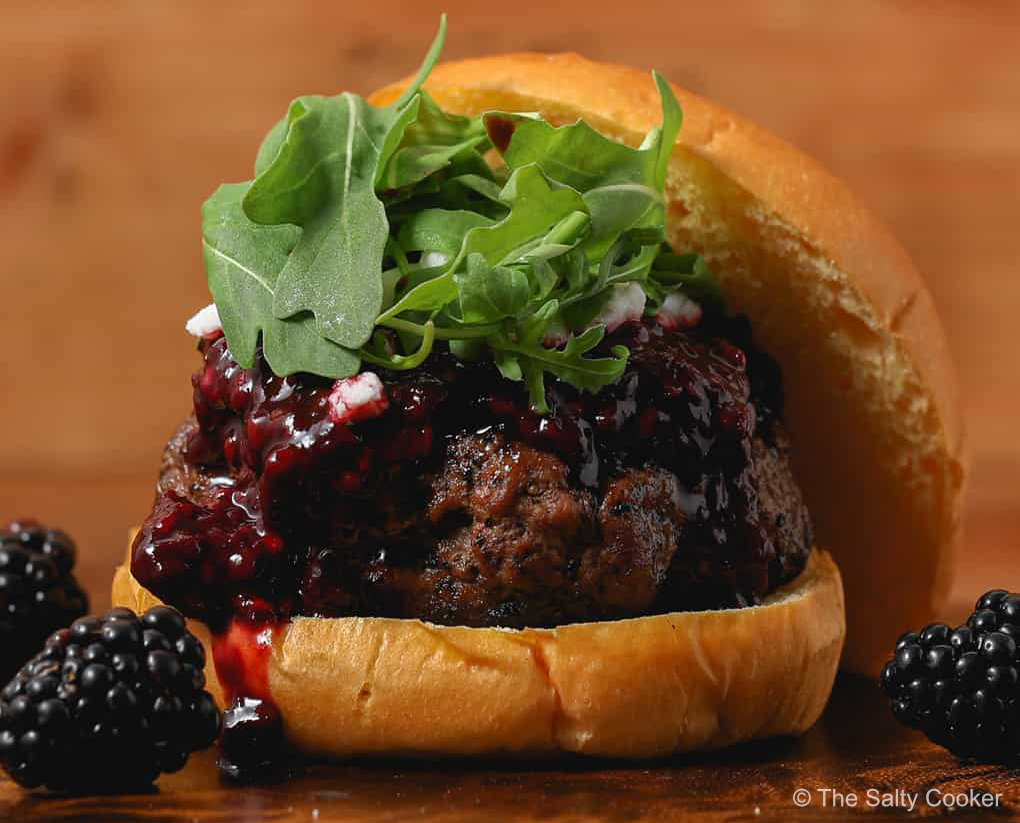
LambBurgerwithBlackberryBalsamicSauce-BLOGBlackberry Balsamic Lamb Burgers

INGREDIENTS:

Lamb Burgers

Blackberry Balsamic Sauce

  • 1 cup fresh blackberries
  • ¼ cup water
  • 1 tbsp balsamic syrup

Toppings

  • gluten free buns
  • arugula
  • dairy free feta

DIRECTIONS:

Lamb Burgers

  1. Heat your grill or a large skillet.
  2. Add all of your ingredients to a bowl and mix until just combined.
  3. Depending on how thick you like your burgers form 3-4 patties.
  4. Place burgers onto heated skillet or grill. Cook for 4-5 minutes per side, or until desired doneness.

Blackberry Balsamic Sauce

  1. Add all of your ingredients to a small saucepan on medium heat. Gently smash the blackberries down and allow to cook for 10 minutes. The sauce will reduce and thicken.
  2. To assemble burgers place burgers on your favorite gluten free bun. Top with the blackberry balsamic sauce, fresh arugula, and dairy free feta. Enjoy!

Information & Photos © Thelema Mountain Vineyards © Sutherland Vineyards – All Rights Reserved.
© Recipe courtesy of The Salty Cooker.


Wine club logoJoin our WINE CLUB and enjoy these amazing wines and pairing recipes each month. Plus, you’ll receive 10% off all retail wine purchases!

Learn about our Memberships >

September Bubbly Club

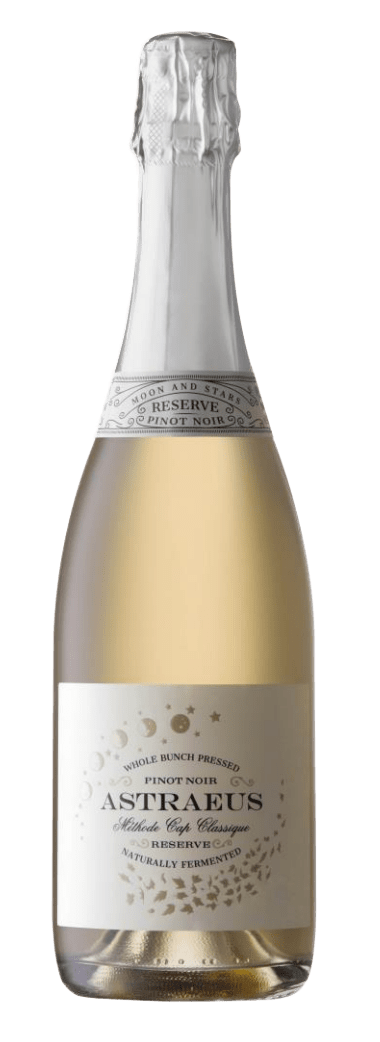
Astraeus RoséBubbly Wine ClubWaterkloof
Astraeus Rosé Pinot Noir MCC
Elgin Valley, South Africa

BUBBLY WINE STYLE

“In Greek mythology, ASTRAEUS, father of the four wind gods and the stars was an astrological deity known as the god of the dusk. Appropriately he married Eos who was the goddess of the dawn. Together they had many children, one of whom was named Boreas: God of the cold north wind, which howls relentlessly through Waterkloof’s vineyards and so defines the character of our grapes and resulting wines. While many people believe Waterkloof’s logo depicts a blowing man, it is actually a blowing god – Boreas. No myth, this palest of pale MCC rosés is a true product of nature.” – Waterkloof Wines

This is a lightly colored Pinot Noir Rosé with fine bubbles and not an overpowering mousse. It gives off floral and mineral aromas and strikes a fine balance on the palate between elegance and fine supporting structure. It can be enjoyed on its own or with some classic red fruit desserts.

Analysis: 12% alcohol / volume
TA: 6.2g/l
pH: 3.2
Residual Sugar: 5.24 g/l

ABOUT THE VINEYARDS:
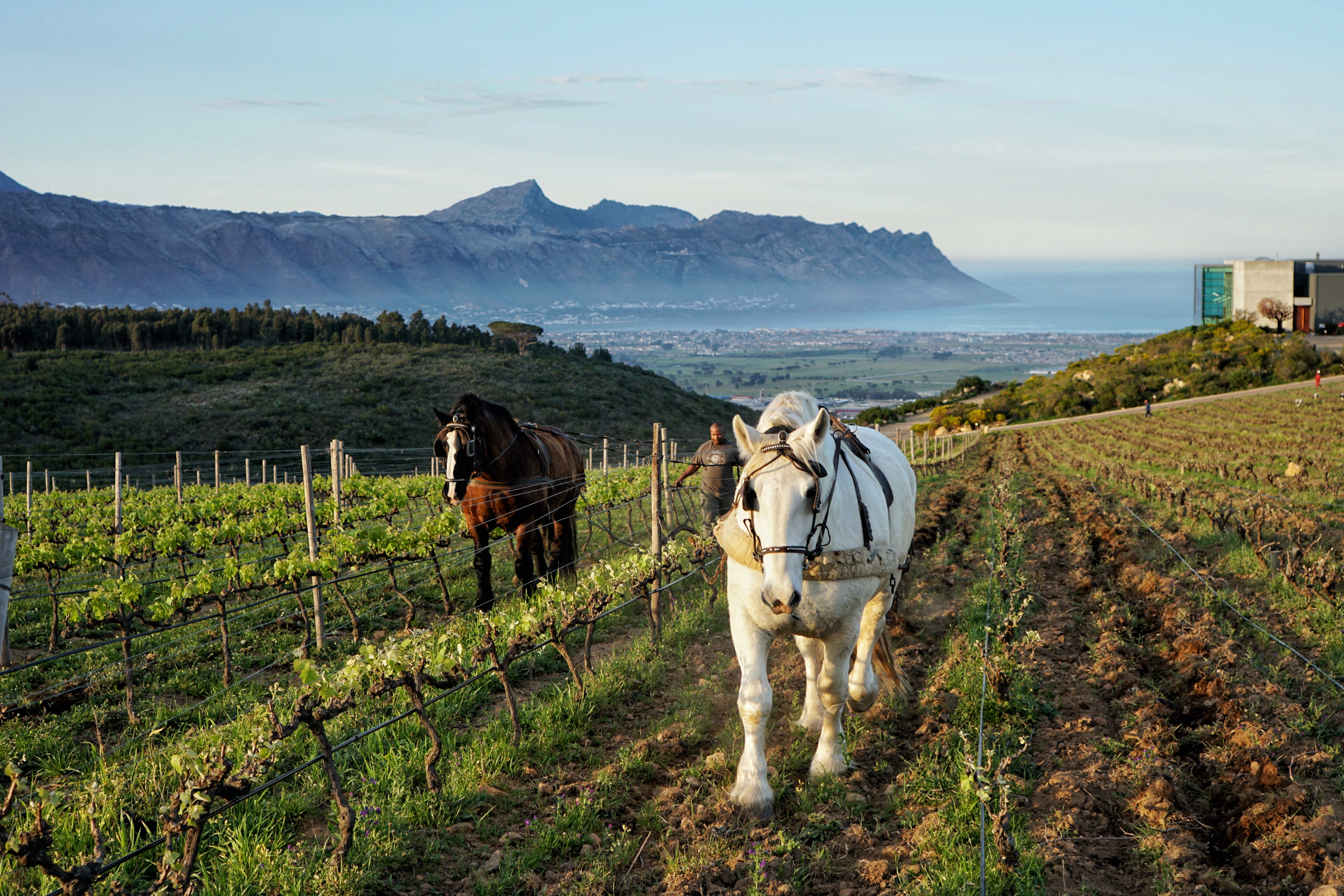
The grapes for Astraeus were sourced from an organically farmed vineyard in Elgin Valley, in the Western Cape of South Africa. Here, the Pinot Noir grapes receive enough cold temperatures during the winter season, as well as during the growing season, with Elgin Valley’s natural level of cloud cover. Elgin has a big diversity in soil types, but this particular vineyard consists of Table Mountain sandstone, which imparts a minerality to the wine.

Vineyard Work 1

WINEMAKING PROCESS:
This hand harvested Pinot Noir is whole bunch basket pressed for the purest juice; no further maceration is allowed. The juice is then left to settle naturally for 12 hours. From there, wild yeast fermentation, with no additions, takes place in old 600 liter barrels, where the wine spends 9 months on the lees. With bottling, champagne yeast is added and the wine is left in bottle on the lees for a further 11 months; after it is disgorged and left under cork for a further 7 months, the wine is ready to be released.

HISTORY OF WATERKLOOF:
In 1993 Paul Boutinot commenced his search for a vineyard site with the potential to produce truly fine wine with a defining sense of origin. The classic areas, capable of growing naturally balanced grapes such as the Cote d’Or, Chablis, Paulliac, Barolo, etc. were either unavailable or unattainable (rich men’s toys), so he had to find a new classic. It took ten years to narrow the search down to a small area on the south-facing slopes of the Schapenberg, overlooking False Bay in the Cape. As soon as he was led up a steep ravine opening out into a hidden amphitheater of potential, all his experience and intuition told him: THIS IS IT! Waterkloof was born, and the hard work began.  Learn more about the Waterkloof story here >


Bubbly Wine Club Learn more about our Bubbly Club >