February Wine Club Pairing Recipe

FEBRUARY WINE CLUB:

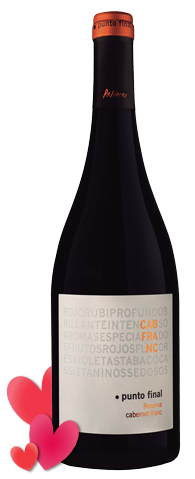
Bold wine Style logoHeart-Punto-Final-Cabernet-Franc-Reserve-bottleBodega Renacer
Punto Final Reserva
Cabernet Franc
Mendoza, Argentina

BOLD WINE STYLE

Intense ruby red color with violet reflections. Its aromas are of sweet spices, black pepper, cloves interwoven with soft notes of eucalyptus with a hint of pepper. As the wine opens, aromas of vanilla and chocolate appear from its aging in oak. The palate has great concentration, intensity and sweet impact, with ripe black fruit flavors and a distinctive caramel macchiato note. Soft, round tannins with good acidity and a long, lingering finish.

Varietal: Cabernet Franc
Analysis: 14.1% alcohol / volume
pH: 3.7
Total Acidity: 5.5 g/L
Appellation: Luján de Cuyo, Mendoza, Argentina
Grapes: From Vista Flores (1300 m.a.s.l. – calcareous and stony soils) and Perdriel – Luján de Cuyo (950 m.a.s.l. – loam soils).
Vineyards: More than 15 years old with yields of less than 8 tons per hectare
Selection: Double manual selection of clusters and berries

Maceration: For 2 days at 46.4°F
Alcoholic Fermentation: With indigenous yeasts for 12 days in stainless steel tanks at temperatures between 71.6 and 75.2°F
Malolactic Fermentation: In stainless steel tanks
Aging: In French oak barrels for 12 months
Critical Acclaims: 90 pts James Suckling 2019; 91 pts James Suckling 2017; Silver Medal 90 pts Decanter 2017; 91 pts Decanter 2014: 91 pts Robert Parker 2011

About the Winery:
Nestled in Luján de Cuyo—one of Mendoza’s premier regions for producing premium wines—Bodega Renacer was purposefully designed to craft high-end wines. Founded by Patricio Reich, a wine industry veteran since the late 1980s, his journey began as a partner and managing director at Viña San Pedro in Chile. Over time, his passion for winemaking deepened, inspiring him and his family to launch a new venture focused on creating exceptional wines. Established in 2003 at the base of the Andes Mountains, the winery features Tuscan-inspired architecture, pergolas, and Italian-style gardens—a tribute to its family heritage and a warm invitation to visitors. Bodega Renacer is driven by their key principles: a relentless pursuit of quality, a commitment to innovation, a strong family spirit, sustainability, and a dedication to specializing in Malbecs and Cabernets. Learn more here.

Try this wine with the following recipe…
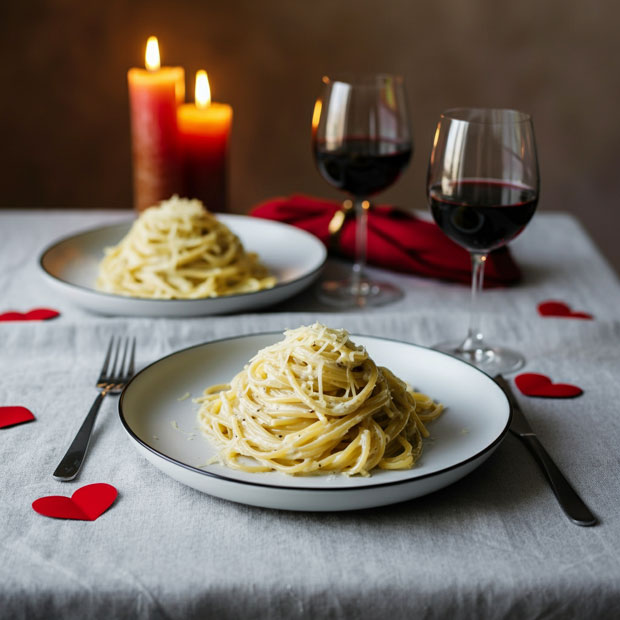
pasta_valentine-blogAuthentic Cacio e Pepe (classic Roman dish)

INGREDIENTS:

  • 1 lb. of dried spaghetti
  • 8 ounces of finely shredded Pecorino Romano cheese
  • 1 teaspoon of black pepper roughly ground
  • salt to taste

DIRECTIONS:

  1. Set timer, bring a large pot of salted water to boil and add the Spaghetti.
  2. Add pepper to a large sauté pan and slowly heat until you can smell the pepper.
  3. To prevent burning, add a ladle (or two) of the pasta water and let it lightly boil. Make sure the pan doesn’t go dry and burn the pepper.
  4. Add the cheese and a couple of ladles of boiling water to a bowl and mix it until it is creamy like a paste.
  5. When the Spaghetti is cooked, add it to the sauté pan with the water and pepper. Quickly stir the pasta and try to develop a sauce from the pepper and starchy pasta water.
  6. After two minutes of stirring, take off the heat and continue to stir while letting the pasta and pan cool a little, for about a minute.
  7. Add the cheese mixture while the pasta is off the heat. Stir vigorously and mix the cheese throughout the pasta.
  8. Put the pasta and cheese mixture back on a low flame and continue to stir it. If the sauce gets too dry, and one more ladle of pasta water to loosen up the mixture.
  9. Once everything is well mixed and creamy, serve immediately. When it is in the serving bowl, top with a little bit of fresh ground pepper and some more cheese.

Information & Photos © Bodega Renacer – All Rights Reserved.
© Recipe courtesy of Saturdays in Rome.


Wine club logoJoin our WINE CLUB and enjoy these amazing wines and pairing recipes each month. Plus, you’ll receive 10% off all retail wine purchases!
Learn about our Memberships >


October Wine Club Pairing Recipe

OCTOBER WINE CLUB:

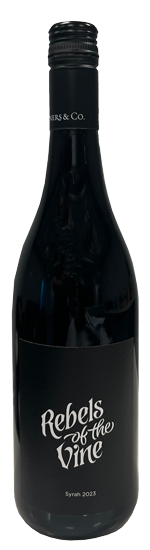
Bold wine Style logoRebels-of-the-Vine-Syrah-bottleBlack Elephant Vintners
Rebels of the Vine
Syrah
Swartland, South Africa

BOLD WINE STYLE

This classic Syrah for everyday enjoyment shows opulent, bright fruit on the nose and a beautifully elegant palate of round tannins layered with clove spice, ripe cherries and violets.

Varietal: 100% Syrah
Analysis: 13.5% alcohol / volume
pH: 3.71
TA: 5.2 g/L
RS:
2.6 g/L
Appellation:
Swartland, Western Cape, South Africa
Drinkability:
now-2026
Harvest yield: 9.5 per ha.
Food Pairing: Complements food fit for a feast, such as roast duck, grilled meat and hearty pasta dishes

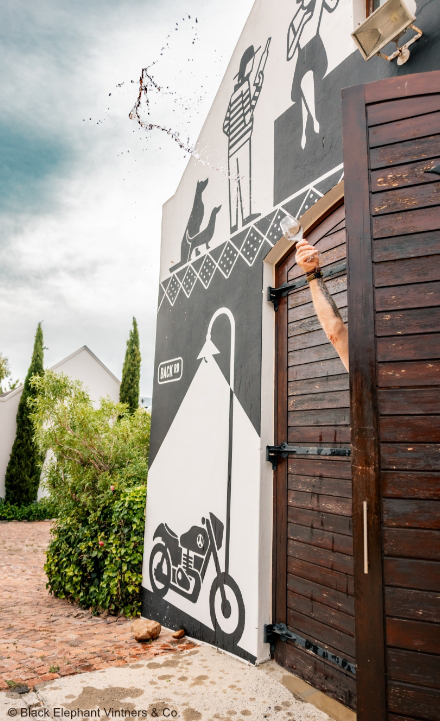
Photo-By-Black-Elephants-Vintners-CoIn the vineyard: This Syrah is sourced from dry-land farmed vineyards in the prestigious Swartland area. Syrah loves the “Mediterranean” climate of the Cape and grapes ripen with thick skins packed with velvety tannins and color.
In the cellar: Minimal oak was used during the aging of this Syrah, resulting in a very fruit-forward and spicy wine. The grapes were picked at 22 to 24 degrees balling and fermented in stainless steel tanks. Post fermentation they leave the wine on the skins to maximize complexity and mouthfeel. Matured in a selection of older oak for 12 months.

The vintage: It was a healthy growing season that followed a winter with good to normal rainfall which allowed the grapes to ripe optimally.

About the winery:
Black Elephant Vintners & Co. is a Franschhoek-based winery that blends tradition and innovation, breaking the norms of the wine industry with creativity and fun. Their wines are a tribute to the region’s unique terroir, pushing boundaries while celebrating the artistry of winemaking. With a mission to make wine more accessible and enjoyable, they invite non-conformists and dreamers to join their movement of rewriting the script on wine culture. Click here to learn more.

Try this wine with the following recipe…

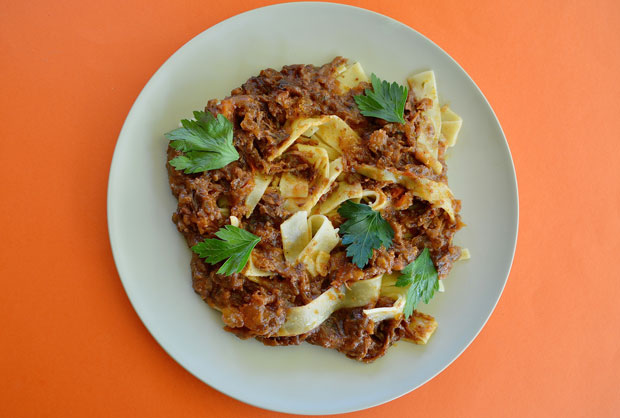
beef-ragu-pastaPappardelle with a Slow-Cooked Beef Ragu
INGREDIENTS:

Ragu:

  • 12.5 lb. chuck beef, or other slow cooking beef cut, cut into equal 4 pieces
  • 1 tbsp salt
  • black pepper
  • 3 tbsp olive oil, separated
  • 3 cloves garlic, minced
  • 1 onion, diced
  • 1 cup carrots, diced 
  • 1 cup celery, diced 
  • 28 oz crushed canned tomatoes
  • 3 tbsp tomato paste
  • 2 beef bouillon cubes, crumbled 
  • 1 cup red wine, full bodied, or sub with beef broth/stock
  • 1 ½ cups water
  • ¾ tsp dried thyme or 3 sprigs fresh thyme
  • 3 dried bay leaves

To Serve (not all sauce is used):

  • 1 lb. dried pappardelle, or other pasta of choice
  • freshly grated parmesan cheese or Parmigiano Reggiano
  • fresh parsley, finely chopped (optional)

DIRECTIONS:

  1. Pat beef dry and sprinkle with salt and pepper
  2. Sear Beef: Heat 1 tbsp olive oil over high heat in a heavy based pot. Add beef and sear each piece aggressively on all sides until very browned (3 – 5 minutes in total), then remove onto a plate.
  3. Turn stove down to medium low and add remaining 2 tbsp of olive oil.
  4. Soffrito: Add garlic and onion and sauté for 2 minutes. Then add the carrots and celery and sauté slowly for 5 minutes.
  5. Add remaining ragu ingredients and return the beef to the pot (including pooled juices). Turn the stove up and bring it to a simmer, then turn it down to low so it’s bubbling very gently.
  6. Slow cook: Cover the pot and let it cook for 2 hours or until beef is tender enough to shred. (For slow cooker and pressure cooker).
  7. Shred: Remove beef then coarsely shred with 2 forks. Return beef to the pot. Simmer for 30 minutes until sauce is reduced and thickened – beef will soften slightly more during this step.
  8. Final season: Do a taste test and adjust the seasoning to your taste with salt and pepper. Also, add ½ tsp sugar if sauce is a bit sour for your taste . Place the lid on and set aside until ready to serve (it’s even better the next day and freezes well for months).

To Serve:

  1. Bring a very large pot of water with 1 tbsp of salt to the boil.
  2. Add pasta and cook for 1 minute less than the recommended cooking time as per the packet instructions.
  3. Meanwhile, place 5 cups of the ragu in a very large fry pan, dutch oven or use 2 normal size fry pans. Heat over high heat while the pasta is cooking.
  4. When the pasta is ready, transfer it directly from the pot into the fry pan using tongs.
  5. Add ¾ cup of pasta water into the fry pan.
  6. Gently toss the pasta (I use 2 wooden spoons) for 1 to 2 minutes, until the sauce water evaporates and leaves you with a thick ragu sauce that coats the pasta.
  7. Yell for your family to sit down at the dinner table because you need to serve it immediately.
  8. Serve with plenty of freshly grated parmesan, or even better, with Parmigiano Reggiano.

Information & Photos © Black Elephant Vintners – All Rights Reserved.
© Recipe courtesy of Recipe Tin Eats.


Wine club logoJoin our WINE CLUB and enjoy these amazing wines and pairing recipes each month. Plus, you’ll receive 10% off all retail wine purchases!

Learn about our Memberships >


Reguta Merlot

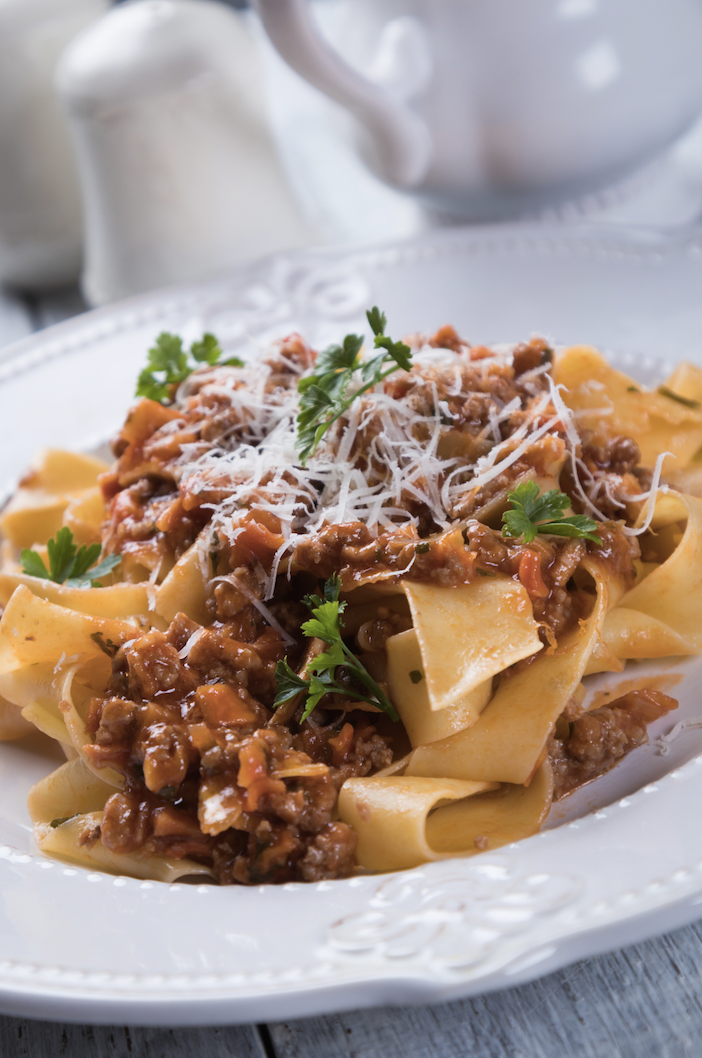
Simple Bolognese

INGREDIENTS:

  • ¼ cup extra-virgin olive oil
  • 1 medium onion coarsely chopped
  • 2 garlic cloves peeled and coarsely chopped
  • 1 celery stalk coarsely chopped
  • 1 carrot coarsely chopped
  • 1 pound ground chuck beef
  • 1 28-ounce can crushed tomatoes
  • ¼ cup flat-leaf Italian parsley chopped
  • 8 fresh basil leaves chopped
  • salt and freshly ground black pepper
  • ¼ cup freshly grated Pecorino Romano

DIRECTIONS:

  1. In a large skillet heat the olive oil. When almost smoking, add the onion and garlic and sauté over medium heat until the onions become very soft, about 8 minutes.
  2. Add the celery and carrot and sauté for 5 minutes.
  3. Raise heat to high and add the ground beef. Sauté, stirring frequently and breaking up any large lumps and cook until meat is no longer pink, about 10 minutes.
  4. Add the tomatoes, parsley and basil and cook over medium low heat until the sauce thickens. Season with salt and pepper. This will take approximately ½ hour.
  5. Finish bolognese with Pecorino Romano.
  6. Add to your favorite pasta.

© Recipe courtesy of Giada de Laurentiis from Giadzy.

MARCH WINE CLUB:

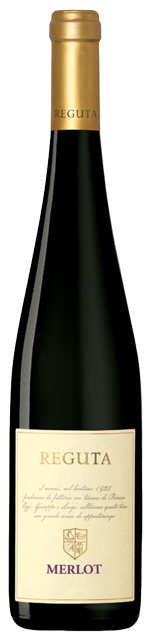
Mellow style logoReguta
Merlot
Friuli, Italy

MELLOW WINE STYLE

The Reguta Merlot is ruby red in color, tending to garnet with age. The nose displays a vibrant, varietal perfume subtler when young, and becomes extremely pleasurable after aging.

Varietal: Merlot
Analysis:
12.5% alcohol / volume
Serving Temperature: 50ºF-53.6ºF
Food Pairings:
Pair with meat based risotto or pasta, boiled meat, or rabbit stew.

ABOUT REGUTA:
The Reguta winery was founded in 1928 by Ettore Anselmi. Today, the winery is still owned and operated by the Anselmi Family in Pocenia in the Italian region of Friuli-Venezia Giulia. Second and third generations – Giuseppe and Luigi Anselmi and their sons continue the family’s traditions while expanding their high quality products. Located in a microclimate next to the Adriatic Sea, the winery boasts 250 hectares of vineyards. The soils are clayey in nature with a sandy component – allowing optimal development of the vine and an ideal habitat to produce and mature generous fruits.


Wine club logoJoin our WINE CLUB and enjoy these amazing wines and pairing recipes each month. Plus, you’ll receive 10% off all retail wine purchases!

Learn More >


Château Roc de Candale

tagliatelles-aux-morilles-et-champignons-de-paris-entete

© Photo by Les Vins de Saint-Emilion

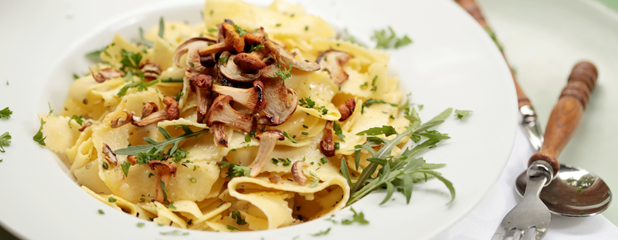
Tagliatelle with Morels and Paris Mushrooms

This mushroom pasta pairs beautifully with the notes from the Merlot and Cabernet Franc blend of Château Roc de Candale. We have found a French recipe from the Saint-Émilion region in France, however, for ingredients more easily accessible in the United States, this Creamy Pasta with Mushrooms from Bon Appétit is a good alternative to try.

INGREDIENTS:

  • 1.1 lbs (500 g) fresh Tagliatelle pasta
  • 1/3 cup (25 g) dried morels (or substitute dried porcini or shiitake mushrooms)
  • 1 cup (250 g) fresh Paris mushrooms (substitute white or Crimini mushrooms)
  • 1 leek (white part)
  • 1 yellow onion
  • 16.9 fl. oz. or about 2 cups (50 cl) light cream (about 18% fat content)
  • sunflower oil
  • nut oil
  • salt and pepper

DIRECTIONS:

  1. The day before, rehydrate the mushrooms in water for half an hour. Rinse to remove sand and then soak them again in 2 cups (50 cl) of fresh cream. Place the preparation in the refrigerator overnight.
  2. The next day, drain the mushrooms and keep the liquid cream. Peel and cut the Paris mushrooms into thin strips. Slice the leek and onion.
  3. Sauté the onion, leek and mushrooms in an oiled pan. Add salt and pepper. Wet it if necessary.
  4. After ten minutes, add the fresh cream, filtered through a fine sieve. Stir regularly and adjust seasoning. Cook for 10 minutes.
  5. When cooked, boil a large pot of salted water. Cook the Tagliatelle.
  6. Once the pasta is cooked and drained, serve immediately, if you like, with a drizzle of walnut oil from Périgord.

© Recipe courtesy of Les Vins de Saint-Emilion.

APRIL WINE CLUB:

Mellow style logoChateau-Roc-de-Candale-bottle-webMagali & Thibaut Decoster Vineyards
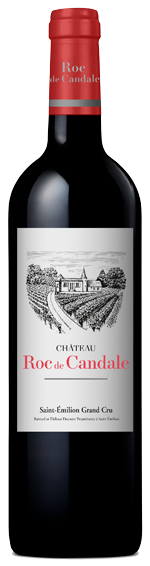
Château Roc de Candale

Saint-Émilion Grand Cru, France

MELLOW WINE STYLE

Château Roc de Candale has a bright purple color. The flattering bouquet is charming thanks to fine notes of spices. The wine is immediately pleasing with notes of fresh, ripe and juicy fruits. Château Roc de Candale offers sophisticated and spontaneous enjoyment.

Varietal: 90% Merlot, 10% Cabernet Franc
Analysis:
13.5% alcohol / volume
Harvest: By hand, in small crates
Average Yield: 25 hl/ha
Vinification: Soaking, pigeages (punching down the cap), and malolactic fermentation in barrels
Fermentation: 30 days
Vats: Wooden
Aging: 12 months in barrels
Production: 23,000 Bottles
Oenologist Consultant: Stéphane Derenoncourt

ABOUT THE VINEYARD
Château Roc de Candale was previously called Vieux Château Haut Béard. Its vineyard is close to that of Château de Candale and is planted at the foot of Saint-Emilion’s south-facing slope. The former owner brought together the two estates when he acquired Vieux Château Haut Béard after having purchased Château de Candale. Today, each growth has its own vineyard and cellar. In this way, the identity and style of each of them are preserved. 
Château Roc de Candale is planted on a more clay-silt terroir which gives the wine greater suppleness in its early years. Being less complex than its neighbor, it is a wine for more immediate enjoyment. Learn more here. 

ABOUT DECOSTER VINEYARDS:

Their story began in 2004 when Thibaut and Magali became wine-growers at Clos des Jacobins, though they had little ties to the world of wine-growing. Both came from Limoges, and they studied business and marketing in France and England. Eventually, Thibaut moved to the Bordeaux area and was taken on as a vineyard worker at a wine estate in Léognan. There, for a period of 3 years in the field, he practiced all the vine-growing tasks required to produce high-end reds and whites. In 2003, an opportunity came along for Thibaut and Magali to set up in Saint-Émilion. Clos des Jacobins and Château La Commanderie were up for sale, and one year later Thibaut and Magali were the new owners of the estates. Learn more about their story here. 

Wine club logoJoin our WINE CLUB and enjoy these amazing wines and pairing recipes each month. Plus, you’ll receive 10% off all retail wine purchases!

Learn More >

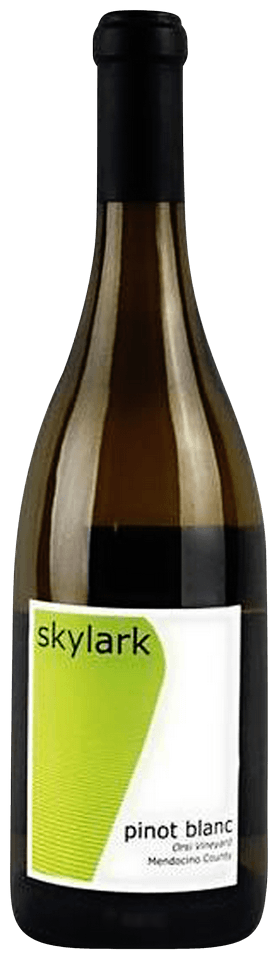
Skylark Pinot Blanc

Creamy Lemon Pappardelle with Scallops

Creamy Lemon Scallop Pasta

© Spices in my DNA

INGREDIENTS:

For the scallops

  • 1 pound jumbo scallops, side muscle removed
  • small drizzle of olive oil
  • 1/2 tablespoon unsalted butter
  • salt and pepper to taste
  • squeeze of lemon

For the pasta

  • 9 ounces pappardelle pasta
  • 2 tablespoons unsalted butter
  • 1 tablespoon olive oil
  • 2 cloves garlic, minced
  • 1/4 – 1/2 cup reserved pasta water
  • 4 ounces mascarpone cheese
  • 1/2 cup ricotta cheese
  • 1/3 cup finely grated parmesan cheese, plus extra for serving
  • zest of 1/2 a lemon
  • 2 tablespoons chopped fresh basil, plus extra for serving

DIRECTIONS:

For the scallops

  1. Make sure scallops are super dry, pat down thoroughly with paper towels until they’re dry. Season with pepper (no salt yet). Heat a nonstick skillet over medium-high heat. Add a small drizzle of olive oil and the butter. Once melted, wipe out the pan so that only a thin layer of oil and butter remain. Sear the scallops on one side for about 2 minutes, or until a golden brown crust forms. Flip and sear on the other side for 1 minute or until just cooked through. Season with salt and a squeeze of lemon.

For the pasta

  1. Bring a large pot of water to a boil for the pasta. Salt the water generously. Once boiling, add the pasta and cook until al dente. Be sure to scoop out the pasta water during the last few minutes of cooking, or right before you drain it.
  2. Heat a large skillet over medium-high heat. Add the butter and olive oil. Once melted and hot, add the garlic and sauté for 30 seconds to 1 minute until fragrant, stirring constantly. If it seems too hot, reduce the heat to medium (you don’t want the garlic to brown). Add the reserved pasta water (start with 1/4 cup), mascarpone, ricotta, parmesan, and lemon zest, and stir until melted and creamy. Add the pasta and toss until coated. If the sauce seems too dry, add another splash of pasta water and toss until desired consistency is reached. Add the chopped basil and toss again. Season to taste with salt and pepper. Serve the scallops over the pasta, and garnish with extra fresh basil and parmesan. Enjoy!

© Recipe from Spices in my DNA

DECEMBER WINE CLUB:

Silky styleSkylark Wine Company
Pinot Blanc
Mendocino County, California

SILKY WINE STYLE

Light straw yellow in color. High-toned aromatics of lime peel, roasted lemon, Granny Smith apple and a complicating note of pebbled soil. Intense and penetrating on the palate, the flavors follow through with the roasted lemon and green apple enlivened by natural acidity. Deftly light and concentrated at the same time, with the crunchy fruit streaming into a palate-staining finish.

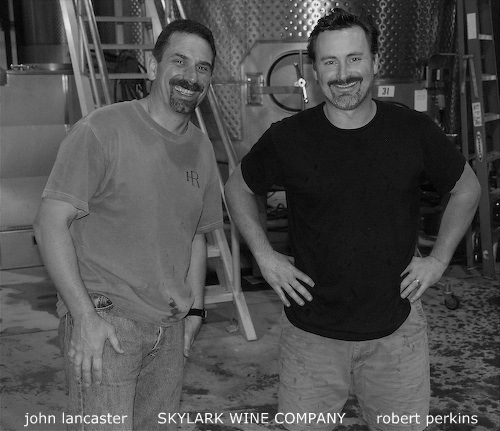
One of Skylark’s oldest vineyard sources is Bernie Orsi’s Pinot Blanc outside of Hopland in Mendocino, California. Originally planted by John Fetzer in the 1970s, John and Robert walked through the oldest block of this site in 2005. Impressed by the thick, stubby trunks and gnarled old vines, they signed on to purchase that section for harvest 2005.  They have now grown production to almost the entire vineyard for Skylark’s Pinot Blanc bottling. After picking, the fruit is whole cluster pressed into a tank, then racked to Mueller stainless steel barrels for fermentation. Stirred the lees once, blocked malolactic fermentation and bottled with a light filtration. No doubt, this vintage of Pinot Blanc will brighten your day.

John L and Robert P

Photo by Skylark Wine: John L. and Robert P.

Analysis: 13.2% alcohol / volume
pH: 3.28 g/L
TA: 7.1
Aging:
Whole cluster pressed and vinification in multiple stainless steel 75gl barrels

Harvested: Hand-picked
Vineyard: Orsi Vineyard
Cases Produced: 800

“To reflect our palates, the portfolio at Skylark includes crisp, flavorful, aromatic white wines and full-bodied, rich, spicy red wines. As we have long admired the beautiful white wines produced in Alsace and Austria, our Pinot Blanc is a California rendition of a classic European varietal.”


Wine club logoJoin our WINE CLUB and enjoy these amazing wines and pairing recipes each month. Plus, you’ll receive 10% off all retail wine purchases!

Learn More >

June Wine Club pairing recipe

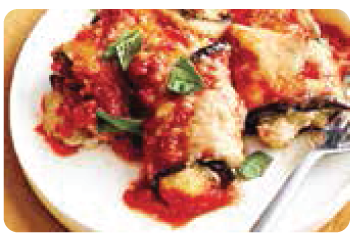
EGGPLANT INVOLTINI

Eggplant Involtini

Photo: Johnny Autry; Styling: Leigh Ann Ross

INGREDIENTS:

  • 1 tablespoon extra-virgin olive oil
  • 2 pounds tomatoes, seeded and coarsely chopped (about 3 large)
  • 1/2 teaspoon kosher salt, divided
  • 4 garlic cloves, crushed and divided
  • 12 (1/4-inch-thick) lengthwise slices eggplant (about 2 medium)
  • 1/4 teaspoon freshly ground black pepper
  • Cooking spray
  • 2 tablespoons pine nuts, lightly toasted
  • 1 ounce whole-wheat French bread, toasted and torn into pieces
  • 8 ounces part-skim ricotta cheese
  • 1 teaspoon grated lemon rind
  • 1 large egg
  • 3/4 cup chopped fresh basil leaves, divided
  • 2 ounces Parmigiano-Reggiano cheese, grated (about 1/2 cup) and divided

DIRECTIONS:
Combine oil and tomatoes in a medium saucepan; stir in 1/4 teaspoon salt and 2 garlic cloves. Bring to a boil over medium-high heat; reduce heat, and simmer 15 minutes or until reduced to 2 cups. Cool 10 minutes. Place mixture in a food processor; process until smooth. Set aside.
• Preheat broiler to high.
• Sprinkle eggplant slices evenly with 1/4 teaspoon salt and pepper; arrange slices in a single layer on a foil-lined baking sheet. Lightly coat eggplant with cooking spray. Broil 4 minutes on each side or until lightly browned. Cool 10 minutes
Preheat oven to 375 F.
Place remaining 2 garlic cloves in a mini food processor; pulse until chopped. Add nuts and bread; pulse 10 times or until coarse crumbs form. Add ricotta, rind, and egg; process until smooth. Stir in 1/2 cup basil and 1/4 cup Parmigiano-Reggiano.
Spread 1 1/2 cups tomato sauce over the bottom of an 8-inch square glass or ceramic baking dish coated with cooking spray. Spread 2 tablespoons ricotta mixture onto each eggplant slice; roll up jelly-roll fashion. Place rolls, seam sides down, over sauce in dish. Spoon remaining sauce over rolls. Sprinkle with remaining 1/4 cup Parmigiano-Reggiano. Bake at 375° for 25 minutes or until bubbly. Sprinkle with remaining basil. © Recipe courtesy of Sidney Fry, MS, RD and Cooking Light.

JUNE WINESTYLES WINE CLUB

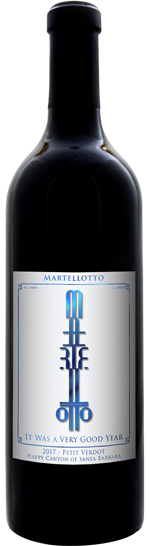
Bold wine Style logoPetit VerdotIt Was a Very Good Year
Petit Verdot
Santa Barbara, California
Martellotto Winery

The Happy Canyon AVA is one of the youngest in Santa Barbara, established in 2009. Located in the southeast part of the larger Santa Ynez Valley, this is the hottest part of the valley and furthest from the ocean. Rolling hills sit atop a serpentine-laced terroir that is primarily planted to Bordeaux varietals. Petit Verdot traces its noble lineage to Bordeaux, where it is typically used as a blending grape. The final wine was loved so much, Martellotto Winery transformed the side show into the main event. This is one of very few Petit Verdot dominate wines produced anywhere. Located in Buellton, California, the Martellotto Winery focuses on vibrant Bordeaux varietals. It’s one of few California wineries bottling and producing varietal wines from each of the five noble Bordeaux grapes.

winemaker Greg Martellotto“Stylish, ethereal, and abundantly rich, this wine excites with aromas of bouquet garni, violet and rose petal. Flavors of black cherry, plum, graphite and mocha round out a plush and pleasing ink monster. Varietally correct and precise, classic like a Frank Sinatra song. A rare beast with bold fruit.” – Greg Martellotto, winemaker

Winemaker: Greg Martellotto
Appellation: Happy Canyon AVA, Santa Ynez Valley, California
Varietal Blend:  80% Petit Verdot, 20% Malbec
Analysis: 14.25% alcohol / volume
Critical Acclaim: Reviewed and approved by Doug Frost, Master Sommelier and Master of Wine

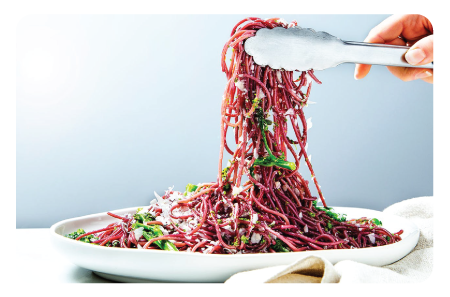
Drunken Spaghetti

May Wine Club Pairing Recipe

Wine Pasta

Photo: Katie Foster / Tasting Table

INGREDIENTS:
• 1 ½ pounds rapini (broccoli rabe)
• 1 pound spaghetti
• 1 bottle (750 ml) dry red wine (preferably different Zinfandel)
• 1 tablespoon sugar
• 1/3 cup extra-virgin olive oil
• 2 tablespoons thinly sliced garlic (about 4 cloves)
• ¼ teaspoon red-pepper flakes
• 1 teaspoon salt
• ½ teaspoon freshly ground black pepper
• ½ cup grated Pecorino Romano cheese

DIRECTIONS:
• Bring a pot of salted water to a boil. Add the rapini and cook for 3 minutes or until just tender. Transfer the rapini to a baking sheet and let cool. In the same boiling water, cook the spaghetti, stirring occasionally, for 5 minutes. (The pasta will finish cooking in the wine.) Reserve 1 cup of the pasta water and then drain the pasta and set it aside. Return the empty pasta pot to the stove.
• Add the wine and sugar to the pasta pot. Bring to a boil over high heat and cook until reduced by half, about 8 to 10 minutes. Add the pasta and shake to prevent the pasta from sticking. Gently stir with tongs until coated and boil over high heat, stirring occasionally, until most of the liquid is absorbed and the pasta is al dente, about 4 to 5 minutes.
• While the pasta cooks in the wine, heat a large, deep skillet over high heat. Add the olive oil, reduce the heat to medium-low and cook the garlic until golden, about 3 minutes. Add the rapini, red-pepper flakes, salt and pepper and cook, stirring occasionally, for 2 minutes. Add ½ cup of the reserved pasta water, or more if desired, and stir to combine.
• Add the rapini mixture to the pasta pot, toss gently and transfer to a platter. Sprinkle with the cheese and serve. © Recipe courtesy of Tasting Table, adapted from Michael Chiarello’s Bottega (Chronicle Books).

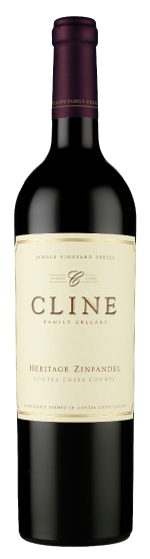
Bold wine Style logoCline Heritage ZinfandelCline Family Cellars
Single Vineyard Series
Heritage Zinfandel
Contra Costa County, California

Family-owned and operated, Cline Family Cellars was built on a passion of winemaking and rooted in the land. Founded in 1982, Fred Cline made his first vintages from original plantings, some of which dated back to the 1880s. As one of the original Rhone Rangers, Cline has been committed to nurturing the land and using sustainable farming methods. This luscious Zinfandel comes from Cline’s prized Big Break, Live Oak and Bridgehead vineyards located in Oakley. All within a two mile radius of one another, these vineyards are managed by farming practices that were originally used by the Italian and Portuguese immigrants that inhabited the area before the turn of the century. Pairs well with roasted or grilled meats or a hearty pasta dish.

Winemaker Charlie Tsegeletos

Winemaker Charlie Tsegeletos

“The Heritage Zinfandel is big and flavorful, with notes of chocolate, sweet berries, spice and coffee – a classic example of the big boned Zinfandels for which Cline Cellars has become known. The wine’s acidity and tannins are firm, but balanced, creating a luscious wine. The Heritage Zinfandel is delicious now and will age beautifully over the next decade.” – Charlie Tsegeletos, winemaker

Winemaker: Charlie Tsegeletos
Appellation: Contra Costa County, California
Varietal Blend:  Zinfandel
Analysis: 15.0% alcohol / volume
Critical Acclaim: Reviewed and approved by Doug Frost, Master Sommelier and Master of Wine