September Bubbly Club

Astraeus RoséBubbly Wine ClubWaterkloof
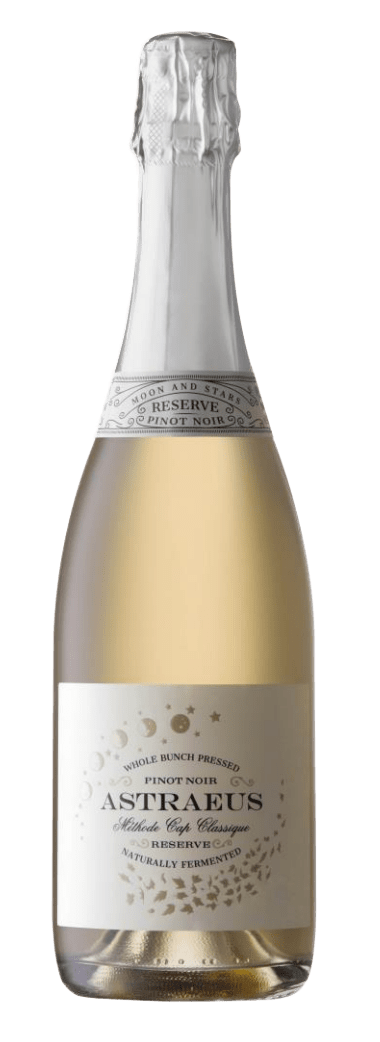
Astraeus Rosé Pinot Noir MCC
Elgin Valley, South Africa

BUBBLY WINE STYLE

“In Greek mythology, ASTRAEUS, father of the four wind gods and the stars was an astrological deity known as the god of the dusk. Appropriately he married Eos who was the goddess of the dawn. Together they had many children, one of whom was named Boreas: God of the cold north wind, which howls relentlessly through Waterkloof’s vineyards and so defines the character of our grapes and resulting wines. While many people believe Waterkloof’s logo depicts a blowing man, it is actually a blowing god – Boreas. No myth, this palest of pale MCC rosés is a true product of nature.” – Waterkloof Wines

This is a lightly colored Pinot Noir Rosé with fine bubbles and not an overpowering mousse. It gives off floral and mineral aromas and strikes a fine balance on the palate between elegance and fine supporting structure. It can be enjoyed on its own or with some classic red fruit desserts.

Analysis: 12% alcohol / volume
TA: 6.2g/l
pH: 3.2
Residual Sugar: 5.24 g/l

ABOUT THE VINEYARDS:
The grapes for Astraeus were sourced from an organically farmed vineyard in Elgin Valley, in the Western Cape of South Africa. Here, the Pinot Noir grapes receive enough cold temperatures during the winter season, as well as during the growing season, with Elgin Valley’s natural level of cloud cover. Elgin has a big diversity in soil types, but this particular vineyard consists of Table Mountain sandstone, which imparts a minerality to the wine.
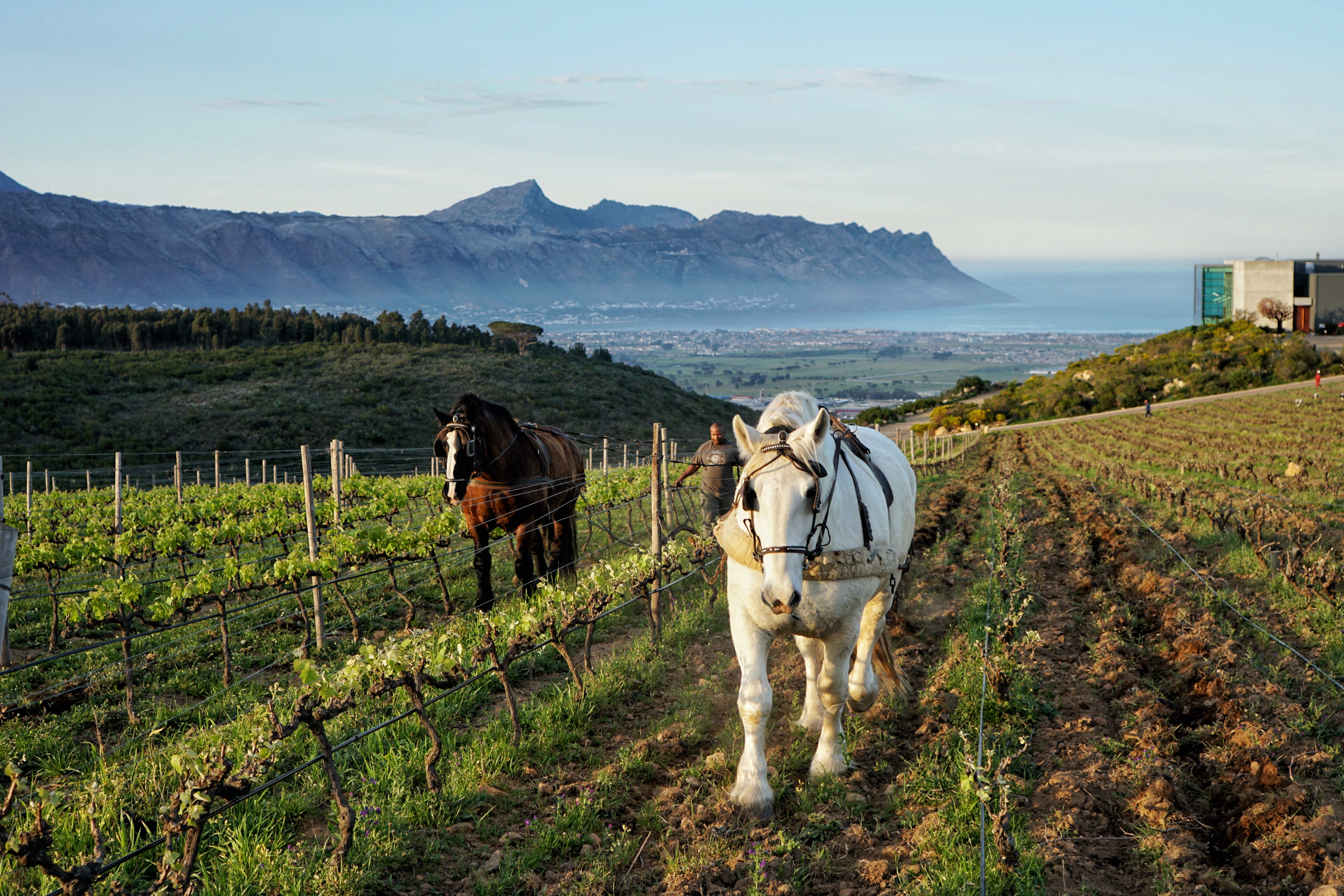
Vineyard Work 1

WINEMAKING PROCESS:
This hand harvested Pinot Noir is whole bunch basket pressed for the purest juice; no further maceration is allowed. The juice is then left to settle naturally for 12 hours. From there, wild yeast fermentation, with no additions, takes place in old 600 liter barrels, where the wine spends 9 months on the lees. With bottling, champagne yeast is added and the wine is left in bottle on the lees for a further 11 months; after it is disgorged and left under cork for a further 7 months, the wine is ready to be released.

HISTORY OF WATERKLOOF:
In 1993 Paul Boutinot commenced his search for a vineyard site with the potential to produce truly fine wine with a defining sense of origin. The classic areas, capable of growing naturally balanced grapes such as the Cote d’Or, Chablis, Paulliac, Barolo, etc. were either unavailable or unattainable (rich men’s toys), so he had to find a new classic. It took ten years to narrow the search down to a small area on the south-facing slopes of the Schapenberg, overlooking False Bay in the Cape. As soon as he was led up a steep ravine opening out into a hidden amphitheater of potential, all his experience and intuition told him: THIS IS IT! Waterkloof was born, and the hard work began.  Learn more about the Waterkloof story here >


Bubbly Wine Club Learn more about our Bubbly Club >
September Sweet Club

Sweet Wine ClubBenguela Cove - Noble Late HarvestBenguela Cove
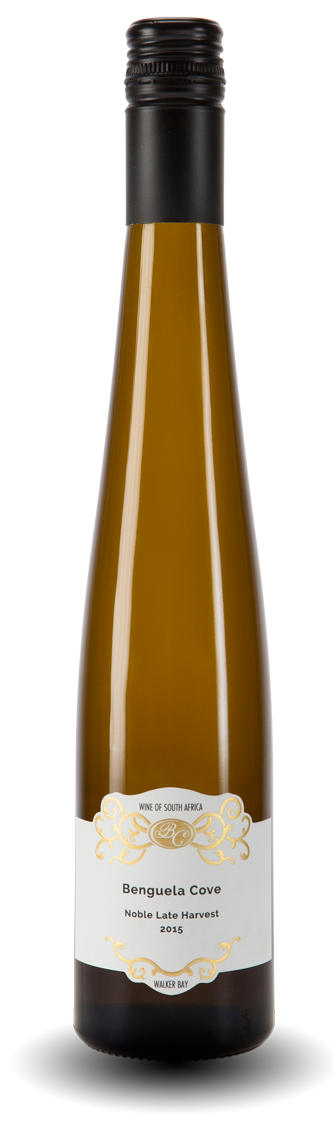
Noble Late Harvest
Hermanus, South Africa

NECTAR WINE STYLE

This wine has a medium straw color with heady notes of honey blossom, orange peel, pineapple and dried peaches. The lovely sweetness of the wine is balanced with a lingering finish while still remaining fresh and crisp on the palate.

Region: Walker Bay, Hermanus, South Africa
Analysis: 9.50% alcohol / volume
Residual Sugar: 190.00 g/L
pH: 3.17
TA: 8/30 g/L
Critical Acclaim: 4.5/5 stars in 2016 Platter’s South African Wine Guide

Food Pairing Recommendations:
Enjoy this versatile liquid gold nectar of the gods on its own or with strong cheeses, figs, pâtés, pastries and desserts. This wine should always be enjoyed well chilled.

ABOUT BENGUELA COVE LOGOON WINE ESTATE:
Benguela Cove Lagoon Wine Estate is a 200 hectare lifestyle farm and exclusive luxury estate situated in Walker Bay, Hermanus. Overlooking the Bot River Lagoon and Atlantic Ocean these unusual maritime conditions ensure that this unique terroir produces outstanding quality grapes.

VINEYARDS:
Benguela Cove’s close proximity to the Atlantic Ocean results in a cooler median daytime temperature and in cool maritime winds that caress the vineyards at night. This favorable climate, use of covered crops and the direction in which the vines face aid in the slow ripening of these grapes.
The Sauvignon Blanc grapes’ exposure to the cool ocean mist helps to create conditions under which botrytis cinerea (noble rot) can flourish, producing grapes of concentrated intensity.

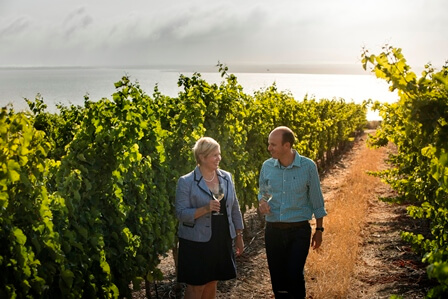
Photo by Benguela Cove Lagoon Wine Estate: Penny Streeter OBE (Owner) & Johann Fourie (Winemaker)


WINEMAKING:
The grapes are harvested, pressed, centrifuged, and then held as a cold juice at 28 degrees Fahrenheit. The juice is fermented at various intervals throughout the year, which allows the wine to remain fresh and delicate throughout the entire fermenting process. The Stella Rosa family uses this technique to capture the fresh flavors of natural blueberry distillates & purées for their Blueberry wine, and an off-dry Rosé, busting with fresh flavors for their Watermelon wine. Both Stella Rosa Blueberry and Watermelon contain natural carbonation. The juice is fermented in Charmat-style, pressurized tanks, and as the alcohol is created, so is the carbonation. Once the desired sweetness is achieved, the wine is centrifuged and bottled. The alcohol level stays at approximately 5% and contains 6-10% residual sugar. Its natural acidity and low pH strike the perfect balance with the wine’s natural sweetness.

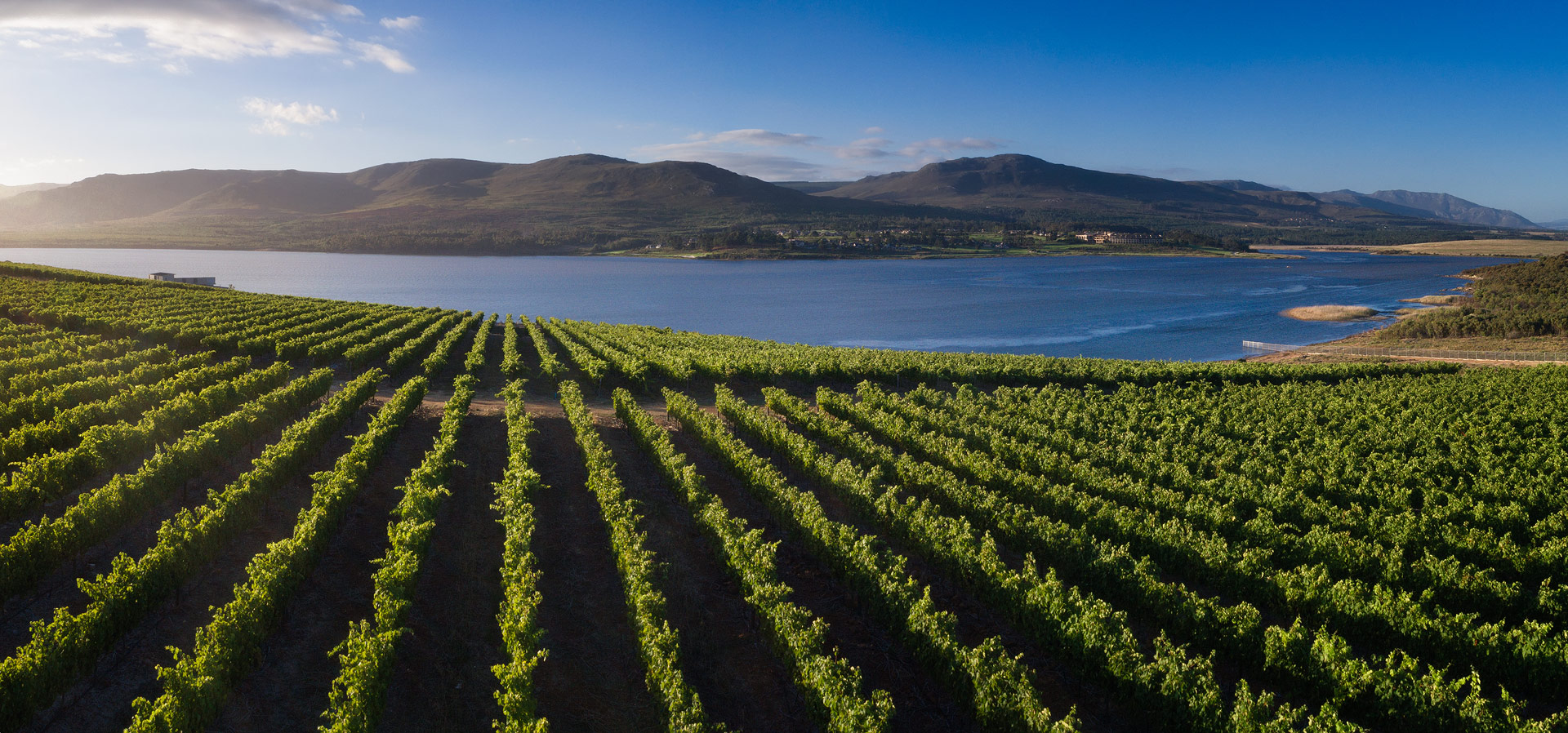
Benguela Cove Vineyard

Photo by Benguela Cove Lagoon Wine Estate

VINIFICATION AND MATURATION:
The botrytis cinerea grapes were meticulously selected and harvested by hand. On arrival at the cellar, further hand selection and sorting of botrytis infected bunches was done. Destemming was followed by 24 hours of cold maceration and thereafter the fruit was pressed several times to extract the highly concentrated juice. After settling, fermentation occurred in both stainless steel tanks and 225-liter French oak barrels (20%) at 16°C. This process took three weeks until the desired sugar/acid balance was reached. Fermentation was stopped by filtration and the wine was then chilled.

VINTAGE:
A cool ripening period, and especially low night temperatures, contributed towards exceptional quality and flavor. The favorable conditions resulted in exceptionally flavorful and intense Sauvignon Blanc with good acidity. The harvest had the earliest start in decades and resulted in one of the best vintages for white wines with above average quality. Warm weather in August resulted in earlier bud break, after which a warm, dry and windy summer kept vineyard growth under control and accelerated ripening by approximately two weeks. The dry weather also led to one of the healthiest seasons in years.

WineStyles’ Wine and Cheese Pairing: Sweet wines from our ‘Nectar’ section pair well with strong cheeses, such as a blue cheese. Learn more about our wine and cheese pairings here.

Love the Sweet life?
“Wine” not try our Sweet Club! 

Click here to learn more >

Sweet Club

September Wine Club pairing recipe

Pork Chops with Dijon Sauce
pork-chops-dijon
INGREDIENTS:

•  1 tbsp butter
•  1 tbsp olive oil
• 4 center-cut rib or loin pork chops, boneless or bone-in (whatever you prefer), about 1 ½ inch thick
• salt
• freshly ground black pepper
• ½ cup chopped shallots or green onions
• 1 cup dry white wine
• ¾ cup chicken stock*
• ¾ cup heavy cream
• 2 tbsp Dijon mustard
• 1 tbsp chopped parsley (optional)
*For gluten-free, use homemade chicken-stock or gluten-free packaged stock

DIRECTIONS:
Pat the pork chops dry with paper towels. Sprinkle salt and pepper all over them. Heat the olive oil in a large skillet over medium-high heat. Stir in the butter. As soon as the butter has melted, add the pork chops to the pan and sear them, about 2-3 minutes on each side. Reduce the heat slightly if the chops brown too quickly.

Remove the pork chops from the pan and pour off most of the fat. Add the green onions or shallots and cook them on med-high heat until softened, about 1 minute. Add ¼ cup of the wine and bring to a boil, deglazing the pan by scraping the brown bits from the bottom of the pan. Stir in the stock and return chops to the pan. Bring sauce to a simmer, reduce heat, cover and cook until chops  are cooked through (145°F internal temp), about 10 to 15 minutes.

Remove the pork chops to a warm platter; cover with foil to keep warm. Add the remaining half cup of wine. Increase the heat to high to boil the pan juices. Reduce the juices by half, about 3 minutes. Add the heavy cream and boil 3 minutes more,until sauce reduces and thickens, and scraping the pan with a wooden spoon leaves a trail. Remove from the heat and whisking the mustard and parsley. If you want, add more mustard to taste.  Place chops on a bed of sauce and serve. Serves 4.  Recipe courtesy of Simply Recipes.

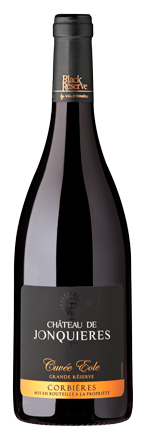
Black-Réserve_JONQUIERESBold_stickerChateau de Jonquieres
Cuvee Eole Grand Reserve
Grenache Syrah
Corbieres, France

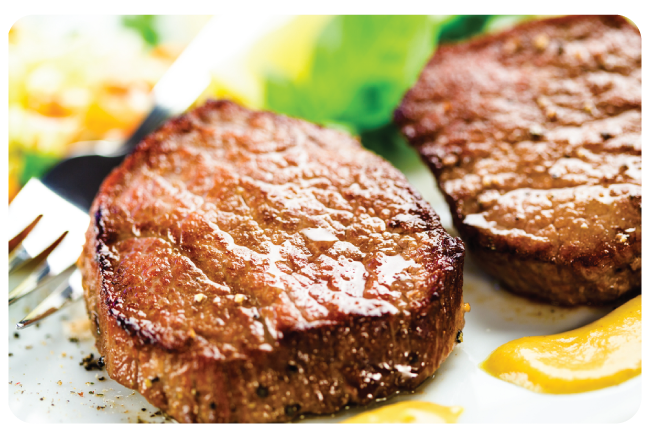
Located just outside Narbonne (ancient capital of a Gallo-Roman province), Château de Jonquières stands in the middle of the Mediterranean scrubland. The vineyard is classified as appellation Corbières, a land of gorges and wild hills, a landscape of contrasts with rocks sculpted by the wind. Château de Jonquières is the property of Val d’Orbieu. Olivier Dauga, winemaker, accompanies winegrowers and oenologists to create these exceptional cuvées to embody the values of character, dynamism, roots and generosity in these wines, a pure product of the viticulture of the Languedoc. We invite you to discover these black diamonds, the first in a long line of exceptional vintages from Val d’Orbieu. Pairs well with pork roasted herbs, steak au poivre, or rabbit with mustard.
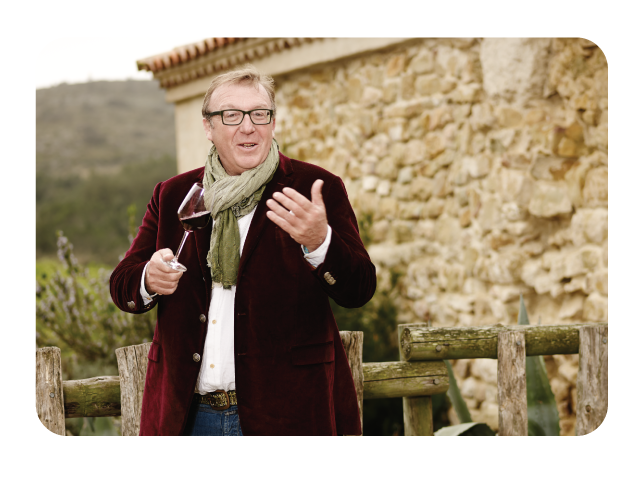
winemaker-Olivier-Dauga“With a beautiful deep ruby color, this wine offers a fine, delicate nose with aromas of red berries and a hint of oak. Clean and elegant on the palate, it reveals classic fruit flavors and soft notes of spices and oak”, winemaker Olivia Dauga.

Winemaker: Olivier Dauga
Appellation: Corbieres, France
Varietal Blend:  59% Grenache, 41% Syrah
Analysis:
14.5% alcohol / volume, 3.6 pH, 6.2 g/l TA
Critical Acclaim:
87 pts. Robert Parker’s Wine Advocate 2014. Reviewed and approved by Doug Frost, Master Sommelier and Master of Wine.