Chalk Hills Estate Vineyards & Winery

February Winery Spotlight
Tasting Event

>> RSVP at your local WineStyles <<

Please join us for a special Winery Spotlight event, featuring Chalk Hill Estate Vineyards and Winery.

Chalk Hill Estate
Vineyards & Winery

Chalk Hill Estate is one of the most spellbinding wineries in California.  Hidden in the rugged foothills of the Mayacama Mountain range that divides Napa and Sonoma County, the winery offers extraordinary scenery, a sense of serenity and seclusion, and one of the most providential climates for grapes in all of California.

ESTATE HISTORY: Founded in 1972, by Fred Furth, Chalk Hill Estate produced its first wine in 1980 from grapes grown on extraordinary vineyards set in the rolling hills of eastern Sonoma County.  Over the intervening years, the winery has helped pioneer and establish the Chalk Hill AVA as one of the top winegrowing regions in California. Today, this 1300+ acre property includes around 350 acres of vineyards, a winery, a hospitality center, culinary garden, residence, stables, equestrian pavilion, sports fields, fishing and swimming ponds and a wilderness area. The winery makes limited quantities of Chardonnay, Sauvignon Blanc, Estate Red, Pinot Noir, Pinot Gris and Semillon as well as several small lot wines.

VITICULTURE: From dramatic hillsides to vineyard gardens, from dry creek beds to forests of native oak, the most prominent feature of Chalk Hill Estate is diversity. Soils vary with elevations and range from ancient alluvial deposits of sand, gravel and clay to young volcanic soils strewn with rocks and boulders. A distinctive layer of volcanic ash lies under much of the top soil inspiring the name “Chalk Hill.” The viticultural team led by Mark Lingenfelder has spent 35 years studying and mapping the Estate’s complex terroir. Thanks to their efforts, each individual block (60 total) has been planted to the best possible variety, clone, rootstock, trellising system, row orientation and vine spacing.  More than two-thirds of Chalk Hill remains uncultivated. The winery’s vineyards are thoughtfully woven amongst the native oak woodlands, meadows and streams. The vines are maintained using low-input, sustainable viticultural practices to preserve the long-term viability of the ecosystem.

WINEMAKING: Making great wine starts by understanding the nuances within each vineyard site. Harvesting precisely when the grapes have the greatest flavor, balance and concentration is the only way the vineyard expresses its unique character. The winemaker then coaxes the best out of every grape with a minimalist approach and gentle handing. Each vineyard and winemaking step contributes to our world-class red and white wine programs. Recognized by press and consumers alike, Chalk Hill has received 125 scores of 90 or higher from Robert Parker, Wine Enthusiast and Wine Spectator combined.
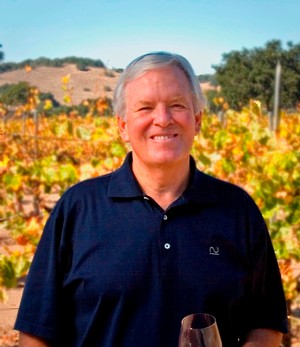
Bill Foley in Vineyard_chalk_hill

Bill Foley, Chalk Hill Proprietor

“It is a privilege to be involved with such a significant and strikingly beautiful property. For nearly four decades, Chalk Hill has been one of the premier wine estates in California. Our Chardonnays, Sauvignon Blancs, and proprietary Estate Red are all considered benchmarks among their peers. Our commitment to sustainable farming ensures that our land will remain healthy for generations and our wines will accurately reflect their origins in the hills of eastern Sonoma County.” –  William P. (Bill) Foley II, Proprietor

CHALK HILL WINES TASTED:
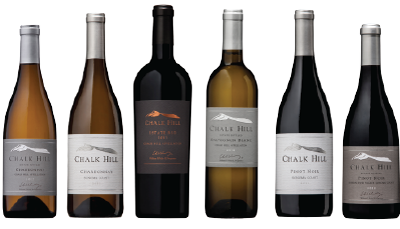
Chalk_Hill_winesEstate Sauvignon Blanc
Sonoma Coast Chardonnay
Estate Chardonnay
Sonoma Coast Pinot Noir
Estate Pinot Noir
Estate Red Blend
LIMITED SEATING
Contact your local WineStyles to RSVP!

Winery Spotlight

Rombauer Tasting Event

>> RSVP at your local WineStyles <<

The Story of Rombauer Vineyards – Napa Valley, CA

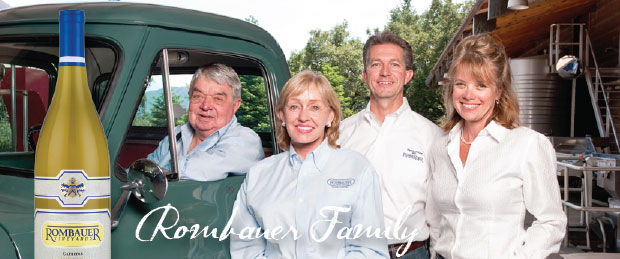
Rombauer Vineyards was established in 1980, when the Rombauer family harvested their first grapes — Cabernet Sauvignon from Napa Valley’s Stags Leap District. Nearly 35 years later, the winery remains family owned and operated with members of the first and second generations involved in all aspects of the business.  When founders Koerner and Joan Rombauer moved their two children, two horses and five dogs to Napa Valley in 1972, they had no intention of starting a winery. They chose the area because it reminded them of the small-town, agricultural environment in which they had grown up, and it appeared to be a clean, safe place to raise their children. They purchased  40 acres of beautiful hilltop land on the Silverado Trail near the town of St. Helena in California.

Rombauer_FamilyThe Rombauers did have a great appreciation for the role of wine in the fine dining experience. Koerner’s great aunt Irma Rombauer was the author of the internationally renowned cookbook The Joy of Cooking and Koerner’s ancestors were from the winegrowing region of Rheingau, Germany, where wine is considered an essential complement to a meal. It didn’t take long for Koerner and Joan to become fascinated with the growing Napa Valley wine industry. In 1976, they became partners in Conn Creek Winery.  Koerner learned the wine business first in the cellar, working hand in hand with the winemaker and learning all phases of winery operations.

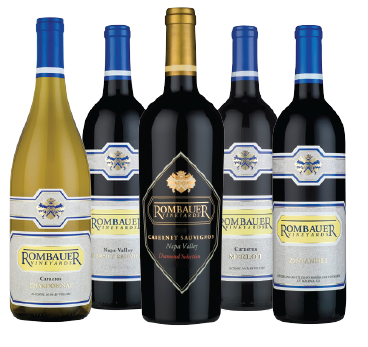
In 1980, the Rombauers made their first wines under their own label at a neighbor’s winery. In 1981, they sold their interest in Conn Creek Winery and began construction of the Rombauer Vineyards winery on the property adjacent to their home.  Today, under the direction of Director of Winemaking and Viticulture Richie Allen, Rombauer Vineyards combines traditional viticultural and winemaking practices with the best available technology to ensure the highest quality wine production. The winery produces award-winning Chardonnay, Cabernet Sauvignon, Merlot and Zinfandel.

Rombauer-winesROMBAUER WINERY TASTING EVENT:

Chardonnay
Cabernet Sauvignon
Diamond Select Cabernet
Merlot
Zinfandel

LIMITED SEATING
Contact your local WineStyles to reserve your seat!

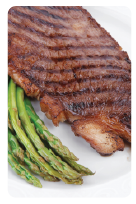
New York Strip with Miso Butter and Roasted Asparagus

Cabernet and steak are almost synonymous with one another. This Paso Robles Cabernet has a nice freshness to it and the layered fruit and spice will make it a good accompaniment to a little Asian flare.

NewYork-strip-steak-recipeINGREDIENTS:

•  2  (12 ounce) New York Strip steaks
•  5 tablespoons unsalted butter, melted
•  5 sprigs green onion
•  2 tablespoons red miso paste
•  2 tablespoons minced ginger
•  1 tablespoon soy sauce    (or to taste)
•  2 teaspoons sesame oil
•  2 tablespoons white wine or   sake
•  1 bunch asparagus
•  Salt & pepper to taste

DIRECTIONS:

Pre-heat oven to 375̊°F degrees.   In a mixing bowl, lightly mix butter, about 3 sprigs chopped green onion, ginger, miso paste, and soy sauce. Place miso butter aside.

Place asparagus in baking sheet and drizzle with olive oil, sprinkle salt & pepper to taste. Roast in the oven until desired doneness.

Sprinkle both sides of the New York Strip with salt and pepper to taste. Heat sesame oil over high heat in a skillet, cook to desired temperature. Transfer steak to plate. Add miso butter to the skillet and add in sake or white wine, let the mixture reduce and thicken (about 2 minutes). Let it stand for 5 minutes before plating over asparagus and top with a sprig of green onion.   Recipe courtesy of Wine Trees.

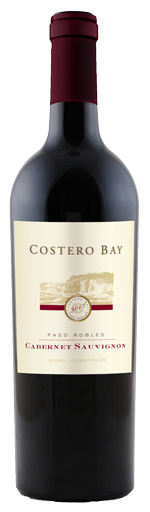
CosteroBay_BottleShotBold_stickerCOSTERO BAY
CABERNET SAUVIGNON
PASO ROBLES, CA

Costero translates to coastal, a perfect name for a wine sourced just off the central coast of California.  Costero Bay pays homage to the distinguished wine regions that line the coastline of California, areas like Paso Robles and Monterey. Cabernet Sauvignon has become widely planted in this area as it thrives in growing conditions that allow for cool mornings and evenings and long warm, sometimes even hot days.  Paso Robles is the largest AVA in San Luis Obispo county. Soils feature a mixture of both calcerous and siliceous rocky soils, creating structured, dense styles of Cabernet Sauvignon. The growing season was long and dry, producing small berries amply concentrated with juice.  A warm September allowed for grapes to fully ripen and winemakers were blessed with fairly perfect conditions for harvest.

 Douglas-Danielak-winemakerDOUGLAS DANIELAK, WINEMAKER

“A robust, plush style of Cab with notes of macerate blackberry, plum and currant.  A soft finish with ample fruit and subtle hints of spice make for a great accompaniment to roasts, hearty stews and aged cheeses.”

VARIETAL: 100% Cabernet Sauvignon
APPELLATION: Paso Robles, California
ANALYSIS: 13.9% alc/vol

FEATURED WINE CLUB WINE: January 2015

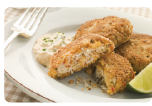
Crab Cakes with Curry Aioli

Sauvignon Blanc is a great pairing for seafood, but because it is still cold outside, we wanted something comforting that could easily be whipped up during the work week. The curry aioli adds a nice heat element to this dish and highlights the brightness of this wine.

crab-cakes-recipeINGREDIENTS:

• 1 teaspoon Madras curry powder
•  ¾ cup mayonnaise
•  2 tablespoons crème fraiche
•  2 tablespoons fresh lemon juice
•  1 tablespoon snipped chives
•  1 tablespoon minced parsley
•  1 tablespoon minced tarragon
•  1 cup panko bread crumbs
•  1 pound lump crab
•  ½ cup canola oil
•  1 tablespoon Champagne vinegar
•  Salt & pepper to taste

DIRECTIONS:

In a bowl, whisk ½ cup of the mayonnaise with ¼ teaspoon Madras curry powder. Let chill.

In a mixing bowl, combine the remaining mayonnaise with crème fraiche, lemon juice, chives, parsley, and tarragon. Season with salt and pepper. Fold in the crab, form into 4 patties and coat with the panko. Transfer crab cakes to a lightly oiled baking sheet and let chill.

Preheat the broiler and position a rack 8 inches from the heat. Drizzle the crab cakes with 2 tablespoons of oil and broil for about 12 minutes or until golden and crisp (ok to turn once). Transfer to plates and drizzle with curry aioli.  Add a lightly dressed arugula salad if desired.   Recipe courtesy of Food & Wine magazine.

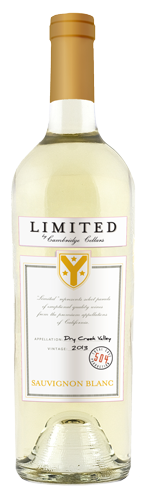
Limited_SB13_BottleshotSilky_StickerLIMITED CAMBRIDGE CELLARS
SAUVIGNON BLANC
DRY CREEK VALLEY, CA

Cambridge Cellars strives to produce wines that embody the designations from where they are grown. Their  “LIMITED” wines represent those rare, exception lots from distinguished appellations throughout California’s wine country.  Dry Creek Valley is anchored in by two distinct areas of water – Lake Sonoma to the north and the Russian River to the south.  Sauvignon Blanc is the standout white varietal as it thrives in moderate conditions that are neither too cool nor too warm. Dry Creek is blessed with a steady fog in the morning coming in from the San Francisco Bay and by afternoon temperatures are warm and dry, allowing the Sauvignon Blanc grape to reach maximum potential.

Douglas-Danielak-winemakerDOUGLAS DANIELAK, WINEMAKER

“Our Limited is a beautiful example of crisp, ripe and fresh Sauvignon Blanc. Bright fruit notes of pink grapefruit, peach and apple open on the palate, with vibrant acidity and a rich mouth-feel through the finish. ”

 VARIETAL: 100% Sauvignon Blanc
APPELLATION: Dry Creek Valley, California
ANALYSIS: 13.2% alc/volume

FEATURED WINE CLUB WINE: January 2015

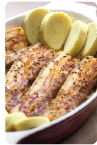
Orange and Spiced Glazed Pork Belly

We like to keep the holiday spirit going well into winter. This recipe is comforting, warm and rich in spices and flavor. Napa Valley Syrah is dense, bold and full of character and it requires a dish with power to stand up to the complexity and strength. We like this recipe because it makes for a great shared Sunday dinner with family and friends.

glazed-pork-bellyINGREDIENTS:

•  2 tablespoons cumin seeds, toasted and ground
•  1 tablespoon black pepper
•  ½ cup coarse salt
•  ½ light brown sugar
•  1 (3 pound) pork belly
•  Zest 1 orange
•  1 ¼ cups fresh squeezed orange    juice
•  2 sticks cinnamon
•  1/3 cup maple syrup or agave nectar
•  2 cups chicken stock

DIRECTIONS:

In a small skillet over medium heat, toast cumin seeds. Remove from skillet and finely grind. Transfer to mixing bowl and add black pepper, salt and sugar. Remove two tablespoons of the mixture and set aside for the glaze.

Rub remaining spice mixture all over the pork belly. Cover and refrigerate for 6 to 8 hours.

In a small sauce pan, combine the reserve spice mix, orange zest, ¼ cup OJ, cinnamon sticks and maple syrup. Bring to a simmer over medium heat, cook until slightly thickened. Remove from heat and set aside (takes about 5 min).

Preheat oven to 300°F. Remove pork belly from refrigerator and rinse off spice mixture; pat dry with paper towels. Add remaining  1 cup  OJ and chicken stock to roasting pan. Place over medium-high heat and cook until liquid comes to a simmer. Add pork, fat side up, to roasting pan. Transfer to the oven and cook until meat is tender (about 2-2 ½ hours).

Increase oven temperate to 425°F.  Cook pork belly until skin is brown and crisp. Baste with reserve glaze every 10 minutes.    Remove pork from roasting pan and transfer to cutting board; let it stand for 10 min before slicing.   Recipe inspired by Martha Stewart.

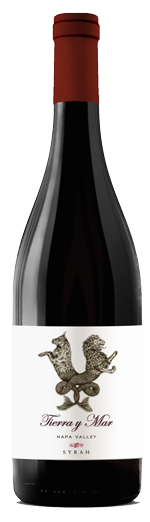
TierraYMar_BottleBold_stickerTierra y Mar Syrah
Page-Nord Vineyard
Napa Valley, California

Tierra y Mar translates to Earth and Sea, a nod to the special relationship between land and water.  At Tierra y Mar, they produce wines that are the ultimate expression of nature’s balance and harmony, allowing the wines to speak for themselves as they are the unique creation of the grape, soil, water and climate of where they are grown.

This Syrah is produced from vineyards in select parts of Napa Valley. Soils are predominately gravelly silt loams, which generally contain more nutrients and moisture that allows for better infiltration of water.  Napa Valley is also blessed with a cool morning fog that rolls in from the San Francisco Bay, keeping temperatures moderate and afternoons warm and dry.  A long, steady growing season with ample sun and moderate temperatures gave winemakers the gift of picking what they wanted at complete ripeness.

Douglas-Danielak-winemakerDouglas Danielak, Winemaker

“This Syrah is indicative of that, with classic aromas of plum, raspberry, blueberry and clove on the palate.  A bold mouth-feel exhibiting grippy tannins, with juicy red and dark fruit balancing the spice notes and  deep texture of this wine.”

VARIETAL: 100% Syrah
APPELLATION: Napa Valley, California
ANALYSIS: 14.4% alc/vol

 FEATURED WINE CLUB WINE: JANUARY 2015

Day 6 – Cruising on the Seine!

Picturesque View of the Seine Valley

Tiffany and Michael – Picturesque view of the Seine valley

Bonjour! 

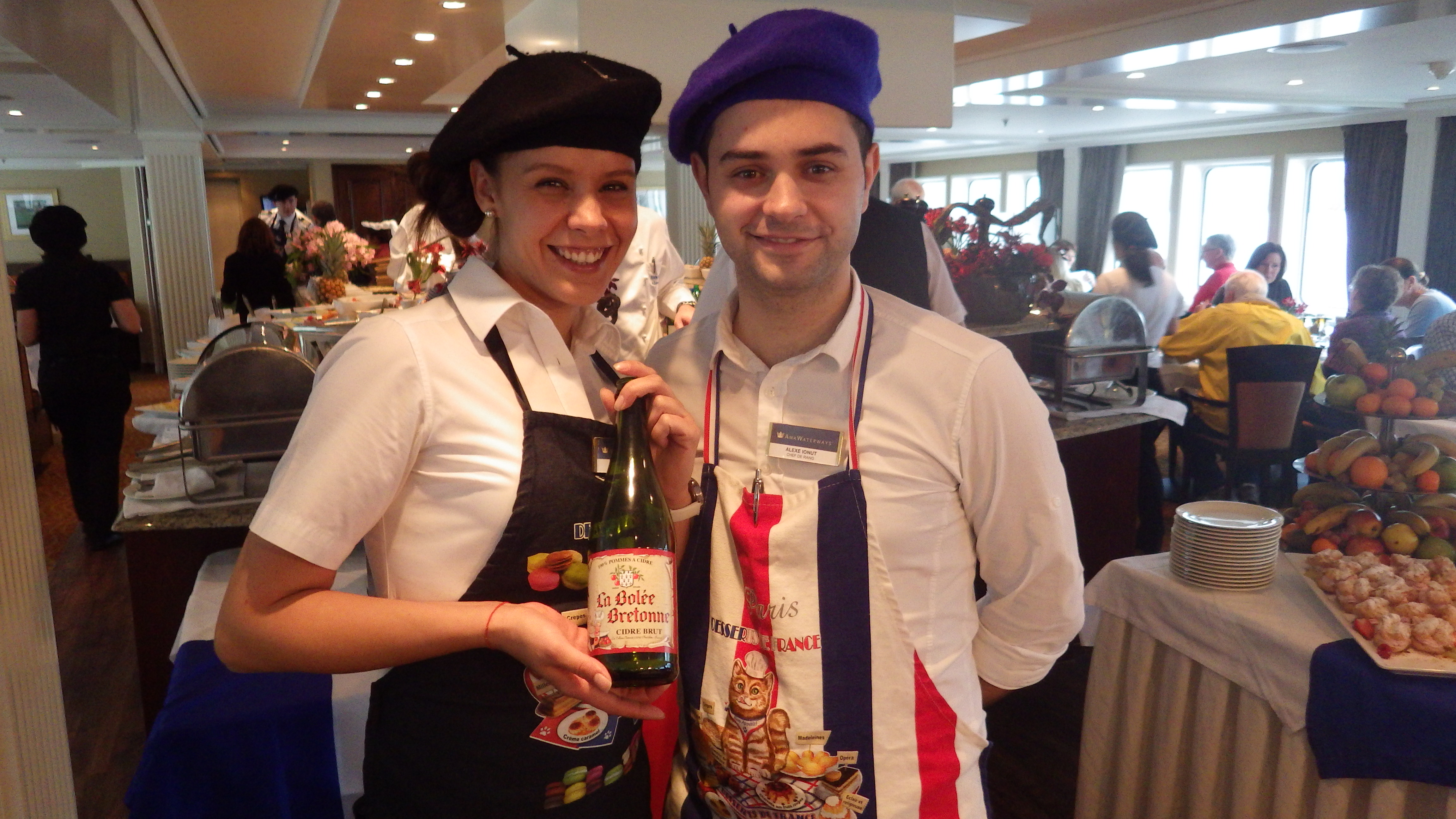
Emily and Alex Serving Normandy Lunch

Emily and Alex serving Normandy lunch

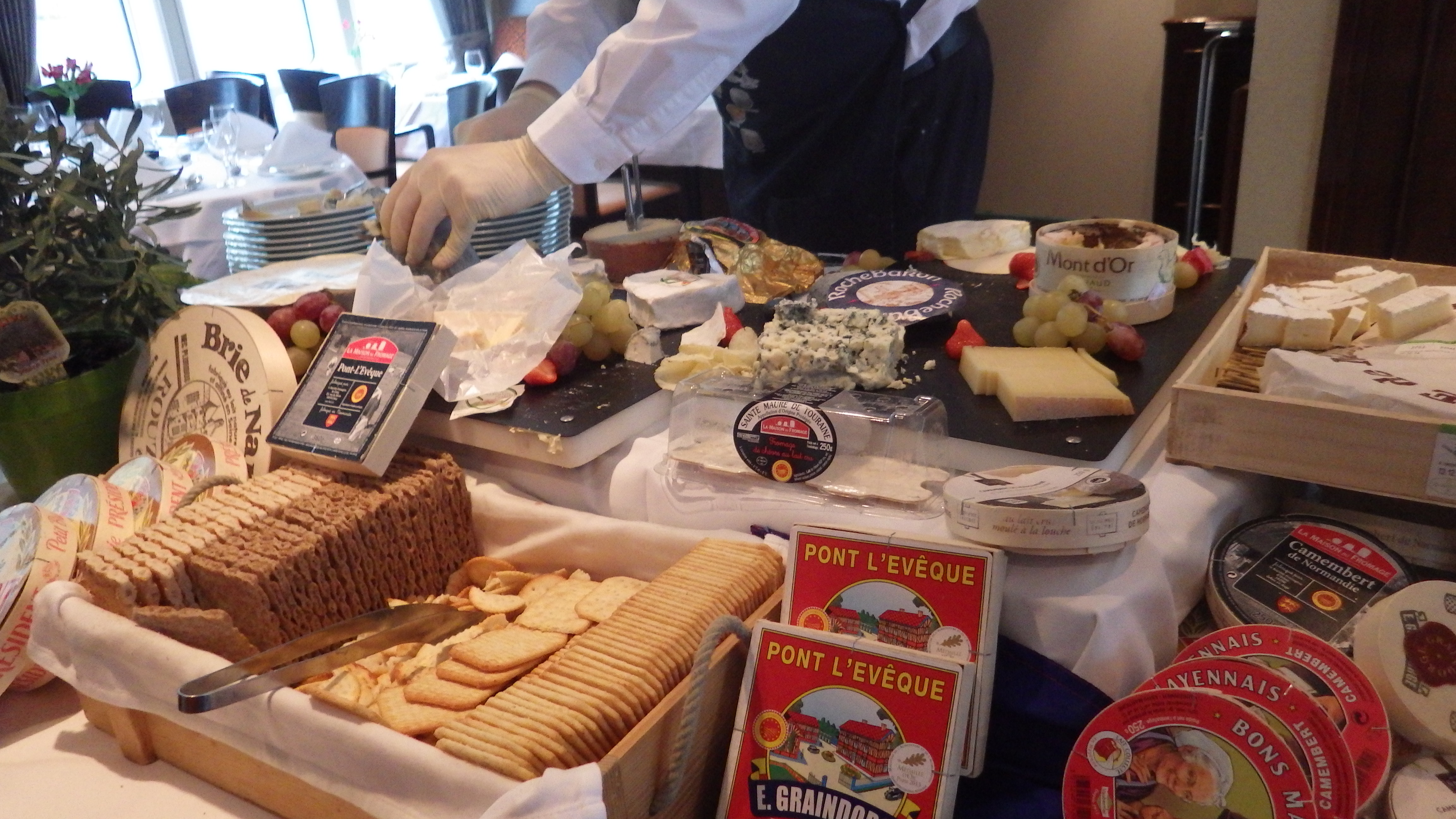
Selection des Frommages

Selection des frommages

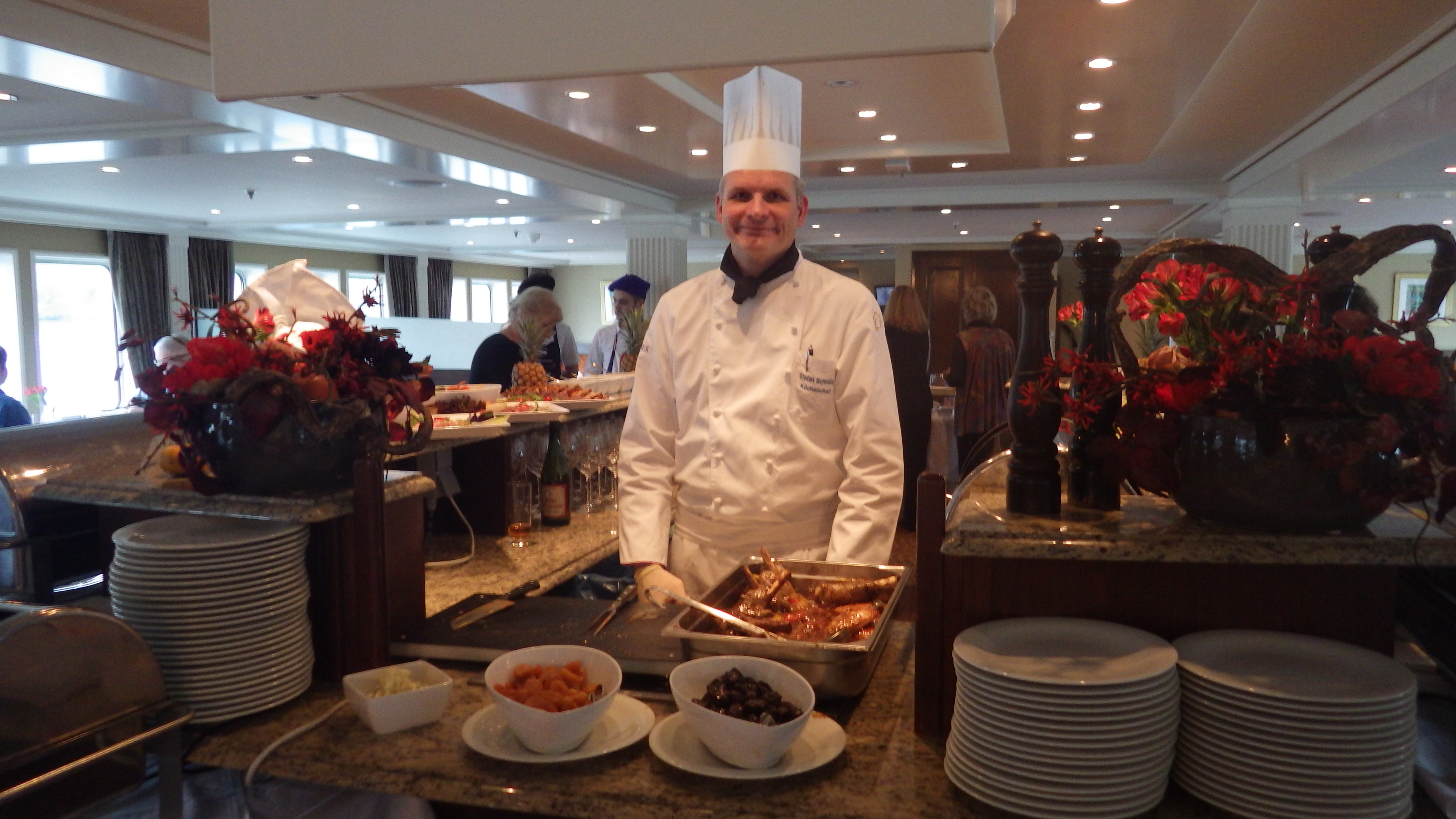
Chef Stefan Serving Lamb Shank Normandie

Chef Stefan serving Lamb Shank Normandie

Day 6 on the Seine began with another informative wine education presentation by Barry Wiss. We learned of the humble beginnings of the Trinchero family in Napa and its continued dedication to responsible agribusiness, producing wine using biodynamic practices to conserve energy, recycle, and re-purpose by-products. Barry also explained how to read French wine labels, from discerning AOC from AOP to which varietals are affiliated with Bordeaux and Bourgogne. Finally, we played “What’s Your Wine?”, and learned that the true parent grape of Zinfandel is not Primitivo from Italy but Crijenak Kastelanski from Croatia! Afterwards, Chef treated us to a Normandy Lunch, celebrating the various dairy, apple, and seafood products indigenous to the region. All week we have witnessed our Hotel Manager Markus return from the villages with a smile on his face and his arms full of fresh produce, shellfish, and baked goods! Bon Appetit!!

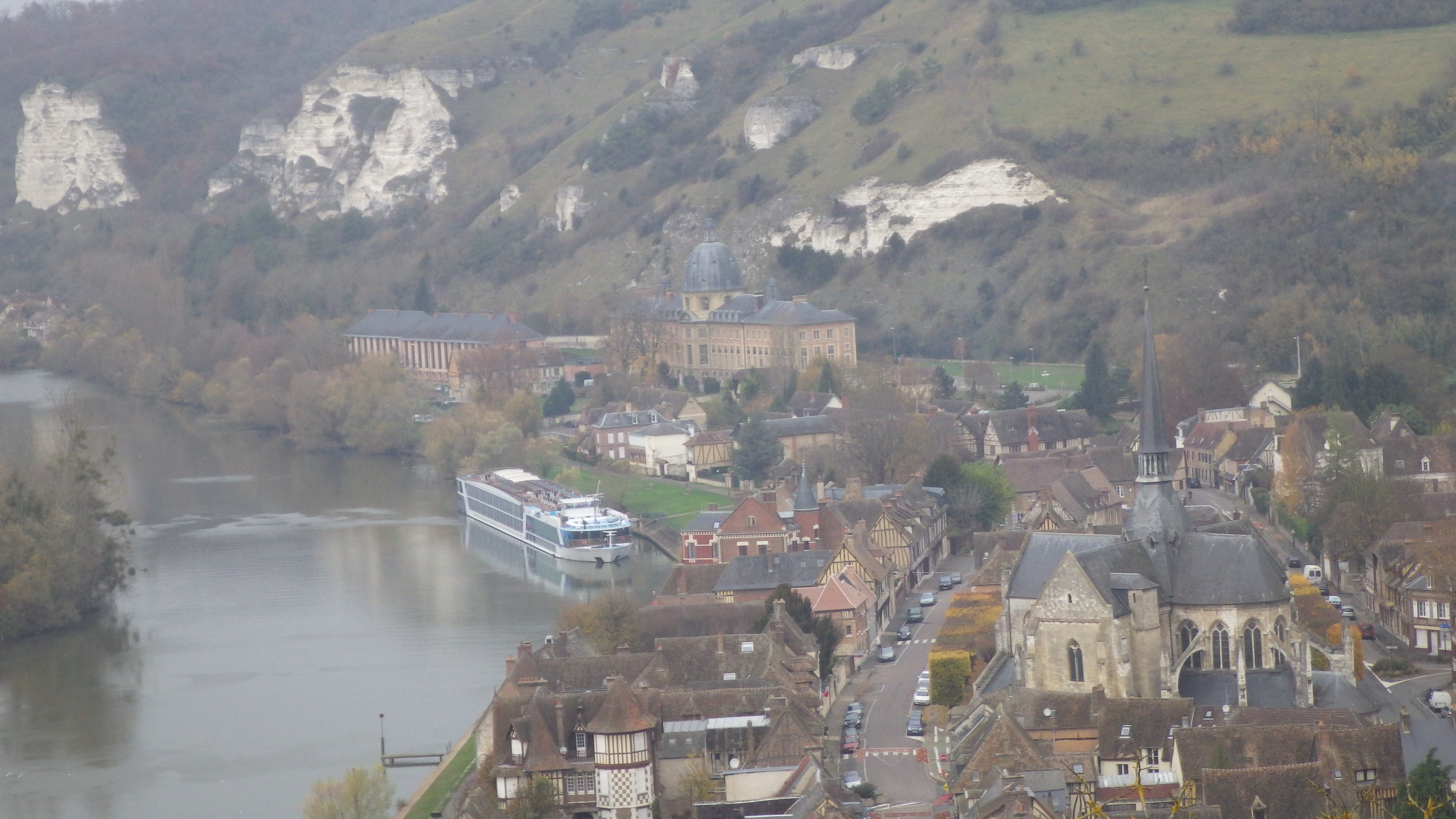
Petit Andely

Petit Andely

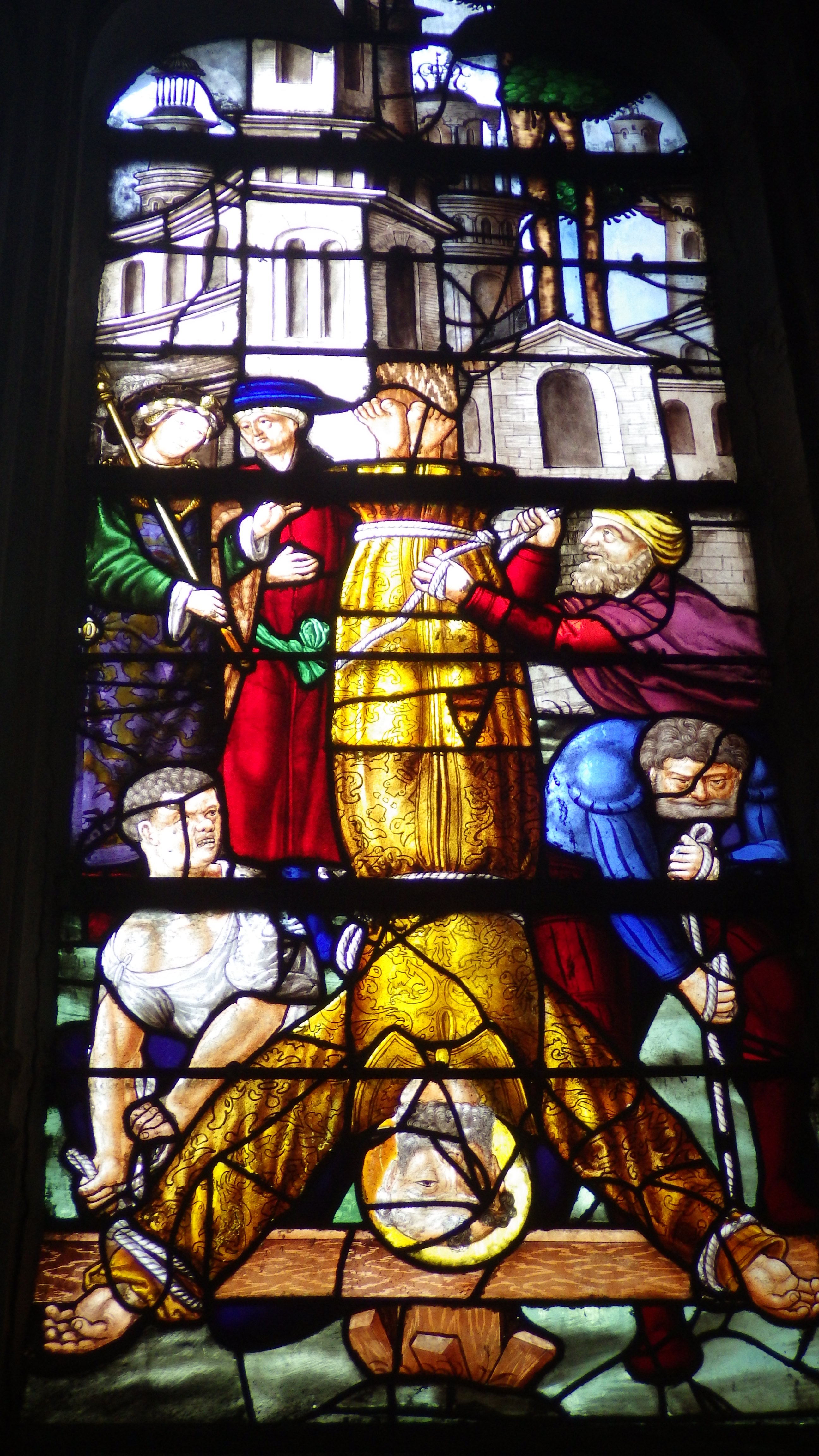
Peter's Cricifixion Notre Dame Stained Glass

Notre Dame Stained Glass – Peter’s Crucifixion

Petit Andely Village Corner

Petit Andely Village Corner

Our afternoon excursion took us to the cobblestone streets of Les Andelys, made up of Grand Andely and Petit Andely. In Grand Andely, we toured another Cathedral of Notre Dame, this one built for the queen in the 14th century. The stained glass in this cathedral is nothing short of spectacular! Les Andelys is a picturesque mosaic of early Norman architecture, idyllic natural scenery, and the sensory delights of a cozy French village.


Grazing Sheep

Grazing Sheep

High above the village lie the ancient ruins of Chateau Gaillard, a castle built by Richard the Lionheart in 1198 to protect Rouen and the rest of Normandy from King Phillip II and the French. Hewn from the chalk white limestone cliffs that adorn the river valley, Chateau Gaillard was the strongest fortress of its age. After Richard’s death, Phillip finally laid siege to the castle and captured it in 1204. It became a French historical monument in 1862.

Taste, Learn and Enjoy,

Tiffany & Michael of WineStyles Greensboro, NC


Entrecote a la Bordelaise Bordeaux Pairing Recipe

Entrecote Bordelaise is a classic French meat dish that marries well with a good bottle of Marquis de Lalande, Bordeaux Rouge.  Serve with sautéd potatoes or fries and green beans.

french-steakINGREDIENTS:
• 2  New York Sirloin cut steaks
• 7  tablespoons of butter
•  2 shallots, finely chopped
• 1/2 cup of red wine
• 1 cup of beef stock
• 2 tablespoons chopped parsley
• salt / black pepper

DIRECTIONS:
Season the steaks with salt and pepper on both sides. Heat the pan to smoking point and add half the butter. Place the steak in the pan and brown it on both sides – give it about two to three minutes on each side to sear it first, and then let the meat cook through to your taste. Prepare both steaks in this way and then set them aside.

In the same pan, (drain excess butter if needed), cook the shallots. Put them in the pan and stir from time to time until they are soft and starting to turn golden.   When the shallots are done, add the red wine to the pan and give it a good stir to deglaze the pan.

Now, add the beef stock to the pan and stir until everything is blended. Let it to simmer for 5 minutes or until reduced.  Cut the remaining butter into small pieces and add them to the sauce one at a time, mixing so that they melt into the mixture: this will give the sauce a rich flavor and give it an appetizing glossy finish.

Cut the meat across the grain into thick slices and arrange them on a plate.  Add some chopped parsley to the sauce, and then pour little of the sauce over each steak.  Serve the rest of the sauce in a gravy boat.   Serve with sautéd potatoes, fries and some green beans. Recipe courtesy of Food.com

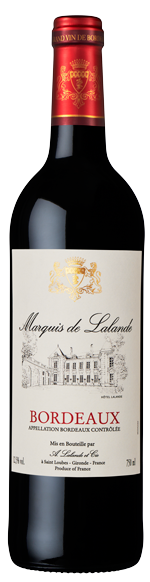
Marquis-de-Lalande-Bordeaux-RougeMarquis de Lalande
Bordeaux
Bordeaux, France

Armand Lalande, great economist, member of the Medoc and Consulate of Austria-Hungary, founded the house wine trade “A.LALANDE & CIE” in 1840.  As one of the jewels of Bordeaux located in the historic district Chartrons, House A. Lalande & Co. specializes in the breeding and trading of Bordeaux wines worldwide. This Bordeaux rouge is made from select Merlot grapes; a blend of young wines providing fruit and richness, and older wines accounting for depth, complexity, and a beautiful structure. After bottling, the blend is cellared for several months in order to achieve a fine balance.  Beautiful, brilliant, rich, cherry-red color, that already displays slight bricking on the rim. Starts out full-bodied and rich on the palate, going on to reveal an elegant tannic structure and spicy red fruit flavors.
DougFrost“This vintage in Bordeaux is a newbie and the best examples show black cherry fruits allied with minty, savory notes; combining fruit and herbs to create classic Bordeaux complexity.” – Doug Frost, Master Sommelier and Master of Wine

Appellation: Bordeaux Controlee, France
Varietal Blend:  100% Merlot
Analysis: 12.5% alc/vol

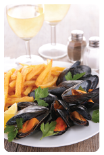
Mussels in Cream with French Fries

WC_Dec_2014_Marquis_Blanc

mussels-creamMUSSEL INGREDIENTS:

•  8 – 9  lbs of mussels
•  2 cups of dry white wine
•  2 large tomatoes
•  1 cup (10 – 12) shallots
•  1 bouquet garni(thyme parsley laurel)
•  1 large head of garlic (approx. 10 cloves)
•  4 tablespoons of chopped parsley
•  6 tablespoons of salted butter
•  4 tablespoons of cornstarch
•  1  and 3/4 cup of heavy cream

MUSSEL DIRECTIONS:

Rinse the mussels under water, and discard any broken or open mussels. Cut the tomato into slices, coarsely chop the shallots.   Heat the olive oil in a pan, add the mussels, white wine, shallots, tomatoes, thyme, 1/3 of the of the parsley and bouquet garni. Heat on high and stir regularly until all the mussels are open. Remove the mussels, leaving a maximum amount of juice in the pan and reduce by half. Strain the mussel juices through a colander lined with paper towels (the goal is to remove the sand).  Collect the juice and save for the sauce.

Chop the garlic and remaining parsley. Melt the butter in a separate saucepan and add the garlic and parsley. Cook for 3 minutes, add the cornstarch, mix well and cook again on medium heat for 2 minutes. Add the fresh cream and the juice of the mussels, stir regularly over low heat until cream thickens.Return the mussels to the pan, pour the sauce over and reheat on medium for 5 minutes.

FRENCH FRIES INGREDIENTS:

•  2 lbs of russet potatoes
• Oil for frying (traditionally white Belgian fryers use beef, sometimes with the addition of pork fat or mutton, which gives this particular taste for frying fries, however, oil will make the chips lighter and more digestible)

FRENCH FRY DIRECTIONS:

Peel the potatoes, wash them and cut into strips. Wash again and dry them in a clean dish towel.    Cook for the first time in oil heated to 300° F for 7-8 minutes. Do not overload the fryer,  cook 1/3 of fries at a time.   Cool fries, time to take a drink or prepare the rest of the meal.

Cook the fries a second time in oil heated to 375° F  for about 3 minutes (they should be crisp but not hard).   Serve fries immediately, along with a salt shaker. Not recommended to salt in advance, because fries then soften and some people prefer unsalted fries.    8 – 10 servings.   Recipe courtesy of Marquis Lalande

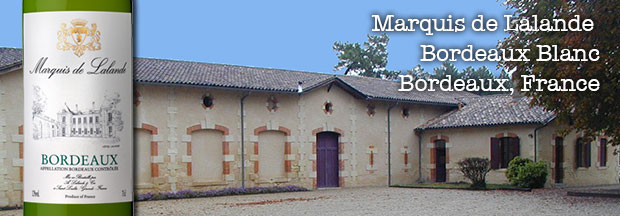
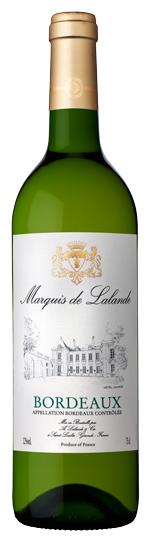
Marquis-de-Lalande-blanc-2013Marquis de Lalande
Bordeaux Blanc

Bordeaux, France

Armand Lalande, great economist, member of the Medoc and Consulate of Austria-Hungary, founded the house wine trade “A.LALANDE & CIE” in 1840.  As one of the jewels of Bordeaux located in the historic district Chartrons, House A. Lalande & Co. specializes in the breeding and trading of Bordeaux wines worldwide.   Marquis de Lalande has a beautiful pale yellow color with green tints.  This wine has a fine and delicate nose with good minerality.  On the palate, it is intense and harmonious.   Best served at 48°F as a lovely aperitif or a perfect pairing with grilled fish or shellfish.DougFrost

“While the last several vintages of red Bordeaux might be slightly off the regions top form, not so the white wines.  These pear and lemon tinged wines are fun, tangy and delightful with a myriad of seafood and shellfish dishes.” – Doug Frost, Master of Wine, Master Sommelier

Winemaker: Eric Marin
Appellation: Bordeaux Controllee, France
Varietal Blend:  100% Sauvignon Blanc
Analysis: 12% alc/vol
Critical Acclaim: Reviewed and approved by Doug Frost, Master Sommelier and Master of Wine

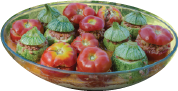
Stuffed Tomatoes Pairing Recipe

INGREDIENTS:
• 4 ripe beefsteak tomatoes (or zucchini, red peppers, potatoes)
•  1 pound ground beef
•  1/2 cup bread crumbs
•  1 yellow onion
•  1/4 cup parsley, finely chopped
•  1 tablespoon fresh thyme leaves, chopped
•  1/4 cup olive oil
•  1/3 cup Gruyere
•  Sea salt
•  Pepper

DIRECTIONS:
Preheat the oven to 400° F.  Cut the tops off of each tomato and reserve the top. It will become a little hat, or as the French say, le chapeau.  Using a spoon, remove the seeds and scoop out the innards being careful not to pierce through the tomato flesh. Sprinkle tomatoes with sea salt and turn them upside down so that the excess water drains out.
With the exception of the olive oil, mix together all the other ingredients by hand until combined.  Place the stuffing in each tomato, sprinkle with Gruyere, and cover with the cut tomato top. Drizzle a little extra olive oil on top, and sprinkle with salt and pepper.   Bake uncovered for 40 minutes, then allow to sit for 10 minutes before serving.  Serve with a side dish of rice or mushroom risotto.  Recipe compliments of Château Rouchereau.

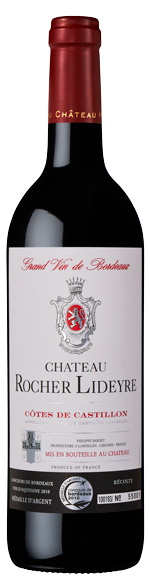
Rocher-LideyreChateau Lideyre
Cotes de Castillon
Bordeaux, France

Merlot is the main grape variety in the hillside vineyards located next to the Saint-Emilion appellation. This is blended with the other great Bordeaux grape variety, Cabernet Franc.  Philippe Bardet comes from a long line of wine growers and has been applying an environmentally-friendly approach with just the right technological balance in his vineyards for over fifteen years.  Bardet is always among the last to pick his grapes, which are entirely hand-sorted. Automated temperature fermentation control systems make it possible to keep the wines on the skins for a long time while maintaining perfect control of extraction.  Depending on the wine’s age, it goes perfectly well with grilled meats, duck and lamb chops, as well as roast chicken and medium-strong cheeses.

winemaker-eric-marin“Intense garnet-red color with crimson highlights and a full-bodied, subtle bouquet featuring berry fruit, very ripe black currants and violets.  The  after taste follows through with aromas of toast and spice.” – Eric Marin, winemaker

Winemaker: Eric Marin
Appellation: Cotes de Castillon Controlee, France
Varietal Blend:  87% Merlot, 13% Cabernet Franc
Analysis: 13.6% alc/vol
Aging: 75% American Oak, 25% French Oak, aged 14 month

French Wine Cruise – Paris to Vernon

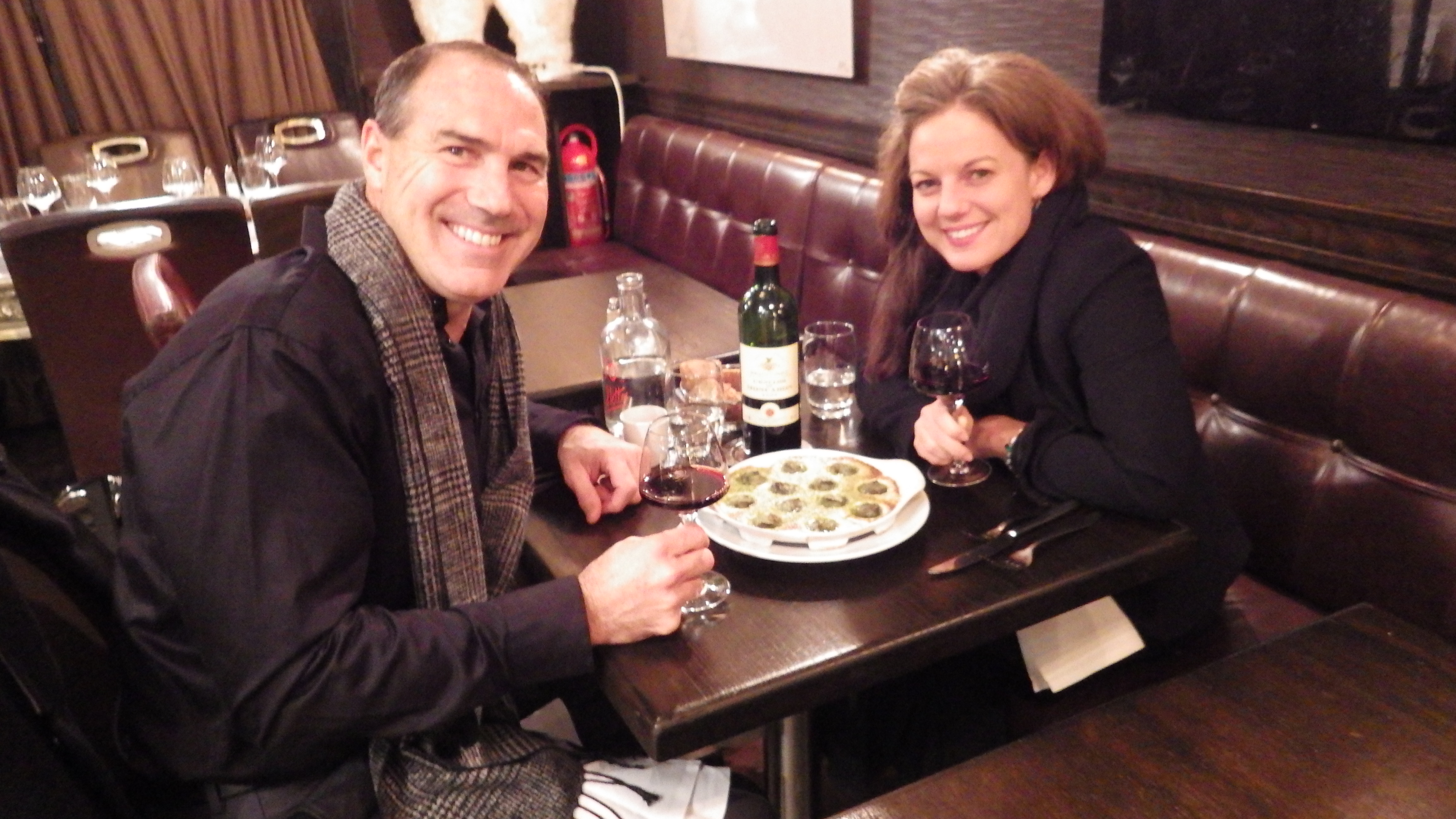
Escargot! Bon Appetit!

Escargot! Bon Appetit!

Bonjour to our WineStyles family!

After a fabulous day and a half of eating, drinking, and sightseeing our way through the romantic city of Paris, we were warmly welcomed aboard the river cruise ship AMALegro.

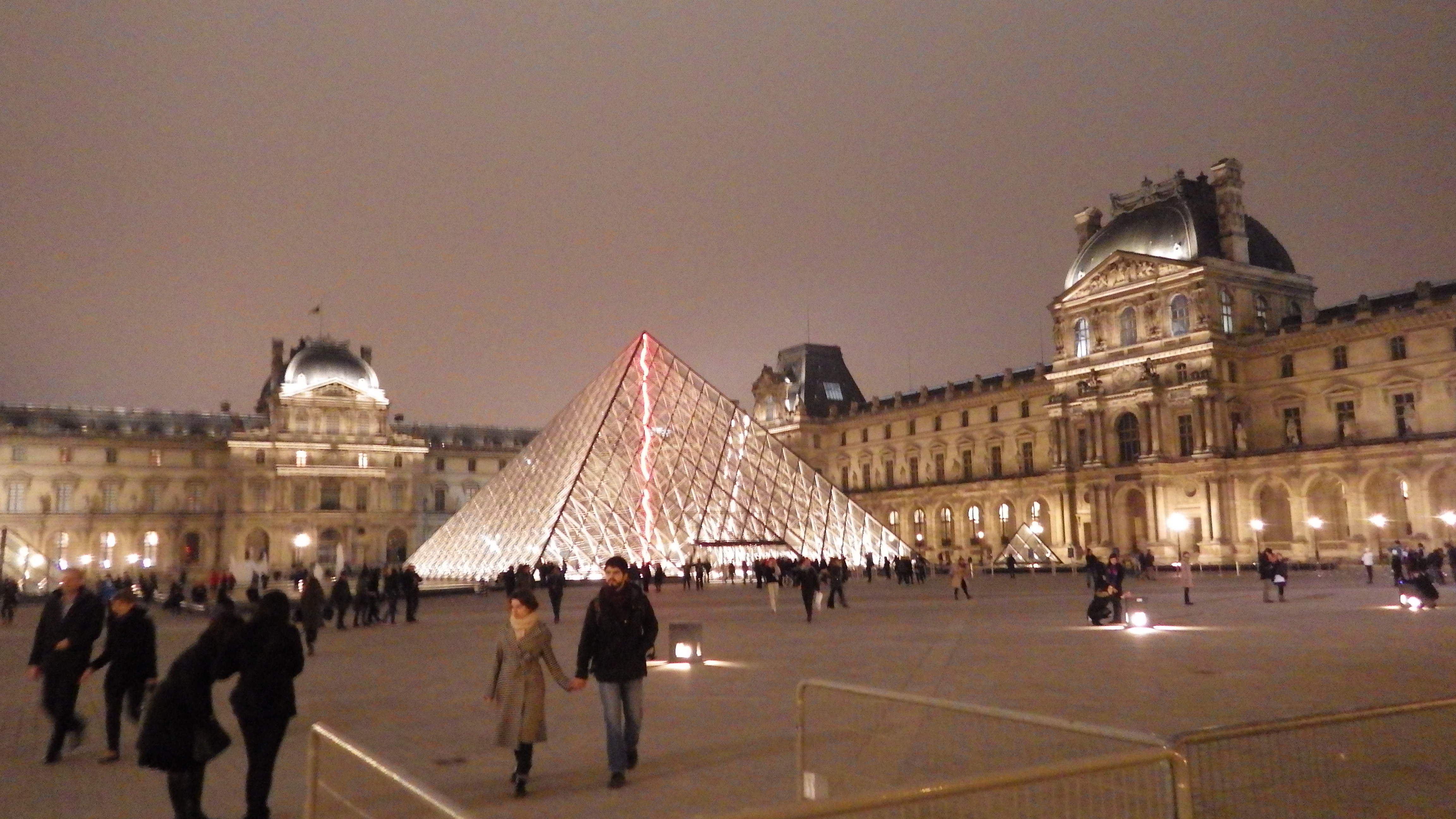
The Louvre at Night

The Louvre at Night

We checked in to our beautifully appointed stateroom, and, after meeting Captain Franck and his crew, dined with new friends, enjoying a 6-course welcome dinner including a salmon and crayfish appetizer, Normandy mussel soup, grilled fillet of butterfish and prawn with Pernod sauce and saffron risotto, and, of course, a glass or two of Beaujolais!

Shimmering Eiffel Tower

Shimmering Eiffel Tower

After dinner, the ship set sail on the Seine, pausing at the Eiffel Tower for us to watch a delightful light show, as thousands of bulbs affixed to the tower lit up the nighttime sky over Paris in synchronized splendor.

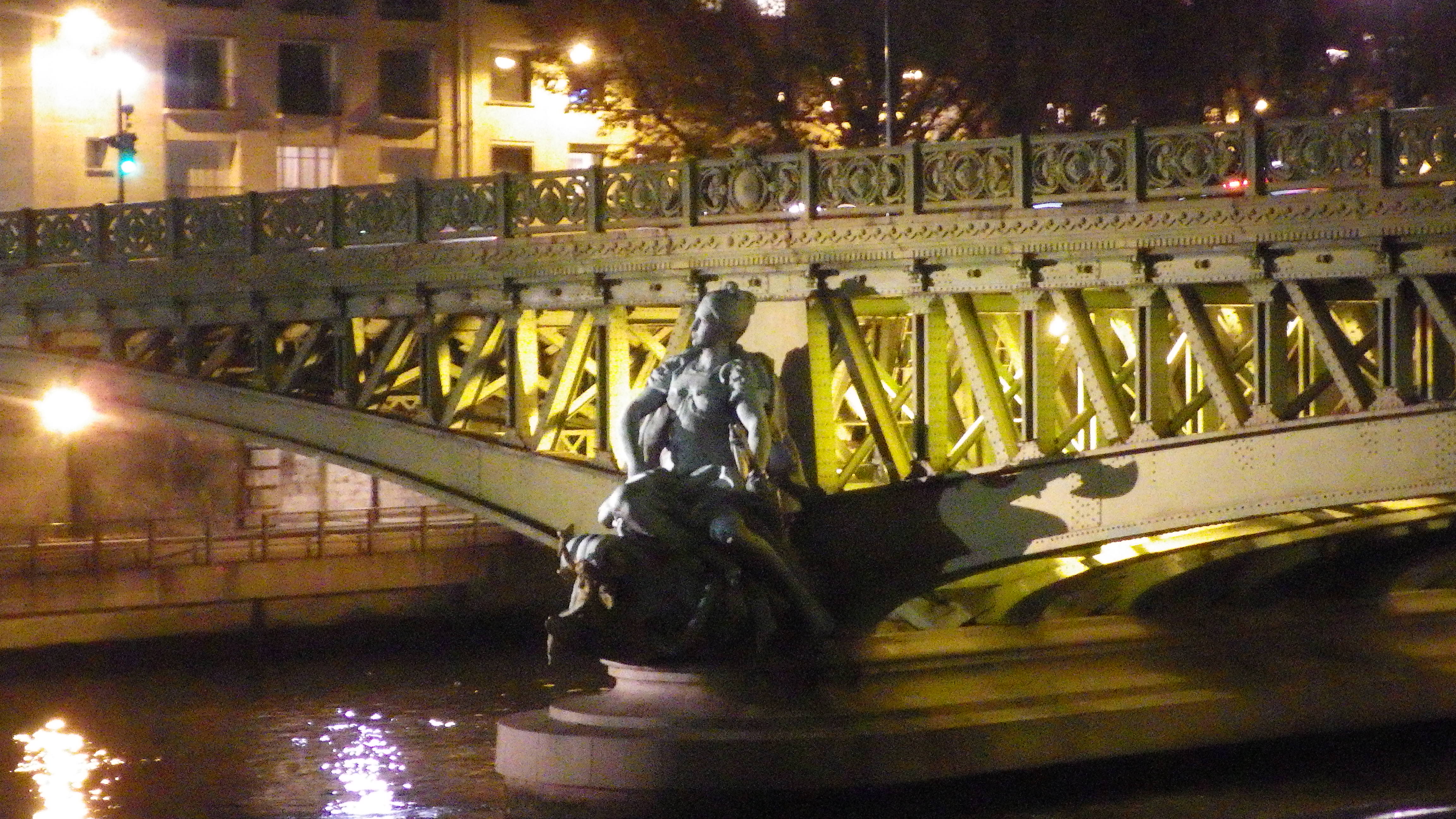
Seine River at Night

Seine River at Night

Despite a chill in the upper deck air, our hosts kept us warm with “vin chaud” (hot wine), roasted chestnuts, and their gracious hospitality.

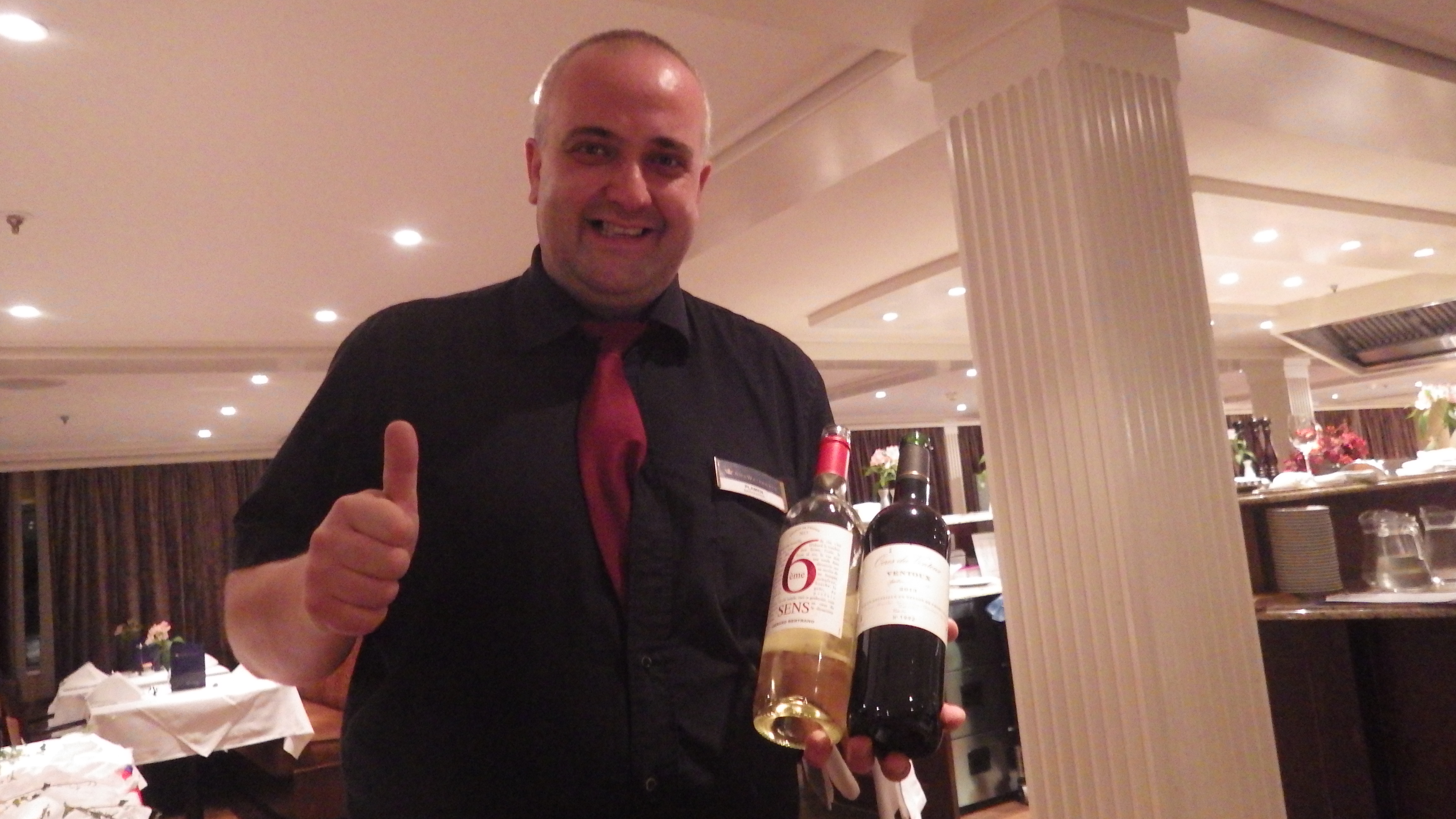
Bartender Plamen with French Varietals

Bartender Plamen with French Varietals

We ended the evening with a glass of Prosecco at the piano lounge, where we got to know the most important person on the ship besides the captain, our Bulgarian bartender Plamen!

On Friday morning we found ourselves well into Normandy Provence, marveling at the precision with which our floating hotel was navigated through the narrow locks system on the Seine.

La Roche Guyon - Romme's HQ

La Roche Guyon – Romme’s HQ

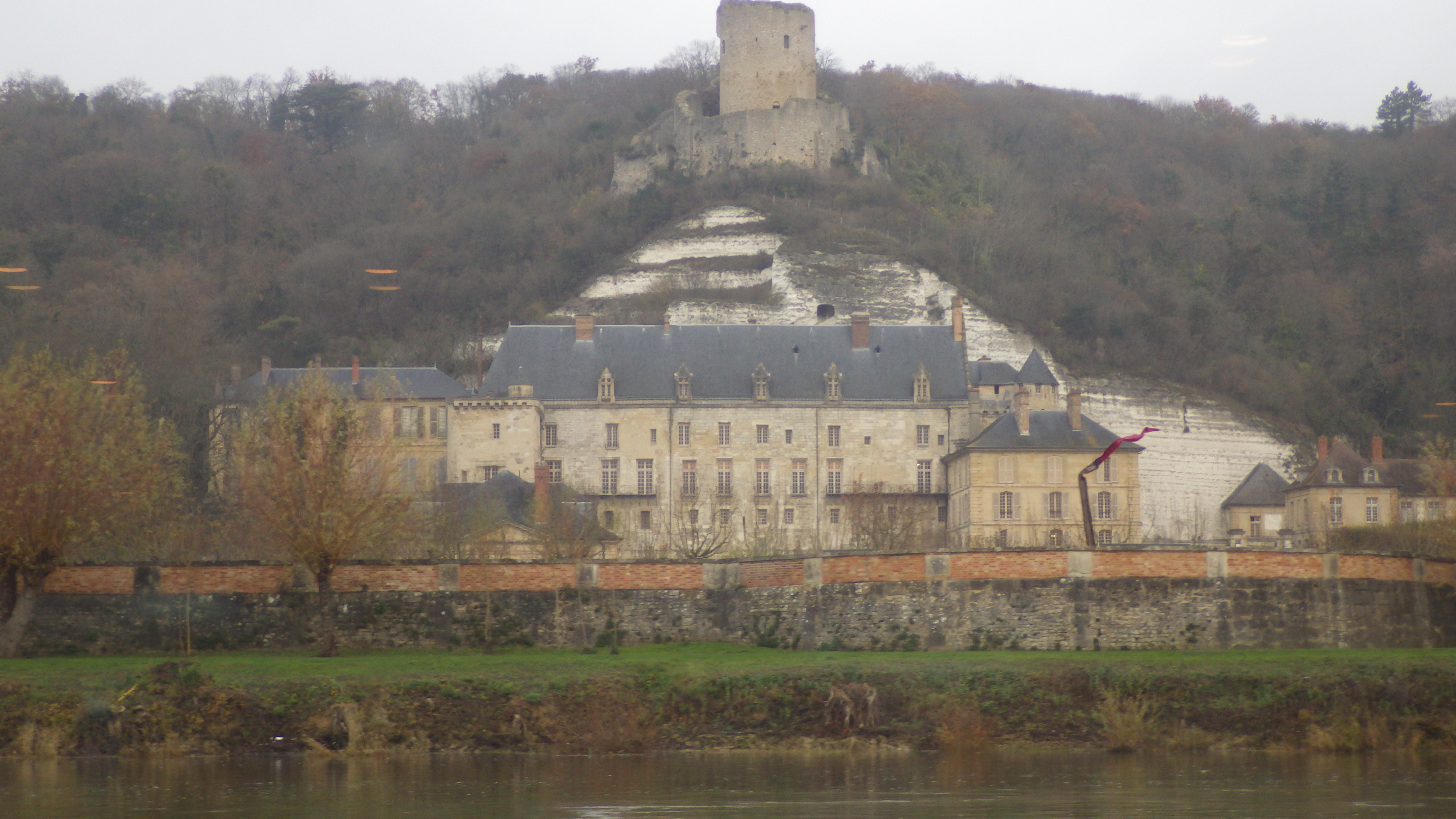
On river right, before arriving at Vernon, we viewed La Roche Guyot, complete with castle ruins and the stately residence which at one time served as the German General Rommel’s headquarters during the Nazi occupation of France.

Barry Wiss of Trinchero Family Estates

Barry Wiss of Trinchero Family Estates

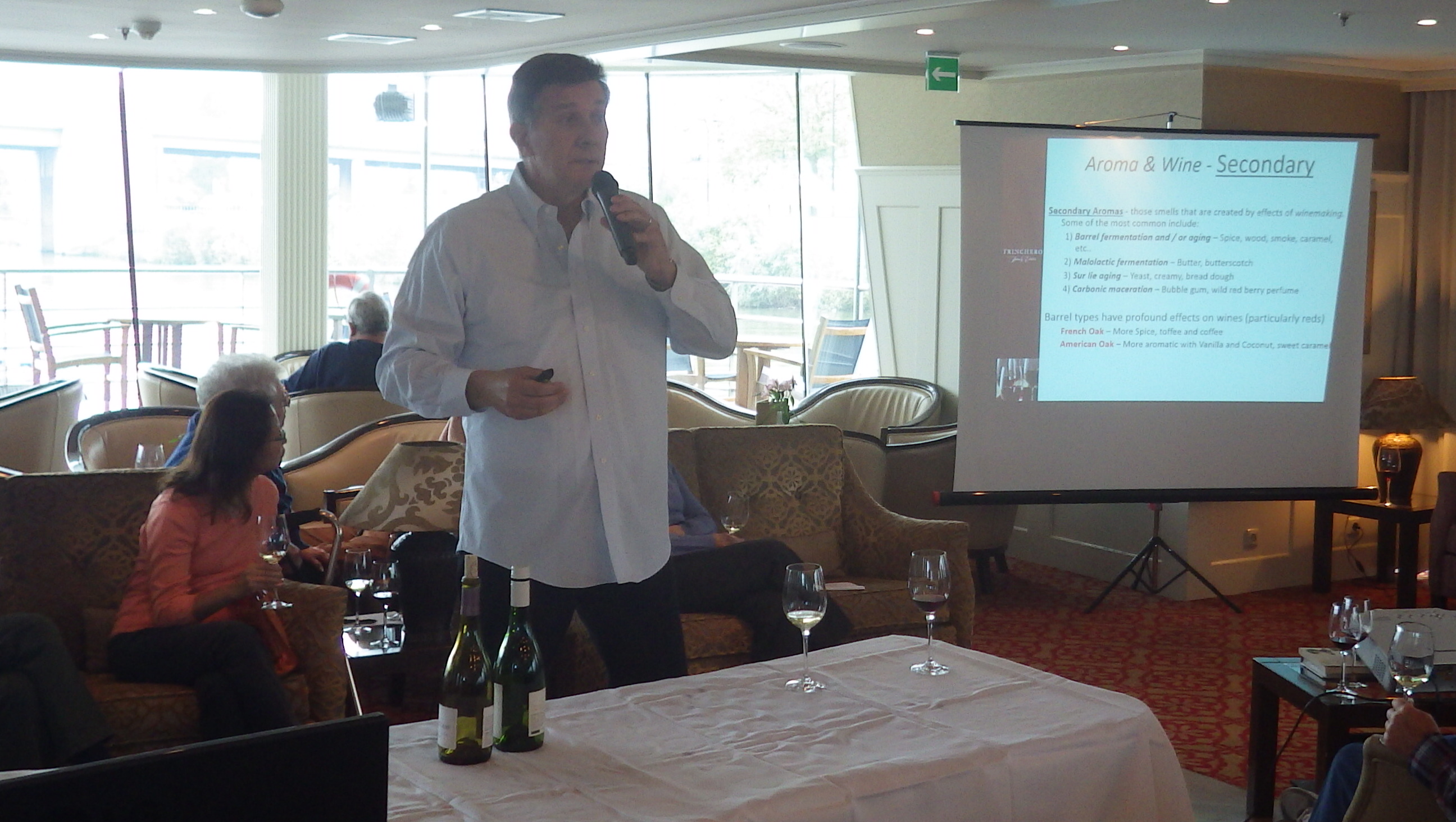
After a briefing from our Cruise Director John on the many exciting excursions planned for our journey on the Seine, we were treated to our first educational wine presentation from Barry Wiss, Vice President of Trade Relations for Trinchero Family Estates in Napa Valley, California.

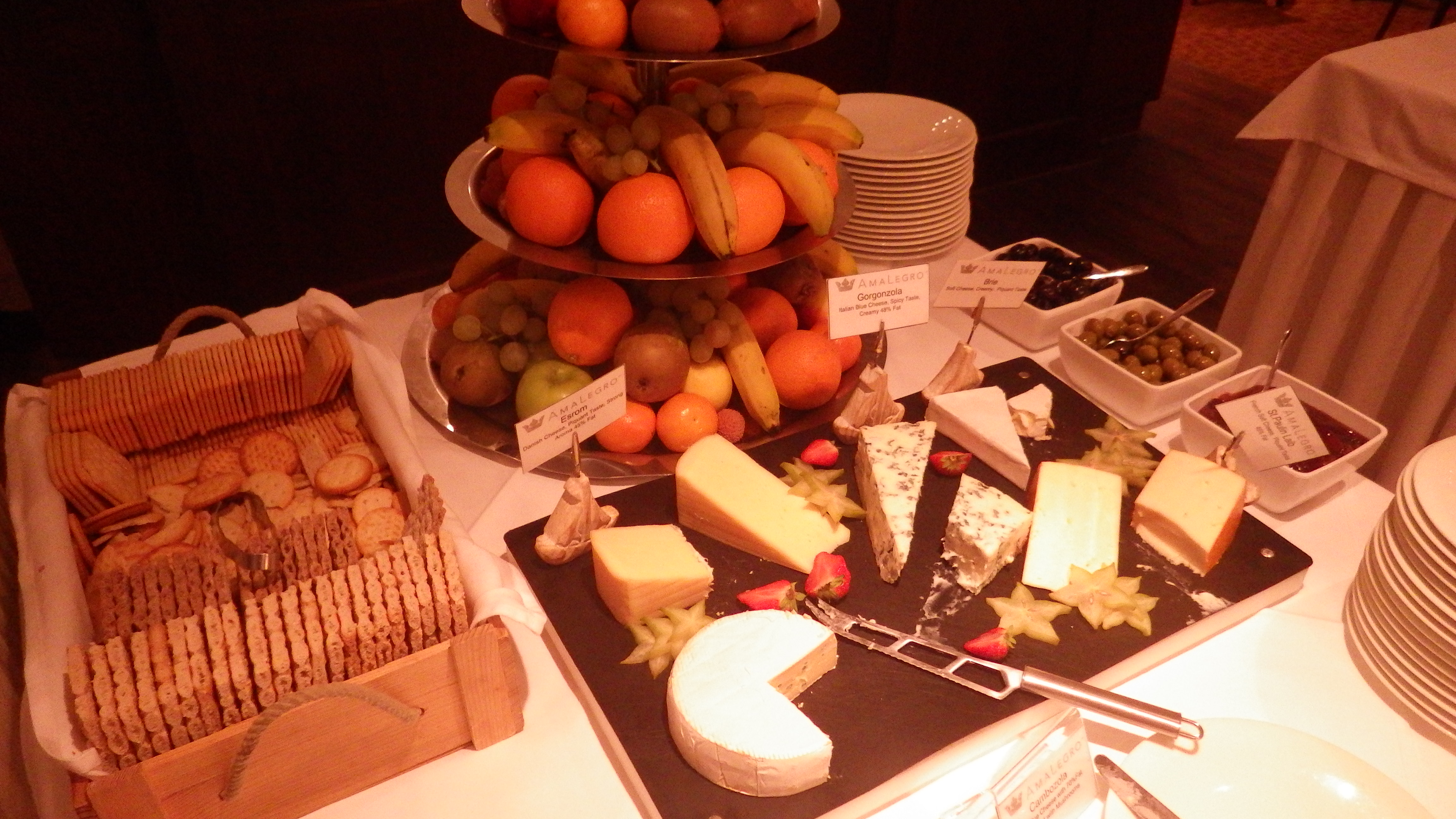
Fruit & Cheese from the Galley

Fruit & Cheese from the Galley

His opening topic addressed the important role aroma plays in the enjoyment of wine, and how to most effectively sniff and swirl in order to identify primary, secondary, and tertiary aromas.

We got to practice on two very nice Napa selections, Gott un-oaked Chardonnay and Sea Glass Pinot Noir.

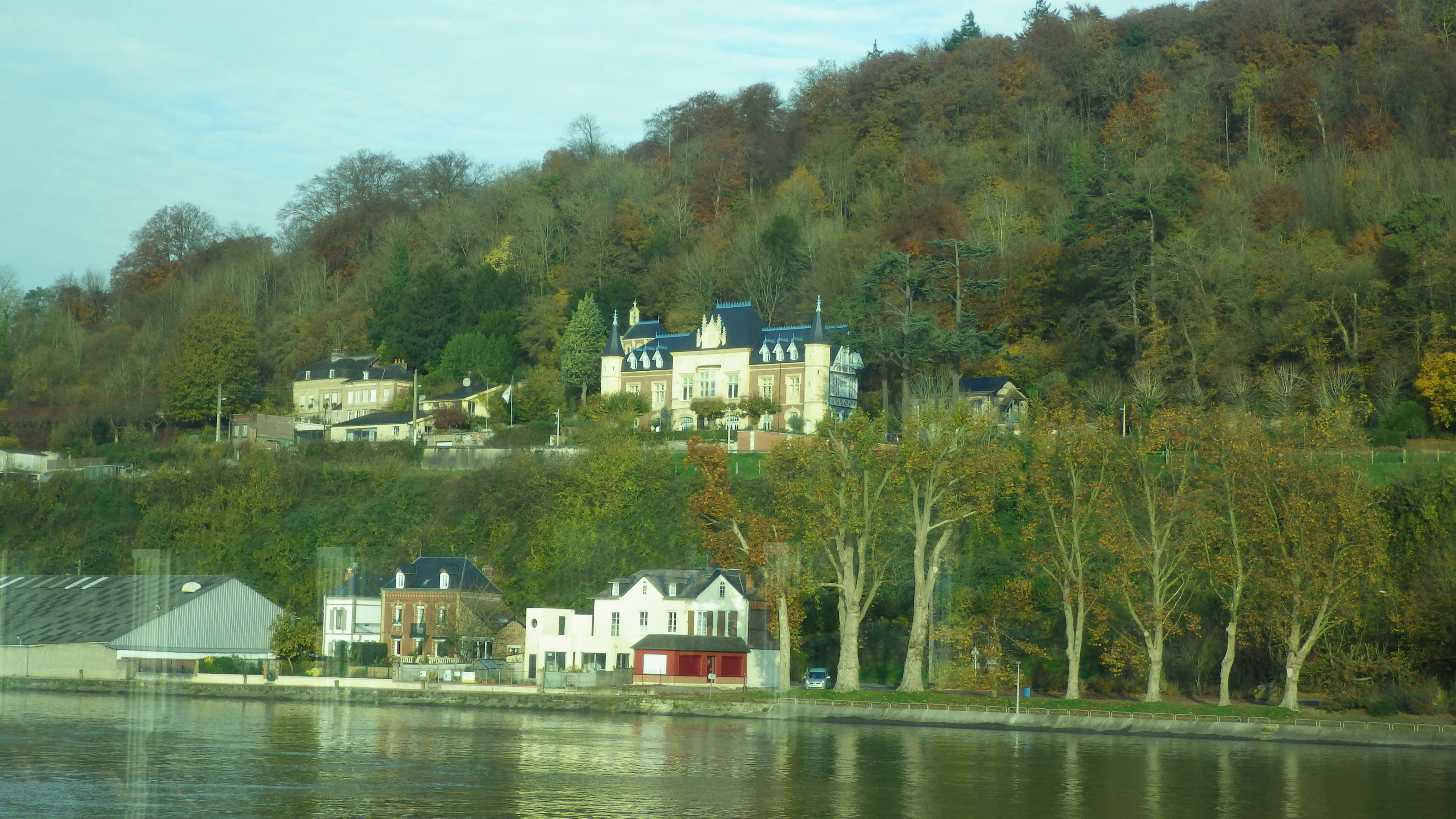
Riverbank Chateau

Riverbank Chateau

Presently, we are off to visit Chateau Bizy in the riverfront village of Vernon, our first port of call.

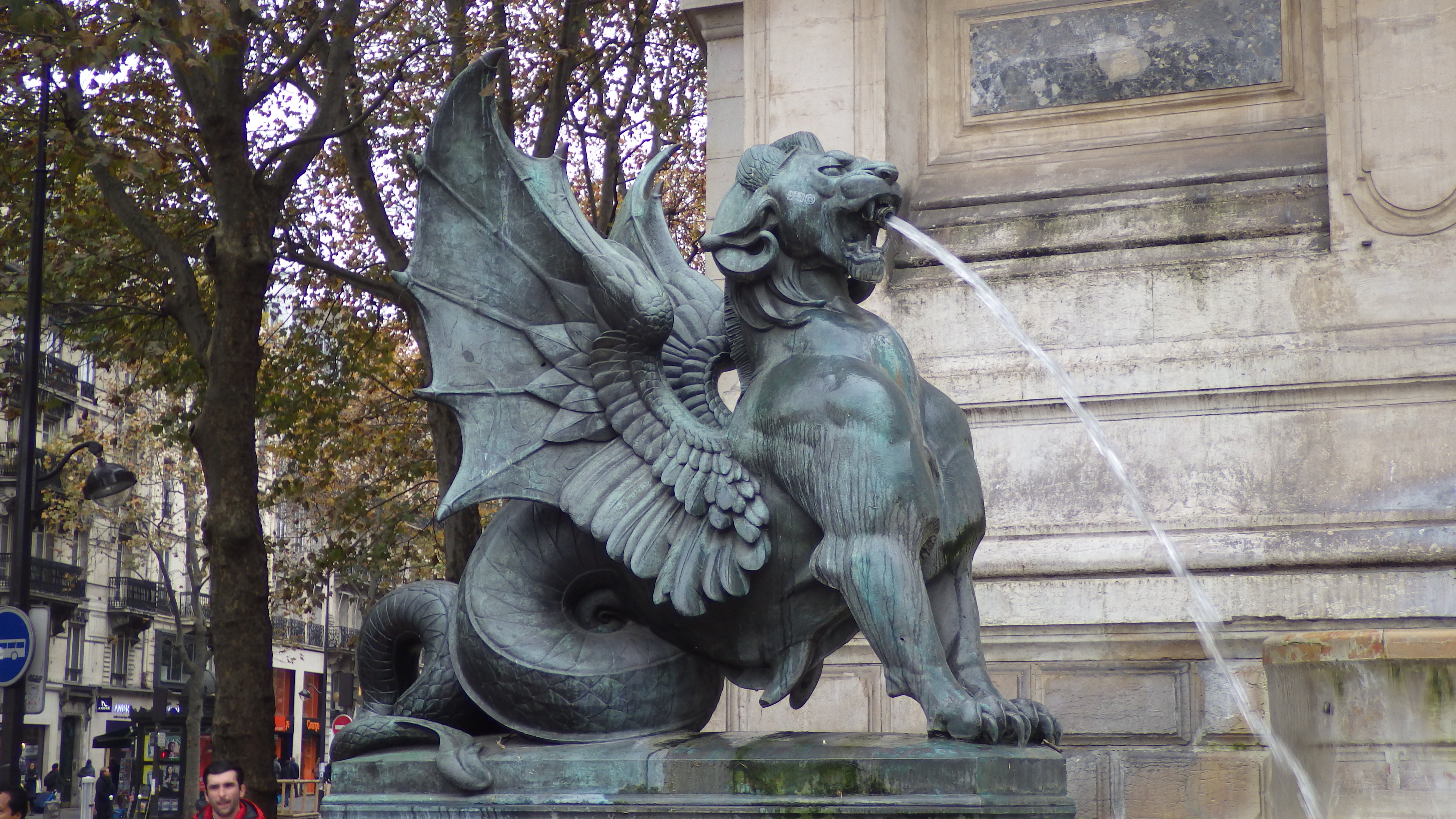
Griffin at St. Michael's SquareBe sure to check in with us tomorrow on the WineStyles blog, where you can hear it through our grapevine!

 Cheers,
Tiffany & Micheal Reynolds
WineStyles Greensboro, NC