

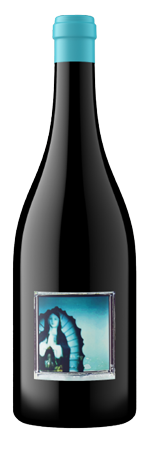
 Our Lady of Guadalupe
Pinot Noir 2023
Santa Rita Hills, California
BOLD WINE STYLE
An endearing pour of a brooding crimson core with flashes of vermilion and neon pink as the glass swirls. Aromatics spill in double time with notes of muddled strawberry, “Pinot crunch”, cranberry, pomegranate, orange peel, and the coastal hills of lavender and sagebrush surrounding the vineyard. Without missing a beat, the palate flaunts rich and concentrated flavors of black cherry, ripe strawberry, fennel and a kiss of Maldon salt, kept in check by the layers of acid that dominate wines from the region. A multitude of sensations culminates with mild tannins and an energized finish that seems to perpetually exist.
Varietal: 100% Pinot Noir
Appellation: Sta. Rita Hills, California
Clonal Selection: 828, 777, Pommard 4, 667, 459, 115, 943, Swan, Calera
Élevage: Aged in French Oak for 10 months, 45% New
Alcohol: 14.8% alcohol / volume
pH: 3.76
Titratable Acidity: 6.09 g/L
Accolades:
- Wine Enthusiast – 95 points and Editors’ Choice
- Decanter – 96 points
- Vinous – 95 points
- Jeb Dunnuck – 95 points
WINEMAKER’S NOTES:
In the summer of 2021, Dave Phinney (proprietor and winemaker), decided to produce his own wine from the Our Lady of Guadalupe Vineyard, giving him complete control in the vineyard and cellar. Simply put, this is the only project in the US where Dave makes wine from a vineyard he owns.
The 2023 vintage will go down as one of the best in the Sta. Rita Hills AVA. A very long, cool growing season led to ideal ripening, gorgeous fruit and wonderfully complex aromatics and concentrated flavors. With near-perfect weather during harvest, the crew were able to pick each individual block on schedule. Comprised of blocks from all over Our Lady of Guadalupe Vineyard, this is the best representation of the entire vineyard, transporting you to this special place in the AVA.
ABOUT THE WINERY:
After years of sourcing Pinot Noir from top vineyards in Santa Barbara, the team fell in love with the Sta. Rita Hills and in 2015 purchased an abandoned row-crop farm on the western edge of the AVA, later transforming it into Our Lady of Guadalupe Vineyard. Careful soil rehabilitation preceded planting, with the first vines established in 2018 and additional plantings through 2020. The vineyard now spans 127 acres of Pinot Noir across nine clones and six acres of Old Wente Chardonnay, with each clone and rootstock precisely matched to site-specific soils, microclimates, wind exposure, and ripening potential, using rigorously tested, mostly Protocol 2010–certified plant material. Sta. Rita Hills’ cool temperatures, wind, fog, and ocean influence naturally limit yields and disease pressure, while challenges like saline groundwater were addressed through a proprietary filtration method inspired by similar conditions in Baja California. Designed as a true winemaker’s vineyard and planted with fermenter-scale precision, OLG reflects Dave Phinney’s meticulous approach and commitment to terroir, sustainability, and people, producing single-vineyard wines beginning with the 2021 vintage and earning Sustainability-in-Practice certification, all while honoring the vineyard’s namesake and the crew who bring it to life. Learn more here.
Information & Photos © Our Lady of Guadalupe Vineyard – All Rights Reserved
 Rombauer Vineyards
Zinfandel 2023
California
BOLD WINE STYLE
Aromas of cherry jam and blackberry, underscored by notes of nutmeg. The dark berry notes continue to the palate, leading to a rich body with soft tannins and a lovely acidity, ending with a lingering finish.
Varietal: 91% Zinfandel, 9% Petite Sirah
Appellation: California
Alcohol: 15.9% alcohol / volume
Release Date: October 2025
Harvested: Sept. 25th-Oct. 30th, 2023
Average Brix at Harvest: 27.2
Cooperage: 14 months in American (10% new) and French oak
VINEYARDS:
This wine comes from select vineyards in four top growing regions: Amador County (56%), El Dorado County (25%), Lake County (18%), and Napa County (1%).
WINEGROWING:
Rombauer’s winemakers believe that 2023 was one of the best vintages in recent memory. The year was cool and consistent, ending with warm spells in September. These perfect conditions allow for longer hang time, which results in more fruit intensity and concentration of flavors. Sustainable farming practices throughout the growing season were tailored to each block with the assistance of aerial photos produced using NDVI (Normalized Difference Vegetation Index) technology. Harvest was long, with ideal conditions allowing us to pick each block at its optimal ripeness and at night to preserve its natural acidity.
WINEMAKING:
The grapes were carefully destemmed and optically sorted to ensure only perfect fruit made it into the wine. A cold soak extracted color and flavor before primary fermentation began in tank. The wine was gently basket-pressed and then racked to oak barrels for malolactic fermentation and aging.
ABOUT THE WINERY
Rombauer Vineyards was established in 1980, when the Rombauer family harvested their first grapes — Cabernet Sauvignon from Napa Valley’s Stags Leap District. Nearly 35 years later, the winery remains family owned and operated with members of the first and second generations involved in all aspects of the business. When founders Koerner and Joan Rombauer moved their two children, two horses and five dogs to Napa Valley in 1972, they had no intention of starting a winery. They chose the area because it reminded them of the small-town, agricultural environment in which they had grown up, and it appeared to be a clean, safe place to raise their children. They purchased 40 acres of beautiful hilltop land on the Silverado Trail near the town of St. Helena in California. Learn more here.
Information & Photos © Rombauer Vineyards – All Rights Reserved
 Join our PREMIUM WINE CLUB, enjoy amazing wines every other month. Plus, you’ll receive 10% off all retail wine purchases!
Learn more about our Premium Club >
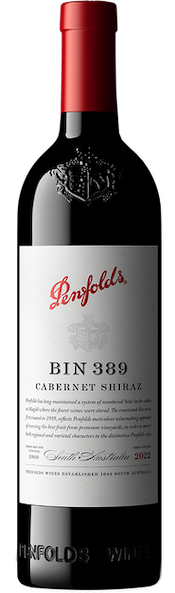 Penfolds
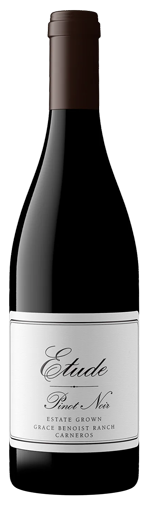 Etude
Etude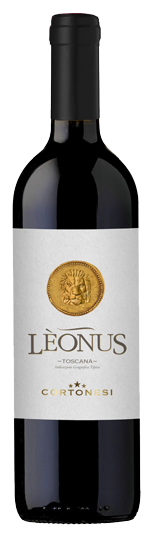


 WineStyles Tasting Station