February Bubbly Club: Iowa

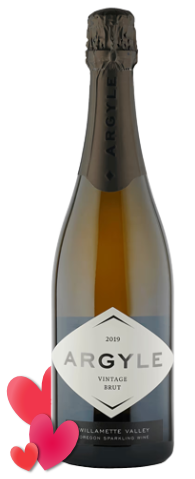
Bubbly Wine ClubHeart-Argyle-winery-vintage-brut-2019-bottleArgyle
Vintage Brut

Willamette Valley, Oregon

BUBBLY WINE STYLE

Golden apple and Anjou Pear flavors influenced by Knudsen Vineyard fruit add to the natural weight and brightness, while vanilla and toasted cake crust sneak into the flavor mix, adding to the opulence of this blend.

Analysis: 12.5% alcohol / volume
Varietal: 63% Chardonnay, 30% Pinot Noir, 7% Pinot Meunier
Clones:

  • Pinot Noir: Dijon clones: 777, 667, 115 and Pommard
  • Chardonnay: Dijon clones 95, 76, 96
  • Pinot Meunier: Clone 1

Appellation: Willamette Valley, Oregon
Total Acidity: 8.9 g/L
pH: 3.05
Dosage: 2.5 g/L
Dosage Vehicle: Chardonnay
Brix at Harvest: 18.5
Fermentation: Cold fruit was gently pressed and racked into 25% Neutral Barrel, 75% stainless steel tank for fermentation and aging on the lees
Tirage: 4 years en tirage for freshness and disgorged on demand
Cases: 19,479
Critical Acclaim:

  • 2019: 92 pts – Wine Spectator
  • 2019: 91 pts – Wine Enthusiast
  • 2019: 90 pts – James Suckling

Vineyards:
Argyle farms four estate vineyards with nearly 500 acres in the Willamette Valley, with the majority in the Eola-Amity Hills and Dundee Hills nested AVAs.

Viticulture:
Regenerative farming encourages the symbiotic relationship between the earth and the vine in tandem with the development of habitats for native flora and fauna. The results from their sustainable and responsible practices includes healthier soils, energetic vineyards and fruit.

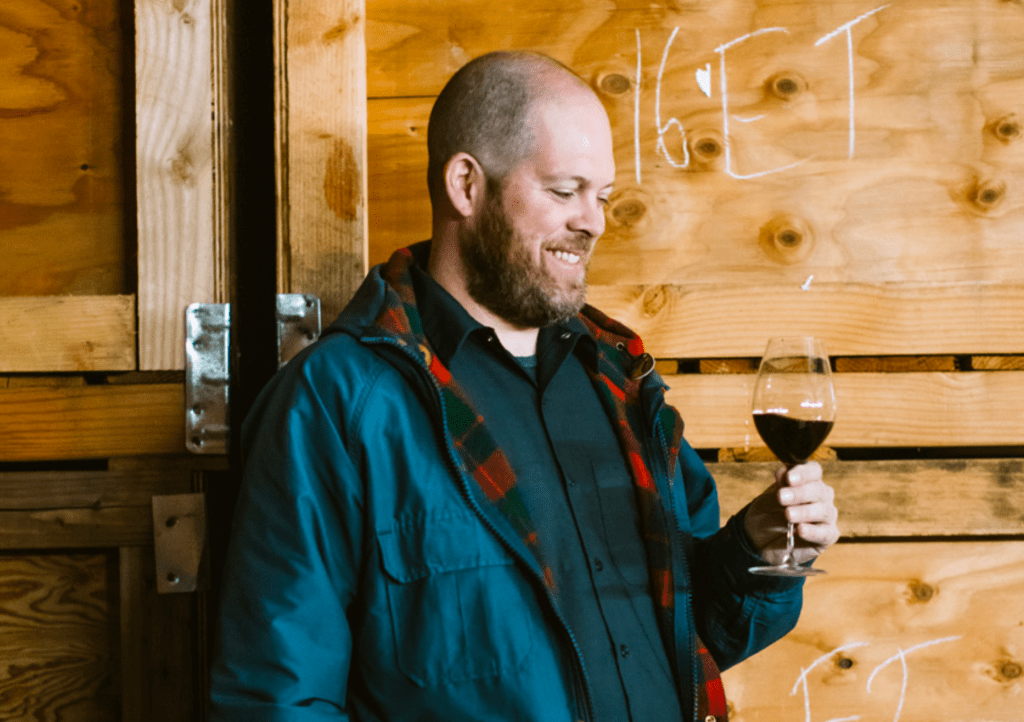
© Argyle Winery - Winemaker, Nate Klostermann

© Argyle Winery – Winemaker, Nate Klostermann

About the Winemaker:
Nate Klostermann is the 2nd winemaker in Argyle’s 35-year history and has emerged as one of Oregon’s most gifted winemakers. He currently celebrates nearly two decades at Argyle and continues to say he “landed in a good spot” when he arrived at Argyle to work his first harvest. With his fine-tuned winemaking skills and passion for Oregon wine, Nate is now recognized for making elegant and complex sparkling wines along with vibrant and impeccably balanced Pinot Noir, Chardonnay, Riesling and Pinot Meunier.

About the Winery:
Founded in 1987 as Oregon’s sparkling wine house, Argyle quickly stood out as a study in contrasts – honoring the deep traditions of wine and embracing innovation and experimentation; proud to be Oregonian and pulling knowledge from winemakers around the world. When common knowledge said a winery could produce great sparkling wine or great still wine Argyle asked “why not both?”, answering the question with acclaimed still and sparkling wines. Argyle is the only winery in the world to be named to Wine Spectator’s Top 100 list for Sparkling, Chardonnay and Pinot Noir.

Deeply established in the Willamette Valley, yet young at heart, Argyle is led by stand-out winemaker Nate Klostermann, and innovative viticulturist Geoff Hall, who work together to explore and expand the possibilities of modern winemaking. Together they create world-class still and sparkling wines from Pinot Noir, Chardonnay, Pinot Meunier, and Riesling. Learn more here.

Additional Accolades:

  • #1 Selling Sparkling Wine from Willamette Valley
  • Top 10 Selling Domestic Luxury Sparkling House
  • Oregon’s Best-known Champagne-Method Sparkling Wine House – Wall Street Journal
Photo and Information © Argyle Winery – All Rights Reserved

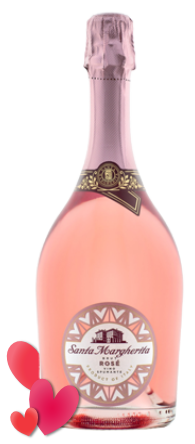
Heart-Santa-Margherita-rose-brut-bubbly-bottleSanta Margherita
Sparkling Rosé
Italy

BUBBLY WINE STYLE

Whether served at the beginning of a beautiful evening for two, or sipped throughout a lively meal with friends, this celebrated bubbly is an aromatic and vibrant treasure that is meant to be shared time and time again.

This pale pink wine brings a full bouquet of pleasing floral aromas with hints of red berries. It is artfully crafted with a blend of Glera and Chardonnay grapes with Malbec as the red varietal that lends its perfect light pink color. Its flavor is delicate, but vibrant and well-rounded. Santa Margherita Sparkling Rosé is an approachable wine that lingers on the palate; good for any occasion as an accompaniment to brunch, desserts, antipasti, seafood or intensely flavored Asian cuisines.

Analysis: 11.5% alcohol / volume
Varietal:
55% Glera, 40% Chardonnay, 5% Malbec
Sugar Content:
8.3 g/750ml
Aspect & Elevation: 1-1,150 feet above sea level
Soil Type: Fluvial (Chardonnay), Morainic (Glera), Fluvial and Lagoon (Malbec)

Vine Training System: Guyot (Chardonnay), Sylvoz/double Guyot (Glera), Spurred cordon (Malbec)
Planting Density: 3,500-4000 vines per acre (Chardonnay), 1,215 – 1,415 vines per acre (Glera), 2,105 per vines acre (Malbec)
Harvest Period: Second half of September
Serving Temperature: 42º-46ºF
Recommended Glass: Medium-sized tulip-shaped, narrowing towards the rim
Aging Potential: Meant to be enjoyed fresh
Food Pairings: Tasty, aromatic apéritif, and an exciting companion for your food explorations: savory Italian appetizers, complex seafood dishes, and spicy, exotic Asian cuisines. It also brings a delightful sparkle to a festive brunch or your favorite rich dessert. Or enjoy with this recipe for Strawberries with Vanilla Mascarpone and Balsamic Drizzle.

Technical Information:
The blending of a fine Sparkling Rosé wine is a delicate art, and Santa Margherita is proud to share this masterpiece. They start with a white wine made from the Glera grapes used to produce Prosecco, then add Chardonnay and a small amount of Malbec to add color and richness. This tantalizing blend undergoes a month-long second fermentation followed by six months of maturation in pressurized tanks. Only then is this dry, sparkling wine ready to serve and enjoy.

The Bottle:
Featuring their family crest, the new clear glass bottle offers a fresh, contemporary look, while showcasing the lush, gorgeous color of their Sparkling Rosé. The updated label, reminiscent of Venetian design, proudly celebrates their Italian heritage. 

Did you Know?

  1. The Coat of Arms of the Marzotto family is on the neckband of every bottle of the delicious Sparkling Rosé. In 1935, the Marzotto family founded Santa Margherita, and it has been contributing to the international success of premium quality Italian wine for over 80 years.
  2. Santa Margherita loves the bees: they avoid cutting the grass between the rows of vines while the grapes are growing to protect the work of bees and other pollinating insects.
  3. Santa Margherita is vegan-friendly and has eliminated the use of all animal by-products during filtration.
  4. Santa Margherita recycles grape skins, which further reduces waste.

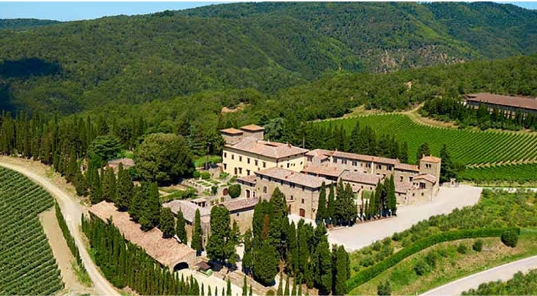
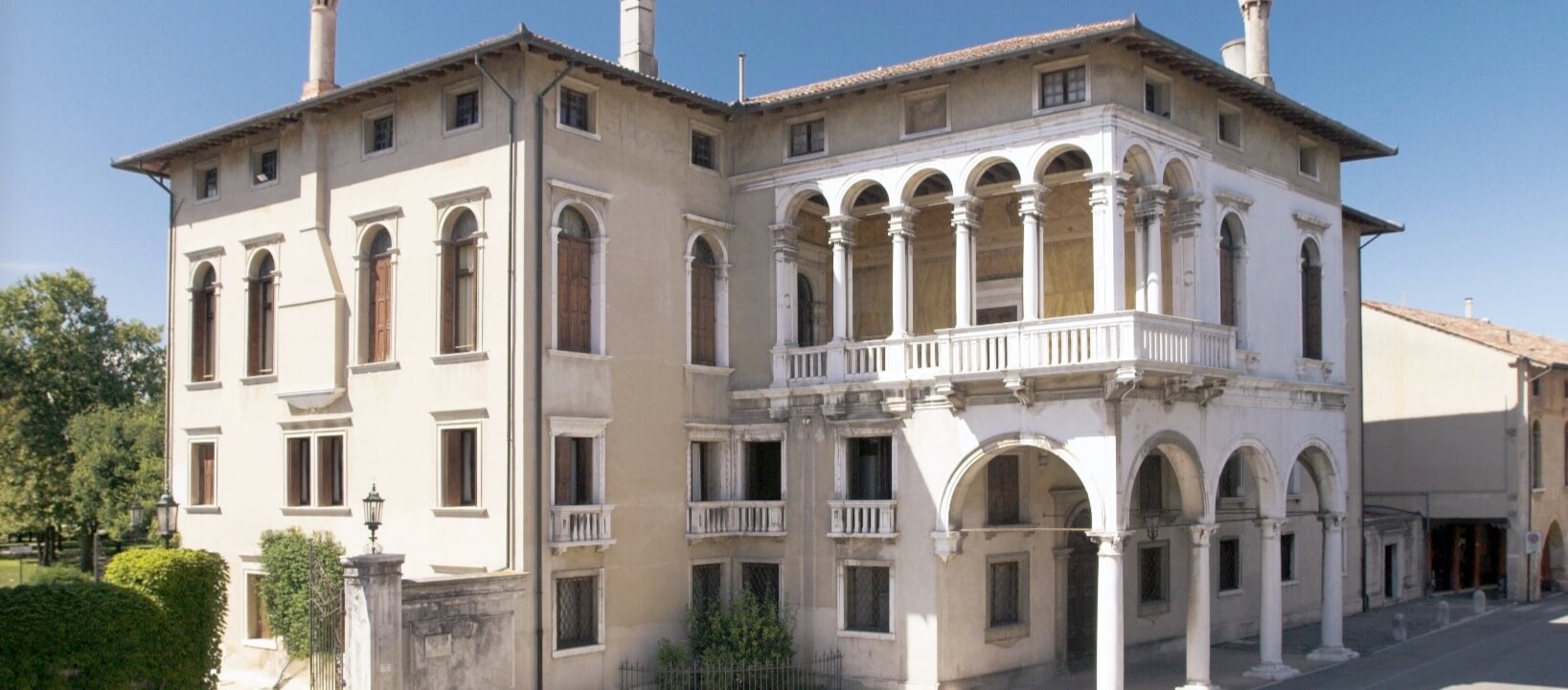
Santa Marghertia historic mansion

About the Winery:
Santa Margherita Winery, founded in 1935 in Italy’s Veneto region, is a pioneer in crafting elegant, approachable wines that celebrate the essence of Italian winemaking. The winery combines innovation with a deep respect for tradition and sustainability. With vineyards spanning some of Italy’s most prestigious regions, Santa Margherita produces a diverse portfolio of wines, each reflecting the unique character of its terroir. Dedicated to quality, heritage, and environmental responsibility, Santa Margherita continues to bring people together through the timeless pleasure of great wine. Learn more here.

Photo and Information © Santa Margherita – All Rights Reserved


Bubbly Wine ClubLearn more about our Bubbly Club >


Renacer Punto Final Cabernet Sauvignon

FEBRUARY WINE CLUB:

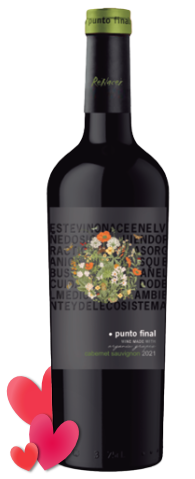
Bold wine Style logoHeart-Puton-final-organic-cabernet-bottleBodega Renacer
Punto Final
Cabernet Sauvignon Organic
Mendoza, Argentina

BOLD WINE STYLE

Intense ruby red color with violet and black highlights. Aromas of ripe cherries, currants and ripe plums complemented by roasted bell pepper and sweet spices (paprika, pepper). Noticeable fresh plum and cherry flavors. Sweet entry with ripe tannins, balanced with good acidity; elegant, persistent on the palate and long finish.

Varietal: 90% Cabernet Sauvignon, 10% Cabernet Franc
Analysis: 13.6% alcohol / volume
pH: 3.73
Total Acidity: 5.32 g/L
Appellation: Luján de Cuyo, Mendoza, Argentina
Grapes:
From two blocks of the “Renacer” estate in Perdriel – Luján de Cuyo (950 m.a.s.l. – silt loam soils).
Vineyards:With yields of less than 8 tons per hectare.
Harvest: Hand-picked in 17 kg. at the beginning of April

Selection: Double manual selection of clusters and berries
Maceration: Cold for 3 days at 46.4ºF
Alcoholic Fermentation: Carried out with selected indigenous yeasts for 10 days in stainless steel tanks at controlled temperatures between 77ºF and 80.6ºF
Malolactic Fermentation: In stainless steel tanks
Aging: Young profile without contact with oak
Food Pairing: Lean red meats, grilled vegetables, lamb, cheeses such as brie, camembert, cheddar and parmesan

About the Winery:
Nestled in Luján de Cuyo—one of Mendoza’s premier regions for producing premium wines—Bodega Renacer was purposefully designed to craft high-end wines. Founded by Patricio Reich, a wine industry veteran since the late 1980s, his journey began as a partner and managing director at Viña San Pedro in Chile. Over time, his passion for winemaking deepened, inspiring him and his family to launch a new venture focused on creating exceptional wines. Established in 2003 at the base of the Andes Mountains, the winery features Tuscan-inspired architecture, pergolas, and Italian-style gardens—a tribute to its family heritage and a warm invitation to visitors. Bodega Renacer is driven by their key principles: a relentless pursuit of quality, a commitment to innovation, a strong family spirit, sustainability, and a dedication to specializing in Malbecs and Cabernets. Learn more
here.

Try this wine with the following recipe…

lava-cake-rotated-blogChocolate Lava Cake

INGREDIENTS: 

  • ½ cup unsalted butter (113g)
  • 6 ounces bittersweet chocolate chopped (168g)
  • 2 large eggs
  • 2 large egg yolks
  • ¼ cup granulated sugar (50g)
  •  teaspoon salt
  • 2 tablespoons all-purpose flour

DIRECTIONS:

  1. Preheat the oven to 450°F. Butter and lightly flour 6 (4- to 5-ounce) ramekin dishes and place them on a baking sheet.
  2. Combine the butter and chocolate in a double boiler and melt over low heat, stirring until smooth. Or, place the butter and chocolate in a microwave-safe bowl and microwave on high, stirring every 30-seconds until melted. Whisk together until smooth.
  3. Bake for 6 to 8 minutes or until the sides of the cakes are firm set but the center is jiggly. Let the cakes cool in the ramekin dishes for 1 minute.
  4. Place a small dessert plate over the top of each ramekin and carefully turn it over, inverting the cake onto the plate. Let stand for about 10 seconds, then remove the ramekin to unmold the cakes. Sift powdered sugar on top and garnish with berries, if desired. Serve immediately.

Information & Photos © Bodega Renacer – All Rights Reserved.
© Recipe courtesy of Preppy Kitchen.


Wine club logoJoin our WINE CLUB and enjoy these amazing wines and pairing recipes each month. Plus, you’ll receive 10% off all retail wine purchases!

Learn about our Memberships >


Renacer Punto Final Reserva Naranjo Orange Chardonnay

FEBRUARY WINE CLUB:

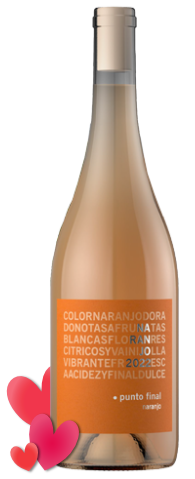
Rich WineStylesHeart-Punto-Final-Orange-chardonnay-bottleBodega Renacer
Punto Final Reserva
Naranjo Orange Chardonnay
Mendoza, Argentina

RICH WINE STYLE

Golden orange color. The nose presents notes of ripe peach, apricot, ginger, flowers such as camomile. On the palate it has citrus flavors of tangerine peel and pink grapefruit. In addition, aromas of vanilla and bourbon can be found, the result of its brief contact with used barrels. It is vibrant, with fresh acidity and a sweet finish.

Varietal: 100% Chardonnay
Analysis: 12.5% alcohol / volume
pH: 3.3

Total Acidity: 6.5 g/L
Appellation: Uco Valley and Luján de Cuyo, Mendoza, Argentina

Vineyard Productivity: Yields of less than 8 tons per hectare
Harvest: Manual in 17 kg crates
Vinification: With skins, similar to a red wine fermentation, with selected yeasts in 1000 liter stainless steel tanks, at a maximum temperature of 64.4ºF
Aging: French and American oak barrels of second use
Farming: Vegan and sustainable
Winery: Family owned
Food Pairings: Lamb, pork, chicken, grilled fish, octopus, hummus, baba ghanoush, roasted vegetables and Indian curry

About the Winery:
The name Punto Final refers to the moment when the winemaking team considers that it has achieved its ultimate goal: exceptional, easy-to-drink wines that express the typicity of each varietal in an authentic way. Founded by Patricio Reich, with the collaboration of world-renowned winemaker Alberto Antonini, Bodega Renacer prides itself in bringing consumers the very best wines from South America’s unique terroirs. The winery structure itself is quite impressive, featuring a medieval tower built of rocks with state-of-the-art winemaking equipment. Renacer’s vineyards are located in a unique zone in Mendoza, Argentina, where the soil, altitude, climate and water come together to create the perfect growing environment for Malbec and other varietals. Learn more here.

Try this wine with the following recipe…

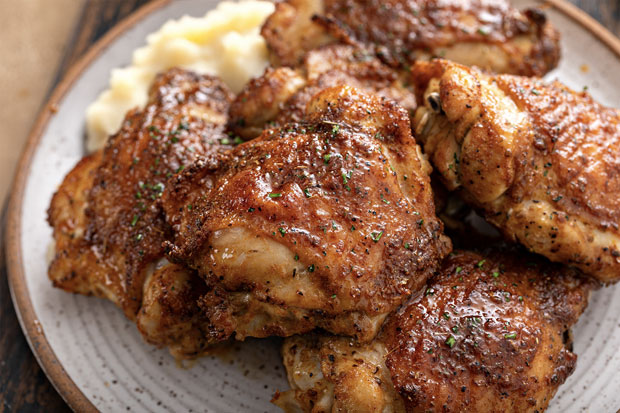
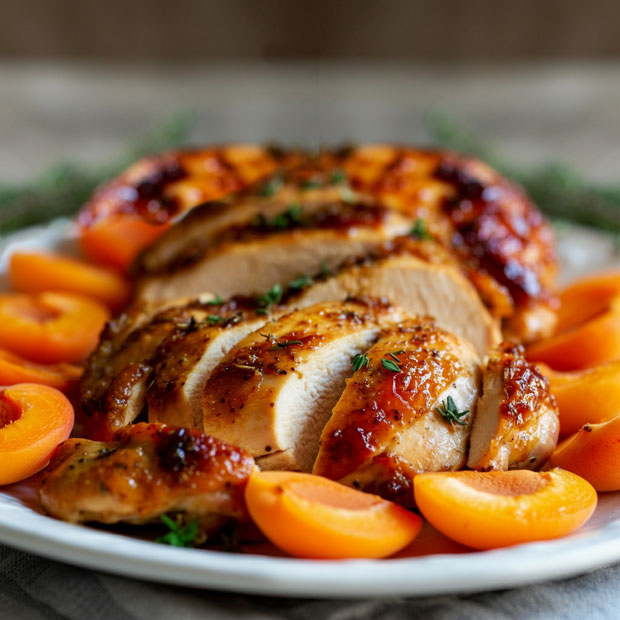
apricot-glazed-chicken-dishApricot Glazed Baked Chicken

INGREDIENTS:

  • ¾ cup apricot preserves
  • 1 tablespoon whole grain mustard
  • 2 tablespoons soy sauce or coconut aminos
  • 2 tablespoons melted, unsalted butter
  • 1 teaspoon dried thyme
  • 2 teaspoons salt
  • ½ teaspoon pepper
  • 2 pounds boneless skinless chicken breasts (about 4 pieces)

DIRECTIONS:

  1. In a large bowl or baking dish add the apricot preserves, mustard, soy sauce, butter, thyme, salt and pepper and whisk until well combined. Add the chicken and toss until well coated.

Information & Photos © Renacer and Weinbauer – All Rights Reserved.
© Recipe courtesy of Life is But a Dish.


Wine club logoJoin our WINE CLUB and enjoy these amazing wines and pairing recipes each month. Plus, you’ll receive 10% off all retail wine purchases!

Learn about our Memberships >


February Wine Club Pairing Recipe

FEBRUARY WINE CLUB:

Bold wine Style logoHeart-Punto-Final-Cabernet-Franc-Reserve-bottleBodega Renacer
Punto Final Reserva
Cabernet Franc
Mendoza, Argentina

BOLD WINE STYLE

Intense ruby red color with violet reflections. Its aromas are of sweet spices, black pepper, cloves interwoven with soft notes of eucalyptus with a hint of pepper. As the wine opens, aromas of vanilla and chocolate appear from its aging in oak. The palate has great concentration, intensity and sweet impact, with ripe black fruit flavors and a distinctive caramel macchiato note. Soft, round tannins with good acidity and a long, lingering finish.

Varietal: Cabernet Franc
Analysis: 14.1% alcohol / volume
pH: 3.7
Total Acidity: 5.5 g/L
Appellation: Luján de Cuyo, Mendoza, Argentina
Grapes: From Vista Flores (1300 m.a.s.l. – calcareous and stony soils) and Perdriel – Luján de Cuyo (950 m.a.s.l. – loam soils).
Vineyards: More than 15 years old with yields of less than 8 tons per hectare
Selection: Double manual selection of clusters and berries

Maceration: For 2 days at 46.4°F
Alcoholic Fermentation: With indigenous yeasts for 12 days in stainless steel tanks at temperatures between 71.6 and 75.2°F
Malolactic Fermentation: In stainless steel tanks
Aging: In French oak barrels for 12 months
Critical Acclaims: 90 pts James Suckling 2019; 91 pts James Suckling 2017; Silver Medal 90 pts Decanter 2017; 91 pts Decanter 2014: 91 pts Robert Parker 2011

About the Winery:
Nestled in Luján de Cuyo—one of Mendoza’s premier regions for producing premium wines—Bodega Renacer was purposefully designed to craft high-end wines. Founded by Patricio Reich, a wine industry veteran since the late 1980s, his journey began as a partner and managing director at Viña San Pedro in Chile. Over time, his passion for winemaking deepened, inspiring him and his family to launch a new venture focused on creating exceptional wines. Established in 2003 at the base of the Andes Mountains, the winery features Tuscan-inspired architecture, pergolas, and Italian-style gardens—a tribute to its family heritage and a warm invitation to visitors. Bodega Renacer is driven by their key principles: a relentless pursuit of quality, a commitment to innovation, a strong family spirit, sustainability, and a dedication to specializing in Malbecs and Cabernets. Learn more here.

Try this wine with the following recipe…

pasta_valentine-blogAuthentic Cacio e Pepe (classic Roman dish)

INGREDIENTS:

  • 1 lb. of dried spaghetti
  • 8 ounces of finely shredded Pecorino Romano cheese
  • 1 teaspoon of black pepper roughly ground
  • salt to taste

DIRECTIONS:

  1. Set timer, bring a large pot of salted water to boil and add the Spaghetti.
  2. Add pepper to a large sauté pan and slowly heat until you can smell the pepper.
  3. To prevent burning, add a ladle (or two) of the pasta water and let it lightly boil. Make sure the pan doesn’t go dry and burn the pepper.
  4. Add the cheese and a couple of ladles of boiling water to a bowl and mix it until it is creamy like a paste.
  5. When the Spaghetti is cooked, add it to the sauté pan with the water and pepper. Quickly stir the pasta and try to develop a sauce from the pepper and starchy pasta water.
  6. After two minutes of stirring, take off the heat and continue to stir while letting the pasta and pan cool a little, for about a minute.
  7. Add the cheese mixture while the pasta is off the heat. Stir vigorously and mix the cheese throughout the pasta.
  8. Put the pasta and cheese mixture back on a low flame and continue to stir it. If the sauce gets too dry, and one more ladle of pasta water to loosen up the mixture.
  9. Once everything is well mixed and creamy, serve immediately. When it is in the serving bowl, top with a little bit of fresh ground pepper and some more cheese.

Information & Photos © Bodega Renacer – All Rights Reserved.
© Recipe courtesy of Saturdays in Rome.


Wine club logoJoin our WINE CLUB and enjoy these amazing wines and pairing recipes each month. Plus, you’ll receive 10% off all retail wine purchases!

Learn about our Memberships >


January Beer Club: Iowa

Moor-2023-Can-Visual-330-Core-OFWMoor Beer Company
Old Freddy Walker
Old Ale

Bristol, England

Multiple award-winning icon, Gold Champion Winter Beer of Britain and Gold Independent Beer Awards. Inspired by times of old. Still revered today by connoisseurs and judges. Rich & full bodied with vine fruits, chocolate, and dark roasts. Christmas cake in a glass, all year long.

Always unfiltered, unfined and unpasteurized. Always vegan friendly. Store in a cool dark place and drink fresh at 51.8ºF.

ABV: 7.3% alcohol / volume
IBU: 65
Style: Old / Stock Ale

Beer Style: Dark & Roasty


Moor Beer Company RevivalMoor Beer Company
Revival
Pale Bitter

Bristol, England

Modern classic session bitter, American yeast and hops with the sensibility of a British session ale. Previously brewed at 3.8% ABV.

ABV: 3.4% alcohol / volume
IBU: N/A
Style: Bitter – Session / Ordinary

Beer Style: Hoppy & Bitter


Moor-2024-Can-Visual-440-Core-Stout-GOLDMoor Beer Company
Stout

Bristol, England

Stout, quite simply, the way it should be – roasty wholesomeness flowing through an incredibly rich body. As smooth as silk and living proof that simply using the four essential beer ingredients forms the perfect Stout.  Always unfiltered, unfined and unpasteurized. Always vegan friendly. Store in cool dark place and drink fresh at 51.8ºF.

ABV: 5% alcohol / volume
IBU: N/A
Style: Stout – England
Beer Style: Dark & Roasty

ABOUT THE BREWERY:
Moor Beer was reborn in 2007 when Californian Justin Hawke purchased the defunct business and created what has become one of the world’s top rated breweries. Named from the Levels and Moors area of Somerset where the brewery originated, Moor Beer moved to central Bristol behind Temple Meads Rail Station in 2014.  Moor Beer’s natural carbonation with live yeast is at the heart of everything they brew. It’s what makes their beers vegan friendly and what gives them such an enhanced flavor, aroma and mouthfeel that simply can’t be replicated. Check them out on Untappd, or learn more about their company here.

Information © Moor Beer Company – All Rights Reserved.


Untappd

Follow WineStyles on Untappd

Don’t forget to follow your local WineStyles on the Untappd app and tag us when enjoying your Brew!


LEARN MORE ABOUT OUR BEER CLUB >


January Cheese Club: Iowa

Cheese ClubPetit-agour-cheese-wheelAgour Petit Agour Pur Brebis Semi-hard Sheep’s Milk Cheese France

Made from pasteurized sheep’s milk from the Basque Pyreness region, it boasts a sweet, subtle flavor and a creamy yet sturdy texture. Its bright orange rind, dusted with the region’s speciality, Espellettes pimento, giving it a distinctive rusty red appearance, can be brushed clean before slicing. The method used making this cheese is claimed to be the oldest surviving tradition in the world, dating back 4000 year. Petit Agour offers a distinctly sheep-y character, with floral, nutty, and lanolin notes typical of rustic sheep’s milk cheeses—without veering into overly sharp or barnyard flavors. Pair it with cherry spread for a classic combination, or try shaving it over roasted vegetables or a salad of bitter greens. It’s equally delightful on its own, sliced wafer-thin. Aged: 3 months Region: Basque, France WINE & CRAFT BEER PAIRINGS: For wine, pair with a Merlot or Pinot Grigio. For beer, reach for an amber or brown ale, the malty sweetness and caramel notes of an ale harmonize beautifully with the cheese’s subtle, nutty flavors. WINESTYLES: Mellow or Crisp wines BEERSTYLES: Dark beers Information © Zuercher & Co. – All Rights Reserved.

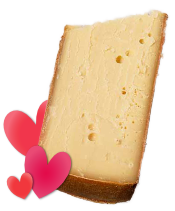
La-Petite-Cave-Roquefort-cheeseGabriel Coulet Roquefort La Petite Cave Sheep’s Milk Cheese France

Gabriel Coulet is a family business and a well regarded cellar which proudly preserves an age old tradition. In 1872, Guilhaume Coulet built a wine cellar that later became a cheese aging cave. Roquefort is the undisputed king of French blue cheeses, and they don’t come much better than Gabriel Coulet. Their Roquefort has a wonderful creamy paste with a buttery texture, a peppery bite from the veining, and a nice salt finish. Aged: 4+ months Region: Auvergne, Midi Pyrenees Protection: AOC Fat: 52% WINE & CRAFT BEER PAIRINGS: For wine, try this cheese with a Port. A ruby or tawny Port offers a bold, sweet profile with notes of dried fruit and nuts that counterbalances the salty, tangy richness of Roquefort. For beer, try with an Imperial Stout; the roasted malt flavors, dark chocolate, and coffee notes of an Imperial Stout will also pair beautifully with Roquefort’s salty and tangy intensity. WINESTYLES: Nectar wines BEERSTYLES: Malty & Sweet Information © Zuercher & Co. – All Rights Reserved.

Join our Cheese Club and bring home a match made in heaven!Match Made in Heaven!

If you enjoy pairing cheese with wine, this is your club!  Each month you’ll discover specialty and artisan cheeses to pair with your Wine Club. Monthly cheese selections are chosen by your local WineStyles participating location. It’s the perfect opportunity to Taste, Learn and Enjoy® amazing artisan cheese every month! Only $19.99/month and your wine won’t be lonely!  Click to learn more >

January Sweet Club: Iowa

Sweet Wine ClubEvolution-Riesling-bottleSokol Blosser
Evolution Riesling
Columbia Valley, Oregon

NECTAR WINE STYLE

Take in a nose-full of bright tropical fruit, citrus, and a hint of floral. This wine is bursting with mouth watering notes of lychee, lime, pineapple and peach.

Analysis: 12.5% alcohol / volume
Varietal: 100% Reisling
Appellation: Columbia Valley, Oregon
Winemaking: Stainless Steel Tanks
Serving Suggestion: Pair with pad see ew with prawns, chicken tikka masala, lobster with lots of butter, jambalaya and even kettle corn
Critical Acclaim:

  • 89 Points & BEST BUY – Wine Enthusiast, 2021
  • 95 Points & Best in Class – Savor NW

WineStyles’ Wine and Cheese Pairing: Pair with a stinky blue cheese to complement the fruity notes of this wine. Learn more about our wine and cheese pairings here.

Wine: With the touch of Sokol Blosser’s winemaking team and their adoration for food-loving wine, this Evolution Riesling is so zingy and bright that it will wake up your taste buds and brighten your day. They crafted a wine that will stand up to spicy curries and stinky cheeses. It’s not your grandma’s Riesling. It’s the wine for the daring wine lover. For the wine lover who likes to buck the norm and ignore the stereotypes. Like a stealthy wolf in sheep’s clothing, this Riesling is slightly sweet on the outside yet packs a punch. It has a core of acidity that grabs your attention and makes it food’s best friend.

About the Winery:
For over 50 years, the Sokol Blosser family has been putting passion into bottles at their winery in Oregon. Family owned since 1971, their story began when Susan Sokol and Bill Blosser first planted vines in the now-famous Dundee Hills of Oregon’s Willamette Valley.  As second-generation winegrowers, Alex and Alison Sokol Blosser are passionately committed to their family’s legacy of creating world-class wines.  In 1998, they poured their love for wine into Evolution – exceptionally food-friendly wines for exceptional people. Its fan base gives meaning to the word “loyal” and is spread all over North America, Europe and Asia. At the time, there were very few white blends on the market, and Evolution tapped into the niche that would become an important segment of the wine business. As word spread and Evolution made the rounds, it enjoyed extraordinary popularity. Learn more about the winery here.

Photo and Information courtesy of © Evolution by Sokol Blosser – All Rights Reserved


oreillys-salted-caramel-irishO’Reilly’s Country Cream
Salted Caramel Irish Cream
Ireland

NECTAR WINE STYLE

This wine-based salted caramel Irish Cream is made with real Irish dairy cream from Abbeyleix, the heartland of Ireland. Enjoy rich caramel and creamy toffee notes rounded off with a hint of sea salt.

Analysis: 13.9% alcohol / volume

WineStyles’ Wine and Cheese Pairing: Pair with a young or aged Gouda cheese. A young Gouda will bring out a mild sweetness, while aged Gouda offers nutty, caramelized flavors that mirror the Irish cream. Learn more about our wine and cheese pairings here.

Photo and Information courtesy of © Prestige Beverage Group and Point Wine & Spirits – All Rights Reserved


Sweet ClubLove the Sweet life?
“Wine” not try our Sweet Club! 

Click here to learn more >


January Bubbly Club: Iowa

Bubbly Wine ClubJeio-NV-Brut-Prosecco-DOC-bottleJeio
Brut Prosecco DOC

Veneto, Italy

BUBBLY WINE STYLE

The Jeio Prosecco DOC presents a delightful bouquet where notes of honey and pear prominently stand out. This sparkling wine is delicate and offers a sensory experience that is reminiscent of various fruity scents. The subtle interplay of flavors creates a refreshing and memorable tasting experience, ideal for a variety of occasions.

Analysis: 11% alcohol / volume
Varietal: 85% Glera; 15% International Varieties
Total Acidity: 5.51 g/L
Residual Sugar:
10.4 g/L
pH: 3.1
Region: Veneto, Italy
Appellation: Prosecco DOC
Soil: Clay soils
Vineyard Age: 5 to 50 years old
Eco-Practices: Sustainable
Vinification: Fermentation in stainless steel tank precede the second fermentation through the Martinotti method for at least 30 days.
Critical Acclaim:

  • 91 Points – James Suckling
  • 2017 Wine & Spirits Value Brands of the Year

Vineyards:
The Bisol Family is the founding family of Prosecco Superiore, home of the highest quality Prosecco vineyards.

Wine:
The Jeio line is inspired by the influential Desiderio Bisol, whose wife lovingly referred to him as Jeio. The father of the current owners, Desiderios is dedicated to product quality, acquiring only the steepest plots. While considerably more difficult to work, these plots are ideal for vine cultivation. As a result of his vision, the Glera cultivated in these vineyards is especially rich in malic acid, making the final wine more dynamic and evolved. Only the best Glera grapes are selected from Bisol’s 35 plots in Valdobbiadene to make the highly aromatic Jeio Brut.

About the Winery:
Jeio is the fruit of two interwoven love stories. The first of generations of the Bisol family who have faithfully cared for their vineyards and within this same family, there is the love of a wife who affectionately gave her husband Desiderio Bisol, the nickame “Jeio.”

Photo and Information © Wilson Daniels – All Rights Reserved

jansz-tasmania-bottleJansz Tasmania
Premium Rosé
Tasmania, Australia

BUBBLY WINE STYLE

The Jansz Premium Rosé continues the tradition of the fresh house style of the Jansz premium Cuvée, whilst showcasing the beguiling aromatics inherent to Tasmanian sparkling Pinot Noir. With Pinot Noir as the hero variety, the delicious flavors of strawberries and cream, rose petals, Turkish delight and fresh brioche are on full display. The palate shows more cream, texture and richness than the premium Cuvée, whilst still retaining an elegant vibrancy.

Analysis: 12% alcohol / volume
Varietal:
94% Pinot Noir, 4% Chardonnay, 2% Pinot Meunier
Total Acidity: 6.58 g/L
Residual Sugar:
7.4 g/L
pH: 3.14
Region: Tasmania, Australia
Vineyard: Multiple Vineyards
Soil Composition: Tasmanian Vineyards
Elevation: 200-800 feet
Average Wine Age: Various
Fermentation container: Stainless steel tanks and oak barrels
Malolactic Fermentation: Yes
Fining agent: Animal based
Type of aging container:
Stainless steel tanks, hogsheads and bottle
Length of aging before bottling: 24 months
Total SO2:
77 mg/L
Certified Organizations:
Entwine Australia
Sustainability Certification: EPA Accredited Sustainability License
Winemaker: Teresa Heuzenroeder
Viticulturist: Jennifer Doyle (in video below)

Wine Description:
Sourced from selected vineyard sites across Tasmanian ranging from the Pipers River and Tamar Valley regions in the North and the Coal River Valley in the South representing the best of sparkling Tasmania. Tasmania’s cool latitude and maritime climate is ideal for producing elegant sparkling wines with powerful fruit flavors and high natural acidity. The blend is predominantly Pinot Noir selected from blocks which show the best aromatic expression of this variety. Classical sparkling techniques are used throughout the winemaking process for this cuvée. Hand picking, gentle whole bunch pressing, cool fermentation, 100% MLF, complex assemblage and long aging on lees after bottle fermentation, all combine to produce a stylish and complex wine. The final color is the result of a hint of residual color from the Pinot Noir skins and final liqueur.

About the Winery:
Jansz Tasmania is a luxury sparkling wine house, solely devoted to the art of sparkling winemaking since 1986. Location is integral to growing outstanding fruit and only Tasmania can boast such idyllic conditions. Put simply, it is the perfect place to craft premium sparkling wines. By allowing nature to do the work, their wines are naturally expressive of Tasmania and its pure, pristine environment. Learn more here.

Photo and Information © Jansz Tasmania – All Rights Reserved


Bubbly Wine ClubLearn more about our Bubbly Club >


January Premium Wine Club

Bold wine Style logoPEN 2022 Bin389 CabShiz 750 FB Cork AUSPenfolds
Bin 389
Cabernet Shiraz

Southbank, Australia

BOLD WINE STYLE

The color is glossy, dark red and purple. The nose is an “old school” Penfolds nose—a classic and comforting homage to their storied past. It opens with the rich, deep tones of mahagany and the refined scent of a cigar box. Sweet oak spices are neatly interlaced with a dusty character. This foundation is lifted by summer berries, offering a balance between richness and vitality. Baking spice is present alongside tart red currant and cranberry, while the aroma of fresh pastries rounds out the nose. The palate is immediately enveloped by cocoa powder-like tannins—smooth yet profound in their impact. The wine boasts volumes of Cabernet character, showcasing cool fruits that are well lifted and vibrant. A barrel ferment nuance adds depth without overshadowing the fruit’s purity. Sourdough notes bring a rustic edge which complement the lush profiles of plum fruits, blackberry, mulberry, wild cherries and more distinctly tart morello cherries.

Varietal: 51% Cabernet Sauvignon, 49% Shiraz
Vineyard Region:
McLaren Vale, Coonawarra, Barossa Valley, Padthaway, Wrattonbully
Analysis:
14.5% alcohol / volume
pH: 3.62
Total Acidity: 6.7 g/L
Maturation: 12 months in American oak hogsheads (36% new)
Peak Drinking: 2025-2050
Awards:

  • 96 Points – Andrew Caillard MW
  • 96 Points – Tyson Stelzer
  • 96 Points – Huon Hooke
  • 96 Points – James Halliday
  • 96 Points – Ken Gargett
  • 94 Points, #12 on Wine Spectator’s Top 100 List

Winemaker’s Notes:
Bin 389 was often referred to as ‘Baby Grange’, in part because components of the wine are matured in the same barrels that held the previous vintage of Grange. First made in 1960 by the legendary Max Schubert, this was the wine that helped forge Penfolds reputation with red wine drinkers by combining the structure of Cabernet Sauvignon with the richness of Shiraz. Exemplifying the judicious balance of fruit and oak, Bin 389 highlights the generous mid-palate Penfolds is known for.

Vintage Conditions:
In McLaren Vale, temperatures rarely soared above 35°C — significantly lower than in the previous vintage. This coolness contributed to a delayed but unhurried harvest, allowing Shiraz and Cabernet Sauvignon fruit to be picked at an ideal time for quality. Coonawarra experienced its own cold spells with nine days dipping below 2°C during spring. The lowest point was recorded early in September at -0.3°C. Frost fans played a critical role in protecting the vines from damage. Warmer weather returning late November to December provided perfect conditions for flowering and fruit-set, leading to uniform veraison with robust grape flavors, tannins, and color. The Barossa Valley told a story of resilience under cool conditions with spring storms bringing winds and heavy rains including hail; nevertheless, yields exceeded early predictions. A dry but cool December extended the fruit-set period; however, this did not hinder sugar accumulation or phenolic maturity thanks to healthy canopies that retained acid well into the growing season. Padthaway faced a challenging frost event in mid-October, followed by mild weather free from significant heat spikes or harvest delays due to rain — conditions conducive for quality grape development. Wrattonbully faced its own trials with rainfall from October to April measuring 49% above long-term averages. While excess moisture slowed ripening and pushed back harvest dates slightly, fruit quality was not impacted, and ‘A grade’ blocks produced a high-quality harvest.

About the Winery:
Penfolds is one of Australia’s most iconic wineries, founded in 1844 by Dr. Christopher and Mary Penfold. With a history spanning over 175 years, the winery has built a legacy of crafting world-renowned wines. Penfolds blends tradition with innovation, focusing on quality, multi-regional sourcing, and a diverse portfolio that spans a wide range of varietals. The winery’s commitment to excellence has made it a symbol of premium Australian wine on the global stage.
 Learn more here.

Information & Photos © Penfolds – All Rights Reserved.


Mellow style logoEtude Pinot Noir CarnerosEtude
Carneros Pinot Noir

Carneros, California

MELLOW WINE STYLE

The Etude Carneros Pinot Noir is a true reflection of the winery’s estate vineyard, Grace Benoist Ranch. A blend of the best grapes from individual vineyard parcels on the Ranch, this wine tells the story of a particular vintage from a very unique place.

Vibrant and lively, this ethereal ruby red Pinot Noir is full of lifted red berry aromas alongside flavors of strawberry compote, Bing cherry, pink peppercorn, and delicate hibiscus flower with nuances of earth and spice. The mouthfeel is savory and rich with fine-grained tannins and finishes long and fresh with hints of cinnamon and clove, a signature characteristic often found in Grace Benoist Ranch Pinot Noirs. Silky and supple with a lean line of acidity, making it ideal for enjoying now, or cellar away, for further development of the complex layers of flavor.

Analysis: 14.2% alcohol / volume
Varietal: Pinot Noir
Region & Appellation: Carneros
Critical Acclaim:

  • 92 Points – James Molesworth, August 2021
  • 94 Points – James Suckling, August 2021

The Vineyard:
The Etude Carneros Pinot Noir originates from their estate vineyards located in the far northwest corner of the Carneros appellation, near the southwest corner of Sonoma. Unlike the majority of Carneros, which features soils composed of clay from uplifted bay bottoms, the soils at Grace Benoist Ranch are diverse and influenced by volcanic origins. These well-drained, rocky upland soils, combined with the vineyard’s extreme western location near the Pacific Ocean and San Pablo Bay, create an ideal environment for cultivating Burgundian varieties.

The vineyard parcels at Grace Benoist Ranch are carefully aligned with the diverse soil types and varying contours of the ranch’s topography. Each vineyard averages just eight acres, with dense spacing to promote low per-vine yields of intensely concentrated fruit. The ranch is farmed to Etude’s rigorous standards using environmentally responsible viticultural practices. It is sustainably managed and certified by both the California Sustainable Winegrowing Alliance and Fish Friendly Farming. Grace Benoist Ranch encompasses four smaller vineyards—Laniger, Deer Camp, Temblor, and Heirloom—which feature five principal soil types and 20 distinct Pinot Noir clones.

Production:
The 2019 harvest started one to two weeks later than previous years, mostly due to February rains, but because the vines were in their winter dormancy, it did not affect the 2019 crop. Spring continued to be wet with some rain during flowering, followed by cool temperatures that allowed the grapes to mature gradually. Most grapes ripened at lower sugars, thanks to the extended, cool growing season, and winemakers were pleased with the full flavors, fresh acidity and superb balance of the 2019 fruit. Wildfires in October did not impact this year’s harvest as the vast majority of the grapes were already brought in, resulting in a crop size pretty much on par with previous years.

Winemaking:
For more than a decade Jon has fashioned Etude wines with a simple creed: Inspired winegrowing diminishes the need for a winemaker to intervene in the cellar. Whether sourcing from the estate Grace Benoist Ranch in Sonoma’s Los Carneros, or vineyards like Fiddlestix and North Canyon in famed growing regions of California’s Central Coast, his focus is on coaxing the very best from the vineyard. It shows in every glass of Etude.

About the Winery:
Etude is located in the Carneros region, which is the only American Viticultural Area (AVA) located at the crossroads of two major regions: Napa and Sonoma. Los Carneros, named in tribute to the livestock that roamed its hills from the late 1800s to the mid-20th century, was officially designated as an AVA in 1983. The year before, Etude was founded by winemaker Tony Sotor, whose leadership, along with the efforts of the Etude winemaking team, played a pivotal role in defining not only the boundaries of this new AVA but also the distinctive characteristics and quality of its grapes. These qualities continue to set Los Carneros apart from other AVAs in both Napa and Sonoma. As a cooler climate wine region, Los Carneros benefits from fog and maritime breezes flowing in from the Pacific through the San Pablo Bay and Petaluma Gap. This natural cooling slows vine growth and photosynthesis, allowing for a prolonged hang time that results in concentrated flavors, optimal sugar and phenolic ripeness, and balanced acidity in the grapes. To learn more about the winery, click here.

Information & Photos © Etude Winery – All Rights Reserved.


Wine club logoJoin our PREMIUM WINE CLUB, enjoy amazing wines every other month. Plus, you’ll receive 10% off all retail wine purchases!

Learn more about our Premium Club >


January Collector’s Wine Club: Iowa

Collectors Wine ClubThe-Mascot-2019-bottleHarlan Estate
The Mascot
2019 Cabernet Sauvignon
Napa Valley, California

BOLD WINE STYLE

The wine is beautifully supple with a broadly fanned aromatic spectrum and an effortless depth of fruit. From a center point on the palate, the 2019 vintage undulates outward in all directions. Gentle, velvety swells pause and fold in on themselves, their liquid whorls of refined tannin and gratifying acidity gliding across the surface of smooth curves before retreating gradually to reveal, on the finish, the burnished dimensions beneath.

The Mascot is a Napa Valley Cabernet Sauvignon made from distinct hillside vineyards: specifically, the younger vines of Harlan Estate, BOND, and Promontory.

Analysis: 14.5% alcohol / volume
Varietal: Cabernet Sauvignon – depending on the vintage, The Mascot is composed of 85-95% Cabernet Sauvignon, along with small quantities of Cabernet Franc, Merlot, and Petit Verdot
Appellation: Napa Valley, California
Vineyards: Harlan Estate, BOND, Promontory
Production:
8,000 cases

About The Mascot:
Founded by Will Harlan, The Mascot began as a small, informal project shared among the family, the winemaking team and a handful of close friends. Drawing fruity from recently replanted blocks within the vineyards, The Mascot reveals its distinguished pedigree while offering insight into the evolution of its parent properties: a youthful promise of their future. With the 2008 vintage the family had enough wine – 500 cases – to introduce the endeavor to the outside world; releasing the first bottles in 2013. An athletic balance of energy and density, The Mascot is expressive and approachable early in its life with potential to evolve long into the future. Learn more here.

Vintage Notes:
Winter leading into the 2019 growing season delivered impressive rainfall (nearly 30 inches in the first four months) that lasted into May. The cool, wet spring delayed budbreak; yet this respite in a sequence of mostly arid years imbued the young vines with renewed energy. This potential for vigor required thor- ough and thoughtful pruning, early in the season, to ensure that energy would be most nobly directed: to maturing the fruit. Early autumn was met with even and steady warmth, and picking commenced in mid-September and stretched across five and a half weeks. This “leisurely” approach allowed for collection of the fruit in precise, well-delineated passes, and the wine extracted from these berries confirmed their decision to, in places, wait a little longer.

Winemaker:
Each of the three “parent” properties contributes components to The Mascot, and the winemaking teams – led by Cory Empting, Director of Winegrowing for the family domain – work collaboratively to weave together the final blend.

Terroir:
The Mascot is crafted from the younger vines of the three parent properties. Within the Napa Valley, hillside vineyards make up a miniscule percentage of planted acreage. The Harlan family has spent the past 40 years identifying the very finest and rarest of these sites.

Farming:
The vines contributing to The Mascot range from 5 to 12 years old. The parent properties are replanted about twice per century, with a continual supply of young vines. Replanting began over a decade ago at BOND, Harlan Estate and Promontory. The process involves replanting with cover crops to support the soil ecosystem without tilling, maintaining continuity between vine generations. By waiting three years for rootstocks to establish before grafting, the vines develop a strong root system, which results in fruit with better tannin and acidity balance. This focus on root development also allows for early dry farming, enhancing the wine’s purity and distinction. The vineyard teams manage the land through a “Vine Masters” program, where apprentices oversee specific vineyard blocks after a five to ten year training. This individualized care ensures each vine reaches its full potential in quality and longevity.

Winemaking:
The winemaking teams vinify the grapes from each property in accordance with the character of their land. For aging the wines, Harlan Estate and BOND use new and neutral French oak barrels, while Promontory employs larger casks made of Austrian oak. They evaluate the young-vine lots at the blending table between 6 and 14 months after fermentation, selecting the finest for inclusion in The Mascot. In total, The Mascot is aged in barrel for nearly three years prior to bottling and another 18 months in bottle prior to release.

Photos and information © The Harlan Estate & The Mascot – All Rights Reserved.


Bold wine Style logoProvenance-cabernet-napa-valley-bottleProvenance Vineyards
Cabernet Sauvignon 2017
Napa Valley, California

BOLD WINE STYLE

Deep ruby in color, this Cabernet Sauvignon expresses complex aromas of ripe blackberries, red cherries, espresso and violets. The fresh acidity on the palate lends a lively touch to the overall smooth mouthfeel and fine tannins. Notes of black fruits, fennel, dark chocolate and raspberries mix on the palate to create a mouthwatering wine with a long-lasting finish.

Analysis: 15.2% alcohol / volume
Varietal: 92% Cabernet Sauvignon, 5% Petite Sirah, 3% Malbec
RS: 1.2 g/L
pH:
3.74
TA: 5.9 g/L
Appellation: Napa Valley (22% Rutherfod, 18% Calistoga, 24% Single Vineyard Mountain Fruit (20% Diamond Mountain, 2% Other Mountain Fruit, 2% Oakville), 36% other Napa Valley
Aged: 18 months in winemaker-selected French oak barrels (35% new)
Fermentation: Night harvest, berry sorting, followed by a 3-day cold soak at 50ºF in stainless steel fermenters. 15 days in tank with an average fermentation temperature of 85-88ºF. Free run and light press to small barrels for Malolactic Fermentation.
Yeast: A33, three pump-overs per day, 8 hours apart.

Vintage:
The growing season in Napa Valley saw record-breaking weather events, with 80% of the total rainfall arriving before the new year. This filled vineyard ponds for the first time in two years but was followed by the driest three months on record, leading to an early bud break. The summer was generally average but slightly warmer. Harvest started 5 to 7 days earlier than the previous year and was 15% lighter but of exceptional quality. Overall, the harvest was the most condensed in recent memory.

Natural Winemaking:
Head of Winemaking Noel Basso has more than 20 years of experience with California vineyards and grapes. He is returning the brand to the purist philosophy of Founding Winemaker Tom Rinaldi, focusing on working in the vineyards and taking an unwavering grape-quality approach to each varietal. Minimal winemaker intervention allows the character and personality of the grapes to steal the show.

About the Winery:
Provenance Vineyards began in 1999 producing Rutherford Cabernets. Its founders had the vision to produce fine wines by discovering Napa Valley vineyards of unique “provenance” or origin. Over two decades, the brand was bought and sold twice and passed through the hands of two large corporations. Allen and Tiana Lombardi acquired Provenance Vineyards in November 2021 to infuse this iconic Napa Valley brand with the energy it deserves. They were attracted to its rich history, classic style and strong growth potential. They connected with the brand’s polish without pretense. The family will hold true to Provenance’s purpose to produce timeless Napa Valley wine. Learn more here.

Photos and information © Provenance Vineyards – All Rights Reserved.


Collectors Wine ClubLove to collect amazing wines?
Learn more about our quarterly Collectors Club > click here