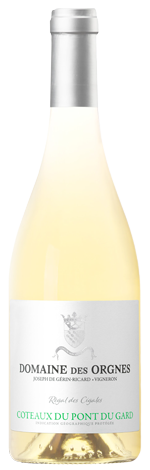
Domaine Des Orgnes Chardonnay Régal des Cigales

OCTOBER WINE CLUB:

FT-REGAL-DES-CIGALES-WHITE_LesOrgnes_Rhone-bottleSilky styleDomaine Des Orgnes
Régal des Cigales
Chardonnay
Côtes du Rhônes, France

SILKY WINE STYLE

Pale in color with emerald highlights. This wine has nose that highlights white fruits such as William pear and vine peach, then citrus fruits like pomelo. The palate is fresh, round and generous.

WINE DETAILS:

  • Varietal: 100% Chardonnay
  • Vineyard: 25 hectares
  • Location: On the alluvial plain where the Rhône and the Gard river flow together at the foothill of the medieval village of Montfrin
  • Appellation: Côtes du Rhône, France
  • Soil: Rolles pebbles on limestone clay
  • Exposure: South east facing
  • Harvest: Mechanical in early morning
  • Vinification: Temperature between 57.2ºF-68ºF. The grapes are pressed on arrival. Settling then alcoholic fermentation in inox tanks with thermoregulation to ensure the preservation of the wine’s aromas.
  • Maturation: Aging on the fine lees in inox tanks during 6 months
  • Serving Recommendation: Serve at 42ºF
  • Food Pairings: Appetizers, fish, and goat cheese.

ABOUT THE WINERY:
Founded in 1953 by Jean de Gérin-Ricard, Domaine des Orgnes is above all, a family story.  For three generations, the Gérdin-Ricard family passed down not only expertise and love for the vine, but also shared passion for craft, tradition, and terroir.  Nestled half way between the Provencal town of Avignon and Nîmes, this family vineyard is planted on each bank of the Gard river at the most Southern part of the Côtes du Rhône appellation. At a cycling distance to the famous Roman aqueduct Pont du Gard, the Domaine des Orgnes was first planted by the Romans. Today, brothers Emmanuel and Michel de Gérin-Ricard carry the torch as the third generation, refining the estate’s potential while honoring its roots. Guided by their family motto “I change my sky, but not my soul” (je change de ciel mais pas d’âme),  their elegant cuvées remain faithful to their origin and embody both heritage and heart. Learn more here.
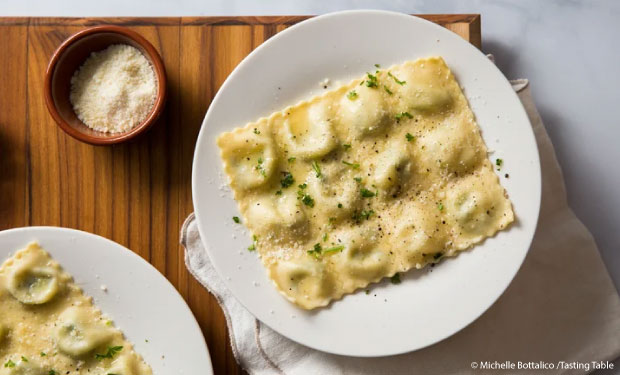

French-Ravioli-blogRavioles du Dauphiné (French-Style Ravioli)

INGREDIENTS:

For the Dough:

  • 3 ¼ cups 00 flour
  • 1 pinch salt
  • 4 large eggs

For the Filling:

  • 1 cup crème fraîche
  • 8 ounces Comté, grated
  • ¼ cup finely chopped parsley
  • ¼ cup finely sliced chives
  • 2 tablespoons thyme leaves
  • ¼ teaspoon salt
  • ¼ teaspoon black pepper

For the Beurre Monté:

  • 1 tablespoon water
  • 8 tablespoons unsalted butter
For the Garnish:
  • Minced parsley
  • Grated Parmesan
  • Black pepper

DIRECTIONS:

  1. Arrange the flour and salt on a work surface in a round nest shape with a depression in the center.
  2. Place the eggs into the center and beat them with a fork, mixing the flour with the eggs a little at a time until the dough firms up.
  3. Use your hands to keep mixing and then press and knead the dough a little until you can form a rough ball.
  4. Knead the dough on a lightly floured surface for 10-15 minutes until it’s smooth and elastic and springs back when pressed. Wet your hands with water if the dough won’t hold together or add a tablespoon of flour if it’s wet and sticking.
  5. Wrap the dough in plastic wrap and let it rest at room temperature for 30 minutes.
  6. Meanwhile, place the crème fraîche, Comté, parsley, chives, thyme, salt, and pepper in a mixing bowl and stir well to combine. Transfer the filling to a piping bag and set aside.
  7. Divide the dough into 4 equal pieces and shape 1 piece into a rectangle. Rewrap all dough not currently being worked, including any scraps.
  8. Run the piece of dough through the thickest setting on a pasta machine. Fold over the short ends to square the edges and run the piece through again on the same setting.
  9. Continue to roll the dough through the machine, selecting the next thinnest setting each time. Stop rolling when the dough is just under 1 millimeter thick (often the last setting).
  10. Place part of the rolled sheet of dough over 12 depressions in a ravioli mold and lightly press the dough down to line the depressions.
  11. Pipe filling into each depression to fill them completely but not higher than the upper border of the mold.
  12. Fold the dough over to cover the filling and simultaneously press the air out of each ravioli. Use a rolling pin to roll the top firmly enough to seal but not hard enough to cut the ravioli into individual pieces.
  13. Remove the ravioli sheet from the mold and trim the 4 outer edges with a ravioli cutter. Repeat the process with the remaining dough and set the sheets aside on a towel to dry slightly.
  14. Bring a large pot of salted water to a boil.
  15. Meanwhile, start making the beurre monté by heating the water in a small saucepan until it comes to a boil.
  16. Lower the heat to a low simmer and add the butter 1 tablespoon at a time, whisking each time until emulsified. Do not raise the heat above a bare simmer.
  17. When the pasta water boils, place 2 ravioli sheets in the water, lower the heat to a gentle boil, and let them cook until they float, about 2 minutes.
  18. Spoon a little butter onto 2 individual dishes and then carefully remove the ravioli sheets with a strainer and place them on the butter, spooning a little more butter on top. Cook and plate the remaining ravioli sheets in the same way.
  19. Garnish the ravioli sheets with parsley, Parmesan, and black pepper.
  20. Serve immediately.

Information & Photos © Domaine des Orgnes – All Rights Reserved.
© Recipe courtesy of Tasting Table.


Wine club logoJoin our WINE CLUB and enjoy these amazing wines and pairing recipes each month. Plus, you’ll receive 10% off all retail wine purchases!
Learn about our Memberships >

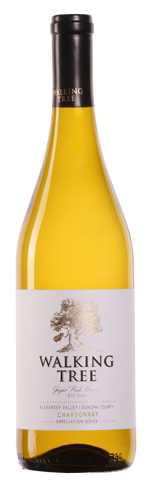
Geyser Peak Walking Tree Chardonnay

AUGUST WINE CLUB:

geyser-peak-walking-tree-chardonnay-bottleSilky styleGeyser Peak Winery
Walking Tree
Chardonnay
Alexander Valley, California

SILKY WINE STYLE

The nose offers notes of tropical pineapple, jasmine and guava with secondary aromas of white peach and pear.  The bouquet extends to the palate with its balanced acidity, moderate body and enticing richness.

WINE DETAILS:

  • Varietal: 100% Chardonnay
  • Appellation: Alexander Valley, California
  • Analysis: 14.8% alcohol / volume
  • Residual sugar: 1.5 g/l
  • pH: 3.52
  • Total Acidity: 4.9 g/l

VITICULTURE:
The Chardonnay grapes were picked from a vineyard along the Sausal Creek in Alexander Valley, California. The block came in approximately 2 weeks later than expected due to the cool summer and extended growing season.

VINIFICATION:
The grapes were split into two distinct lots. Although both were fermented in 100% French oak Burgundy barrels, each saw different yeasts – one from Burgundian origins and the other from Italy. This allowed for a nuanced blend. The primary fermentation lasted three weeks, followed by spontaneous malolactic fermentation, all at cool temperatures in 25% new French oak. Bâtonnage was done every two weeks for four months, then allowed to settle naturally until its first racking in late May of 2024.

INTERESTING FACT:
Ancient oak trees dot the landscape of Alexander Valley. Walking Tree takes its name from one of these majestic trees that remarkably “walked” down a steep grade vineyard during heavy rains, all while remaining upright and very much alive.

ABOUT THE WINERY:
Geyser Peak Winery has a long and storied history. Founded in 1880, it became the 29th bonded winery in California, and was named for the tremendous view of Geyser Peak Mountain directly outside the winery’s window. The brand has seen a storied past of over 140 years, founded by a local family, changing hands multiple times including management by corporate interests. Today, Geyser Peak has proudly returned to its roots as a family-owned-and-operated business, sourcing fruit from famed winegrowing regions of California. The essence of California terroir can be tasted throughout the range of Sauvignon Blanc, Chardonnay and Cabernet Sauvignon. Learn more here.


crab-cakes-dish-blogCrab Cake Recipe

INGREDIENTS:

  • 1 pound lump crab meat
  • ¼ cup mayonnaise
  • 1 large egg beaten
  • 1 tablespoon Dijon mustard
  • 1 tablespoon Worcestershire sauce
  • 1 teaspoon Old Bay seasoning
  • ½ cup Panko bread crumbs unflavored
  • 1 ½ tablespoons chopped fresh parsley
  • 1 teaspoon lemon zest
  • ½ teaspoon Kosher salt or to taste
  • ½ teaspoon black pepper or to taste
  • ¼ cup canola oil
  • lemon wedges for serving

DIRECTIONS:

  1. Check the crab meat for any hard and sharp cartilage, remove, and discard.
  2. In a bowl, whisk together mayonnaise, beaten egg, Dijon mustard, Worcestershire sauce, and Old Bay seasoning.
  3. Add crab meat, bread crumbs, parsley, lemon zest, salt, and pepper. Gently fold to combine, being careful not to break up the crab.
  4. Gently press to shape into 6-8 crab cakes using ⅓ cup each, then place on a plate. Cover with plastic wrap and refrigerate for at least 1 hour.
  5. Heat the oil in a large nonstick over medium heat. Cook the crab cakes 3-5 minutes per side or until golden brown.
  6. Serve immediately with tartar sauce and lemon wedges.

Information & Photos © Geyser Peak Winery and © Quintessential – All Rights Reserved.
© Recipe and video courtesy of Spend with Pennies.


Wine club logoJoin our WINE CLUB and enjoy these amazing wines and pairing recipes each month. Plus, you’ll receive 10% off all retail wine purchases!

Learn about our Memberships >

July Bubbly Club: Iowa

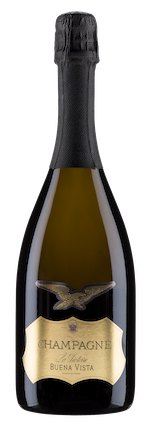
Bubbly Wine ClubBoisset_LaVictoire_Champagne_AI9A0935a_hiBuena Vista Winery
La Victoire Brut Champagne
Champagne, France

BUBBLY WINE STYLE

This champagne opens with elegant and complex aromas of grapefruit followed by rich honey and brioche notes. A crisp and intense palate offers flavors of white stone fruits, peaches and pears. The wine’s impressive mouthfeel is full and rich but well balanced, leaving delightful freshness on the palate.

Varietal: 70% Pinot Noir, 30% Chardonnay
Analysis: 12% alcohol / volume
Aging: 3+ years
Dosage: 8.7 g/L
Awards: Silver – March 2018 Texom International Wine Awards

WINEMAKING NOTES:
“In partnership with the largest family-owned proprietors of vineyards in Champagne, Buena Vista is proud to present our La Victoire Brut Champagne. This classic Champagne is made in the traditional style and is a blend of Pinot Noir and Chardonnay. Elegantly crafted, it offers the heritage of an incomparable style created to delight and make all great occasions special. Made up of 70% Pinot Noir, from Premier Cru vineyards from the Montagne de Reims, and 30% Chardonnay, mostly from Grand Cru Mesnil sur Oger and Chouilly, the wine received a dosage of 8.7 g/L. By law in Champagne, aging is 15 months minimum for non-vintage wines. Our La Victoire was aged more than 3 years.” – Buena Vista Winery

ABOUT BUENA VISTA WINERY:
Nestled in Sonoma on its original historic grounds, Buena Vista Winery was founded in 1857 by Agoston Haraszthy, the charismatic self‑proclaimed “Count of Buena Vista”. It was California’s first premium winery, renowned for its bold spirit and vibrant innovation. After decades of legacy and preservation, the property was lovingly revived in 2011 when it became part of Boisset Family Estates, under the stewardship of Jean‑Charles Boisset, who honored its colorful past while reinvigorating the estate. A pivotal milestone came in 2012, when the winery celebrated a grand reopening, welcoming guests back to its storied site after extensive restorations. Today, Buena Vista stands as a bridge between its rich 19th‑century heritage and contemporary winemaking, inviting visitors to immerse themselves in both history and the evolving legacy of California wine. Learn more here.

Information & Photos © Buena Vista Winery and © Boisset Collection – All Rights Reserved.


Bubbly Wine ClubLearn more about our Bubbly Club >

William Cole Bill Chardonnay

WINE CLUB:

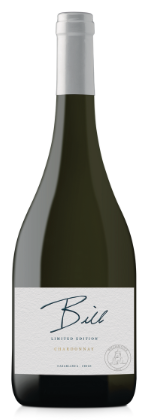
William Cole - Bill - Limited Edition - Chardonnay 2022Rich WineStylesWilliam Cole
Bill Limited Edition
Chardonnay
Casablanca, Chile

RICH WINE STYLE

Bright yellow Chardonnay with golden tones, brilliant and transparent, with soft notes of dehydrated apricot, buttery and nutty, perfectly assembled with subtle touches of vanilla. This wine is very fresh in the mouth, of pleasant acidity, unctuous, with great volume and persistence. Long finish.

WINE DETAILS:

  • Varietal: Chardonnay
  • Analysis: 13% alcohol / volume
  • Residual sugar: 2.5 g/l
  • pH: 3.2
  • Total Acidity: 6.9 g/l expressed in Tartaric Acid
  • Food Pairing: Ideal with quiches, white meats and aged white cheeses

WINEMAKING PRACTICES:

  • Stemming: 100%
  • Fermentation Period: 10 days
  • Fermented in: French barrel
  • Aging: 12 months in french oak barrels

HARVEST INFORMATION:

  • Date: First half of March
  • Yield: 8 ton/ha
  • Harvest type: Manual harvest

ABOUT WILLIAM COLE:
After a long search to put down roots in the 1990s, American-born William Cole was captivated by the vibrant colors and fertile soil of Chile’s Casablanca Valley. It was in the Tapihue sector that he chose to bring his dream to life, establishing a vineyard that would have his name. Today, the vineyard is part of the Tapihue Wines group, known for producing premium wines that are highly regarded both in Chile and around the world.


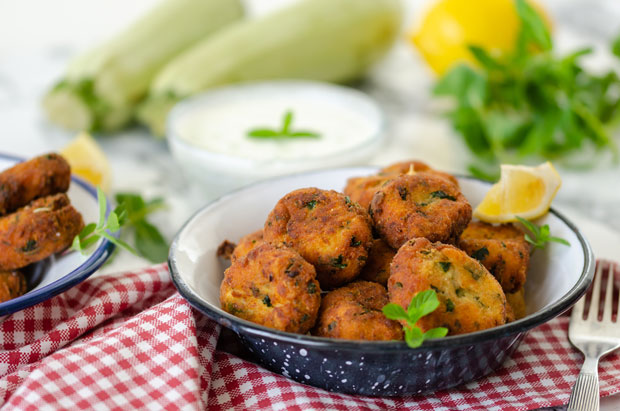
Zucchini_fritterEasy Zucchini Corn Fritters with Creamy Dip
INGREDIENTS:

For Zucchini Fritters:

  • 3 medium green zucchini
  • 1 tsp salt
  • 1 tbsp butter
  • 2 ears of corn2 cups of corn kernels
  • 1 large shallotdiced
  • 3 garlic clovesminced
  • 1 large egg
  • ¾ cup buttermilk
  • 1 cup all-purpose flour
  • ½ tsp baking soda
  • 1 tsp salt
  • ground black pepper
  • ½ tsp smoked paprika
  • cup grated parmesan cheese
  • 1 ½ tbsp fresh chiveschopped
  • 1 ½ tbsp fresh dillchopped
  • 2 to 3 cups canola oilfor frying

For Dipping Sauce:

  • 1/3 cup mayonnaise
  • 1/3 cup sour cream
  • 1 tbsp olive oil
  • juice from 1/2 lemon
  • 2 to 3 garlic clovespressed or grated
  • ½ tsp salt
  • ground black pepper
  • 1 tsp onion powder
  • 1 tbsp each: fresh chopped dill, fresh chives

DIRECTIONS:

Preparing the Zucchini:

  1. You’ll want to start this recipe with the zucchini. There’s no need to peel the veggies as the peel will improve the texture of the fritters.
  2. Line a large bowl with a cheesecloth, then grate your washed zucchini into the bowl. I recommend using a coarse cheese grater.
  3. Sprinkle the zucchini with about 1 teaspoon of salt and gently massage it into the grated zucchini. This will help the zucchini release more water.
  4. Allow the zucchini to stand for 10 to 15 minutes, squeezing out the liquids every 5 minutes. You want the zucchini to be wrung dry.

Cooking the Corn:

  1. For cooking fresh corn: Bring a large pot of water up to a boil and add a generous amount of salt. Drop in your cleaned corn and set a timer for 10 minutes.
  2. Once the corn is cooked, removed it from the boiling water and into a bowl filled with cool water to cool the corn down quickly.
  3. Once the corn has cooled, use a sharp knife and carefully cut away the kernels from the cob.
  4. Next, you’ll want to preheat a medium sized frying pan over medium heat and melt the butter. Add in the diced shallot and corn and season with salt and pepper. Sauté the mixture for 6 to 8 minutes, until the corn is golden.
  5. Add in the minced garlic last and cook for just 30 seconds, then remove the mixture from heat and let it cool to room temperature.

Making the Batter:

  • In a large mixing bowl, combine the buttermilk and egg. To make homemade buttermilk, simply add 1 tablespoon of lemon juice or vinegar to ¾ cup whole milk. Stir and let sit for a few minutes. Whisk the egg and milk together until smooth.
  • Add in the dry ingredients next: flour, baking soda, salt, pepper, and paprika. Whisk until a thick batter forms.
  • Next, add in the grated zucchini, cooled corn and shallot mixture, parmesan cheese, and season with dill, chives, salt and pepper. Use a spatula to mix everything together until uniform and well combined.

Frying the Fritters:

  • Pour several cups of frying oil into a deep sauté pan or large pot. Heat the oil over medium-high heat until it reaches 300°F to 325°F.
  • Using a small scoop (1 to 1 ½ tbsp), scoop the fritter batter and drop into the hot oil.  Usually fry about 8 or 9 fritters at a time, spacing them out as you drop in the batter.
  • Cook the fritters for 3 to 5 minutes, turning them when they get golden on the first side.
  • Remove the fritters once they’re a rich, golden color onto a wire rack to cool. Place some paper towels underneath the rack to absorb excess oil.

Making the Dipping Sauce:

  • In a large mixing bowl, combine all the ingredients: mayonnaise, sour cream (you can also use Greek yogurt), salt, pepper, onion powder, chives, and dill.
  • Squeeze in the lemon juice and grate or press the garlic cloves. Whisk everything together and the sauce is done.

Serving Suggestions:

  • These zucchini corn fritters will be very hot at first, so let them cool for at least 5 to 7 minutes before using! I recommend eating these as soon as possible as they’re best when fresh, warm and crispy.

Information & Photos © William Cole Vineyards – All Rights Reserved.
© Recipe courtesy of Tatyana’s Everyday Food.


Wine club logoJoin our WINE CLUB and enjoy these amazing wines and pairing recipes each month. Plus, you’ll receive 10% off all retail wine purchases!

Learn about our Memberships >

March Bubbly Club: Iowa

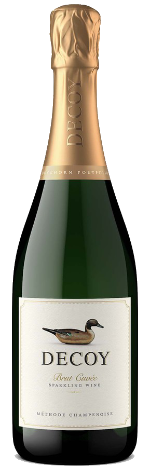
Bubbly Wine Clubthe-duckhorn-portfolio-decoy-brut-cuvee-sparkling-wine-LCVBTBDecoy Brut Cuvée Sparkling Wine California

BUBBLY WINE STYLE
The debut Decoy Brut Cuvée is an enticing sparkling wine that offers alluring layers of baked apple, white peach and orange zest, as well as aromatic hints of honeysuckle and vanilla. On the palate, a delicate sweetness is perfectly balanced by bright acidity, which adds poise and energy to the lush, pure fruit flavors. The Brut Cuvée is crafted in the méthode champenoise tradition to ensure that your special moments truly sparkle.

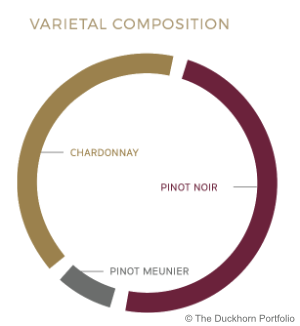
Varietal: Pinot Noir, Chardonnay, Pinot Meunier Analysis: 12.5% alcohol / volume Varietal-Composition-DuckhornpH: 3.00-3.20 Acidity: 0.7-0.9 g/100 ml Residual Sugar: 7 g/L Dosage: 0.5-1.0 g/dL Method: Méthode Champenoise (also know as the traditional method. The key element to this process is a secondary fermentation in the bottle) Fermentation & Aging: Dosaged with French oak barrel fermented Napa Valley Chardonnay Varietal Contributions:
  • Pinot Noir: Enhances body, structure & complexity
  • Chardonnay: Brightness, freshness, minerality, elegance
  • Pinot Meunier: Floral aromatics & rich, fruit flavors
About Duckhorn Portfolio: From its inaugural vintage in 1985 by legendary vintners Dan and Margaret Duckhorn as the companion label to Duckhorn Vineyards, Decoy has evolved to the perfect and comprehensive entry-level luxury brand for the entire Duckhorn Portfolio. It is a collaboration of all Duckhorn Portfolio winemakers that produces high-quality wines at remarkable prices. Its fruit is sourced from distinguished grower and estate vineyards, making approachable yet complex wines that are ready upon release. Learn more here
Information & Photos © Decoy & Duckhorn Winery – All Rights Reserved

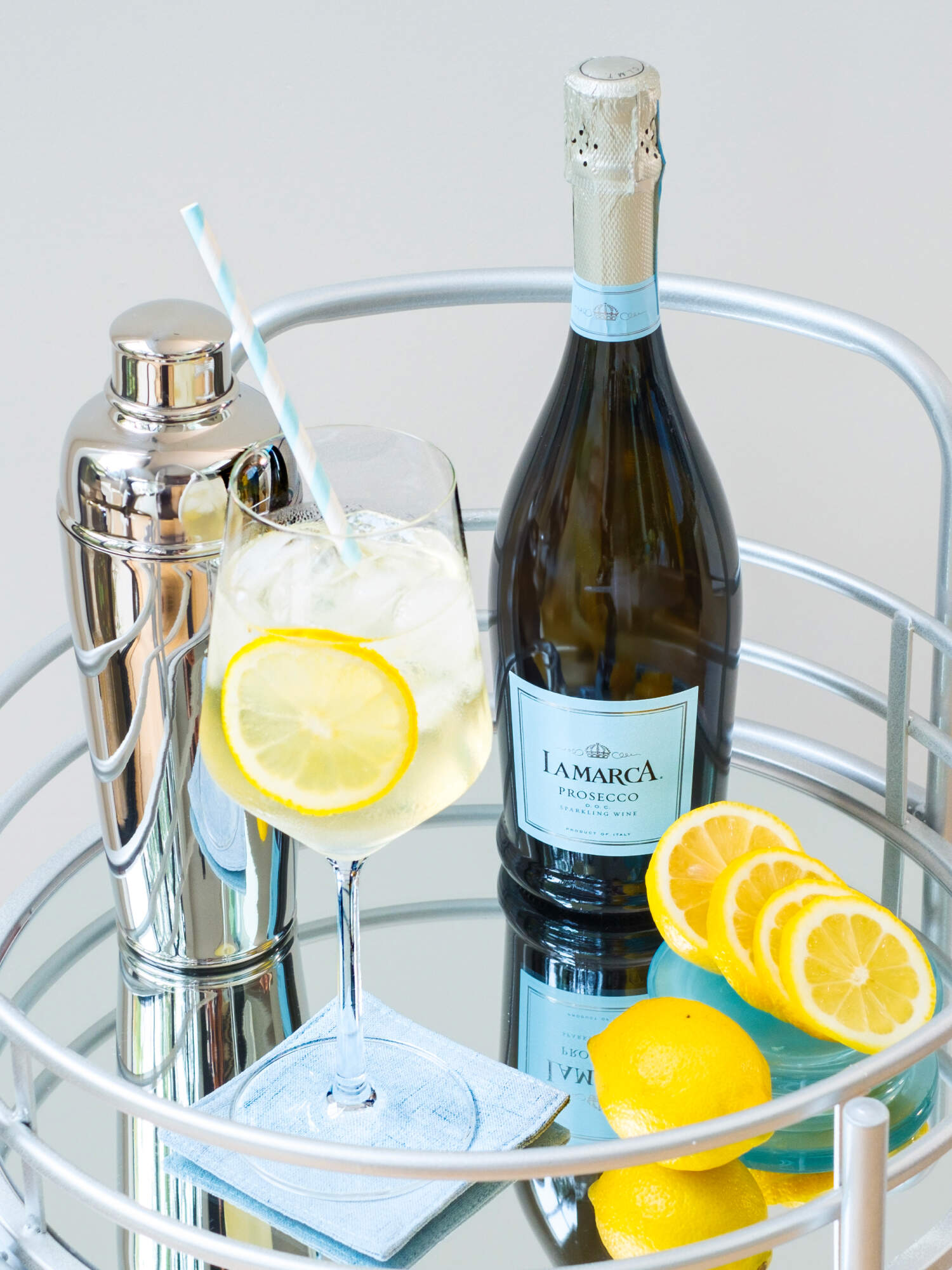
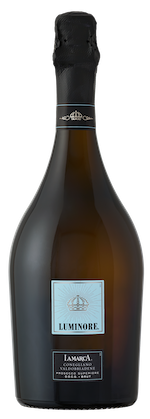
LAM_Luminore_750MLLa Marca Luminore Prosecco Superiore D.O.C.G. Brut Italy

BUBBLY WINE STYLE
La Marca’s finest sparkling wine. Hailing from the sun-drenched hills of Italy’s highest wine destination, Luminore is part of a prestigious segment of Proseccos with the designation D.O.C.G., meaning it’s one of Italy’s finest wines. Luminore sparkles with a pale, golden straw hue and lively bubbles, bursting in the glass. Delicate aromas of white flowers and stone-fruits complement the soft, creamy-texture. Subtle hints of fresh citrus, pear and nectarine round out the exquisite palate. Clean, crisp acidity balances a touch of sweetness and offers a light and refreshing style.

Varietal: Prosecco Pairing Suggestions: Perfect for any occasion. Savor it as an aperitif or pair it with flavorful dishes like grilled herb-seasoned chicken, tender pork, or an Italian-inspired dessert like panna cotta brightened with a twist of lemon zest.

Winery Notes: Luminore Prosecco Superiore begins with hand-selected Glera grapes from the iconic hillside vineyards of Conegliano Valdobbiadene, the crown jewel of Prosecco D.O.C.G. After harvest, the grapes are gently crushed and pressed to capture their bright, fresh character. The juice is carefully cold-settled before its first fermentation in stainless-steel tanks, where temperatures are expertly maintained between 59–64°F. To elevate its elegance, the wine rests on its lees, building layers of complexity before the final fermentation creates its signature refined finish.
About La Marca: Founded in 1968, La Marca has dedicated itself to serving as an ambassador for Prosecco and the Veneto region to the world, representing 5,000 local growers who share a pride and passion for growing Prosecco and sharing their exceptional sparkling wines with the world. Their wine region, just a one-hour drive from Venice, boasts views of the Adriatic Sea on one side and the Dolomite mountains on the other. La Marca brings a welcome taste of La Dolce Vita through lively sparkling wines, warm Italian hospitality, and approachable style. Learn more here. bottle of La Marca on a wine cart with glass of spritz and lemonsAmici Spritz Cocktail Recipe Toast the upcoming celebration of Spring with this Prosecco cocktail. Perfect for sharing with your besties, this spritz blends bubbly with the crisp notes notes of gin, all kissed with zesty lemon and a touch of sweetness from the honey syrup. Whether you’re lounging with friends or enjoying a sunny spring day at the lake, the Amici Spritz is the ideal way to spritz things up.  So grab your favorite glass, mix up this refreshing recipe, and enjoy every sip! Cin cin!
Ingredients:
  • 3 oz. La Marca Prosecco
  • 1 ½ oz. Gin
  • ¾ oz. lemon juice
  • ¾ oz honey syrup
Directions: Muddle the lemon slices and shake all ingredients except La Marca. Strain into a spritz glass while simultaneously pouring in your Prosecco. Garnish your gin cocktail with a lemon slice.
Information & Photos © La Marca – All Rights Reserved

February Bubbly Club: Iowa

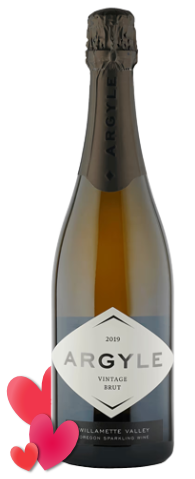
Bubbly Wine ClubHeart-Argyle-winery-vintage-brut-2019-bottleArgyle
Vintage Brut

Willamette Valley, Oregon

BUBBLY WINE STYLE

Golden apple and Anjou Pear flavors influenced by Knudsen Vineyard fruit add to the natural weight and brightness, while vanilla and toasted cake crust sneak into the flavor mix, adding to the opulence of this blend.

Analysis: 12.5% alcohol / volume
Varietal: 63% Chardonnay, 30% Pinot Noir, 7% Pinot Meunier
Clones:

  • Pinot Noir: Dijon clones: 777, 667, 115 and Pommard
  • Chardonnay: Dijon clones 95, 76, 96
  • Pinot Meunier: Clone 1

Appellation: Willamette Valley, Oregon
Total Acidity: 8.9 g/L
pH: 3.05
Dosage: 2.5 g/L
Dosage Vehicle: Chardonnay
Brix at Harvest: 18.5
Fermentation: Cold fruit was gently pressed and racked into 25% Neutral Barrel, 75% stainless steel tank for fermentation and aging on the lees
Tirage: 4 years en tirage for freshness and disgorged on demand
Cases: 19,479
Critical Acclaim:

  • 2019: 92 pts – Wine Spectator
  • 2019: 91 pts – Wine Enthusiast
  • 2019: 90 pts – James Suckling

Vineyards:
Argyle farms four estate vineyards with nearly 500 acres in the Willamette Valley, with the majority in the Eola-Amity Hills and Dundee Hills nested AVAs.

Viticulture:
Regenerative farming encourages the symbiotic relationship between the earth and the vine in tandem with the development of habitats for native flora and fauna. The results from their sustainable and responsible practices includes healthier soils, energetic vineyards and fruit.

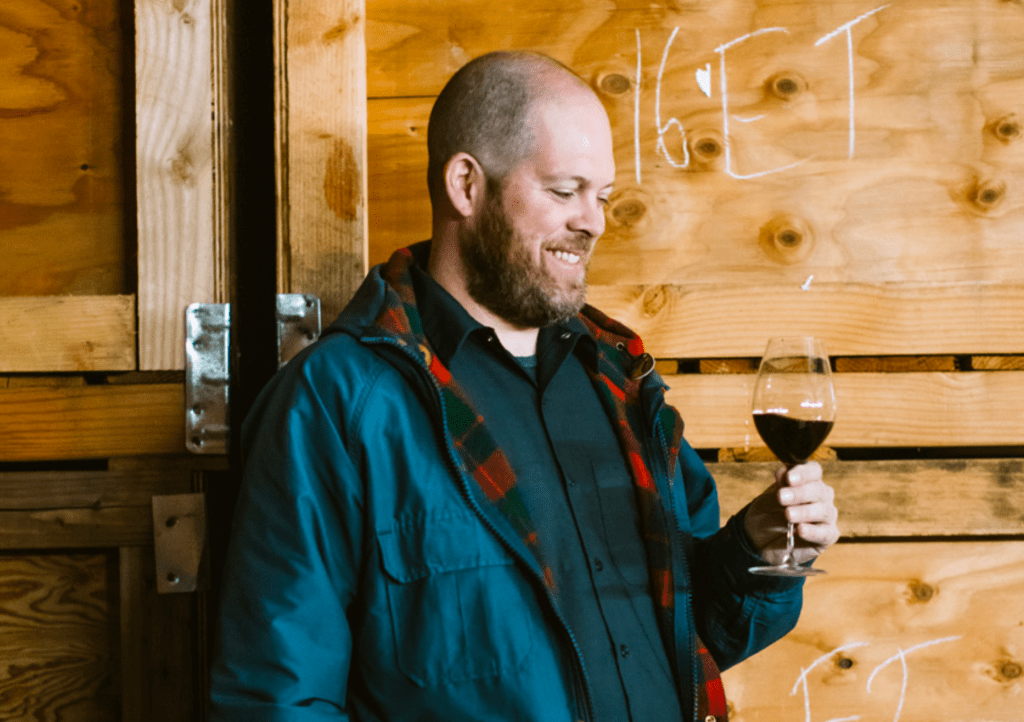
© Argyle Winery - Winemaker, Nate Klostermann

© Argyle Winery – Winemaker, Nate Klostermann

About the Winemaker:
Nate Klostermann is the 2nd winemaker in Argyle’s 35-year history and has emerged as one of Oregon’s most gifted winemakers. He currently celebrates nearly two decades at Argyle and continues to say he “landed in a good spot” when he arrived at Argyle to work his first harvest. With his fine-tuned winemaking skills and passion for Oregon wine, Nate is now recognized for making elegant and complex sparkling wines along with vibrant and impeccably balanced Pinot Noir, Chardonnay, Riesling and Pinot Meunier.

About the Winery:
Founded in 1987 as Oregon’s sparkling wine house, Argyle quickly stood out as a study in contrasts – honoring the deep traditions of wine and embracing innovation and experimentation; proud to be Oregonian and pulling knowledge from winemakers around the world. When common knowledge said a winery could produce great sparkling wine or great still wine Argyle asked “why not both?”, answering the question with acclaimed still and sparkling wines. Argyle is the only winery in the world to be named to Wine Spectator’s Top 100 list for Sparkling, Chardonnay and Pinot Noir.

Deeply established in the Willamette Valley, yet young at heart, Argyle is led by stand-out winemaker Nate Klostermann, and innovative viticulturist Geoff Hall, who work together to explore and expand the possibilities of modern winemaking. Together they create world-class still and sparkling wines from Pinot Noir, Chardonnay, Pinot Meunier, and Riesling. Learn more here.

Additional Accolades:

  • #1 Selling Sparkling Wine from Willamette Valley
  • Top 10 Selling Domestic Luxury Sparkling House
  • Oregon’s Best-known Champagne-Method Sparkling Wine House – Wall Street Journal
Photo and Information © Argyle Winery – All Rights Reserved

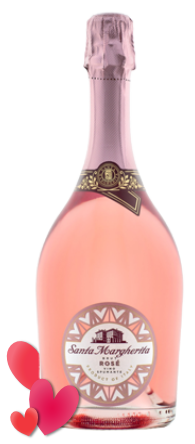
Heart-Santa-Margherita-rose-brut-bubbly-bottleSanta Margherita
Sparkling Rosé
Italy

BUBBLY WINE STYLE

Whether served at the beginning of a beautiful evening for two, or sipped throughout a lively meal with friends, this celebrated bubbly is an aromatic and vibrant treasure that is meant to be shared time and time again.

This pale pink wine brings a full bouquet of pleasing floral aromas with hints of red berries. It is artfully crafted with a blend of Glera and Chardonnay grapes with Malbec as the red varietal that lends its perfect light pink color. Its flavor is delicate, but vibrant and well-rounded. Santa Margherita Sparkling Rosé is an approachable wine that lingers on the palate; good for any occasion as an accompaniment to brunch, desserts, antipasti, seafood or intensely flavored Asian cuisines.

Analysis: 11.5% alcohol / volume
Varietal:
55% Glera, 40% Chardonnay, 5% Malbec
Sugar Content:
8.3 g/750ml
Aspect & Elevation: 1-1,150 feet above sea level
Soil Type: Fluvial (Chardonnay), Morainic (Glera), Fluvial and Lagoon (Malbec)

Vine Training System: Guyot (Chardonnay), Sylvoz/double Guyot (Glera), Spurred cordon (Malbec)
Planting Density: 3,500-4000 vines per acre (Chardonnay), 1,215 – 1,415 vines per acre (Glera), 2,105 per vines acre (Malbec)
Harvest Period: Second half of September
Serving Temperature: 42º-46ºF
Recommended Glass: Medium-sized tulip-shaped, narrowing towards the rim
Aging Potential: Meant to be enjoyed fresh
Food Pairings: Tasty, aromatic apéritif, and an exciting companion for your food explorations: savory Italian appetizers, complex seafood dishes, and spicy, exotic Asian cuisines. It also brings a delightful sparkle to a festive brunch or your favorite rich dessert. Or enjoy with this recipe for Strawberries with Vanilla Mascarpone and Balsamic Drizzle.

Technical Information:
The blending of a fine Sparkling Rosé wine is a delicate art, and Santa Margherita is proud to share this masterpiece. They start with a white wine made from the Glera grapes used to produce Prosecco, then add Chardonnay and a small amount of Malbec to add color and richness. This tantalizing blend undergoes a month-long second fermentation followed by six months of maturation in pressurized tanks. Only then is this dry, sparkling wine ready to serve and enjoy.

The Bottle:
Featuring their family crest, the new clear glass bottle offers a fresh, contemporary look, while showcasing the lush, gorgeous color of their Sparkling Rosé. The updated label, reminiscent of Venetian design, proudly celebrates their Italian heritage. 

Did you Know?

  1. The Coat of Arms of the Marzotto family is on the neckband of every bottle of the delicious Sparkling Rosé. In 1935, the Marzotto family founded Santa Margherita, and it has been contributing to the international success of premium quality Italian wine for over 80 years.
  2. Santa Margherita loves the bees: they avoid cutting the grass between the rows of vines while the grapes are growing to protect the work of bees and other pollinating insects.
  3. Santa Margherita is vegan-friendly and has eliminated the use of all animal by-products during filtration.
  4. Santa Margherita recycles grape skins, which further reduces waste.

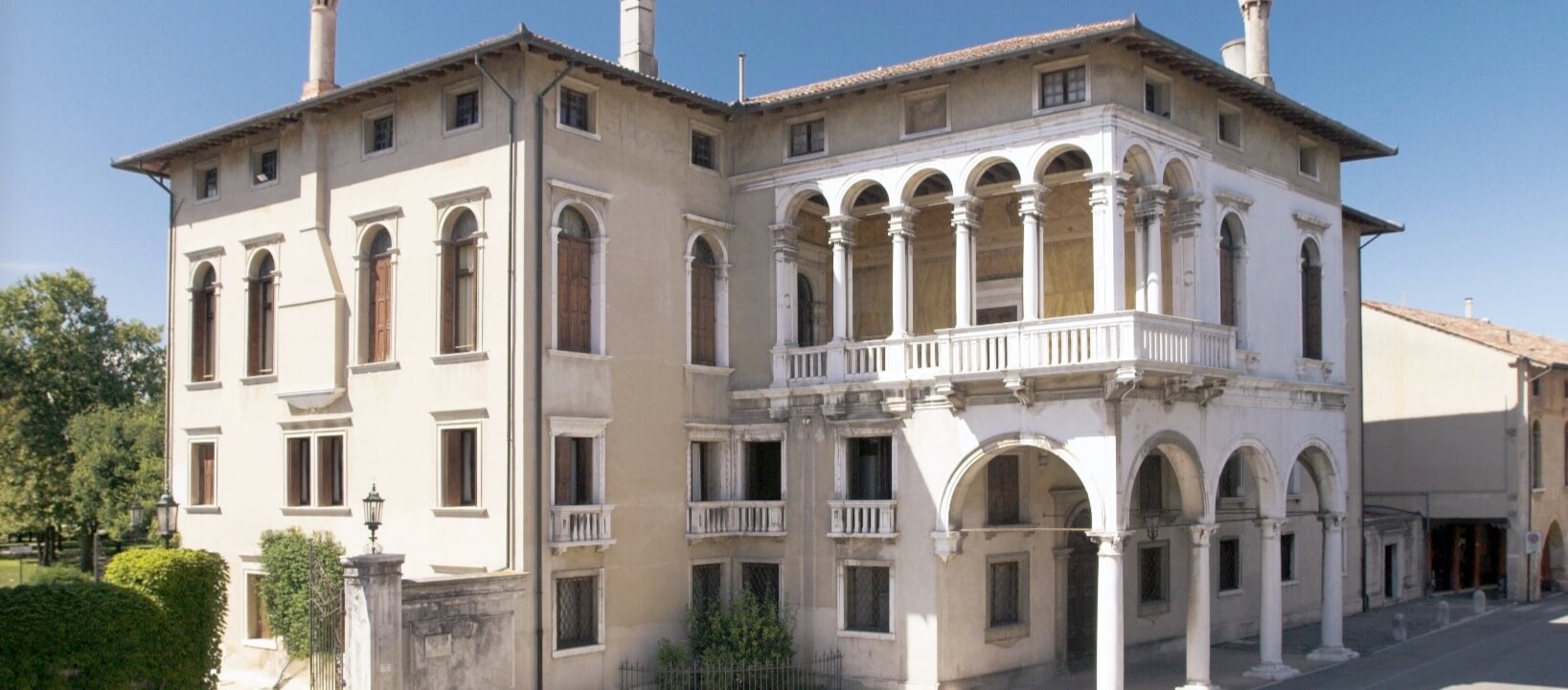
Santa Marghertia historic mansion

About the Winery:
Santa Margherita Winery, founded in 1935 in Italy’s Veneto region, is a pioneer in crafting elegant, approachable wines that celebrate the essence of Italian winemaking. The winery combines innovation with a deep respect for tradition and sustainability. With vineyards spanning some of Italy’s most prestigious regions, Santa Margherita produces a diverse portfolio of wines, each reflecting the unique character of its terroir. Dedicated to quality, heritage, and environmental responsibility, Santa Margherita continues to bring people together through the timeless pleasure of great wine. Learn more here.

Photo and Information © Santa Margherita – All Rights Reserved


Bubbly Wine ClubLearn more about our Bubbly Club >


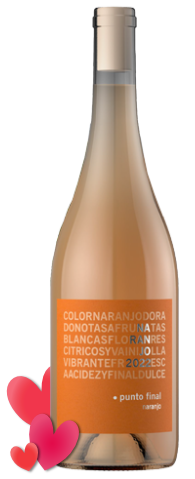
Renacer Punto Final Reserva Naranjo Orange Chardonnay

FEBRUARY WINE CLUB:

Rich WineStylesHeart-Punto-Final-Orange-chardonnay-bottleBodega Renacer
Punto Final Reserva
Naranjo Orange Chardonnay
Mendoza, Argentina

RICH WINE STYLE

Golden orange color. The nose presents notes of ripe peach, apricot, ginger, flowers such as camomile. On the palate it has citrus flavors of tangerine peel and pink grapefruit. In addition, aromas of vanilla and bourbon can be found, the result of its brief contact with used barrels. It is vibrant, with fresh acidity and a sweet finish.

Varietal: 100% Chardonnay
Analysis: 12.5% alcohol / volume
pH: 3.3

Total Acidity: 6.5 g/L
Appellation: Uco Valley and Luján de Cuyo, Mendoza, Argentina

Vineyard Productivity: Yields of less than 8 tons per hectare
Harvest: Manual in 17 kg crates
Vinification: With skins, similar to a red wine fermentation, with selected yeasts in 1000 liter stainless steel tanks, at a maximum temperature of 64.4ºF
Aging: French and American oak barrels of second use
Farming: Vegan and sustainable
Winery: Family owned
Food Pairings: Lamb, pork, chicken, grilled fish, octopus, hummus, baba ghanoush, roasted vegetables and Indian curry

About the Winery:
The name Punto Final refers to the moment when the winemaking team considers that it has achieved its ultimate goal: exceptional, easy-to-drink wines that express the typicity of each varietal in an authentic way. Founded by Patricio Reich, with the collaboration of world-renowned winemaker Alberto Antonini, Bodega Renacer prides itself in bringing consumers the very best wines from South America’s unique terroirs. The winery structure itself is quite impressive, featuring a medieval tower built of rocks with state-of-the-art winemaking equipment. Renacer’s vineyards are located in a unique zone in Mendoza, Argentina, where the soil, altitude, climate and water come together to create the perfect growing environment for Malbec and other varietals. Learn more here.

Try this wine with the following recipe…

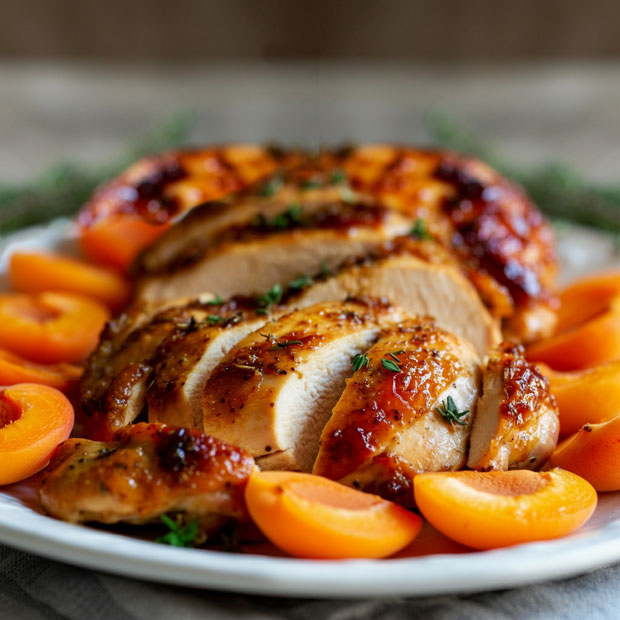
apricot-glazed-chicken-dishApricot Glazed Baked Chicken

INGREDIENTS:

  • ¾ cup apricot preserves
  • 1 tablespoon whole grain mustard
  • 2 tablespoons soy sauce or coconut aminos
  • 2 tablespoons melted, unsalted butter
  • 1 teaspoon dried thyme
  • 2 teaspoons salt
  • ½ teaspoon pepper
  • 2 pounds boneless skinless chicken breasts (about 4 pieces)

DIRECTIONS:

  1. In a large bowl or baking dish add the apricot preserves, mustard, soy sauce, butter, thyme, salt and pepper and whisk until well combined. Add the chicken and toss until well coated.

Information & Photos © Renacer and Weinbauer – All Rights Reserved.
© Recipe courtesy of Life is But a Dish.


Wine club logoJoin our WINE CLUB and enjoy these amazing wines and pairing recipes each month. Plus, you’ll receive 10% off all retail wine purchases!

Learn about our Memberships >


January Bubbly Club: Iowa

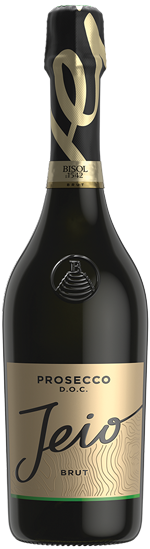
Bubbly Wine ClubJeio-NV-Brut-Prosecco-DOC-bottleJeio
Brut Prosecco DOC

Veneto, Italy

BUBBLY WINE STYLE

The Jeio Prosecco DOC presents a delightful bouquet where notes of honey and pear prominently stand out. This sparkling wine is delicate and offers a sensory experience that is reminiscent of various fruity scents. The subtle interplay of flavors creates a refreshing and memorable tasting experience, ideal for a variety of occasions.

Analysis: 11% alcohol / volume
Varietal: 85% Glera; 15% International Varieties
Total Acidity: 5.51 g/L
Residual Sugar:
10.4 g/L
pH: 3.1
Region: Veneto, Italy
Appellation: Prosecco DOC
Soil: Clay soils
Vineyard Age: 5 to 50 years old
Eco-Practices: Sustainable
Vinification: Fermentation in stainless steel tank precede the second fermentation through the Martinotti method for at least 30 days.
Critical Acclaim:

  • 91 Points – James Suckling
  • 2017 Wine & Spirits Value Brands of the Year

Vineyards:
The Bisol Family is the founding family of Prosecco Superiore, home of the highest quality Prosecco vineyards.

Wine:
The Jeio line is inspired by the influential Desiderio Bisol, whose wife lovingly referred to him as Jeio. The father of the current owners, Desiderios is dedicated to product quality, acquiring only the steepest plots. While considerably more difficult to work, these plots are ideal for vine cultivation. As a result of his vision, the Glera cultivated in these vineyards is especially rich in malic acid, making the final wine more dynamic and evolved. Only the best Glera grapes are selected from Bisol’s 35 plots in Valdobbiadene to make the highly aromatic Jeio Brut.

About the Winery:
Jeio is the fruit of two interwoven love stories. The first of generations of the Bisol family who have faithfully cared for their vineyards and within this same family, there is the love of a wife who affectionately gave her husband Desiderio Bisol, the nickame “Jeio.”

Photo and Information © Wilson Daniels – All Rights Reserved

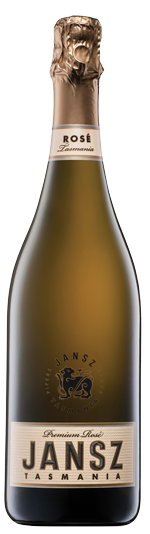
jansz-tasmania-bottleJansz Tasmania
Premium Rosé
Tasmania, Australia

BUBBLY WINE STYLE

The Jansz Premium Rosé continues the tradition of the fresh house style of the Jansz premium Cuvée, whilst showcasing the beguiling aromatics inherent to Tasmanian sparkling Pinot Noir. With Pinot Noir as the hero variety, the delicious flavors of strawberries and cream, rose petals, Turkish delight and fresh brioche are on full display. The palate shows more cream, texture and richness than the premium Cuvée, whilst still retaining an elegant vibrancy.

Analysis: 12% alcohol / volume
Varietal:
94% Pinot Noir, 4% Chardonnay, 2% Pinot Meunier
Total Acidity: 6.58 g/L
Residual Sugar:
7.4 g/L
pH: 3.14
Region: Tasmania, Australia
Vineyard: Multiple Vineyards
Soil Composition: Tasmanian Vineyards
Elevation: 200-800 feet
Average Wine Age: Various
Fermentation container: Stainless steel tanks and oak barrels
Malolactic Fermentation: Yes
Fining agent: Animal based
Type of aging container:
Stainless steel tanks, hogsheads and bottle
Length of aging before bottling: 24 months
Total SO2:
77 mg/L
Certified Organizations:
Entwine Australia
Sustainability Certification: EPA Accredited Sustainability License
Winemaker: Teresa Heuzenroeder
Viticulturist: Jennifer Doyle (in video below)

Wine Description:
Sourced from selected vineyard sites across Tasmanian ranging from the Pipers River and Tamar Valley regions in the North and the Coal River Valley in the South representing the best of sparkling Tasmania. Tasmania’s cool latitude and maritime climate is ideal for producing elegant sparkling wines with powerful fruit flavors and high natural acidity. The blend is predominantly Pinot Noir selected from blocks which show the best aromatic expression of this variety. Classical sparkling techniques are used throughout the winemaking process for this cuvée. Hand picking, gentle whole bunch pressing, cool fermentation, 100% MLF, complex assemblage and long aging on lees after bottle fermentation, all combine to produce a stylish and complex wine. The final color is the result of a hint of residual color from the Pinot Noir skins and final liqueur.

About the Winery:
Jansz Tasmania is a luxury sparkling wine house, solely devoted to the art of sparkling winemaking since 1986. Location is integral to growing outstanding fruit and only Tasmania can boast such idyllic conditions. Put simply, it is the perfect place to craft premium sparkling wines. By allowing nature to do the work, their wines are naturally expressive of Tasmania and its pure, pristine environment. Learn more here.

Photo and Information © Jansz Tasmania – All Rights Reserved


Bubbly Wine ClubLearn more about our Bubbly Club >


December Bubbly Club: Iowa

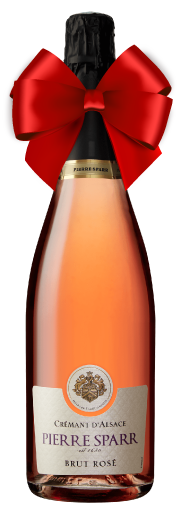
Bubbly Wine ClubPierre-Sparr-Brut-Rose-bottle-bowMaison Pierre Sparr Successeurs
Crémant d’Alsace Brut Rosé
Pinot Noir

Alsace, France

BUBBLY WINE STYLE

Salmon pink color; fresh aromas of soft red berries, predominantly strawberry and raspberry. On the palate, round and fruity with hints of peach; the flavors are intense, with lively acidity framed by a well-made structure and delicate bubbles. The finish is smooth, clean and dry.

Analysis: 12.5% alcohol / volume
Total Acidity: 7.5 g/L
Residual Sugar:
13 g/L
Varietal:
100% Pinot Noir
Appellation: Crémant d’Alsace AOC, Alsace, France
Aging: 18 months in stainless steel
Soil: Granite, limestone, gneiss, chalky-clay
Vineyard Age: 23 years old
Vine Yields: 80 hl/ha (5.9 tons per acre)
Eco-Practices: Sustainable
Certification: Vegan
Critical Acclaim: 93 pts Wine Enthusiast 2022; 91 pts Tasting Panel 2021; 90 pts Wine Enthusiast 2020

Wine:
Crémant d’Alsace Brut Rosé is a sparkling rosé from 100% Pinot Noir. The brut-style wine’s red berry aromas of strawberry and raspberry lead into mouth-filling, juicy flavors and lively acidity.

Vineyards:
Pierre Sparr’s sparkling wines use grapes that are farmed sustainably, dry-farmed (no irrigation), and hand-harvested. Located in the Vosges hillsides and Rhine valley, elevation 200 to 400 meters (656 to 1,312 feet), primary eastern and southern exposures.

Harvest Notes:
Dates for the beginning of harvest for each Alsace AOC are set by decree, generally 100 days after the median date of flowering, at the time when the grapes display the best sugar-to-acid ratio. Intended vineyards for sparkling wine must be declared in advance of harvest and must be picked by hand. Grapes destined for Crémant are generally picked a few days before those for still wines in Alsace.

Winemaking:
Whole-cluster pressing; first fermentation occurs in temperature controlled, stainless-steel vats, transforming the must into still wine. Six months later, wines from hillsides and valley floor are blended to achieve the distinctive flavor profile of the rosé. Blended wine is then bottled with a specific yeast added to relaunch the second fermentation in bottle. The wine rests on lees a minimum of 18 months prior to disgorgement. Finally, the dosage is added to provide the particular brut style of this sparkling wine.

About the Winery:
The origin of winemaking in the Sparr family dates back to 1680. Generations later, Charles Sparr developed the business that his son, Pierre, later took the succession at the age of 20. Pierre had a distinct sense for business, making him a pioneer of “estate bottled” wines in Alsace. Pierre also had the courage and obstinacy to rebuild their entire estate after Sigolsheim and its vineyards were completely destroyed during WWII. In doing so, Pierre rebuilt one of Alsace’s most beautiful and prestigious Domaines. Today, with the help of the 9th generation, Pierre Sparr remains focused on producing quality wines, a pure expression of Alsace, that are aromatic, fruity, elegant, clean and vibrant. Pierre Sparr wines are food-friendly and accessible for everyday consumption. Learn more here.
 
Photo and Information © Pierre Sparr – All Rights Reserved

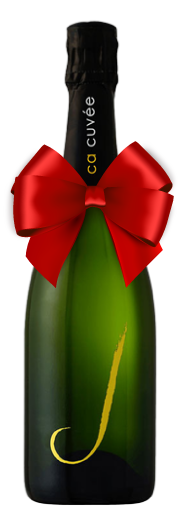
J-Vineyards-California-Cuvee-bottle-bowJ Vineyards & Winery
California Cuvée
California

BUBBLY WINE STYLE

This vibrant and approachable California Cuvée bursts with aromas of tart pineapple and orange blossom on its expressive nose. The palate is bright and rich, featuring layered flavors of Asian pear and honeysuckle, accented by fresh mandarin peel and a touch of marzipan, leading to a zesty, focused finish.

Analysis: 9% alcohol / volume
Varietal:
61% Chardonnay, 36% Pinot Noir, 3% Pinot Meunier
Critical Acclaim:

  • 90 Points – James Suckling: A really fresh nose with green apples, limes and green papaya. Light to medium body, bright acidity and a fresh finish. Chardonnay and Pinot Noir. Drink now.
  • 90 Points – Wine Enthusiast: Flavorful and polished, this supple wine blends subtle apple and pear notes with buttery, creamy accents. It is rich in character and softly framed by fine bubbles and elegant acidity, with a hint of sweetness on the finish.

About the Winery:
J Vineyards & Winery, located in the heart of Sonoma County’s Russian River Valley, is renowned for its exceptional sparkling and varietal wines. Founded in 1986 by Judy Jordan, the winery is celebrated for its commitment to quality and innovation. It combines traditional winemaking techniques with sustainable practices across its estate vineyards, which are meticulously cultivated to highlight the unique terroir of the region. Learn more here.

Photo and Information © J Vineyards & Winery and Ed’s Fine Wines – All Rights Reserved


Bubbly Wine ClubLearn more about our Bubbly Club >


September Bubbly Club Iowa

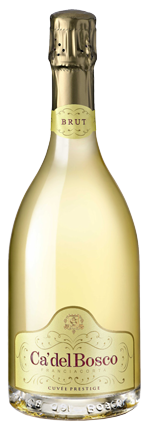
Bubbly Wine ClubCDB-Cuvee-Prestige-bottleCa’del Bosco
Cuvée Prestige Brut
Franciacorta, Italy

BUBBLY WINE STYLE

Aromas of stone fruit and spring flowers with a lightly savory, pastry like complexity. The palate has a smooth, elegant feel and the finish is dry, light, bright and crisp. A neat wine, well-delivered. Drink now.

Analysis: 12.5% alcohol / volume
Varietal:
75% Chardonnay, 10% Pinot Bianco, 15% Pinot Nero
Region: Franciacorta, Lombardy, Italy
ph: 3.15
Total Acidity: 5.55 grams/liter
Volatile Acidity: 0.35 grams/liter

Vineyards of Provenance:

  • 96 Chardonnay vineyards planted on average of 27 years ago, located in the municipalities of Erbusco, Adro, Cazzago San Martino, Corte Franca, Iseo and Passirano
  • 3 Pinot Bianco vineyards planted an average of 21 years ago, located in the municipality of Passirano
  • 17 Pinot Nero vineyards planted an average of 19 years ago, located in the municipalities of Erbusco, Provaglio d’Iseo and Passirano

Harvest period: First and second ten days of August
Average yield per hectare:
7,500 kilograms of grapes, equivalent to 4,7300 liters of wine (must-to-fruit ratio 63%)
Tirage:
From April to June of the year after the harvest
Maturation sur lies:
For an average of 25 months
Dosage at disgorgement: Equivalent to four grams of sugar per liter

Vinification:
The base wines for Cuvée Prestige are crafted from meticulously selected grapes, expertly vinified in strict adherence to the Metodo Ca’ del Bosco. Upon harvest, the grapes are picked, graded, and chilled, each bunch undergoing careful selection by trained professionals before being processed through an exclusive “berry spa.” This system involves a thorough bunch washing and jet spray process, incorporating three soaking vats and a drying tunnel. The grapes are then crushed in an oxygen-free environment, and the resulting musts are fermented in temperature-controlled steel tanks until the following March.

The wine undergoes an additional seven months of aging to clarify, mature, and reveal the distinct characteristics of its vineyard origin. Subsequently, the wines are meticulously blended with reserve wines from the best vintages, accounting for 20% to 30% of the final cuvée, in a process that imparts the Cuvée Prestige with its unique character. This special technique captures the essence of Franciacorta as envisioned by Ca’ del Bosco. Only after an average maturation period of 25 months does this Franciacorta reach its full expressive depth. The disgorgement process is performed in an oxygen-free environment, utilizing a patented system by Ca’ del Bosco that eliminates oxidative stress and the need for additional sulfites. This process results in a purer, more appealing, and longer-lived Franciacorta. Finally, each bottle is individually marked to ensure traceability.

About Ca’del Bosco:
Ca’del Bosco, founded by Annamaria Clementi Zanella in the Erbusco hills, has a rich history of innovation and quality in winemaking. Beginning with high-density vineyards and the production of its first wine (Pinot di Franciacorta Bianco) in the late 1970s, the winery expanded under Maurizio Zanella to introduce notable offerings like the Cuvée Annamaria Clementi, named after his mother. Embracing modern techniques while maintaining its identity, Ca’del Bosco produces acclaimed wines, including the Vintage Collection and Cuvée Prestige. The winery also promotes art through initiatives like the Ca’del Bosco Sculpture Award, celebrating over 50 years of heritage and excellence in winemaking. Learn more here.

Photo and Information © Iron Horse Vineyards and Vintus – All Rights Reserved


Bubbly Wine ClubLearn more about our Bubbly Club >