November Premium Wine Club

Bold wine Style logoPenfolds Bin 704 Cabernet Sauv_2019-bottlePenfolds
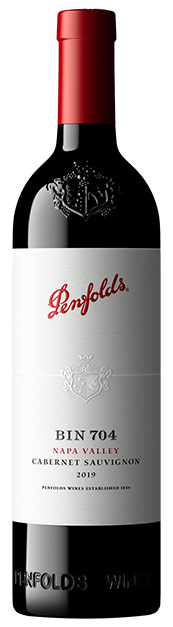
Bin 704
Cabernet Sauvignon 2019

Napa Valley, California

BOLD WINE STYLE

The color has a saturated core and luminous crimson rim. The nose is abounded with red and sweet spices of paprika, sumac, cinnamon, rose water, saffron, red currants, Iranian barberries, and pomegranate. It has a steely-coolness and ferrous minerality. French oak announces itself, cedar-y and structural, all proudly supporting a saturated mulberry and summer berry core. It’s reminiscent of scents from the pâtisserie: dark cherry pie, and milk chocolate mousse dusted with freeze dried raspberries.

The palate is defined, yet approachable. It has a silkiness to it with a gorgeous texture that glides effortlessly across the palate. Succulence, mouth-watering and appetite-inducing acidity, a find graphite core confirms the varietal’s identity. There is power lurking beneath, a dense black fruit drive—which is somewhat unexpected, yet most welcome. This confident wine can be enjoyed now or cellar for a decade or more.

Analysis: 14.5% alcohol / volume
AVA: Napa Valley
Varietal: Cabernet Sauvignon
pH: 3.73
Total Acidity: 6.33 g/L
Maturation: 17 months in French oak (40% new)
Peak Drinking: Now-2036
Awards:

  • 94+ Points – Erin Larking – Robert Parker’s The Wine Advocate
  • 94 Points – Lisa Perrotti – Brown, The Wine Independent

Winemaker’s Notes:
Steeped in Penfolds winemaking tradition yet still embracing modernity, Bin 704 seeks to redefine Napa Valley Cabernet through a Penfolds lens. Being mindful of varietal nuances, regional essence and silk-like textural definition, the wine is nurtured in French barriques for maturation. Impressive is the cyclical nature of viticulture and winemaking and Penfolds recognizes that different hemispheres often end up being the mirror image of the other. The name Bin 704 draws inspiration from the “mirror” or “reverse” image of its Australian Bin 407 stablemate, a wine which also respects varietal expression.

Vintage Conditions:
Excellent winter rainfall ensured the soil was fully saturated at the beginning of the growing season. Spring was cooler and wetter than recent years, resulting in a two-week delay to bud-burst and flowering. May rainfall was especially helpful in maintaining the soil moisture profile. Warm summer weather had the vines moving along well making up for the slow start to the season. August was characterized by warm days and cool nights, optimal conditions for veraison. Harvest across the region was one to two weeks later than usual with yields close to long-term average. A good vintage for Cabernet Sauvignon, with grapes showing bright acidity, powdery tannins, and strong varietal flavors.

About the Winery:
Penfolds is one of Australia’s most iconic wineries, founded in 1844 by Dr. Christopher and Mary Penfold. With a history spanning over 175 years, the winery has built a legacy of crafting world-renowned wines. Penfolds blends tradition with innovation, focusing on quality, multi-regional sourcing, and a diverse portfolio that spans a wide range of varietals. The winery’s commitment to excellence has made it a symbol of premium Australian wine on the global stage.

The Bin 704 Cabernet Sauvignon, for example, is sourced from Napa Valley, marking the winery’s venture into crafting wines beyond Australia. Napa’s renowned terroir, known for producing exceptional Cabernet Sauvignon, offers a new canvas for Penfolds’ winemaking philosophy. By combining Napa’s rich soils with their expertise, Penfolds seeks to maintain the same meticulous standards they uphold in their Australian wines. Bin 704 is a reflection of the winery’s tradition of multi-regional sourcing, blending Napa’s signature characteristics with Penfolds’ distinctive style. Learn more here.

Information & Photos © Penfolds – All Rights Reserved.


Mellow style logoVireton-Pinot-Noir_2022-bottleArchery Summit
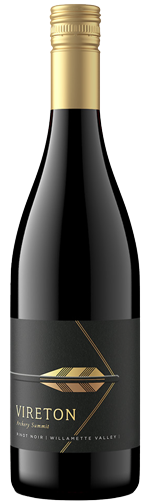
Vireton
Pinot Noir 2022

Willamette Valley, Oregon

MELLOW WINE STYLE

The bouquet is layered, with a fruity core of raspberry, cranberry, and red currants surrounded by oak and earthen spice. Silky tannins and fresh fruit jam nudge the palate, giving way to hints of warm baking spices. A model Willamette Valley wine, the Vireton Pinot Noir is juicy, fruit-forward, kissed with slight new oak nuances while wonderfully balanced. Enjoy now through the next 5-10 years.

Analysis: 13.5% alcohol / volume
Varietal: 100% Pinot Noir
pH: 3.54
TA: 5.5 g/L
Production: 4,160 Cases
Key Facts:

  • The world-renowned Willamette Valley has become one of the most prized winegrowing regions on earth
  • Oregon is unique and offers its own distinctive voice

Viticulture & Production:
The wine puts the beauty of the Willamette Valley on a pedestal. The grapes were hand-harvested and sorted before being fermented in a combination of stainless steel, concrete, and wooden open-top vessels. For added character and nuance, they incorporated 25% whole cluster fruit in the fermentation. The tanks were pumped over twice daily until about two-thirds of the way through fermentation. At that point, they conducted daily tasting to coax the wine to finish fermentation with pump overs and manual punch downs. The wine was then pressed and put to barrel, aged for 10 months in 17% new oak to frame the bright fruit profile inherent to the unique profile from the high elevation, volcanic soils of the Willamette Valley.

Winemaker’s Notes:
Vireton Pinot Noir walks boldly into the Willamette Valley and returns with the unexpected, a kind of down-to-earth, everyday level of luxury. Not tethered to any one vineyard site, this outgoing wine instead reflects the merits of an entire region. It’s a testament to the power of multiple voices within one storied region and the strength in numbers that follows. In wine, just as in life, it’s the most intrepid who end up with the most fulfilling experiences. Vireton celebrates those experiences, whether you’re toasting another Tuesday, or celebrating something much bigger.

About the Winery:
Archery Summit, founded by Gary Andrus in 1993, is a distinguished winery located in the Dundee Hills of Oregon’s Willamette Valley, renowned for its exceptional Pinot Noir. Andrus, a veteran winemaker with a successful background in Napa Valley, was captivated by the region’s potential for producing high-quality wines that reflect the unique terroir. Archery Summit focuses on site-specific wines, sourcing grapes from five estate vineyards and three grower sites across four American Viticultural Areas (AVAs). With a commitment to showcasing the refined flavors of place, Archery Summit continues to elevate the reputation of Willamette Valley wines on the global stage. Learn more here.

Information & Photos © Archery Summit – All Rights Reserved.


Wine club logoJoin our PREMIUM WINE CLUB, enjoy amazing wines every other month. Plus, you’ll receive 10% off all retail wine purchases!

Learn more about our Premium Club >


Pomar Junction Vineyard Cabernet Sauvignon Reserve

NOVEMBER WINE CLUB:

Bold wine Style logoPomar-Junction-Reserve-bottlePomar Junction Vineyard & Winery
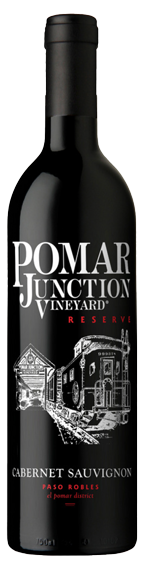
Cabernet Sauvignon Reserve

Paso Robles, California

BOLD WINE STYLE

This Reserve Cabernet Sauvignon is a hand selection of three outstanding barrels from the Merrill’s Family estate vineyard. These barrels showed exceptional ripe blackberry and currant flavors and extraordinary mouth-feel. Two years in French Oak contributed to giving this wine excellent aging potential.

Varietal: 100% Cabernet Sauvignon
Analysis: 13.8% alcohol / volume
pH: 3.77
TA: 0.063 g/l
RS:
0.33%
Appellation:
El Pomar District AVA, Paso Robles, California
Vineyard: Pomar Junction
Aging: 21 months
Cooperage: 35% new French oak
Winemaker: Jim Shumate

Winemaker Notes:
Made entirely from estate grown grapes, this Cabernet was handpicked from personally selected acres grown on extraordinary hillsides with limestone Linne Colado soils. The cool Templeton Gap breezes moderate summer temperatures producing extremely dark-colored yet smooth, elegant wines.

About the Winery:
Located in the El Pomar District in the heart of the Paso Robles AVA, Pomar Junction Vineyard & Winery is family owned and operated by the Merrill Family. Here, they grow premium grapes, focusing on small lot, food friendly wines with sustainable vineyard management techniques. The winemaking experience is further enhanced by their Head Winemaker and Cal Poly SLO Enology Professor, Jim Shumate. Learn more about the Merrill Family and Jim Shumate here.

Try this wine with the following recipe…
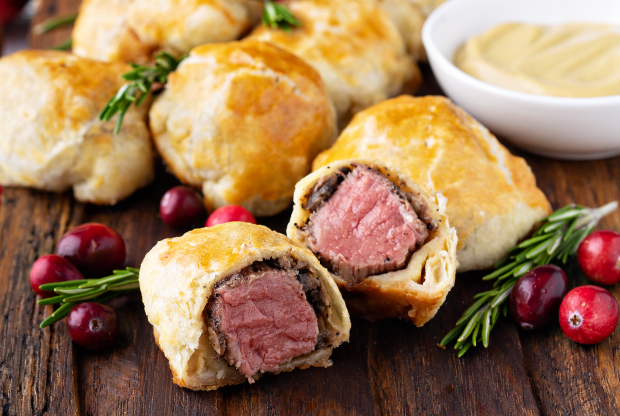
Beef-Wellington-bites-blogBeef Wellington Bites

INGREDIENTS:

  • For the Beef Pieces:
    • 1 pound beef tenderloin
    • ½ teaspoon salt
    • ¼ teaspoon black pepper (or to taste)
    • 1 tablespoon olive oil
  • For the Mushroom Filling:
    • 1 tablespoon olive oil
    • ½ onion, minced
    • 2 cups finely chopped button mushrooms
    • 1 tablespoon regular soy sauce
    • black pepper, a generous pinch
    • 1 teaspoon dried oregano
    • ½ cup pitted black olives
  • For Beef Wellington Bites:
    • 1 pound puff pastry
    • mustard, to taste
    • 1 small egg, beaten

DIRECTIONS:

  1. Cut beef into 1-inch pieces and season with salt and black pepper.
  2. Heat oil in a skillet/frying pan and brown half of the beef pieces on high heat on all sides, about 1-2 minutes max! Transfer onto a plate lined with a paper kitchen towel and repeat with the other half. Set aside.
  3. Preheat oven to 400° Fahrenheit.
  4. Meanwhile: In the same skillet, heat a little oil, add minced onion and sliced mushrooms, and sauté for 10 minutes on medium-low heat, stirring occasionally. Add soy sauce, oregano, black pepper and stir well.
  5. Transfer the mixture to a food processor and add olives (make sure there are no pits in them). Process until smooth-ish.
  6. Unfold/unroll puff pastry sheet and cut it into about 3 – 3½ inch squares. Spread some mustard in the center of each square, then spread some mushroom mixture over.
  7. Top with a piece of beef. Grab 2 opposite tips of the pastry and fold them over the beef. Repeat with the other two corners/tips. Make sure to press down the corners so they don’t open during cooking.
  8. Transfer the parcel onto a baking tray lined with baking parchment. Repeat with the rest of them. Brush them with beaten egg.
  9. Bake in a preheated oven at 400º Fahrenheit for 10-15 minutes or until the pastry is puffed and golden brown.
  10. Best served warm with a dipping sauce of your choice.

Information & Photos © Pomar Junction – All Rights Reserved.
© Recipe courtesy of Appetizer Addiction.


Wine club logoJoin our WINE CLUB and enjoy these amazing wines and pairing recipes each month. Plus, you’ll receive 10% off all retail wine purchases!

Learn about our Memberships >


Pomar Junction Vineyard Cotes de Pomar Blanc

NOVEMBER WINE CLUB:

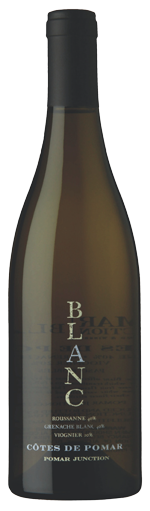
Rich WineStylesPomar-Junction-Cotes-de-Pomar-Blanc-bottlePomar Junction Vineyard & Winery
Côtes de Pomar Blanc
Paso Robles, California

RICH WINE STYLE

Drawing Viognier and Grenache Blanc from their estate vineyard, with the addition of Roussanne from the Creston Ridge Vineyard, allowed the Merrill family to create a wine reminiscent of a white Côtes du Rhône. A complex tropical palate is woven together with lively acidity and spiciness.

Varietal: 40% Roussanne, 40% Grenache Blanc, 20% Viognier
Analysis: 13.4% alcohol / volume
pH: 3.41
TA: 6.6%
RS:
.10%
Appellation: El Pomar District AVA, Paso Robles, California
Vineyards:
Pomar Junction, Creston Ridge
Aging:
4 months
Cooperage:
Neutral Oak
Cases: 225 cases
Winemaker: Jim Shumate
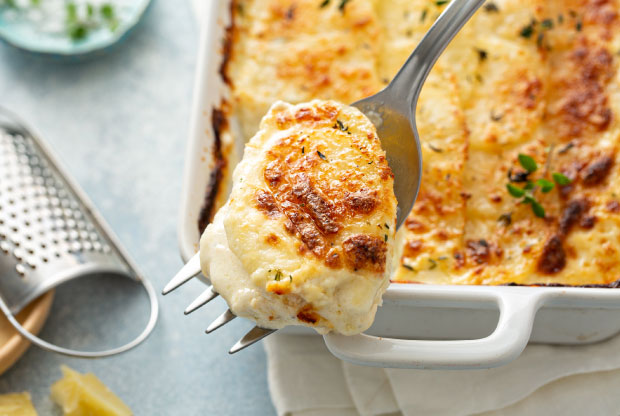
Food Pairing: Exciting pairings for this wine include exotic cheeses with white truffle oil, vegetables in a cream sauce, or succulent and spiced fish or chicken.

About the Winery:
The Merrill Family has been growing and producing grapes in California’s Central Coast for the past eight generations. Today, Dana and Marsha Merrill, along with their son, Matthew, and winemaker, Jim Shumate farm the vineyards and produce elegant wines of their own. The finest blocks of grapes are selected from their family estate, along with vineyards in Santa Barbara and Monterey Counties managed by a sister firm, Mesa Vineyard Management, Inc. All wines produced are exclusively farmed by the Merrill’s who believe that control from planting and pruning through harvest, fermentation and cellaring is critical for success. Learn more here.

Try this wine with the following recipe…

Truffle-Potato-Gratin-blogTruffle Potato Gratin

INGREDIENTS:

  • 2 lb. Yukon Gold potatoes
  • kosher salt and freshly ground pepper
  • 1 tablespoon extra-virgin olive oil
  • 1 tablespoon white truffle oil, plus more for drizzling
  • 1 yellow onion, diced
  • 1 ½ cups heavy cream
  • 1 cup shredded Gruyère cheese
  • ½ cup crème fraîche
  • finely chopped fresh thyme for garnish (optional)

DIRECTIONS:

  1. Preheat an oven to 400°F. Butter a gratin dish or 9-inch square baking dish.
  2. Using a mandoline or a very sharp knife, cut the potatoes into slices about 1/8 inch thick. Arrange the potato slices, slightly overlapping, on the bottom of the prepared dish. Sprinkle lightly with salt and pepper.
  3. In a saucepan over medium heat, warm the olive oil and truffle oil. Add the onion to the pan and sauté until tender, about 4 minutes. Add the cream and bring to a simmer. Simmer, stirring occasionally, until thickened slightly, about 5 minutes. Stir in ¾ cup of the cheese and cook, stirring, until melted. Remove the mixture from the heat and stir in the crème fraîche. Season with salt and pepper.
  4. Pour the cream mixture evenly on top of the potatoes and sprinkle the remaining ¼ cup cheese evenly on top. Bake until the mixture is golden brown and bubbly and the potatoes are tender when pierced with a sharp knife, about 1 hour. Let the gratin rest for about 15 minutes. Drizzle lightly with more truffle oil, garnish with thyme and serve immediately. Serves 6 to 8.

Information & Photos © Pomar Junction Vineyard & Winery – All Rights Reserved.
© Recipe courtesy of Williams Sonoma.


Wine club logoJoin our WINE CLUB and enjoy these amazing wines and pairing recipes each month. Plus, you’ll receive 10% off all retail wine purchases!

Learn about our Memberships >


November Wine Club Pairing Recipe

NOVEMBER WINE CLUB:

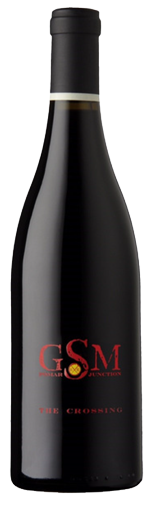
Bold wine Style logoPomar-Junction-GSM-bottlePomar Junction Vineyard & Winery
GSM The Crossing
Paso Robles, California

BOLD WINE STYLE

A classic Rhône blend and excellent food-pairing wine, this GSM has a floral nose with hints of black currant, black cherry, blueberry and a hint of leather and tobacco. A savory mouthfeel is supported by flavors of red and black fruits, sweet spices, with a finish of supple tannin.

Varietal: 46% Syrah, 27% Grenache, 27% Mourvèdre
Analysis: 14% alcohol / volume
pH: 3.60
RS:
.35%
Aging:
19 months
Cooperage:
30% new French oak
Cases: 247
Winemaker: Jim Shumate
Food Pairing:
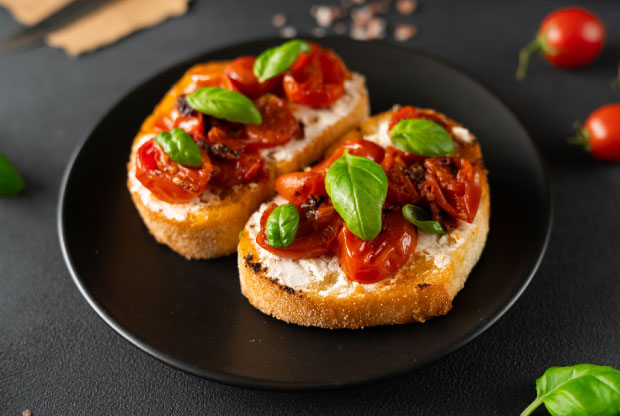
Pairs well with tomatoes, garlic, and either game or domestic meats like duck, lamb, or beef.

Vineyards:
Pomar Junction Vineyards has a unique terroir, as their limestone soils, cooling Templeton Gap breezes and expert sustainable farming techniques (SIP Certified Vineyards) combine to produce their outstanding wines.  The El Pomar District is at the center of the greater Paso Robles AVA. Its name is derived from “pomum”, latin for edible fruit and commonly referred to as  “orchard” in Spanish.   As early as 1886, nut orchards were the most common in the area and by 1968 there were over 1300 acres of almonds and 36 acres of walnuts.  Today, many of the aged orchards are being replaced by vineyards. Learn more >

About the Winemaker:
A Southern California native, Jim Shumate now lives in Paso Robles with his wife and children. He graduated from Cal Poly with a degree in Enology, and eventually developed and managed the Cal Poly pilot winery that opened in 2008. In the early stages of his career, he was greatly influenced by legendary winemaker, Chuck Ortman. Jim became Senior Lab & Barrel Technician, Cellar Master and Consulting Winemaker at a few different wineries before accepted the position of Winemaker at Pomar Junction in July of 2011.  Read more >

About the Winery:
Dating back at least eight generations, the Merrill family has been growing and producing grapes on California’s Central Coast since the 19th Century. Originally, the family was growing grapes for other wineries in California – from premium small producers to large international brands. Today, Dana Merrill and his wife Marsha, along with their son, Matthew, and winemaker, Jim Shumate farm the vineyards and produce elegant wines of their own.
 Learn more here >

Try this wine with the following recipe…

Slow-roasted-tomato-bruschetta-blogSlow-Roasted Cherry Tomato Bruschetta

INGREDIENTS:

  • 1 ½ pounds cherry tomatoes (about 4 cups)
  • 6 medium garlic cloves
  • 5 thyme sprigs
  • 1 teaspoon fennel seeds
  • 1 teaspoon kosher salt
  • 1 tablespoon sherry vinegar, ¾ cup extra-virgin olive oil, divided
  • ½ (8-oz.) baguette, sliced diagonally (about 8 slices)
  • 4 ounces goat cheese log, softened
  • small fresh basil leaves

DIRECTIONS:

  1. Preheat oven to 350°F. Toss together tomatoes, garlic, thyme, fennel seeds, salt, vinegar, and ¼ cup of the oil in an 11- x 7-inch baking dish. Roast; stirring once, until tomatoes are tender and skins blister, 25 to 30 minutes. Cool 10 minutes.

  2. Meanwhile, place baguette slices in a shallow baking pan, and drizzle with ¼ cup of the oil. Bake at 350°F until slightly browned, 8 to 10 minutes. Carefully remove and discard blistered peels from cooled tomatoes, if desired. Spread goat cheese on warm baguette slices, and place on a serving platter. Top with tomatoes, drizzle with remaining ¼ cup oil, and sprinkle with basil leaves.

Information & Photos © Pomar Junction – All Rights Reserved.
© Recipe courtesy of Southern Living.


Wine club logoJoin our WINE CLUB and enjoy these amazing wines and pairing recipes each month. Plus, you’ll receive 10% off all retail wine purchases!

Learn about our Memberships >


Champagne’s Bubbly Origin Story – Accidents and Widows

Global Champagne DayBy, Kristyn Simpson

With Global Champagne Day fast approaching (yes, there is a Global Champagne Day–the 4th Friday in October), I thought we could traipse down the vineyard-lined memory lane of Champagne’s origins.

We begin in 1697 when Champagne is said to have been invented by Dom Perignon (1), a Benedictine Monk in Champagne, France, who utilized a technique of bottling wine before the fermentation was complete, aptly named “méthode champenoise”. This seemed to be done by accident, and the wines were originally considered defective or faulty. However, the bottles that subsisted became a novelty with French Royalty, and by the early 18th century, Champagne grew to be the favorite drink of the French upper crust. By the early 1700s, Champagne houses were popping up all over to capitalize on this newfound popularity and demand, with notable houses like Moet in 1743 and Clicquot in 1772. (2)

Madame Clicquot

Speaking of Clicquot, Veuve Clicquot has a remarkable origin story. In summary, Barbe Nicole married Francoise Clicquot, whose family owned a small winery and textile business, with a heavy focus on the textile business. She and Francoise decided to learn more about wine and try to grow the winery together, but the Napoleonic Wars got in the way. In her late 20s, her husband Francoise dies, and “Madame Clicquot” becomes a widow with a young daughter and a failing winery (Francoise willed the vineyard to her). Fast-forward a few years, the wars are winding down, and our protagonist is running out of options to support herself and her daughter. Determined to make the winery a success, she smuggles over 10,000 bottles to Russia by way of Amsterdam to beat the competition to market after the war is over. By the time they ink the treaties, she’s selling bottles left and right with no competition for weeks. (3)

Victory, of course, brings new challenges. The existing processes wasted time, product, and even bubbles, so Madame Clicquot worked to find a new technique for removing the yeast from the second fermentation (where all the fun bubbles come from). She created a process known as riddling (still used in the Champenoise Method today), which gathered all the yeast at the neck of the bottle, making removal fast and easy. This also created less waste, saving more Champagne from each harvest, and enabled her expansion into the mass-market luxury world! (3) If you want to hear more about this incredible story, check out one of our previous book club selections, The Widow Clicquot by Tilar J. Mazzeo.

Champagne Widows

So where does “Veuve” come in? Veuve means widow, and the history of widows in the Champagne world is fascinating! Widows were the only women allowed to be business owners. Unmarried women were dependent on their fathers or brothers, and married women were dependent on their husbands. Only widows were allowed to have bank accounts, own property and businesses, and travel solo. (4) #FightThePatriarchy

Champagne Widows have created some of the most distinct Champagnes still on the market. Louise Pommery is credited with creating Brut Champagne in 1874, a drier Champagne for the English, who did not care for the sweeter Champagne at the time. (4) Mathilde Emilie Laurent-Perrier’s husband inherited the Champagne house after his employer died without an heir (no nepo babies here) and then left it to her when he died in 1887.  She took Brut even closer to bone dry by creating the first “sans sucre” vintage with no sugar prior to the second fermentation. (5)

Did You Know?

Aside from accidental discoveries and widows, there are many more captivating facts about Champagne. Did you know that 300 MILLION bottles of Champagne are produced every year? Did you know that a standard bottle of Champagne holds approximately 49 million bubbles – almost 10 million bubbles per glass!? (1)

Did you know that Champagne can only be called “Champagne” if it is grown in the Champagne region in France and bottled within 100 miles of Champagne? Crémant is from other areas in France, Prosecco is from Veneto, Italy, and Cava is from Catalonia, Spain. American sparkling wines must be sold as “sparkling wine” since the U.S. and the European Union entered into an actual legal agreement saying as such in 2005. (“Champagne” only being from the Champagne region was previously included in the Treaty of Versailles – because, priorities…). The one stipulation to this new agreement was that if a U.S. winery was utilizing the term “Champagne” prior to 2006, they were allowed to call it “California Champagne”. (6)

Did you know that the first Champagne corks were made with hemp to prevent bottles from exploding? A French inventor created the wire cage to make them more secure (2) —which is important because a Champagne cork can reach almost 25 MPH!?! (PSA: Open away from your face). (1)

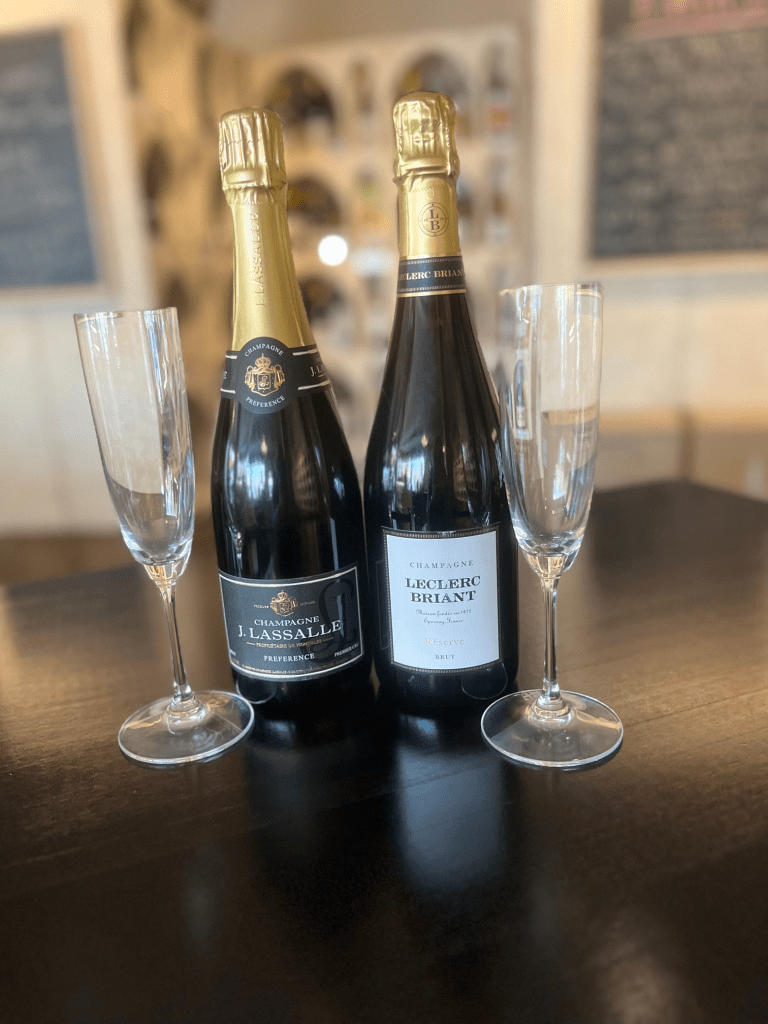
Did you know that WineStyles Norwood Park is hosting a Champagne Telmont event on Friday, November 15th, at 7:00 PM?!? Well, we are! Join us to sample five Champagnes and enjoy some traditional pairings of fried chicken and caviar! Get more details here.

Bubbly-Chicago-Store-2

(1) https://thechampagnecompany.com/blog/champagne-facts.html

(2) https://thechampagnecompany.com/blog/history-of-champagne.html#mistake

(3) https://www.smithsonianmag.com/arts-culture/the-widow-who-created-the-champagne-industry-180947570/

(4) https://www.bbc.com/travel/article/20230301-the-little-known-history-of-champagne

(5) https://www.franceynotfancy.com/wines/champagne-widows#:~:text=Champagne%20Laurent%2DPerrier%20has%20a,4)

(6) https://www.purnoirewines.com/why-isnt-all-bubbly-wine-champagne/#:~:text=In%202005%2C%20the%20U.S.%20entered,you%20visit%20our%20tasting%20room!

October Beer Club: Iowa

fat-orange-cat-pumpkin-patchFat Orange Cat Brew Co.
Pumpkin Patch Kittens

New England IPA

North Haven, Connecticut

New England IPA with pumpkin, spices and vanilla. 

ABV: 7% alcohol / volume
IBU: N/A
Style: IPA – New England / Hazy

Beer Style: Hoppy & Bitter

ABOUT THE BREWERY:
Fat Orange Cat Brew Co. is a small, seasonal homestead brewery, that opened for tastings and growler sales/fills out of their barn in August of 2016. They now have the ability to produce small and large batch beers under their name, with the help of Twelve Percent Beer Project. Fat Orange Cat Brew Co. specialize in extremely high quality small batch recipes, and are making every effort to support and promote local agriculture. Follow them on Untappd

Information © Fat Orange Cat Brew Co. – All Rights Reserved.


little-brew-house-cider-donuts-beerLittle House Brewing Company
Collaborated with Great Falls Brewing Company
Apple Cider Donuts Ale

Chester, Connecticut

Throw on that flannel, breathe in the crisp air, and get ready to go Apple Cider Donut picking because this year’s crop is finally ready for harvest! This rich and malty scotch ale was brewed with the perfect ratio of one, freshly baked apple cider donut from Bishop’s Orchards in every pint. Warm cinnamon notes, cakey doughnut flavor, decadent vanilla, and just a hint of snappy cidery-goodness make this the perfect autumn sipper. Drink it! It’s liquid donut magic and made with love, just for you, fresh from Little House, Great Falls, and Bishop’s.

ABV: 7% alcohol / volume
IBU: N/A

Style: Spiced / Herbed Beer
Beer Style: Fruity & Spicy

ABOUT THE BREWERY:
Little House Brewing Company is a cozy, community-driven brewery nestled in the heart of Chester, Connecticut. Housed in a charming, (almost 200 year-old) historic building, they craft small-batch beers that highlight local ingredients and timeless brewing traditions. Known for their approachable yet creative brews, Little House Brewing Company offers a welcoming space where both craft beer enthusiasts and newcomers alike can enjoy fresh, thoughtfully crafted beer. Learn more here, and follow them on Untappd.

Information © Little House Brewing Co. – All Rights Reserved.


evil-twin-nyc-TGIF-thank-goodness-its-fall-beerEvil Twin Brewing NYC
TGIF (Thank God It’s Fall)
IPA
Ridgewood, New York

Double dry-hopped with Mosaic and Motueka.

ABV: 6.5% alcohol / volume
IBU: N/A

Style: IPA – England / Hazy
Beer Style: Hoppy & Bitter

ABOUT THE BREWERY:
Evil Twin Brewing NYC crafts exquisite beers for crispy beer geeks, discerning gourmands, and everyone in between. Fueled by a deep love for good taste, each beer is carefully brewed at their first brick-and-mortar brewery in Ridgewood, Queens. Their beers are hand-selected to delight with delicate, funky, extreme, and undeniably rare flavors. While not always the easiest approach, it’s certainly the most fun. As one clever man once said, “Stay thirsty… stay foolish,” which perfectly captures Evil Twin Brewing NYC’s vision—just with a bit less attitude. Learn more here, and follow them on Untappd.

Photos and information © Evil Twin Brewing NYC – All Rights Reserved.


Untappd

Follow WineStyles on Untappd

Don’t forget to follow your local WineStyles on the Untappd app and tag us when enjoying your Brew!


LEARN MORE ABOUT OUR BEER CLUB >


October Cheese Club: Iowa

Cheese ClubDelitia-Butter-ParmaDelitia Parmigiano Reggiano Butter Italy

We’re switching it up this month by featuring a—drum roll please—BUTTER!! Not just any butter, this sweet-smelling and gentle-flavored Reggiano Butter is made from the cream that remains after the production of Parmigiano Reggiano cheese. The butter is of exceptional quality because the milk used—collected from Parma and Reggio Emilia family-owned farms in the area where Parmigiano Reggiano is produced—is strictly selected according to the extraordinary rules imposed on the production of the famous cheese. Enjoy on your next cheese and charcuterie board, on breads or other baked goods, over pasta or in sauces. WINE & CRAFT BEER PAIRINGS: Delitia Butter pairs well with Malvasia dei Colli di Parma or a white aromatic and slightly sparkling wine. For a beer, most will pair beautifully, but try a light Lager or Pilsner; or go for a Belgian Dubbel, its malty sweetness and fruity notes will enhance the flavor of the butter. WINESTYLES: Fruity or Crisp wines BEERSTYLES: Crisp or Malty beers Information © Delitia and Zuercher & Co. – All Rights Reserved.

lou_bergier_pinchinLou Bergier Pichin Toma Piedmont, Italy

This 60-day aged Toma is crafted from raw Bruna Alpina cow’s milk and thistle flower, a rare pairing in the cheese world. Its name, which means “small mountain shepherd” in the Occitan dialect, honors Nonna Magno, the grandfather of producer Mario Fiandino. Following in his footsteps, the Bruna Alpina cows at the Fiandino farm are treated with exceptional care; they even listen to music at a specific frequency to soothe them and enhance milk production. The resulting creamy cheese boasts a subtle mushroom aroma and flavors of freshly cut grass and milk. It offers great value given its unique style and high quality. WINE & CRAFT BEER PAIRINGS: Try pairing it with a light-bodied red wine, like a Pinot Noir, which will highlight the cheese’s delicate flavors without overpowering them. A Saison would be an excellent beer choice, as its spicy and fruity characteristics can balance the cheese’s richness beautifully. WINESTYLES: Mellow red wines BEERSTYLES: Fruity & Spicy Information © Forever Cheese and Zuercher & Co. – All Rights Reserved.

Join our Cheese Club and bring home a match made in heaven!Match Made in Heaven!

If you enjoy pairing cheese with wine, this is your club!  Each month you’ll discover specialty and artisan cheeses to pair with your Wine Club. Monthly cheese selections are chosen by your local WineStyles participating location. It’s the perfect opportunity to Taste, Learn and Enjoy® amazing artisan cheese every month! Only $19.99/month and your wine won’t be lonely!  Click to learn more >

October Sweet Club: Iowa

Sweet Wine ClubRaimund-essence-riesling-2021-bottleRaimund Prüm
Essence
Riesling

Mosel, Germany

NECTAR WINE STYLE

Pale gold in color. On the nose, aromatic, with scents of apricot, green apple and peach. On the palate, fresh fruit flavors of pineapple and apricot are perfectly balanced by a racy acidity and mineral character.

Analysis: 10.5% alcohol / volume
Variety: 100% Riesling
Appellation:
Qualitatswein, Germany

RS: 21.3 g/L
TA: 5.7 g/L
Serve: Enjoy on its own or with a range of light appetizers, seafood dishes, BBQ, perfect with Asian cuisine and all styles of spicy food.
Accolades: 91 point review Wine Spectator 2021

WineStyles’ Wine and Cheese Pairing: This wine, with its bright acidity and floral notes, pairs wonderfully with aged Gouda. The nutty and caramel flavors of the Gouda complement the wine’s fruitiness and balance its acidity beautifully. Learn more about our wine and cheese pairings here.

Winemaking: Grapes are hand harvested in mid-October and undergo a gentle crush. The juice is fermented for four weeks in stainless steel tanks then bottled under Stelvin closure to preserve its character.

About Raimund Prüm:
The Prüm family’s roots in the Mosel region of Germany date back as far as 1156, making it one the country’s preeminent winemaking dynasties. Their incredible Riesling portfolio reflects traditional winemaking practices with exceptional single vineyard designated wines in every style. Family-owned S.A. Prüm, founded in 1911 by Sebastian Alois Prüm, has been in the hands of Raimund Prüm, head winemaker and Sebastian’s grandson, since 1971. Under Raimund’s leadership the property has earned a reputation as one of the most successful wineries in Germany’s celebrated Mosel wine region.

Photo and Information courtesy of © Wine Quest – All Rights Reserved.

Luccio-moscato-italy-bottleLuccio®
Special Collection Moscato
Piedmont, Italy

NECTAR WINE STYLE

Fresh, fragrant, and frizzante with bright, floral aromas that give way to flavors of ripe stone fruit, tangerines, and honey.

Analysis: 5.5% alcohol / volume
Variety: 100% Moscato Bianco di Canelli
Region: Asti, D.O.C.G., Piedmont, Italy
Critical Acclaim: 

  • Double Gold – San Francisco International Wine Competition | 2022
  • Highly Recommended, Best Buy – Beverage Testing Institute | 2021
  • Highly Recommended, Best Buy – Beverage Testing Institute | 2020

WineStyles’ Wine and Cheese Pairing: This sweet and bubbly Moscato goes well with fresh goat cheese. The creamy texture and tangy flavor of the goat cheese enhance the fruity and floral notes of the wine, creating a delightful contrast. Learn more about our wine and cheese pairings here.

About Luccio Wines:
Luccio® wines are made and imported from the finest winemaking regions in Italy. Since 1994, Luccio has represented Italian passion in a bottle with offerings ranging from semi-sweet Moscato’s to a full-bodied Chianti. Learn more here.

Photo and Information courtesy of © Prestige Beverage Group – All Rights Reserved


Sweet ClubLove the Sweet life?
“Wine” not try our Sweet Club! 

Click here to learn more >


October Collector’s Wine Club: Iowa

Collectors Wine ClubDAOU-Lion-2020-bottleDAOU Vineyards
Soul of a Lion 2020
Paso Robles, California

BOLD WINE STYLE

The 2020 vintage marks the 10th anniversary of Soul of a Lion, the true crown jewel of DAOU. It is an emblem of their quest to relentlessly produce unsurpassed Cabernet Sauvignon from the terroir of DAOU Mountain. This is the story of two sons, their beloved father, a history rooted in courage, and a wine called Soul of a Lion.

Analysis: 15.2% alcohol / volume
Varietal: 81% Cabernet Sauvignon, 13% Cabernet Franc, 6% Petit Verdot
Appellation: Adelaida District, Paso Robles, California
Barrel Aging:
22 months in 100% new French Oak
Winemaker: Daniel Daou
Accolades:
• 97 pts. Wine Enthusiast
• 95 pts. Robert Parker’s Wine Advocate
• 94-96 pts. Jeb Dunnuck

WINEMAKER’S NOTES:
Daou-Vineyards-Tasting-Convention“The 2020 vintage presents an alluring profusion of black cherry, mulberry and Oregon blackberry aromas with notes of leather, cigar box and dark chocolate. Hints of desert sage and crème de menthe accent the rich fruit. The palate is silky and voluptuous, delivering loads of currant, cassis, black raspberry and ripe cherry. Notes of fig and baking spice are underscored by earthy tones of dates and truffle. Mature, ripe tannins yield a weighty, velvety texture integrated with a limestone minerality and subtle oak. A lengthy finish leaves lingering impressions of blackberry, plum and espresso with a touch of white pepper. A wine of immense staying power that will evolve favorably for many years to come.” – Daniel J. Daou, Co-Proprietor/Winemaker

“Soul of a Lion is named for our father Joseph, who exhibited unwavering love, passion and courage throughout our lives together. That pursuit of the extraordinary drove us to discover DAOU Mountain—and to embark on a dream decades in the making.” – Georges J. Daou, Co-Proprietor

VINTAGE NOTES:
DAOU Estate wines showcase the visionary talent of Winemaker Daniel Daou and the unrivaled terroir of DAOU Mountain. These wines come from the mountain’s finest vineyard blocks and are made with the utmost passion, investment and intention. The 2020 growing season began on a dry note, followed by much-needed rains in April that replenished the soils and set the stage for healthy canopy growth. Conditions through mid-summer remained mild and steady, with the exception of a rare August thunderstorm. Subsequent heat waves and distant wildfires put DAOU Mountain to the test heading into harvest, yet despite the challenges the 2020 vintage produced some of the most complex wines yet.

ABOUT THE WINERY:
Rediscovered by brothers Georges and Daniel Daou in 2007, DAOU Mountain was originally celebrated decades earlier as a “jewel of ecological elements” by renowned winemaker André Tchelistcheff. Their search for the perfect terroir led them to these steep slopes rising 2,200 feet above sea level, blessed with the rare calcareous clay soils found in the world’s finest wine regions. With a passion for crafting exceptional yet accessible wines, the Daou brothers transformed the Adelaida District into a global benchmark for Cabernet Sauvignon and Bordeaux varieties. DAOU is committed to creating extraordinary wines, fostering emotional connections, and offering elevated experiences filled with life’s greatest joys. Learn more here.

Photos and information © Daou Vineyards – All Rights Reserved.


Bold wine Style logoOur-Lady-Guadalupe-Pinot-Noir-bottleOur Lady of Guadalupe
Pinot Noir 2022
Santa Rita Hills, California

BOLD WINE STYLE

The 2022 Our Lady of Guadalupe Pinot Noir pours a dark persimmon core with a lucid rose hip rim. Laden with elegant aromatics, notes of bright raspberry and bing cherry develop into darker tones of black cherry, mocha and mahogany. On the palate, the entry is scrumptiously soft with cranberry crunch, ripe strawberry, redcurrant and a touch of maritozzo. Typical of the Sta. Rita Hills, the finish is lined with minerality and some saline hints with closing touches of fennel and anise.

Analysis: 14.8% alcohol / volume
Varietal: 100% Pinot Noir
pH: 3.76
TA: 5.55 g/L
Appellation: Sta. Rita Hills, California
Clonal Selection: All from “Our Lady of Guadalupe Vineyard” – 828, 777, Pommard 4, 667, 459, 115, Swan, Calera
Élevage: Aged in French Oak for 10 months, 49% New
Cooperage Selection: Alain Fouquet, Francoise Freres, Cadus, Ermitage and Damy
Winemaker: Dave Phinney
Accolades:
• 96 pts. Decanter
• 95 pts. Editor’s Choice – Wine Enthusiast
• 94 pts. Vinous – Antonio Galloni

WINEMAKER NOTES:
“Every year, we learn more about the intricacies of our special vineyard in the western – end of the Sta. Rita Hills. Coming off the heels of our successful inaugural vintage, the 2022 OLG Pinot Noir is a continuation of our quest to produce a wine that captures the Our Lady of Guadalupe vineyard , the vintage and the terroir it inhabits. Sandy loam and diatomaceous earth soils and the constant barrage from coastal winds, force our vines to focus their energy on producing concentrated berries, exemplified by the low yields. In 2022, we incorporated more sections of our vineyard and two additional clones — the famous Swan and Calera clones — to achieve a higher degree of complexity in the resulting wine. And while we do 95% of our winemaking in the vineyard, we experimented in the cellar with different types of barrel toasts, forest origins and cooperages to see what pairs best with each clone, furthering our goal of complexity.” – Dave Phinney, Winemaker.

ABOUT THE WINERY:
Our Lady of Guadalupe Winery, nestled in the Sta. Rita Hills AVA in California, is the realization of a dream by renowned winemaker Dave Phinney. Purchased in 2015, the vineyard underwent a meticulous transformation, restoring its soil health and planting vines by 2018. The winery focuses on producing world-class Pinot Noir and Chardonnay, utilizing unique clones and sustainable practices. The vineyard’s name honors Mary, mother of Jesus, symbolizing protection and peace for the team. Phinney’s dedication to quality and attention to detail is evident in every aspect of the winery, from soil management to clone selection. Each decision is made with the goal of creating exceptional wines that reflect the terroir of the land. Still family-run, the winery embodies Phinney’s passion for crafting extraordinary wines while celebrating the beauty of the Sta. Rita Hills region​. Learn more here.

Photos and information © Our Lady of Guadalupe – All Rights Reserved.


Quattro-Theory-2021-Cabernet-Sauvignon-bottleQuattro Theory Wines
Cabernet Sauvignon 2021
Napa Valley, California

BOLD WINE STYLE

The classic Napa Valley varietal character is the star in this Cabernet Sauvignon, with the tannins and texture supporting the smooth fruit flavors. The wine’s balance and freshness make this a particularly food-friendly red wine.

Analysis: 14.5% alcohol / volume
Varietal: 84% Cabernet Sauvignon, 7% Merlot, 6% Malbec, 2% Petit Verdot, 1% Cabernet Franc 
Clones: Cabernet Sauvignon: Clone 4 (Landon’s Favorite), Clone 7, Clone 8 | Merlot: 181 | Malbec: Clone 595 | Petit Verdot: Clone 7
Appellation: Napa Valley, California
Aging: 15 months in 100% French Oak Barrel (45% new)
Winemaker: Landon Donley
Release Date: July 2023
Suggested Pairings: Grilled rack of lamb with fresh herbs, ribeye steak with sautéed mushrooms and braised short ribs.

VISION:
Winemaker Landon Donley seeks to showcase the freshness and classic varietal character of the highest-quality Napa Valley Cabernet Sauvignons. Every aspect of the winemaking process is intentionally designed to ensure the wine’s structure supports and enhances the varietal character, resulting in a wine that overdelivers on quality and shows beautiful integration upon release.

VINEYARDS:
This Cabernet is structured primarily around valley floor fruit from two of their estate vineyards located in the St. Helena AVA, offering ripe fruit character, good structure and a smooth, long finish. Further complexity and elegance is added to the blend with the addition of estate mountain vineyards from AVAs including Mt. Veeder and Atlas Peak. The grapes are harvested by hand at night in small lots over the course of a few weeks, picked only when at the level that meets their style.

Quattro Theory - Vineyard Sourcing Map

© Quattro Theory Wines – Vineyard Sourcing Map

WINEMAKER NOTES:
The cellar is set up with every step intentionally designed to emphasize natural aromatics and varietal character. The grapes are chilled to 40°F to heighten aromatics and minimize astringency, then sorted by cluster then berry by our optical sorting system before undergoing a three-to-five-day cold soak. Careful yeast selection and an even, moderate fermentation temperature is key in maintaining the wine’s sense of place. Tannin extraction is constantly analyzed so the wine can be drained off the skins at the ideal flavor, concentration, structure and color, then finish fermenting to dry. The preliminary blend is assembled once the wine completes malolactic fermentation in tank to ensure integration, and ages in a selection of custom-toasted new and used French oak barrels from select coopers.

ABOUT THE WINERY:
Quattro Theory wines capture the truest expression of Napa Valley bringing together four defining elements: winemaker Landon Donley’s intentional vision, quality vineyards, precision winemaking and experience with food and friends. Seriously made to be easily enjoyed. Learn more here.

Photos and information © Quattro Theory Wines – All Rights Reserved.


Collectors Wine ClubLove to collect amazing wines?
Learn more about our quarterly Collectors Club > click here


Black Elephant Vintners Three Men in a Tub with a Rubber Duck Red Blend

OCTOBER WINE CLUB:

Mellow style logoBlack-Elephant-three-men-in-tub-bottleBlack Elephant Vintners
Three Men in a Tub with a Rubber Duck
Red Blend
Western Cape, South Africa

MELLOW WINE STYLE

Old world meets new in this trio of classic varieties. Cabernet Sauvignon (55%), Merlot (43%), and Mourvèdre (2%) sourced from the coastal region of the South African wine-lands seamlessly blends to create this playful blend called Three Men in a Tub with a Rubber Duck.  Crafted by a passionate team led by the three men in the tub: Kevin Swart, Raymond Ndlovu and Jacques Wentzel (winemaker and viticulturist).

Varietal: 55% Cabernet Sauvignon, 43% Merlot and 2% Mourvèdre
Analysis: 13.17% alcohol / volume
Extract: 30.4 g/l
pH: 3.66
TA: 5.1 g/l
VA: 0.54 g/l
FSO2:
45 mg/l
TSO2:
96 mg/l
RS:
1.7 g/l
Appellation:
Western Cape, South Africa
Harvest: Mid-February to End-March
Maturation: The wine was matured in French oak barrels for 19 months

Source of Grapes: The fruit for their Three Men in a Tub with a Rubber Duck was sourced from various vineyard sites around the Western Cape of South Africa. Each site contributes a different flavor profile to the final blend as it grows on diverse soil types and slopes. Each vineyard is handled separately to capture its unique personality.

© Black Elephant Vintners & Co.Winemaking: Fruit was handpicked and chilled in a cold room overnight. The following day they were destemmed and transferred to 500kg fermentation bins or barrels for fermentation. 30mg/I SO2 is added at this stage, and no other chemical additions (acid, enzymes or tannins) are made. The grape must was allowed to macerate for 3-4days before fermentation starts spontaneously. Fermentation lasts for 7-12 days at a maximum of 82.4°F. To extract color, flavor and tannin from the grape skins, the must was mixed by hand 2-3 times daily according to extract and tannin development. A short post ferment maceration was allowed to soften and focus tannins. At this stage, the wine was drained, and the skins were pressed using an old basket press and transferred directly to the barrel for malolactic fermentation and maturation. After completion of malolactic fermentation, the wine receives a racking to remove solids and an SO2 addition before being laid down for a 16 month maturation period. At this stage, the final blend was assembled and allowed to mature for a further 3 months. The wine received a light fining and filtration before bottling; decanting is recommended within the first 3-5 years.

About the winery:
Black Elephant Vintners & Co. redefines winemaking in Franschhoek by fusing the region’s heritage with modern innovation. They aim to inject creativity and fun into a traditionally serious industry, crafting wines that reflect the unique character of the Franschhoek Valley. Their rebellious approach calls for dreamers and non-conformists to join their movement, celebrating wine as a vibrant and expressive art form. Click here to learn more.

Try this wine with the following recipe…

pumpkin-risottoPumpkin Risotto

INGREDIENTS:

Toasted Hazelnuts & Crispy Sage

  • 2 tablespoons unsalted butter divided
  • 12 fresh sage leaves
  • ½ cup dry roasted unsalted hazelnuts roughly chopped

Pumpkin Risotto

  • 2 tablespoons unsalted butter
  • 2 large yellow onions thinly sliced
  • 4 cloves garlic thinly sliced
  • ½ teaspoon kosher salt
  • ½ teaspoon black pepper
  • 1 cup arborio rice
  • ½ cup white cooking wine optional
  • 4 cups vegetable stock substitute chicken stock or water
  • 1 tablespoon fresh sage minced
  • ½ teaspoon nutmeg
  • 1 cup pumpkin puree
  • ½ cup Parmesan cheese

DIRECTIONS:

Toasted Hazelnuts & Crispy Sage

  • The toasted hazelnuts and sage are optional, but a great topping to add texture to the risotto.
  • In a small pan, melt 1 tablespoon of butter over medium high heat. Then add in the sage leaves and cook for 1-2 minutes or until crispy. Immediately remove from the heat and pour off into a small dish and set aside.
  • In the same pan, melt 1 more tablespoon of butter and then add in the chopped hazelnuts and toast gently for 2-4 minutes or until the nuts are toasted and the butter is browned. Remove from the heat and pour off into a small dish and set aside.

Pumpkin Risotto

  • In a large skillet over medium heat, melt the butter and add in the sliced onions, garlic, salt, and pepper. Cook slowly for about 30-40 minutes, stirring occasionally until the onions are soft, golden brown, and beginning to caramelize. If you want to speed up the process slightly, you can add in 1 tablespoon of brown sugar once the onions are soft.
  • In a medium pot, heat your vegetable stock over medium heat until simmering (you can also use a microwave). Remove from the heat and set aside.
  • Add in the rice and toast, stirring frequently, for about 2 minutes. Then add in the white wine to de-glaze the pan and make sure to scrape up any browned bits on the bottom of the pot.
  • Add in ½ cup of the warmed vegetable stock, fresh sage, and nutmeg and stir the risotto until the stock is completely absorbed, then add in another ½ cup and repeat. Continue to add in the stock ½ cup at a time until it’s all absorbed and the rice is fully cooked.
  • Then stir in the pumpkin puree and Parmesan cheese until fully combined and creamy. Taste and add salt and pepper if needed.
  • Top the pumpkin risotto with the toasted hazelnuts and crispy sage and enjoy!

Information & Photos © Black Elephant Vintners – All Rights Reserved.
© Recipe courtesy of Barley and Sage.


Wine club logoJoin our WINE CLUB and enjoy these amazing wines and pairing recipes each month. Plus, you’ll receive 10% off all retail wine purchases!

Learn about our Memberships >