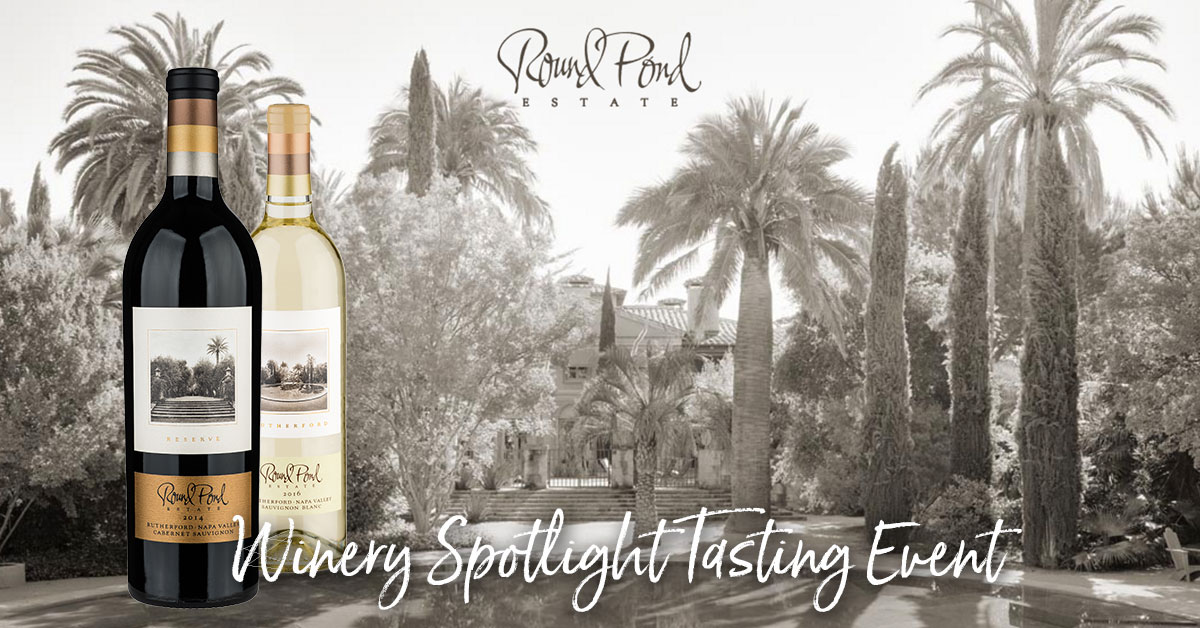
Hall Winery Spotlight Tasting Event

hall_walt-tastingOctober Winery Spotlight
Tasting Event
>> RSVP at your local WineStyles <<

HALL Wines represents critically acclaimed artisan Napa Valley Cabernet Sauvignon from two Napa Valley  winery locations in both St. Helena and Rutherford. Owned by Craig & Kathryn Hall, its vineyard collection features five Certified Organic estates producing classic Bordeaux varietals. HALL’s highly rated wines include the Napa Valley Cabernet Sauvignon, selected as Wine Spectator’s #18 of the ‘Top 100’ in 2010. Collectively, over 140 HALL Wines have been rated 90 points and above.

WALT Wines are dedicated to Kathryn Hall’s parents, Bob and Delores Walt, who were dedicated wine growers and their love of the vineyards inspired Kathryn to carry on the tradition.   Let’s Taste, Learn and Enjoy!®

hall-napa-valley-cabernet-sauvignon-bottle-imageABOUT HALL WINERY

Kathryn Walt Hall is the proprietor of HALL Wines and WALT Wines, and has been involved in the California wine industry since her family first purchased a vineyard in the 1970’s. She has had a distinguished career as a successful businesswoman, attorney, community activist, and as the United States Ambassador to Austria.

HALL Wines are passionate about environmental responsibility and sustainable stewardship of their land.  Their vineyards have been certified organic by the California Certified Organic Farmers (CCOF). Farming organically involves committing to two principles:  ecological production and maintaining organic integrity.     Hall values the land and also value its creation, which is why they continue the tradition of hand picking all of the grapes throughout their estate vineyards.  Once the grapes are brought to the winemaking facility, the grapes are processed with innovative techniques to ensure the highest standard and quality of wine.

hall-vineyard
Since launching HALL Wines, we have been dedicated to the preservation of the environment and bringing innovation to Napa Valley.  HALL Wines is always looking for new ways to provide support and dedication to the sustainable-living movement. We continue to reinforce our commitment to the health of the land, as well as that of the greater Napa Valley ecosystem”, notes Ambassador Kathryn Hall, HALL Wines owner and vintner.

walt-la-brisa-chard-pinotWALT Wines, owned by Vintners Kathryn Walt Hall and Craig Hall,  is dedicated to the production of premier Pinot Noir and Chardonnay from the Pacific Coast’s most distinctive vineyard sites, spanning nearly 1000 miles and including Sta. Rita Hills, Sonoma County, Anderson Valley, Napa Valley and the Willamette Valley.  With their philosophy of precision, non-interventionist winemaking, it allows the wines to naturally and honestly express the character of the site where the wines are grown.

The team at Walt Wines believes in hand sorting every berry; pressing Chardonnay as whole clusters; allowing native yeast fermentation; encouraging a long malolactic fermentation with weekly batonnage and topping off; barrel aging on lees to create more texture, richness, and complexity; and never fining or filtering.  Holding true to these methods means there is no room for error or shortcuts, but the reward is a complex, expressive, complete wine.

HALL WINES
Winery Spotlight Tasting
Napa Valley, California

hall-walt-wines

  • Hall Sauvignon Blanc
  • Walt La Brisa Chardonnay
  • Walt Blue Jay Pinot Noir
  • Walt Clos Pepe Pinot Noir
  • Hall Merlot
  • Hall Cabernet Sauvignon

 Limited Seating Available – Reserve your seat at your local WineStyles Tasting Station.

German Beer Video Round-Up!

Oktoberfest is already in full swing in Germany!  Spruce up on your beer knowledge and check out these informative and fun videos about German beer. Prost! (Cheers!)

germanbeer

Video 1 German Beer – Centuries of Tradition

This video talks in-depth about the German brewing economy. It details how much beer is sold in Germany each year, and the number of breweries the country has. (Statistics as of 2013). You’ll hear from a Professor of Biotechnology from Berlin’s Technical University, as well as a student in the field, and how they feel about the ongoing use of the German Beer Purity Law, “das Reinheitsgebot”. Enjoy the views of Oktoberfest tents and crowds towards the end. It really is a big celebration!

Video 2 – Top 10 German Beer Styles

This video gives a great overview of the 10 most common German beer styles. The host, from Beerland Diaries, also peppers in some great German beer-drinking cultural norms, such as the two-man beer race called “Bierkasten Rennen”, and how to properly toast with a Weizen.

Video 3 – Beer Geek – Germany Part 1: The Reinheitsgebot

This third video is very approachable, from an avid beer-drinker and self-proclaimed “beer geek”, Oli Haydon. Oli will walk you through the Berliner Weisse beer style, as well as the German Beer Purity Law and what it means in Europe today. If you want to continue learning about German beers, follow Oli’s YouTube channel here as he continues with his series on German Beer.

Video 4 – Ein Prosit – Oktoberfest Song Karaoke

Now for a German beer drinking song! Oktoberfest isn’t complete without crowds of people sloshing around huge beer steins loudly singing together traditional German beer-drinking songs. This one is often heard in large Oktoberfest tents in Munich, and all over Germany. It’s titled, “Ein Prosit der Gemütlichkeit” which roughly translates to “A Toast to Good Cheer”.

“Ein Prosit”, means “A Toast”, but “Gemütlichkeit” is one of those untranslatable words from German to English. It isn’t just one thing. It’s cheer, and warmth, and belonging, and acceptance all rolled into one – rather fun to pronounce – word.

Of all the German beer drinking songs, you’re sure to hear this one should you visit Germany for Oktoberfest. It helps keep the party going, because each time it’s played, guests are invited to stand up, toast each other, and chug!

Ein Prosit der Gemütlichkeit – German lyrics:

Ein Prosit, ein Prosit
Der Gemütlichkeit
Ein Prosit, ein Prosit
Der Gemütlichkeit
OINS! ZWOI! DREI! G’SUFFA!

A Toast to Good Cheer – English lyrics:

A toast, a toast
To cheer and good times
A toast, a toast
To cheer and good times.
ONE! TWO! THREE! DRINK UP!

Thanks for reading, and Happy Oktoberfest! Prost!

winestyles_ts_logo.png


Ehlers Estate Winery Spotlight Tasting Event

ehler_tasting_header

September Winery Spotlight
Tasting Event
>> RSVP at your local WineStyles <<

Join us for a Winery Spotlight tasting event, featuring Ehlers Winery of St. Helena, California.

The story of Ehlers Estate is one of passion, patience, and hard work. It was the lure of winemaking that tempted Bernard Ehlers to buy a small, dying vineyard in the late 1800s and create the winery that continues to bear his name. A century later, another husband and wife team discovered the lure of this idyllic spot in the heart of the Napa Valley.  French entrepreneurs and philanthropists Jean and Sylviane Leducq continue to produce wines with the power, balance and structure of the finest Bordeaux bottling they knew and loved.

ABOUT EHLERS ESTATE

ehler_wineryThe story of Ehlers Estate is one of passion, patience, and hard work, intertwined like the tendrils of robust vines that have been part of the landscape here since the mid-1800s.

It was the lure of winemaking that tempted Bernard Ehlers to buy a small, dying vineyard in the late 1800s and embark on a quest to create the winery that continues to bear his name.  He replanted his newly-acquired 10-acre vineyard, established the olive grove that still thrives today and in 1886 completed construction of the stone barn that is now our beautiful winery building and tasting room. His original Bale Mill Winery continued to operate long after his death, run by his wife until the 1920s and then by successive new owners who took advantage of its prime location and unique terroir.

A century later, another husband and wife team discovered the lure of this idyllic spot in the heart of the Napa Valley.  French entrepreneurs and philanthropists Jean and Sylviane Leducq saw the potential for this region to produce wines with the power, balance and structure of the finest Bordeaux bottlings they knew and loved.  Over several decades they patiently built a contiguous wine estate – common for French chateaux but increasingly rare in California.

kevin-morrisey-winemakerWith the help of renowned enologist, Jacques Boissenot, they gradually acquired individual local vineyards as they came up for sale and replanted with the most suitable clones and rootstock. By the turn of the century they had created the 42-acre estate we farm today, with Bernard Ehlers’ original stone barn and vineyard at its heart and the Ehlers name once again poised to grace wine labels. The 21st Century began with the release of the very first vintage from the Leducq’s new Ehlers Estate.

Developing the winery had become a passion project for Jean and Sylviane, one they shared long after the sale of their other successful businesses in Europe. Their legacy remains in safe hands today under the leadership of our current winemaker, Kevin Morrisey, who was favored by Sylviane because he shares the same passion for creating sophisticated wines with an old-world charm that capture the character and heritage of our land.

Ehlers Estate continues a proud tradition of farming with experienced vineyard and cellar teams that share a non-interventionist winemaking philosophy firmly rooted in the belief that terroir defines a wine, but passion, patience and hard work are needed to ensure that it is fully expressed in the bottle.
ehler_vineyard
By using organic vineyard practices, Ehlers Estate leaves a minimal footprint on the land and provides maximum flavor in the grapes. Taking advantage of the robust Estate ecosystem and carefully-chosen rootstocks, the vineyard crew coaxes the vines to fully express the numerous soil types and microclimates found on the estate. Once the grapes are harvested, the cellar crew knows when to be hands-on and when to let nature takes its course as the wines ferment, develop and age.

Today, the winery strives to be responsible stewards of the land and continue the legacy of Bernard and Anne Ehlers, and Jean and Sylviane Leducq, who saw the potential that you can taste in every bottle of Ehlers Estate wine.

EHLERS ESTATE
Winery Spotlight Tasting
St. Helena, California

ehlers-wines

  • Ehlers Estate Sauvignon Blanc
  • Ehlers Estate Cabernet Franc
  • Ehlers Estate Merlot
  • Ehlers Cabernet Sauvignon
  • Ehlers Estate 1886 Cabernet Sauvignon

 Limited Seating Available – Reserve your seat ASAP!

Contact your local WineStyles to RSVP!

Wine, a Labor of Love

As Labor Day Weekend is fast approaching, let’s take a deeper look into the world of winemaking.

Wine makers must answer an array of questions to produce a distinct and delicious vintage, making the process both an art and a science.

There’s a lot that goes on between growing the grapes and bottling the wine. Let’s take a peek into the labor intensive world of winemaking through five most common steps:

Rows of grape vines in a vineyard with mountains in the background.Step 1: Harvest the grapes

Harvesting is more than just picking grapes. Wine makers must decide how much human interaction the grapes will have. In other words, will they be hand-picked or picked by machinery.

Additionally, not all grapes are picked during the daylight. In warmer climates, it’s common for grapes to be harvested at night. This is so workers who are hand picking grapes can beat the heat, and wine makers can be sure to capture the grapes while they’re at stable sugar levels.

Once picked, grapes must be sorted by hand for quality. Remember, it’s entirely possible to make bad wine from good grapes. Leaves and rotted or raisen-like grapes are removed from the bunches.

Step 2: Crush the grapes

The grapes are now ready to be completely de-stemmed and crushed. Grape clusters are put through mechanical de-stemmers which do exactly what they say: de-stem.Grape stomping

Crushing the grapes was traditionally done by men and women stomping grapes with their feet. Nowadays, there is more modern machinery for this task. The resulting freshly pressed grape juice is called ‘must’.

White wines are crushed much more quickly than the reds, and then immediately pressed to separate the juice from the skins. This is to minimize the amount of time the seeds and skins are in contact with the juice. For red wines, the seeds and skins are left during fermentation to add flavor, color, and tannins to the wine.

Step 3: Ferment the juice

Wild yeast can ferment the juice, however, most wine makers prefer to intervene to have more control over the fermentation process, and ensure desired results in the wine.

During fermentation, sugar is converted into alcohol. This can take anywhere from a week, to a month, or longer.

When fermenting red wines, carbon dioxide is released, which causes grape skins to float to the top of the fermentation tank. To keep the skins in contact with the wine for added flavor and tannins, and prevent growing bacteria, the red wine is repeatedly ‘capped’ or turned over multiple times daily.

Once fermented, red wines are pressed, removing the skins and seeds from the wine before aging.

Step 4: Age the wineWine barrels in cellar

Wine makers have important choices to make at this stage. Different aging procedures will impart different intensities of flavor in the wine.

The wine can be bottled right away and left to age, in oak or stainless steel barrels. The source of barrels (American or French oak) or whether the barrels are new, used or toasted (charred), all have an impact on flavoring the wine.

Typically, aging in oak will produce a smoother, more mellow wine. Stainless steel tanks are commonly used to age crisp white wines.

Wines can be aged anywhere from 6 months to several years before bottling.

Step 5: Bottle the wine

Another step in the process that can be done either by hand, or entirely by machine. To seal the wine, a choice of natural or synthetic cork, or screw caps. Finally, labels are added, and the wine is boxed and ready for sale.

WineStyles customers toasting in WineStyles store.(Step 6: Enjoy the wine!)

You’ve made it to our favorite step in the process!

As you can see, wine makers have many duties managing their grapes from vine to bottle. A day in the life of a wine maker can range from performing quality control, blending decisions, hosting tastings, marketing, selling, and everything in between.

So what’s the secret ingredient that makes a bottle of wine taste just so good?

A whole lotta love.

And, maybe a little blood, sweat, and tears. 😉

As you enjoy your wine this Labor Day Weekend, remember to raise a glass to the wine making artists and their teams who made it possible.

7-18-16newwine

Stop by your local WineStyles store to stock up for the long weekend! Cheers!

View store locator here.

Happy Labor Day Weekend

Thanks for reading,

winestyles_ts_logo.png

Choosing Wine by the Label and DIYs!

As you walk into a wine store, the varietals and wine label descriptions can be a little bit overwhelming.

What on earth is a “Blaufränkisch” and why is every French wine called “chateau this” or “chateau that” you whisper to yourself.

You’re perusing the red wines thinking, “OK, pinot noir, I know that one” and suddenly you see it – the coolest wine bottle label on the shelf. You pick it up and look it over with great intrigue.

Cool wine labels

Find unique and fun wine labels at your local WineStyles store!

Ah yes, this one has all the right components – striking colors, an illustration that reminds you of that one art class you took in college, and how you keep meaning to visit more art galleries (some of them have free wine tasting!). You think how your friends will comment on the label when you invite them for dinner or snap it on Instagram.

Then, suddenly, the store associate comes your way and asks, “finding everything ok?” You scramble to remember anything about the wine you’re holding that doesn’t have to do with its appearance and spit out, “yeah, pinot’s the best!”

Do you feel like a wine fraud? Let us be the first to tell you, it’s OK to love that bottle just because you like the label.

There’s no shame in wine shopping based on aesthetics! Appreciating wine is like appreciating fine art, and if you happen to appreciate the art on the label, then we say all the better!

Wineshop

Let’s take a look at what you can do with that beautiful label after you’ve tasted the grapes inside. There are so many ways to re-purpose wine bottles.

Below are a few of our favorite wine bottle crafts for preserving those quirky or funny wine labels. So go on, pick a wine based on your favorite label design. The point of wine drinking is to enjoy the whole experience!

And after you’ve been inspired with crafty tutorials, check out our upcoming class on How to Read a Wine Label! That way you can choose great wines by the grapes inside, and by the cool labels. 🙂

Want to enjoy that wine label and all the beautiful birds it attracts? Make a DIY wine bottle bird feeder! Find instructions on The Garden-Roof Coop blog:

wine bottle bird feeder winestyles

Photo: The Garden-Roof Coop blog

Make an easy centerpiece from empty wine bottles simply by adding candles! For a bigger centerpiece, use a few bottles grouped together. Enjoy supper as you watch the wax drip down the bottles representing time passing and an evening enjoyed with friends and loved ones:

Centerpiece wine bottles with candles winestyles

Wine bottle centerpiece with candles

Remove the label from the bottle to save in your wine journal, or to re-purpose later. This tutorial by blue i style will help you peel it off with ease:

remove wine labels winestyles

Photo: blue i style blog

Light up your outdoor gatherings by using small solar lights (the kind meant for sticking in the ground) inside old wine bottles! This project was found by happy coincidence from blogger Our Crafty Mom. A fun and simple way to add a little wine charm to your backyard summer BBQs:

solar light wine bottles winestyles

Photo: Our Crafty Mom


Check out WineStyles on Pinterest for more wine craft ideas!

Learn how to read wine labels in our upcoming Wine & Beer Boot Camp Class this August!   We won’t judge if you still want to choose your wines based on the fun and pretty labels, but just in case you’d like to impress your friends and know what all those markings on wine labels mean, we’ve constructed the perfect 101 class for you!

ReadWineLabel

HOW TO READ A WINE LABEL: In this class, you’ll learn the ins-and-outs of reading a variety of wine labels from different countries and regions, and of course the best part of learning is the tasting!  Join us for a delicious and educational wine tasting. As part of our Boot Camp series in 2016, the more you LEARN the more you EARN in delicious wine tastings! Join us for multiple classes and you’ll be rewarded:
Stamper
3 STAMPS = Free Wine Tasting for 2 people
6 STAMPS = Free Wine Tasting for 4 people
8 STAMPS = Free Wine Tasting Party, up to 20 people
11 STAMPS = Boot Camp Survivor T-shirt

Please RSVP at your local WineStyles location. Seating space is limited, so make your reservation as soon as possible!

*Please note: Classes and Boot Camp rewards may vary at different WineStyles locations. See your local WineStyles Tasting Station for details. Find your local WineStyles store here.

Thanks for reading, cheers!

winestyles_ts_logo.png


Seafood Capellini with Saffron

seafoodClean, citrus notes of lemon and lime zest compliment the fish. The lightness of the pasta and herbs are matched by the lightness of the wine, making for an all-in-all refreshing meal.

INGREDIENTS:
• 6 tablespoons extra-virgin olive oil
• 1 pound shelled and deveined jumbo shrimp (8 shrimp)
• 1 pound monkfish or other firm white fish such as halibut, trimmed and cut into 8 pieces
• Kosher salt and freshly ground pepper
• One 14-ounce can diced tomatoes, drained
• 4 garlic cloves, minced
• 2 tablespoons minced flat-leaf parsley
• 1 serrano chile with seeds, minced
• 1 teaspoon hot paprika
• 2 cups chicken stock or low-sodium broth
• one 8-ounce bottle clam juice (1 cup)
• pinch of saffron threads
• 6 ounces capellini pasta, broken into 3-inch lengths
• lemon wedges, for serving

DIRECTIONS:
• In a large skillet, heat 3 tablespoons of the olive oil over moderately high heat. Season the shrimp and monkfish with salt and pepper and add to the skillet. Cook for 6 minutes, turning once, until barely opaque throughout. Transfer to a plate.
•  In the same skillet, heat the remaining 3 tablespoons of olive oil over moderate heat. Add the tomatoes and cook for 3 minutes. Stir in the garlic, 1 tablespoon of the parsley, the serrano chile and the paprika.
•  Add the chicken stock, clam juice and saffron, season with salt and bring to a boil. Add the capellini and cook, stirring occasionally, until the pasta is al dente and has absorbed most of the sauce, about 5 minutes.
•  Return the shrimp and monkfish to the skillet along with any accumulated juices and toss well. Transfer the pasta to bowls and garnish with the remaining 1 tablespoon of parsley. Serve with lemon wedges.  Makes 4 servings.  Recipe courtesy of Food and Wine magazine.

macabeocrispMonasterio de las Viñas
Macabeo
Cariñena, Spain

Between the 12th and 18th centuries, the Corona de Aragón (Crown of Aragon) spanned territories from the east of Spain to the south of Greece, quintessential areas steeped in wine-producing prestige and culture, among which Cariñena played a prominent role. All this tradition and know-how is present today in a brand of premium quality wines, in zones at more than 1600 feet altitude and with vineyards over 40 years old, combining indigenous varieties with international ones, in homage to one of the greatest kingdoms in history.  Grapes for this wine were harvested from vines with an average age of 20-years old grown at an elevation of 1900 feet.  Traditional winemaking and aging in stainless steel gives this wine a crisp style.

This wine is a brilliant, pale yellow in color.  A nose of lemon and melon is reflected on the palate, with the addition of zesty lime.  Light bodied and easy drinking, this wine can be enjoyed on its own or with food. Pairs well with seafood capellini and saffron.” – winemaker, Marcelo Morales

winemakerWinemaker: Marcelo Morales
Appellation: Cariñena, Spain
Varietal Blend:  100% Macabeo
Analysis:
13% alcohol/volume
Critical Acclaim:
Reviewed and approved by Doug Frost, Master Sommelier and Master of Wine.

July Wine Club pairing recipe

Rich, juicy notes of strawberries are complimented by more savory notes of violets and licorice, which meld with the flavors from the pork and anise in the recipe. The smooth, medium/full body of Monasterio de las Viñas Rerserva Red from Cariñena Spain matches the mouthfeel of the meat.

pork-chops-shallotsPork Chops with Shallots

INGREDIENTS:
• Four 8-ounce bone-in pork rib chops
• Salt and freshly ground pepper
• All-purpose flour, for dusting
• 2 tablespoons extra-virgin olive oil
• 1 tablespoon unsalted butter
• 4 large shallots, sliced (1 ¼ cups)
• ½ teaspoon anise seeds
• ¼ cup dry red wine
• 1 cup chicken stock
• 1 teaspoon minced garlic
• 2 teaspoons tomato paste

DIRECTIONS:
Preheat the oven to 400°F. Season the pork chops with salt and pepper and dust with flour.

In a skillet, heat the oil until shimmering. Add the pork and cook over high heat for 1 minute. Add the butter, reduce the heat to moderately high and cook, turning once, until the chops are browned on both sides, 8 minutes. Transfer the chops to a baking sheet and bake in the oven until an instant-read thermometer inserted at the thickest point registers 145°F, about 7 minutes.

Meanwhile, add the shallots and anise to the skillet and cook over low heat, stirring, until softened, about 8 minutes. Add the wine and reduce over moderately high heat to ½ cup, about 2 minutes. Add the stock and reduce by half, about 5 minutes. Stir in the garlic and tomato paste and cook for 1 minute longer. Season with salt and pepper. Transfer the chops to plates and top with the sauce. Recipe courtesy of Food & Wine Magazine.

Bold_stickerMonaterio_Reserva_wineMonasterio de las Viñas
Reserva Red
Cariñena, Spain

In the 11th century, Cistercian monks built a monastery in the Sierra de Aguarón.  Today, this region is known for its superior quality wines. Monasterio de las Viñas celebrates the history of the land by using traditional varietals sourced entirely from Aguarón. Cariñena is one of the oldest protected growing regions in Europe, receiving D.O. status in 1932.  Vines grow in reddish-brown limestone over loose rock. A continental climate and a cold, northerly wind known as cierzo contribute to the characteristic intensity of the grapes.   Harvested from vines an average age of 30-years-old grown at an elevation of 1900-2600 feet, the grapes were aged for 12-16 months in French and American oak barrels and aged in bottle for 2 years. Pairs well with pork chops and shallots.

winemaker-marcelo-morales

Winemaker Marcelo Morales

“This wine is bright ruby-red with a garnet color change at the rim.  Aroma of strawberries, violets and licorice become ripe on the palate.  Additional notes of vanilla and wood create more complexity” – Marcelo Morales, winemaker

Winemaker: Marcelo Morales
Appellation: Cariñena, Spain
Varietal Blend:  50% Grenache, 25% Tempranillo, 25% Cariñena
Analysis:
13.5% alcohol / volume
Critical Acclaim:
International Wine & Spirits Competition 2015, Bronze. Reviewed and approved by Doug Frost, Master Sommelier and Master of Wine

Lemongrass BBQ Pork with Rice-Vermicelli Salad

Lemongrass-Barbecued-Pork-with-Rice-Vermicelli-SaladMARINADE  INGREDIENTS:
•  4 large garlic cloves, thickly sliced
• 3 large stalks of fresh lemongrass, tender inner white bulb only, sliced crosswise
•  2 large shallots, thickly sliced
•  1 ¼ tablespoon sugar
•  3 tablespoons Asian fish sauce
•  2 tablespoons fresh lime juice
•  3 tablespoons vegetable oil
•  2 tablespoons soy sauce
•  1 ¼ pounds boneless pork loin, sliced ½ inch thick

VERMICELLI SALAD INGREDIENTS:
• ¼ pound rice vermicelli noodles
•  4 medium garlic cloves, quartered
•  3 tablespoons sugar
•  3 Thai chiles or 1 large jalapeño, thickly sliced
•  ½ cup Asian fish sauce
•  ¼ cup finely chopped cilantro
•  ¼ cup finely chopped mint
•  ½ cup fresh lime juice
•  1/3 cup water
•  2 large cucumbers, peeled, halved lengthwise, seeded and thinly sliced crosswise
•  carrot and daikon pickles, for serving

DIRECTIONS:
In a food processor, finely chop the garlic, lemongrass and shallots.  Add the sugar, fish sauce, lime juice, vegetable oil and soy sauce and process to a paste.  In a large shallow dish, coat the pork with marinade.  Cover and refrigerate for at least 1 hour.

In a large bowl, cover the rice vermicelli with cold water and let soak until pliable, about 20 minutes.

In a mortar, using a pestle, pound the garlic cloves to a paste with the chilies and sugar.  Stir in the fish sauce, cilantro, mint, lime juice and water.

Bring a large saucepan of water to a boil over high heat. Drain the rice vermicelli and add it to the boiling water.  Cook, stirring, until barely tender, about 1 minute.  Drain the vermicelli.  Rinse the vermicelli in cold water and drain thoroughly.  Transfer the vermicelli to a large bowl, add the cilantro-and-mint dressing and toss well. Scatter the sliced cucumbers over the rice-vermicelli salad.

Light a barbecue or grill and cook the pork until nicely charred, about 2 minutes per side.  Transfer the pork to plates and serve with the rice-vermicelli salad and carrot and daikon pickles.   Recipe courtesy of Marcia Kiesel of Food and Wine.

JBW-Water-Riesling-High-Res-Bottle-ShotcrispJim Barry
Watervale Riesling
Clare Valley, South Australia

Jim Barry Wines is a family winery based in the Clare Valley of South Australia. Jim Barry was the 17th qualified winemaker in Australia and founded the company in 1959 with his wife Nancy. The company is now owned and managed by Peter Barry, a second generation family winemaker. Following  the legacy of his father and grandfather, Tom Barry was named ‘Young Winemaker of the Year’ in 2013. The tiny village of Watervale (population 246), nestled in South Australia’s Clare Valley, is renowned for the quality of its Riesling.  The grapes for the Riesling are picked from a special part of the Florita vineyard in Watervale.  This famous Riesling vineyard usually achieves full ripeness, with high natural acid levels.

Tom Barry, winemaker

Tom Barry, winemaker

“This wine is brilliant pale yellow in appearance.  On the nose is creaming soda, musk, fresh honeydew melon, lemon tart and bath salts.  The palate delivers ginger, mouth-watering juiciness, crisp granny smith apple like acidity. Generous lime fruit and a touch of fine talc phenolics which lifts the creaminess.”” –  Tom Barry, winemaker

silverstarWinemaker: Tom Barry
Appellation: Clare Valley, South Australia
Varietal Blend:  100% Riesling
Analysis: 12.5% alcohol / volume, 3.0 pH / 7.4 TA g/L
Critical Acclaim: SILVER status by Doug Frost, Master Sommelier and Master of Wine


May Wine Club pairing recipe

BBQ-Flank-SteakBBQ Flank Steak with Burnt Cabbage and Oyster Mayo

STEAK INGREDIENTS:
• 2.2 lb (1 kg) flank steak
• 3.5 oz. (100ml) fish sauce
• 3.5 oz. (100ml) light soy sauce
• 2 garlic cloves. microplaned
• 1 knob ginger, microplaned
• 3.5 oz. (100ml) grapeseed oil
CABBAGE SALAD INGREDIENTS:
• 1/2 cabbage, cut into 4, stem left on
•  1.5 oz. (50g) oyster mushrooms
•  1.5 oz. (50g) enoki mushrooms
•  1.5 oz. (50g) shiitake mushrooms, finely sliced
•  2 radishes, finely sliced
•  shiso cress
•  1.5 oz. (50ml) light soy sauce
•  1 lime, juiced
•  1 tsp miso paste
• 1 tsp sesame oil
• 3.5 oz. (100ml) grapeseed oil
OYSTER MAYONNAISE INGREDIENTS:
• 4 oysters shucked
• 2 egg yolks
• 1 tsp Dijon mustard
• 5 oz. (150ml)grapeseed oil
• sea salt
DIRECTIONS:
Marinate the steak in the fish sauce, soy, garlic, ginger & oil for 2 hours.   To make the burnt cabbage salad, place a frying pan on high heat with a little oil. Add the cabbage wedges and cook evenly on all sides until the cabbage is soft and quite blackened. Remove and place onto absorbent paper towel until cool.  In the same pan, quickly fry the oyster mushrooms for 1 minute, remove and allow to cool. Make the vinaigrette by whisking the light soy, lime juice, miso paste, sesame oil and grapeseed oil together.

To make the oyster mayo, in a blender add the oysters, egg yolks and Dijon. With the motor running slowly add the grapeseed oil to emulsify, season and reserve in the fridge for later use.  Remove the flank from the fridge at least 30 minutes prior to cooking, heat your BBQ until it is very hot. Add the flank and cook for approximately 6 minutes on both sides or done to your liking. Remove and allow to rest in a warm spot.

To serve, roughly chop the cabbage length ways and add this to a large bowl, add the mushrooms, radish and vinaigrette and toss well. Place a mound of the salad to one side of your serving dish, slice the beef evenly and place this next to the salad, spoon a dollop of the mayo next to this and garnish with the shiso cress.  Courtesy of Vasse Felix Restaurant.

VF-Filius-Cab-Sauv-Bottle-ShotBold_stickerVasse Felix
Filius Cabernet Sauvignon
Margaret River, Australia

Vasse Felix was established in 1967 by pioneer Dr. Thomas Cullity and is the founding wine estate of Margaret River. Margaret River experiences the unique combination of a Mediterranean climate, maritime influence and perfect soils for organic and sustainable viticulture. ‘Filius’ translates to ‘son of’ in Latin, reflecting the relationship between this wine and the Vasse Felix Cabernet Sauvignon; the estate’s most historic red wine. Filius is a more approachable, opulent interpretation of Margaret River Cabernet Sauvignon, a style renowned for its elegance and power. All fruit parcels were vinified and matured individually before grading post maturation to create a regional expression of the vintage.

virginia-willcock“An intense nose of blackcurrant and black cherry fruit, with complimentary coffee and chocolate aromas. These above earthy hints of sage, bay leaf, mushroom, truffle and venison. A juicy and fine up-front palate with dark cherry succulence and a savory dark chocolate sensation, akin to black forest cake. Vibrant fruit is carried with the bright acidity and attractive tannins building to the dry finish with lingering perfume remaining” – Virginia Willcock, winemaker

silverstarWinemaker: Virginia Willcok
Appellation: Margaret River, Australia
Varietal Blend:  85% Cabernet Sauvignon, 13% Malbec, 2% Petite Verdot
Analysis: 14.5% alcohol / volume, 3.52 pH / 6.8 TA g/L
Critical Acclaim: SILVER status by Doug Frost, Master Sommelier and Master of Wine


Wine-Club-LogoJoin our Wine Club this month and receive two SILVER STAR rated wines and pairing recipes!

Each month you’ll be introduced to new and different wines from around the world, from various appellations, varietals and wine styles. Plus, you’ll enjoy all the perks that comes with membership, including 10% off wine purchases and 15% off additional purchases of wine club wines.

Premium Wine Club pairing recipe

grilled-lamb-burgersGrilled Spicy Lamb Burgers

•  1 pound ground lamb
•  1 tablespoon garlic, chopped
•  1 teaspoon sherry
•  1 teaspoon white wine vinegar
•  1 teaspoon molasses
•  1 teaspoon ground cumin
•  ½ teaspoon ground allspice
•  ¼ teaspoon salt
•  2 tablespoons chopped fresh mint leaves
•  2 tablespoons chopped fresh cilantro
•  2 tablespoons chopped fresh oregano
•  ¼ teaspoon ground black pepper
•  4 pita bread rounds (or burger buns)
•  4 ounces feta cheese, crumbled

DIRECTIONS:
Preheat grill for medium heat.  Place the lamb in a large bowl, and mix with the mint, cilantro, oregano, garlic, sherry, vinegar, and molasses. Season with cumin, allspice, red pepper flakes, salt, and black pepper, and mix well. Shape into 4 patties.

Brush grill grate with oil. Grill burgers 5 minutes on each side, or until well done. Heat the pita pocket briefly on the grill. Serve burgers wrapped in pitas with feta cheese.  Recipe courtesy of AllRecipes.com

Bold_stickerstolpman-wine-petite-sirahStolpman Vineyards
Petite Sirah
Ballard Canyon AVA
Santa Ynez Valley, California

Over 20 years ago, founder Thomas Stolpman, discovered what he believed to be one of the greatest viticultural sites on earth. Hidden in the hills of California’s Central Coast, on a rare limestone outcropping and unobstructed from the Pacific Ocean wind, this unique land is naturally suited to grow Syrah and Roussanne grapes. The largest vineyard in the AVA, Stolpman Vineyards is considered the founding vineyard of the Ballard Canyon. The inky, black wine complements the bold flavors of BBQ perfectly. This wine stands up to a wide range of grilled meats, from lamb chops to classic BBQ dishes like ribs and brisket.

Sashi Moorman, winemaker

Sashi Moorman, winemaker

Petite Sirah can often drink so big and ripe the wine becomes monolithic.  Not so with this cooler vintage Petite Sirah.  The nose shows glints of creosote and black pepper.Thanks to de-stemming all of the clusters, the body is lush and forgiving on the finish.  Even more unctuous and seamless after two years in neutral barrel, our Syrah fans will appreciate the Petite Sirah.  This Petite Sirah might be the top pick out of the current releases for grilled steak.” – Sashi Moorman, winemaker

Winemaker: Sashi Moorman
Appellation: Santa Ynez Valley, Ballard Canyon AVA, California
Varietal Blend:  100% Petite Sirah
Analysis: 14.5% alcohol / volume, 3.81 pH, 6.6 TA g/L
Critical Acclaim: Reviewed and approved by Doug Frost, Master Sommelier and Master of Wine

Wine-Club-LogoJoin our Premium “Enjoy” Wine Club this month and receive two delicious wines from Stolpman and pairing recipes!

Every other month, you’ll receive two bottles of “If You Insist” premium wines that you’ll truly adore. These wines are top scoring or limited releases that you will thoroughly ENJOY or impress your friends!  Plus, you’ll enjoy 10% off wine purchases and 15% off additional purchases of wine club wines.