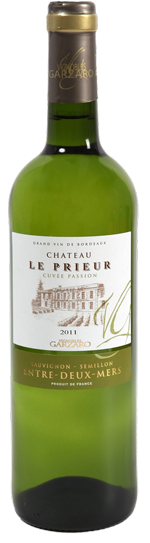
Chateau Le Prieur Cuvée Passion

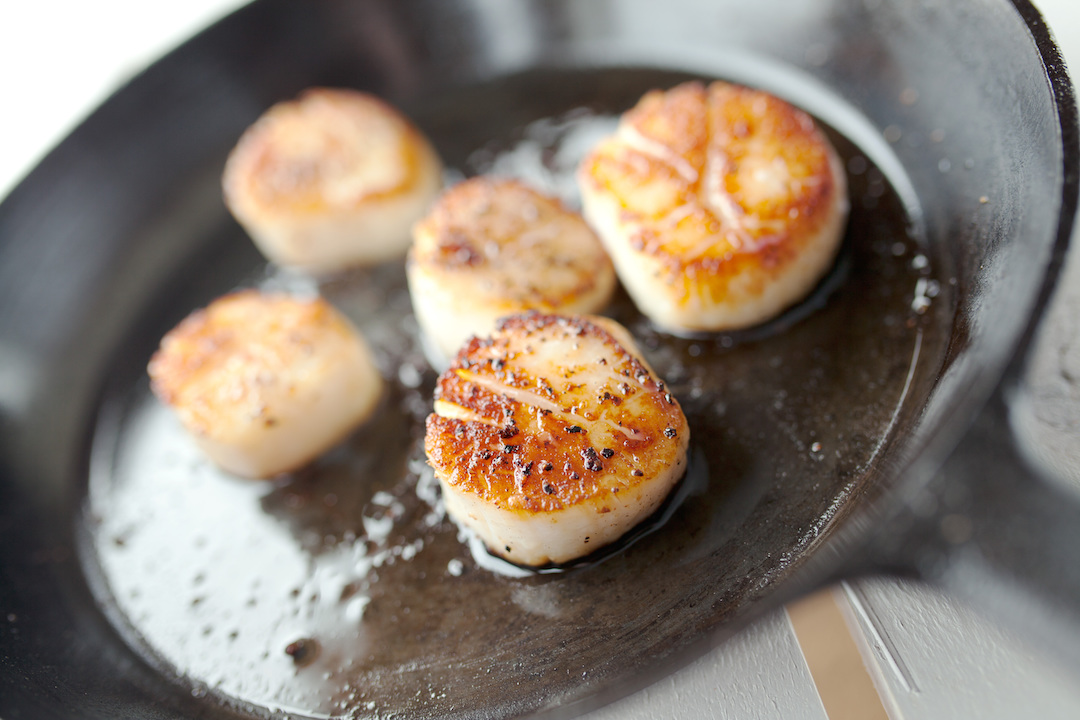
Seared,Scallops,In,Cast,Iron,PanSeared Scallops

INGREDIENTS:

  • 1 ½ lbs sea scallops*
  • salt and pepper
  • 1 tablespoon butter
  • ½ tablespoon olive oil
  • garlic butter for serving (optional— in recipe notes)

DIRECTIONS:

  1. Pat scallops thoroughly dry all over with paper towels. (If necessary, remove the small side muscle from the scallops.) Season them with salt and pepper.
  2. Heat a large skillet over high heat. Add oil and butter. Once hot, add the scallops, spacing them apart so they’re not touching. The oil in the pan should be hot enough that the scallops gently sizzle when added.
  3. Cook for 2 minutes (without touching them), until a golden crust forms on the bottom.
  4. Reduce heat to medium high. Gently flip to the other side and cook for another 1-2 minutes, until golden on bottom and translucent/opaque on the sides.
  5. Scallops cook very quickly, usually in less than 5 minutes, so use the touch test to check for doneness; if they’re done; they should feel firm, with a little bit of bounce.  Err on the side of undercooking them, as you can always add them back the pan to cook longer, if needed. Keep in mind they will continue to cook a little as they rest.
  6. Garlic Butter Sauce: Remove cooked scallops from the pan. Add 2 tablespoons butter, scraping any browned bits from the bottom of the pan.
  7. Add 3-4 cloves garlic, juice from half a lemon, and ¼ cup white wine, chicken or vegetable broth. Cook for 2 minutes.
  8. Serve sauce over scallops. Garnish with fresh chopped parsley, if desired.

© Recipe courtesy of Lauren Allen of Tastes Better from Scratch.

JANUARY WINE CLUB:

Crisp Wine StyleLe-Prieur-Blanc-bottleVignobles Garzaro
Château Le Prieur
Cuvée Passion

Entre-Deux-Mers, Bordeaux, France

CRISP WINE STYLE

Beautiful color with a pale yellow reflection. This wine has a complex nose combining an elegant sappy character and notes of very ripe Sauvignon. The palate is ample, dominated by the exotic mango-citrus character of the Sauvignon, and the fatness of the Sémillon. Enjoy now or over the next four years.

Varietal: Sauvignon Blanc and Gris, Sémillon, and Muscadelle
Analysis:
12-12.5% alcohol / volume
Soil: Chalky Clay
Harvest: By machine, allowing the grapes to be picked when fully ripe.
Aging:
Short, the wine is bottled after fining within six months of being harvested

Wine Making Techniques: The grapes are pressed immediately after being picked and the juice ferments in vats in the traditional way. Temperatures are regulated between 64.4-68ºF to slow fermentation down and extract as many aromas as possible.
Serving: Ideal with fine seafood such as scallops, lobster and other fish dishes.

ABOUT THE WINERY:
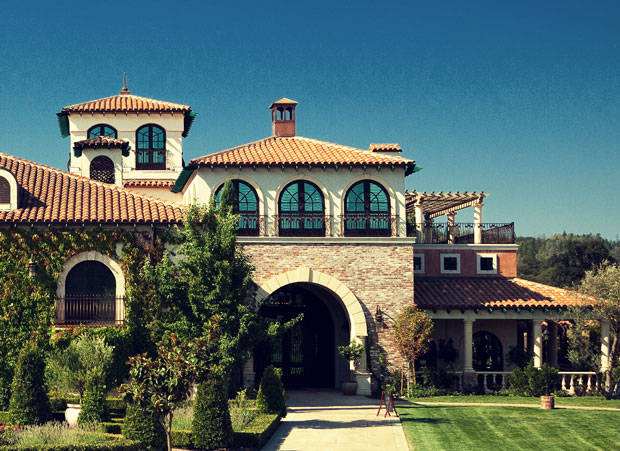
Located along clay-limestone slopes where the vineyard flourishes, Château Le Prieur was acquired in 1912 by the Garzaro Family. Today, Pierre-Etienne and Jean-David Garzaro manage the 60 hectors located in Baron in Entre-Deux-Mers, as well as 10 hectares spread over the most prestigious Bordeaux appellations. Their wines are made from exceptionally high-quality grapes and are regularly awarded in various national and international competitions. Learn more about the company here. >

Information © Vignobles Garzaro – All Rights Reserved.


Wine club logoJoin our WINE CLUB and enjoy these amazing wines and pairing recipes each month. Plus, you’ll receive 10% off all retail wine purchases!
Learn about our Memberships >


January Wine Club Pairing Recipe

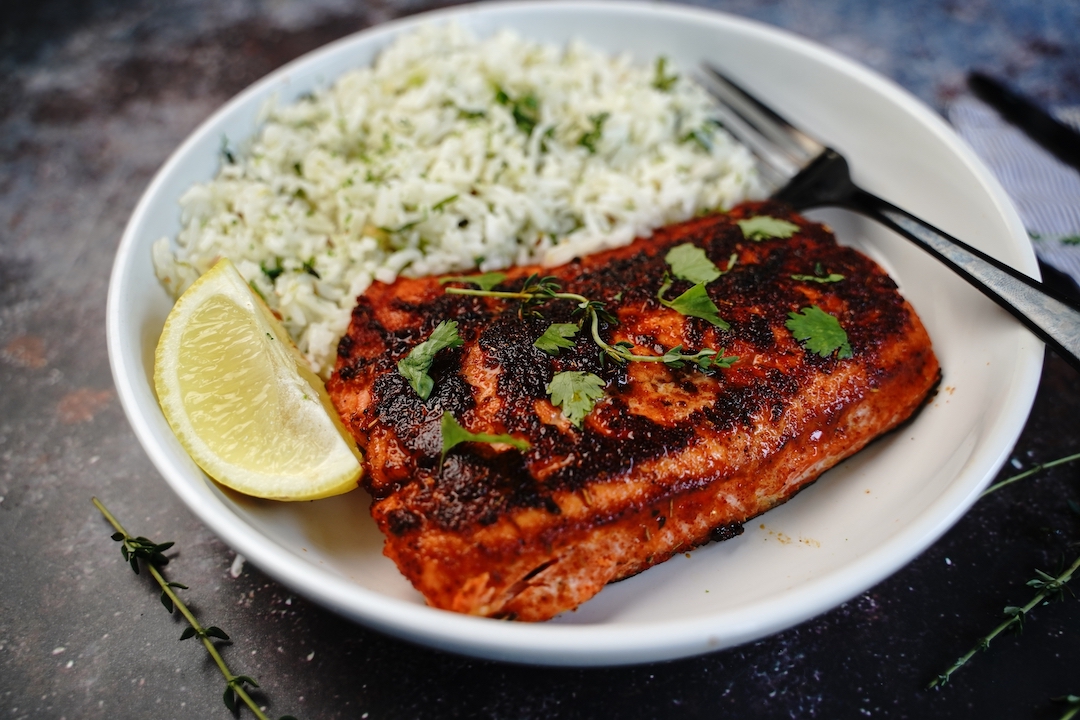
Homemade,Blackened,Salmon,Served,With,Cilantro,Lime,RiceBlackened Salmon

INGREDIENTS:

  • 4 6-ounce salmon fillet portions skin-on
  • 1 tablespoon paprika
  • 1 teaspoon light or dark brown sugar
  • 1 teaspoon kosher salt
  • ¾ teaspoon onion powder
  • ¾ teaspoon garlic powder
  • ½ teaspoon cayenne pepper
  • ½ teaspoon dried oregano
  • ½ teaspoon dried thyme
  • 2 tablespoons unsalted butter

DIRECTIONS:

  1. Place the salmon on a large plate, flesh-side up, and pat dry.
  2. In a small bowl, stir together the paprika, brown sugar, salt, onion powder, garlic powder, cayenne, thyme and oregano.
  3. In a separate small bowl, melt the butter. Brush the butter over the flesh-side of the salmon fillets, then sprinkle the flesh sides evenly with the spice mixture. Lightly pat the spices to adhere as needed.
  4. Heat a large cast iron skillet or similar heavy-bottomed pan over medium heat (no need to add oil). Turn on the exhaust fan and open a window if things start to get smoky. Once the pan is completely hot (a droplet of water should dance on its surface), working quickly but gently, add the salmon fillets, one at a time, flesh-side down. Cook for 2 to 3 minutes without disturbing the fillets, until the surface is blackened (peek as little as possible so that the salmon gets a nice dark color), then carefully turn each piece of salmon over.
  5. Continue cooking over medium heat, until the skin becomes crispy, and the fish is fully cooked through, about 5 to 6 additional minutes depending upon the thickness of your fillets. The fish should reach 145°F on an instant read thermometer and flake easily with a fork at its thickest part.
  6. Squeeze lemon over the salmon, then transfer the fillets to serving plates. Serve immediately with a sprinkle of fresh thyme and additional lemon wedges.

© Recipe courtesy of Well Plated by Erin Clarke.

JANUARY WINE CLUB:

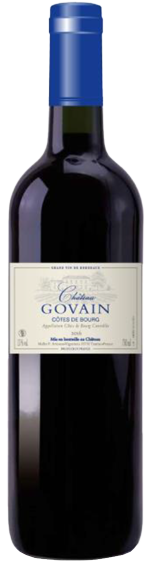
Mellow style logoChateau-Govain-bottleChateau Govain
Merlot
Côtes de Bourg, France

MELLOW WINE STYLE

Aged in vats, this dry, red wine expresses balance and fruitiness when very young. Its freshness charms lovers of young wine who above all seek conviviality among friends. Drink now, or lay down for 2 or 3 years.

Varietal: 90% Merlot, 10% Cabernet Sauvignon
Analysis:
13.00% alcohol / volume
pH: 3.58
Appellation: Côtes de Bourg
Winemaker: Hugues Mallet is in charge of the production in the vineyard and in the cellar

WINERY NOTES:

In the Vineyard: Côtes de Bourg region was liked by the Romans so much they established vineyards on the pretty limestone hillsides (côtes in French) and shipped wine via the river from the port town of Bourg.  Chateau Govain is a little clos of just 4 hectares on a clay and majority of limestone soil located on the first hill above the river. The winery grows grass between the rows, creating competition for the plants. The average age of the vines is 25 years old and the winery de-leafs on the east side in July.

About the Harvest: To limit the yield, the winery will green harvest when it is necessary. The grapes are picked by a mechanical harvester with a de-stemmer integrated on the machine. The berries are sorted manually on a sorting table.

In the Cellar: Traditional vinification is used. The alcoholic fermentation is done in stainless steel vats with control of temperature and the malolactic fermentation. Maceration is for about 10 to 15 days. Aging is completed in vats and bottled frequently to keep its freshness.

Information © Chateau Govain – All Rights Reserved.


Wine club logoJoin our WINE CLUB and enjoy these amazing wines and pairing recipes each month. Plus, you’ll receive 10% off all retail wine purchases!

Learn about our Memberships >


Winery Spotlight Series: January 11, 2023

Brassfield Estate Winery

Brassfield Estate Winery

Brassfield Estate Winery
with Guest Speaker, Jonathan Walters
Clearlake Oaks, California

Wednesday, January 11, 2023
6:00pm CST / 7:00pm EST

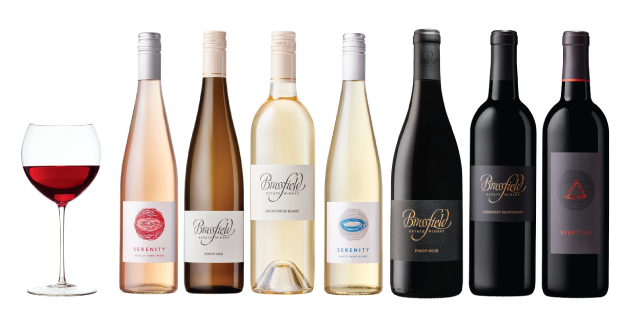
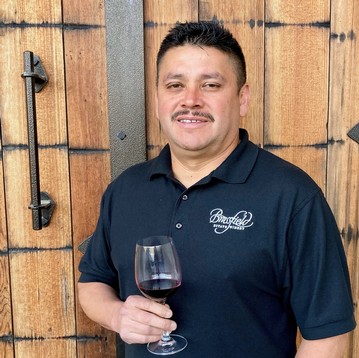
Join us for a wine tasting event featuring Brassfield Estate wines with guest speaker Jonathan Walters, General Manager/Vineyard Manager of Brassfield Estate Winery. He will be joining us LIVE on the big screen sharing the seven wines below.

Wines Tasted:

  1. Serenity Rosé Pinot Noir
  2. Brassfield Pinot Gris
  3. Brassfield Sauvignon Blanc
  4. Serenity Proprietary White Blend
  5. Brassfield Pinot Noir
  6. Brassfield Cabernet Sauvignon
  7. Eruption Proprietary Red Blend

To reserve a table and attend the wine tasting in person, please contact your local participating WineStyles store. Or, if you prefer to attend remotely, pre-order a wine tasting kit to-go from your local participating store and watch/taste along with us on Zoom!

Jan11_Brassfield_bottles

About Brassfield Estate Winery:
© Winemaker, Carlos Valadez of Brassfield Estate Winery

Winemaker, Carlos Valadez

The wines of Brassfield Estate Winery reflect the distinctness of diversity and their sites – from the elevated valley floor of High Serenity Ranch to the unique intensity of Volcano Ridge Vineyard. Handcrafted by Brassfield’s winemaking team, with a focus on sustainable farming, classic techniques, and purity of flavor results in fruit-driven, balanced, and delicious wines. Their winemaker, Carlos Valadez, has generational roots at Brassfield and is focused on sustainable viticulture practices and classic winemaking techniques. Learn more about their story here.

About Jonathan Walters, Vineyard & General Manager:
© Jonathan Walters, General Manager of Brassfield Estate

Jonathan Walters, GM/Vineyard Manager

Jonathan spent many years honing in on his hospitality and management skills before joining the Brassfield Estate Management team in 2014. While studying Agronomy and Horticulture at Texas A&M, Jonathan had the privilege to work at many different fine dining establishments as well as the George H. W. Bush Presidential Library. After graduation, Jonathan arrived in Lake County in 2009 and quickly became involved in many aspects of the wine community. Before starting his career with Brassfield Estate, he worked for Robinson Lake Vineyards and sat on the Executive Board of both Lake County Wine Grape Commission and the Lake County Winery Association. Learn more about Jonathan and the Brassfield team here.

Photos and information © Brassfield Estate Winery – All Rights Reserved.


Let’s Taste, Learn and Enjoy® together
Contact your local participating WineStyles to RSVP for this tasting event.
Winery Spotlight Wine Tasting with Jonathan Walters
Brassfield Estate Winery
Wednesday, January 11, 2023
6:00pm CST/ 7:00pm EST
Cheers!
WineStyles.com
 

December Cheese Club: Iowa

Cheese ClubHeader_Siegel_Antique_Langruti_1400x600Lustenberger & Dürst: LeSuperbe Antique Langrüti 1862 Gruyère AOP Switzerland

Aged for 12+ months, this Alpine cheese is highly aromatic and full-bodied with plenty of character. The texture and mouthfeel are rich, granular, and firm with a crystalline tyrosine formation. As for the flavor, it is meaty and earthy with notes of caramel and pear, with a lingering finish. The Antique Gruyère received the highest rating from Luercher & Co.’s evaluation panel. WINE & CRAFT BEER PAIRINGS: This cheese pairs beautifully with a rich white such as a domestic Chardonnay or an off-dry Gewürztraminer. A Red Bordeaux will play up on the earthy qualities in the cheese, while an Oloroso Sherry, Tawny Port or Bourbon will bring out its sweeter, caramel notes. For beer, look for a Belgian Dubbel Ale or a Bock beer, such as our December Beer Club selection.  WINESTYLES: Rich, Mellow or Nectar BEERSTYLES: Malty & Sweet or Fruity & Spicy ABOUT LUSTENBERGER + DÜRST: For over 160 years, Lustenberger & Dürst and their LeSuperbe brand have valued and upheld the fine art of Swiss cheese-making. This dedication to excellence is one of the reasons why they are still one of the oldest cheese maturing companies in Switzerland. Cheese specialties are produced exclusively for Lustenberger & Dürst by partner cheese dairies and are carefully matured in their aging cellars in Central or Western Switzerland. More than 8,100 tons of cheeses are produced annually – with exports to over 40 different countries worldwide – all while maintaining sustainable and environmentally friendly practices. To learn more about the company, click here.

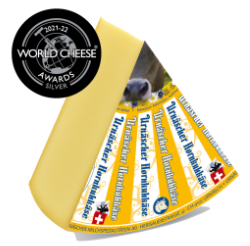
Urnaescher-Kaese_Hornkuhkaese1Urnäscher Käse Hornkuhkäse Urnäsch, Switzerland

Made from horned Appenzell cows milk, the Hornkuhkäse is a six to eight-month-ripened whole milk cheese made in a small town of Urnäsch, Switzerland. Here, it is tradition for almost all cows to still have their horns (as opposed to the 20% in other Swiss agriculture). All milk suppliers for Urnäscher Käse are proud keepers of these horned cows; they take good care of them, and it shows. This cheese showcases flavors of a true Alpine cheese, its high fat content and its long maturing period allow the cheese to be pleasantly nutty, aromatic, roasted, creamy, slightly spicy and sharp in taste. The texture is creamy and velvety smooth, melting in your mouth.  AWARDS:
  • 2018 – Diploma at the Swiss Cheese Awards
  • 2021-2022 – Silver at the World Cheese Awards in Spain
  • 2016 – Vice World Champion at the World Championship Cheese Contest
WINE & CRAFT BEER PAIRINGS: Pair with a Riesling or a fruity red variety, such as a Pinot Noir or a Rhone. As for beer, look for a hard cider to complement this cheese!  WINESTYLES: Crisp, Silky or Fruity BEERSTYLES: Fruity & Spicy ABOUT URNÄSCHER KÄSE: Founded in 2007 by 37 farming families from Urnäsch and the surrounding area, the team’s mission was to process and market their milk themselves to preserve as much added value as possible in the Urnäsch region. Today, the company maintains their customs and are proud to produce and sell typical Appenzell milk and cheese specialties made from almost 100% local milk from horned cows. Learn more about their story here. Information, Photos & Videos © Lustenberger & Dürst, LeSuperbe, Urnäscher Käse, and Zuercher & Co. – All Rights Reserved.

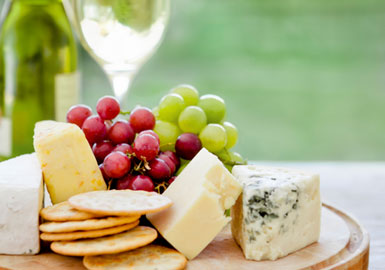
Cheese_springDon’t let your Wine Club go home alone! Join our Cheese Club and bring home a match made in heaven!

If you enjoy pairing cheese with wine, this is your club!  Each month you’ll discover specialty and artisan cheeses to pair with your Wine Club. Monthly cheese selections are chosen by your local WineStyles participating location. It’s the perfect opportunity to Taste, Learn and Enjoy® amazing artisan cheese every month! Only $19.99/month and your wine won’t be lonely!  Click to learn more >

December Beer Club: Iowa

Ayinger Brewery

This month, our Beer Club members will enjoy two of Ayinger Brewery’s beers, plus an Ayinger branded glass! Learn more about our December Beer Club beers below.


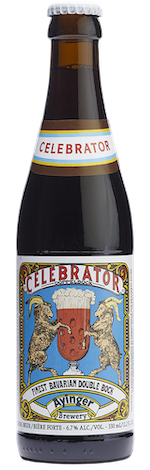
Ayinger_Celebrator_330_bottle_website_2022Ayinger Brewery
Celebrator
Doppelbock Lager
Aying, Bavaria, Germany

A rich, dark elixir with cascading layers of malt complexity balanced by elegant hops. There are notes of toffee, caramel, graceful dark-malty roasts, and the essence of barley. Lager fermentation leads to clean flavors and pinpoint conditioning. Semi-dry finish.

ABV: 6.7% alcohol / volume
Style: Doppelbock Lager
OG: 1.074

IBU: 24
Beer Style at WineStyles: Malty
Rating: 100 points on Rate Beer
Serving Suggestion: Serve in a stemmed tumbler at 50ºF. Pair with pastries and desserts, cured ham, smoked duck, wild turkey, filet with Dijon sauce, chanterelles, Tournedos Rossini, Châteubriand.

HISTORY:
Doppelbocks (“double bocks”) were probably first brewed in the 17th century by monks in Bavaria – a stronger version of bock beers that originated in Einbeck, Germany. Doppelbocks are usually rich, malty lagers; usually dark-colored; the names often end with the suffix “-ator.” Ayinger Celebrator has probably changed little from the doppelbock first brewed at Ayinger in 1878; Ayinger’s doppelbock was once called “Fortunator” but this global classic is called “Celebrator” around the world now. – Ayinger Brewery


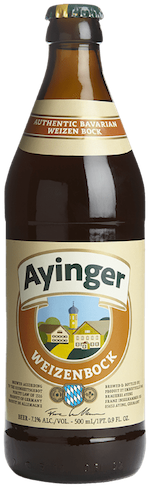
weizenbock-1Ayinger Brewery
Weizenbock
Aying, Bavaria, Germany

This beer has a classic Bavarian weissebeer aroma with notes of spice and cloves. It has a smooth body from the wheat that is extravagant, with pinpoint conditioning. The flavor offers the essence of the wheat harvest, and fresh-baked bread. The finish has hints of tropical fruit, cloves and banana.

ABV: 7.1% alcohol / volume
Style: Wheat Bock
OG: 1.067

IBU: 10
Beer Style at WineStyles: Fruity & Spicy
Rating: 97 points on Rate Beer
Serving Suggestion: Serve in the classic Ayinger 17-ounce “weizen swirl” glass, or an oversized wine glass. Pair with hearty German cuisine such as smoked pork chops, sauerkraut and sausages, and full-flavored game or duck. Additionally, this Weizenbock can pair beautifully with spicy Mexican or Indian cuisine, or something sweet such as an apple strudel for dessert.

HISTORY:
The weizen-bock style is relatively uncommon, even in Bavaria: they are wheat ales (weissebeer or weizen beer) that are brewed to be as strong as a bock – with corresponding fuller body, and enhanced flavors. They can be pale (“helles”) or dark (“dunkles”), but Ayinger Weizenbock is pale in color. – Ayinger Brewery

ABOUT AYINGER BREWERY:
The award-winning, family-owned brewery, Ayinger Brewery (or, Privatbrauerei Aying for German speakers) was founded in 1878 near the Alps in a 1200-year-old Bavarian village of Aying, Germany. The brewery combines their rich brewing heritage, with ingredients sourced from surrounding farms, with high-tech automation to ensure sustainable practices. They are famous for their full range of award-winning Bavarian specialty beers. Check them out on Untappd, or learn more about their company here.

Photos and information © Ayinger Brewery – All Rights Reserved.


Untappd

Follow WineStyles on Untappd


Don’t forget to follow your local WineStyles on the Untappd app and tag us when enjoying your Brew!

LEARN MORE ABOUT OUR BEER CLUB >


December Bubbly Club Iowa

Bubbly Wine ClubPhilippe Fontaine Champagne RosePhilippe Fontaine Champagne
Champagne Brut Rosé de Saignée NV
Champagne, France

BUBBLY WINE STYLE

Markedly different from the oceans of light and fruity rosé Champagne out there.  Grower Champagne producer Philippe Fontaine harnesses the powers of the Aube’s clay soils and the saignée method to deliver a powerful, deep auburn colored bubbly that’s cause for rethinking the possibilities of pink fizz. Similar in structure to the Rosé des Riceys – for which the region is famous – its ducky, earthy red and black fruit carries an undercurrent of savory and even meaty flavors that gird the full palate and give the drinker something to contemplate as well as enjoy. Tight perlage lightens things to an utterly balanced whole, accentuating stunning depth and complexity.

Varieties: 50% Pinot Noir, 50% Pinot Meunier
Analysis:
12% alcohol / volume
Terroir: Balnot sur Laignes and Les Riceys: 30 year old vines and marly soils from the superior Jurassic era
Elevation:
590 feet
Farming:
Sustainable farming
Aging:
36 months sur latte
Bottled:
At the estate, minimum 3 months before release
Food Pairing: Pair with a juicy bone-in ribeye, roasted game, smoked salmon, ripe Époisses, or the Panna Cotta and Raspberry Coulis from JPB Culinary Labs.

ABOUT PHILIPPE FONTAINE:
Located in Balnot-sur-Laignes in the Côtes des Bar region, Champagne Philippe Fontaine is all about history of family and tradition.  The Fontaine family has indeed been cultivating their land for centuries.  Nowadays, Philippe, his daughter Salomé, and her husband Louis-Antoine run the estate.  Most of the vineyards are located in the prestigious Les Riceys part of the region.  All of Philippe Fontaine Champagnes are handcrafted at the estate, small production, sustainably farmed, and represent a tremendous value in the Grower Champagne category. Learn more here.

Panna Cotta dessert dish

Panna cotta and raspberry coulis

Information and Photos ©  Philippe Fontaine and JP-Bourgeois – All Rights Reserved.


Bubbly Wine ClubLearn more about our Bubbly Club >


Aresca Dolcetto di Ovada DOC

Ragu bolognese PastaPasta with Marcella’s Bolognese Sauce

INGREDIENTS:

  • 1 tablespoon vegetable oil
  • 3 tablespoons butter, plus 1 tablespoon for tossing the pasta
  • ½ cup chopped onions
  • cup chopped celery
  • cup chopped carrots
  • ¾ pound ground beef chuck (or you can use 1 part pork to 2 parts beef)
  • salt
  • black pepper, ground fresh from the mill
  • 1 cup whole milk
  • whole nutmeg
  • 1 cup dry white wine
  • cups canned imported Italian plum tomatoes, cut up, with their juice
  • 1 ¼ to 1 ½ pounds pasta
  • freshly grated Parmigiano-Reggiano cheese at the table

DIRECTIONS:

  1. Put the oil, butter and chopped onion in the pot and turn the heat on to medium. Cook and stir the onion until it has become translucent, then add the chopped celery and carrot. Cook for about 2 minutes, stirring vegetables to coat them well.
  2. Add ground beef, a large pinch of salt and a few grindings of pepper. Crumble the meat with a fork, stir well and cook until the beef has lost its raw, red color.
  3. Add milk and let it simmer gently, stirring frequently, until it has bubbled away completely. Add a tiny grating — about ⅛ teaspoon — of nutmeg, and stir.
  4. Add the wine, let it simmer until it has evaporated, then add the tomatoes and stir thoroughly to coat all ingredients well. When the tomatoes begin to bubble, turn the heat down so that the sauce cooks at the laziest of simmers, with just an intermittent bubble breaking through to the surface. Cook, uncovered, for 3 hours or more, stirring from time to time. While the sauce is cooking, you are likely to find that it begins to dry out and the fat separates from the meat. To keep it from sticking, add ½ cup of water whenever necessary. At the end, however, no water at all must be left and the fat must separate from the sauce. Taste and correct for salt.
  5. Toss with cooked drained pasta, adding the tablespoon of butter, and serve with freshly grated Parmesan on the side.

© Recipe courtesy of Marcella Hazan on New York Time’s Cooking.

DECEMBER WINE CLUB:

Mellow style logoAresca Dolcetto di Ovada DOC wine bottleFratelli Aresca
Dolcetto di Ovada DOC
Piedmont, Italy

MELLOW WINE STYLE

Ruby red in color with a very fruity nose and taste with hints of plums and raspberry.

Varietal: 100% Dolcetto
Analysis:
12.5-13% alcohol / volume
Vineyard: Located in Monferrato area with a yield of 8 tons/hectare. Manual harvest.
Winemaking: Temperature-controlled alcoholic fermentation with short maceration on skins. Then aging in steel tanks for at least 6 months.
Pairing: Ideal with delicate dishes such as pasta and soup.

WINERY’S NOTES:
Dolcetto di Ovada is a fruity red wine with a dry lingering aftertaste. It is smooth and balanced with a touch of spiciness. It is the perfect everyday red wine.

ABOUT THE WINERY:
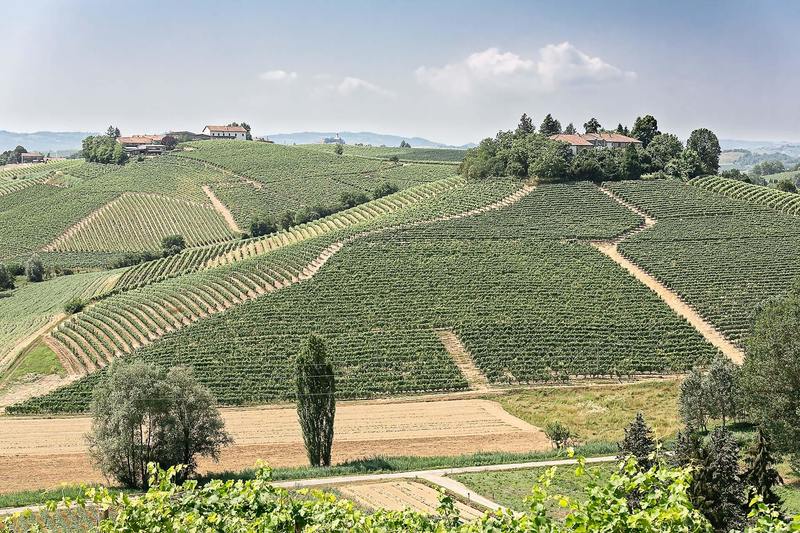
Located between Langhe-Roero and Monferrato, in a unique land recognized by UNESCO as a World Heritage Site, the vineyards are cultivated with respect to the traditions of these ancient lands and the uniqueness of the terrior. Learn more here. >

Photos and information © Fratelli Aresca – All Rights Reserved.


Wine club logoJoin our WINE CLUB and enjoy these amazing wines and pairing recipes each month. Plus, you’ll receive 10% off all retail wine purchases!

Learn More >


Aresca Cortese dell’Alto Monferrato DOC

Pan_Fried_Fish_with_Lemon_and_Basil_Butter_SaucePerfect Pan Fried Fish in Basil Lemon Butter Sauce
INGREDIENTS:

  • 1 ½ pounds cod, tilapia, rockfish, or any other white fish you like
  • ¾ teaspoon garlic salt (or ½ teaspoon salt + ¼ teaspoon garlic powder
  • ⅓ cup flour
  • ¼ cup olive oil
  • 4 cloves minced garlic
  • pinch of red pepper flakes
  • 3/4 cup low sodium chicken stock
  • 4 tablespoons cold butter, cut into 16 cubes
  • 3 tablespoons each: fresh lemon juice and fresh chopped basil, for finishing the sauce

DIRECTIONS:

  1. SEASON: To get the best crisp on the fish, pat both sides of the fish with paper towels until dry. Season the fish with a small pinch of salt, making sure to flip and salt both sides. Place the flour in a shallow dish and season with garlic salt. Whisk to combine. Dredge the fish in the flour, making sure to coat both sides. Make sure to shake off excess flour.
  2. FRY: Add the olive oil to the pan over medium heat and allow for it to heat through. When hot, fry the fish for 3-4 minutes flipping halfway. Depending on the thickness, you might need to cook the fish for longer until it’s cooked through. Remove the fish to a plate and set aside.
  3. SAUCE: There should only be about a tablespoon of oil remaining. If there is more, drain all but a tablespoon from the pan. Add the garlic into the skillet and fry in the oil for just 15 seconds. Add in a pinch of red pepper flakes, chicken stock, and lemon. Kick the heat to the highest setting, allow the sauce to reach simmer then reduce the sauce for 2 minutes. Lower the heat to the lowest setting, then add in two small cubes of butter and allow it to melt into the sauce slowly while you stir or swirl the pan with the handle. Continue adding two small cubes of butter at a time until all the butter is used up. Take your time here, don’t rush this. Add in chopped basil and stir to combine. Plate the fish with cooked rice or roasted vegetables and top with basil lemon butter sauce!

© Recipe courtesy of Little Spice Jar.

DECEMBER WINE CLUB:

Crisp Wine StyleAresca Cortese wine bottleFratelli Aresca
Cortese Dell’Alto Monferrato DOC
Piedmont, Italy

CRISP WINE STYLE

This light straw-yellow wine with green reflexes has a personal aroma of flowers and fruits with hints of apple and pear. The taste is fresh, dry and savory. 

Varietal: 100% Cortese
Analysis:
11.5-12% alcohol / volume
Vineyards: Located in Monferrato area. Manual harvest.
Winemaking: The hand-picked grapes are soft-pressed and then follows temperature-controlled alcoholic fermentation. Aged on the lees for 3 months in steel tanks.
Pairing: Ideal with sea food, fish and as aperitif

WINEMAKER’S NOTES
Cortese is one of the most cultivated vine variety in Piedmont. It has a delicate bouquet hinting at green apple and exotic fruity. The taste is fresh with notes of pear and peach. It pairs well with fish-based dishes.

ABOUT THE WINERY:
Located between Langhe-Roero and Monferrato, in a unique land recognized by UNESCO as a World Heritage Site, the vineyards are cultivated with respect to the traditions of these ancient lands and the uniqueness of the terroir. Learn more here. >

Information © Fratelli Aresca – All Rights Reserved.


Wine club logoJoin our WINE CLUB and enjoy these amazing wines and pairing recipes each month. Plus, you’ll receive 10% off all retail wine purchases!

Learn about our Memberships >


December Wine Club Pairing Recipe

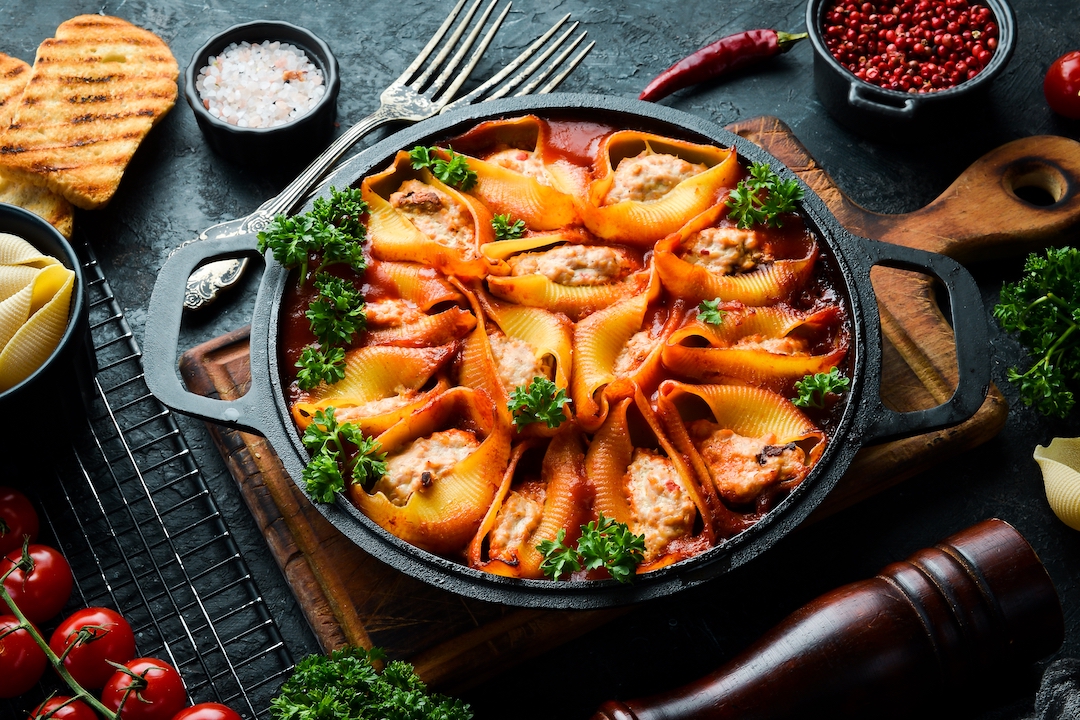
Stuffed_Pasta_Shells_meat_and_cheeseThe Best Stuffed Pasta Shells

INGREDIENTS:

  • 1 (12 ounce) box jumbo pasta shells
  • 1 lb. ground beef (or substitute with ground turkey, ground Italian sausage, or ground chicken)
  • 1 cup chopped onion
  • 2 cups shredded Italian blend cheese, divided (or substitute with shredded mozzarella cheese)
  • 1 (15 ounce) container ricotta cheese
  • ½ cup grated Parmesan cheese
  • 1 egg
  • ¼ cup pesto
  • 1 (24 ounce) jar marinara sauce
  • optional garnish: chopped fresh parsley or basil

DIRECTIONS:

  1. Preheat oven to 350°F.
  2. Cook pasta shells in a large pot of salted boiling water according to package instructions. Drain; rinse under cold water.
  3. Meanwhile, brown ground beef and onion in a large skillet over medium-high heat. Drain off fat; let cool slightly before adding to the filling.
  4. Combine 1 ½ cups of the shredded Italian blend cheese, all of the ricotta cheese, all of the Parmesan cheese, the egg, the pesto, and half of the beef and onion mixture in a large bowl. Set aside.
  5. Spread ¾ cup of the marinara sauce in the bottom of a 13 x 9-inch baking dish. In a bowl, stir together the remaining marinara sauce and the remaining half of the beef and onion mixture. Set aside.
  6. Fill the cooked, cooled pasta shells with the ricotta mixture. Arrange the shells in the baking dish.
  7. Top the shells with the marinara sauce mixture. Sprinkle the remaining ½ cup of Italian cheese blend over top.
  8. Cover the dish with foil. Bake for 30 minutes. Remove the cover and bake for 10 more minutes. Garnish with fresh parsley or basil, if desired. Serve!

© Recipe courtesy of Blair Lonergan of The Seasoned Mom.

DECEMBER WINE CLUB:

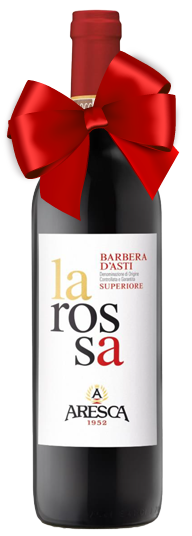
Mellow style logoAresca Barbera La Rossa red wineFratelli Aresca
Superiore “La Rossa”
Barbera d’Asti DOCG

Piedmont, Italy

MELLOW WINE STYLE

A complex and intense nose with notes of cherry and currant. It has a full-bodied taste with notes of fresh and mature red fruit such as cherry, raspberry and an elegant finish of vanilla.

Varietal: 100% Barbera
Analysis:
14% alcohol / volume
Vineyards: Located in Monferrato-Asti area with south-exposition, guyot training system, grape-yield of 9 tons/hectare max, manual harvest
Winemaking: Temperature-controlled alcoholic fermentation and maceration on skins for 12-15 days. Maturation in wooden casks for 7/8 months and for 6 months in bottle before sale.
Pairing: Ideal with stuffed pasta, red meat, roast and cheese.

WINERY NOTES:
‘La Rossa’ (meaning “the red one”) is an Italian synonymous of Barbera because it evokes its intense red color. The grapes are selected from the vest vineyards located in Monferrato-Asti area. The wine ages in wooden casks for at least 7-8 months. La Rossa is a complex red wine, idea for hearty meals.

ABOUT THE WINERY:
Located between Langhe-Roero and Monferrato, in a unique land recognized by UNESCO as a World Heritage Site. The vineyards are cultivated with respect to the traditions of these ancient lands and the uniqueness of the territory. Learn more here. >

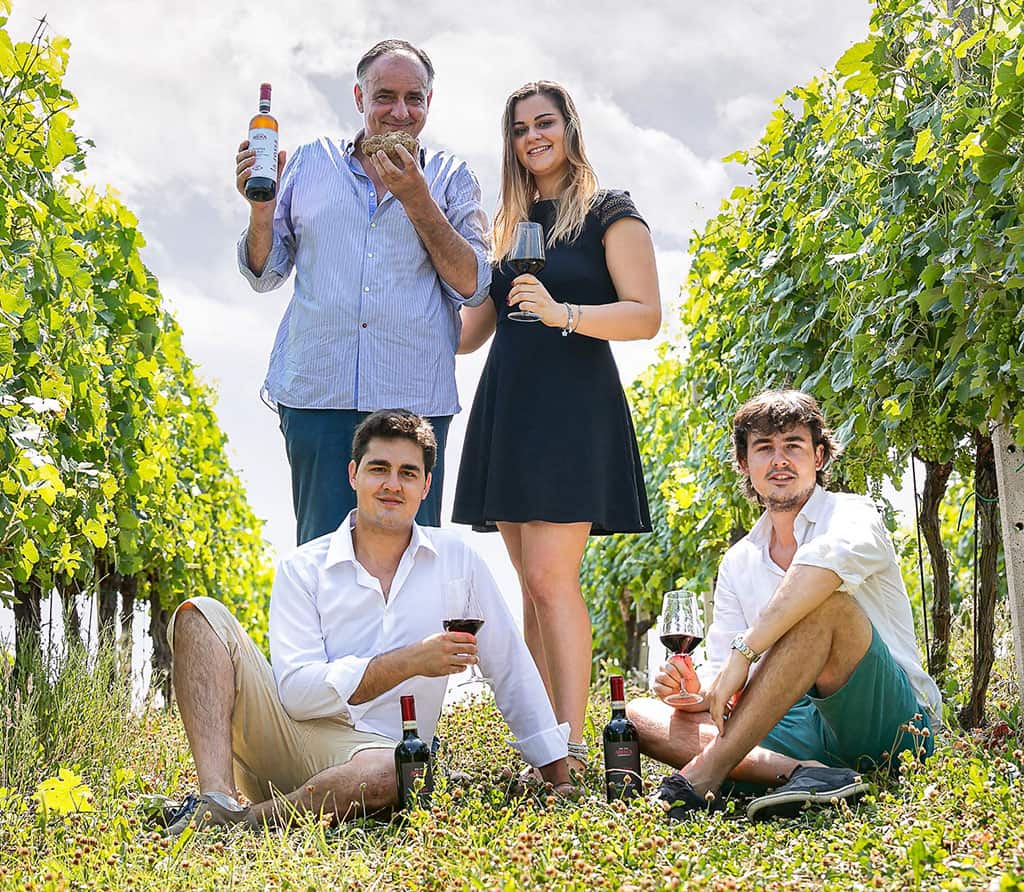
Aresca Family

Information and photo © Fratelli Aresca – All Rights Reserved.


Wine club logoJoin our WINE CLUB and enjoy these amazing wines and pairing recipes each month. Plus, you’ll receive 10% off all retail wine purchases!

Learn about our Memberships >


December Sweet Club: Iowa

Sweet Wine ClubChocolate bar wine bottleSan Antonio Winery
Chocolate Bar Chocolate Port
California

NECTAR WINE STYLE

This full-flavored chocolate port was hand crafted for those who love two of the best delights in the world: chocolate and port. Designed for the aficionados of dessert wine and rich chocolate, this port-style wine is a very sophisticated infusion. Enjoy this wine after dinner with dried fruits, nuts, and all types of chocolate.

Analysis: 18% alcohol / volume
Residual Sugar: 70 g/L

Food Pairing Recommendations: Try it with dried apricots and cherries, chocolate-covered strawberries, pecan pie or anything chocolate. 

ABOUT SAN ANTONIO WINERY:
With over 100 years of winemaking, San Antonio Winery is the oldest and largest producing winery in Los Angeles – making it an essential component of the city’s cultural and historical landscape. The winery still sits on its original location on Lamar Street, and it is the last vestige of the rich winemaking tradition in greater Los Angeles. Learn more about the winery here.

Photos, Videos and Information © San Antonio Winery – All Rights Reserved.


Stella Rosa Cranberry wine bottleStella Rosa®️ Wines
Cranberry
Piedmont, Italy

NECTAR WINE STYLE

A little tart and a little tangy, it can’t get better than that! This refreshing wine reveals a vibrant blush color and is combined with the natural cranberry flavor. It is lively with the perfect blend of sweet and tangy. Give yourself a little boost in your day with this semi-sparkling wine. Serve with fresh fruit, cheese, spicy cuisine, and desserts.

Region: Piedmont, Italy
Analysis: 5% alcohol / volume

Food Pairing Recommendations: This flavor pairs wonderfully with roasted herb butter potatoes, honey glazed BBQ chicken, Arugula salad with apples and walnuts, brie and green apple grilled cheese or cranberry pie.

ABOUT STELLA ROSA:
It all started in 1917, when the Riboli family founded Los Angeles’ historic San Antonio Winery. Back then, Los Angeles was the prime location for wine growing in all of California. For some time, the wine industry reigned as one of Southern California’s most economically significant and popular industries of that time. After surviving Prohibition and about a century later, the Riboli family has continued its artisan winemaking tradition through four generations. From within the tasting rooms of San Antonio Winery, customers repeatedly requested a sweeter, light, refreshing wine. The Riboli family took this unique opportunity to create a new semi-sweet, semi-sparkling wine style, which today, they are a leader of. And so, Stella Rosa was born. Learn more here.

our-story-mapMADE AND IMPORTED FROM ITALY:
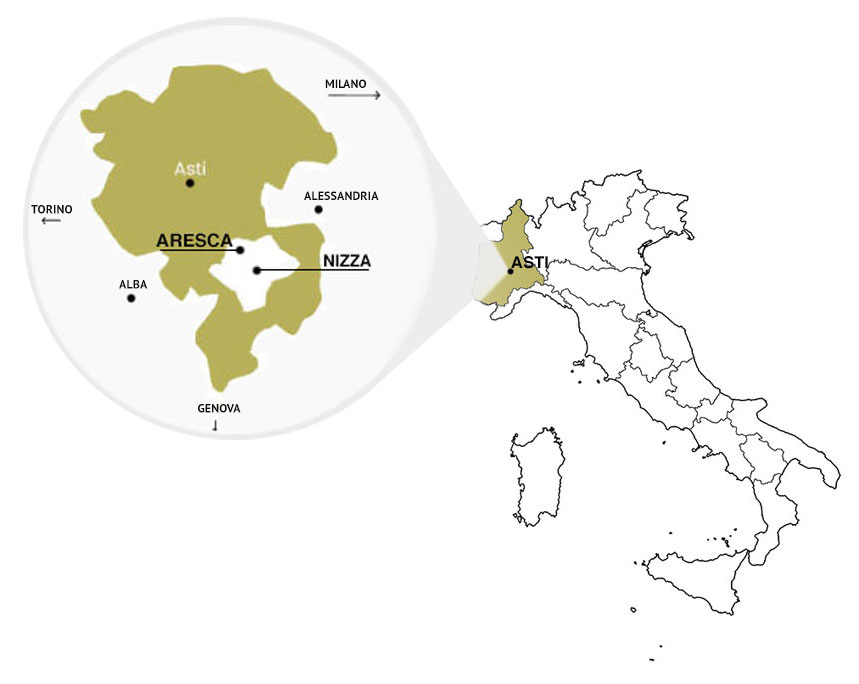
To create the Stella Rosa wines, their family chose the region of Asti, a province in Piedmont, Italy, as the source for its aromatic grapes. The area of Asti has particular significance to the Riboli family, as it is the birthplace of their family matriarch, Maddalena Riboli. Their first Stella Rosa wine was Moscato D’Asti, which has become a flagship of their line. Soon after, Stella Rosa Rosso was created – the brand’s first semi-sweet, semi-sparkling red wine blend, and first wine of its kind to be brought to America from Asti. The rapid phenomenal successes of these two wines began the lineage of Stella Rosa, which now boasts over 20 distinctive flavors.

WineStyles’ Wine and Cheese Pairing: These sweet wines from our ‘Nectar’ section will pair well with a soft cheese, such as a brie. Learn more about our wine and cheese pairings here.

Photos, Videos and Information © Stella Rosa Wines – All Rights Reserved.


Sweet ClubLove the Sweet life?
“Wine” not try our Sweet Club! 

Click here to learn more >