2025 Winery Spotlight Series: Chalk Hill Estate

Chalk-Hill-Estate-Logo-largeWinery Spotlight Wine Tasting
Chalk Hill Estate Vineyards & Winery
Sonoma County, California

Fall 2025

This fall, join us for a wine tasting event featuring Chalk Hill Estate wines from California. We will be sharing their five wines below. To reserve a spot and attend the wine tasting, please contact your local participating WineStyles store, or reserve your tickets on their local Eventbrite. We hope to see you there!

Spotlight_Chalk_Hill_Bottles_Only_blog

Wines Tasted:

  1. Chalk Hill Estate Bottled, Sauvignon Blanc, Chalk Hill Appellation
  2. Chalk Hill Chardonnay, Sonoma Coast Appellation
  3. Chalk Hill Estate Bottled, Chardonnay, Chalk Hill Appellation
  4. Chalk Hill Pinot Noir, Sonoma Coast Appellation
  5. Chalk Hill Estate Red, Chalk Hill Appellation
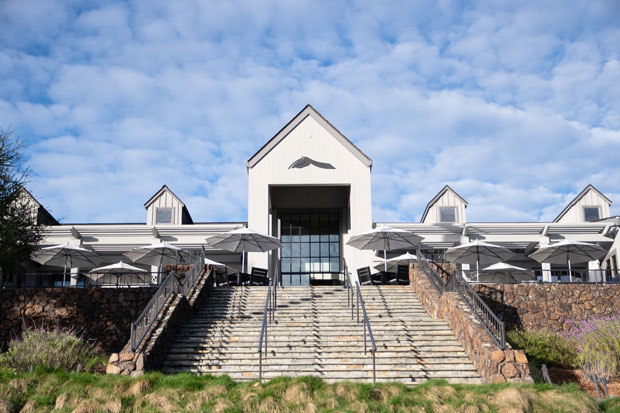
Chalk-Hill_winery_building_blog

About Chalk Hill Estate:
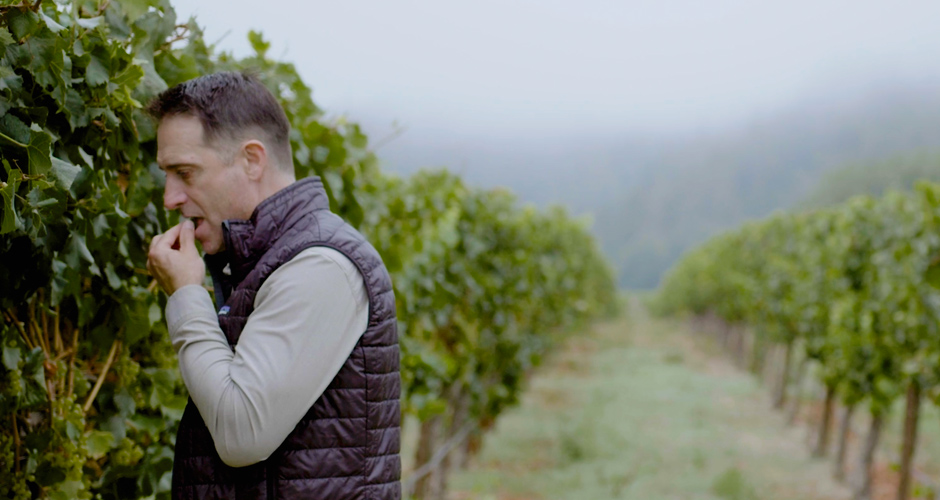
Founded in 1972 in the rolling hills of Sonoma County, Chalk Hill Winery lies within a small AVA which bears the same name; it is located at the convergence of three prominent AVA’s: Russian River Valley, Alexander and Knights, which offer a unique confluence of diverse meso-climates. With meticulous attention to detail, decades of clonal research, sustainable viticulture practices and a minimalist approach to winemaking, the Chalk Hill team is able to produce wines of character, richness and elegance. They are committed to creating terroir-drive wines from the diverse terrain of Sonoma County. Learn more here >
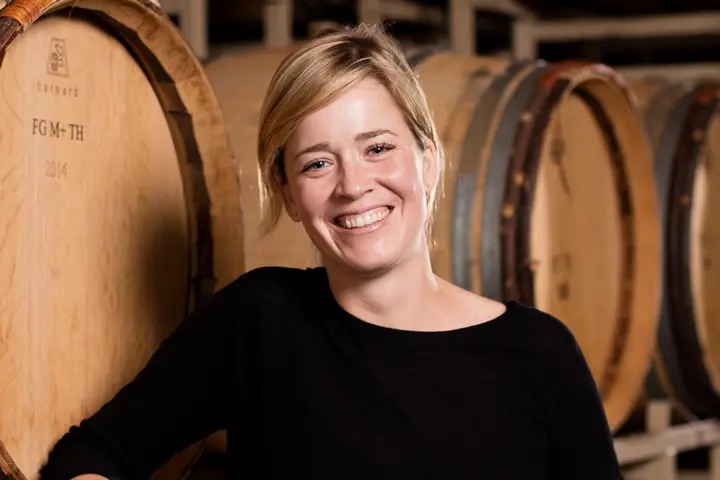
Courtney Foley, vintner

Courtney Foley, Vintner

About Courtney Foley, Second Generation Vintner:
Courtney Foley, the youngest daughter of Chalk Hill Estate proprietors Bill and Carol Foley, is a second-generation vintner who has grown up immersed in the winery’s culture of fine wine, organically grown farm-to-table food, and strong ties to family and friends. Since her family acquired the iconic Sonoma County property in 2010, she has developed a deep respect for the estate and a keen understanding of its diverse vineyards, serving as Chalk Hill’s Director of Winemaking from 2018 to 2019. Today, she continues to champion the winery’s values while advocating for diversity, equity, and inclusion in the industry, and serves on the Sonoma County Vintners Board of Directors. Learn more about Courtney here >
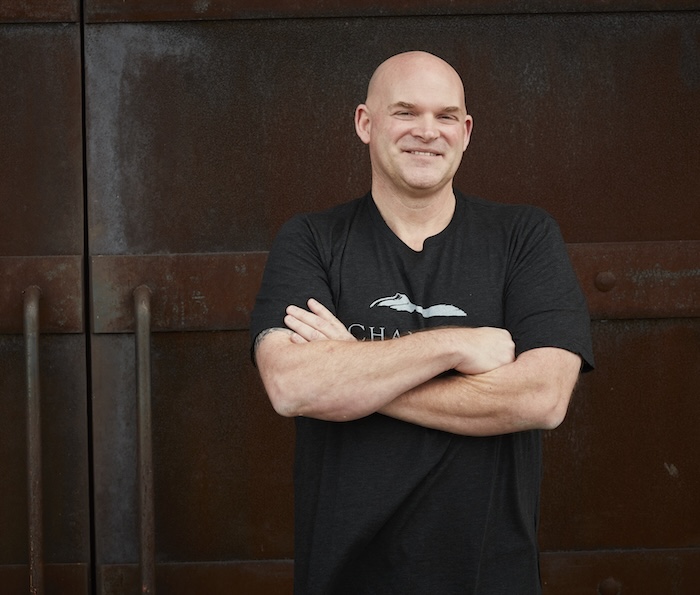
Darrell Holbrook, winemaker

Darrell Holbrook, Winemaker

About Darrell Holbrook, Winemaker:
With nearly 30 years experience at Chalk Hill Estate, Darrell has assisted in many outlets of the winery from cellar master to enologist, to production manager and assistant winemaker before being promoted to Winemaker in 2019. He has also worked with world-renowned winemaker, David Ramey. Darrell was born and raised in Sonoma County, knowing the terrain very well and even worked with his dad at a local winery at just 12 years old. Learn more about Darrell here >

Photos, Videos, and Information © Chalk Hill Estate Vineyards & Winery – All Rights Reserved


Let’s Taste, Learn and Enjoy® together
Contact your local participating WineStyles to RSVP for this tasting event.
Winery Spotlight Wine Tasting
Chalk Hill Estate Vineyards & Winery
2025
Cheers!
WineStyles.com

2025 Winery Spotlight Series: Coppola Diamond Collection

FCW-DC-LOGOSpotlight_Coppola_Wines

Winery Spotlight Wine Tasting
Francis Coppola
Diamond Collection
California

 Summer 2025

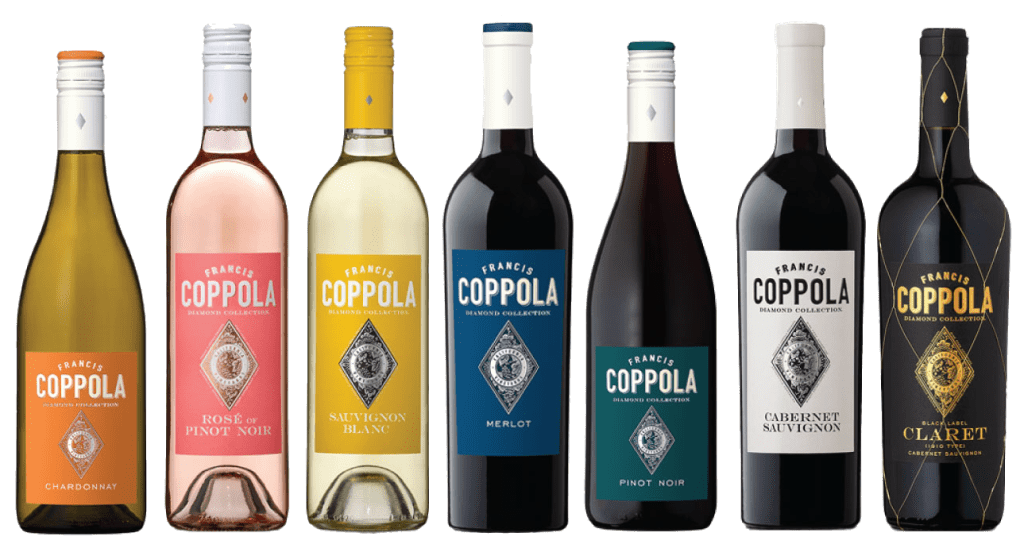
This summer, join us for a wine tasting event featuring Francis Coppola Diamond Collection wines from California. We will be sharing their seven wines below.  To reserve a spot and attend the wine tasting, please contact your local participating WineStyles store, or reserve your tickets on their local Eventbrite. Please join us! 

Wines Tasted:

  1. Francis Coppola Diamond Collection Sauvignon Blanc
  2. Francis Coppola Diamond Collection Rosé of Pinot Noir
  3. Francis Coppola Diamond Collection Chardonnay
  4. Francis Coppola Diamond Collection Pinot Noir
  5. Francis Coppola Diamond Collection Merlot
  6. Francis Coppola Diamond Collection Cabernet Sauvignon
  7. Francis Coppola Diamond Collection Claret

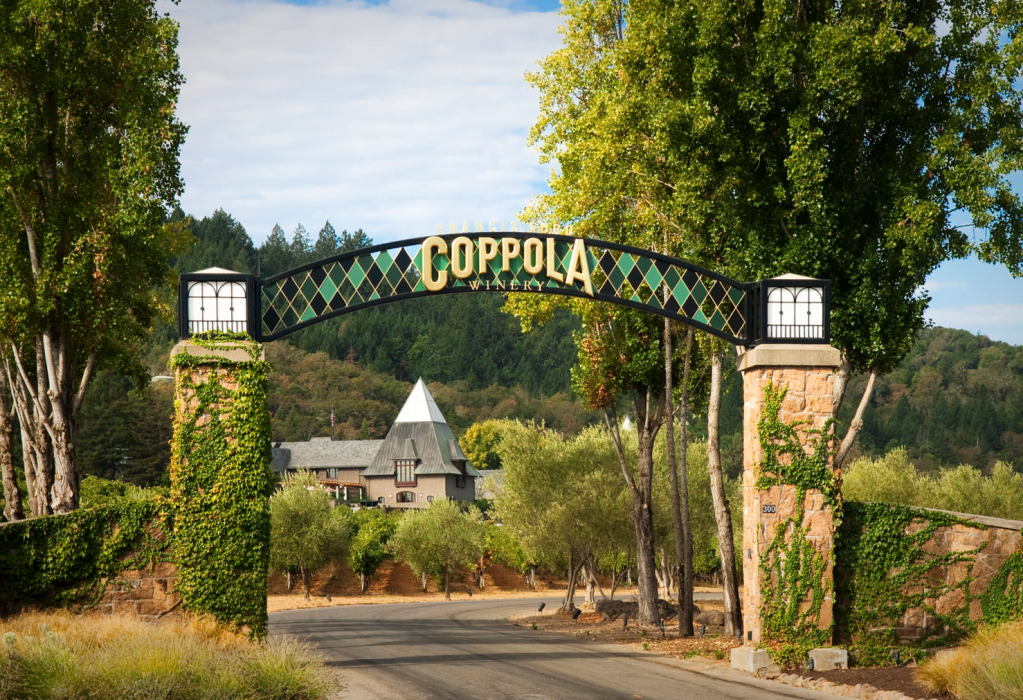
Coppola-WineryAbout Francis Coppola Winery:
The Francis Ford Coppola Winery’s Diamond Collection is a tribute to perseverance and the pursuit of excellence, reflecting the life journey of its founder, Francis Ford Coppola. Born in 1939, Coppola overcame polio as a child and later attended UCLA’s film school before directing The Godfather in 1972—one of cinema’s most celebrated achievements. Framed by the belief that “it takes time to make a diamond,” the collection represents the blend of nature, craftsmanship, and storytelling behind each bottle. These wines are crafted from carefully selected vineyards across California, designed to be both elegant and approachable, embodying a cinematic sense of character and place. Learn more here.

 
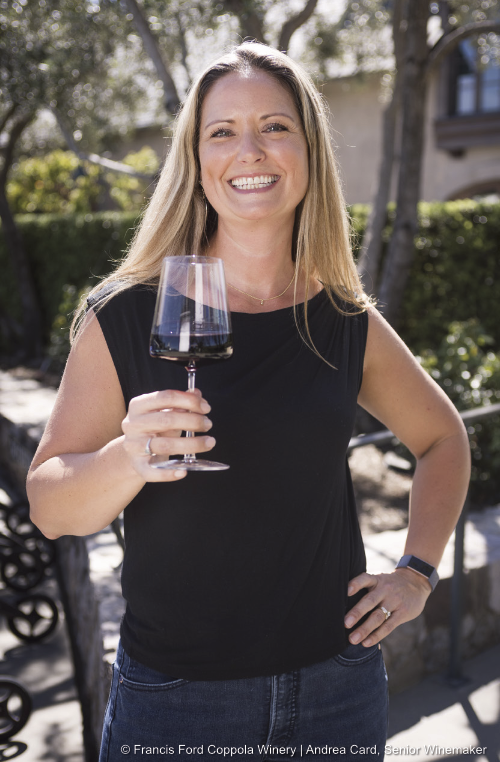
Andrea-Card-Winemaker-HeadshotSenior Winemaker, Andrea Card:
Andrea Card is the Senior Winemaker at Francis Ford Coppola Winery, where she oversees all wine programs. A fourth-generation Sonoma County native, her winemaking roots trace back to her great-grandparents in Alexander Valley. After earning a B.S. in Agricultural Business from Cal Poly, San Luis Obispo, Andrea completed the Winemaking Certificate Program at UC Davis and is a graduate of the California Agricultural Leadership Program. She began her career at Benziger Family Winery, spending nearly 20 years in roles ranging from lab technician to winemaker, with a strong focus on sustainability and Biodynamic® practices. She later held winemaking roles at Ravenswood and The Prisoner Wine Company before joining Coppola. Andrea also serves on the Board of the Alexander Valley Winegrowers in Sonoma County. Outside of winemaking, she competes in Logging Sports as a member of the U.S. Women’s Team and enjoys time outdoors with her family in Santa Rosa.
 
Wine Pairing Recipe:
Coppola’s Diamond Collection offers a wide range of great wines to pair with your summertime grilling. Enjoy with this recipe below for Pork Tenderloin with Tomato and Grilled Focaccia Panzanella paired with Coppola’s Merlot Diamond Collection wine – fire up the grill tonight!
 

Photo and Information © Francis Ford Coppola Winery – All Rights Reserved


Let’s Taste, Learn and Enjoy® together
Contact your local participating WineStyles to RSVP for this tasting event.
Winery Spotlight Wine Tasting
Francis Coppola Winery
2025
Cheers!
WineStyles.com

April Collector’s Wine Club: Iowa

Collectors Wine ClubPEJU-Reserve-Cabernet-Franc-2019-bottle[224074]PEJU Winery
2019 Reserve Cabernet Franc
Napa Valley, California

BOLD WINE STYLE

This luxurious wine offers beautiful aromatics and a captivating presence. The nose displays a bouquet of dried savory herbs, ripe dark berries, and star anise. On the palate, this wine is nothing short of a masterpiece. The smooth and scrumptious flavors of caramel, integrated dark fruit, and chocolate play off each other beautifully. The wine is complex and layered, with a long smooth finish that coats the palate and leaves a lasting impression.

Analysis: 14.8% alcohol / volume
Varietal: 76% Cabernet Franc, 19% Cabernet Sauvignon, 5% Malbec
Appellation: Napa Valley, California
Aging: French oak, 85% new, 26 months
Harvest: October 2019
Release:
October 2024
Cases: 914
Winemaker: Sara Fowler
Accolades: 92 pts James Suckling; 92 pts Wine Advocate

WINEMAKER NOTES:
Peju believes great wines are made in the vineyard and are committed to farming sustainably and naturally to preserve these properties for the long term. The Peju team is certified Napa Green at their Rutherford winery and vineyard. In 2019 all six of their estate vineyards were certified Fish Friendly Farming, as part of their ongoing commitment to sustainability.

VINTAGE:
The beginning of the 2019 growing season was defined by copious rainfall. The long, warm summer saw very few extreme heat events, with foggy mornings setting the stage for vibrant and expressive wines. The long, relatively mild finish to the season, not without its moments of unpredictability, helped to preserve freshness and finesse in the fruit with abundant hang time teasing out great color, structure and soft tannins.

ABOUT PEJU WINERY:
In 1983, Tony and Herta (HB) Peju purchased thirty acres of vines in the famed Rutherford district of Napa Valley. They worked hard to build a winery, plant estate vineyards and raise their family. PEJU remains family-owned with Tony and HB’s two daughters, Ariana and Lisa, guiding the business today. Ariana and Lisa are bringing fresh ideas while maintaining the meticulous focus on quality that began 40 years ago. With its landmark tower and warm hospitality, PEJU Winery is an integral part of the Napa Valley landscape. Learn more here.

Photos and information © PEJU Winery – All Rights Reserved.


Mellow style logoKosta-Browne-Sta.-Rita-Hills-Pinot-Noir-bottleKosta Browne
Appellation Series
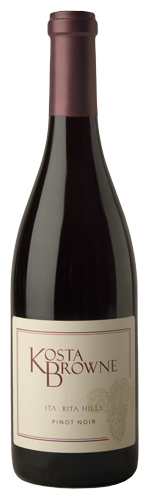
2022 Pinot Noir
Sta. Rita Hills, California

MELLOW WINE STYLE

The nose is an intriguing fusion of blackberry blossom and strawberry with a hint of baking spice. The mouth is elegantly structured with bramble fruit notes and bolstered tannins, this wine unfolds on the palate, culminated in a memorable finish.

Analysis: 14.1% alcohol / volume
Appellation: Sta. Rita Hills, California
Varietal:
Pinot Noir
pH:
3.64
TA: 5.87 g/L
Vineyard: Mt. Carmel, Rita’s Crown, Bentrock, Radian, John Sebastiano, Sanford & Benedict, Drum Canyon, Our Lady of Guadalupe, Peake Ranch, La Encantada
Clones: 828, 2A, Pommard, 667, 115, 777
Trellising: VSP
Soil: Silica (D.E. marine-based)
Fermentation: 64% stainless steel, 29% concrete, 7% oak; 3% whole cluster
Élevage: 37% new French oak, 42% neutral oak and 21% oak foudre/cask for 16 months; 3% whole cluster

WINEMAKER NOTES:
The Appellation Series embodies Kosta Browne’s unwavering commitment to exploration and the artistry of crafting soulful, thought-provoking wines that pay homage to the world’s extraordinary terroirs.

This microclimate, sculpted over 20 million years ago by a tectonic dance, stands as a testament to nature’s miracles. Mountains, rising from the sea with a clockwise grace, broke free to form the distinctive transverse ranges along the Pacific Coast. This geographical marvel funnels cool coastal fog and wind directly to the vines, solidifying the Sta. Rita Hills AVA as one of the most compelling cool-climate growing regions for Pinot Noir.

The 2022 Sta. Rita Hills Pinot Noir possesses profound aromas of layered boysenberry, blackberry blossom, and a hint of baking spice with bolstered tannins that seamlessly glide across the palate. With focused energy, this wine is composed with a near-everlasting finish.

ABOUT KOSTA BROWNE:
Kosta Browne is a celebrated California winery renowned for its meticulous craftsmanship and expressive Pinot Noir and Chardonnay. Founded in 1997 by Dan Kosta and Michael Browne, the winery began as a passion project and evolved into one of the most sought-after producers of premium wines from the Sonoma Coast, Russian River Valley, and Santa Lucia Highlands. With an unwavering commitment to site-driven winemaking, Kosta Browne sources fruit from esteemed vineyards, blending tradition with innovation to craft wines of depth, elegance, and balance. Today, the winery continues to honor its roots while pushing the boundaries of excellence in California winemaking. Learn more here.

Photos and information © Kosta Browne – All Rights Reserved.


Collectors Wine ClubLove to collect amazing wines?
Learn more about our quarterly Collectors Club > click here
 

March Premium Club

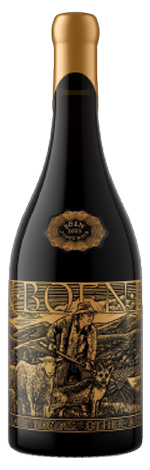
Boen-Reserve-bottleMellow style logoBöen Wines 2023 Reserve Pinot Noir Santa Maria Valley, California

MELLOW WINE STYLE  
Scarlet red with glimmers of garnet. The nose has notes of ripe blackberry, boysenberry, and tart cherry are followed by subtle hints of tobacco and cocoa powder. On the palate, vibrant flavors of very ripe boysenberry, blueberry, and plum pie are complemented by layers of rosemary and cocoa. These flavors are balanced by firm tannins that carry through to a long, structured, and mouthwatering finish.

Varietal: Pinot Noir
Analysis: 14.7% alcohol / volume
Appellation: Santa Maria Valley AVA, California
Vineyards: Haribach V. Vineyard
Oak Maturation: 100% French oak, 40% new for nine months with limited use of S02 to maintain phenolic profile
Harvest Dates: Late September to early October 2023
Food Pairing: Roasted lamb, rib eye with mashed potatoes, chicken mole, or a hearty charcuterie platter.
Awards: 95 pts Wine Enthusiast; 94 pts. Tasting Panel

Winemaker’s Notes: “The label on our Böen Reserve pays homage to the agricultural legacy of Napa Valley and the family roots that shaped our winemaking journey. It features a woodcut-style image of a traditional farm, with my grandfather, Charlie Wagner Sr., standing at its center, surrounded by livestock and Bamse, the German shepherd who was a familiar face around the Copper Cane winery for years. Napa Valley was once more about farming than the renowned wine destination it is today, and I was fortunate to grow up in that era. My grandparents took a bold leap from being farmers of various crops to cultivating vineyards and making wine—an endeavor that, at the time, was as risky as it was rewarding and the legacy continues on as we farm & make wine from many coastal regions. This label is a tribute to my grandfather’s deep farming roots and serves as a reminder to always work hard, stay grounded, and never forget where we come from.” – Joseph Wagner, Fifth Generation Winemaker

Growing Season: The 2023 growing season in Santa Maria Valley AVA began with cooler temperatures and average rainfall, which led to a slightly delayed budbreak. A warm spell in February and March accelerated vine growth, but cooler conditions and frost events in April reduced yields. From late April to August, consistent warm days and cool nights promoted optimal ripening, with veraison completing by the end of August. A mild sub-tropical storm in September brought moderate rainfall, but dry weather afterward prevented rot. The resulting Pinot Noir grapes showcased vibrant colors, rich flavors of cherry and blackberry, excellent acidity, and smooth tannins. Harvesting took place from late September to early October, resulting in a promising vintage.

Winemaking: The Böen team harvested early in the morning so the fruit would arrive at the winery while the grapes were still cool to preserve their vineyard-fresh flavors. After destemming (but not crushing) the berries, they cold-soaked the must for 14 days to soften the skins and allow for ideal extraction. Both punch-down and pump-over techniques were used to ensure balanced extraction of flavor, aromatics, structure, and color. To allow both the sweet and structural influences from the barrels to intermingle seamlessly with the rich fruit and ripe tannins of the wine, they aged this Pinot Noir in 100% French oak, 40% new for nine months with limited use of S02 to maintain the phenolic profile.

About Böen Wines: Böen Wines was founded by Joseph Wagner, a fifth-generation Napa Valley winemaker who grew up immersed in viticulture at his family’s Caymus Vineyards. In 2001, he established Belle Glos, focusing on vineyard-designated Pinot Noirs from California’s coastal regions. With Böen, Wagner continues his family’s legacy, producing Pinot Noir and Chardonnay that reflect his signature style of rich, ripe fruit flavors balanced with bright acidity and subtle oak nuances. The name “Böen,” meaning “The Farm,” serves as a personal reminder of the inseparable connection between the wine and its land, emphasizing Wagner’s identity as a farmer first and foremost. Learn more here.
Information & Photos © Böen Wines – All Rights Reserved.

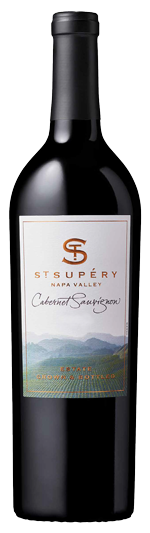
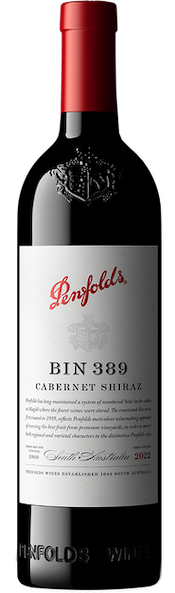
St-Supery-Napa-Valley-Estate-Cabernet-Sauvignon-bottleSt. Supéry Estate Vineyards & WineryBold wine Style logo 2019 Napa Valley Estate Cabernet Sauvignon Napa Valley, California
BOLD WINE STYLE
This Estate Cabernet of deep purple hues, presents dark blackberry aromas combined with an elegant toasted oak nuance, threads of boysenberry, rich opulence with subtle notes of jam and graphite. Flavors follow with ripe blackberry jam, a luscious approach of dark fruits, terrific structure supported with elegant moments of oak and a finishing hint of anise. This is a supple yet generous wine with an excellent structure, feel and approach.

Varietals: 90% Cabernet Sauvignon, 4% Malbec, 3% Petit Verdot, 3% Merlot Analysis: 14.5% alcohol / volume pH: 3.70 Total Acidity: 6.2 g/L Appellation: Napa Valley, California Vineyards: Dollarhide Estate Vineyard, Rutherford Estate Vineyard Farming: Sustainably farmed, estate grown and bottled Oak Maturation: 100% French Oak (38% new) for 19 months Harvest Dates: September 20-October 16, 2019 Bottling Date: July 12-21, 2021

Vintage 2019: The 2019 growing season had a very wet winter and spring, capturing 41” of rain at Dollarhide. A mild spring with one late-May rainfall resulted in damp soils and healthy canopy growth. Other than one mid-June heat spell, summer was warm and dry, allowing for consistent and balanced ripening. Late summer and early fall continued to provide steady warmth. As evenings began to cool, the fall growing season was extended. The even ripening season with a mild summer resulted in excellent wine of great flavor and density. Winemaking: The fruit was hand-harvested in the cool morning hours. At the winery, the clusters were sorted using a double sorting system. First, the clusters were sorted by hand. The fruit then ran through a small de-stemmer before the individual berries being sorted to ensure the ideal grapes were selected. These berries were delivered to a fermenter where there was a period of resting on skins. Warm fermentation temperatures with gentle cap maceration achieved the desired color and structure before an extended maceration time on skins, prior to final pressing. The wine was transferred directly to barrel for 19 months of maturation.
About the Winery: St. Supéry Estate Vineyards and Winery is a 100% Estate Grown, sustainably farmed winery located in the renowned Rutherford growing region in the heart of Napa Valley. Committed to producing the highest quality estate wines without compromise, they focus on sustainable winery and farming operations to protect the land and environment for future generations. Their Napa Valley Estate collection includes Sauvignon Blanc, Cabernet Sauvignon and Rosé. These wines are balanced and showcase fruit-forward flavors. Learn more here.
Information & Photos © St. Supéry Estate Vineyards & Winery – All Rights Reserved.

Wine club logoJoin our PREMIUM WINE CLUB, enjoy amazing wines every other month. Plus, you’ll receive 10% off all retail wine purchases! Learn more about our Premium Club >

January Premium Wine Club

Bold wine Style logoPEN 2022 Bin389 CabShiz 750 FB Cork AUSPenfolds
Bin 389
Cabernet Shiraz

Southbank, Australia

BOLD WINE STYLE

The color is glossy, dark red and purple. The nose is an “old school” Penfolds nose—a classic and comforting homage to their storied past. It opens with the rich, deep tones of mahagany and the refined scent of a cigar box. Sweet oak spices are neatly interlaced with a dusty character. This foundation is lifted by summer berries, offering a balance between richness and vitality. Baking spice is present alongside tart red currant and cranberry, while the aroma of fresh pastries rounds out the nose. The palate is immediately enveloped by cocoa powder-like tannins—smooth yet profound in their impact. The wine boasts volumes of Cabernet character, showcasing cool fruits that are well lifted and vibrant. A barrel ferment nuance adds depth without overshadowing the fruit’s purity. Sourdough notes bring a rustic edge which complement the lush profiles of plum fruits, blackberry, mulberry, wild cherries and more distinctly tart morello cherries.

Varietal: 51% Cabernet Sauvignon, 49% Shiraz
Vineyard Region:
McLaren Vale, Coonawarra, Barossa Valley, Padthaway, Wrattonbully
Analysis:
14.5% alcohol / volume
pH: 3.62
Total Acidity: 6.7 g/L
Maturation: 12 months in American oak hogsheads (36% new)
Peak Drinking: 2025-2050
Awards:

  • 96 Points – Andrew Caillard MW
  • 96 Points – Tyson Stelzer
  • 96 Points – Huon Hooke
  • 96 Points – James Halliday
  • 96 Points – Ken Gargett
  • 94 Points, #12 on Wine Spectator’s Top 100 List

Winemaker’s Notes:
Bin 389 was often referred to as ‘Baby Grange’, in part because components of the wine are matured in the same barrels that held the previous vintage of Grange. First made in 1960 by the legendary Max Schubert, this was the wine that helped forge Penfolds reputation with red wine drinkers by combining the structure of Cabernet Sauvignon with the richness of Shiraz. Exemplifying the judicious balance of fruit and oak, Bin 389 highlights the generous mid-palate Penfolds is known for.

Vintage Conditions:
In McLaren Vale, temperatures rarely soared above 35°C — significantly lower than in the previous vintage. This coolness contributed to a delayed but unhurried harvest, allowing Shiraz and Cabernet Sauvignon fruit to be picked at an ideal time for quality. Coonawarra experienced its own cold spells with nine days dipping below 2°C during spring. The lowest point was recorded early in September at -0.3°C. Frost fans played a critical role in protecting the vines from damage. Warmer weather returning late November to December provided perfect conditions for flowering and fruit-set, leading to uniform veraison with robust grape flavors, tannins, and color. The Barossa Valley told a story of resilience under cool conditions with spring storms bringing winds and heavy rains including hail; nevertheless, yields exceeded early predictions. A dry but cool December extended the fruit-set period; however, this did not hinder sugar accumulation or phenolic maturity thanks to healthy canopies that retained acid well into the growing season. Padthaway faced a challenging frost event in mid-October, followed by mild weather free from significant heat spikes or harvest delays due to rain — conditions conducive for quality grape development. Wrattonbully faced its own trials with rainfall from October to April measuring 49% above long-term averages. While excess moisture slowed ripening and pushed back harvest dates slightly, fruit quality was not impacted, and ‘A grade’ blocks produced a high-quality harvest.

About the Winery:
Penfolds is one of Australia’s most iconic wineries, founded in 1844 by Dr. Christopher and Mary Penfold. With a history spanning over 175 years, the winery has built a legacy of crafting world-renowned wines. Penfolds blends tradition with innovation, focusing on quality, multi-regional sourcing, and a diverse portfolio that spans a wide range of varietals. The winery’s commitment to excellence has made it a symbol of premium Australian wine on the global stage.
 Learn more here.

Information & Photos © Penfolds – All Rights Reserved.


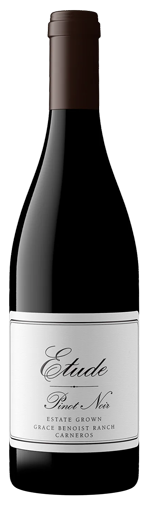
Mellow style logoEtude Pinot Noir CarnerosEtude
Carneros Pinot Noir

Carneros, California

MELLOW WINE STYLE

The Etude Carneros Pinot Noir is a true reflection of the winery’s estate vineyard, Grace Benoist Ranch. A blend of the best grapes from individual vineyard parcels on the Ranch, this wine tells the story of a particular vintage from a very unique place.

Vibrant and lively, this ethereal ruby red Pinot Noir is full of lifted red berry aromas alongside flavors of strawberry compote, Bing cherry, pink peppercorn, and delicate hibiscus flower with nuances of earth and spice. The mouthfeel is savory and rich with fine-grained tannins and finishes long and fresh with hints of cinnamon and clove, a signature characteristic often found in Grace Benoist Ranch Pinot Noirs. Silky and supple with a lean line of acidity, making it ideal for enjoying now, or cellar away, for further development of the complex layers of flavor.

Analysis: 14.2% alcohol / volume
Varietal: Pinot Noir
Region & Appellation: Carneros
Critical Acclaim:

  • 92 Points – James Molesworth, August 2021
  • 94 Points – James Suckling, August 2021

The Vineyard:
The Etude Carneros Pinot Noir originates from their estate vineyards located in the far northwest corner of the Carneros appellation, near the southwest corner of Sonoma. Unlike the majority of Carneros, which features soils composed of clay from uplifted bay bottoms, the soils at Grace Benoist Ranch are diverse and influenced by volcanic origins. These well-drained, rocky upland soils, combined with the vineyard’s extreme western location near the Pacific Ocean and San Pablo Bay, create an ideal environment for cultivating Burgundian varieties.

The vineyard parcels at Grace Benoist Ranch are carefully aligned with the diverse soil types and varying contours of the ranch’s topography. Each vineyard averages just eight acres, with dense spacing to promote low per-vine yields of intensely concentrated fruit. The ranch is farmed to Etude’s rigorous standards using environmentally responsible viticultural practices. It is sustainably managed and certified by both the California Sustainable Winegrowing Alliance and Fish Friendly Farming. Grace Benoist Ranch encompasses four smaller vineyards—Laniger, Deer Camp, Temblor, and Heirloom—which feature five principal soil types and 20 distinct Pinot Noir clones.

Production:
The 2019 harvest started one to two weeks later than previous years, mostly due to February rains, but because the vines were in their winter dormancy, it did not affect the 2019 crop. Spring continued to be wet with some rain during flowering, followed by cool temperatures that allowed the grapes to mature gradually. Most grapes ripened at lower sugars, thanks to the extended, cool growing season, and winemakers were pleased with the full flavors, fresh acidity and superb balance of the 2019 fruit. Wildfires in October did not impact this year’s harvest as the vast majority of the grapes were already brought in, resulting in a crop size pretty much on par with previous years.

Winemaking:
For more than a decade Jon has fashioned Etude wines with a simple creed: Inspired winegrowing diminishes the need for a winemaker to intervene in the cellar. Whether sourcing from the estate Grace Benoist Ranch in Sonoma’s Los Carneros, or vineyards like Fiddlestix and North Canyon in famed growing regions of California’s Central Coast, his focus is on coaxing the very best from the vineyard. It shows in every glass of Etude.

About the Winery:
Etude is located in the Carneros region, which is the only American Viticultural Area (AVA) located at the crossroads of two major regions: Napa and Sonoma. Los Carneros, named in tribute to the livestock that roamed its hills from the late 1800s to the mid-20th century, was officially designated as an AVA in 1983. The year before, Etude was founded by winemaker Tony Sotor, whose leadership, along with the efforts of the Etude winemaking team, played a pivotal role in defining not only the boundaries of this new AVA but also the distinctive characteristics and quality of its grapes. These qualities continue to set Los Carneros apart from other AVAs in both Napa and Sonoma. As a cooler climate wine region, Los Carneros benefits from fog and maritime breezes flowing in from the Pacific through the San Pablo Bay and Petaluma Gap. This natural cooling slows vine growth and photosynthesis, allowing for a prolonged hang time that results in concentrated flavors, optimal sugar and phenolic ripeness, and balanced acidity in the grapes. To learn more about the winery, click here.

Information & Photos © Etude Winery – All Rights Reserved.


Wine club logoJoin our PREMIUM WINE CLUB, enjoy amazing wines every other month. Plus, you’ll receive 10% off all retail wine purchases!

Learn more about our Premium Club >


November Premium Wine Club

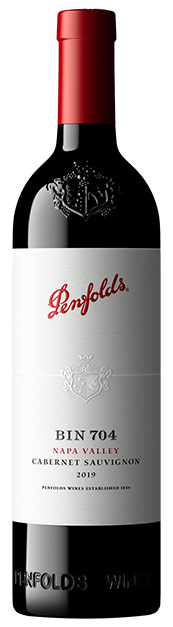
Bold wine Style logoPenfolds Bin 704 Cabernet Sauv_2019-bottlePenfolds
Bin 704
Cabernet Sauvignon 2019

Napa Valley, California

BOLD WINE STYLE

The color has a saturated core and luminous crimson rim. The nose is abounded with red and sweet spices of paprika, sumac, cinnamon, rose water, saffron, red currants, Iranian barberries, and pomegranate. It has a steely-coolness and ferrous minerality. French oak announces itself, cedar-y and structural, all proudly supporting a saturated mulberry and summer berry core. It’s reminiscent of scents from the pâtisserie: dark cherry pie, and milk chocolate mousse dusted with freeze dried raspberries.

The palate is defined, yet approachable. It has a silkiness to it with a gorgeous texture that glides effortlessly across the palate. Succulence, mouth-watering and appetite-inducing acidity, a find graphite core confirms the varietal’s identity. There is power lurking beneath, a dense black fruit drive—which is somewhat unexpected, yet most welcome. This confident wine can be enjoyed now or cellar for a decade or more.

Analysis: 14.5% alcohol / volume
AVA: Napa Valley
Varietal: Cabernet Sauvignon
pH: 3.73
Total Acidity: 6.33 g/L
Maturation: 17 months in French oak (40% new)
Peak Drinking: Now-2036
Awards:

  • 94+ Points – Erin Larking – Robert Parker’s The Wine Advocate
  • 94 Points – Lisa Perrotti – Brown, The Wine Independent

Winemaker’s Notes:
Steeped in Penfolds winemaking tradition yet still embracing modernity, Bin 704 seeks to redefine Napa Valley Cabernet through a Penfolds lens. Being mindful of varietal nuances, regional essence and silk-like textural definition, the wine is nurtured in French barriques for maturation. Impressive is the cyclical nature of viticulture and winemaking and Penfolds recognizes that different hemispheres often end up being the mirror image of the other. The name Bin 704 draws inspiration from the “mirror” or “reverse” image of its Australian Bin 407 stablemate, a wine which also respects varietal expression.

Vintage Conditions:
Excellent winter rainfall ensured the soil was fully saturated at the beginning of the growing season. Spring was cooler and wetter than recent years, resulting in a two-week delay to bud-burst and flowering. May rainfall was especially helpful in maintaining the soil moisture profile. Warm summer weather had the vines moving along well making up for the slow start to the season. August was characterized by warm days and cool nights, optimal conditions for veraison. Harvest across the region was one to two weeks later than usual with yields close to long-term average. A good vintage for Cabernet Sauvignon, with grapes showing bright acidity, powdery tannins, and strong varietal flavors.

About the Winery:
Penfolds is one of Australia’s most iconic wineries, founded in 1844 by Dr. Christopher and Mary Penfold. With a history spanning over 175 years, the winery has built a legacy of crafting world-renowned wines. Penfolds blends tradition with innovation, focusing on quality, multi-regional sourcing, and a diverse portfolio that spans a wide range of varietals. The winery’s commitment to excellence has made it a symbol of premium Australian wine on the global stage.

The Bin 704 Cabernet Sauvignon, for example, is sourced from Napa Valley, marking the winery’s venture into crafting wines beyond Australia. Napa’s renowned terroir, known for producing exceptional Cabernet Sauvignon, offers a new canvas for Penfolds’ winemaking philosophy. By combining Napa’s rich soils with their expertise, Penfolds seeks to maintain the same meticulous standards they uphold in their Australian wines. Bin 704 is a reflection of the winery’s tradition of multi-regional sourcing, blending Napa’s signature characteristics with Penfolds’ distinctive style. Learn more here.

Information & Photos © Penfolds – All Rights Reserved.


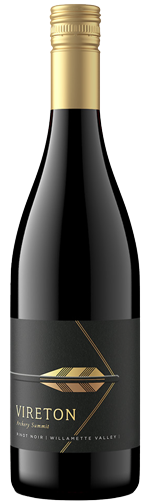
Mellow style logoVireton-Pinot-Noir_2022-bottleArchery Summit
Vireton
Pinot Noir 2022

Willamette Valley, Oregon

MELLOW WINE STYLE

The bouquet is layered, with a fruity core of raspberry, cranberry, and red currants surrounded by oak and earthen spice. Silky tannins and fresh fruit jam nudge the palate, giving way to hints of warm baking spices. A model Willamette Valley wine, the Vireton Pinot Noir is juicy, fruit-forward, kissed with slight new oak nuances while wonderfully balanced. Enjoy now through the next 5-10 years.

Analysis: 13.5% alcohol / volume
Varietal: 100% Pinot Noir
pH: 3.54
TA: 5.5 g/L
Production: 4,160 Cases
Key Facts:

  • The world-renowned Willamette Valley has become one of the most prized winegrowing regions on earth
  • Oregon is unique and offers its own distinctive voice

Viticulture & Production:
The wine puts the beauty of the Willamette Valley on a pedestal. The grapes were hand-harvested and sorted before being fermented in a combination of stainless steel, concrete, and wooden open-top vessels. For added character and nuance, they incorporated 25% whole cluster fruit in the fermentation. The tanks were pumped over twice daily until about two-thirds of the way through fermentation. At that point, they conducted daily tasting to coax the wine to finish fermentation with pump overs and manual punch downs. The wine was then pressed and put to barrel, aged for 10 months in 17% new oak to frame the bright fruit profile inherent to the unique profile from the high elevation, volcanic soils of the Willamette Valley.

Winemaker’s Notes:
Vireton Pinot Noir walks boldly into the Willamette Valley and returns with the unexpected, a kind of down-to-earth, everyday level of luxury. Not tethered to any one vineyard site, this outgoing wine instead reflects the merits of an entire region. It’s a testament to the power of multiple voices within one storied region and the strength in numbers that follows. In wine, just as in life, it’s the most intrepid who end up with the most fulfilling experiences. Vireton celebrates those experiences, whether you’re toasting another Tuesday, or celebrating something much bigger.

About the Winery:
Archery Summit, founded by Gary Andrus in 1993, is a distinguished winery located in the Dundee Hills of Oregon’s Willamette Valley, renowned for its exceptional Pinot Noir. Andrus, a veteran winemaker with a successful background in Napa Valley, was captivated by the region’s potential for producing high-quality wines that reflect the unique terroir. Archery Summit focuses on site-specific wines, sourcing grapes from five estate vineyards and three grower sites across four American Viticultural Areas (AVAs). With a commitment to showcasing the refined flavors of place, Archery Summit continues to elevate the reputation of Willamette Valley wines on the global stage. Learn more here.

Information & Photos © Archery Summit – All Rights Reserved.


Wine club logoJoin our PREMIUM WINE CLUB, enjoy amazing wines every other month. Plus, you’ll receive 10% off all retail wine purchases!

Learn more about our Premium Club >


Champagne’s Bubbly Origin Story – Accidents and Widows

Global Champagne DayBy, Kristyn Simpson

With Global Champagne Day fast approaching (yes, there is a Global Champagne Day–the 4th Friday in October), I thought we could traipse down the vineyard-lined memory lane of Champagne’s origins.

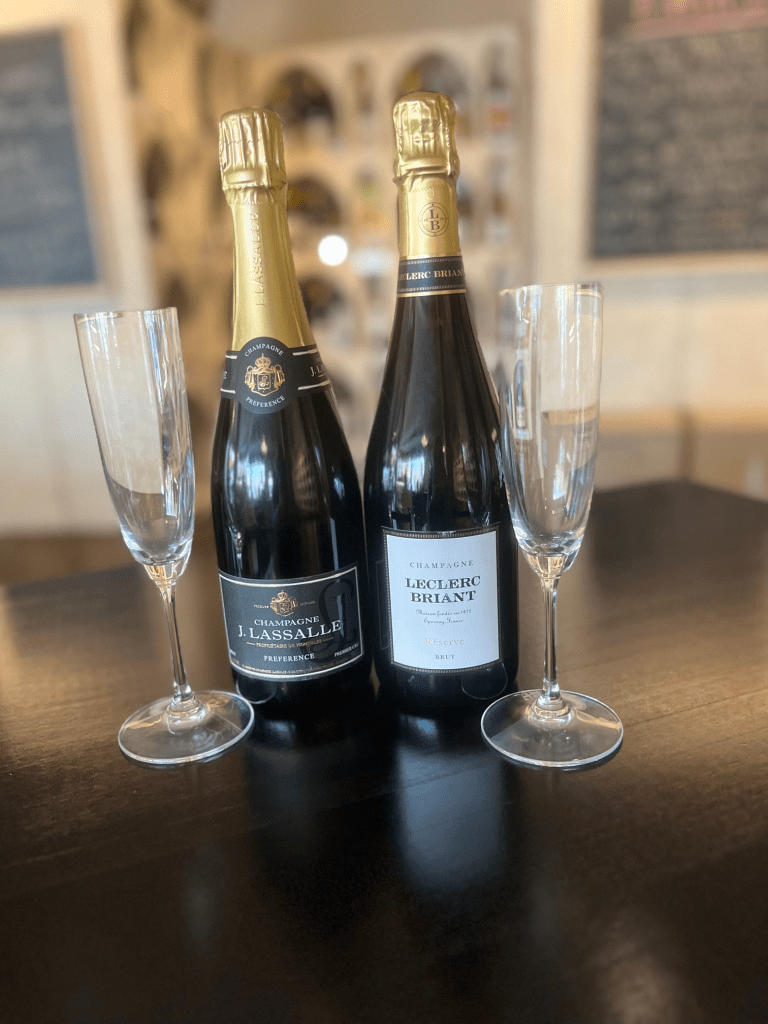
We begin in 1697 when Champagne is said to have been invented by Dom Perignon (1), a Benedictine Monk in Champagne, France, who utilized a technique of bottling wine before the fermentation was complete, aptly named “méthode champenoise”. This seemed to be done by accident, and the wines were originally considered defective or faulty. However, the bottles that subsisted became a novelty with French Royalty, and by the early 18th century, Champagne grew to be the favorite drink of the French upper crust. By the early 1700s, Champagne houses were popping up all over to capitalize on this newfound popularity and demand, with notable houses like Moet in 1743 and Clicquot in 1772. (2)

Madame Clicquot

Speaking of Clicquot, Veuve Clicquot has a remarkable origin story. In summary, Barbe Nicole married Francoise Clicquot, whose family owned a small winery and textile business, with a heavy focus on the textile business. She and Francoise decided to learn more about wine and try to grow the winery together, but the Napoleonic Wars got in the way. In her late 20s, her husband Francoise dies, and “Madame Clicquot” becomes a widow with a young daughter and a failing winery (Francoise willed the vineyard to her). Fast-forward a few years, the wars are winding down, and our protagonist is running out of options to support herself and her daughter. Determined to make the winery a success, she smuggles over 10,000 bottles to Russia by way of Amsterdam to beat the competition to market after the war is over. By the time they ink the treaties, she’s selling bottles left and right with no competition for weeks. (3)

Victory, of course, brings new challenges. The existing processes wasted time, product, and even bubbles, so Madame Clicquot worked to find a new technique for removing the yeast from the second fermentation (where all the fun bubbles come from). She created a process known as riddling (still used in the Champenoise Method today), which gathered all the yeast at the neck of the bottle, making removal fast and easy. This also created less waste, saving more Champagne from each harvest, and enabled her expansion into the mass-market luxury world! (3) If you want to hear more about this incredible story, check out one of our previous book club selections, The Widow Clicquot by Tilar J. Mazzeo.

Champagne Widows

So where does “Veuve” come in? Veuve means widow, and the history of widows in the Champagne world is fascinating! Widows were the only women allowed to be business owners. Unmarried women were dependent on their fathers or brothers, and married women were dependent on their husbands. Only widows were allowed to have bank accounts, own property and businesses, and travel solo. (4) #FightThePatriarchy

Champagne Widows have created some of the most distinct Champagnes still on the market. Louise Pommery is credited with creating Brut Champagne in 1874, a drier Champagne for the English, who did not care for the sweeter Champagne at the time. (4) Mathilde Emilie Laurent-Perrier’s husband inherited the Champagne house after his employer died without an heir (no nepo babies here) and then left it to her when he died in 1887.  She took Brut even closer to bone dry by creating the first “sans sucre” vintage with no sugar prior to the second fermentation. (5)

Did You Know?

Aside from accidental discoveries and widows, there are many more captivating facts about Champagne. Did you know that 300 MILLION bottles of Champagne are produced every year? Did you know that a standard bottle of Champagne holds approximately 49 million bubbles – almost 10 million bubbles per glass!? (1)

Did you know that Champagne can only be called “Champagne” if it is grown in the Champagne region in France and bottled within 100 miles of Champagne? Crémant is from other areas in France, Prosecco is from Veneto, Italy, and Cava is from Catalonia, Spain. American sparkling wines must be sold as “sparkling wine” since the U.S. and the European Union entered into an actual legal agreement saying as such in 2005. (“Champagne” only being from the Champagne region was previously included in the Treaty of Versailles – because, priorities…). The one stipulation to this new agreement was that if a U.S. winery was utilizing the term “Champagne” prior to 2006, they were allowed to call it “California Champagne”. (6)

Did you know that the first Champagne corks were made with hemp to prevent bottles from exploding? A French inventor created the wire cage to make them more secure (2) —which is important because a Champagne cork can reach almost 25 MPH!?! (PSA: Open away from your face). (1)

Did you know that WineStyles Norwood Park is hosting a Champagne Telmont event on Friday, November 15th, at 7:00 PM?!? Well, we are! Join us to sample five Champagnes and enjoy some traditional pairings of fried chicken and caviar! Get more details here.

Bubbly-Chicago-Store-2

(1) https://thechampagnecompany.com/blog/champagne-facts.html

(2) https://thechampagnecompany.com/blog/history-of-champagne.html#mistake

(3) https://www.smithsonianmag.com/arts-culture/the-widow-who-created-the-champagne-industry-180947570/

(4) https://www.bbc.com/travel/article/20230301-the-little-known-history-of-champagne

(5) https://www.franceynotfancy.com/wines/champagne-widows#:~:text=Champagne%20Laurent%2DPerrier%20has%20a,4)

(6) https://www.purnoirewines.com/why-isnt-all-bubbly-wine-champagne/#:~:text=In%202005%2C%20the%20U.S.%20entered,you%20visit%20our%20tasting%20room!

Winery Spotlight Series: November 2024

Neyers-Vineyards-LogoSpotlight_Neyers_Bottles

Winery Spotlight Wine Tasting
Neyers Vineyards
Napa Valley, California

November 2024

This November, join us for a wine tasting event featuring Neyers Vineyards from California. We will be sharing their six wines below.  To reserve a spot and attend the wine tasting, please contact your local participating WineStyles store, or reserve your tickets on their local Eventbrite. Please join us! 

Wines Tasted:

  1. Neyers 304, Chardonnay, Sonoma County
  2. Neyers Chardonnay, Carneros District, Sonoma County
  3. Neyers Sage Canyon Red, California
  4. Neyers Left Bank Red, Red Wine, Napa Valley
  5. Neyers Cabernet Sauvignon, Napa Valley
  6. Neyers Cabernet Sauvignon, Neyers Ranch, Napa Valley

Spotlight_Neyers_barrel_twitter

About Neyers Vineyards:
Neyers Vineyards was established in the early 1980s by Bruce and Barbara Neyers when they bought a 35-acre parcel of potential vineyard land in Conn Valley, a foothill region of the Napa Valley, just a few miles east of St. Helena.  In 1992 they staged their first harvest, fast forward to today, their family-owned winery produces about 15,000 cases of wine annually. The winery combines California terroir with French winemaking influences, thanks to Bruce’s experience with importer Kermit Lynch. Neyers focuses on sustainable farming practices, native yeast fermentation, and minimal intervention. They source grapes from their 50-acre Conn Valley Ranch estate, planted with Cabernet Sauvignon and Merlot, as well as from select vineyards across Northern California. The winery, built in 1999 in Sage Canyon, features state-of-the-art facilities. Neyers is known for its Chardonnay, Cabernet Sauvignon, and other varietals, emphasizing food-friendly wines that showcase fruit and varietal characteristics. To learn more on their website, click here.

Barbara-Bruce-Neyers

About Bruce and Barbara Neyers:
Bruce and Barbara Neyers, who were high school and college classmates, relocated to the Bay Area when Bruce was serving in the U.S. Army. After his discharge, Bruce’s growing interest in wine led him to a job at a San Francisco wine importing company. In late 1971, he crossed paths with Bob Travers, then-owner of Mayacamas Vineyards, and soon joined the winery’s team. In 1974, Bruce and Barbara moved to Europe, where he gained experience working in both Germany and France. By 1975, he became part of Joseph Phelps Vineyards. In 1992, Bruce began a 25-year collaboration with Kermit Lynch Wine Merchant. His deep appreciation for French, Italian, and German wines eventually inspired him to establish his own California winery, incorporating the Old-World techniques he had mastered over the years.


Photos and Information © Neyers Vineyards – All Rights Reserved.


Let’s Taste, Learn and Enjoy® together
Contact your local participating WineStyles to RSVP for this tasting event.
Winery Spotlight Wine Tasting
Neyers Vineyards
November 2024
Cheers!
WineStyles.com

Winery Spotlight Series: October 2024

winery-bravium-logoSpotlight_Bravium_Bottles_blog

Winery Spotlight Wine Tasting
Bravium
St. Helena, California

October 2024

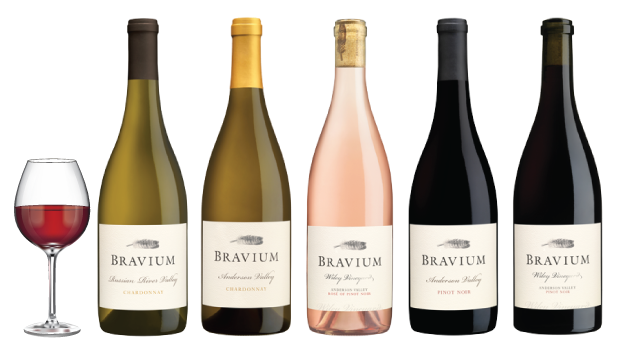
Join us for a wine tasting event featuring Bravium Wines from California! We will be sharing their five wines below; to reserve a spot and attend the wine tasting, please contact your local participating WineStyles store, or reserve your tickets on their local Eventbrite. Please join us! 

Wines Tasted:

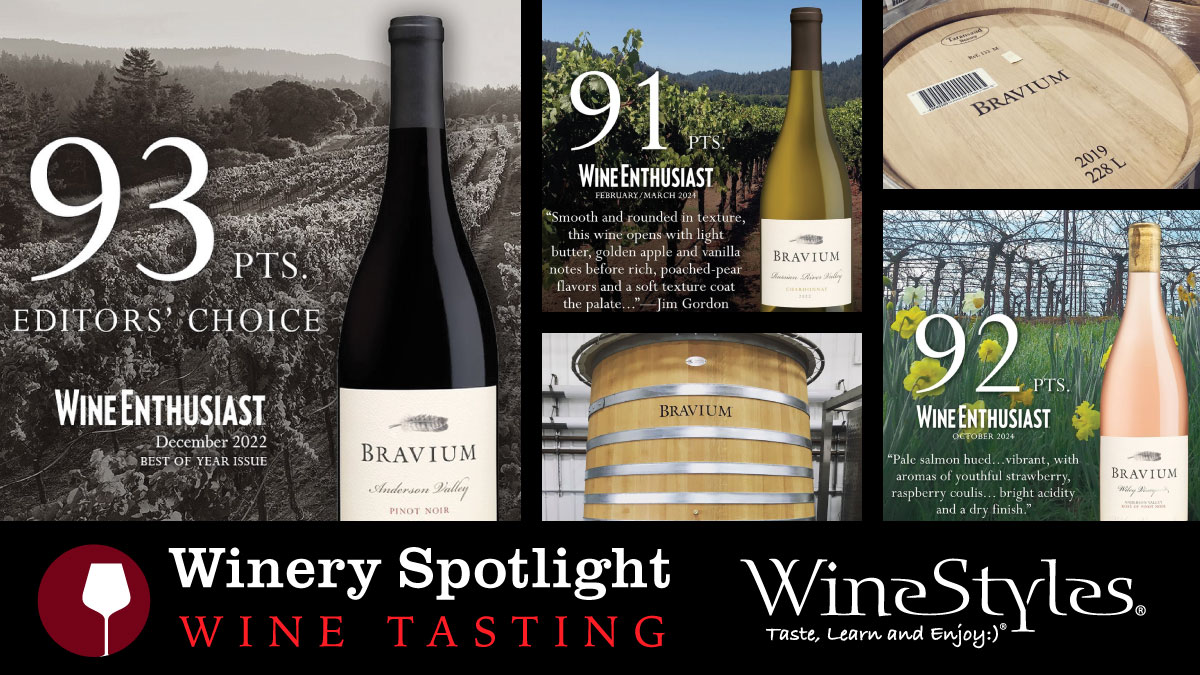
  1. Bravium Russian River Valley, Chardonnay, 91 pts.
  2. Bravium Anderson Valley, Chardonnay, 90 pts
  3. Bravium Wiley Vineyards, Rosé of Pinot Noir, 92 pts.
  4. Bravium Anderson Valley, Pinot Noir, 93 pts.
  5. Bravium, Wiley Vineyards, Anderson Valley, Pinot Noir, 92 pts.

Spotlight_Bravium_ratings_twitter

About Bravium Winery:
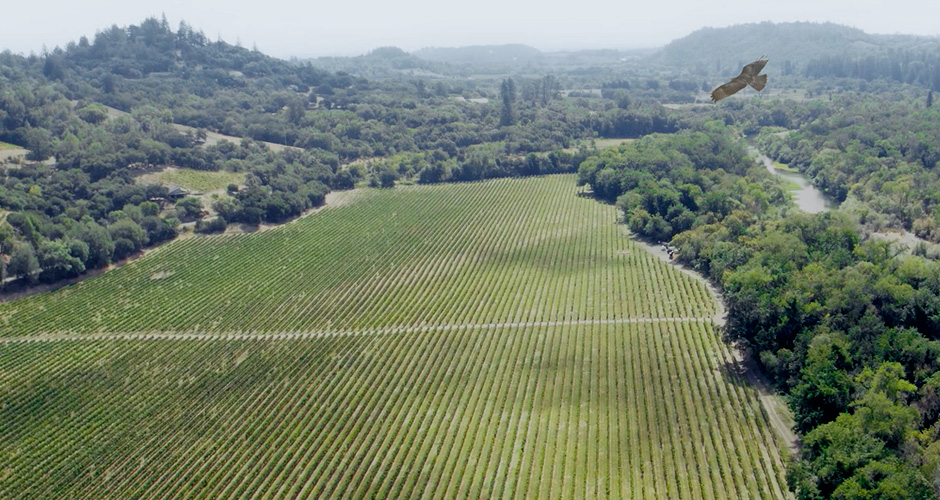
Bravium Winery, founded by winemaker Derek Rohlffs, crafts terroir-driven Chardonnay and Pinot Noir from cool-climate vineyards in Sonoma’s Russian River Valley and Mendocino’s Anderson Valley. Rohlffs embraces a minimalist winemaking philosophy, allowing the land to shine through his wines with minimal intervention. His wines emphasize a sense of place, balancing nuance, structure, and aging potential. To learn more on their website, click here.

About Derek Rohlffs:
Of Cherokee descent, winemaker Derek Rohlffs was gifted the name “Winter Hawk” as a young boy. Intuitively connected to the land—Cherokee means “those who live in the mountains”—Derek has always felt a mysterious pull to nature, even as a child. To hear him tell it, the vineyard is his destiny. He doesn’t view his path to winemaking as a conscious choice, but more of an undercurrent that quietly ushered him to where he belongs.

Today, Derek welcomes the sight of hawks circling over the vineyards and swooping down to the earth around him. A single hawk’s feather fittingly graces the Bravium label, echoing the power, elegance, and vitality of the wines—and of Derek’s Cherokee roots.

A graduate of the trailblazing Environmental Studies program at the University of California at Santa Barbara, Derek also took coursework in the world-renowned winemaking program at the University of California at Davis. His far-reaching travels have afforded in-depth visits to the wine regions of France, Italy, and Australia.

But his most impactful influence may have been a retrospective tasting he experienced at Mayacamas Vineyards during his first visit to Napa Valley. Those wines captivated Derek in untold ways, and he resolved then to become a winemaker. He later crossed paths with the acclaimed winemakers at Rhys Vineyards, who steered Derek toward cool-climate, mountainside fruit.

Photos and Information © Bravium – All Rights Reserved.


Let’s Taste, Learn and Enjoy® together
Contact your local participating WineStyles to RSVP for this tasting event.
Winery Spotlight Wine Tasting
Bravium Wines
October 2024
Cheers!
WineStyles.com

September Premium Wine Club

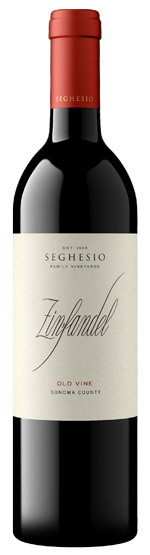
Bold wine Style logoSeghesio-Old-Vine-Zinfandel-2022-bottleSeghesio Family Vineyards
Old Vine Zinfandel

Sonoma County, California

BOLD WINE STYLE

This wine invites you in with layered aromatics of black plum, dried fig, clay earth, garrigue and cardamom spice. Our Old Vine Zinfandel opens with a luscious mouth filling entry reminiscent of chocolate cherry cordial and leads into a juicy, supple mid-palate and finishes with rich, velvety tannins. Beautifully balanced.

Analysis: 15% alcohol / volume
AVA: Sonoma County, California
Varietal: 88% Zinfandel, 11% Petite Sirah, 1% Alicante Bouschet
pH: 3.83
Total Acidity: 5.53 g/L
Cases: 6,900
Pairing: Pairs well with Beef Braciole, mushroom sugo, and cherry balsamic pork tenderloin.
Accolades: 93 pts. – Wine Spectator; “Like a briar patch in the glass, this Zin offers spirited raspberry and cherry flavors that take on underbrush, dried sage and white pepper flavors before finishing with zesty tannins. Drink now through 2032.” – Tim Fish, April 2024

Winemaker’s Notes:
Bold and spicy with rich, briary fruit, our Old Vine Zinfandel showcases the complexity and intensity that only truly old vines can yield. For us, “Old Vine” means that the vines are at least 50 years old, and we source grapes for this wine from exceptional vineyards that are closer to 75 years old on average.

Vintage:
The 2022 growing season began with significantly below average winter rainfall totals which led directly into a prolonged frost season lasting late into April. Seghesio vineyards escaped mostly unscathed and launched into a slight cooling trend for May and June. This put the growing schedule closer to average, helping to push back our veraison timing and projected harvest dates. July and August warmed up significantly and some vineyards sustained some sunburn due to exposure. This was just a preamble! Harvest commenced in late August and Labor Day week witnessed record shattering high temperatures in excess of 118° F in northern Alexander Valley while still reaching 115°F in Santa Rosa High Plains. These scorching temperatures pushed ripening and increased stress on vineyards leading to one of the fastest harvests on record for Seghesio Family Vineyards. The grapes were harvested between August 25th and October 20th, 2022.

Viticulture & Winemaking:
The grapes were harvested and sorted by hand to ensure uniformly ripened fruit is delivered to the winery. After being lightly crushed they were fermented in small open-top stainless steel tanks and mixed using pneumatic punch down devices – to facilitate extraction and pumped over to allow for gentle aeration. Free-run wine is drained to barrel after 8 to 12 days on skins and allowed to complete alcoholic fermentation and undergo malolactic conversion. The wines are allowed to evolve for 10 months prior to blending and returned to barrel to integrate for 5 more months prior to bottling. Aged 15 months in 15% New French Oak; 85% Neutral French and American Oak.

About Seghesio Family Vineyards:
Seghesio Family Vineyards is dedicated to the production of extraordinary Zinfandels and the cultivation and preservation of old-vine vineyards. Estate vineyards encompass approximately 320 acres in the Alexander; Dry Creek and Russian River Valleys. In addition to the winery’s critically acclaimed Zinfandels, Seghesio Family Vineyards also produces a handful of wines from traditional Italian varieties in homage to the heritage of the winery’s founders. Learn more here.

Information & Photos © Seghesio Family Vineyards – All Rights Reserved.


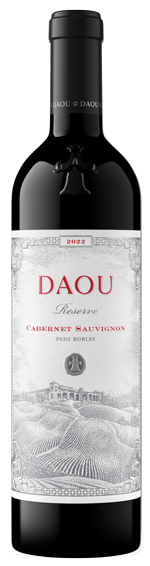
Bold wine Style logoDAOU-Reserve-Cabernet-Sauvignon-2022-bottleDAOU Vineyards
Reserve Cabernet Sauvignon

Paso Robles, California

BOLD WINE STYLE

A heady nose delivers fruit-forward aromas of blackberry, raspberry and plum with traces of licorice, thyme, vanilla and cherry. The palate is beautifully balanced, showing layers of black fruit and chocolate-covered blueberry with underlying herbal, cedar and mineral complexity. Exquisitely rounded tannins imbue the finish with stature and length.

Analysis: 15.2% alcohol / volume
AVA: Paso Robles, California
pH: 3.71
Aging: 18 months in 50% new French oak
Soil Profile: Calcareous, loamy and fine
Accolades: 92-94 points – Robert Parker’s Wine Advocate 

Winemaker’s Notes:
The DAOU Reserve Cabernet Sauvignon is a special selection from top vineyard blocks, showcasing Paso Robles as a world-class region for Bordeaux varieties. The 2022 Reserve Cabernet Sauvignon belongs to their Reserve Collection, which features allocated wines from DAOU Mountain as well as top vineyards across the Paso Robles AVA. The best fruit from each site is reserved for special winemaking treatment, resulting in wines that display remarkable character and expression.

Vintage:
The 2022 growing season was initially marked by winter drought conditions that were alleviated by rains in late March and April – a miracle happenstance that replenished the soils and set the pace for healthy vine canopies to come. A later-than-usual bud break was followed by normal spring and summer weather patterns through August. A sustained 10-day heat wave began in early September, prompting an early harvest that put Daniel’s winegrowing ingenuity, artistry and experience to the test. In the end, 2022 was a winemaker’s vintage, yielding elegantly powerful and balanced wines that prove the importance of mastering grape growing and winemaking.

The Vineyards:
The Paso Robles AVA spans many diverse terroirs with the common benefit of a moderating coastal influence. Warm days are followed by cool marine breezes, creating diurnal temperature swings of up to 50 degrees during the summer growing season. Sustainable farming practices, deficit irrigation and high-density vine plantings combine to foster grapes with natural quality and structure. The fruit is hand harvested at peak physiological ripeness to ensure that it reaches the winery in perfect condition.

About Daou Family Estates:
Georges and Daniel Daou are inseparable as brothers, best friends, and visionaries. Started as a family owned and operated winery, DAOU is committed to producing collectible, world-class wines to rival the most respected appellations in the world. DAOU Mountain stands alone at an elevation of 2,200 feet, rising from the heart of the Adelaida district in the rugged coastal range west of Paso Robles. As stewards of this beautiful terroir, DAOU’s goal is to make unique fine wines that honestly reflect the estate and craft wines that combine Old World tradition with New World techniques. Learn more >

Information & Photos © DAOU Vineyards – All Rights Reserved.


Wine club logoJoin our PREMIUM WINE CLUB, enjoy amazing wines every other month. Plus, you’ll receive 10% off all retail wine purchases!

Learn more about our Premium Club >