This barrel-select Zinfandel opens with toasted oak, blueberries and boysenberries. It has an enticing palate consisting of blue plums and mixed berry coulis, followed by a long elegant finish, with rich tannins.
Varietal: 100% ZinfandelAnalysis: 14.4% alcohol / volume
pH: 3.73
Residual Sugar: 0.25
Appellation: El Pomar District AVA, California
Vineyards: 100% Pomar Junction VineyardAging: 19 monthsCooperage: 33% new oakAccolades (for 2015 vintage):Gold Medal San Francisco Chronicle Wine Competition; Gold Medal Central Coast Wine Competition
About Pomar Junction Vineyard and Winery:
Dating back at least eight generations, the Merrill Family has been growing and producing grapes on California’s Central Coast since the 19th Century. Originally, the family was growing grapes for other wineries in California – from premium small producers to large international brands. Today, Dana and Marsha Merrill, along with their son, Matthew, and winemaker, Jim Shumate farm the vineyards and produce elegant wines of their own.Learn more here.
Try this wine with the following recipe…
Slow Cooker Korean Pulled Pork Sliders
INGREDIENTS:
Pork:
3-4lbsboneless pork shoulder
2-4tbspgochujang (Korean chili paste)add more for spicier meat
¼ cupbrown sugar
¼ cuphoisin sauce
Gochujang BBQ Sauce:
2-4tbspgochujang (Korean chili paste)(more to make more spicy)
½ cupketchup
¼ cuprice wine vinegar
¼ cupbrown sugar
2tbspsoy sauce
2tbsphoney
4clovesgarlic, minced
Quick Pickled Vegetables:
2tspgranulated sugar
¼ cuprice wine vinegar
½ mediumcucumber, thinly sliced
1mediumcarrot, thinly sliced
2mediumcelery stalks, thinly sliced, including leaves
Sliders:
16slider buns
2tbspchopped cilantro
DIRECTIONS:
Pork:
Mix gochujang, brown sugar and hoisin sauce together in a small bowl and rub over pork shoulder.
Place in slow cooker and add 1/2 cup water. Cook on low for 7-8 hrs or high for 3-4 hrs.
Gochujang BBQ Sauce:
Whisk all ingredients together (gochujang, vinegar, brown sugar, soy sauce, honey and garlic) in a small sauce pan. Heat over medium and bring to a simmer, reduce heat and simmer on low for 10-15 minutes until flavors blend. Remove from heat and allow to cool.
Pickled Vegetables:
In a bowl mix together sugar and vinegar. Add vegetables and toss. Cover and chill until meat is ready.
Assembly:
Mix half the BBQ sauce with pulled pork and serve with buns, quick pickled vegetables, reserved BBQ sauce, and chopped cilantro (if using).
Join our WINE CLUB and enjoy these amazing wines and pairing recipes each month. Plus, you’ll receive 10% off all retail wine purchases!Learn about our Memberships >
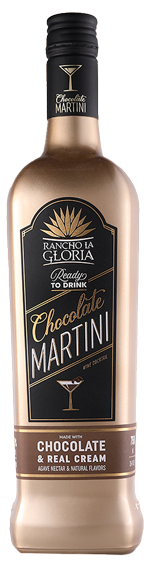
Rancho La Gloria
Chocolate Martini
Chocolate, Real Cream, Agave Nectar
Las Vegas, NV
NECTAR WINE STYLE
Feeling fancy? This chocolate martini is dressed to impress with smooth, creamy milk, notes of dark chocolate and a touch of agave. Black tie optional. Best served chilled.
Varietal: 100% Agave WineAnalysis: 13.9% alcohol / volumeAccolades: 2024 Tag Global Spirits Competition – Double Gold
WineStyles’ Wine and Cheese Pairing: Try this chocolate martini with an aged gouda. A caramelized, nutty Gouda brings out the cocoa notes while adding a little crunch from its crystalline texture. Learn more about our wine and cheese pairingshere.
About Rancho La Gloria:
Rancho La Gloria traces its origins to 1938 at the Rancho La Gloria Hotel in Rosarito, Mexico, where the Margarita cocktail was first crafted, forever changing the world of tequila. Building upon this rich heritage, Rancho La Gloria has evolved into a leading producer of premium agave-based beverages. At the heart of Rancho La Gloria’s offerings are their award-winning Single Estate Tequilas, made from 100% Blue Weber Agave. The agave is sourced from a single-origin field overlooking a historic Aztec temple, with each plant hand-selected and harvested at peak maturity, averaging between 90-110 pounds. Today, the brand continues to honor its legacy by offering a diverse range of high-quality agave-based products for every occasion. Learn more here.
This luscious, semi-sweet red wine is a delightful balance of fruity and earthy notes. The nose reveals aromas of ripe black cherry, raspberry, and plum. The sweetness is well integrated, with a lingering and satisfying finish.
Varietals: Cabernet Sauvignon and Barbera
WineStyles’ Wine and Cheese Pairing: Try this wine with a Gorgonzola Dolce, the creamy, slightly tangy blue cheese contrasts beautifully with the wine’s sweetness. Learn more about our wine and cheese pairingshere.
About Bartenura:
Bartenura is an international wine brand renowned for its iconic blue bottle Moscato and a diverse portfolio of Italian wines. Since its introduction, Bartenura has become a prominent name in the wine industry, recognized as one of the most successful kosher Italian wine brands globally. Its offerings include a variety of wines such as sparkling Moscato, semi-sweet red wines, and innovative products. Learn more here.
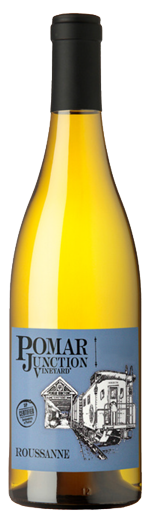
This Roussanne presents a pleasant and surprising mouth-feel full of lush tropical fruit and bright pepperiness. It pairs well with buttery sauces filled with slow cooked vegetables or rich shellfish like scallop, crab, and lobster.
Varietal: 100% RoussanneAnalysis: 14.7% alcohol / volume
pH: 3.51
TA: 6.9 g/L
Residual Sugar: 0.5
Appellation: El Pomar District AVA, California
Vineyards: 100% Creston Ridge Vineyard in Paso Robles, CaliforniaAging: 4 monthsCooperage: Neutral Oak
Cases: 184
Accolades:
Best of Class/Double Gold: California Mid State Fair Wine Competition
Silver: Orange County Fair Wine Competition
About Pomar Junction Vineyard and Winery:
Dating back at least eight generations, the Merrill Family has been growing and producing grapes on California’s Central Coast since the 19th Century. Originally, the family was growing grapes for other wineries in California – from premium small producers to large international brands. Today, Dana and Marsha Merrill, along with their son, Matthew, and winemaker, Jim Shumate farm the vineyards and produce elegant wines of their own.Learn more here.
Try this wine with the following recipe…
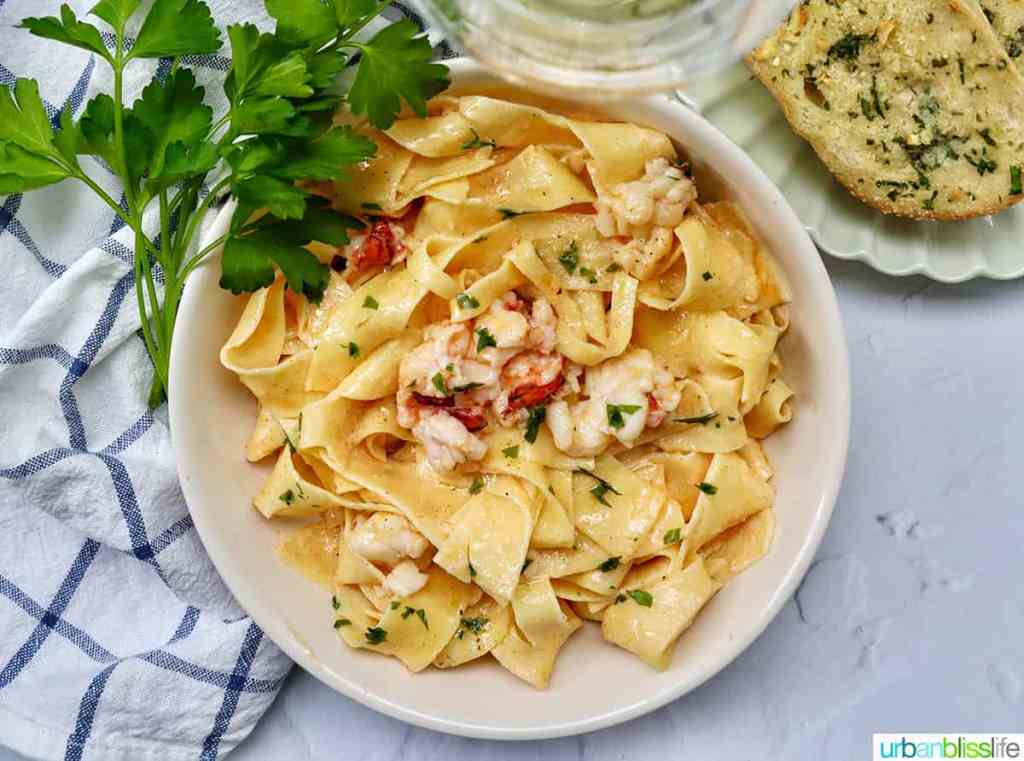
Lobster Pasta
INGREDIENTS:
8ouncesdry pappardelle pasta
4lobster tails, with the meat removed and shells discarded **
1cup(2 sticks) unsalted butter
3garlic cloves, minced
½teaspoonpaprika
¼cupgrated parmesan
½cupheavy whipping cream
¼teaspoonground black pepper
½teaspoonkosher salt
1-2teaspoonslemon juice
2 tablespoonschopped fresh parsley
DIRECTIONS:
In a large stockpot, boil 4 to 5 quarts of water and cook the pasta according to package directions.
Meanwhile, in a large skillet or saucepan, melt the butter over medium heat. Once the butter has melted, add the lobster meat and cook until the meat has changed color, about 4-5 minutes.
Add the garlic and paprika, and sauté with the lobster meat for about 1 minute, just to soften the garlic.
Pour in the heavy cream and grated parmesan and stir until the parmesan has melted into the sauce.
Add the cooked pasta to the saucepan or skillet, along with ¼ cup of the starchy pasta water. Stir all together. Season with salt and pepper. Add more pasta water as needed to get the sauce to your desired consistency. Add 1 teaspoon of lemon juice, stir, and taste; add more lemon juice if needed.
Join our WINE CLUB and enjoy these amazing wines and pairing recipes each month. Plus, you’ll receive 10% off all retail wine purchases!Learn about our Memberships >
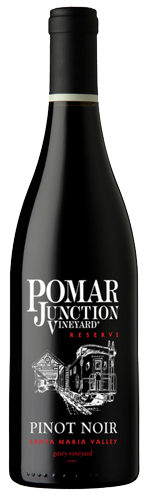
Aromatic with bright raspberries, eucalyptus, and unique minerality. Flavors of tart berries, wild apples, and intense allspice lead to a lingering finish of dark chocolate and spicy Saigon cinnamon.
Varietal: 100% Pinot NoirAnalysis: 14.75% alcohol / volume
pH: 3.53
Residual Sugar: 0.35
Appellation: Santa Maria Valley AVA, California
Vineyards: Garey Ranch Vineyard in Los Alamos, CAAging: 20 monthsCooperage: 30% new French oakAccolades: 2022 San Francisco Chronicle Wine Competition – Bronze
The Merrill Family
About Pomar Junction Vineyard and Winery:
Dating back at least eight generations, the Merrill Family has been growing and producing grapes on California’s Central Coast since the 19th Century. Originally, the family was growing grapes for other wineries in California – from premium small producers to large international brands. Today, Dana and Marsha Merrill, along with their son, Matthew, and winemaker, Jim Shumate farm the vineyards and produce elegant wines of their own.Learn more here.
Try this wine with the following recipe…
Easy Roasted Garlic Butter Chicken
INGREDIENTS:
2 3/4 oz. unsalted butter, room temperature
1 ½ tsp sea salt flakes
¼ tsp cracked black pepper, plus extra to serve
1 tbsp freshly minced garlic
1 tbsp honey
2 tsp thyme leaves, plus extra to garnish (see note 1 for substitutions)
Combine the butter, salt, black pepper, garlic, honey and thyme in a small bowl.
Arrange the chicken thighs on a baking tray with sides, skin-side up.
Spread the butter mixture all over the chicken using your hands, focusing mainly on the skin. Pour the chicken stock around the seasoned chicken (this will protect the marinade from burning and leave a delicious sauce in the base of the tray).
Roast for 55–60 minutes until golden and cooked through, basting once halfway.
Serve with mashed potatoes and steamed asparagus and drizzle with the tray juices. Garnish with extra thyme sprigs and add a little extra black pepper to finish.
Join our WINE CLUB and enjoy these amazing wines and pairing recipes each month. Plus, you’ll receive 10% off all retail wine purchases!Learn about our Memberships >
Tasteful and complex, with notes of rose petals, cheery and red berries. Perfectly ripe grapes highlight the soft fruit expression of this delightful Sweet Red blend, beloved for its notes of rose petals, cherry and red berries that lead to a smooth finish.
WineStyles’ Wine and Cheese Pairing: Try this wine with an Aged Gouda, its nutty and caramel-like flavors will pair well with the wine’s sweet profile. Learn more about our wine and cheese pairings here.
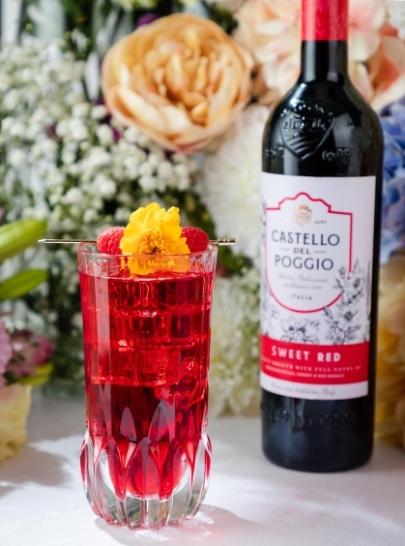
Cacao Raspberry Collins Cocktail Recipe
INGREDIENTS:
2 oz. Castello del Poggio Sweet Red
½ oz Tempus Frugit Cacao
½ oz raspberry liqueur
¾ oz lemon juice
fill to top club soda
garnish with raspberries
DIRECTIONS:
Add all the ingredients except the club soda into a shaker, add ice and shake. Strain into a highball, top with a club soda, gentle stir and garnish. Or try their cocktail recipe for Sweet Coupe DeVille, with a few dashes of chocolate bitters.
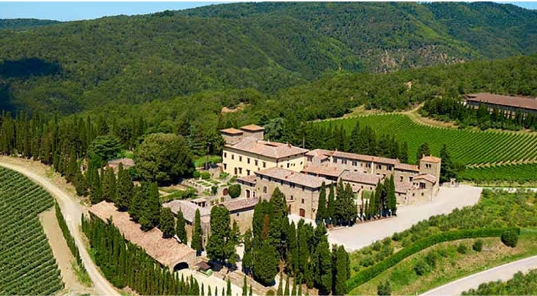
About the Winery: Castello del Poggio, located in the heart of Piedmont, Italy, has a winemaking heritage dating back to 1699. With a focus on crafting approachable and elegant wines, the estate blends tradition with modern expertise to highlight the unique terroir of its vineyards. Renowned for its signature Sweet Collection, including the popular Sweet Red, Castello del Poggio embraces a philosophy of creating wines that bring people together and celebrate life’s simple pleasures. From vine to glass, the estate is dedicated to sustainability, quality, and the joy of sharing exceptional wines with the world. Learn more about the wineryhere.
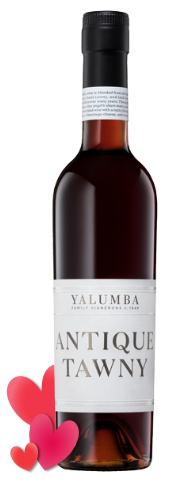
Amber tawny in color with an olive green hue, exhibiting aromas of rich toffee and caramels, sweet figs, chocolate, caramel and licorice spices with elegant brandy spirit and hints of nutty wood aged complexity. The palate is richly flavored featuring caramel crème brûlée with fine spirit characters and lingering flavors of dried fruits and nuts. The texture is sweet and smooth with roundness from the wood maturation and brandy spirit filling out the middle palate, providing the firm, drying finish. This is an outstanding dessert wine.
Analysis: 19% alcohol / volume pH: 3.5 Residual sugar: 198 g/L Acidity: 6.4 g/L Appellation/Region: South Australia, Australia Fermentation: Stainless steel tanks Malolactic fermentation: N/A Type of Aging Container: Barriques and Hogsheads Length of aging before bottling: 12 years Pre-fermentation technique: Cold soak Estate Owned by: Robert Hill-Smith Winemaker: Louisa Rose Total Acreage Under Vine: 650 Food Pairing: Serve with stilton or hard cheddar; baked figs and pistachio ice cream; or ginger flavored pudding
WineStyles’ Wine and Cheese Pairing: Pair with wine with a stilton or hard cheddar. Learn more about our wine and cheese pairings here.
Winery’s Notes: This velvety wine is blended from antique barrels of Yulmba’s very best tawny, and laid down in their historic cellars over many years. The aging process evaporates a tiny angel’s share every year leaving a rich, concentrated wine with a nutty character. Made over five decades ago, the original wines were blended from old-vine varieties such as Shiraz, Grenache, Mourvèdre and Muscadelle.
Since 1985, the use of Portuguese fortified varieties Touriga, Tinta Cao and Tinta Molle have added complexity to the blend, bringing finesse and elegance to this wine. The grapes are crushed and fermented on skins for several days to extract the fruit flavors and to build palate texture. After draining and pressing off skins, the fermentation is arrested by fortification with brandy spirit. The vintage wines are then put aside into small oak barrels to mature over time, developing the classic tawny characters of chocolate, caramel and wood aged nuttiness. After many years of maturation, a selection of older and younger wines are judiciously blended to produce wines of complexity, balance of fruit and aged characteristics.
About the Winery: Founded in 1849, Yalumba is Australia’s most historic family-owned winery, crafting exceptional wines in the Barossa Valley for six generations. The journey began at the Angaston winery, where the production of fortified wines became a key part of its history. Today, Yalumba upholds its reputation for premium fortified wines by releasing small parcels of show reserve stocks. With a deep commitment to sustainability, innovation, and tradition, Yalumba continues to produce a diverse range of wines that celebrate the region’s unique terroir and winemaking artistry. Learn more about the winery here.
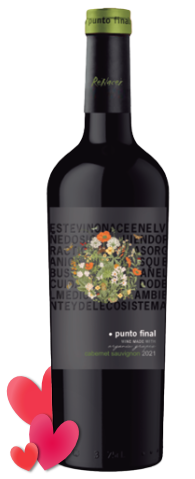
Intense ruby red color with violet and black highlights. Aromas of ripe cherries, currants and ripe plums complemented by roasted bell pepper and sweet spices (paprika, pepper). Noticeable fresh plum and cherry flavors. Sweet entry with ripe tannins, balanced with good acidity; elegant, persistent on the palate and long finish.
Varietal: 90% Cabernet Sauvignon, 10% Cabernet Franc Analysis: 13.6% alcohol / volume pH: 3.73 Total Acidity: 5.32 g/L Appellation: Luján de Cuyo, Mendoza, Argentina Grapes: From two blocks of the “Renacer” estate in Perdriel – Luján de Cuyo (950 m.a.s.l. – silt loam soils). Vineyards:With yields of less than 8 tons per hectare. Harvest: Hand-picked in 17 kg. at the beginning of April Selection: Double manual selection of clusters and berries Maceration: Cold for 3 days at 46.4ºF Alcoholic Fermentation: Carried out with selected indigenous yeasts for 10 days in stainless steel tanks at controlled temperatures between 77ºF and 80.6ºF Malolactic Fermentation: In stainless steel tanks Aging: Young profile without contact with oak Food Pairing: Lean red meats, grilled vegetables, lamb, cheeses such as brie, camembert, cheddar and parmesan
About the Winery: Nestled in Luján de Cuyo—one of Mendoza’s premier regions for producing premium wines—Bodega Renacer was purposefully designed to craft high-end wines. Founded by Patricio Reich, a wine industry veteran since the late 1980s, his journey began as a partner and managing director at Viña San Pedro in Chile. Over time, his passion for winemaking deepened, inspiring him and his family to launch a new venture focused on creating exceptional wines. Established in 2003 at the base of the Andes Mountains, the winery features Tuscan-inspired architecture, pergolas, and Italian-style gardens—a tribute to its family heritage and a warm invitation to visitors. Bodega Renacer is driven by their key principles: a relentless pursuit of quality, a commitment to innovation, a strong family spirit, sustainability, and a dedication to specializing in Malbecs and Cabernets. Learn more here.
Try this wine with the following recipe…
Chocolate Lava Cake
INGREDIENTS:
½cupunsalted butter(113g)
6ouncesbittersweet chocolatechopped (168g)
2large eggs
2large egg yolks
¼cupgranulated sugar(50g)
⅛teaspoonsalt
2tablespoonsall-purpose flour
DIRECTIONS:
Preheat the oven to 450°F. Butter and lightly flour 6 (4- to 5-ounce) ramekin dishes and place them on a baking sheet.
Combine the butter and chocolate in a double boiler and melt over low heat, stirring until smooth. Or, place the butter and chocolate in a microwave-safe bowl and microwave on high, stirring every 30-seconds until melted. Whisk together until smooth.
In a large mixing bowl, combine the eggs, egg yolks, sugar, and salt. Beat on medium speed until thick and pale yellow. Fold the chocolate mixture and flour into the egg mixture until well combined. Divide the batter among the prepared ramekins.
Bake for 6 to 8 minutes or until the sides of the cakes are firm set but the center is jiggly. Let the cakes cool in the ramekin dishes for 1 minute.
Place a small dessert plate over the top of each ramekin and carefully turn it over, inverting the cake onto the plate. Let stand for about 10 seconds, then remove the ramekin to unmold the cakes. Sift powdered sugar on top and garnish with berries, if desired. Serve immediately.
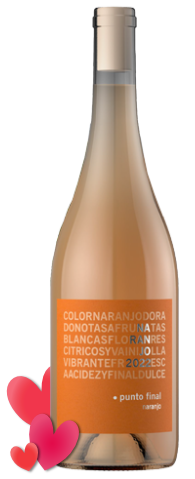
Golden orange color. The nose presents notes of ripe peach, apricot, ginger, flowers such as camomile. On the palate it has citrus flavors of tangerine peel and pink grapefruit. In addition, aromas of vanilla and bourbon can be found, the result of its brief contact with used barrels. It is vibrant, with fresh acidity and a sweet finish.
Varietal: 100% Chardonnay Analysis: 12.5% alcohol / volume pH: 3.3 Total Acidity: 6.5 g/L Appellation: Uco Valley and Luján de Cuyo, Mendoza, Argentina Vineyard Productivity: Yields of less than 8 tons per hectare Harvest: Manual in 17 kg crates Vinification: With skins, similar to a red wine fermentation, with selected yeasts in 1000 liter stainless steel tanks, at a maximum temperature of 64.4ºF Aging: French and American oak barrels of second use Farming: Vegan and sustainable Winery: Family owned Food Pairings: Lamb, pork, chicken, grilled fish, octopus, hummus, baba ghanoush, roasted vegetables and Indian curry
About the Winery: The name Punto Final refers to the moment when the winemaking team considers that it has achieved its ultimate goal: exceptional, easy-to-drink wines that express the typicity of each varietal in an authentic way. Founded by Patricio Reich, with the collaboration of world-renowned winemaker Alberto Antonini, Bodega Renacer prides itself in bringing consumers the very best wines from South America’s unique terroirs. The winery structure itself is quite impressive, featuring a medieval tower built of rocks with state-of-the-art winemaking equipment. Renacer’s vineyards are located in a unique zone in Mendoza, Argentina, where the soil, altitude, climate and water come together to create the perfect growing environment for Malbec and other varietals. Learn more here.
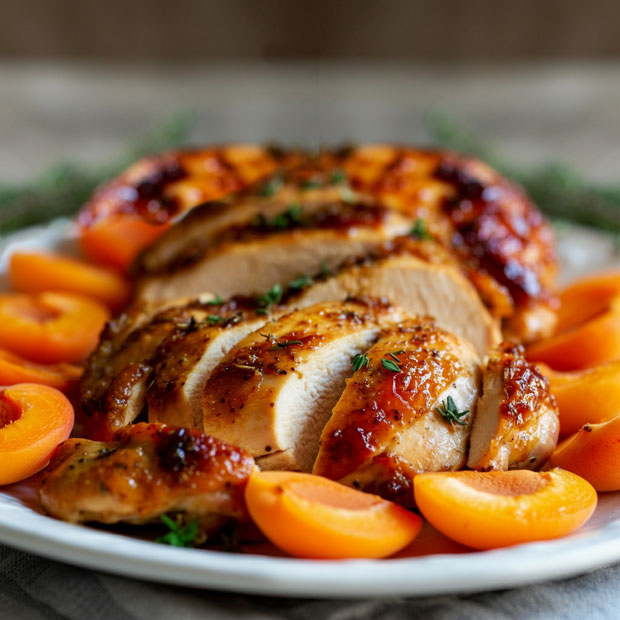
In a large bowl or baking dish add the apricot preserves, mustard, soy sauce, butter, thyme, salt and pepper and whisk until well combined. Add the chicken and toss until well coated.
Cover and refrigerate for at least 1 hour or up to overnight.
When ready to bake, remove from the fridge and let sit at room temperature for 30 minutes (if you have time) while you preheat the oven to 375 degrees. If you marinated in a bowl, transfer chicken and marinade to a baking dish and cover with foil.
Bake chicken for 35-40 minutes covered, then remove the foil and bake for another 5-10 minutes until lightly browned. You can put chicken under the broiler for 1-2 minutes if you want some extra color.
When chicken reaches 165 degrees remove from the oven and let sit for 5-10 minutes, then slice and serve over rice or with potatoes to soak up all those juices. Also pairs well with a simple salad.
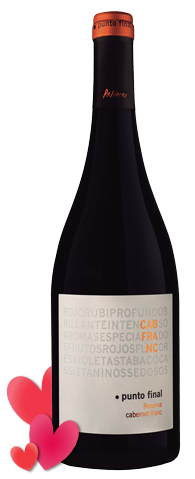
Intense ruby red color with violet reflections. Its aromas are of sweet spices, black pepper, cloves interwoven with soft notes of eucalyptus with a hint of pepper. As the wine opens, aromas of vanilla and chocolate appear from its aging in oak. The palate has great concentration, intensity and sweet impact, with ripe black fruit flavors and a distinctive caramel macchiato note. Soft, round tannins with good acidity and a long, lingering finish.
Varietal: Cabernet Franc Analysis: 14.1% alcohol / volume pH: 3.7 Total Acidity: 5.5 g/L Appellation: Luján de Cuyo, Mendoza, Argentina Grapes: From Vista Flores (1300 m.a.s.l. – calcareous and stony soils) and Perdriel – Luján de Cuyo (950 m.a.s.l. – loam soils). Vineyards: More than 15 years old with yields of less than 8 tons per hectare Selection: Double manual selection of clusters and berries Maceration: For 2 days at 46.4°F Alcoholic Fermentation: With indigenous yeasts for 12 days in stainless steel tanks at temperatures between 71.6 and 75.2°F Malolactic Fermentation: In stainless steel tanks Aging: In French oak barrels for 12 months Critical Acclaims: 90 pts James Suckling 2019; 91 pts James Suckling 2017; Silver Medal 90 pts Decanter 2017; 91 pts Decanter 2014: 91 pts Robert Parker 2011
About the Winery: Nestled in Luján de Cuyo—one of Mendoza’s premier regions for producing premium wines—Bodega Renacer was purposefully designed to craft high-end wines. Founded by Patricio Reich, a wine industry veteran since the late 1980s, his journey began as a partner and managing director at Viña San Pedro in Chile. Over time, his passion for winemaking deepened, inspiring him and his family to launch a new venture focused on creating exceptional wines. Established in 2003 at the base of the Andes Mountains, the winery features Tuscan-inspired architecture, pergolas, and Italian-style gardens—a tribute to its family heritage and a warm invitation to visitors. Bodega Renacer is driven by their key principles: a relentless pursuit of quality, a commitment to innovation, a strong family spirit, sustainability, and a dedication to specializing in Malbecs and Cabernets. Learn more here.
Try this wine with the following recipe…
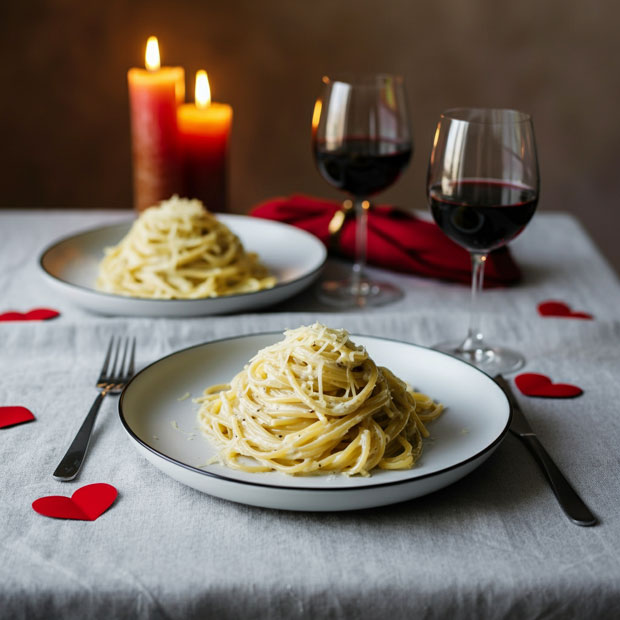
Authentic Cacio e Pepe (classic Roman dish)
INGREDIENTS:
1 lb. of dried spaghetti
8 ounces of finely shredded Pecorino Romano cheese
1 teaspoon of black pepper roughly ground
salt to taste
DIRECTIONS:
Set timer, bring a large pot of salted water to boil and add the Spaghetti.
Add pepper to a large sauté pan and slowly heat until you can smell the pepper.
To prevent burning, add a ladle (or two) of the pasta water and let it lightly boil. Make sure the pan doesn’t go dry and burn the pepper.
Add the cheese and a couple of ladles of boiling water to a bowl and mix it until it is creamy like a paste.
When the Spaghetti is cooked, add it to the sauté pan with the water and pepper. Quickly stir the pasta and try to develop a sauce from the pepper and starchy pasta water.
After two minutes of stirring, take off the heat and continue to stir while letting the pasta and pan cool a little, for about a minute.
Add the cheese mixture while the pasta is off the heat. Stir vigorously and mix the cheese throughout the pasta.
Put the pasta and cheese mixture back on a low flame and continue to stir it. If the sauce gets too dry, and one more ladle of pasta water to loosen up the mixture.
Once everything is well mixed and creamy, serve immediately. When it is in the serving bowl, top with a little bit of fresh ground pepper and some more cheese.
Take in a nose-full of bright tropical fruit, citrus, and a hint of floral. This wine is bursting with mouth watering notes of lychee, lime, pineapple and peach.
Analysis: 12.5% alcohol / volume Varietal: 100% Reisling Appellation: Columbia Valley, Oregon Winemaking: Stainless Steel Tanks Serving Suggestion: Pair with pad see ew with prawns, chicken tikka masala, lobster with lots of butter, jambalaya and even kettle corn Critical Acclaim:
89 Points & BEST BUY – Wine Enthusiast, 2021
95 Points & Best in Class – Savor NW
WineStyles’ Wine and Cheese Pairing: Pair with a stinky blue cheese to complement the fruity notes of this wine. Learn more about our wine and cheese pairings here.
Wine: With the touch of Sokol Blosser’s winemaking team and their adoration for food-loving wine, this Evolution Riesling is so zingy and bright that it will wake up your taste buds and brighten your day. They crafted a wine that will stand up to spicy curries and stinky cheeses. It’s not your grandma’s Riesling. It’s the wine for the daring wine lover. For the wine lover who likes to buck the norm and ignore the stereotypes. Like a stealthy wolf in sheep’s clothing, this Riesling is slightly sweet on the outside yet packs a punch. It has a core of acidity that grabs your attention and makes it food’s best friend.
About the Winery: For over 50 years, the Sokol Blosser family has been putting passion into bottles at their winery in Oregon. Family owned since 1971, their story began when Susan Sokol and Bill Blosser first planted vines in the now-famous Dundee Hills of Oregon’s Willamette Valley. As second-generation winegrowers, Alex and Alison Sokol Blosser are passionately committed to their family’s legacy of creating world-class wines. In 1998, they poured their love for wine into Evolution – exceptionally food-friendly wines for exceptional people. Its fan base gives meaning to the word “loyal” and is spread all over North America, Europe and Asia. At the time, there were very few white blends on the market, and Evolution tapped into the niche that would become an important segment of the wine business. As word spread and Evolution made the rounds, it enjoyed extraordinary popularity. Learn more about the wineryhere.
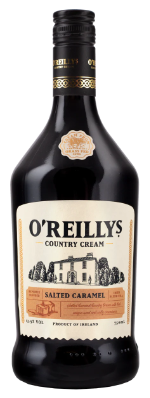
This wine-based salted caramel Irish Cream is made with real Irish dairy cream from Abbeyleix, the heartland of Ireland. Enjoy rich caramel and creamy toffee notes rounded off with a hint of sea salt.
Analysis: 13.9% alcohol / volume
WineStyles’ Wine and Cheese Pairing: Pair with a young or aged Gouda cheese. A young Gouda will bring out a mild sweetness, while aged Gouda offers nutty, caramelized flavors that mirror the Irish cream. Learn more about our wine and cheese pairings here.
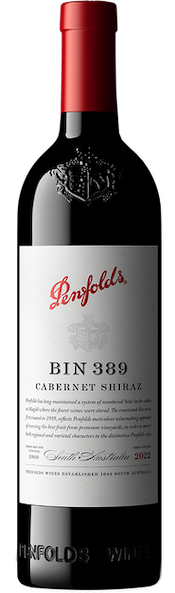
The color is glossy, dark red and purple. The nose is an “old school” Penfolds nose—a classic and comforting homage to their storied past. It opens with the rich, deep tones of mahagany and the refined scent of a cigar box. Sweet oak spices are neatly interlaced with a dusty character. This foundation is lifted by summer berries, offering a balance between richness and vitality. Baking spice is present alongside tart red currant and cranberry, while the aroma of fresh pastries rounds out the nose. The palate is immediately enveloped by cocoa powder-like tannins—smooth yet profound in their impact. The wine boasts volumes of Cabernet character, showcasing cool fruits that are well lifted and vibrant. A barrel ferment nuance adds depth without overshadowing the fruit’s purity. Sourdough notes bring a rustic edge which complement the lush profiles of plum fruits, blackberry, mulberry, wild cherries and more distinctly tart morello cherries.
Varietal: 51% Cabernet Sauvignon, 49% Shiraz Vineyard Region: McLaren Vale, Coonawarra, Barossa Valley, Padthaway, Wrattonbully Analysis: 14.5% alcohol / volume pH: 3.62 Total Acidity: 6.7 g/L Maturation: 12 months in American oak hogsheads (36% new) Peak Drinking: 2025-2050 Awards:
96 Points – Andrew Caillard MW
96 Points – Tyson Stelzer
96 Points – Huon Hooke
96 Points – James Halliday
96 Points – Ken Gargett
94 Points, #12 on Wine Spectator’s Top 100 List
Winemaker’s Notes: Bin 389 was often referred to as ‘Baby Grange’, in part because components of the wine are matured in the same barrels that held the previous vintage of Grange. First made in 1960 by the legendary Max Schubert, this was the wine that helped forge Penfolds reputation with red wine drinkers by combining the structure of Cabernet Sauvignon with the richness of Shiraz. Exemplifying the judicious balance of fruit and oak, Bin 389 highlights the generous mid-palate Penfolds is known for.
Vintage Conditions: In McLaren Vale, temperatures rarely soared above 35°C — significantly lower than in the previous vintage. This coolness contributed to a delayed but unhurried harvest, allowing Shiraz and Cabernet Sauvignon fruit to be picked at an ideal time for quality. Coonawarra experienced its own cold spells with nine days dipping below 2°C during spring. The lowest point was recorded early in September at -0.3°C. Frost fans played a critical role in protecting the vines from damage. Warmer weather returning late November to December provided perfect conditions for flowering and fruit-set, leading to uniform veraison with robust grape flavors, tannins, and color. The Barossa Valley told a story of resilience under cool conditions with spring storms bringing winds and heavy rains including hail; nevertheless, yields exceeded early predictions. A dry but cool December extended the fruit-set period; however, this did not hinder sugar accumulation or phenolic maturity thanks to healthy canopies that retained acid well into the growing season. Padthaway faced a challenging frost event in mid-October, followed by mild weather free from significant heat spikes or harvest delays due to rain — conditions conducive for quality grape development. Wrattonbully faced its own trials with rainfall from October to April measuring 49% above long-term averages. While excess moisture slowed ripening and pushed back harvest dates slightly, fruit quality was not impacted, and ‘A grade’ blocks produced a high-quality harvest.
About the Winery: Penfolds is one of Australia’s most iconic wineries, founded in 1844 by Dr. Christopher and Mary Penfold. With a history spanning over 175 years, the winery has built a legacy of crafting world-renowned wines. Penfolds blends tradition with innovation, focusing on quality, multi-regional sourcing, and a diverse portfolio that spans a wide range of varietals. The winery’s commitment to excellence has made it a symbol of premium Australian wine on the global stage. Learn more here.
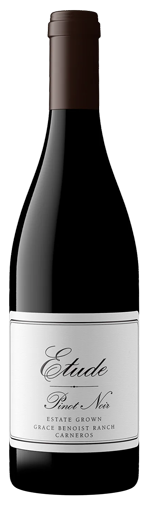
The Etude Carneros Pinot Noir is a true reflection of the winery’s estate vineyard, Grace Benoist Ranch. A blend of the best grapes from individual vineyard parcels on the Ranch, this wine tells the story of a particular vintage from a very unique place.
Vibrant and lively, this ethereal ruby red Pinot Noir is full of lifted red berry aromas alongside flavors of strawberry compote, Bing cherry, pink peppercorn, and delicate hibiscus flower with nuances of earth and spice. The mouthfeel is savory and rich with fine-grained tannins and finishes long and fresh with hints of cinnamon and clove, a signature characteristic often found in Grace Benoist Ranch Pinot Noirs. Silky and supple with a lean line of acidity, making it ideal for enjoying now, or cellar away, for further development of the complex layers of flavor.
The Vineyard: The Etude Carneros Pinot Noir originates from their estate vineyards located in the far northwest corner of the Carneros appellation, near the southwest corner of Sonoma. Unlike the majority of Carneros, which features soils composed of clay from uplifted bay bottoms, the soils at Grace Benoist Ranch are diverse and influenced by volcanic origins. These well-drained, rocky upland soils, combined with the vineyard’s extreme western location near the Pacific Ocean and San Pablo Bay, create an ideal environment for cultivating Burgundian varieties.
The vineyard parcels at Grace Benoist Ranch are carefully aligned with the diverse soil types and varying contours of the ranch’s topography. Each vineyard averages just eight acres, with dense spacing to promote low per-vine yields of intensely concentrated fruit. The ranch is farmed to Etude’s rigorous standards using environmentally responsible viticultural practices. It is sustainably managed and certified by both the California Sustainable Winegrowing Alliance and Fish Friendly Farming. Grace Benoist Ranch encompasses four smaller vineyards—Laniger, Deer Camp, Temblor, and Heirloom—which feature five principal soil types and 20 distinct Pinot Noir clones.
Production: The 2019 harvest started one to two weeks later than previous years, mostly due to February rains, but because the vines were in their winter dormancy, it did not affect the 2019 crop. Spring continued to be wet with some rain during flowering, followed by cool temperatures that allowed the grapes to mature gradually. Most grapes ripened at lower sugars, thanks to the extended, cool growing season, and winemakers were pleased with the full flavors, fresh acidity and superb balance of the 2019 fruit. Wildfires in October did not impact this year’s harvest as the vast majority of the grapes were already brought in, resulting in a crop size pretty much on par with previous years.
Winemaking: For more than a decade Jon has fashioned Etude wines with a simple creed: Inspired winegrowing diminishes the need for a winemaker to intervene in the cellar. Whether sourcing from the estate Grace Benoist Ranch in Sonoma’s Los Carneros, or vineyards like Fiddlestix and North Canyon in famed growing regions of California’s Central Coast, his focus is on coaxing the very best from the vineyard. It shows in every glass of Etude.
About the Winery: Etude is located in the Carneros region, which is the only American Viticultural Area (AVA) located at the crossroads of two major regions: Napa and Sonoma. Los Carneros, named in tribute to the livestock that roamed its hills from the late 1800s to the mid-20th century, was officially designated as an AVA in 1983. The year before, Etude was founded by winemaker Tony Sotor, whose leadership, along with the efforts of the Etude winemaking team, played a pivotal role in defining not only the boundaries of this new AVA but also the distinctive characteristics and quality of its grapes. These qualities continue to set Los Carneros apart from other AVAs in both Napa and Sonoma. As a cooler climate wine region, Los Carneros benefits from fog and maritime breezes flowing in from the Pacific through the San Pablo Bay and Petaluma Gap. This natural cooling slows vine growth and photosynthesis, allowing for a prolonged hang time that results in concentrated flavors, optimal sugar and phenolic ripeness, and balanced acidity in the grapes. To learn more about the winery, click here.


 Pomar Junction Vineyard & Winery
Reserve Zinfandel
Paso Robles, California
Pomar Junction Vineyard & Winery
Reserve Zinfandel
Paso Robles, California About Pomar Junction Vineyard and Winery:
Dating back at least eight generations, the Merrill Family has been growing and producing grapes on California’s Central Coast since the 19th Century. Originally, the family was growing grapes for other wineries in California – from premium small producers to large international brands. Today, Dana and Marsha Merrill, along with their son, Matthew, and winemaker, Jim Shumate farm the vineyards and produce elegant wines of their own. Learn more here.
About Pomar Junction Vineyard and Winery:
Dating back at least eight generations, the Merrill Family has been growing and producing grapes on California’s Central Coast since the 19th Century. Originally, the family was growing grapes for other wineries in California – from premium small producers to large international brands. Today, Dana and Marsha Merrill, along with their son, Matthew, and winemaker, Jim Shumate farm the vineyards and produce elegant wines of their own. Learn more here.
 Slow Cooker Korean Pulled Pork Sliders
 Join our WINE CLUB and enjoy these amazing wines and pairing recipes each month. Plus, you’ll receive 10% off all retail wine purchases!
Learn about our Memberships >
Join our WINE CLUB and enjoy these amazing wines and pairing recipes each month. Plus, you’ll receive 10% off all retail wine purchases!
Learn about our Memberships >

 Rancho La Gloria
 Bartenura


 Pomar Junction Vineyard & Winery
Roussanne
Pomar Junction Vineyard & Winery
Roussanne
 Lobster Pasta
 Pomar Junction Vineyard & Winery
Reserve Pinot Noir
Pomar Junction Vineyard & Winery
Reserve Pinot Noir
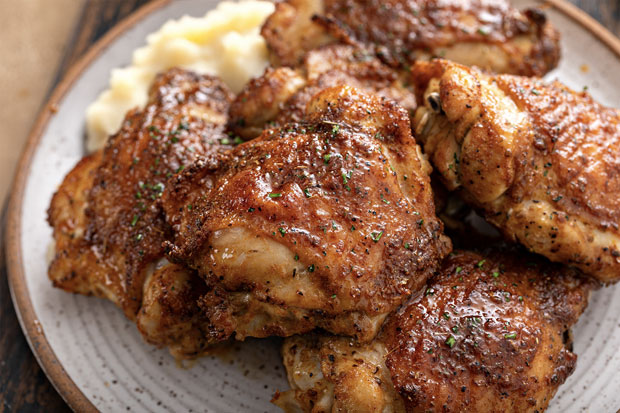 Easy Roasted Garlic Butter Chicken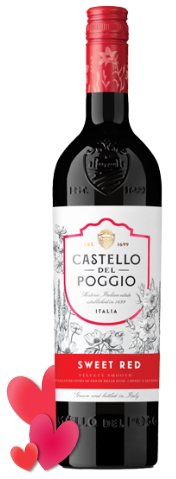

 Bodega Renacer
 Chocolate Lava Cake
 Bodega Renacer
 Apricot Glazed Baked Chicken
 Bodega Renacer
 Authentic Cacio e Pepe (classic Roman dish)
 Sokol Blosser
 O’Reilly’s Country Cream
 Penfolds
 Etude
Etude WineStyles Tasting Station