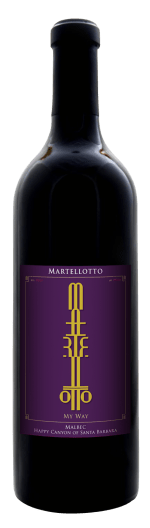
Martellotto ‘My Way’ Malbec

Lamb Sliders with Blue Cheese

INGREDIENTS:

  • 1 1/4 teaspoons olive oil
  • 1 2/3 cups thinly sliced onion (about 1 large)
  • 3/4 teaspoon brown sugar
  • dash of salt
  • 1/4 teaspoon freshly ground black pepper
  • 13 ounces lean ground lamb
  • cooking spray
  • 8 (1.3 ounce) mini-sandwich buns
  • 2 tablespoons crumbled blue cheese

DIRECTIONS:

  1. Heat oil in a large nonstick skillet over medium heat. Add onion and sugar to pan; cook 10 minutes, stirring frequently. Stir in 1/8 teaspoon salt. Reduce heat; cook 8 minutes or until tender and browned, stirring occasionally. Keep warm.
  2. Preheat broiler.
  3. Combine remaining 1/4 teaspoon salt, pepper, and lamb in a large bowl. Divide lamb mixture into 8 equal portions; shape each into a 1/2-inch-thick patty. Place patties on the rack of a broiler pan coated with cooking spray; place rack in pan. Broil 6 minutes, turning once after 3 minutes. Remove from oven; let stand 3 minutes.
  4. Broil buns, cut sides up, 2 minutes or until lightly toasted. Place patties on bottom halves of buns; top each patty with about 1 1/2 tablespoons caramelized onion and about 3/4 teaspoon blue cheese. Cover with top halves of buns.

FEBRUARY WINE CLUB:

Bold wine Style logoMalbecMartellotto Winery
My Way

Santa Barbara, California

BOLD WINE STYLE

“A Hedonistic wine that is a pleasure to share. This Malbec is the dark horse of Cahors and Argentina. Martellotto produces an outstanding expression from the hottest part of SB County.” – Martellotto Winery

The “My Way” Malbec is dark as night, inky, and redolent with blue fruits. Flavors of dark plum, cherry, and blackberry explode in the glass and the finish is lush with toasty oak, vanilla, and crusted flowers. ‘My Way’ is an awesome California expression on this noble varietal – it’s a velvet glove with an iron fist.

Varietal: 80% Malbec, 20% Petit Verdot
Analysis:
14% alcohol / volume
AVA: Happy Canyon of Santa Barbara
Soil:
Sandy Loam
Farming:
Sustainable
Production:
20 barrels
Aging:
10 months, 30% new French Oak

HAPPY CANYON OF SANTA BARBARA:
This new, small AVA was established in 2009. Located in the southeast part of the larger Santa Ynez Valley, this is the hottest part of the valley and furthest from the ocean. Rolling hills sit atop a serpentine-laced terroir that is primarily planted to Bordeaux varietals.


ABOUT MARTELLOTTO WINERY:
The Martellotto family roots trace back to 17th century winery in Alberobello in Puglia, Italy. Over four centuries later, winemaker Greg Martellotto continues his family’s viticultural legacy, by making enticing, vibrant wines what speak to his own viticultural passion. 

Located in Buellton, California, Martellotto Winery focuses on vibrant Bordeaux varietals from the hottest new AVA, Happy Canyon of Santa Barbara. Indeed, Martellotto Winery is one of the few California wineries bottling and producing varietal wines from each of the five noble Bordeaux grapes: Cabernet Sauvignon, Malbec, Petit Verdot, Cabernet Franc and Merlot. Since 2005, Martellotto Winery has produced unique and exciting wines designed to surprise and ignite discerning palates of wine lovers everywhere.

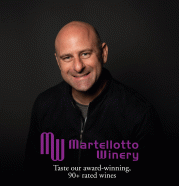
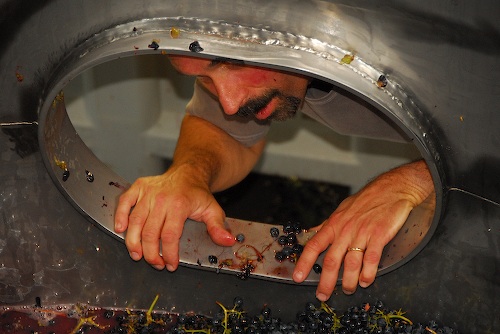
Winemaker, Greg Martellotto

Winemaker, Greg Martellotto

ABOUT THE WINEMAKER:
Greg Martellotto has been making wine since 2005. His peripatetic path has led him to winemaking experience in Mexico, Italy, Napa Valley, Paso Robles, and Santa Barbara. He holds a degree in Biological Sciences from Stanford University and a Masters degree from the University of Texas. His global wine experience has provided opportunities to travel to most of the major winemaking regions of the world as both a buyer and a consumer, which informs his style. Equally important and unique among most winemakers, Greg’s experience as an importer and wine buyer provides insiders access to the greatest wines and wineries in the world. In this capacity, he regularly tastes more than 400 wines per month and he knows great wine.

Wine club logoJoin our WINE CLUB and enjoy these amazing wines and pairing recipes each month. Plus, you’ll receive 10% off all retail wine purchases!

Learn about our Memberships >

February Wine Club Pairing Recipe

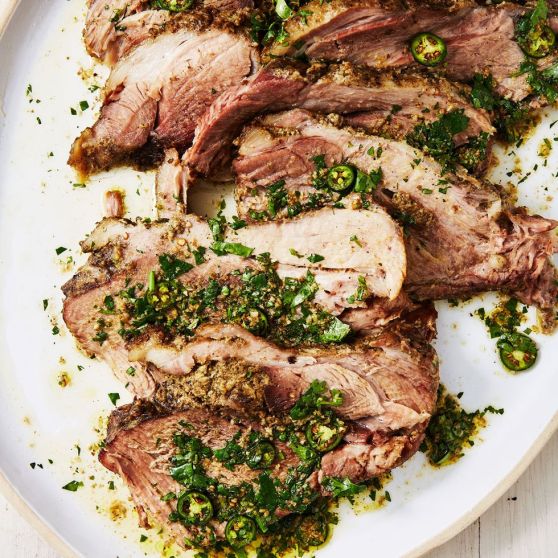
delish-191015-slow-cooked-pork-shoulder-0369-portrait-pf-1572470102

© Photo by Parker Feierbach of Delish

Slow-Cooker Pork Shoulder

  • 1 boneless, skinless pork shoulder, Boston butt about 6 lbs.
  • 20 cloves garlic 
  • 1/2 cup olive oil, divided 
  • 2 tsp. cumin
  • 2 tbsp. salt 
  • 1 tbsp. black pepper 
  • 3 tbsp. oregano leaves 
  • 1/2 cup fresh squeezed orange juice 
  • 1/4 cup fresh squeezed lime juice 
  • 1 Serrano pepper, seeded, and diced
  • 1/4 cup freshly chopped fresh cilantro  
  • White rice, for serving, optional 

DIRECTIONS:

  1. Dry pork shoulder with a paper towel and make 1” incisions with a knife all over.
  2. Pulse garlic, ¼ cup oil, cumin, salt, pepper, and oregano in a food processor until a paste is formed. Remove 2 tablespoons of the paste and set aside.
  3. Rub pork shoulder all over with remaining paste, pushing some of it into the incisions.
  4. Place pork in slow cooker, cover, and cook on low until meat is fork-tender but not yet completely falling apart, 7 1/2 to 8 hours.
  5. To make the sauce, heat remaining ¼ cup oil in a small saucepan over medium heat until shimmering. Add reserved 2 tablespoons garlic paste and let sizzle, stirring continuously until fragrant, just about 1 minute. Remove from heat and let cool before whisking in orange juice, lime juice, serrano pepper, and cilantro.
  6. Serve sliced pork over rice with sauce drizzled on top.

© Recipe courtesy of Kat Boytsova of Delish

FEBRUARY WINE CLUB:

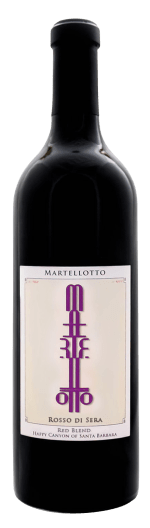
Rosso Di SeraBold wine Style logoMartellotto Winery
Rosso Di Sera
Santa Barbara, California

BOLD WINE STYLE

“Martellotto’s ‘Evening Red’ Bordeaux blend steals the Spotlight! Greg Martellotto believes blends are better and this wine highlights the symphonic harmony of three Bordeaux varietals: Malbec, Cabernet Sauvignon, and Cabernet Franc.” – Martellotto Winery

Aromas of luxardo cherry, cedar, and fresh Mediterranean herbs entice; while flavors of ripe plum, blueberry and oak dance on the tongue. This Rosso Di Sera is a stunning value; rich, opulent and easy to gulp; and a wonderful expression of the AVA.

Varietal: 40% Malbec, 35% Cabernet Sauvignon, 25% Cabernet Franc
Analysis:
14.2% alcohol / volume
AVA:
Happy Canyon of Santa Barbara
Soil:
Sandy/Clay Loam
Farming:
Sustainable
Production:
60 barrels
Aging:
10 months in tank, 20% new oak
Critical Acclaim: 90 pts. Wine Enthusiast; 90 pts. Jeb Dunnuck

HAPPY CANYON OF SANTA BARBARA:
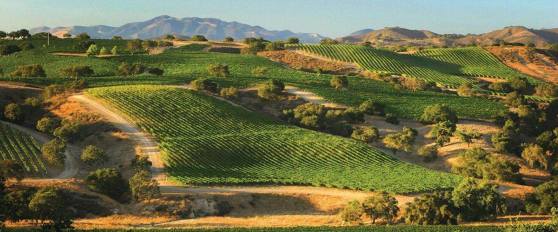
This new, small AVA was established in 2009. Located in the southeast part of the larger Santa Ynez Valley- the hottest part of the valley and furthest from the ocean. Rolling hills sit atop a serpentine-laced terroir that is primarily planted to Bordeaux varietals.

Photo from Martellotto Winery

© Photo from Martellotto Winery

ABOUT MARTELLOTTO WINERY:
The Martellotto family roots back to a 17th century winery in Alberobello in Puglia, Italy. Over four centuries later, winemaker Greg Martellotto continues his family’s viticultural legacy, by making enticing, vibrant wines that speak to his own viticultural passion.

Located in Buellton, California, Martellotto Winery focuses on vibrant Bordeaux varietals from the hottest new AVA, Happy Canyon of Santa Barbara. Indeed, Martellotto Winery is one of the few California wineries bottling and producing varietal wines from each of the five noble Bordeaux grapes: Cabernet Sauvignon, Malbec, Petit Verdot, Cabernet Franc and Merlot. Since 2005, Martellotto Winery has produced unique and exciting wines designed to surprise and ignite discerning palates of wine lovers everywhere. Martellotto has a vineyard first philosophy, and sources sustainably farmed grapes from California’s choicest vineyards. Gentle handling and minimal intervention result in wines that are consistently vibrant and a joy to share. Learn more about the Martellotto Winery here.

Greg Martellotto

Winemaker, Greg Martellotto

ABOUT THE WINEMAKER – GREG MARTELLOTTO:
Greg has been making wine since 2005. His peripatetic path has led him to winemaking experience in Mexico, Italy, Napa Valley, Paso Robles, and Santa Barbara. He holds a degree in Biological Sciences from Stanford University and a Masters degree from the University of Texas. His global wine experience has provided opportunities to travel to most of the major winemaking regions of the world as both a buyer and a consumer, which informs his style. Equally important and unique among most winemakers, Greg’s experience as an importer and wine buyer provides insiders access to the greatest wines and wineries in the world. In this capacity, he regularly tastes more than 400 wines per month and he knows great wine.

Wine club logoJoin our WINE CLUB and enjoy these amazing wines and pairing recipes each month. Plus, you’ll receive 10% off all retail wine purchases!

Learn More >

January Collector’s Wine Club: Iowa

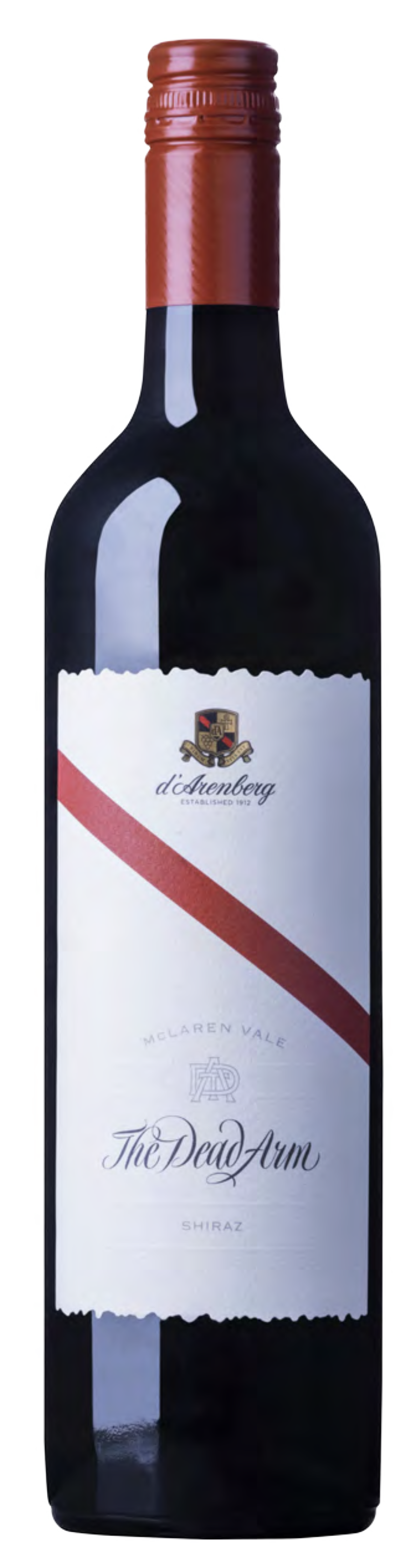
Dead ArmBold wine Style logod’Arenberg
2014 Dead Arm Shiraz
McLaren Vale, Australia

BOLD WINE STYLE

Dead Arm is a vine disease caused by the fungus ‘Eutypa Lata’ that randomly affects vineyards all over the world. Often affected vines are severely pruned or replanted. One half, or an ‘arm’ of the vine slowly becomes reduced to dead wood. That side may be lifeless and brittle, but the grapes on the other side, while low yielding, display amazing intensity.

This is one of the more pure fruited versions of this iconic wine that we have seen in recent times. Highly aromatic in the early stages of its life, the nose is dominated by an array of perfectly ripe berry fruits and spicy notes. The dark, earthy and savory characters that we are well accustomed to, whilst present, seem to be taking a back seat. Nonetheless, they play an integral role in adding depth and complexity here. The palate is similarly positioned, showing almost restrained fruit weight but great depth of flavor and wonderful brightness. What hasn’t changed is that line of fine, lively tannins that present themselves early and drive the wine from start to finish, drawing fruit flavor along with them.

Analysis: 14.4% alcohol / volume
Varietal: Shiraz 100%
Residual Sugar:
0.9 g/L
pH: 3.48
Titratable Acid:
7.4
Oak Maturation:
18 months
Harvest Dates:
February 12th – April 17th
Chief Winemaker: Chester Osborn
Senior Winemaker: Jack Walton
Critical Acclaim:

  • 91 pts. on Wine Enthusiast
  • 97 pts. Tony Keys, The Key Report
  • 97 pts. Ray Jordan, The West Australian
  • 96 pts. Patrick Eckel, Wine Reviewer
  • 95 pts. James Halliday, Australian Wine Companion
  • 94 pts. Mike Bennie, The Wine Front
  • 92+ pts. Lisa Perrotti-Brown, Robert Parker’s Wine Advocate
  • 92 pts. Nick Stock, JamesSuckling.com
  • Double Gold Medal China Wine & Spirits Awards ‘Best Value’ 2017
  • 5 Stars Winestate Magazine Mainfreight World’s Greatest Shiraz Wine Show
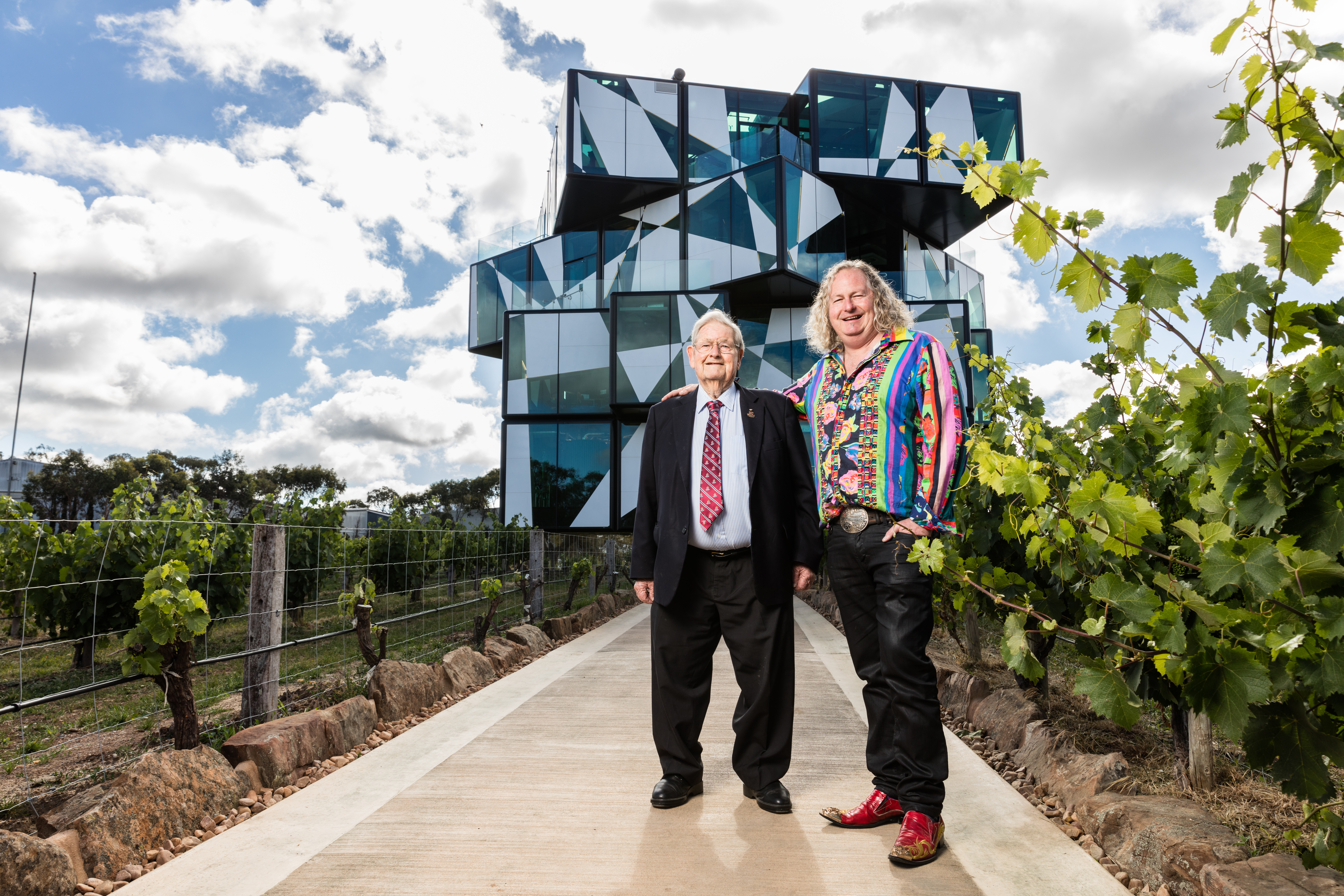
© Photo by d'Arenberg Winery - Darry and Chester Osborn

© Photo by d’Arenberg Winery – Darry and Chester Osborn

VINTAGE:
A wet winter ensured good sub soil moisture and set up the vines well with healthy canopies. Spring was very dry with above average temperatures, a heavy downpour in January was a welcome relief. Mild conditions during the ripening period produced wines that show an abundance of spicy fruits with great color, richness and balanced tannins. Vintage started on 30 January, the earliest start on record by one day.

THE WINEMAKING:

Small batches of grapes are gently crushed and then transferred to five tonne headed down open fermenters. These batches remain separate until final blending. Foot treading is undertaken two thirds of the way through fermentation. The wine is then basket pressed and transferred to a mixture of new and used French and old American oak barriques to complete fermentation. The barrel ferments are aged on lees, there is no racking until final blending and no fining or filtration.

CELLARING POTENTIAL:

The youthful exuberance and purity offers itself up for relatively early consumption (in Dead Arm terms that is). However, the lovely balance between acid and tannin along with the depth of fruit promises greater things to come. Watch patiently as the earthy vineyard expression grows with time. This wine will reach its full potential with bottle age up to at least 20 years. The considerable structure and depth will ensure that the fruit characters will develop over time revealing more complexity. This wine is best stored in an environment free of direct sunlight and with consistent temperatures between 10°C and 15°C.


Shipsters'-Rapture-ShirazBold wine Style logod’Arenberg
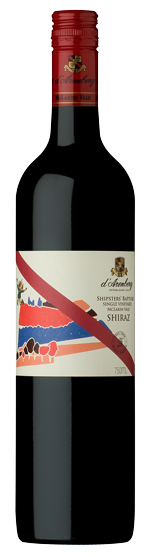
2010 Shipsters’ Rapture Shiraz
McLaren Vale, Australia

BOLD WINE STYLE

Shipsters’ Rapture is named in honor of Henry Shipster and his family who owned the vineyard before the Osborn family. The Shipsters are said to have delighted in their small plot of land, lovingly planting it to vines, an orchard and Needle Pines that still line the vineyard today.

Upon release, The Shipsters’ Rapture has a vivid, young, dense, purple-red colour. The nose is dominated by deep, dark purple fruits. Initially a little tight, with air there is the appearance of spice and flowery, mulberry notes.

Deep, rich mulberries and plums are the feature fruits on the palate. There is also a very appealing volume of spice on the finish. The cooling influence of the steep vineyard has created a more focused, linear wine. There is a real density to the wine with lovely long, mineral tannins that really linger. This wine epitomizes elegance but power. It will benefit from cellaring and decanting prior to serving is recommended.

Analysis: 14.2% alcohol / volume
Varietal: Shiraz
pH: 3.42
Titratable Acid: 6.6
Oak Maturation: 20 months in new and old French and Old American Oak
Harvest Date: 5 March 2010 
Chief Winemaker: Chester d’Arenberg Osborn
Senior Winemaker: Jack Walton
Additional Info: Vegan Friendly
Altitude: 70m Above Sea Level
Aspect: Southern
Size (area): 1.5 Hectares
Soil: Sandy Loam/Limestone
Age of Vines: 43 years
Critical Acclaim:

  • 92 points on Wine Enthusiast 
  • 91 points on Wine Spectator
  • 97 points from Huon Hooke
  • 91 points from Vinous Antonio Galloni
  • 91 points from Stephen Tanzer

VINTAGE:
Above average autumn rains set the vines up well. There was some heat during flowering which reduced crop levels in but with no ill-effects on quality. There was some more warm weather in January as the reds were going through veraison, this did no damage, but did encourage an early start to vintage. The day time temperatures were mild through out ripening with mild to cool nights. 2010 was a very strong vintage in McLaren Vale with the reds in particular showing excellent varietal characters and balance.

THE VINEYARD:
This very steep south aspect vineyard (depicted front) was planted to Shiraz in 1969. This aspect promotes the flowery fruit characters of the wine. The floweriness is further enhanced as the vines are situated in a steep gully where considerable cold air drainage occurs at nightfall. The geology is Blanche Point formation (limestone based), promoting the powerful structure of the wine.
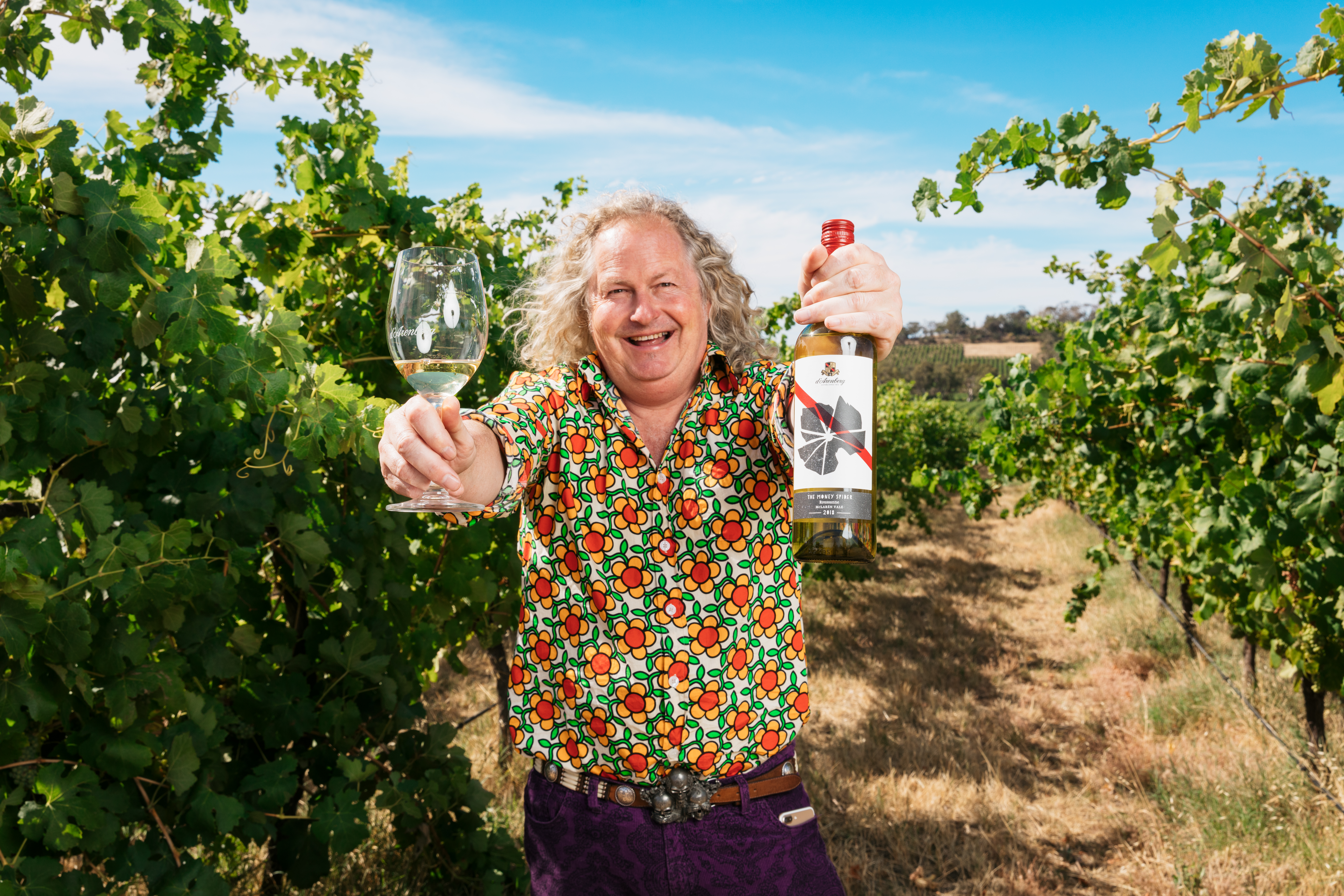
© Photo by d'Arenberg Winery - Winemaker Chester Osborn

© Photo by d’Arenberg Winery – Winemaker Chester Osborn

THE WINEMAKING:
Walking the vineyard rows and tasting grapes, Chester Osborn classifies and determines the ideal picking time for each individual vineyard. Small batches are crushed in the Demoisy open-mouthed, rubber toothed crusher and then transferred to five-tonne headed-down open fermenters. These batches remain separate until final blending. Foot treading is undertaken two thirds of the way through fermentation. When tannin extraction is just right the wine is basket pressed and transferred to a mixture of new and used French and old American oak barriques to complete primary and secondary fermentation. The barrel ferments are aged on lees to keep the wine fresh while also reducing the oak influence. There is no racking until final blending. Chester and the winemaking team undertake an extensive barrel tasting process for the ‘Amazing Sites’ range and only the best shiraz blocks from each vintage are selected.

CELLARING POTENTIAL:
The youthful exuberance and purity offers itself up for relatively early consumption (in Dead Arm terms that is). However, the lovely balance between acid and tannin along with the depth of fruit promises greater things to come. Watch patiently as the earthy vineyard expression grows with time. This wine will reach its full potential with bottle age up to at least 20 years. The considerable structure and depth will ensure that the fruit characters will develop over time revealing more complexity. This wine is best stored in an environment free of direct sunlight and with consistent temperatures between 10°C and 15°C.

ABOUT D’ARENBERG:
Since 1912 the Osborn family have tended vineyards in McLaren Vale, South Australia. It is one of the undisputed kings of Australian Shiraz and other Rhone varieties that have historically defined the region. A century on, their vineyards have grown to some 450 acres in McLaren Vale, including Shiraz dating back to d’Arenberg’s first plantings in 1912, and nearly one-third of McLaren Vale’s old bush-vine Grenache. Today fourth generation family member, Chester, makes distinctive wines using traditional methods both in the vineyard and the winery. Recently, Chester has converted all of the family’s vineyards to organics and biodynamics and moved to solar energy in the winery. All the while, in terms of winemaking, not much has changed – all the wines are basket-pressed, the reds foot-trodden during fermentation; everything is done in small batches, leading to an impressive array of bottling every year, each showing a different facet of McLaren Vale terroir. Having been inducted into Wine & Spirits Magazine’s Hall of Fame for earning place on its Top 100 Wineries nine times, this accolade is a reflection of d’Arenberg’s revered reputation worldwide. To learn about the history of d’Arenberg, click here.


Bold wine Style logoSteyning-cabernetPenley Estate
2014 Steyning Cabernet Sauvignon
Coonawarra, Australia

BOLD WINE STYLE

The 2014 Steyning is an excellent example of a Coonawarra Cabernet Sauvignon. It has a concentrated aroma of leather, olive, dark blueberries and plum. The densely concentrated fruit is supported by cedar French oak, and is a wine of complexity and length bolstered by brooding savory tannin. Drink fantastically now, or well into the future. Suggested to decant before drinking.

Analysis: 15% alcohol / volume
Varietal: 100% Cabernet Sauvignon
pH:
3.54
Titratable Acid:
6.74 g/L

© Photo by Penley Estate

© Photo by Penley Estate of Hans

Viticulture:
Hans is a natural in the Vineyard. He’s a Viticulturist and a Geologist who has always been keen to understand the interaction between the vine and its own local geology. A visit to Portugal’s Douro Valley helped him realize his two fields of knowledge were a perfect match and since then Hans has been busy applying his geological mapping skills to the mapping of vineyards around Penley Estates. Hans’ aim is to always identify the small parcels of fruit in each vintage that will enable their winemakers, Kate and Lauren, to bring the ‘season to your glass’.

Winemaking:
Kate is one of Australia’s best contemporary winemakers. Wineries such as Wirra Wirra (McLaren Vale), Tim Kanppstein (Clare Valley), Seppelt (Great Western), Punt Road (Yarra Valley) have all benefited from Kate’s brilliance. There is no denial of talent and absolute harmony when it comes to Kate and the winery, which the Penley Estate has witnessed each year since she started in 2016.​ Her investment in Penley is what has fed their evolution into creating some spectacular contemporary varietals. Coupled with the addition of winemaker, Lauren Hansen, it’s as though Penley Estates have taken an almighty breath of fresh Coonawarra air. Learn more about their team here.
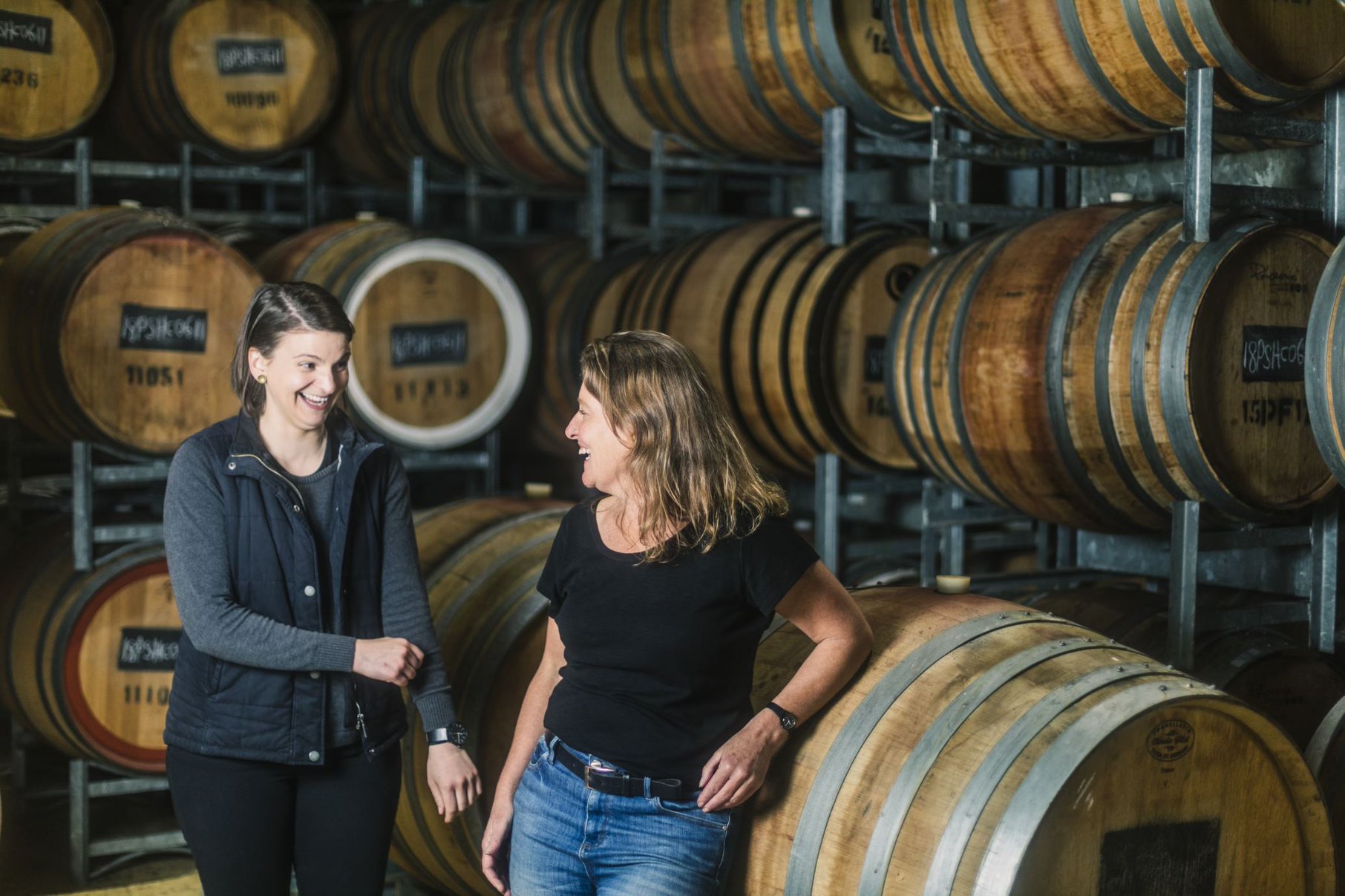
Penley Estate_Kate Goodman and Lauren Hansen

© Photo by Penley Estate – Winemakers Kate Goodman and Lauren Hansen


About Penley:
The Penley Estate wine-making history dates back to 1844, but it really began with a red sports car in 1945. It was a collision of hearts and minds, a collision that had been 100 years in the making – refined and distilled from two pioneering winemaking families When Reginald Lester Tolley rolled up to a function in his red sports car, Judith Anne Penfold Hyland was suitably impressed by the car and rather taken by the man behind the wheel. Sparks flew, romance blossomed and Penley was conceived (as a business name) in 1947 after Reginald and Judith married. However, it wasn’t until 1988 that the Penley name came to life, when the children of Reginald and Judith decided to create their own wines and put a label on tradition. They bought a plot of land in Coonawarra, planted cabernet grapes and called it Penley Estate. In 1995, they built a winery at Penley Estate – a full on, all the bells and whistles, impress me with your red sports car winery. Their reputation had grown by then, and it made sense to have everything on site. They planted more vineyards, added some Shiraz to the Cabernet, and increased their range of wine, producing classic Coonawarra reds that were full-bodied, to be kept and savored. To learn more about the history of Penley Estate, click here.

“Our history is a rich mix of endeavor, passion and vision with a touch of scandal and madness thrown in for good measure. We could write a book about it. Instead, we’ll leave you with the words of our glamorous mother; words that we hope you’ll taste in every bottle of our contemporary Coonawarra wine… ‘Grow up and be fascinating.'” – Ang and Bec Tolley


Love to collect amazing wines? 
Learn more about our quarterly Collectors Club > click here
Collectors Wine Club


Skylark Red Belly

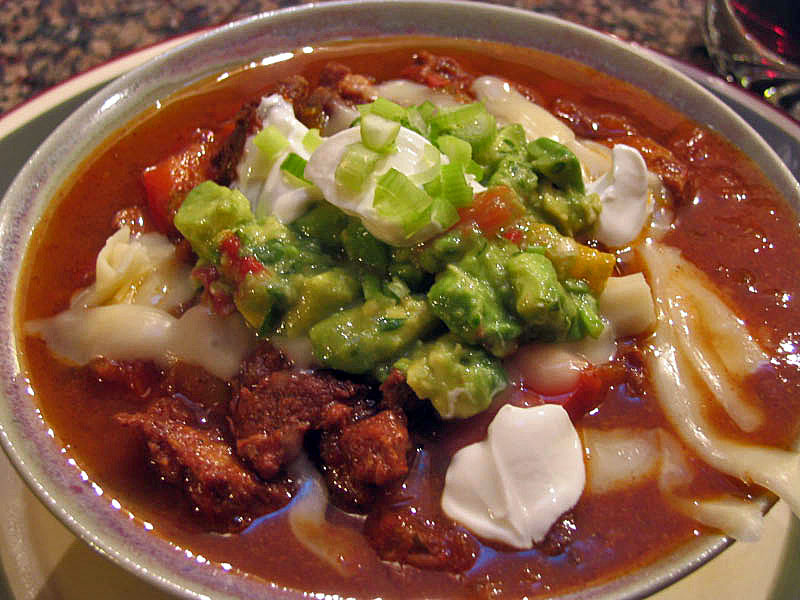
Down Home Dig-in Chili

© Bewitching Kitchen

© Bewitching Kitchen

INGREDIENTS:

  • 1/4 cup vegetable oil
  • 2 medium onions, finely chopped
  • 2 green bell peppers, chopped
  • 1 celery stalk, chopped
  • 2 garlic cloves, minced
  • 2 1/2 lbs stewing beef, chopped
  • 2 lbs pork shoulder (Boston butt), chopped
  • 4 cans (14 1/2 ounces) stewed tomatoes, drained, liquid reserved
  • salt and pepper to taste
  • 1 bottle pale ale (12 ounce)
  • 7 Tbsp chili powder
  • 4 jalapeno chilies, seeded
  • 1 tsp cayenne pepper
  • 1 tsp cumin
  • Hot pepper sauce (Tabasco type), to taste

DIRECTIONS:

  • Heat the oil in heavy large pot over medium heat. Add finely chopped onions, bell peppers, celery, and garlic and sauté until onions are translucent, about 10 minutes. Remove vegetables using slotted spoon and set aside.
  • Increase heat to high. Add beef and pork; sprinkle with salt and pepper. Cook until browned, stirring frequently, about 10 minutes. Return vegetables to pot. Add tomatoes, ale, chili powder chilies, cayenne and cumin. Reduce heat, cover partially and simmer 2 hours, adding reserved tomato liquid if chili appears dry. Taste and adjust seasoning with salt and pepper. Uncover and simmer until thickened and meat is tender, 2 more hours.
  • Season chili with hot pepper sauce. Serve with green onions, cheddar cheese, avocado and sour cream.
  • © Photo courtesy of Bewitching Kitchen; Recipe from Bon Appétit, 1988

DECEMBER WINE CLUB:

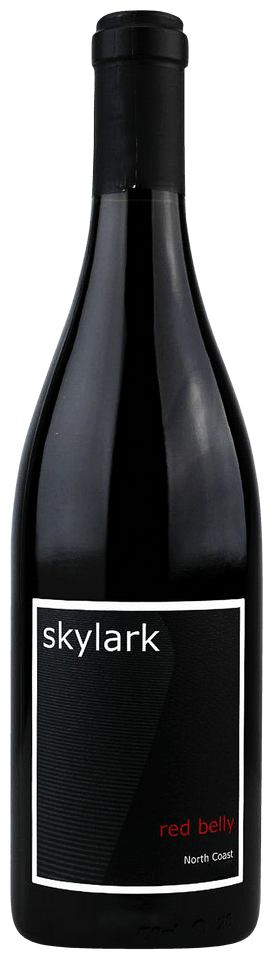
Mellow style logoSkylark Red BellySkylark Wine Company
Red Belly

North Coast, California

MELLOW WINE STYLE

Purple in the glass. Aromas of black cherry, plum, black licorice and a violet floral top note completes the engaging and complex nose. The red and black fruits on the palate turn creamy, silky and supple; as the medium-bodied palate is polished with lovely fruit viscosity buffered by inner mouth perfume. This is an eminently drinkable vintage for Red Belly, enjoyable now and for the next decade.

Red Belly is Skylark’s ode to the South of France where blending varietals to create a unique synergy is the way of life. Blending compatible varietals together is a centuries old tradition, and the Skylark team loves the challenges and complexities that come with that tradition. The Red belly is comprised of 40% Niemi Vineyard Carignane, 36% Ashurst Vineyard Syrah and 24% Sawyer Vineyard Grenache. Each varietal is fermented separately, then after secondary fermentation in barrel, the cepage is finalized after multiple blending sessions. The goal for Red Belly is juicy fruit, integrated tannins and early accessibility with mid-term aging potential. Skylark has definitely have achieved that here.

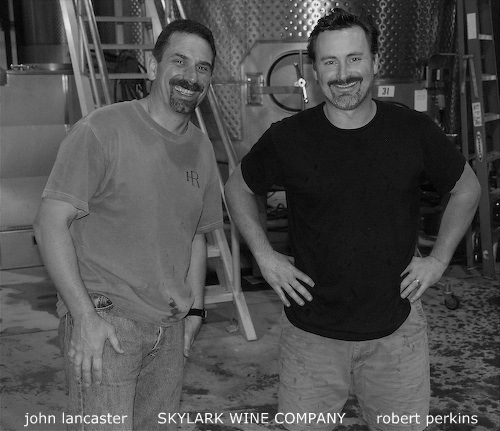
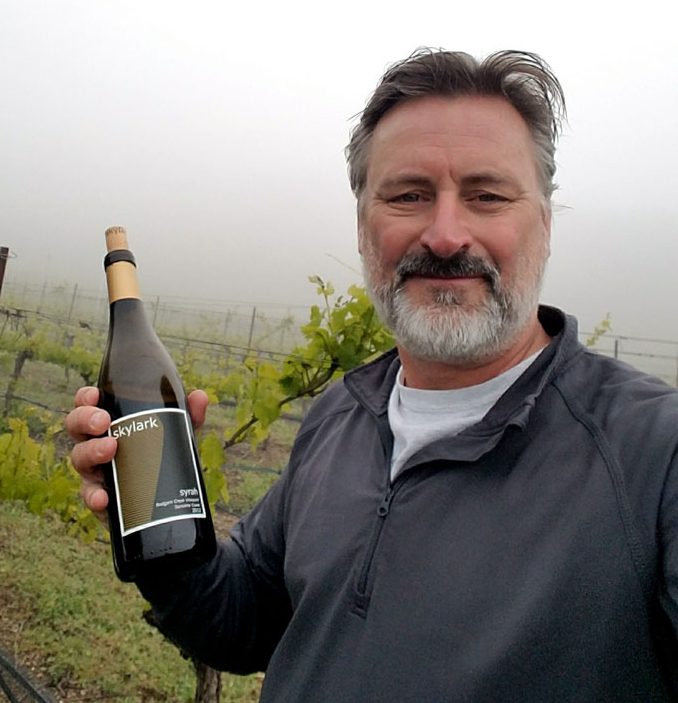
John L and Robert P

Photo by Skylark Wine: John L. and Robert P.

Varietal: 40% Carignan, 36% Syrah, 24% Grenache
Analysis:
14.5% alcohol / volume
pH:
3.61
TA: 6.2
Aging: Native yeast vinification of individual varietals in neutral French oak

Harvested: Hand-picked
Vineyards: Niemi Vineyard – Ashurst Vineyard – Sawyer Vineyard
Produced: 37 barrels – 925 cases

“While we continuously explore the fertile California landscape for red wine vineyards that excite us, our current releases are native to the Rhone Valley in France. Our single vineyard Syrahs are inspired by the Northern Rhone wines of Cote Rotie and Hermitage. Our Grenache is reflective of the great wines produced in the south of France in tiny villages such as Chateauneuf-du-Pape. We love the style of these wines and have discovered vineyards in Northern California that allow these varietals to truly shine.”

Wine club logoJoin our WINE CLUB and enjoy these amazing wines and pairing recipes each month. Plus, you’ll receive 10% off all retail wine purchases!

Learn about our Memberships >

Skylark Pinot Blanc

Creamy Lemon Pappardelle with Scallops

Creamy Lemon Scallop Pasta

© Spices in my DNA

INGREDIENTS:

For the scallops

  • 1 pound jumbo scallops, side muscle removed
  • small drizzle of olive oil
  • 1/2 tablespoon unsalted butter
  • salt and pepper to taste
  • squeeze of lemon

For the pasta

  • 9 ounces pappardelle pasta
  • 2 tablespoons unsalted butter
  • 1 tablespoon olive oil
  • 2 cloves garlic, minced
  • 1/4 – 1/2 cup reserved pasta water
  • 4 ounces mascarpone cheese
  • 1/2 cup ricotta cheese
  • 1/3 cup finely grated parmesan cheese, plus extra for serving
  • zest of 1/2 a lemon
  • 2 tablespoons chopped fresh basil, plus extra for serving

DIRECTIONS:

For the scallops

  1. Make sure scallops are super dry, pat down thoroughly with paper towels until they’re dry. Season with pepper (no salt yet). Heat a nonstick skillet over medium-high heat. Add a small drizzle of olive oil and the butter. Once melted, wipe out the pan so that only a thin layer of oil and butter remain. Sear the scallops on one side for about 2 minutes, or until a golden brown crust forms. Flip and sear on the other side for 1 minute or until just cooked through. Season with salt and a squeeze of lemon.

For the pasta

  1. Bring a large pot of water to a boil for the pasta. Salt the water generously. Once boiling, add the pasta and cook until al dente. Be sure to scoop out the pasta water during the last few minutes of cooking, or right before you drain it.
  2. Heat a large skillet over medium-high heat. Add the butter and olive oil. Once melted and hot, add the garlic and sauté for 30 seconds to 1 minute until fragrant, stirring constantly. If it seems too hot, reduce the heat to medium (you don’t want the garlic to brown). Add the reserved pasta water (start with 1/4 cup), mascarpone, ricotta, parmesan, and lemon zest, and stir until melted and creamy. Add the pasta and toss until coated. If the sauce seems too dry, add another splash of pasta water and toss until desired consistency is reached. Add the chopped basil and toss again. Season to taste with salt and pepper. Serve the scallops over the pasta, and garnish with extra fresh basil and parmesan. Enjoy!

© Recipe from Spices in my DNA

DECEMBER WINE CLUB:

Silky styleSkylark Wine Company
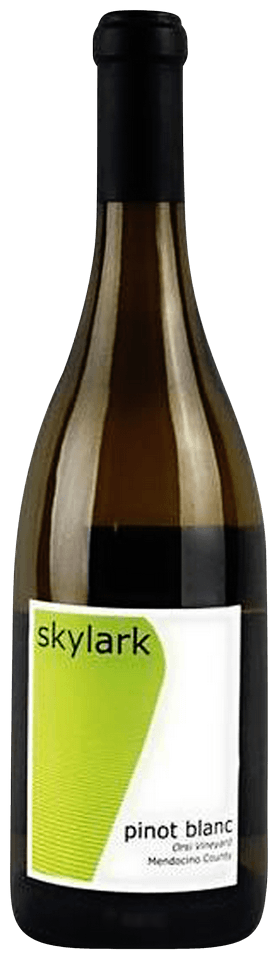
Pinot Blanc
Mendocino County, California

SILKY WINE STYLE

Light straw yellow in color. High-toned aromatics of lime peel, roasted lemon, Granny Smith apple and a complicating note of pebbled soil. Intense and penetrating on the palate, the flavors follow through with the roasted lemon and green apple enlivened by natural acidity. Deftly light and concentrated at the same time, with the crunchy fruit streaming into a palate-staining finish.

One of Skylark’s oldest vineyard sources is Bernie Orsi’s Pinot Blanc outside of Hopland in Mendocino, California. Originally planted by John Fetzer in the 1970s, John and Robert walked through the oldest block of this site in 2005. Impressed by the thick, stubby trunks and gnarled old vines, they signed on to purchase that section for harvest 2005.  They have now grown production to almost the entire vineyard for Skylark’s Pinot Blanc bottling. After picking, the fruit is whole cluster pressed into a tank, then racked to Mueller stainless steel barrels for fermentation. Stirred the lees once, blocked malolactic fermentation and bottled with a light filtration. No doubt, this vintage of Pinot Blanc will brighten your day.

John L and Robert P

Photo by Skylark Wine: John L. and Robert P.

Analysis: 13.2% alcohol / volume
pH: 3.28 g/L
TA: 7.1
Aging:
Whole cluster pressed and vinification in multiple stainless steel 75gl barrels

Harvested: Hand-picked
Vineyard: Orsi Vineyard
Cases Produced: 800

“To reflect our palates, the portfolio at Skylark includes crisp, flavorful, aromatic white wines and full-bodied, rich, spicy red wines. As we have long admired the beautiful white wines produced in Alsace and Austria, our Pinot Blanc is a California rendition of a classic European varietal.”


Wine club logoJoin our WINE CLUB and enjoy these amazing wines and pairing recipes each month. Plus, you’ll receive 10% off all retail wine purchases!

Learn More >

December Wine Club Pairing Recipe

© Natasha's Kitchen

© Natasha’s Kitchen

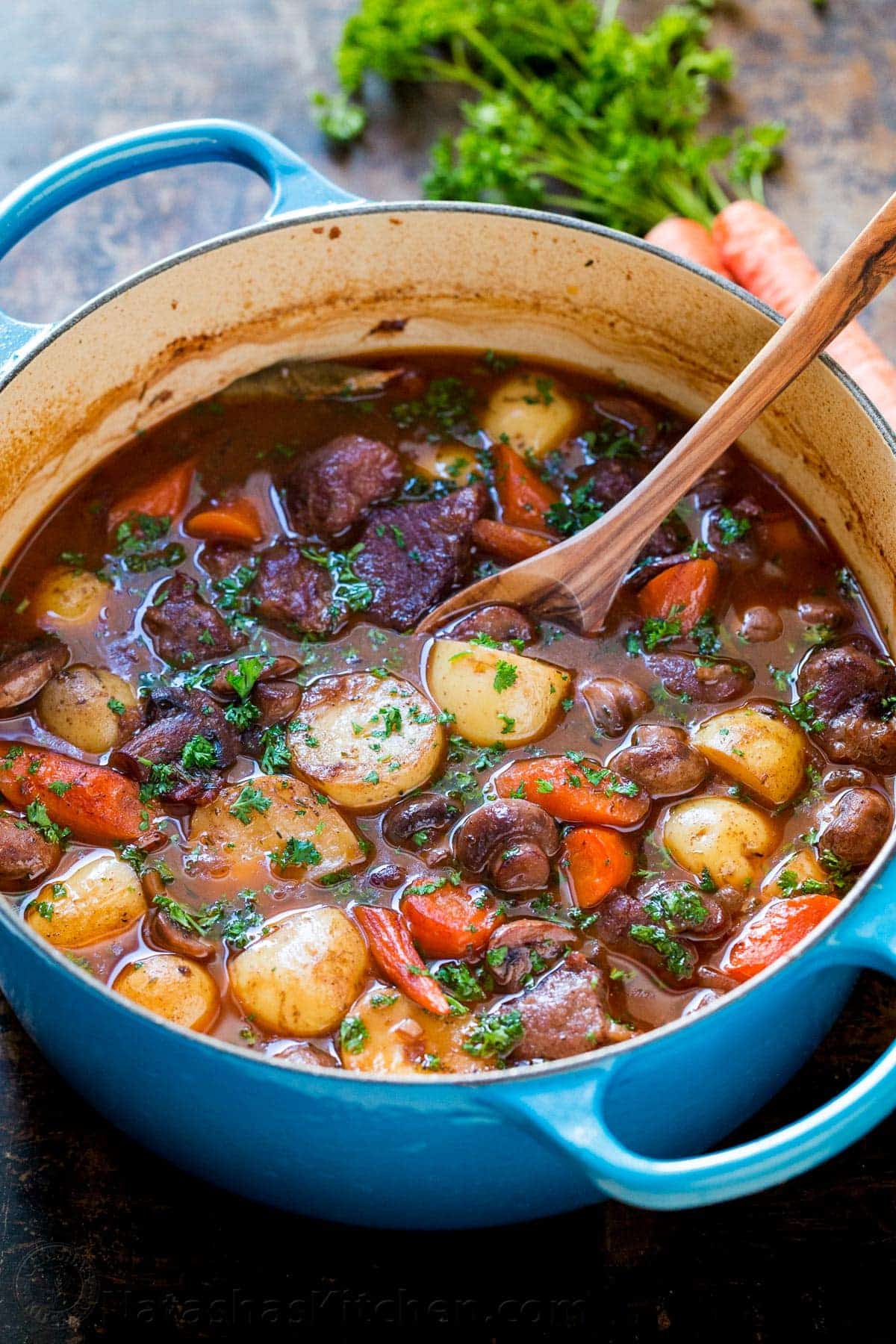
The spice in Grenache begs to be paired with herb-heavy dishes such as roasted meats, vegetables and stews. This simple one-pot lamb stew is loaded with hearty, healthy ingredients perfect for the winter months. The lengthy simmering time in the oven makes the tender lamb morsels and vegetables just melt in your mouth.

Lamb Stew Recipe

  •  4 oz. bacon (4 strips, chopped into 1/4 inch strips)
  • 2 lbs. boneless leg of lamb or lamb shoulder trimmed of excess fat, cut into 1 1/2 inch pieces
  • 1/2 Tbsp sea salt for the lamb plus 1 tsp for stew
  • 1 tsp black pepper for lamb plus 1/2 tsp for stew
  • 1/4 cup all-purpose flour or gluten free flour
  • 1 large yellow onion diced
  • 4 garlic cloves minced
  • 1 1/2 cups good red wine
  • 1 lb. button mushrooms thickly sliced
  • 4 cups low sodium beef broth or stock
  • 1 Tbsp tomato paste
  • 2 bay leaves
  • 1/2 tsp dried thyme
  • 1 1/2 lbs small yellow potatoes halved or quartered into 1 inch pieces
  • 4 medium carrots 10 oz, peeled and cut into 1/2 inch thick pieces
  • 1/4 cup parsley finely chopped for garnish

DIRECTIONS:

  1. In a 5 quart dutch oven, sauté chopped bacon over medium heat until browned and fat released. With a slotted spoon, transfer bacon to a large plate.
  2. While bacon cooks, season lamb pieces with 1/2 Tbsp salt and 1 tsp pepper. Sprinkle with 1/4 cup flour and toss to coat. Cook lamb in 2 batches in hot bacon grease over medium heat until browned (3-4 min per side) then transfer to the plate with bacon.
  3. Add diced onion and sauté 2 min. Add garlic and cook another minute, stirring constantly. Add 1 1/2 cups wine, scraping the bottom to deglaze. Add sliced mushrooms, bring to simmer then cook uncovered 10 min. Preheat Oven to 325˚F.
  4. Return bacon and lamb to pot and add 4 cups broth, 1 Tbsp tomato paste, 1 tsp salt, 1/2 tsp pepper, 1/2 tsp dried thyme and 2 bay leaves. Stir in potatoes and carrots, making sure potatoes are mostly submerged in liquid. Bring to a boil then cover and carefully transfer to preheated oven at 325˚F for 1 hr and 45 min. When done, potatoes and lamb will be very tender.

© Recipe courtesy of Natasha of Natasha’s Kitchen.

DECEMBER WINE CLUB:

Bold wine Style logoSkylark GrenacheSkylark Wine Company
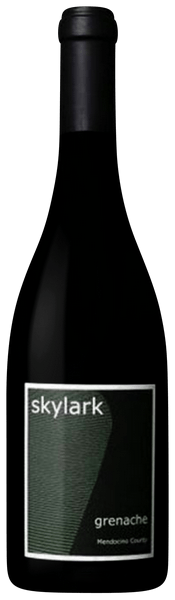
Grenache
Mendocino County, California

BOLD WINE STYLE

Ruby red in color. Juicy red fruit aromatics are interwoven with forest floor notes, though the red cherry fruit takes center stage. The palate delivers ripe cherry fruit flecked with a savory white pepper spice complexity. The spice notes then turn ripe and creamy on the finish leaving an impression of dark cocoa with a deft touch of barrel sweetness. Ethereal and exuberant.

Skylark Grenache is sourced from Charlie Sawyer’s beautiful vineyard high above Ukiah in Mendocino County, California. With clonal material sourced from Chateau de Beaucastel in Chateauneuf-du-Pape, this is one of the premier sites for Grenache in Northern California. Expertly farmed by Peter Chevalier, this classic vineyard has been our home for Grenache since the 2007 vintage. After green harvesting, the fruit is hand-picked, mainly de-stemmed and then fermented in an open top tank with daily punchdowns. A splash of 8% Syrah from the Rodgers Creek Vineyard lends a touch of color and spice. After secondary fermentation in seasoned French cooperage, it is then bottle unfined and unfiltered with minimal intervention.

Varietal: 92% Grenache, 8% Syrah
Analysis:
14.5% alcohol / volume
pH:
3.66
TA: 6.0
Aging: Native yeast vinification in neutral French oak
Harvested: 
Hand picked
Vineyard: Sawyer Vineyard – Rodgers Creek Vineyard

Produced: Six Barrels – 150 cases

ABOUT SKYLARK:
Skylark Wine Company is collaboration between Boulevard Restaurant wine directors John Lancaster and Robert Perkins. John and Robert have run the wine program at the acclaimed Boulevard Restaurant in San Francisco for the past fifteen years. During their tenure at Boulevard, they have built a close friendship, an inventory of wines from around the globe and a palate of tasting wines of the world from vintage to vintage. This partnership has created long-term relationships with the entire scope of the wine industry, from winemakers to vineyard managers to owners. With these relationships, their next logical progression was the realization of a dream: making fine wine from select vineyards in Northern California. While the original plan was simply a barrel, they jumped in with 14 barrels of Syrah from the 2002 harvest and the Skylark Wine Company was born.

John Lancaster

Photo by Skylark Wine: John Lancaster

ABOUT JOHN LANCASTER:
Co-proprietor of Skylark Wine Company, John Lancaster is a graduate of Washington State University in Pullman, Washington. His passion for wine grew while working in the restaurant industry and brought him to the culinary destination of San Francisco. As the Wine Director of the wildly eclectic Cypress Club, he was recognized by Wine Spectator for his wine list. For the past eleven years, John has been the Wine Director at the James Beard award winning Boulevard Restaurant. During his tenure at Boulevard, John has traveled extensively throughout the world’s wine regions studying wine production. In addition to his professional duties at Boulevard, John is also a professional wine judge and consultant. He resides in San Rafael with his wife and two daughters.

Robert Perkins

Photo by Skylark Wine: Robert Perkins

ABOUT ROBERT PERKINS:
Co-proprietor of Skylark Wine Company, is a graduate of Fine Art Painting from the San Francisco Art Institute. His paintings have been shown throughout the Bay Area: San Francisco Museum of Modern Art-Artist Gallery, Canessa Gallery and Mesh Gallery. His designs are featured on every Skylark Wine label. When Robert is not in his studio in San Francisco, he is pursuing his other creative outlet, wine. Robert has worked in the restaurant industry for 20 years and has worked at Greens in San Francisco, Willowside Café in Sonoma and at Boulevard Restaurant as a sommelier for the past nine years. With his expertise in the wine industry, Robert has been a wine consultant for several Bay Area restaurants. He has also worked hands-on in production at several small wineries including Nalle, Scherrer and Sean Thackrey. He resides in San Francisco with his wife Kristine.

“We strive to produce wines that crystallize our passion within each bottle. Because of our relationships with meticulous and respected grape growers, we have been able to produce wines of distinction and character that represent the best of what Northern California vineyards have to offer. We are proud of Skylark and hope to continue share these wines with family and friends, old and new.”

Wine club logoJoin our WINE CLUB and enjoy these amazing wines and pairing recipes each month. Plus, you’ll receive 10% off all retail wine purchases!

Learn More >

Finca Buenaventura Aureo Cabernet Sauvignon

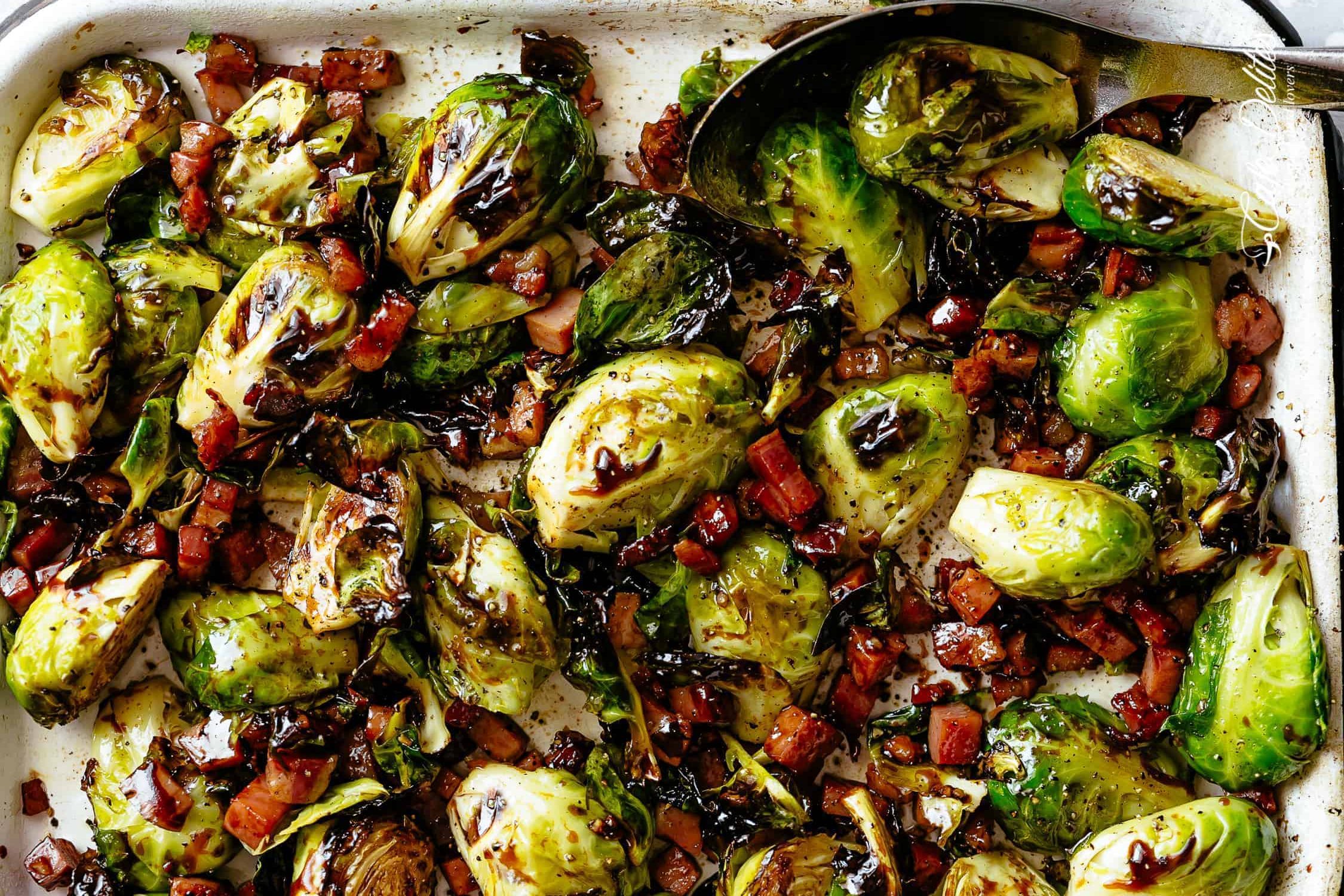
Balsamic Roasted Brussels Sprouts with Bacon

Balsamic Brussels Sprouts

© Karina from Cafe Delites

“The easiest Brussels Sprouts recipe for the holidays! Roasted Brussels Sprouts need little amount of prep work, ingredients and cooking time to make them absolutely incredible.” – Karina

INGREDIENTS:

  • 1 1/2 pounds Brussels sprouts washed and dried
  • 4 ounces (120 g) diced bacon or pancetta
  • 1/4 cup good olive oil
  • 4 cloves garlic crushed or finely chopped
  • 1 teaspoon salt
  • 1/2 teaspoon cracked black pepper
  • 2 tablespoons balsamic glaze or more to serve

DIRECTIONS:

  • Preheat the oven to 425°F (220°C). Lightly grease a large baking pan with nonstick cooking oil spray or a light coating of oil. Set aside.
  • Trim the ends of sprouts and cut in half lengthwise.
  • Arrange brussels sprouts, any loose leaves, bacon and garlic on the pan. Drizzle with olive oil. Season with salt and pepper. Toss well and spread mixture out in a single layer.
  • Roast sprouts, turning once through cooking, until tender with charred edges. The bacon will be cooked and crispy (about for 25-30 minutes).
  • Toss with the balsamic vinegar. Adjust taste with extra salt and pepper, if needed. Serve immediately.
  • © Photo and Recipe courtesy of Karina at Cafe Delites

NOVEMBER WINE CLUB:

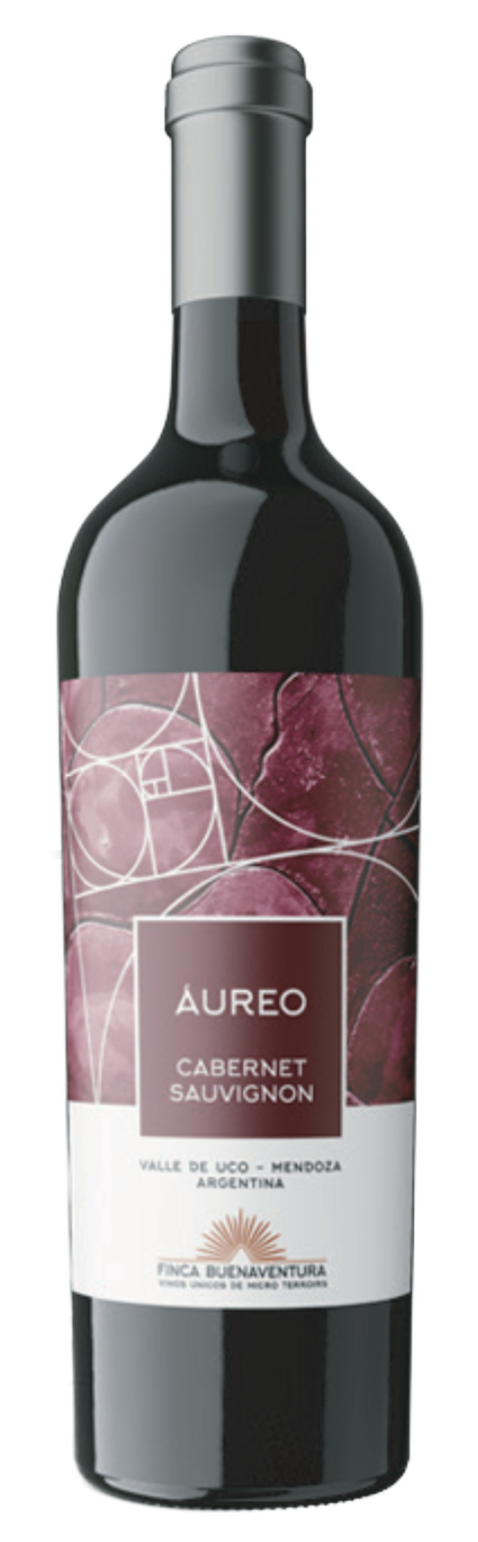
Bold wine Style logoAureo cabernet SauvignonFinca Buenaventura
Aureo Cabernet Sauvignon

Uco Valley, Mendoza, Argentina

BOLD WINE STYLE

All Finca Buenaventura wines come from their single vineyard, each one has a special treatment in the vineyard to achieve a different result. Each has its own identity. Each wine is the best expression of each type of soil in the of land. Each small micro terroir is different: stony, alluvial, sandy, mixed, volcanic terraces, and limestone spots. All are irrigated by defrosted water from the Andes Mountains, giving amazing mineral notes to the wine. This blessed spot in Uco Valley has 300 sunny days per year with very high temperatures during the day and very cold temperatures at night. The common thread between all of the wines is the consistent warmth, the cool nights, and the long growing season. Most of Finca Buenaventura’s wines are weighty and bold in structure, while also having floral nuances. Their wines are vibrant and exuberant on their own, and do not need cosmetic, excessive oak to mask the fruit.

The ripeness of the fruit is the most outstanding quality of this wine. The nose highlights intense red fruit aromas of raspberries, cherries, pepper and vanilla. The flavor ends sweet in the mouth with flavors of jam.

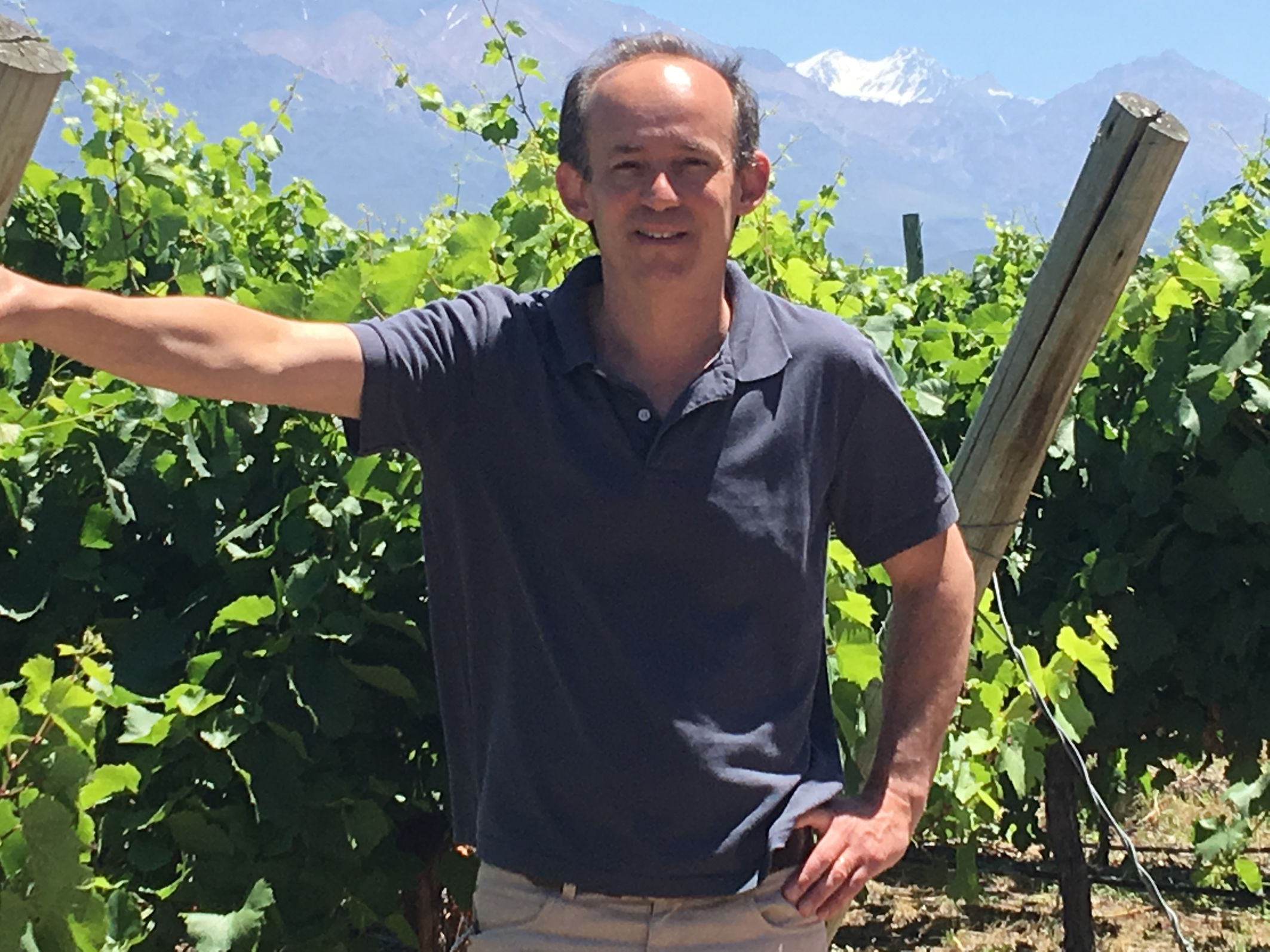
Sergio Sergio Giménez

Winemaker: Sergio Giménez

Varietal: 100% Cabernet Sauvignon
Analysis:
13.9% alcohol / volume
pH:
3.7
Acidity: 5.4 g/L
Residual Sugar: 2.8 g/L
Aging: French & American Oak
Harvested: 
Middle of April
Altitude: 3680 feet
Winemaker: Sergio Giménez

“Located at the foot of the Andes Mountains in the best sub-zone of Mendoza, Uco Valley, we named our winery for life’s Great Adventure. Our wines are unique as a result of growing grapes that drink pristine snowmelt and sun bathe under the blue sky at high altitude. Our estate Cabernet Sauvignon is a taste of this magical place. We made this wine to share with you, as you create your own journey.” – Winemaker, Sergio Giménez

Wine club logoJoin our WINE CLUB and enjoy these amazing wines and pairing recipes each month. Plus, you’ll receive 10% off all retail wine purchases!

Learn about our Memberships >

Finca Buenaventura Aureo Chardonnay

Caramelized Onion, Apple and Brie Tartlets

This slideshow requires JavaScript.

INGREDIENTS:

  • 2 Tbsp Olive Oil
  • 3 Medium Onions, thinly sliced (about 7 cups)
  • 1 1/2 Tbsp Minced Fresh Thyme
  • 1 Sheet Frozen Puff Pastry
  • 1-6 oz. Granny Smith Apples (peeled, quartered, cored, thinly sliced, crosswise)
  • 2-6 oz. Wedges of Chilled Brie Cheese (rind removed, cheese cut into 1/4-inch-thick slices, each slice cut crosswise into thirds)

DIRECTIONS:

  • STEP 1: Heat oil in heavy large skillet over medium heat. Add onions and sauté until deep golden brown, about 30 minutes. Mix in thyme. Season to taste with salt and pepper. Cool. (Can be prepared 1 day ahead. Cover and refrigerate).
  • STEP 2: Roll out pasty on lightly floured work surface to 12-inch square. Cut pastry lengthwise into six 2-inch-wide strips. Cut strips crosswise into 2-inch squares, for a total of 36 squares. Place pastry squares, spacing apart, on 2 large baking sheets. (Can be prepared 1 day ahead. Cover and refrigerate.)
  • STEP 3: Preheat oven to 350°F. Spoon 1 1/2 teaspoons onion mixture atop each pastry square. Top with 2 apple slices. Bake until pastry is golden brown, about 20 minutes. Top each square with 1 piece cheese and bake just until cheese melts, about 3 minutes. Transfer to serving platter.
  • © Recipe from Bon Appétit (December 2000 Catalog)

NOVEMBER WINE CLUB:

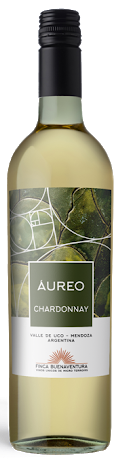
Silky styleAureo ChardonnayFinca Buenaventura
Aureo Chardonnay
Uco Valley, Mendoza, Argentina

SILKY WINE STYLE

Finca Buenaventura was established in the Uco Valley of Mendoza, Argentina, sitting 1174 meters above sea level at the foot of the Andes Mountain Range. With great passion and commitment the Finca Buenaventura team began an innovative project by buying the land and getting to know each sector and soil of their 100-hectare area. Their farm is a fusion of the best terroir in Argentina and people committed to a project of excellence, respect for nature, teamwork, and honesty.

This wine is a greenish yellow Chardonnay with golden reflections. The nose expresses typical fruit aromas of the variety: pear and green apple combines with very attractive mineral notes. The mouth shows all of its fruity profile with freshness and liveliness, while having volume and roundness. Its acidity adds freshness, which is expressed in a long, deep and tasty finish.

Winemaker: Sergio Gimenez

Winemaker: Sergio Gimenez

Analysis: 13.5% alcohol / volume
Acidity: 6.37 g/L
Residual Sugar: 1.80 g/L
Aging:
100% in French oak
Harvested: B
y hand, first week of March
Altitude: 1,200 meters above sea level
Winemaker: Sergio Gimenez

We feel that as we got off the train of family’s tradition passed down from our parents, we went our own path and followed our own dreams and passions. That is why we will be “Descarriados“ for the rest of our lives; and this is what we leave our children: follow your dreams and work hard to achieve your goals.” – Winemaker, Sergio Gimenez


Wine club logoJoin our WINE CLUB and enjoy these amazing wines and pairing recipes each month. Plus, you’ll receive 10% off all retail wine purchases!

Learn More >

November Wine Club Pairing Recipe

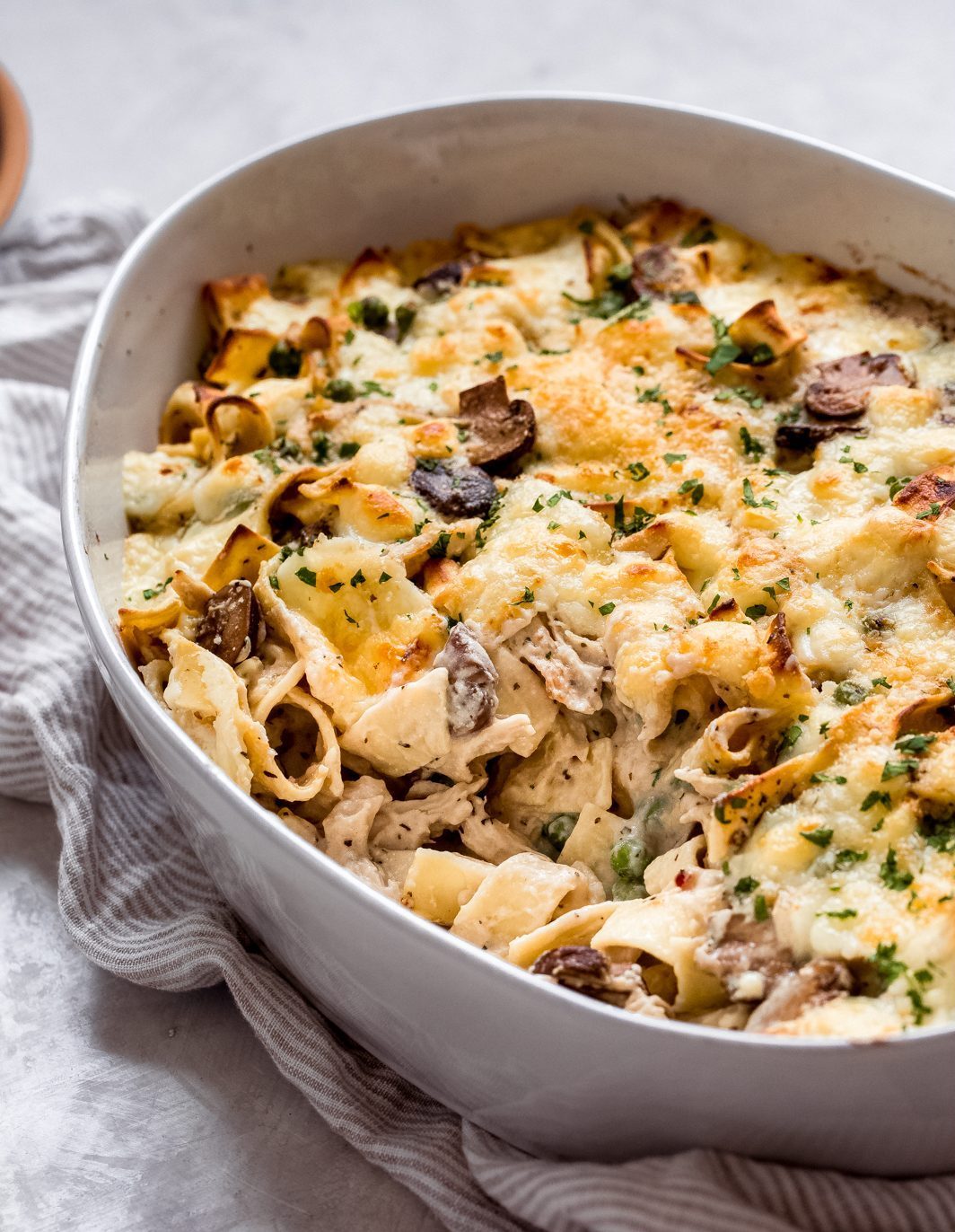
Easy Leftover Turkey Pasta Bake

© Little Spice Jar

Malbecs beg to be paired with full-bodied foods such as leaner red meats, dark meat turkey, pepper, sage, creamy mushroom sauces and melted cheese. Reach for Finca Buenaventura’s Aureo Punto Malbec and this Leftover Turkey Pasta Bake for the perfect post-Thanksgiving meal.

Easy Leftover Turkey Pasta Bake

  •  12 ounces cooked egg noodles or Pappardelle
  •  2 tablespoons butter
  •  1 pound baby Bella mushrooms, thinly sliced
  •  1 ½ jar (22 ounces total) prepared Alfredo sauce
  •  1 ½ cups turkey or chicken stock
  •  ½ cup ricotta cheese
  •  2 teaspoons garlic powder
  •  2 teaspoons dried basil
  •  ⅛ – ½ teaspoon red pepper flakes
  •  1 cup defrosted peas
  •  2 cups shredded or diced turkey or chicken
  •  1 ½ cup shredded (or diced) white cheddar cheese

DIRECTIONS:

  • PREP: Position a rack in the center of the oven and preheat the oven to 375°F. Spray a nonstick 13 x 9 baking dish with cooking spray; set aside.
  • SAUTE: Heat the butter in a large saucepan and saute the mushrooms over medium-high heat until they brown; about 7-9 minutes. Then, stir in the Alfredo sauce, chicken stock, and ricotta cheese. Season with garlic powder, basil, and red pepper flakes. When the sauce is smooth and heated through, stir in the peas and turkey (or chicken.) Then, fold in the prepared egg noodles and stir to combine.
  • BAKE: Add the prepared turkey pasta mixture to the baking dish and sprinkle with cheese. Bake the turkey pasta for 15-18 minutes or until the cheese is bubbly and golden brown on top. You could also give it a minute under the broiler at the end to help it along. Sprinkle with freshly chopped parsley on top, if desired, and serve!
  • © Recipe courtesy of Marzia, Little Spice Jar.

NOVEMBER WINE CLUB:

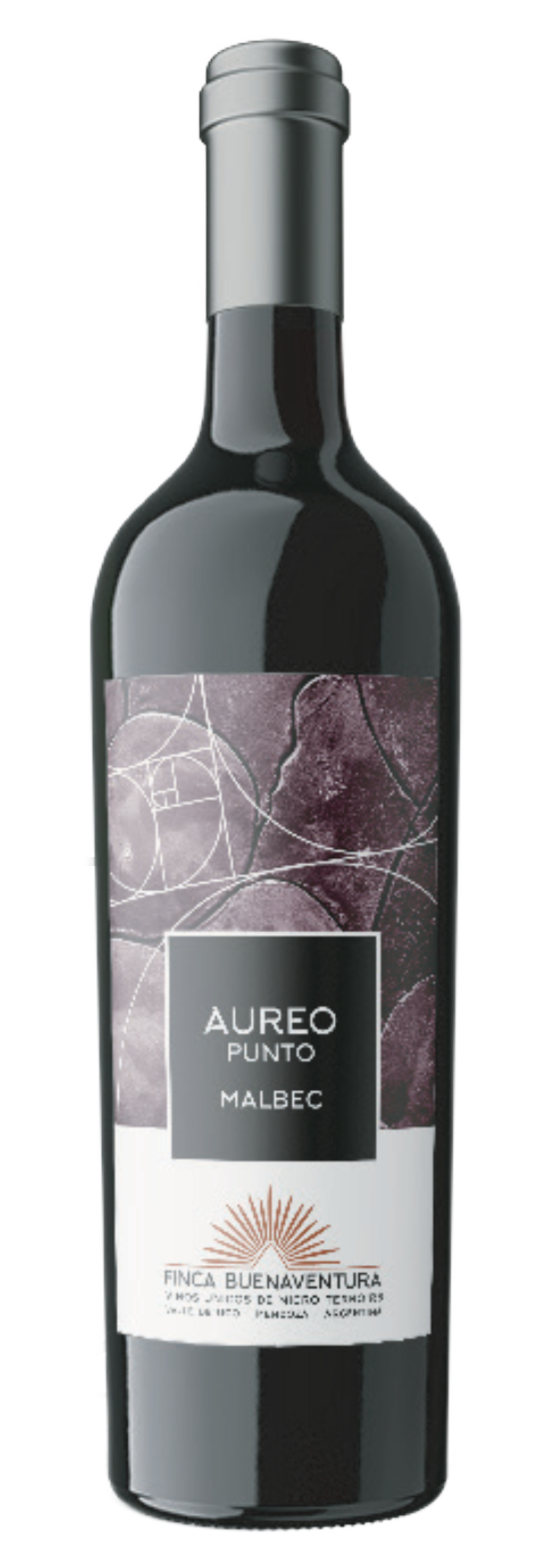
Bold wine Style logoAureo Punto MalbecFinca Buenaventura
Aureo Punto Malbec
Mendoza, Argentina

BOLD WINE STYLE

Finca Buenaventura means “Great Adventure” in Spanish. Finca is an award-winning winery located in the premier subzone of Uco Valley in Mendoza, Argentina. Recognized with numerous awards from Decanter Magazine and the British press, these wines are now exclusively available at WineStyles for the first time in the US.

Located an hour’s drive south from the city of Mendoza, the region is home to the production of Argentina’s icon grape variety: Malbec. It shines in the Uco Valley, with a distinctive floral aroma. It is considered part of the Mendoza region, but the Uco Valley can be recognized in its own right on several counts. Among Uco’s merits is its higher-altitude location at the foot of the Andes Mountains. The valley benefits from high daytime temperatures which drop to cool temperatures at night; this allows the grapes to produce balanced sugars and acidity while achieving phenolic ripeness. The dry continental climate brings little rain. Soils in the Uco Valley are alluvial and fairly uniform: a clay and rock base with a stony, sandy surface. These free-draining soils are excellent for quality viticulture as they stress the vines, leading to decreased vigor, lower yields, and consequently wines with a higher concentration of flavor.

Ruby in color with sparkling purple blue notes, the Aureo Punto Malbec has an intense nose of red fruit aromas, raspberries, cherries, pepper and vanilla. The mouth showcases a velvet like sensation with an open start, and a long end.

Varietal: 100% Malbec
Analysis:
14.5% alcohol / volume
pH:
3.7
Acidity: 5.4 g/L
Residual Sugar: 2.8 g/L
Aging: French & American Oak
Harvested: 
Middle of April
Altitude: 3680 feet

Sergio Giménez

Winemaker: Sergio Giménez

ABOUT THE WINERY:
Fernando del Castillo and Ana Maria Delmar started this project in 2003 when they were looking for the perfect spot to establish an innovative idea: produce the best expression of the soil and sky. They found the land situated at the foothill, and on the aquifer, at an altitude of 3852 feet, protected by 180 degrees of mountains. They studied the land for more than one year, and began working. By 2005, the Finca Buenaventura vineyard was complete.

Fernando and Ana Maria belong to a completely different backgrounds. Fernando was a successful lawyer, participating in the Constitutional Reform as a consultant and constituent; while Ana Maria was a language and literature professor at a university.  Both returned to school to be prepared for this challenge; they studied agri-business and marketing and continue to grow their knowledge at the vineyard and winery.

They are proud of having a fantastic, hard working team. Even their son and daughters, who have their own professions – an Oenologist, a Designer and an Agronomical Engineer- are all deeply involved in their family’s project. They understand the family’s idea that wine is an expression of art and are responsible of the vineyard with their 20 to 150 workers in harvest time.

ABOUT SERGIO GIMÉNEZ:
Sergio received his Bachelor of Oenology and Fruit and Vegetable Industry in 1996. He received the titles of Senior Winemaker and Senior Technician in Fruit and Vegetable Industries, awarded by the “Don Bosco” Wine School.  After graduation, Sergio went on to be a secretary, advisor and winemaker for many different wineries throughout Argentina.

In July 2009, Sergio became the first winemaker of Mi Terruño Winery, located in the region of Maipú, Argentina. He helped make premium and super premium varietals, bottling them with the brands such as Uvas, Mi Terruño Reserva and Mayacaba, scored with more than 90 points by specialized journalists.

In March 2012, Sergio became the winemaker at Finca Buenaventura, where he still works today. He has produced premium and super-premium wines with the brands such as Aureo de Colección, Punto Aureo and Aureo a la Obra. His 2012 vintage of Aureo a la Obra obtained the gold medal in the 2013 Vinandino contest.

Wine club logoJoin our WINE CLUB and enjoy these amazing wines and pairing recipes each month. Plus, you’ll receive 10% off all retail wine purchases!

Learn More >

October Collector’s Wine Club: Iowa

Collectors Wine ClubBandeau Cave

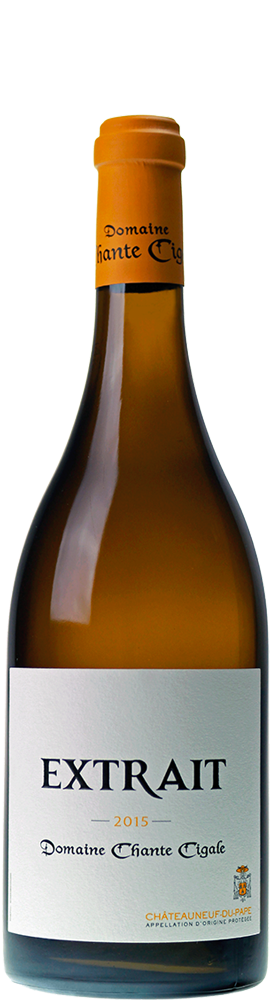
Extrait BlancDomaine Chante Cigale
Extrait Blanc
Châteauneuf du Pape, France

Rich WineStylesRICH WINE STYLE

Vinified, aged in an ovoid concrete vat and selected from an outstanding terroir: this wine is truly “Haute Couture”. This Blanc Extrait has a very pure nose, mineral and saline coated by a fruit white white flesh; powerful, elegant and creamy mouth feel. Pairs well with Provencal and Mediterranean cuisine, foie gras, lobster, scallops, and king prawn.

“Freshly cut pear, fairly full in body. with a pear juice texture and flavor. Acidity is low but balanced, with a little positive bitter twist accentuating the freshness. Fairly long finish, not hugely deep, but very well put together Organically grown on clay soils in lieu-dit Palestor to the north of the village. Fermented then matured for 10 months, half in demi-muid, half in concrete tank.” – 93 pts, Matt Walls – 2018 En primeur tastings, Rhône Valley

“The 2018 Châteauneuf du Pape Blanc Extrait is 80% Roussanne and 20% Grenache Blanc, with roughly half made in demi-muids and the other part in concrete. A bit reticent right now, with just hints of pineapple and tangerine, it’s full-bodied but tightly wound and tense, seemingly in need of time to unwind. It’s by no means unapproachable now, but it should be better in a year or two and will drink well for close to a decade.” – 91+ pts, Joe Czerwinski – The Wine Advocate 2019

Terroir: Clay – Limestone 70% (lieu dit: Palestor), Rolled Pebbles 30% (lieu dit: Cabrières)
Age of Vineyard: 40 years old
Varietal: 70% Roussanne, 30% Grenache Blanc
Aging: 9 months on fine sediments
Aging Potential: 10 years
Serving Temperature: 50-53.6° F
Production: 1,700 Bottles

About Domaine Chante Cigale

Domaine Chante Cigale has been in operation in Southern Rhone Valley for more than 150 years. Founded in 1874, Hyppolite Jourdan named roughly 28 hectares of family property Clos Chante Cigale. In 1936, the same year the Chateauneuf de Pape AOC was created, the estate was renamed to Domaine Chante Cigale.

Today, Domaine Chante Cigale is one of the most important family estates of Châteauneuf du Pape.  Alexandre Favier is now carefully running the winery by keeping up with the winemaker’s tradition of the family.

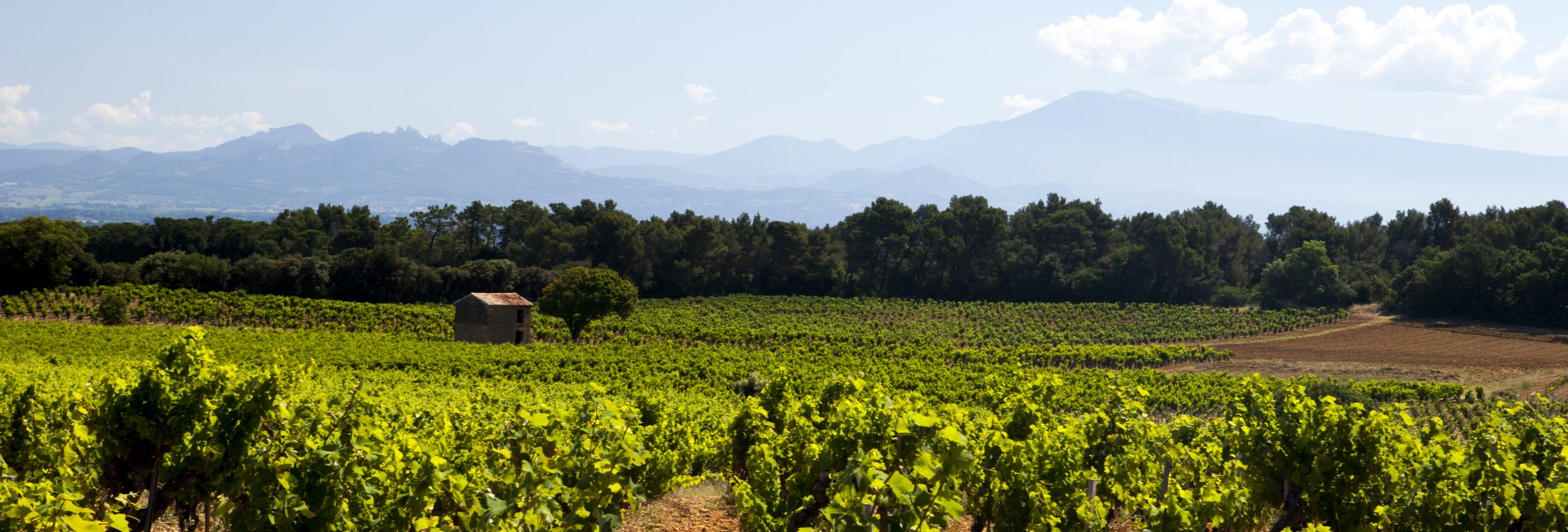
The Estate now stretches over 40 hectares on the Châteauneuf du Pape appellation, divided into 45 parcels, scattered all over this exceptional terroir.  The diversity of its soils and of the grape varieties allows the elaboration of a unique and exceptional wines.  Alexandre Favier and his team are taking good care of every step of the wine production themselves, respecting the spirit of the Domaine. 

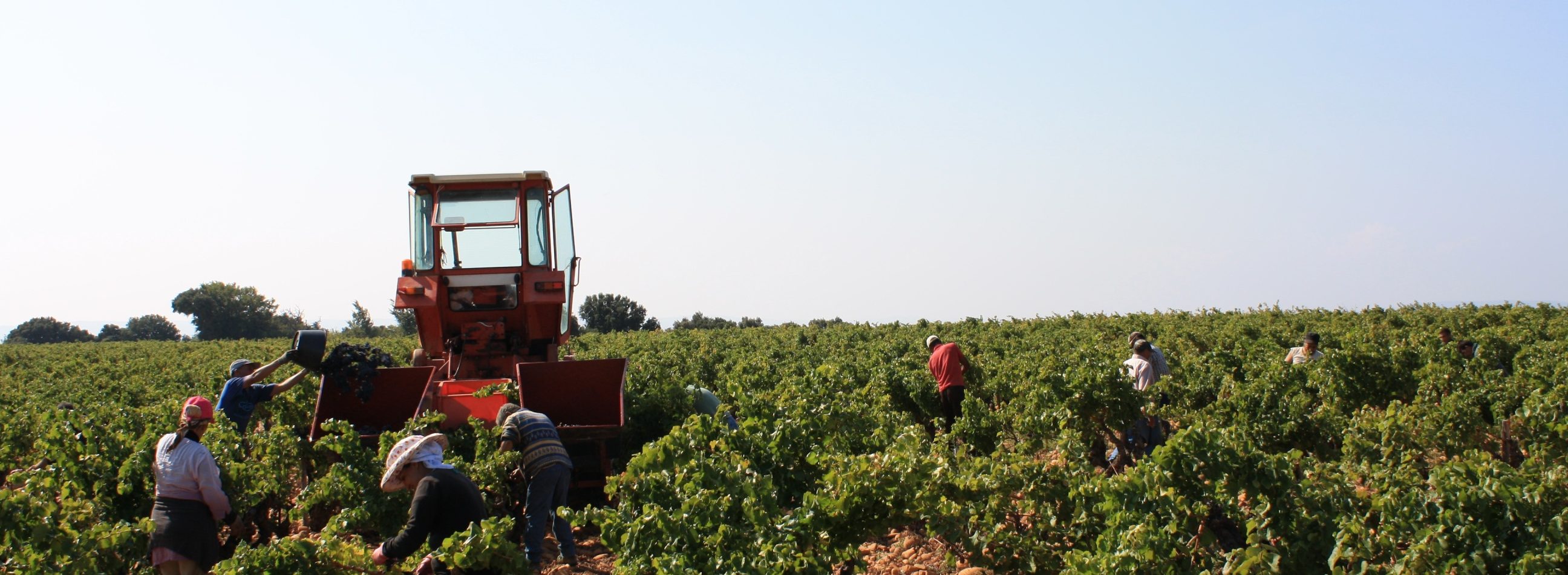
Domaine Chante Cigale VineyardsDomaine Chante Cigale Harvest


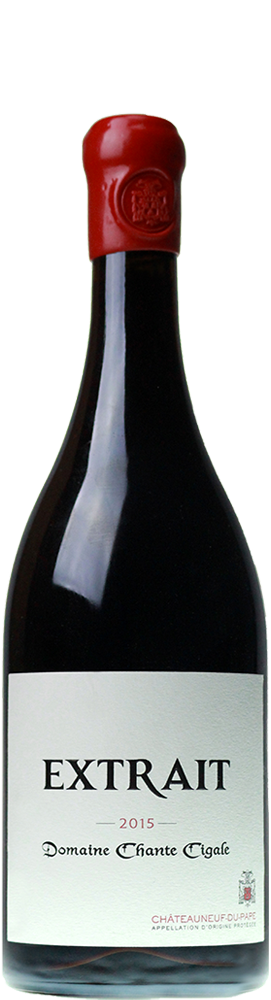
Bold wine Style logoExtrait RougeDomaine Chante Cigale
Extrait Rouge
Châteauneuf du Pape, France

BOLD WINE STYLE

A genuine and rustic wine that will go through decades. Showcasing a deep, red color, with a complex nose of black fruit and licorice. The Extrait Rouge has a very powerful mouth, that is fleshy and concentrated, with very fine and dense tannins. Pairs well with roasted meat, pigeon, lamb, pecking duck and sheep’s cheese.

A broad, muscular style, with chestnut and tobacco leaf notes and roasted cedar accents framing a large core of lightly dried plum, red currant and blackberry fruit. Cuts a broad swath on the finish, offering a long echo of humus. Will likely age toward a more rustic profile. For fans of the style.” – 92 pts, JM 2017

The smallest production cuvée is the 2015 Châteauneuf du Pape Extrait. An uncommon blend of 70% Mourvèdre and 20% Grenache, aged in demi-muids and older barrels, its deep ruby color is followed by rich, concentrated and ripe aromas and flavors of blackcurrants, toasted spice, licorice and roasted herbs. This big, mouth-filling and structured 2015 will need to be forgotten for 3-4 years and will have two decades of overall longevity.” – 92-94 pts, Jeb Dunnuck – The Wine Advocate 2016

Terroir: Rolled Pebbles (lieu-dit: Le Calada)
Age of Vineyard: 100 years old
Varietal: 80% Mourvèdre, 20% Grenache
Aging: 30 months in demi muid
Aging Potential: 15-20 years
Serving Temperature: 60.8-64.4° F
Production: 800 Bottles

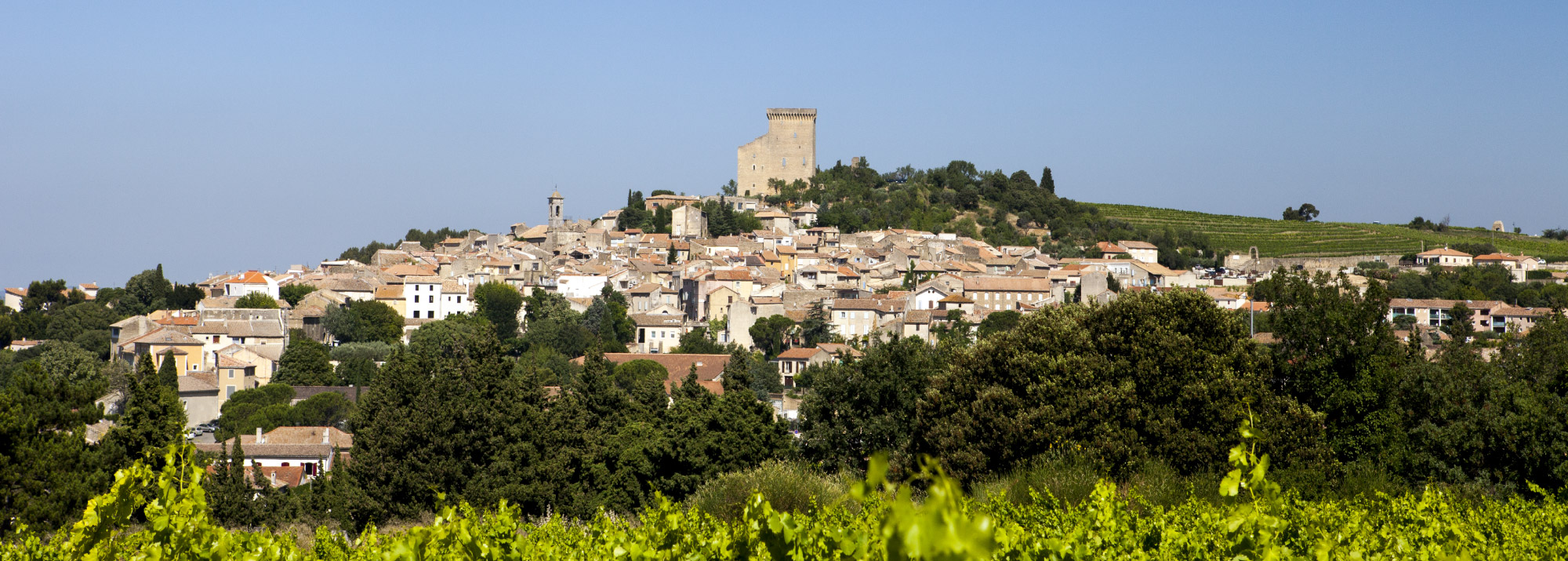
Bandeau DomaineAbout Chateauneuf-du-Pape

In the 14th Century, under the reign of Pope John XXII, the Avignon village became the summer residence of the papacy. As for the precious nectar produced in this area, he granted it the rank of “Vin du Pape”, opening the doors of the great European courts.  More than likely, during Gallo-Roman times the vines covered the territory of Châteauneuf-du-Pape. However, the first written evidence of its existence dates from 1157. In keeping with local tradition and planting himself, Geoffroy, bishop of Avignon, had a vineyard within the territory of Châteauneuf-du-Pape. However, it’s the popes from the fourteenth century that were the real promoters of the wine growing business of the appellation.

By the 19th Century, the wines were very well known, enjoyed by famous people, poets, literary and cultural associates in Paris.  By the 20th Century, winemakers were anxious to defend the growing reputation of the Châteauneuf-du-Pape wines, the beginnings of the current system of AOC.  The 1919 wine appellation law on “designations of origin” was too general and didn’t prevent fraud. The constituent meeting of the “Châteauneuf-du-Pape winegrowers union” took place in October 1923. After several years of legal proceedings, the decree of the appellation is published and Châteauneuf-du-Pape becomes the first wine-making AOC of France on May 15, 1936.  Still in force today, it continues to protect and guarantee the quality of Châteauneuf-du-Pape wines. The vineyards now cover 7900 acres in the towns of Châteauef-du-Pape, Bédarrides, Courthézon, Orange and Sorgue.


Love to collect amazing wines? 
Learn more about our quarterly Collectors Club > click here

Collectors Wine Club