3tablespoonsunsalted butterplus more for the baking dish
1largeonionthinly sliced
1garlic clovethinly sliced
1 ½ pounds (about 1 large)butternut squashpeeled, halved lengthwise, seeded, and thinly sliced between 1/8 and 1/4 inch thick
¼ teaspoongrated nutmeg
fine sea salt and freshly ground black pepper
½ cupheavy cream
¾ cupfresh bread crumbs
¾ cupgrated Comté cheese
fewchivesfinely chopped (optional)
DIRECTIONS:
Preheat the oven to 350°F (180°C). Butter a 10-inch (25-centimeter) baking dish.
In a large sauté pan or Dutch oven, heat 2 tablespoons butter over medium heat. Add the onion and garlic and cook until softened and translucent, 4 minutes.
Add the butternut squash slices and nutmeg and cook, stirring occasionally, until slightly tender, 5 to 8 minutes. Season with salt and pepper to taste.
Transfer the squash mixture to the baking dish. Smother with the cream, sprinkle with the bread crumbs, scatter the cheese on top, and dot with the remaining 1 tablespoon butter, cut into pieces.
Bake until the surface is golden and bubbly and the butternut squash is tender, 30 to 40 minutes. Serve immediately, sprinkled with the chives, if desired.
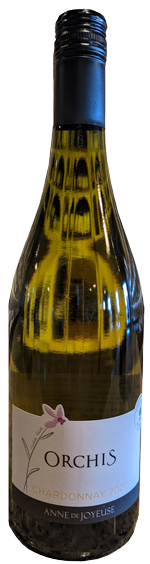
Anne de Joyeuse Orchis Chardonnay Pays D’OC Languedoc, France
SILKY WINE STYLE
Produced in the Languedoc-Roussillion region in France, by Cave Anne de Joyeuse, this Chardonnay comes from the Vin de Pays D’OC appellation. Bright pale gold in color with scents of white flowers on the nose, evolving on the palate towards notes of white fruit and a fresh, citrus finish. Fine and well balanced, it will accompany all sorts of fish dishes and will also be ideal as an aperitif.
WINEMAKER’S NOTES Grapes were pressed directly on their arrival at the cellar, then vinified traditionally and fined at cold temperatures. They are then fermented under controlled temperatures.
ABOUT ANNE DE JOYEUSE: The Anne de Joyeuse cooperative is named after a well-known 16th-centruy figure, the Duke of Joyeuse, who was bestowed the lordship of Limoux by Henry III. The cooperative includes 350 winegrowing families and 3000 hectares under vine. The producers of the Anne de Joyeuse company have constantly worked on the evolution of their vineyard since 1929. The wines are created in their state-of-art cellar with genuine passion, reflecting their love the terroir and desire to produce the best value possible. For the last 25 years, Anne de Joyeuse has focused on the environment, reinforced in 2007 by the creation of their sustainable development charter, Protect Planet, helping cooperative producers implement sustainable winegrowing techniques. Their vineyards are at the crossroads of four major climate zones and seven types of soil. This exceptional location shapes the quality and uniqueness of their wines. Learn more >
3tablespoonsunsalted butterplus more for the baking dish
1largeonionthinly sliced
1garlic clovethinly sliced
1 ½ pounds (about 1 large)butternut squashpeeled, halved lengthwise, seeded, and thinly sliced between 1/8 and 1/4 inch thick
¼ teaspoongrated nutmeg
Fine sea salt and freshly ground black pepper
½ cupheavy cream
¾ cupfresh bread crumbs
¾ cupgrated Comté cheese
fewchivesfinely chopped (optional)
DIRECTIONS:
Preheat the oven to 350°F (180°C). Butter a 10-inch (25-centimeter) baking dish.
In a large sauté pan or Dutch oven, heat 2 tablespoons butter over medium heat. Add the onion and garlic and cook until softened and translucent, 4 minutes.
Add the butternut squash slices and nutmeg and cook, stirring occasionally, until slightly tender, 5 to 8 minutes. Season with salt and pepper to taste.
Transfer the squash mixture to the baking dish. Smother with the cream, sprinkle with the bread crumbs, scatter the cheese on top, and dot with the remaining 1 tablespoon butter, cut into pieces.
Bake until the surface is golden and bubbly and the butternut squash is tender, 30 to 40 minutes. Serve immediately, sprinkled with the chives, if desired.
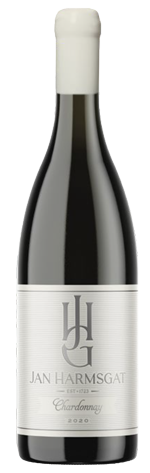
This Chardonnay is fruit driven with integrated wood notes that is barely noticeable. On the nose, there are notes of citrus, stone fruit and pineapple; while the palate is rich, yet elegant with a round mouth feel.
WINEMAKER’S NOTES A Chardonnay with gentle yet enticing roasted hazelnuts, whipped butter and a lick of oak with aromatic complexity. It is rounded, with good density and an energizing fresh core, the palate has great texture.
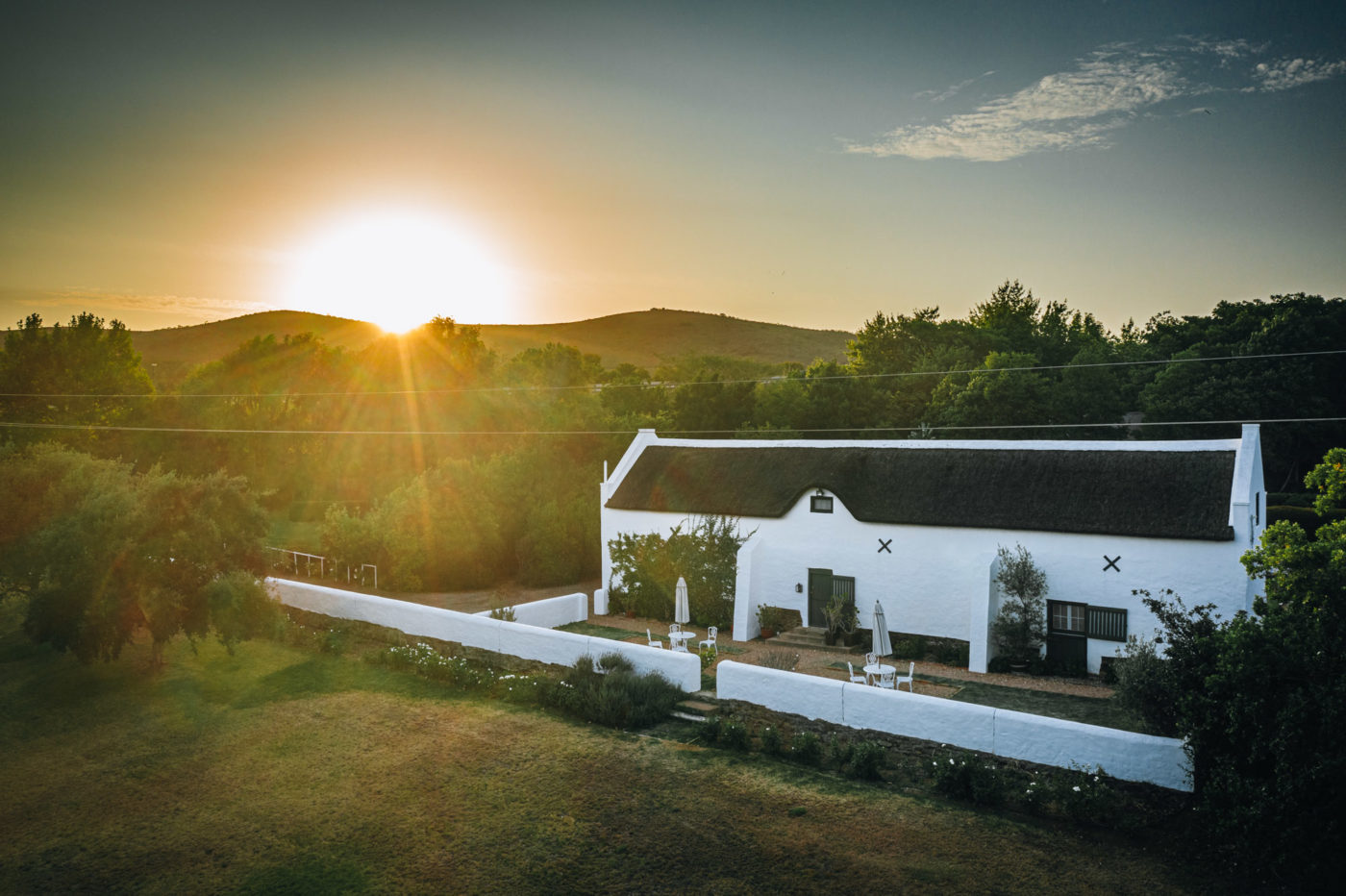
ABOUT JAN HARMSGAT: Founded in 1723, the Jan Harmsgat Farm (JHG) is situated on the most southern tip of the Robertson Wine valley, along the foothills of the Langeberg Mountains in the Western Cape of South Africa. This area is locally known as the “valley of wine and roses”. JHG’s philosophy is to create delicious single-block wines — the smallest production unit for vineyards that may not exceed six hectares per cultivar. Their unique position borders with dry conditions of the Karoo (semi-desert region), along with cool sea breezes from the Coastal Regions.Learn more about the winery’s history here.
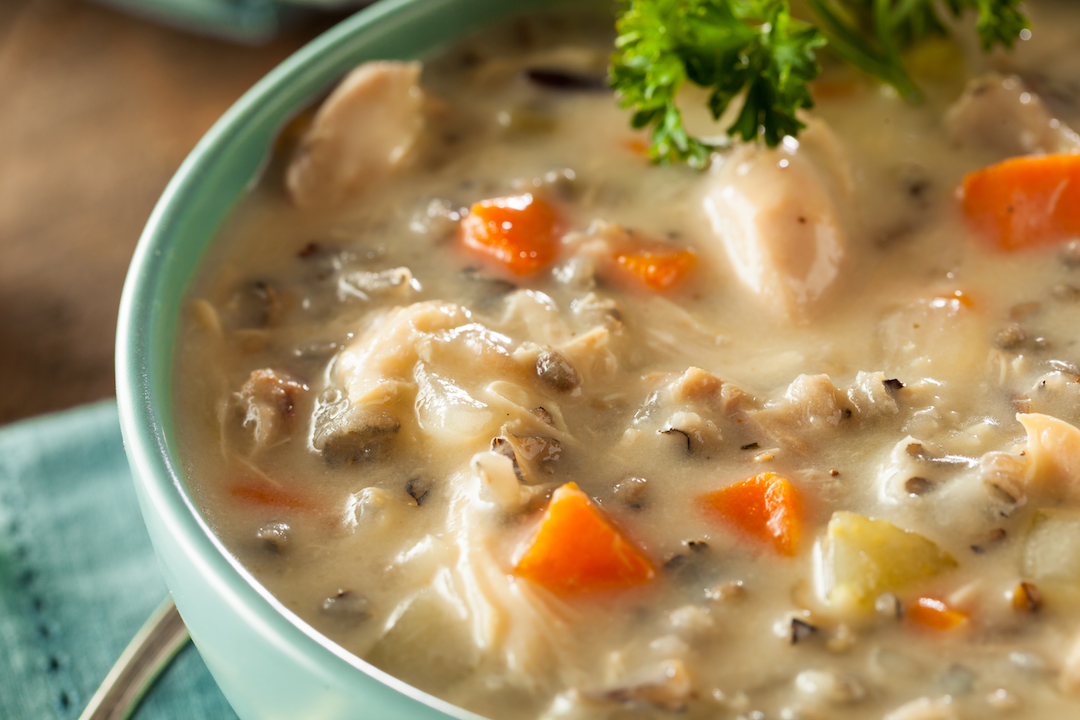
Cook aromatics: Heat butter and oil in large pot over medium heat. Add onion and celery and cook until softened, 4-5 minutes.
Cook mushrooms: Stir in mushrooms and sauté for 3-4 minutes, until mushrooms have softened. Stir through garlic and cook for one more minute.
Season: Reduce heat to medium-low. Sprinkle Italian seasoning and flour evenly over mushroom mixture, stir well for 1 minute.
Add broth: Gradually pour in broth, stirring constantly, to keep any lumps from forming.
Simmer: Stir in carrots, potatoes and rice. Bring soup to a boil, then reduce heat to a simmer and cook, covered, until rice is nearly done (about 20-25 minutes for parboiled rice, about 35 minutes for regular).
Finish soup: Once rice is nearly ready, open lid and stir soup well. Add half and half, cooked turkey meat and corn. Stir well, then simmer over medium heat, uncovered, for 10 minutes or until heated through.
Serve: Season with salt and pepper to taste, then serve immediately.
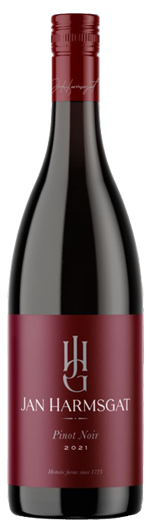
This Pinot Noir is light and soft in style. On the nose, there are notes of dark cherries and strawberries with a slight earthiness. The palate has a soft tannic structure and smooth texture.
WINEMAKER’S NOTES The newest addition to the JHG boutique wine collection is the Pinot Noir. The very first attempt at making this wine, JHG won the trophy for the best Pinot Noir in the Robertson Wine Valley at the Young Wine Awards.
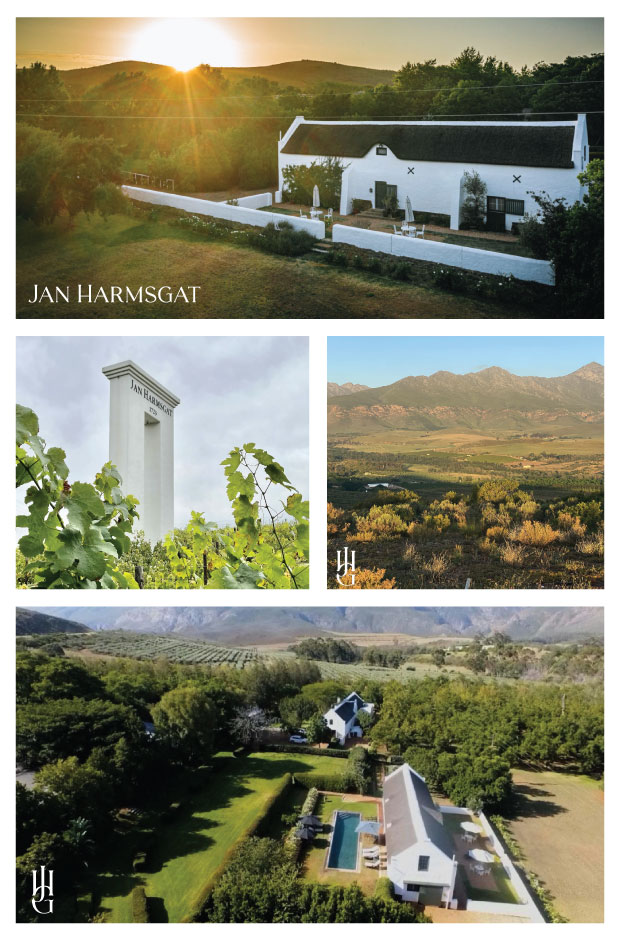
ABOUT JAN HARMSGAT: Founded in 1723, the Jan Harmsgat Farm (JHG) is situated on the most southern tip of the Robertson wine valley, along the foothills of the Langeberg Mountains in the Western Cape of South Africa. This area is locally known as the “valley of wine and roses”. JHG’s philosophy is to create delicious single-block wines — the smallest production unit for vineyards that may not exceed six hectares per cultivar. Their unique position borders with dry conditions of the Karoo (semi-desert region), along with cool sea breezes from the coastal regions.Learn more about the winery’s history here.
3 tablespoons olive oil, plus more for greasing pan
24 large Cremini mushrooms (about 1¼ pounds), each about 2 inches wide
½ teaspoon garlic powder
¼ teaspoon onion powder
kosher salt and black pepper
3 tablespoons unsalted butter
2 small stalks celery, finely chopped (about ⅔ cup), plus 1 tablespoon minced celery leaves
2 sarge shallots, minced
3 garlic cloves, minced
2 teaspoons finely chopped fresh rosemary
1 teaspoon poultry seasoning
1 teaspoon celery seeds
6 ounces cornbread, crumbled into small pieces (about 2 loose cups)
1 to 1½ cups grated Gruyère or Emmental cheese
4 tablespoons minced fresh parsley
2 large eggs
DIRECTIONS:
Heat the oven to 400°F and lightly brush a large rimmed sheet pan with olive oil.
Using barely moist paper towels, wipe the mushroom stems and caps clean. Carefully tear off the mushroom stems, setting them aside in a medium bowl. Set each mushroom cap on its side and slice off the excess mushroom cap that curls over the gills. The goal here is to create a flatter surface area so the mushrooms caramelize instead of steam, and so you can pile more stuffing on top. Transfer the mushroom scraps to the bowl with the mushroom stems, then transfer the trimmed mushroom caps to the sheet pan, cut-side up.
Brush the tops of the trimmed mushrooms with 3 tablespoons oil. In a small bowl, stir together the garlic powder, onion powder, ½ teaspoon salt and ½ teaspoon pepper; sprinkle the mixture over the tops of the mushrooms. Flip the mushrooms so they are cut-side down, and roast until they have released their liquid and are starting to caramelize, about 15 minutes. Remove sheet pan from heat, and set aside.
While the mushrooms roast, prepare the filling: Finely chop the mushroom stems and scraps or transfer them to a food processor and pulse until finely chopped (about 2 cups).
In a large skillet, melt the butter over medium-high heat. Add the chopped celery, shallots, garlic, rosemary, poultry seasoning and celery seeds. Season generously with salt and pepper, and cook, stirring, about 5 minutes. Add the chopped mushrooms, season with salt and pepper and cook over medium-high, stirring occasionally, until caramelized and tender, 4 to 5 minutes. Transfer vegetable mixture to a large bowl to cool, at least 15 minutes.
Once the vegetable mixture has cooled, stir in the cornbread, cheese, celery leaves and 3 tablespoons chopped parsley. Season generously with salt and pepper. Whisk the eggs together in a small bowl, then stir into the cornbread filling until combined (makes about 4 cups).
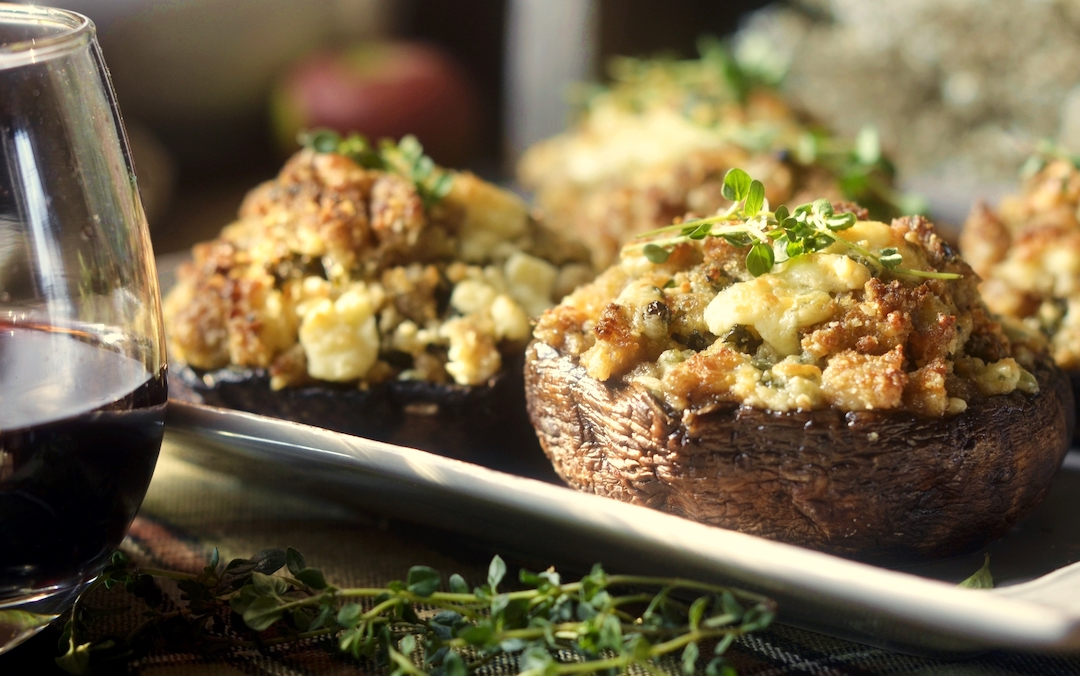
Wipe the sheet pan clean, then brush again with olive oil to coat. Mound about 1 to 2 tablespoons filling into each mushroom cap, patting them gently without packing them tightly, then transfer to the sheet pan, spacing them evenly apart. Bake until mixture on top is warmed through, 10 to 15 minutes. Broil until browned in spots, 2 to 4 minutes. Let cool a few minutes, then transfer to a serving platter and sprinkle with remaining 1 tablespoon minced parsley to serve.
This Shiraz is spicy and fruit driven. The nose and the palate are equally spicy with notes of white peppers and dark fruit.
Varietal: Shiraz Analysis: 15.0% alcohol / volume pH: 3.77 RS: 2.1 g/L Production: 5,000 Bottles Wood Maturation: Spicy, white peppers, dark fruit
WINEMAKER’S NOTES For a red wine so young, this Shiraz is remarkably drinkable with plenty of dark soft berries and spice. The flavors are rich and mouth-filling, while comfortably fresh tannins ensure there’s no heaviness. This wine should give pleasure of the next year or two.
ABOUT JAN HARMSGAT: Founded in 1723, the Jan Harmsgat Farm (JHG) is situated on the most southern tip of the Robertson Wine valley, along the foothills of the Langeberg Mountains in the Western Cape of South Africa. This area is locally known as the “valley of wine and roses”. JHG’s philosophy is to create delicious single-block wines — the smallest production unit for vineyards that may not exceed six hectares per cultivar. Their unique position borders with dry conditions of the Karoo (semi-desert region), along with cool sea breezes from the coastal regions.Learn more about the winery’s history here.
3tablespoonsunsalted butterplus more for the baking dish
1largeonionthinly sliced
1garlic clovethinly sliced
1 ½ pounds (about 1 large)butternut squashpeeled, halved lengthwise, seeded, and thinly sliced between 1/8 and 1/4 inch thick
¼ teaspoongrated nutmeg
Fine sea salt and freshly ground black pepper
½ cupheavy cream
¾ cupfresh bread crumbs
¾ cupgrated Comté cheese
fewchivesfinely chopped (optional)
DIRECTIONS:
Preheat the oven to 350°F (180°C). Butter a 10-inch (25-centimeter) baking dish.
In a large sauté pan or Dutch oven, heat 2 tablespoons butter over medium heat. Add the onion and garlic and cook until softened and translucent, 4 minutes.
Add the butternut squash slices and nutmeg and cook, stirring occasionally, until slightly tender, 5 to 8 minutes. Season with salt and pepper to taste.
Transfer the squash mixture to the baking dish. Smother with the cream, sprinkle with the bread crumbs, scatter the cheese on top, and dot with the remaining 1 tablespoon butter, cut into pieces.
Bake until the surface is golden and bubbly and the butternut squash is tender, 30 to 40 minutes. Serve immediately, sprinkled with the chives, if desired.
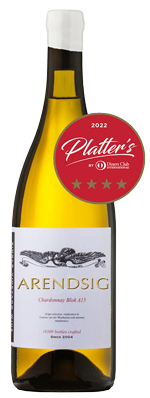
Arendsig Single Vineyard Chardonnay Blok A15 South Africa
CRISP WINE STYLE
On the nose, green and yellow citrus, Granny Smith apple, with tropical fruit notes. Zesty and crisp on the palate with a lingering mouthfeel. Spontaneously fermented and matured in concrete tanks and neutral French oak barrels for 10 months.
Varietal: Chardonnay Analysis: 13.79% alcohol / volume pH: 3.18 TA: 7.1 RS: 2.8 g/L Production: 12,546 Bottles Maturation: 10 Months, concrete tanks and neutral French oak barrels Critical Acclaim: 4 stars, Platters Diners Club Entertainment 2022
WINEMAKER’S NOTES “My philosophy is to create great single vineyard wines from unique soil, climate and location. It’s the soil with all the microbes, cycle of elements and the help of living organisms that creates the heartbeat for my vines. The location towards the sun, wind and holistic climate conditions reflects the uniqueness of each vineyard. Spontaneous fermentation, no added yeast, is used with no enzymes. Maturation takes place in neutral vessels to bring through the unique vineyard characteristics which is specific to the site.” – Lourens Van Der Westhuizen
ABOUT ARENDSIG: Arendsig’s single vineyard wines are made with minimal interference throughout the vinification. During fermentation natural yeasts are used with no enzymes. Maturation takes place in neutral vessels to bring through the unique vineyard characteristics, that’s specific to the site. The handcrafted approach helps add to the final balance of the wines. The vineyards are blessed with diversity, located in the Southern Robertson valley, Bonnievale. Learn more at Arendsig.co.za
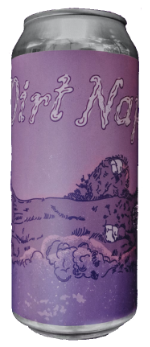
Dirt Nap³ is a triple dry-hopped DIPA with Mosaic, Citra, Nelson, and Galaxy hops. Incredible depth of flavor showcasing the best hops from the Northern and Southern Hemispheres. There are concentrated notes of Melon, grapes, passionfruit and pineapple.
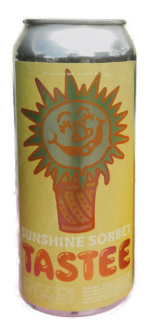
Sunshine Sorbet Tastee returns! This smoothie-style, sour ale is a brewed with milk sugar and conditioned with peach, pineapple, and passionfruit. It tastes like a summer cocktail slushy, tropicana fruit juice and sunshine in a glass.
ABOUT THE VEIL BREWING COMPANY: Founded in April 2016, The Veil Brewing Co. focuses on hop forward beers, high gravity and barrel aging, lagers, wild ales and spontaneous fermentation. They are dedicated to quality and strive to provide a unique drinking experience through all of their beers. Check them out on Untappd, or learn more about their company here.
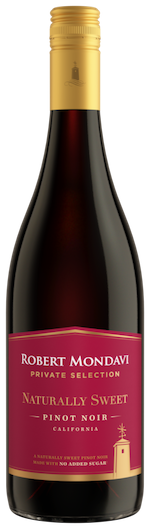
The Naturally Sweet Pinot Noir is made sweet naturally by pausing fermentation early in the winemaking process, so 100% of the sweetness comes from the grapes’ naturally occurring sugar. This means the wine is made with no added sugar, and it is also lower in alcohol to offer a more thoughtful indulgence.
The wine shows off rich color, fruit-forward aromatics, and exceptionally soft tannins. There are notes of black cherry, plum, and raspberry, followed by notes of vanilla and spice due to the judicious oak aging.
WineStyles Wine and Cheese Pairing: Sweet wines from our ‘Nectar’ section pair well with a sharp cheese. Learn more about our wine and cheese pairings here.
ABOUT ROBERT MONDAVI WINERY: Robert Mondavi built his winery in Northern California in 1966, planting Cabernet Sauvignon, Cabernet Franc and other key grape varieties to create some of the world’s finest wine. Today, Robert Mondavi Winery produces critically acclaimed, top-rated, world-class wines adored by industry experts, master sommeliers and consumers alike. Robert Mondavi Private Selection captures Roberts 26 years of legendary winemaking expertise in a different way to seek depth and substance. By balancing longstanding traditions with a forward-looking approach, the winery is able to explore what wine can be, not just what it “ought” to be to offer the most flavorful of wine experience. Learn more here.
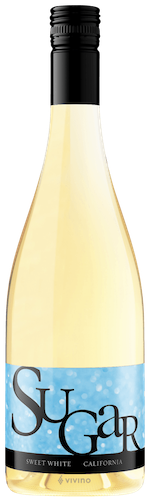
This soft, sweet, delicious Californian Moscato has just the right kiss of sweetness. It is super fruity and refreshing with a lower alcohol content. There are notes of honeyed citrus blossom, lush peach and sweet Meyer lemonade with a bright and refreshing finish.
Varietal: 100% Muscat Analysis: 8.5% alcohol / volume Serving: Chilled straight from the fridge, or kept cool in an ice bucket Food Pairing: This wine pairs well with a variety of flavors:
Have a little salty-sweet moment with your favorite bag of potato chips (nothing fancy).
Look for something spicy such as a Spicy Pad Thai, or Kung Pow Chicken.
Take a bite of bitter with pickle, or a batch of Parmesan Crusted Brussel Sprouts
Double down on dessert and pair with your favorite sweet treat.
WineStyles Wine and Cheese Pairing: Sweet wines from our ‘Nectar’ section pair well with an herbal or spicy cheese. Learn more about our wine and cheese pairings here.
ABOUT JaM CELLARS: Second-generation Napa Valley vintners, John and Michele (the “J’ and “M” in JaM) are the master-minds behind JaM Cellars. After a decade of crafting ultra-premium wines in the Napa Valley, the husband & wife team decided to launch a line of super-approachable wines that could be enjoyed anytime. Learn more about their story here.
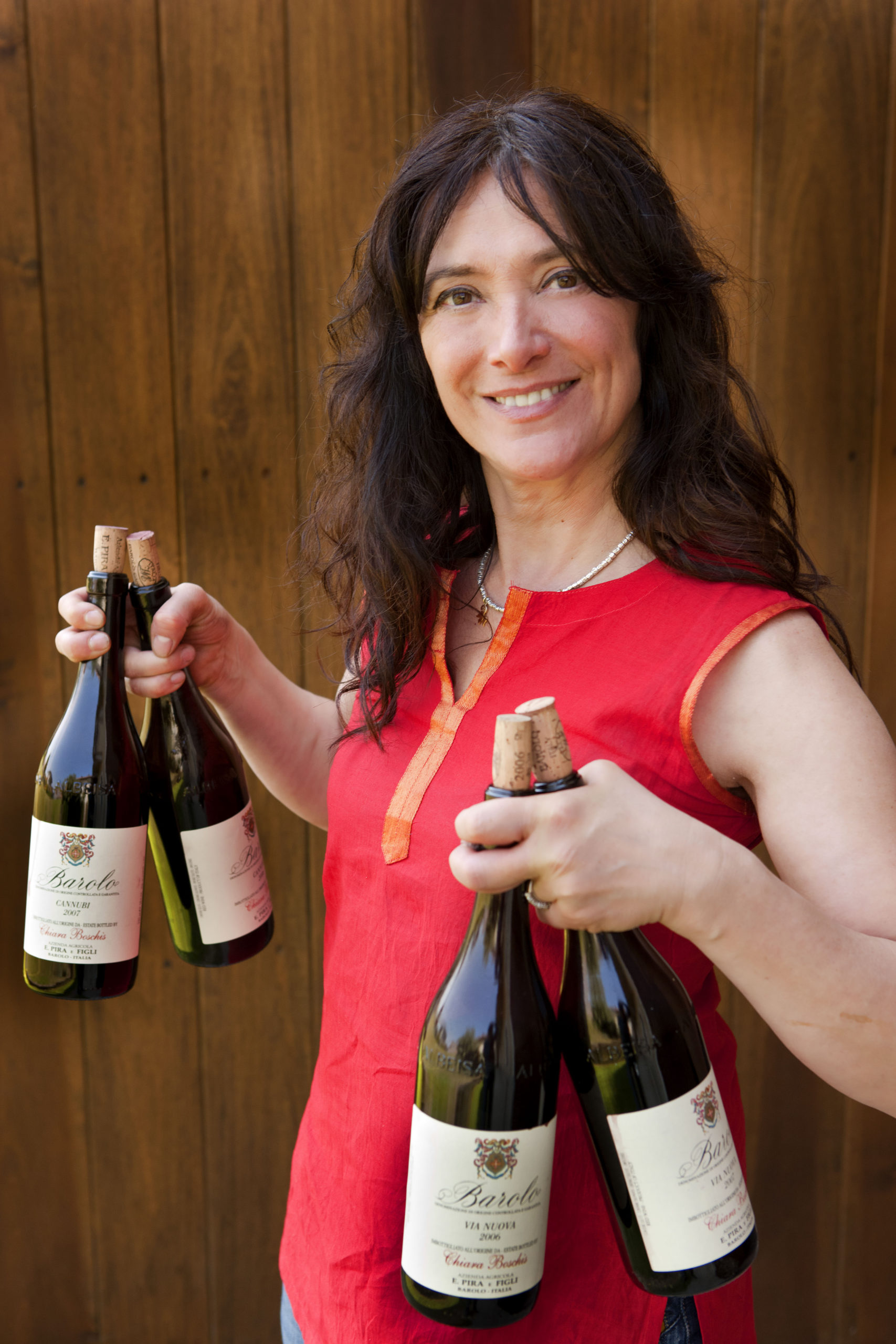
E. Pira e Figli Barolo Via Nuova DOCG 2018 Nebbiolo Piedmont, Italy
BOLD WINE STYLE
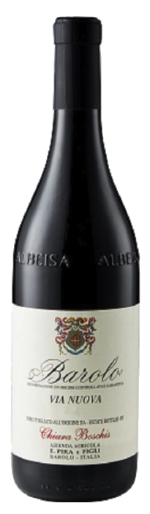
This classic Barolo blend combines structure with elegance and complexity, emphasizing the particularities of each vineyard site. Though a bit timid when first opened, some time in the glass (or decanter) will reveal Via Nuova’s alluring ethereal floral and fruit perfumes. This wine is clear and lively garnet red in color. It is dry, savory and harmonious; soft in flavor but full with a lasting persistence due to the tannin.
Analysis: 14% alcohol / volume Varietal: 100% Nebbiolo, certified organic grapes Region: Piedmont, Italy Vineyard: Terlo and Liste in Barolo, Ravera and Mosconi in Monforte d’Alba, and Gabutti and Baudana in Serralunga d’Alba Yield: 450 kg/ha Aging: Aging for 24 months in lightly toasted 30% new French oak barriques Average age of vines: 30 years Acidity: 6.37 g/L Production: 4,500 bottles Soil: Calcareous clay, Sant’Agata marl (sandstone) Average Altitude: 340 m (1,115 feet) above sea level Vinification: Fermentation in stainless steel tanks at controlled temperature with daily punch downs and pump-overs Harvest: Mid-October Cellar: E. Pira Chiara Boschis, Barolo Bottling: Aged an additional 1 year in bottle Release: Spring, 3.5 years after harvest Critical Acclaim:
WINEMAKER NOTES: Via Nuova (New Road) was the name of a small vineyard on the edge of the historical center of Barolo, the name coming from its proximity to the road (new at that time) connecting Barolo to Novello. All that remains today of the road is a small walking path through the vineyards. The wine was produced as a single-vineyard Barolo for many years until, in 2010, this small Cru was incorporated into the larger Terlo subzone. And so, as a sort of homage to tradition, Barolo Via Nuova is now produced as a blend of 6 different vineyards: Terlo and Liste in Barolo, Ravera e Mosconi in Monforte d’Alba and Gabutti and Baudana in Serralunga d’Alba. – E. Pira e Figli
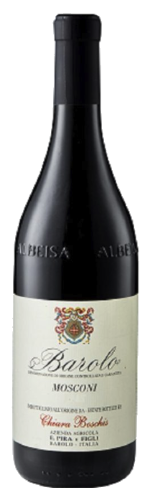
E. Pira e Figli Barolo Mosconi DOCG 2018 Nebbiolo Piedmont, Italy
BOLD WINE STYLE
Garnet red in color, this wine is complimented by open perfumes of flowers and mature fruit with some spicy notes. This is a long-lasting wine of power and concentration with firm, velvety tannins.
Analysis: 14% alcohol / volume Varietal: 100% Nebbiolo, certified organic grapes Region: Piedmont, Italy Vineyard: Mosconi (a single-vineyard property acquired in 2009) in Moforte d’Alba Yield: 450 kg/ha Aging: Aging for 24 months in lightly toasted 30% new French oak barriques Average age of vines: 30 years Acidity: 6.37 g/L Production: 4,700 bottles Soil: Calcareous clay marl soils from the tertiary period, with areas rich in calcium carbonate and iron Average Altitude: 400 m (1,312 feet) above sea level Vinification: Fermentation in stainless steel tanks at controlled temperature with daily punch downs and pump-overs Harvest: Mid-October Cellar: E. Pira Chiara Boschis, Barolo Bottling: Aged an additional 1 year in bottle Release: Spring, 3.5 years after harvest Critical Acclaim:
WINEMAKER NOTES: The most recently acquired parcel, the famous Mosconi Cru in Monforte d’Alba was purchased in 2009. The vineyard’s particular heavy clay soil (in some areas calcium carbonate and iron give the soil a reddish-gray color) lends considerable structure to this wine, making it a Barolo ideal for aging. – E. Pira e Figli
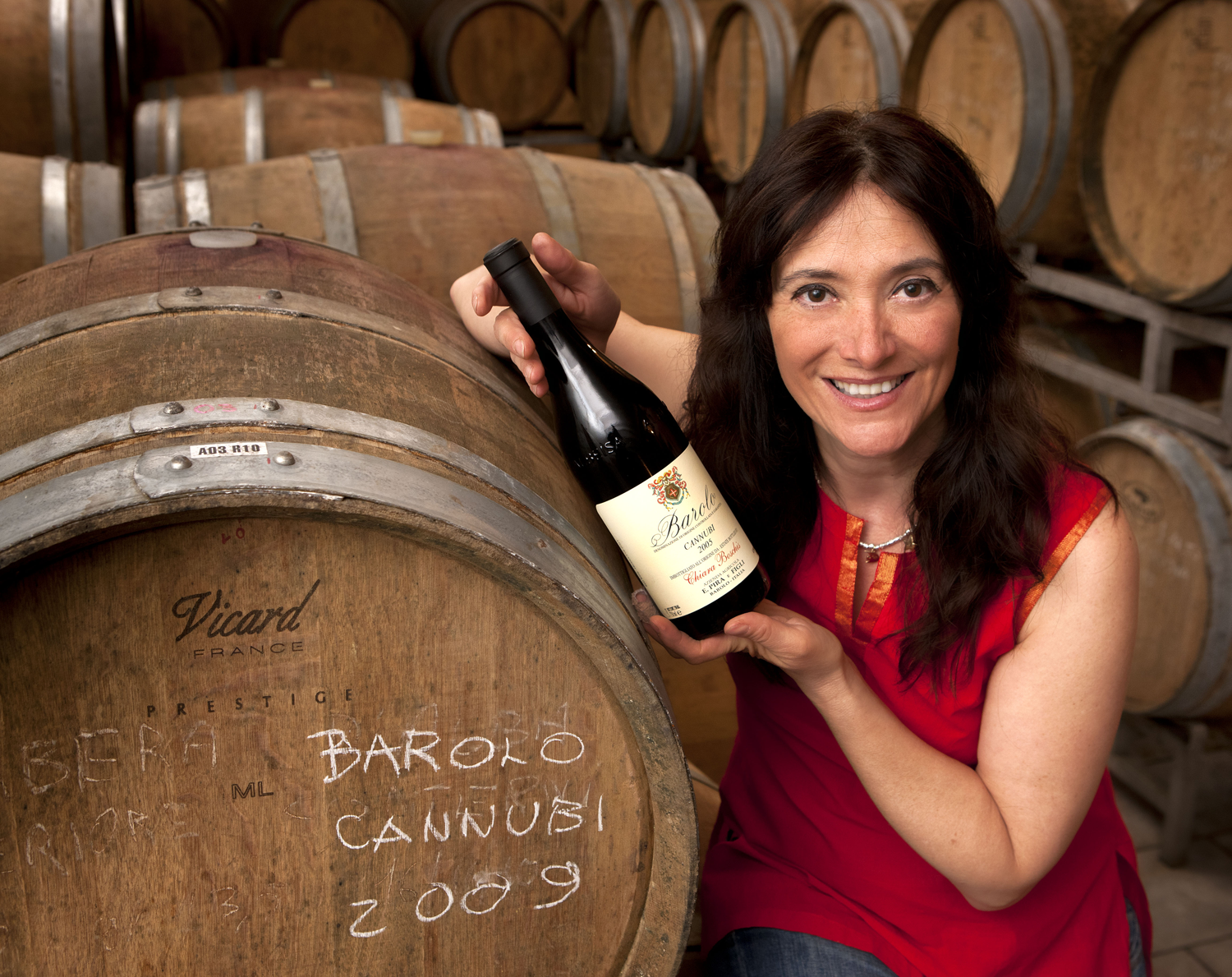
E. Pira e Figli is a key player in the history of Barolo. The Pira family, whose members have been vignerons since the seventeenth century, started producing and bottling wines by the 19th century, and received immediate praise for their work.
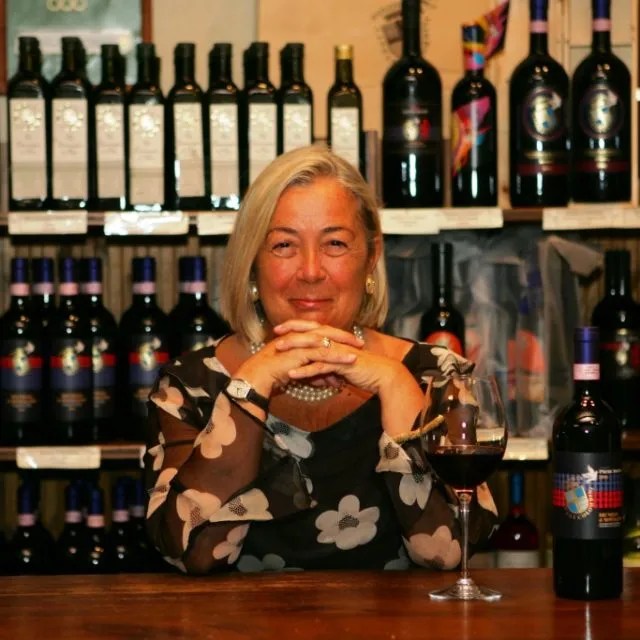
In late 1980, the Pira lineage came to a tragic end with the death of the legendary, Luigi (Gigi) Pira (one of the last remaining winemakers to carry out the pressing on foot and the production without the support of any technical means). The estate was then sold to the Boschis family, who had deep family ties with the Pira family. By the end of the 1980’s, Chiara Boschis took the reins of the winery, becoming one of the first women producers in the Langhe. She quickly became a ‘Superwoman’ of the region with her daring and innovative decisions – garnering much acclaim from international publications.
Since 2010, Chiara has been joined by her brother, Giorgio, who shares her same great passion for work in the vineyard and in the cellar. Learn more about their story here.
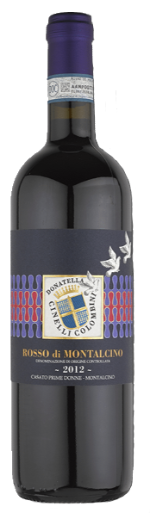
This wine is “Brunello’s younger and smiley brother”. Obtained from the same Sangiovese grapes and the same Montalcino area, but designed to be consumed sooner. This young red wine is very intense and brilliant ruby red in color. The nose is fine, rich, and well expressed; there are notes of ripe small red berries, spices and dark flowers, such as violets. The palate is full, harmonious and pleasant. The tannins are silky and well balanced by the richness of the fruit. The persistence is pleasant and lengthy.
Analysis: 14% alcohol / volume Varietal: 100% Sangiovese Serving: Serve at a temperature between 60.8ºF-64.4ºF, in a balloon shapes wine goblet. Those who wish to open and drink immediately will find it useful to use a decanter. Food Pairing: Versatile and perfect for the table. Opt for important first courses, roasts, tasty cheeses and cold cuts. This wine requires food that is intense in taste, but not too fatty or greasy. Critical Acclaim: 90-91/100 from some of the most prestigious international wine magazines
ABOUT THE VINEYARDS: The vineyards at Casato Prime Donne are cultivated following the organic regime and cover a total of 16 hectares, three of which are always designated to the production of Rosso di Montalcino. These vineyards are on the northern, and coolest, area of Montalcino, on a hill about 225 m. above sea level, where the soil is made up of clays and sea sands. Each vineyard is divided into 6 small parcels and contain about 5,000 vines per hectare. The grapes are cultivated with the spurred cordon method, and the average production is about 6 tons of grapes per hectare.
HARVEST AND VINIFICATION: The grapes are harvested by hand between September 15th and October 10th (depending on the climate of the year). The clusters are chosen right in the vineyard and then the berries are selected on an automatic sorting table where two women work. Generally the grapes for Rosso di Montalcino arrive first and then those for the Brunello. To learn more about the vinification process, click here.
AGING: After the racking/separation of the wine from the lees, the Rosso di Montalcino begins its aging in oak barrels around February. The oak barrels are chosen according to the characteristics of the vintage – from 5 to 40 hl in size – with or without toasting. Duration of barrel aging also varies according to the wine, and can go for some months. As for home aging, aim for 3-4 years, and not much more. Keep the bottles lying down in a dark and cool place to keep the Rosso di Montalcino perfectly harmonious and pleasant, rich in taste with soft tannins and great finesse.
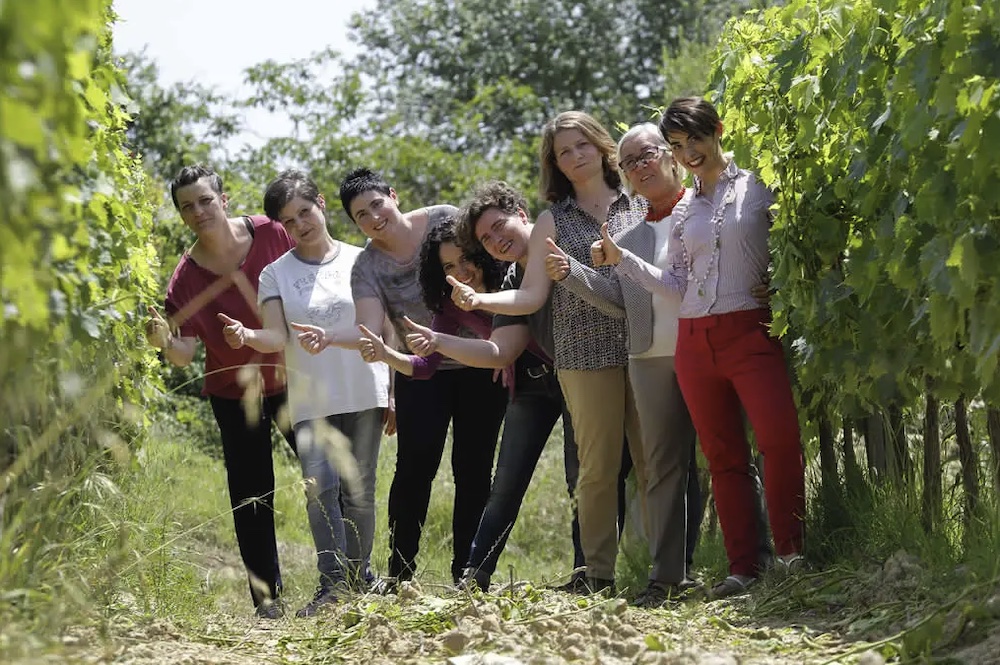
Born in 1953 to a family of producers of Brunello di Montalcino, Donatella Cinelli Colombini founded her own estate in 1998 comprising of Fattoria del Colle in Trequanda and Casato Prime Donne in Montalcino.
Casato Prime Donne is about a 40 hectare property on the northern slope of Montalcino. This estate has belonged to the Colombini family at least since the end of the 16th century and was originally used by Donatella’s maternal forefathers for hunting and to host brides for their honeymoons.
The last three generations, the farm has been passed from mother to daughter – it belonged to grandmother Giuliana Tamanit, then mother Francesca Colombini, now Donatella Cinelli Colombini, who will give it to her daughter, Violante. Donatella has given this location a special meaning, as it is the first winery in Italy to be all female staffed, a flagship for women who work in wine. She has received countless awards and international success for her achievements within the industry. Learn more about their story here.
Named after the town where it is made, in the Midi-Pyrenees region of France, this washed rind, pasteurized, sheep’s milk cheese is a cross between a traditional tomme and a sheep’s milk alpine cheese. The paste is moist and creamy, and the flavor starts with notes of toasted bread and finishes richly with notes of sweet cream, chives and leeks. The flavors are complex and exciting. WINE & CRAFT BEER PAIRINGS:
Pair with any of the wines from our October Wine Club Selections. For beer, look for a light or pale ale or lager. WINESTYLES: BoldBEERSTYLES: Crisp & Clean
Don’t let your Wine Club go home alone!
Join our Cheese Club and bring home a match made in heaven!
If you enjoy pairing cheese with wine, this is your club! Each month you’ll discover specialty and artisan cheeses to pair with your Wine Club. Monthly cheese selections are chosen by your local WineStyles participating location. It’s the perfect opportunity to Taste, Learn and Enjoy® amazing artisan cheese every month! Only $19.99/month and your wine won’t be lonely! Click to learn more >
3.5 lbs sirloin tip roast cut into large pieces (about double or triple the size of regular stewing meat)
1 cup white wine
1 cup beer
1 small can of tomato paste (5.5 fl oz)
2 tsp salt
2 tsp paprika
1 tsp ground allspice
3 bay leaves
1 cinnamon stick
4 cloves garlic minced
1 medium onion diced
1 cup water
6 white potatoes chopped into large pieces
DIRECTIONS:
Cut the beef into large chunks.
In a large bowl add the white wine, beer, tomato paste, salt, paprika, allspice and whisk until well combined. Add the bay leaves and cinnamon stick.
Add the meat to the bowl and mix well to cover all the meat pieces. Cover the bowl with a plastic wrap or put place the entire contents into a ziplock. Store in the fridge for at least two hours or even over night.
Place a large pot on the stove and add the meat contents to the pot. Add the onions and garlic and bring to a slow boil for 30 minutes covered.
Remove the lid, add the water and cover again. Simmer for 2 hours.
Uncover, add the potatoes, mix well, cover and continue to simmer for 30 minutes.
Deep red in color, this wine has a lively aroma with ripe fruit. On the palate, despite its youthfulness, the tannins are presented but well rounded and accompanied by a good structure. It makes for a very tasty wine, easy for daily consumption but with lots of personality.
Varietal: Aragonês, Syrah, Castelão Region: Tejo, Portugal Analysis: 13.6% alcohol / volume Total Acidity: 6.10 g/L pH: 3.64 Total Sugar: 0.9 g/L Soil Type: Sandy European Vegetarian Union: Vegan Serving Temperature: 60ºF-64ºF Pairing: Pasta and white or red meat Longevity: Drink now or keep it until the end of 2025 Winemaker: Nuno Falcão Rodrigues
WINEMAKING NOTES: Destemming, maceration and fermentation with temperature control, malolactic fermentation and filtration.
ABOUT THE WINERY: Located at parallel 39 North, Casal da Coelheira Estate has been benefiting from the Mediterranean climate for over three generations. For years, they have been committed to producing the best and most innovative wines within the Tagus River wine region. While the winery has seen many upgrades to their production and winemaking technology over the years, the facade at Tramagal remains the same – showcasing a traditional Portuguese facility with timeless architecture and impressive white and yellow walls.Learn more about the winery here.

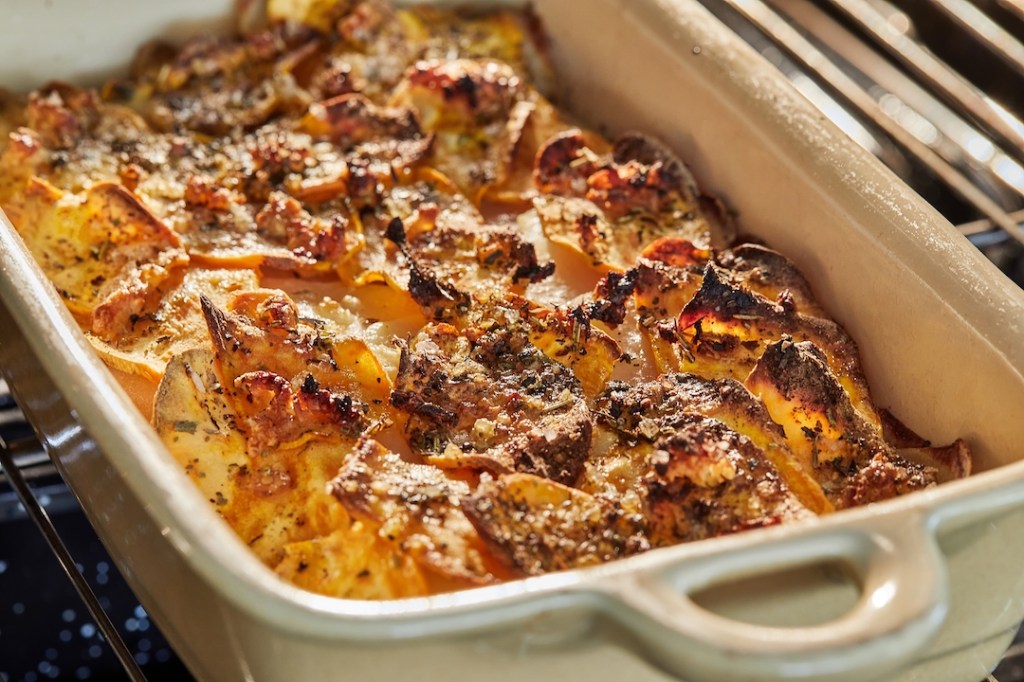 Butternut Squash Gratin

 Anne de Joyeuse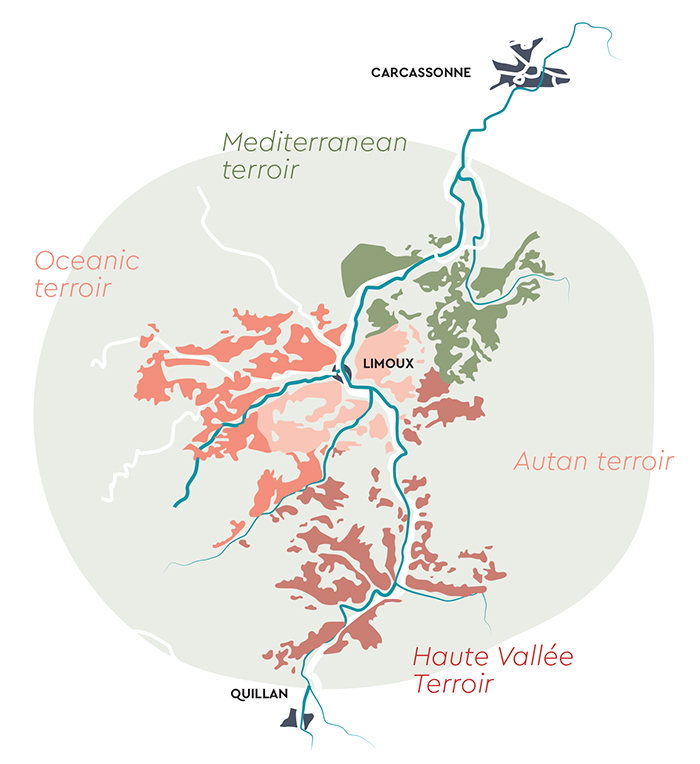
 Join our WINE CLUB and enjoy these amazing wines and pairing recipes each month. Plus, you’ll receive 10% off all retail wine purchases!











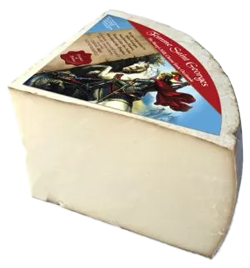 Tomme Saint Georges
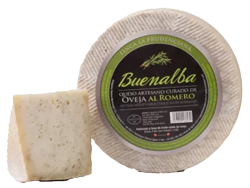 Romero Fino-Buenalba
Toledo, Spain
Romero Fino-Buenalba
Toledo, Spain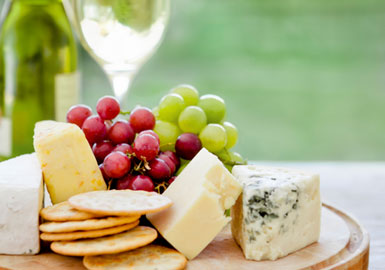
 MOLHA DE CARNE (Azores Beef Stew with Potatoes)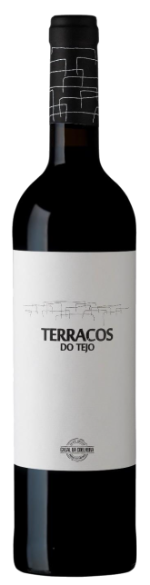


 WineStyles Tasting Station