January Bubbly Club: Iowa

Bubbly Wine ClubLaurent-Perrier-Cuvee-webLaurent-Perrier
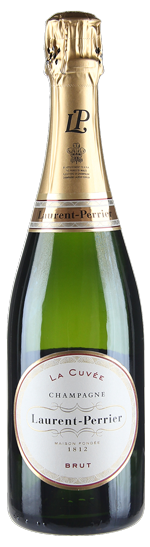
La Cuvée Brut Champagne
Champagne, France

BUBBLY WINE STYLE

This wine comes from the purest grape juice and allows Laurent‑Perrier to craft “La Cuvée”, a champagne of great finesse and a beautiful freshness obtained after a long ageing process in their cellars. Laurent-Perrier’s style and personality are defined by its very high proportion of Chardonnay. Purity, freshness and elegance – essential characteristics, expressed in this champagne which embodies the spirit of the House.

La Cuvée is pale, gold in color with fine bubbles that feed a persistent mousse. It has a delicate nose with hints of fresh citrus and white flowers, while on the palate the wine’s complexity is expressed with successive notes of vine peach and white fruit. There is a perfect balance between freshness and delicacy with fruity flavors that are very present on the finish.

Analysis: 12% alcohol / volume
Varietal: La Cuvée is a blend made from over 100 Crus selected by Laurent-Perrier

  • A majority of Chardonnay, over 50%
  • Pinot Noir, between 30% and 35%
  • Rounded out with Meunier, between 10% and 15%
  • + Reserve wines between 15% and 30% to ensure perfect consistency in style

Vinification and Aging: For blending, only the musts of the Cuvée are used, so only 80% of the grape juice is extracted from pressing. The ideal aging is around 4 years in the cellar, and its balance and freshness are enhanced by a light dosage.
Serving Temperature: Serve between 46.4ºF – 50ºF
Food Pairing: Perfect as an aperitif or paired alongside poultry or the finest fish.

ABOUT LAURENT-PERRIER:
Laurent-Perrier is a Champagne house founded in 1812. Nestled in a Grand Cru village at the crossroads of three main winegrowing areas, Laurent-Perrier is the largest female-owned, family-run, fiercely independent estates focusing exclusively on champagne. Passed down from generation to generation, Laurent-Perrier continues to offer unique experiences for champagne lovers all over the world. Learn more about their story here.

Bubbly Wine ClubLearn more about our Bubbly Club >


January Premium Wine Club

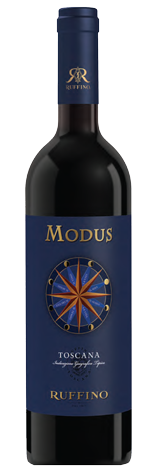
Mellow style logoRuffion-modus-wine-bottleRuffino
Modus Toscana IGT
Tuscany, Italy

MELLOW WINE STYLE

Ruby red in color, and complex, fruity and intense on the nose. The initial aromas are of mature black fruits, such as cherries, plums, and small blackberries typical of Sangiovese. There are also floral notes that are complimented by hints of spiced cinnamon and cloves. On the palate, it is full-bodied and harmonious with modern Super Tuscan finesse and style. This wine is rich with soft tannins and flavors of mature blackberry fruit that lead to a persistent finish.

Analysis: 14.5% alcohol / volume
Varietal: 37% Sangiovese, 32% Merlot, 31% Cabernet Sauvignon
Grape Sourcing:
Ruffino’s Poggio Casciano Estate
Soil:
Hilly land with clay, limestone, and a small percentage of silt
Micro-climate:
Variable with good diurnal temperature swings, especially during summer
Growing System:
Cordon trained
Vine density:
12,000 per acre
Age of vineyards:
Recently planted
First Year of Production:
1997
Food Pairings: Wonderful on its own, or serve with bold dishes such as duck with olives and pancetta, beef-stuffed manicotti with Bolognese sauce, or aged cheeses such as T
aleggio, Pecorino and/or Gouda.

VINIFICATION AND AGING:
Harvest: Only the best grapes are selected in the vineyards to ensure optimal ripeness when picked. They are again sorted prior to pressing. Due to a warm and dry growing season, the harvest began earlier than usual, as the high summer temperatures led to beautiful fruit maturation.
Fermentation: Each varietal was vinified independently, fermenting in temperature-controlled stainless-steel vats at an average temperature of 82ºF for 10 days. The wine was then allowed to macerate on the skins for another 2 weeks.
Aging: After completing malolactic fermentation, the 3 varietals were blended and aged for 12 months in French oak barrels of first and second use.
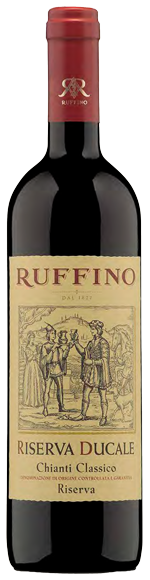

Ruffio-riserva-ducale-wine-bottleMellow style logoRuffino
Riserva Ducale
Chianti Classico Riserva
Tuscany, Italy

MELLOW WINE STYLE

Ruby red in color, the nose has an elegant bouquet characterized by violet, cherries, wild berries and plums. There are hints of tobacco, clove and eucalyptus. On the palate, the Riserva Ducale is balance and constant with delicate tannins. The vibrant acidity characterizes this wine, which is typical of Sangiovese’s grapes. The finish is persistent and a good structure completes the entire taste sensation.

Analysis: 14.5% alcohol / volume
Varietal:
80% Sangiovese, 20% Merlot and Cabernet Sauvignon
Grape Sourcing:
The Riserva Ducale grapes came from owned vineyards and selected growers vineyards located in the traditional Chianti Classico production area, stretching over the provinces of Siena and Florence. Ruffino traditionally works with a small stable of hand-selected growers, chosen as carefully as the Ruffino vineyards.
Soil: Typical of the Chianti Classico area; a mix of clay and limestone with an abundant presence of “Galestro” rock.
Altitude:
Variable from 951 to 1,476 feet above sea level
Growing System:
Cordon trained
Vine density:
about 12,350 vines/acre
Bottle Aging:
A minimum of 3 months
First Year of Production:
1927
Food Pairings: Enjoy this timeless Tuscan gem with Italian favorites such as prosciutto and other antipasti, mushroom risotto, pasta Bolognese, and chicken cacciatore. Or, pair it with simple grilled meats and roasted vegetables for a classic Tuscan meal.

VINIFICATION AND AGING:
Harvest: The vintage was characterized by a very hot season with a good maturation of the grapes, which led to a slightly early harvest.
Fermentation: Alcoholic fermentation and maceration were aided by pumping over, which took place in thermo-controlled stainless-steel vats for approximately 16 days.
Aging: The Riserva Ducale aged for 24 months, 12 in big oak casks and the rest in concrete vats.
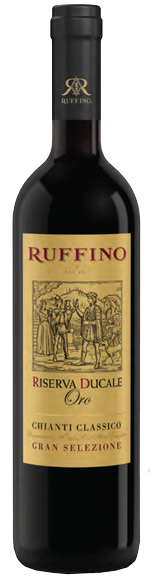

Mellow style logoRuffino Riserva Ducale OroRuffino
Riserva Ducale Oro
Chianti Classico Gran Selezione DOCG
Tuscany, Italy

MELLOW WINE STYLE

The Riserva Ducale Oro is also Ruby Red in color with hues of garnet. It is powerfully aromatic with cherry, plum, and violet with notes of eucalyptus, chocolate and spicy black pepper. The complexity is an authentic expression of Sangioveses and Classic Chiantis. The wine is full-bodied and powerfully fruity with elegant tannins, perfectly supported by a good acidity. The finish is characterized by pleasantly sweet tobacco, plums, and balsamic herbs. This Riserva Ducale Oro will age gracefully for decades.

Analysis: 14.5% alcohol / volume
Varietal:
83% Sangiovese, 12% Merlot, 5% Colorino
Grape Sourcing:
Selected from Ruffino’s Gretole and Santedame estates, located in the heart of Castellina in Chianti.
Soil: Hilly land with poor, rocky, ‘galestro’ soils of mixed clay and sand
Microclimate:
Characterized by hot, dry summers with high diurnal temperature swings, which allow for optimal grape maturation.
Altitude:
820-1,300 feet above sea level
Sun Exposure:
Predominantly south, southwest, and southeast
Growing System:
Cordon-trained
Vine density:
10,000 per acre
Age of Vineyards: 
Vine yield: 12 tons per acre
First Year of Production:
1947
Food Pairings: Traditional Italian dishes pair exquisitely with this wine. Try with a pasta Bolognese, wild boar ragu, or eggplant Parmesan. It also pairs beautifully with American dishes such as grilled rib-eye and roasted vegetables.

VINIFICATION AND AGING:
Harvest: Riserva Ducale Oro Chianti Classico Gran Selezione is produced with grapes meticulously selected during harvest. The picking started the third week of September and ended the first week of October. The vintage 2015 shows a vivid fruity notes, with spicy hints of great elegance.
Fermentation: Aided by racking and délestage, fermentation took place in thermo-controlled stainless-steel vats at an average temperature of 82ºF for 21 days. Post-fermentation maceration on the skins continued for an additional 10 days. The wine was transferred to concrete vats for malolactic fermentation.
Aging: A total of 36 months: the first 12 months in concrete vats, followed by 12 months in Slavonian oak barrels (about 925-2,000 gallons), and finally 12 months in barriques that are four or more years old.

ABOUT RUFFINO WINERY:
In 1877, cousins, Ilario and Leopoldo Ruffino, embraced their passion for winemaking by establishing a small winery in the town of Pontassieve, near Florence. Natives to Tuscany, they knew this region already had century-old traditions of growing exceptional wine grapes, but cousins felt that much of the area’s greatness had yet to be revealed. Word eventually grew about the quality wine the Ruffino cousin’s were producing and the winery began to flourish. Ruffino became known for clean, balanced wines. They became nationally and internationally known when their Chianti won Gold Medals and other prizes in 1881, 1884 and 1885 Wine Exhibitions. In 1890, the Duke of Aosta became intrigued by the winery’s reputation, and after trying it for himself, he appointed Ruffino as the official supplier to the Italian Royal family. In 1927, the winery released their first vintage of Riserva Ducale – named after the Duke of Aosta to acknowledge his esteemed patronage.

Today, Ruffino has a collection of estates in Tuscany’s most important wine appellations. They continue to take a traditional approach when making their wines to allow their wines to reveal themselves without manipulation. Ruffino has established itself as a leader in Chianti, as they have become a global ambassador of Tuscan wines around the world. Learn more here. 
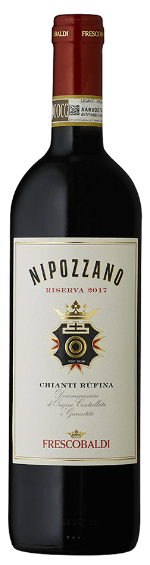

Mellow style logoFrescobaldi-Nipozzano-RiservaFrescobaldi
Castello Nipozzano
Nipozzano Riserva
Tuscany, Italy

MELLOW WINE STYLE

The Nipozzano 2017 conveys the intense, harmonious character of the vintage with personality, translating the heat of the season into the glass. The ruby-red color is bright and intense. The usual notes of red fruits and citrus are expressed in a seductive combination of elegance and intensity. Tertiary notes due to aging, such as spices and vanilla, enhance the aromas and balance the tasting experience. The palate is rich, dense and balanced, with a great expression of maturity, polyphenolic elegance and final persistence.

Analysis: 13.5% alcohol / volume
Varietal:
Sangiovese and complementary varieties
Critical Acclaim:

  • James Suckling: 92 Points
  • Gambero Rosso: 3 Glasses
  • Luca Maroni: 90 Points

VINIFICATION AND AGING:
Harvest: The winter was mild and dry. In the spring, the early sprouting of the vines brought the growing season forward. During spring, the arrival of sporadic rains restored the vineyards’ water table, guaranteeing a good blooming, still ahead of time with respect to the previous season. The harvest began at the end of August/first few days of September, after a hot, dry summer that led to the harvesting of well-ripened grapes, qualitatively rich in body and color. As soon as the grapes were harvested, they were taken to the cellar.
Fermentation: Once de-stemmed, the natural fermentation process began in thermo-regulated stainless steel vats. The wine remained in the vats to complete maceration. After racking, malolactic fermentation took place in steel as well.
Aging: At the end of the year, the wine was transferred into barriques, where it was aged for further months. A further period in the bottle brought Nipozzano to its full expression as a wine with exceptional balance.

ABOUT FRESCOBALDI WINERY:
Beginning in the early 1300s, the Frescobaldi family has been producing wine in Tuscany for over seven hundred years. That family history is filled with illustrious ancestors, from literary figures, explorers, and musicians, to financiers, bishops, and statesmen. Over the years, the Frescobaldi family had established commercial contracts and relationships, and had the opportunity to share their wine with numerous historical names and courts such as the Court of England, the Papal Court in Rome, Donatello, Michelozzo, Michelozzi, and Filippo Brunelleschi.

The winery has been passed down in the family from generation to generation, building many different sub-family estates over the years. Today, the President, Lamberto Frescobaldi, aims to strengthen the uniqueness of the wines of each family estate. The Frescobaldi family believes each family estate, and their vineyards, should express the diversity and individuality of their Tuscan terroir while always respecting their nature and authenticity. Learn more about the family history here.


Wine club logoJoin our PREMIUM WINE CLUB, enjoy amazing wines every other month. Plus, you’ll receive 10% off all retail wine purchases!

Learn more about our Premium Club >


January Collector’s Wine Club: Iowa

Collectors Wine ClubLaurent-Perrier_HarmonyLaurent-Perrier
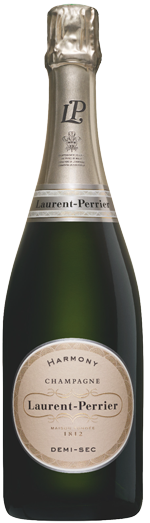
Harmony
Demi-Sec NV
Champagne, France

BUBBLY WINE STYLE

Demi-Sec was the most popular style of Champagne in the 18th century. Laurent-Perrier continues to make this authentic style with the same pride and care as the rest of their Laurent-Perrier wines.

The Harmony Demi-Sec wine is rich, golden-yellow in color. The nose is robust and expressive, it opens with aromas of candied fruit, almonds and hazelnuts, followed by notes of fresh brioche. Rich on the palate, this Demi-Sec is full-bodied and generous with an elegant, clean finish.

Analysis: 12% alcohol / volume
Varietal: 45% Chardonnay, 40% Pinot Noir, 15% Pinot Meunier. More than 55 crus with an average ration of 94% are used in the Demi-Sec base wine blend. Between 10-20% of reserve wines are used to ensure perfect consistency.
Vinification and Aging: Following a minimum of three years of cellar aging, Demi-Sec receives a dosage of 45 grams of sugar per liter dissolved in wine from the same cuvée. The dosage level results in a Demi-Sec that is pleasantly sweet without being cloying.
Serving Temperature: Serve between 43ºF and 46ºF
Food Pairing: Rich desserts, especially cakes and tarts
Critical Acclaim:

  • Wine & Spirits – 91 Points

Collectors Wine ClubLaurent-Perrier_Grand-Siecle-N24Laurent-Perrier
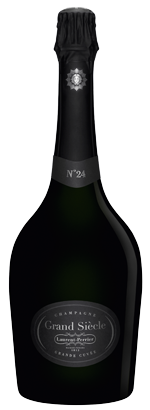
Grand Siecle
Itération Nº24
Champagne, France

BUBBLY WINE STYLE

Launched in 1959 by Bernard de Nonancourt, Grand Siècle is Laurent-Perrier’s prestige cuvée and the epitome of the art of blending. Grand Siècle’s elegant bottle was inspired by the work of early 18th century master glassmakers. This cuvée namesake means “Great Century” from the illustrious period of French history during the reign of King Louis XIV, called the Sun King. At that time, art de vivre reached its pinnacle and French gastronomy was born, ushering in the concept of vins de terroir and the first effervescent wines from Champagne.

The Grand Siècle is bright pale, gold in color with a very fine effervescence, persistent sparkle and stead stream of fine bubbles. The nose is fresh, intense and complex with notes of candied citrus developing into aromas of fresh pastry and toasted almonds, with subtle hints of honey and gingerbread. The palate is complex, marrying structure to finesse, resulting in a perfect balance between power and delicacy. This textured wine continues to develop on the palate and in the glass, showing notes of honey, hazelnut, and toasted brioche.

Analysis: 12% alcohol / volume
Varietal: 55% Chardonnay, 45% Pinot Noir:

  • Grand Siècle Iteration Nº24 is made exclusively with 100% grand cru grapes from eleven of the most outstanding villages. These grapes are from exclusively hand-picked plots, selected from exceptional years and chosen for their complementary traits to provide structure, freshness and finesse in perfect harmony; Chardonnay always being the majority, with the balance being Pinot Noir:
    • Chardonnay Grands Crus: Avize, Cramant, Chouilly, Oger and Le Mesnil-sur-Oger.
    • Pinot Noir Grands Crus: Ambonnay, Bouzy, Verzy, Verzenay, Tours-sur-Marne and Mailly
  • Grand Siècle Iteration Nº24 is always a blend of three complementary years, which have been declared vintages by Laurent-Perrier: 2007 (60%), 2006 (20%), and 2004 (20%) vintages:
    • 2007: noted for its freshness, the Chardonnays are complex with aromas of white fruits and citrus and the Pinots Noirs open and fruity with a dominance of yellow fruit
    • 2006: noted for its finesse with rich, complex Chardonnays and Pinots Noirs with red fruit aromas
    • 2004: noted for its freshness and structure with fine, balanced Chardonnays and high quality Pinots Noirs

Vinification and Aging: The best Chardonnay and Pinot Noir wines are kept in reserve tanks in the dedicated Grand Siècle cuverie at Laurent-Perrier. After the base blend is crafted, it is put into bottles that will mature for up to 11 years on the lees in the cellar before disgorging.
Serving Temperature: Serve between 50ºF – 53.6ºF
Food Pairing: The creaminess and complexity of Grand Siècle perfectly complements refined dishes such as noble fish and lobster, or any dish with truffles or mushrooms.
Critical Acclaim:

  • James Suckling – 97 Points

ABOUT LAURENT-PERRIER:
Laurent-Perrier is the largest independent, family-owned, woman-owned House in Champagne. Passed down from generation to generation, the house is now managed by Alexandra Pereyre de Nonancourt and Stéphanie Meneux de Nonancourt, daughters of the emblematic Bernard de Nonancourt. In 2014, Stéphane Dalyac joined the daughters as Chairman of the Management Board, and in 2019, Alexandra’s daughter, Lucie Pereye de Nonancourt joined the team representing Grand Siècle in France and worldwide. This successful hand-over between generations has given the winery the ability to craft traditional and elegant champagnes for over two centuries. Laurent-Perrier suits every occasion and offers a unique experience for all senses through their innovative and comprehensive range of champagnes. Learn more about their history here.


Collectors Wine ClubLove to collect amazing wines?
Learn more about our quarterly Collectors Club > click here


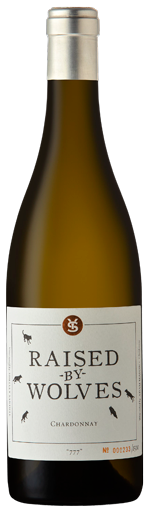
Raised by Wolves 777 Chardonnay

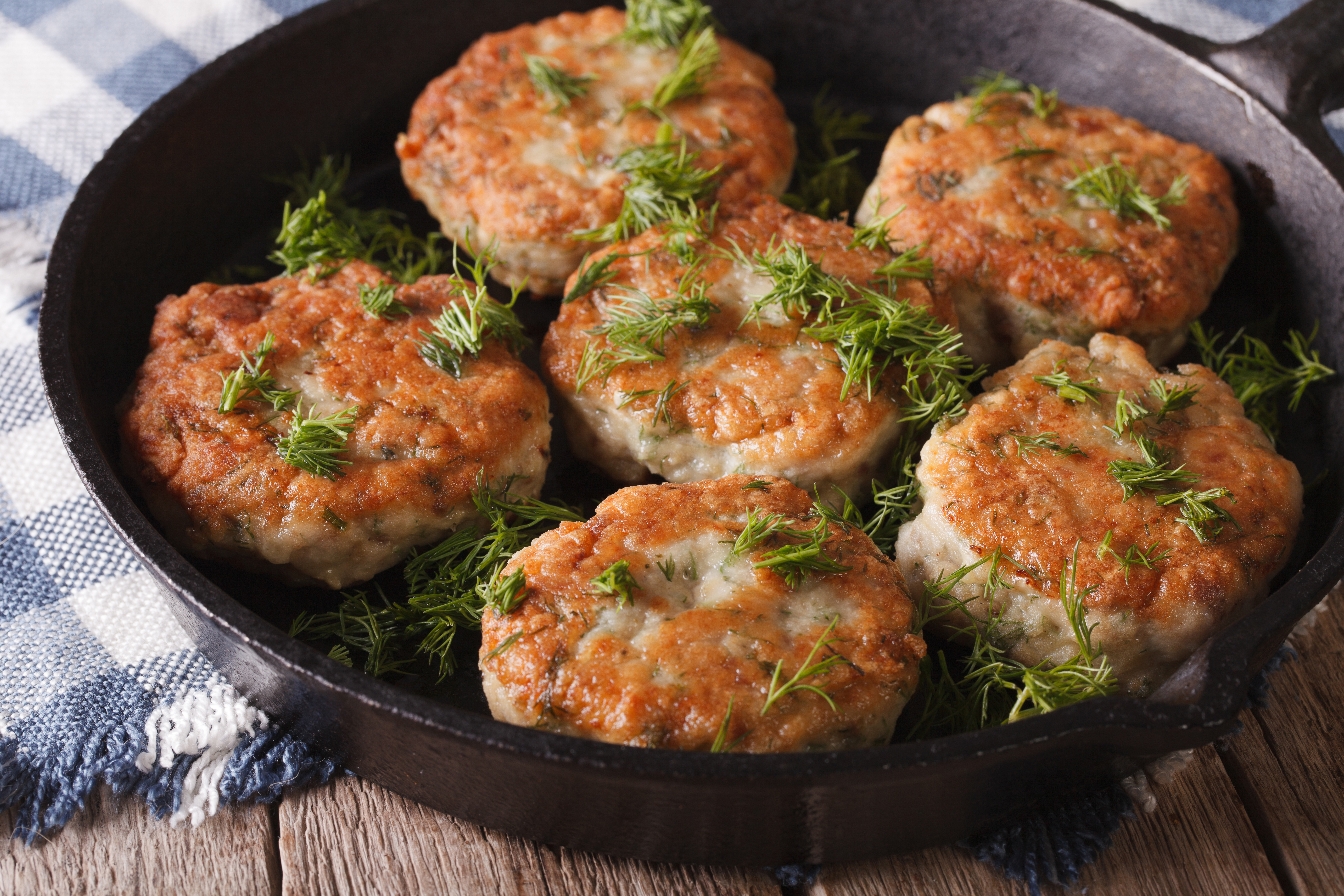
Delicious,Fish,Cakes,With,Dill,Closeup,In,A,Pan,OnMaryland Crab Cakes with Tartar Sauce

INGREDIENTS:

  • For the Crab Cakes:
    • 2 large eggs
    • 2-1/2 tablespoons mayonnaise, best quality such as Hellmann’s or Duke’s
    • 1-1/2 teaspoons Dijon mustard
    • 1 teaspoon Worcestershire sauce
    • 1 teaspoon Old Bay seasoning
    • 1/4 teaspoon salt
    • 1/4 cup finely diced celery, from one stalk
    • 2 tablespoons finely chopped fresh parsley
    • 1 pound lump crab meat (see note below)
    • 1/2 cup panko
    • Vegetable or canola oil, for cooking
  • For the Quick Tartar Sauce:
    • 1 cup mayonnaise, best quality such as Hellmann’s or Duke’s
    • 1-1/2 tablespoons sweet pickle relish
    • 1 teaspoon Dijon mustard
    • 1 tablespoon minced red onion
    • 1-2 tablespoons lemon juice, to taste
    • Salt and freshly ground black pepper, to taste

DIRECTIONS:

For the Crab Cakes:

  1. Line a baking sheet with aluminum foil for easy clean-up.
  2. Combine the eggs, mayonnaise, Dijon mustard, Worcestershire, Old Bay, salt, celery, and parsley in a large bowl and mix well. Add the crab meat (be sure to check the meat for any hard and sharp cartilage) and panko; using a rubber spatula, gently fold the mixture together until just combined, being careful not to shred the crab meat. Shape into 6 cakes (each about ½ cup) and place on the prepared baking sheet. Cover and refrigerate for at least 1 hour. This helps them set.
  3. Preheat a large nonstick pan over medium heat and coat with oil. When the oil is hot, place the crab cakes in the pan and cook until golden brown, 3 to 5 minutes per side. Be careful as oil may splatter. Serve the crab cakes warm with the tartar sauce.

For the Quick Tartar Sauce: In a small bowl, whisk together the mayonnaise, relish, mustard, onion, and lemon juice. Season with salt and pepper, to taste. Cover and chill until ready to serve.

Make-Ahead Instructions: The crab cakes can be formed, covered, and refrigerated a day ahead of time before cooking. The tartar sauce can be made and refrigerated up to 2 days in advance.

Note: If you can only find jumbo lump crab meat, you may need to break the pieces up a bit. If the clumps are too large, the crab cakes won’t hold together well.

© Recipe courtesy of Jenn Segal of Once Upon a Chef.

JANUARY WINE CLUB:

Rich WineStylesRaised-By-Wolves-777-Chardonnay-wine-bottleRaised by Wolves
777 Chardonnay
Piekenierskloof, South Africa

RICH WINE STYLE

The Cape is generally regarded as a hot viticultural region. Fortunately, there are some cool mesoclimates to be found close to the ocean or at higher altitudes. With high altitude generally comes a more continental climate, and so it is with this Piekenierskloof Chardonnay, grown between 700 and 800 meters above sea level on the Sandveld plateau bordering the Olifants river.

The 777 Chardonnay is whole bunch pressed, settled overnight without the use of enzymes, and then racked straight to barrel for uninoculated fermentation.

After maturing for 9 months in 228L Burgundian pieces, the Chardonnay was cleanly racked and bottled.

Appellation: Western Cape, Citrusdal Mountain, Olifants River Valley, Piekenierskloof Ward
Varietal:
100% Chardonnay
Analysis:
13.69% alcohol / volume

Residual Sugar: 2.1 g/L
VA:
0.54 g/L
pH:
3.33
TA:
5.3 g/L
SO₂:
13/72 ppm
Bottled: 8/10/2018
Grower:
Shelley Sandell

Raised by WolvesABOUT RAISED BY WOLVES:
Raised by Wolves is a project by Adam Mason, leading Wine Industry Specialist. Adam’s wines are produced in limited quantities, and are made from a selection of unique vineyards from his travels around the cape. He has showcased how interesting and rare the Cape’s vineyards can be; these small batch, experimental wines have transformed the Cape into one of the more dynamic regions in the world. 


Wine club logoJoin our WINE CLUB and enjoy these amazing wines and pairing recipes each month. Plus, you’ll receive 10% off all retail wine purchases!

Learn More >


Raised by Wolves Old School Red Blend

Pizza

Photo Credit: Copyright Anson Smart

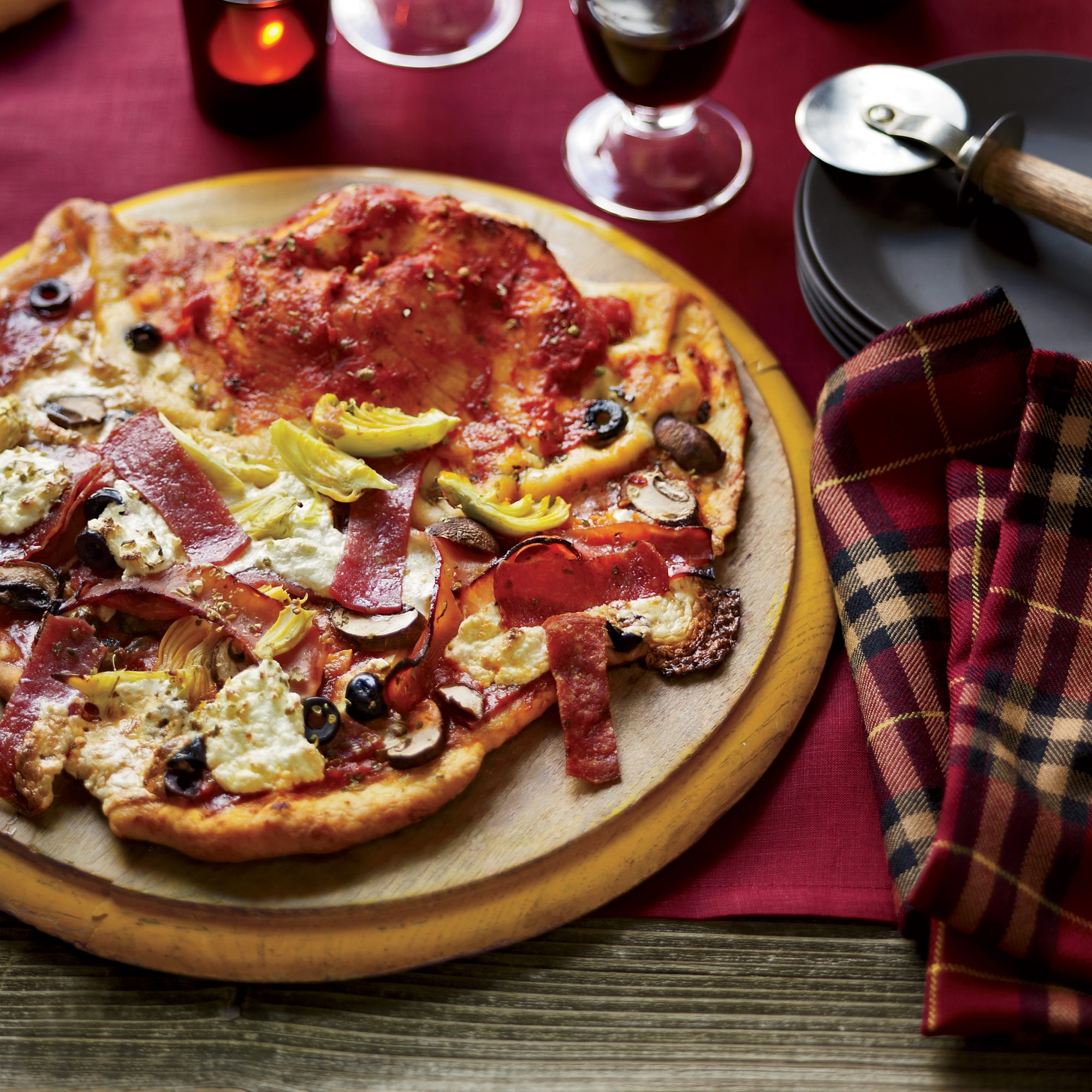
Pizza Vesuvio with the Works

INGREDIENTS:

  • 1/2 cup frozen artichoke hearts, thawed, sliced
  • Extra-virgin olive oil
  • Salt and freshly ground pepper
  • 1/2 pound pizza dough, thawed if frozen
  • All-purpose flour, for dusting
  • 1/2 cup fresh ricotta (4 ounces)
  • 3/4 pound fresh mozzarella, cut into 1-inch cubes
  • 2 ounces thinly sliced baked ham, cut into 1-inch strips
  • 2 ounces salami, cut into 1-inch strips
  • 1/2 teaspoon dried oregano
  • 1/4 cup plus 2 tablespoons marinara sauce
  • 2 large cremini mushrooms, sliced 1/4 inch thick
  • 4 pitted olives, sliced 1/4 inch thick

DIRECTIONS:

  1. Set a pizza stone in the oven and preheat the oven to 500°. Let the stone heat for 30 minutes. In a bowl, lightly drizzle the artichoke hearts with oil. Season with salt and pepper.
  2. On a floured work surface, roll or stretch the pizza dough out to a 12-inch round, about 1/8 inch thick. Roll the edge on half of the pizza 1/16 inch thick. Generously flour a pizza peel. Transfer the dough to the peel and lightly brush with oil. Top the thinner side of the dough with half of the artichokes, mozzarella, ricotta, ham and salami, 3 inches from the edge. Sprinkle with half of the oregano and drizzle with 2 tablespoons of the marinara. Lift the 3-inch edge of dough over the filling and press to seal in the center of the round.
  3. Spread the remaining 1/4 cup of marinara over the dough, leaving a 1/2-inch border. Arrange the remaining artichoke hearts, mozzarella, ham and salami over the marinara. Spoon small dollops of ricotta over the toppings, then scatter the mushrooms and olives on top. Sprinkle with the remaining oregano.
  4. Slide the pizza onto the hot stone and bake for 8 to 10 minutes, until crisp and bubbling. Cut into wedges and serve.

© Recipe courtesy of Francis Ford Coppola from Food & Wine.

JANUARY WINE CLUB:

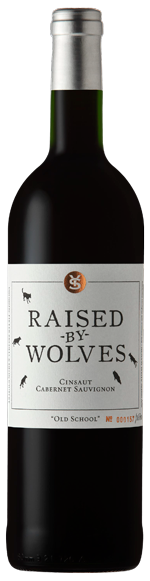
Bold wine Style logoRaised by Wolves Cinsaut Cabernet SauvignonRaised by Wolves
Old School
Cinsaut Cabernet Sauvignon
Stellenbosch, South Africa

BOLD WINE STYLE

Having enjoyed many old South African Cabernet Sauvignons from the 1960’s and 1970’s, Adam Mason was enthralled to discover that many of these old gems contained far greater percentages of Cinsaut than Cabernet Sauvignon, reflecting the actual plantings of both varieties at the time. Using possibly the oldest producing Cinsaut vineyard in Stellenbosch (planted in 1965) and Bonniemile Cabernet planted in the 1980’s, Adam attempted to pay homage to this uniquely South African story. Vinification of both varieties was carried out in separate concrete ‘kuipe’ before transferring to barrels for 18 months maturation.

Appellation: Stellenbosch, South Africa
Varietal: 2/3 Rustenhof Cinsaut, 1/3 Bonniemile Cabernet Sauvignon
Analysis:
12.81% alcohol / volume
Residual Sugar: 1.8 g/L
VA:
0.79 g/L
pH:
3.66
TA:
5.3 g/L
SO₂:
5/65 ppm
Bottled: 10/18/2019
Growers:

  • Rustenhof: Pieter Bredell
  • Bonniemile: Deon Joubert

Raised by WolvesABOUT RAISED BY WOLVES:
Raised by Wolves offers exceptional wines with excellent values. Made as a project by Wine Industry Specialist, Adam Mason, Adam says the name is a parody of the constant one-upmanship between winemakers. He mocks other winemakers’ statements of ‘my wine is single vineyard!’, or ‘Yeah, well my wine is naturally fermented…’, and ‘Oh yeah, well my wine is hand sorted by berry.’, by saying “My wines are all of the above, and I was raised by wolves.” – Adam Mason. Adam’s wines are produced in limited quantities, and are made from a selection of unique vineyards from his travels around the Cape, showcasing how interesting and rare the Cape’s vineyards can be. 


Wine club logoJoin our WINE CLUB and enjoy these amazing wines and pairing recipes each month. Plus, you’ll receive 10% off all retail wine purchases!

Learn More >


January Wine Club Pairing Recipe

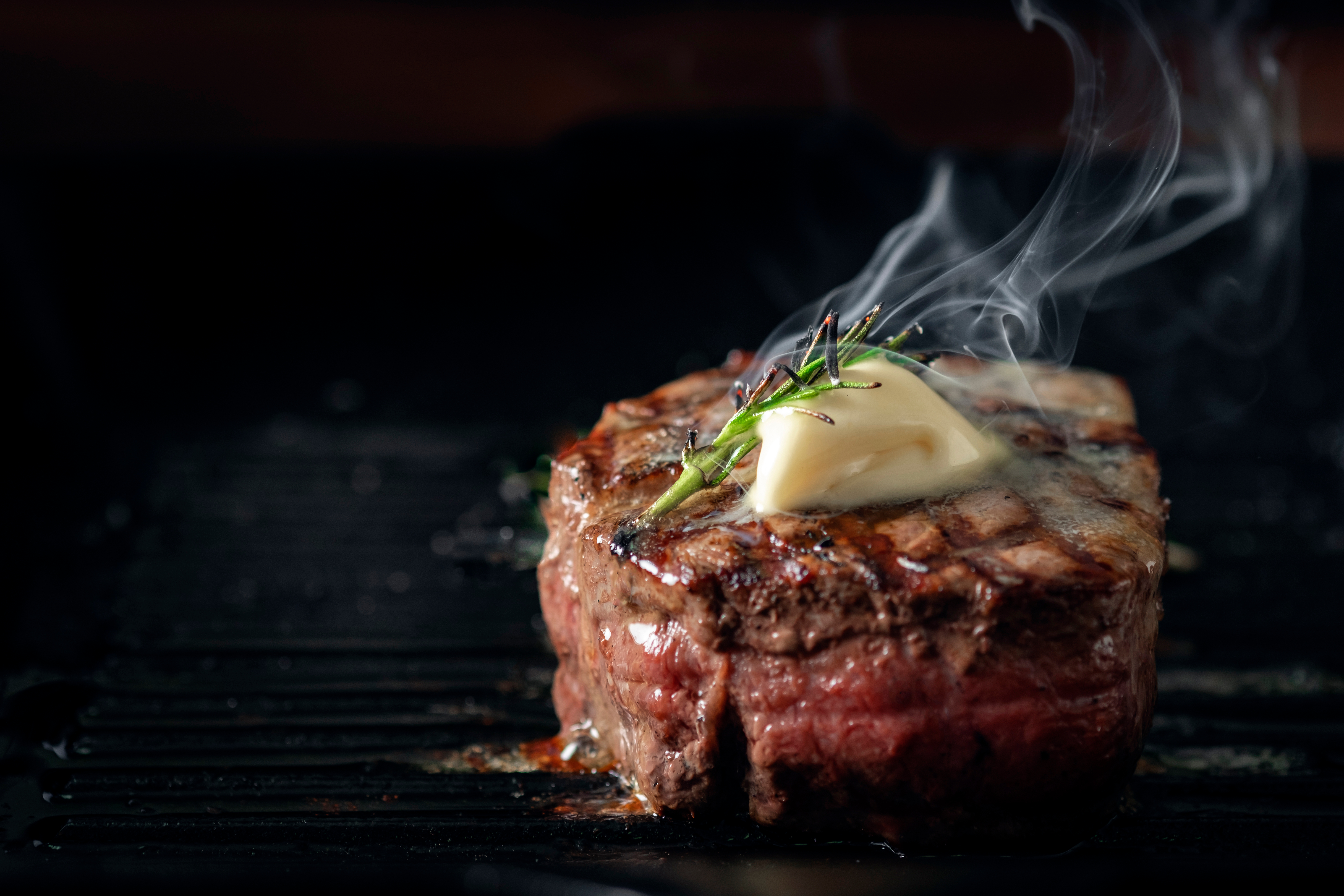
Filet MignonPan-Seared Filet Mignon

INGREDIENTS:

  • 4 (10 ounce) thick tenderloin beef fillets (roughly 2 inches thick)
  • 2–3 tablespoons butter
  • salt and pepper to taste
  • Garlic & Herb Butter
    • ½ stick of butter
    • 1 tablespoon chopped fresh rosemary
    • 1 tablespoon chopped fresh tarragon
    • ½ tablespoon minced garlic

DIRECTIONS:

  • FOR THE HERB BUTTER:
    • Soften the butter in a microwave safe bowl until malleable, 10-15 seconds. Stir in herbs and garlic until fully mixed. Spoon the butter onto tin foil doing your best to reshape it to resemble a stick of butter. Place in refrigerator for about 10 minutes and remove 5 minutes before adding to the filet.
  • FOR THE FILLETS:
    • Preheat the oven to 415° F. Remove steak from the fridge 30 minutes before cooking, this is to bring the steak to room temperature and ensure your cooking times are more accurate. Season both sides generously with salt and pepper.
    • Add the plain butter to an oven safe cast iron skillet and turn up high, allow the skillet to become scorching hot first. Place the fillets face down and sear undisturbed for 2 minutes. Flip the fillets and sear for an additional 2 minutes. This will give your fillets a nice seared edge.
    • Transfer your skillet directly to the oven. [WARNING] skillet may be hot, handle with oven mitts. For rare, bake for 4 minutes. Medium rare, 5-6 minutes. Medium, 6-7 minutes. Medium well, 8-9 minutes. Remember, depending on the size of the steak, the more or less time it will take. This recipe is ideal for a 8-10 ounce portion, roughly 2-3 inches thick. Remove fillets from the skillet and set on a plate, lightly cover with tin foil and let sit for 5 minutes before serving. This is important to bring your steak to its final serving temperature. Top with a slice of garlic and herb butter and serve.

© Recipe courtesy of Shawn Williams from Kitchen Swagger.

JANUARY WINE CLUB:

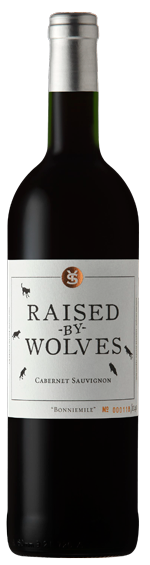
Raised-By-Wolves-Bonniemile-Cabernet-Sauvignon-wine-bottleBold wine Style logoRaised by Wolves
Bonniemile Cabernet Sauvignon

Stellenbosch, South Africa

BOLD WINE STYLE

The Bonniemile road provides access to agricultural smallholdings just south of Stellenbosch off the Polkadraai road. Established in 1986, this block of Cabernet Sauvignon occupies 0.89 hectares of land, and is planted to just 3100 vines.

The soil is typical of the area, being rich in ironstone laterites overlaying a heavy clay bank. It’s great terrain for Cabernet Sauvignon.

Vinified in traditional open-topped concrete fermentation tanks and left on skins for 14 days before pressing off, it then matured in neutral 300L hogsheads for 18 months before bottling.

Varietal: 100% Cabernet Sauvignon
Analysis:
13.09% alcohol / volume
Residual Sugar:
1.7 g/L
VA:
0.64 g/L
pH:
3.74
TA:
5.3 g/L
SO₂:
6/49 ppm

Bottled: 10/19/2018
Grower:
Deon Joubert
 
Raised by Wolves
ABOUT RAISED BY WOLVES:
Raised by Wolves is a project by Wine Industry Specialist, Adam Mason. Adam says the name came to mock the one-upmanship between winemakers, explaining his wines are all naturally fermented, single vineyard, and hand sorted but yet he was “raised by wolves”. His wines are produced in limited quantities, and are made from a selection of unique vineyards from his travels around the cape, showcasing how interesting and rare the Cape’s vineyards can be. Adam’s work with small batch, experimental wines has transformed the Cape into one of the more dynamic regions in the world. 
 

Wine club logoJoin our WINE CLUB and enjoy these amazing wines and pairing recipes each month. Plus, you’ll receive 10% off all retail wine purchases!

Learn about our Memberships >


December Cheese Club: Iowa

cheese_club_logo-1240x1240pitchfork-cheddar-cheeseNeal’s Yard Dairy Pitchfork Cheddar Somerset, England
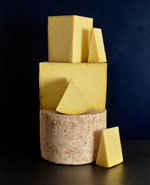
The Pitchfork Cheddar is a full-bodied, dense and nutty cheddar from Trethowan’s Dairy in Somerset. It has a juicy bite and creamy texture that coats the mouth. The name, Pitchfork, references the old Cheddar-making tools used to toss the curd while mixing in the salt. This practice is something that Neal’s Yard Dairy continues today. Milk Type: Cow Milk Source: Produced on-site Average Age: 12 months Cheesemakers: Maugan & Todd Trethowan Serving Suggestion: Fold grated Pitchfork Cheddar into scrambled eggs towards the end of the cooking process to get deeper, more savory eggs. WINE & CRAFT BEER PAIRINGS: The Pitchfork Cheddar pairs well with a light red wine such as a Pinot Noir, or a Silky White Wine, like a Chardonnay or a Sauvignon Blanc. For beer, reach for a Cider or English Ale. WINESTYLES: Fruity or Silky BEERSTYLES: Crisp & Clean BACKGROUND:
gorwydd_caerphilly_location_map_e4fd8e5d

© Photo by Neal’s Yard Dairy

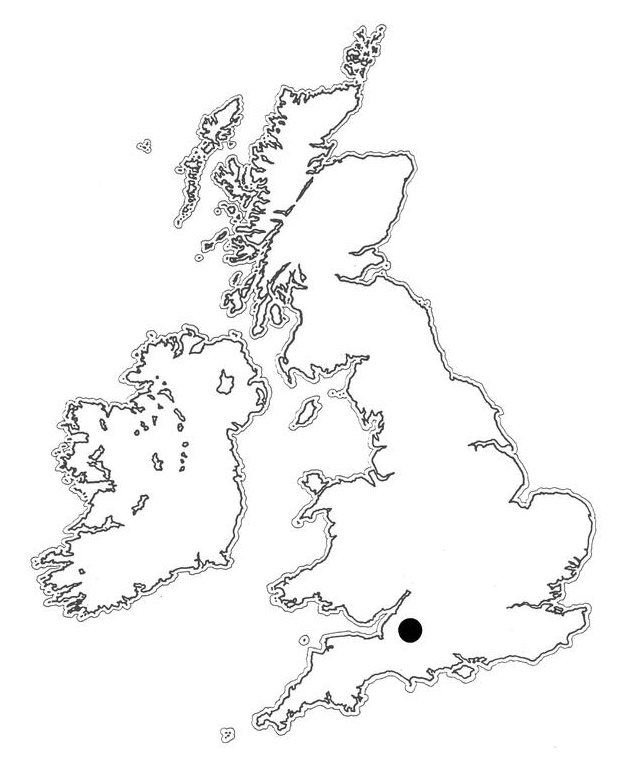
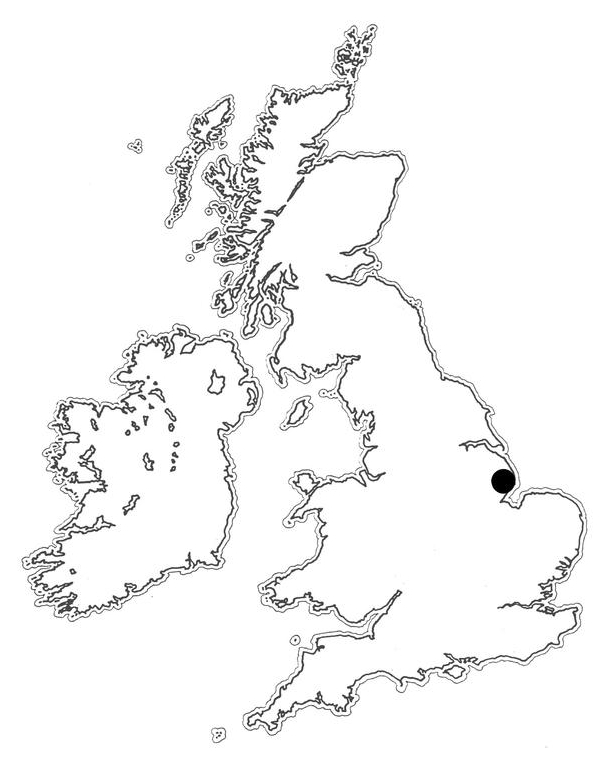
Historically, most West Country cheesemakers produced Cheddar before embarking on a cheese more commonly associated with their friends across the Welsh border: Caerphilly. Cheddar takes over a year to mature, while Caerphilly can be turned around in a month of less, so in leaner times, particularly between the first and second world wars, Caerphilly sales provided a steady flow of income while the Cheddar took its time to age. The Trethowans, however, have gone about this the other way around. While based in their home country of Wales, they made their name producing their signature Gorwydd Caerphilly, but when they moved across the border to a dairy farm just up the road from the Somerset market town of Cheddar, they felt compelled to begin producing a clothbound Cheddar alongside it. The milk comes from their herd of Holstein and Jersey cows, which graze on the farm’s organic pastures. The Cheddar is handmade in small batches to a traditional farmhouse recipe. – Neal’s Yard Dairy
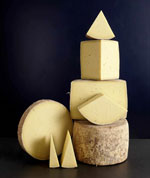
lincolnshire-poacher-cheeseNeal’s Yard Dairy Lincolnshire Poacher Alford, Lincolnshire, England
West Country Cheddar meets Comté in this cheese. It is smooth and densely creamy in texture with flavors ranging from rich and savory to long, sweet and somewhat pineapple-like. Lincolnshire Poacher is one of the very few cheeses to be produced on the east coast of the country, where the clay soils are usually improper for dairy farming. Milk Type: Cow Milk Source: Own herd Average Age: 18-24 Months Cheesemakers: Simon Jones and Richard Tagg Serving Suggestion: Melt on top of buttered crumpets or toast. WINE & CRAFT BEER PAIRINGS: Similarly, the Lincolnshire Poacher pairs well with light red Pinot Noirs, Gamays or a Sangioveses. If you prefer white wine, reach for a Silky White, like a Chardonnay or a Sauvignon Blanc. Ciders or English Ales will pair best with this cheese. WINESTYLES: Fruity or Silky BEERSTYLES: Crisp & Clean BACKGROUND:
lincolnshire_poacher_location_map_720x

© Photo from Neal’s Yard Dairy

Although the loamy or clay soils of Lincolnshire are usually ill-suited to dairy farming, the lush pastures of Simon Jones’s Ulceby Grange farm sit on chalky land – and it is this, combined with the mild climate, that has made Lincolnshire Poacher one of very few cheeses to be produced on the east coast of the country. Though the farm has been in the family since 1917, the Jones family didn’t start making cheese until the 1990s, when a young Simon returned from agricultural college. Eager to turn his hand toward cheesemaking, he enlisted the help of renowned Welsh cheesemaker Dougal Campbell to develop a recipe, and the result – which incorporates the hallmarks of a hard mountain cheese into a traditional West Country Cheddar – proved so popular that customers at the local cheese shop initially had to be rationed to quarter of a pound each. Simon’s brother Tim has since joined him on the farm, and in 1995 Simon employed a full-time cheesemaker, Richard Tagg. Today, it is Jon Collins whose job it is to transform milk from their 230-strong herd of Holstein Friesians into cheese on an almost daily basis. Once the curds have been moulded, salted and pressed for 36 hours, the resulting cheese truckles are matured on wooden boards and turned regularly to ensure even maturation. The brothers recently invested in a robot for turning the truckles, improving consistency still further. Though some Lincolnshire Poacher will be aged for up to 36 months, we believe the finest tasting truckles are between a year and 24 months old. – Neal’s Yard Dairy ABOUT NEAL’S YARD DAIRY: Founded in 1979 by Randolph Hodgson, Neal’s Yard Dairy started as a small shop tucked away in corner of London’s Covent Garden, selling and making Greek-style yogurt, crème fraîche and a couple other cheeses. It later became a popular shop for local farmhouse cheesemakers to sell their own product. Today, Neals’ Yard Dairy sells the very best British and Irish cheeses. They work with about 40 cheesemakers, all with different cheesemaking styles and techniques. Learn more about their story here.

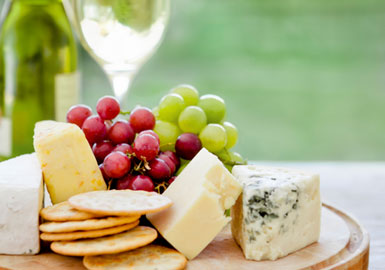
Cheese_springDon’t let your Wine Club go home alone! Join our Cheese Club and bring home a match made in heaven!

If you enjoy pairing cheese with wine, this is your club!  Each month you’ll discover specialty and artisan cheeses to pair with your Wine Club. Monthly cheese selections are chosen by your local WineStyles participating location. It’s the perfect opportunity to Taste, Learn and Enjoy® amazing artisan cheese every month! Only $19.99/month and your wine won’t be lonely!  Click to learn more >

December Beer Club: Iowa

BeerClubLogofair-state-main-boss-imperial-stoutFair State Brewing Cooperative
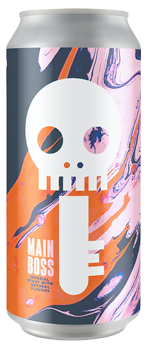
Main Boss
Imperial Stout
Minneapolis, Minnesota

Made in collaboration with Pulpit Rock (IA), this stout is inspired by their love of rum cocktails. Infused with tons of coconut and the brewery’s take on Orgeat syrup (a classic cocktail ingredient with almonds and citrus), there is a subtle tropical twist in this gigantic winter stout. There are flavors of coconut, rum drinks, pithy orange, and nutty dark malts that are sweet, thick and intense.

BeerStyles: Dark & Roasty
Style: Imperial Stout
ABV: 12% alcohol / volume


fair-state-spirit-foulFair State Brewing Cooperative
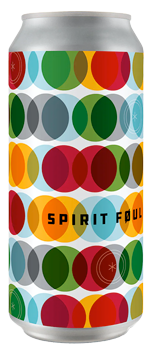
Spirit Foul
Double Dry-Hopped Hazy IPA
Minneapolis, Minnesota

Brewed in collaboration with San Diego’s Modern Times Beer, Spirit Foul is Fair State’s first ever hazy IPA. Super juicy, tropical, dank, and low bitterness, the breweries use the freshest Strata, Citra and Mosaic hops for its passion fruit aroma. The beer’s soft and signature haze is created using pilsner malt, pale wheat, flaked oats and flaked barley. 

BeerStyles: Hoppy & Bitter
Style: Double Dry-Hopped Hazy IPA
ABV: 6.3% alcohol / volume

ABOUT FAIR STATE BREWING COOPERATIVE:
Fair State Brewing Cooperative started on the rugby pitch, where founders Evan Sallee, Niko Tonks, and Matt Hauck first met while playing for rival teams. Later, they formed a friendship and took their love of home-brewing to a greater goal of founding a brewery. The friends believed there was too large of a gap between home-brewer and owning a brewery, and thus decided to build a co-op model to allow consumers to be more involved in operations. On September of 2014, First State Co-Op became the first cooperatively-owned brewery in Minnesota and the third in the country. Learn more about the brewery here, and follow them on Untappd.


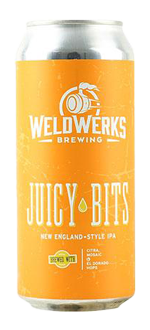
WeldWerks Juicy Bits IPAWeldWerks Brewing Co.
Juicy Bits
IPA
Greeley, Colorado

WeldWerks flagship IPA with huge citrus and tropical fruit character from Mosaic, Citra and El Dorado hops.  Their New England-style IPA has a softer, fluffier mouthfeel with a hop haze.

BeerStyles: Hoppy and Bitter
Style: IPA
ABV: 6.7% alcohol / volume


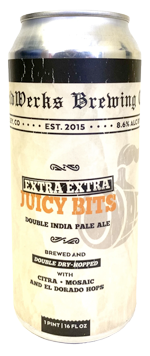
extra extra juicy bits double IPAWeldWerks Brewing Co.
Extra Extra Juicy Bits
Imperial Double IPA
Greeley, Colorado

This hazy Double IPA is brewed with Citra, Mosaic and El Dorado hops. It is then Double dry hopped with Extra Extra Nelson Sauvin.

BeerStyles: Hoppy & Bitter
Style: Imperial Double IPA
ABV: 8.6% alcohol / volume

ABOUT WELDWERKS BREWING CO.:
Like many other great businesses do, WeldWerks started as a hobby in a garage. In 2009, Co-founder and head brewer, Neil Fisher, began home-brewing with his friends. Once a month, everyone would get together to brew, learn and enjoy each other’s company. By 2014, Neil had entered into the Big Beers, Belgians and Barleywines festival; prior to this competition, friend, and no-CEO and co-founder, Colin Jones, made an agreement with Neil, promising to consider opening a brewery if Neil were to bring back a medal. 11 months and two medals later, the first beers were poured at WeldWerks Brewing. Today, all of WeldWerks beers are produced in their downtown Greeley location on their 15 bbl 3-vessel steam brewhouse. They have produced 300+ unique beers in just four years across a nearly infinite range of styles. Learn more about the brewery
here, and follow them on Untappd.


Untappd

Follow WineStyles on Untappd


Don’t forget to follow your local WineStyles on the Untappd app and tag us when enjoying your Brew!

LEARN MORE ABOUT OUR BEER CLUB >


December Sweet Club Iowa


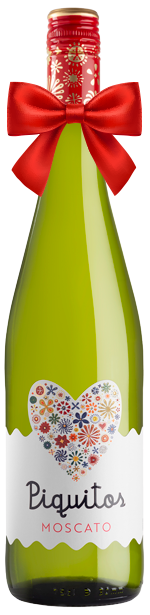
Sweet Wine Clubpiquitos moscato sweet wine clubPiquitos
Moscato
D.O. Valencia, Spain

NECTAR WINE STYLE

A fizzy moscato dedicated to wine lovers without complexes looking for fun and to get a party started.

This Moscato is bright lemon-gold in color with a light pearliness in its appearance. The nose is clean and youthful with heavy floral and fruity notes of mandarin peel, honeysuckle and sweet orange blossom. The palate has a sweetness that coats the mouth, then refreshes itself with the airy bubbles. It is luscious and harmoniously balanced.

Analysis: 11% alcohol / volume
Varietal: 100% Moscatel
TA: 5.47 g/L
pH: 3.23
RS: 51.2 g/L
V. Acidity: 0.15 g/L
Region: D.O. Valencia, Spain
Vineyard:
Valley Valentino & Alto Turia in the heart of Valencia
Age of Vines: 15-20 year-old vines
Yield: 50 hl/ha
Altitude: 200-650 m.
Climate: Warm Mediterranean
Harvest: First fortnight of September
Vinification: Cold Maceration
Fermentation: 53.6-60.8ºF
Aging: Stainless Steel

WineStyles Wine and Cheese Pairing: Sweet wines from our ‘Nectar’ section pair well with an aged cheese. Learn more about our wine and cheese pairings here.

ABOUT THE WINERY: 
Piquitos is intended to mean “little kisses” in Spanish, as their wines are designed to share their love. Sourced from sunny Mediterranean Coast in Valencia, Spain, Piquitos is made by the team from Hammeken Cellars – an innovative producer and exporter of Spanish wines. Their philosophy is to gather the best local grapes and traditions in Spain and pair those with the “New World” winemaking techniques and styles to produce high quality, fruit forward and fresh wines. Learn more about their company here.


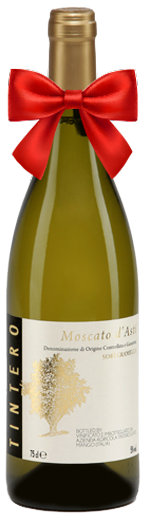
Tintero moscato wineCantine Elvio Tintero
Moscato d’Asti ‘Sori Gramella’
Piedmont, Italy

NECTAR WINE STYLE

Delightfully fizzy and slightly sweet, an irresistible combination.

The third generation Tintero family continues the traditions of winemaking in Gramella. “Sori” in Piedmontese indicates the south-facing slope of a hill, that pampers the grapes with 20% more sunshine. Cantine Elvio Tintero are the only producers to sustainable farm and commercially bottle from this striking single-vineyard, limestone amphitheater. Vines were planted in the late 1980’s. Grapes are harvested and pressed, then kept at low temperatures in stainless steel tanks to provide the freshest wine possible.

Analysis: 7% alcohol / volume
Varietal: Moscato

Appellation: Moscato d’Asti, Langhe
RS: 110 g/L
Vine Age: Average 30 years
Soil Type: Clay, limestone with rocks
Vineyard Area: 25 hectares
Producer: Marco Tintero
Founded: 1900
Annual Production: 41,000 cases
Farming: Sustainable

WineStyles Wine and Cheese Pairing: Sweet wines from our ‘Nectar’ section also pair well with an herbal cheese. Learn more about our wine and cheese pairings here.

ABOUT THE WINERY:
The winery’s legacy began in 1900 when a Frenchman named Pierre Tintero set out to Piedmont in search of work. Here, he found a job helping a widow, Rosina Cortese with her small estate, and just a few years later the couple fell in love, married and continued to grow their estate. Passed down from generation to generation, the family eventually took over the adjacent vineyard plots and began growing a small production of Moscato. It wasn’t until 1980, when grandson, Elvio, began experimenting with frizzante wine production, allowing the family to take advantage of the grape’s special affinity to the local terroir. Today, Elvio help’s his son and daughter-in-law run the estate producing fresh, easy and fun wines to drink with friends. Learn more about their story
here.


Sweet ClubLove the Sweet life?
“Wine” not try our Sweet Club! 

Click here to learn more >


December Bubbly Club: Iowa

Bubbly Wine Clubraptor ridge winery rose 2015 anniversaryRaptor Ridge Winery
Brut Rosé Méthode Champenoise
Anniversary Estate Cuvée Pinot Noir
Willamette Valley, Oregon

BUBBLY WINE STYLE

Since 1996, when the Shull’s planted Harbinger Vineyard high in the Chehalem Mountains, the site produces a lean expression of Pinot Noir in all but the warmest vintages. With over 2400 vines per acre, this single-guyot trellised site is densely planted by Oregon Standards. The top of the vineyard is about 800 feet above sea level, providing cool nights and slow ripening of the 100% Pinot Noir plantings. In the particularly cool vintage of 2011, a switch went on in Scott Shull’s brain…sparkle it! Henceforth, their approach to this 21-year old vineyard has been to focus on classic Méthode Champenoise. In 2015 Raptor Ridge Winery decided to increase the production by adding Tuscowallame Estate Pinot Noir, which comes from their highest block and contains a mixture of clones. Both vineyards are farmed identically. The base wine ferments and rests en tirage for about three years, before disgorgement and dosage to complete the wine for final bottling.

Appellation: Willamette Valley, Oregon
Analysis:
12.5% alcohol / volume
TA: 7.5 
pH: 3.37
Brix: 20.8
Case Production: 360
De-stem: 100%
Cold Soak: 96 hours

ABOUT THE RAPTOR RIDGE WINERY:
Owned and operated by Scott and Annie Shull, the duo have been nurturing Raptor Ridge for 26 years – from a “garage” winery, to the clearing of their vineyard in 2000 and the opening of their tasting room in 2010. The Shull’s winegrowing focuses on quality, consistency and intrigue. Their wines express simplicity, while also having layers of sensory complexity on the palate and mind. Learn more about their journey here.


gaspard bulles sparkling rose

Gaspard
Bulles Sparkling Rosé
Loire Valley, France

BUBBLY WINE STYLE

“Bulles”, meaning “bubbles” in French, is the perfect name for this wine. This sparkling, fruity Rosé is full of red berries. It makes for a perfect aperitif wine, great for any celebration, or while snacking on other nibbles.

Grapes: Pineau d’aunis
Vineyard: Clay and Limestone
Vines: 80 year-old vines, sustainable growing practices

WINEMAKING:
The grapes are handpicked, pressed. The first fermentation occurs with natural yeast in tanks. The wine is then filtered and bottled with liqueur de tirage to start the second fermentation in bottles. The wine is disgorged and topped up with more wine, zero sugar added. Total time in cellar is 36 months.

ABOUT THE GASPARD:
Gaspard is one of
Jenny & Françoishouse labels, these wines come from their exclusive cooperation with carefully selected winemakers in France and beyond. The growers they are partnered with work sustainably and organically to produce the purest wine. These Loire Valley wines focus on the nature of the wine, while also staying in a friendly budget to their consumers. All wines are made with tradition and use the most popular varieties of their regions. Learn more about their story here.

Bubbly Wine ClubLearn more about our Bubbly Club >