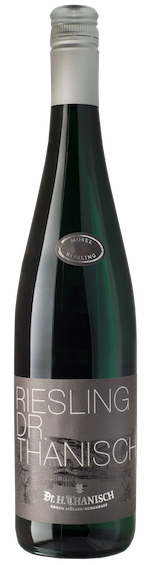
It doesn’t always have to be dry! This Riesling captivates the palate with its full fruit aroma of yellow apples, vineyard peach and white blossoms. With its well-balanced sweetness and acidity, this wine is a real pleasure to drink. Tastes great solo or with spicy, hot dishes.
Varietal: Reisling Analysis: 9% alcohol / volume Residual Sugar: 40.7 g/L Total Acidity: 8.8 g/L Quality Level: Qualitätswein b.A. Region: Rheingau, Germany Winemaker: Ralf Bengel and team Vinification: 100% Stainless Steel Vinification Serving Suggestion: A suitable complement to Spicy Asian dishes (soup meat or stir-fry). Well chilled, it also makes an excellent aperitif.
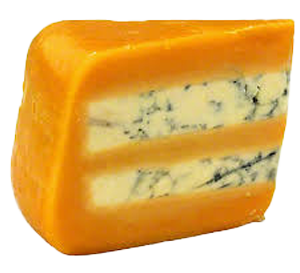
WineStyles’ Wine and Cheese Pairing: Pair with a mild blue cheese to complement the fruity notes of this wine. Learn more about our wine and cheese pairings here.
Terroir: The soil is a mixture of Taunus quartzite, argillaceous shale and calcareous loess soil. Their vineyard slopes are all south facing, allowing them to capture the best sunshine. The Taunus mountain range offers protection from the northern winds with its forests and creates the ideal conditions for their vines.
Vintage/Winemakers Notes: A great comeback of classic Rheingau Riesling. Schloss Vollrads were able to harvest twice in 2021, once in February and once in October. Sounds unusual but it was not due to climate change. It was due to the fact that they were able to conclude the 2020 vintage with an ice wine harvest on February 10, 2021, a chilly day with -9° C, the Riesling ice wine 2020 was harvested with a good must weight of 189 degree Oechsle. As the year progressed, the weather in 2021 turned out to be very capricious and unpredictable. After three exceptionally hot and dry years, it was finally humid and cooler in 2021. As a result, they had a long winter and a cool spring, which led to a late bud break in the end of April. Humid weather, frequent rain and only a few bright sunny days summed up the weather in summer. Vineyard employees were challenged, and through their enormous effort, they had ensured that losses due to mildew could be avoided. Due to the late bud break, ripening also began later than in previous years, in the last days of August. The grapes had taken their time and the harvest did not begin until October. Which is a convenient time, because the ripening phase at cooler temperatures allows the Riesling grapes to develop a finely fruity aroma, and the wines can develop into the typical Riesling elegance and filigree. With a hard-working harvest, the grape quality had developed to the ideal level of Kabinett and Spätlese. With a selective harvest technique, they were able to harvest the vineyards at the right time. The grapes from their prestige sites could be characterized with abundant and mesmerizing aromas, it was then, again with experienced harvest hands, the grapes were carefully selected and picked.
Salmon pink color; fresh aromas of soft red berries, predominantly strawberry and raspberry. On the palate, round and fruity with hints of peach; the flavors are intense, with lively acidity framed by a well-made structure and delicate bubbles. The finish is smooth, clean and dry.
Wine: Crémant d’Alsace Brut Rosé is a sparkling rosé from 100% Pinot Noir. The brut-style wine’s red berry aromas of strawberry and raspberry lead into mouth-filling, juicy flavors and lively acidity.
Vineyards: Pierre Sparr’s sparkling wines use grapes that are farmed sustainably, dry-farmed (no irrigation), and hand-harvested. Located in the Vosges hillsides and Rhine valley, elevation 200 to 400 meters (656 to 1,312 feet), primary eastern and southern exposures.
Harvest Notes: Dates for the beginning of harvest for each Alsace AOC are set by decree, generally 100 days after the median date of flowering, at the time when the grapes display the best sugar-to-acid ratio. Intended vineyards for sparkling wine must be declared in advance of harvest and must be picked by hand. Grapes destined for Crémant are generally picked a few days before those for still wines in Alsace.
Winemaking: Whole-cluster pressing; first fermentation occurs in temperature controlled, stainless-steel vats, transforming the must into still wine. Six months later, wines from hillsides and valley floor are blended to achieve the distinctive flavor profile of the rosé. Blended wine is then bottled with a specific yeast added to relaunch the second fermentation in bottle. The wine rests on lees a minimum of 18 months prior to disgorgement. Finally, the dosage is added to provide the particular brut style of this sparkling wine.
About the Winery: The origin of winemaking in the Sparr family dates back to 1680. Generations later, Charles Sparr developed the business that his son, Pierre, later took the succession at the age of 20. Pierre had a distinct sense for business, making him a pioneer of “estate bottled” wines in Alsace. Pierre also had the courage and obstinacy to rebuild their entire estate after Sigolsheim and its vineyards were completely destroyed during WWII. In doing so, Pierre rebuilt one of Alsace’s most beautiful and prestigious Domaines. Today, with the help of the 9th generation, Pierre Sparr remains focused on producing quality wines, a pure expression of Alsace, that are aromatic, fruity, elegant, clean and vibrant. Pierre Sparr wines are food-friendly and accessible for everyday consumption. Learn more here.
This vibrant and approachable California Cuvée bursts with aromas of tart pineapple and orange blossom on its expressive nose. The palate is bright and rich, featuring layered flavors of Asian pear and honeysuckle, accented by fresh mandarin peel and a touch of marzipan, leading to a zesty, focused finish.
90 Points – James Suckling: A really fresh nose with green apples, limes and green papaya. Light to medium body, bright acidity and a fresh finish. Chardonnay and Pinot Noir. Drink now.
90 Points – Wine Enthusiast: Flavorful and polished, this supple wine blends subtle apple and pear notes with buttery, creamy accents. It is rich in character and softly framed by fine bubbles and elegant acidity, with a hint of sweetness on the finish.
About the Winery: J Vineyards & Winery, located in the heart of Sonoma County’s Russian River Valley, is renowned for its exceptional sparkling and varietal wines. Founded in 1986 by Judy Jordan, the winery is celebrated for its commitment to quality and innovation. It combines traditional winemaking techniques with sustainable practices across its estate vineyards, which are meticulously cultivated to highlight the unique terroir of the region. Learn more here.
The richness and intensity of the Cabernet, combined with the finesse and elegance of the Syrah give a velvety purple color and a unique character. The powerful nose, with aromas of blackcurrant buds and dark chocolate, opens onto a full-bodied palate with accents of green pepper, licorice and violets, followed by hints of menthol.
Varietal: 70% Cabernet Sauvignon, 30% Syrah Analysis: 13.5% alcohol / volume Terroir: Clay and limestone Appellation: IGP Pays d’OC, Languedoc-Roussillon Vinification/Aging: Total destemming. Traditional fermentation under temperature control. This wine is matured in vats and partly in barrels, bottled at the end of the winter following the harvest. Keeping: Drink young Food Pairing: Ideal companion for an evening with friends over a ribeye steak.
About the Winery: Nestled in the heart of Faugères, Château Grézan intertwines history and winemaking excellence. Once a Roman villa and later a medieval commandery, the château was reborn in the 19th century as a neo medieval landmark inspired by Viollet-le-Duc’s famed restoration of Carcassonne. The Cros-Pujol family acquired the estate in 1989, continuing a winemaking tradition that began in 1877. Their vineyards, spread across three villages, thrive in shale-rich soils that retain heat for optimal grape maturity. With varieties like Syrah, Grenache, and Viognier, the family employs modern techniques alongside ancestral practices to create Mediterranean wines that balance tradition and innovation, offering a taste of history in every bottle. Learn more here.
Try this wine with the following recipe…
Classic Shepherd’s Pie
INGREDIENTS:
Meat Filling:
2tablespoonsolive oil
1cupchopped yellow onion
1lb.90% lean ground beefor ground lamb
2teaspoonsdried parsley leaves
1teaspoondried rosemary leaves
1teaspoondried thyme leaves
½ teaspoonsalt
½ teaspoonground black pepper
1tablespoonWorcestershire sauce
2garlic cloves-minced
2tablespoonsall purpose flour
2tablespoonstomato paste
1cupbeef broth
1cupfrozen mixed peas & carrots*
½ cupfrozen corn kernels
Potato Topping:
1 ½ – 2lb.russet potatoes-about 2 large potatoes peeled and cut into 1 inch cubes
8tablespoonsunsalted butter-1 stick
1/3cuphalf & half
½ teaspoongarlic powder
½ teaspoonsalt
¼ teaspoonground black pepper
¼ cup Parmesan cheese
DIRECTIONS:
Make the Meat Filling:
Add the oil to a large skillet and place it over medium-high heat for 2 minutes. Add the onions. Cook 5 minutes, stirring occasionally.
Add the ground beef (or ground lamb) to the skillet and break it apart with a wooden spoon. Add the parsley, rosemary, thyme, salt, and and pepper. Stir well. Cook for 6-8 minutes, until the meat is browned, stirring occasionally.
Add the Worcestershire sauce and garlic. Stir to combine. Cook for 1 minute.
Add the flour and tomato paste. Stir until well incorporated and no clumps of tomato paste remain.
Add the broth, frozen peas and carrots, and frozen corn. Bring the liquid to a boil then reduce to simmer. Simmer for 5 minutes, stirring occasionally.
Set the meat mixture aside. Preheat oven to 400°F.
Make the potato topping:
Place the potatoes in a large pot. Cover the potatoes with water. Bring the water to a boil. Reduce to a simmer. Cook until potatoes are fork tender, 10-15 minutes.
Drain the potatoes in a colander. Return the potatoes to the hot pot. Let the potatoes rest in the hot pot for 1 minute to evaporate any remaining liquid.
Add butter, half & half, garlic powder, salt, and pepper. Mash the potatoes and stir until all the ingredients are mixed together.
Add the parmesan cheese to the potatoes. Stir until well combined.
Assemble the casserole:
Pour the meat mixture into a 9 x 9 (or 7 x 11) inch baking dish. Spread it out into an even layer. Spoon the mashed potatoes on top of the meat. Carefully spread into an even layer.
If the baking dish looks very full, place it on a rimmed baking sheet so that the filling doesn’t bubble over into your oven. Bake uncovered for 25-30 minutes.** Cool for 15 minutes before serving.
This wine is very floral, lively and fresh. The nose successively evokes citrus fruits—lemon and zest—and white flowers. The mouth evolves between mint and fruity notes with a very thrist-quenching mineral finish.
Varietal: 50% Vermentino, 50% Grenache Blanc Analysis: 12.5% alcohol / volume Terroir: Clay and limestone Appellation: IGP Pays d’OC, Languedoc-Roussillon Vinification/Aging: Direct pressing followed by static settling. Fermentation under temperature control. Keeping: Drink young Food Pairing: Seafood and fruit dessert. Will be unanimous around an aperitif.
About the Winery: Château Grézan is more than a winery—it’s a living history of five generations dedicated to crafting wines that embody Faugères’ unique terroir. Dating back to 1877, the Cros-Pujol family’s journey began with Jules-Anatole Cros and a small Carignan vineyard worked by horse and donkey. The estate, built on ancient Roman and medieval foundations, showcases a neo-medieval architecture inspired by Carcassonne, earning it the name “Petit Carcassonne.” Today, the family combines traditional and innovative methods, from amphora aging to full-barrel fermentation, to produce sustainable wines that reflect the Mediterranean climate and shale-rich soils. With a deep respect for their land, heritage, and customers, Château Grézan offers a remarkable range of wines for every occasion. Learn more here.
Try this wine with the following recipe…
Winter Citrus Pavlova
INGREDIENTS:
For the Pavlova:
4 large egg whites, room temperature
¼ teaspoon salt
¼ teaspoon cream of tartar
1cup granulated sugar
For the toppings:
1 ½cups heavy whipping cream
¼ cup granulated sugar
2 teaspoons vanilla extract
2 blood oranges, peeled with a knife and cut into circles
1 navel orange, peeled with a knife and cut into circles
1 cara cara orange, peeled with a knife and cut into circles
2 tablespoons pistachios, roughly chopped
a few tablespoons balsamic glaze (optional)
DIRECTIONS:
Preheat oven to 180°F.
Using a pencil, draw the outline of an 8-inch cake pan on parchment paper. Flip the paper over and place on a cookie tray. Set aside.
In a larger bowl, using a mixer on high speed, beat the egg whites until foamy. Add in salt and cream of tartar. Beat on high speed until soft peaks form. In small additions, beat in the granulated sugar until completely combined, then continue to beat until hard peaks form.
Spoon the meringue onto the parchment paper and, using the back of a large spoon, push the meringue so it spreads out to the 8-inch circle you outlined with the cake pan. Using the spoon, create a large well in the center of the meringue. The center should be about ½ inch tall and the outside should be about 1 ½ inches.
Bake in the oven for 1 hour and 15 minutes, then turn off heat and allow meringue to sit for an additional hour in the oven. It is in this hour that the meringue will dry out completely. Then, remove from oven and allow to cool completely on a wire rack.
While the meringue is cooling, whip up the topping. In a stand mixer with a whisk attachment, whip the heavy cream, sugar, and vanilla extract until soft peaks form. Spread over the meringue, then top with citrus, pistachios, and balsamic glaze.
The blend of Merlot, Syrah and Carignan blend together to give this wine a beautiful mix of red fruits, cherries and blackcurrant. Delicious, the mouth is very supple, fleshy and greedy.
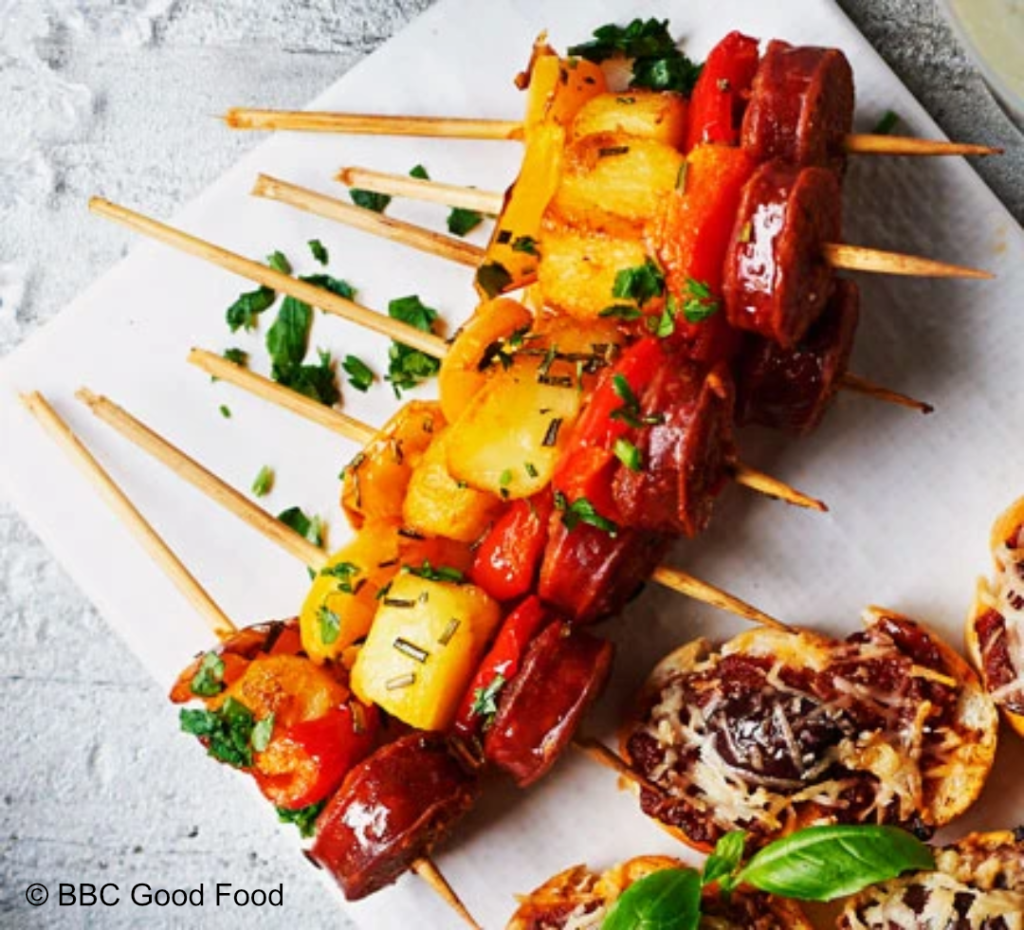
Varietal: 50% Merlot, 35% Syrah, 15% Carignan Analysis: 12.5% alcohol / volume Terroir: Clay and limestone Appellation: IGP Pays d’OC, Languedoc-Roussillon Vinification: Total destemming. Traditional fermentation under temperature control. Aging: Aged in vats and is bottled at the end of the winter following the harvest. Keeping: Drink young Food Pairing: Ideal for an evening with tapas
About the Winery: The story of Château Grézan and the Cros-Pujol family spans over five generations, beginning in 1877 with Jules-Anatole Cros cultivating Carignan vines with a horse and donkey. Situated in Faugères, the château’s history is rich with Roman origins, medieval transformations, and a neo-medieval revival in the 19th century. Today, it combines ancestral winemaking traditions with modern techniques, producing sustainable wines that express the unique Mediterranean terroir, including AOP Faugères and IGP Pays d’Oc varieties. With shale-rich soils, Mediterranean-mountain climates, and cutting-edge methods like amphora and full-barrel fermentation, the estate crafts wines celebrated for their authenticity, quality, and heritage.Learn more here >
Try this wine with the following recipe…
Bacon Wrapped Dates Stuffed with Manchego Cheese
INGREDIENTS:
12medium sized dates
6ozManchego cheese
6slicesbacon
12 tooth picks
DIRECTIONS:
Preheat oven to 400°F.
Partially cook 6 slices of bacon, stopping before it becomes crispy.
Chop 6 oz Manchego cheese into 12 small blocks, sized to stuff in dates.
Remove seed from 12 dates.
Stuff dates with Manchego cheese.
Wrap dates with bacons, securing with toothpicks.
Cook in oven for 10 minutes or until bacon becomes fully crispy.
Artequeso
Buenalba Vino Blanco
Semicured Sheep Cheese with White Wine
Tembleque, Spain
Buenalba Vino Blanco is an artisan cheese crafted from La Manchega sheep’s milk and infused with white wine. This cheese was developed for a client seeking a Spanish wine-flavored cheese without the usual purple hue. The addition of wine from the Airén grape varietal (widespread in La Mancha) imparts a gentle acidity and lactic note to the flavor. Matured for 6 months on the “Finca la Prudenciana” farm in Tembleque (Toledo), it is a pressed cheese, with marks on the rind of the flower and pleita.WINE & CRAFT BEER PAIRINGS:
For wine, try this cheese with an Albariño white wine (what grows together, goes together). This white wine from Spain offers bright acidity and citrus notes that complement the cheese’s lactic flavor while enhancing its wine character. For beer, try a Saison — farmhouse ale with fruity and spicy notes. Saison will balance the richness of the cheese and elevate its flavors without overpowering them.WINESTYLES:Crisp winesBEERSTYLES:Fruity & Spicy beers
Artequeso
Buenalba Al Pimentón
Sheep Cheese with Paprika
Tembleque, Spain
Join our Cheese Club and bring home a match made in heaven!
If you enjoy pairing cheese with wine, this is your club! Each month you’ll discover specialty and artisan cheeses to pair with your Wine Club. Monthly cheese selections are chosen by your local WineStyles participating location. It’s the perfect opportunity to Taste, Learn and Enjoy® amazing artisan cheese every month! Only $19.99/month and your wine won’t be lonely! Click to learn more >
Gueuzerie Tilquin Oude Gueuze Tilquin à l’Ancienne, 375 ml Rebecq, Région Wallonne Belgium
The (old-style) Oude Gueuze Tilquin à l’ancienne is a spontaneous fermentation beer obtained from the blending of one, two and three years old lambics. It is then re-fermented in the bottle for at least six months. The lambics used were fermented in their own oak barrels at the blendery. “Oude” in Flemish or “à l’ancienne” in French is an appellation protected by the EU and is restricted for traditional Belgian Gueuze in bottle. The taste is tart and dry, but has roundness that makes this Gueuze à l’ancienne particularly accessible for non-experts. It also has a slight bitterness due to the young oak barrels used, as they still release some tannins. It has a fresh lemony nose.
ABOUT THE BREWERY: Gueuzerie Tilquin is the first Gueuze blendery in the Wallonne (Wallonia) region, with the company located in Bierghes (Rebecq). It started out in 2009 under the management of Pierre Tilquin. Pierre put his intensive background in brewing science to practice when Gueuzerie Tilquin was established. Lambic and Gueuze beers are some of its finest specialties. Shortly after the blendery began its operations, it started to grow its audience, particularly among craft beer enthusiasts who love sour beers. Gueuzerie Tilquin has great passion for blending beers, oak barrel aging and tedious fermentation that has always produced some of the finest flavors of beers. Learn more here, and follow them on Untappd.
Abbazia Tre Fontane Tre Fontane Tripel, 11.2 oz Roma (Rome), Lazio Italy
Crafted with a recipe from the Trappist Monks of the Tre Fontane (three fountains) Abbey, this high-fermentation beer has an intense golden hue and bold, moderately fruity flavor enhanced by eucalyptus. The eucalyptus notes draw in the fruity elements, creating a balanced profile where sweetness meets a pleasant bitterness from hops. High carbonation lends a dry finish, while a subtle aftertaste, brightened by the beer’s balsamic quality, refreshes the palate. Despite its lighter impression, this beer has a medium body, with a warming sensation from its elevated alcohol content, elegantly refined by the balsamic warmth of eucalyptus.
ABOUT THE BREWERY: The Trappist Monastery of Saints Vincent and Anastasius, located in Rome, joined the International Trappist Association (ITA) in 2014. Abbazia Tre Fontane produces the only Trappist beer in Italy. The monastery began planting eucalyptus after 1870 to combat malaria and leading them to produce botanical oils and liqueur. Upon discovery of an ancient beer recipe a eucalyptus-infused tripel was produced. It’s truly unique in the brewing world. In 2015, the monks at Tre Fontane Abbey established a microbrewery to create a distinctive eucalyptus-infused beer and awarded the ATP brand (Authentic Trappist Product). They also produce and sell olive oil, various types of honey (flower, acacia, and eucalyptus), a selection of chocolates, and Trappist liqueurs. Follow them on Untappd.
“The Mirabelle Blanc de Blancs has bright and fresh aromas of Pink Lady apple, lemon-lime and warm wheat toast intermingled with layers of apricot, baked pineapple, and toasted almonds. Its vibrant flavors of orange blossom, lemon zest and pear bring a tartness to the mid-palate that carries to a long, flavorful finish.” -Winemakers Sean Thompson, Jessica Koga and Hugh Davies
While this wine can be enjoyed by itself as an apéritif, it is also perfect with fresh oysters and other shellfish, crab cakes, ceviche and grilled sea bass. It is also delicious with fried chicken, tempura and a variety of fried dishes. Serve with aged Gruyère or Comté, and as a counterpoint to semi-soft aged cheese.
Analysis: 12.6% alcohol / volume Varietal: 100% Chardonnay Appellation: North Coast, California County Composition: 56% Napa, 42% Sonoma, 1% Mendocino, 1% Marin Total Acidity: 6.2 g/mL Residual Sugar: 9.0 g/mL pH: 3.38 Barrel Fermentation: 23%
Production & Winemaking: Mirabelle is Schramsberg’s multi-vintage brut sparkling wine. Twenty-five years into building an outstanding range of vintage dated sparkling wines, the Davies family set out to master the non-vintage or “multi-vintage” traditional method technique. A few years of experimentation would ultimately lead to the successful launch of Mirabelle Brut and Mirabelle Brut Rose in 1992. Starting in 2023, the Davies family, proprietors of Schramsberg Vineyards and Davies Vineyards, presents this exceptional bottling of the Mirabelle Blanc de Blancs.
Mirabelle Blanc de Blancs (white from whites) is made from Chardonnay, one of the classic three grape varietals used in champagne. This flavorful, bright bubbly exhibits the crisp acidity and vibrant apple/citrus fruit that is characteristic of cool climate Chardonnay. The grapes are grown in the unique pockets of California’s North Coast, including the Napa-Carneros, Sonoma Coast, Mendocino County, and Marin County. The fruit is hand-picked in the early morning hours at optimal maturity. Individual lot fermentations allow the winemakers to carefully select the components that make up the finished blend. After bottle fermentation and two years of aging en tirage, subsequent trials determine the ideal dosage to finish this lively, fruitful style.
About Schramsberg Vineyards: In 1965, Jack and Jamie Davies established Schramsberg as a sparkling wine estate on the property originally founded in 1862 by German immigrant Jacob Schram. At a time when there were only 22 bonded wineries in Napa Valley and fewer than 100 acres of California vineyards planted to Chardonnay and Pinot Noir, they set out to make world-class sparkling wine in the true méthode champenoise style. Theirs was the first California winery to provide a Blanc de Blancs in 1965 followed by a Blanc de Noirs in 1967. Now their son Hugh Davies, who was born the same year the Davies arrived at Schramsberg, leads the winery’s management and winemaking team. Learn more here.
Chill, pop, and party! The Bottlerocket Spritz has a proprietary mix of botanicals with blood orange citrus added to the mix. The primary botanical is Gentian root, which is the main bitter in Campari and Aperol. The bitters counterbalance the red fruit and the bitterness is like red wine tannins.
Winemaker Notes: Bottlerocket is a fruit, botanical and sativa terpene infused rosé spritz. Its full flavored yet delicately balanced between high tone red fruit, ripe blood orange, a touch of botanical bitter and just a kiss of sweetness. The sativa terpenes carry an herbal note but more importantly adds a gentle yet euphoric lift to the experience making it unlike other wines on the market. Bottlerocket Spritz is a one-of-a-kind ultra-premium wine cocktail that combines sparkling Rosé, Aperol spritz-like notes and a mood boost from the terpenes.
Crafted with Rosé that is sourced from dedicated, cool climate Rosé vineyards in Columbia Valley, Washington. The vineyards are at 1,100 feet elevation, which ensures gentle ripening and allows complex flavor development and natural acidity without much alcohol. The dynamic fruit and natural acidity helps with the long-term integrity of the wine.
Sativa terpenes harvested from fruits and vegetables (not hemp or cannabis) that include Beta caryophyllene, linalool, D-limonene create a gentle euphoric lift and mood boost to the experience. Just as mezcal and high-quality agave spirits give a slight lift to your buzz due to naturally occurring terpenes in agave, Bottlerocket delivers a similar alert and happy feeling. These terpenes also have a citrusy herbal flavor bringing a complexity and savory note to the blend.
Bottlerocket is just 9% alcohol by volume and carbonated to a Prosecco level. They use real fruit and botanicals and aren’t filtering or using preservatives beyond (just minimal S02) to ensure the most distinct full flavors, please expect a hazy hue.
Label: Bottlerocket is inspired by energy and soul, and Bieler wanted the label to communicate movement and lift. The label perfectly captures the euphorically delicious experience of Bottlerocket Spritz.
About Bieler Family Wines: Bieler Family Wines, founded by Charles Bieler, brings together Old and New World winemaking influences, with a focus on Rosé that combines tradition and modernity. Bieler’s journey began with Chateau Routas in Provence, and he later launched Bieler Père et Fils—meaning “Father and Son”—honoring the legacy of his father and the origins of their journey in Provence. Emphasizing dry, complex Rosés, Charles partners with notable winemakers like Charles Smith and Joel Gott. Bieler crafts vibrant wines reflecting both heritage and innovation, intended for wine lovers seeking distinct, soulful flavors. Learn more here.
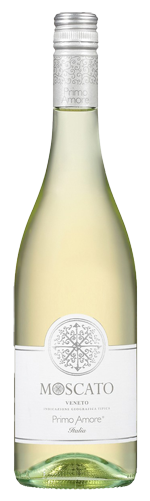
Ricco Dolce, meaning rich and sweet in Italian, is a blend of red grapes with fresh red berry flavors and soft rounded characteristics. The finish is seductively fruity, with balanced acidity, and a creamy mouthfeel with fresh flavors of cherry and strawberry. Serve slightly chilled.
WineStyles’ Wine and Cheese Pairing: Try the Ricco Dolce Semi-Sweet red wine with a creamy Brie. Its buttery, yet mild flavors complement the wine’s sweet, fruit flavors without overpowering it. Learn more about our wine and cheese pairings here.
Candoni Ricco Blueberry Semi-Sweet Red Moscato Veneto, Italy
Ricco Blueberry is a sweet red, made from selected grapes. It is full of flavor, yet soft and deliciously sweet with an all-natural blueberry taste.
Varietal: Estate grown Moscato Analysis: 6.5% alcohol / volume Type: Still Farming: Sustainable Vinification: Stemmed grapes are placed in stainless steel tanks, where they are macerated oon the skins at 50 degrees Fahrenheit, which extracts the delicate aromas and color. The grape must is then separated and stored at 32 degrees Fahrenheit until bottling. Just prior to bottling, the must is allowed to warm, and the natural blueberry aromas are added. Once the desired alcohol and pressure level is reached, fermentation is halted, and the wine is filtered and bottled.
WineStyles’ Wine and Cheese Pairing: For the Ricco Blueberry Semi-Sweet red wine, try pairing it with a Gorgonzola. The bold, tangy, and slightly salty notes from the Gorgonzola will be a beautiful contrast to the sweet, blueberry notes of this wine. Learn more about our wine and cheese pairings here.
About Candoni Winery: The Candoni De Zan family has a wine-making legacy that spans over 150 years, continuing today with Armando De Zan and Elviana Candoni, who emphasize quality in their wines. Both families, deeply rooted in winemaking since the late 1800s, gradually expanded their vineyards, including the Tenuta Polvaro Estate in Veneto, Italy. Elviana, daughter of Luigi Candoni, a celebrated avant-garde artist and dramatist, brings an artistic touch to the brand’s packaging. Armando and Elviana’s daughters, Barbara and Caterina, certified Sommeliers, now help lead the business, focusing on international sales. Candoni produces both conventional and certified organic wines, with a commitment to sustainability through a long-standing partnership with the Arbor Day Foundation, planting over 40,000 trees in the U.S. In 2021, the family launched Ricco Wines, a vegan and gluten-free collection of sweet, fruit-infused wines made from estate-grown Moscato grapes, perfect for enjoying alone or in cocktails.
Astoria Sparkling Rosé showcases a delicate pink hue with fine, continuous bubbles. It offers fresh aromas of raspberry and strawberry, complemented by subtle white floral notes. Full-bodied and extra dry, this Rosé delivers a well-balanced finish, making it an excellent match for pasta, pizza, or grilled fish.
Analysis: 11% alcohol / volume
WineStyles’ Wine and Cheese Pairing: A wonderful cheese pairing for this Sparkling Rosé would be a goat cheese, such as a Chèvre. Its tangy, creamy texture would harmonize beautifully with the crisp Rosé, enhancing its strawberry and floral notes. Learn more about our wine and cheese pairingshere.
About Astoria Wines: Astoria Wines, founded in 1987 by the Polegato family, is a leading producer of Prosecco, renowned for its commitment to quality and sustainability. Located in the picturesque Prosecco Hills, which became a UNESCO World Heritage site in 2019, Astoria manages 40 hectares of vineyards at the Val de Brun Estate. The winery emphasizes environmentally friendly practices, having adopted the Vignes Fleuries protocol and earning the Italian National Integrated Crop Management Quality System (SQNPI) certification. Astoria is celebrated for its innovative approach, exemplified by its award-winning 9.5 Cold Wine, and actively engages in social issues, supporting sports initiatives and promoting equity through partnerships with organizations like Venezia Pride. With a focus on blending tradition with modernity, Astoria continues to create exceptional wines that resonate globally. Learn morehere.
The color has a saturated core and luminous crimson rim. The nose is abounded with red and sweet spices of paprika, sumac, cinnamon, rose water, saffron, red currants, Iranian barberries, and pomegranate. It has a steely-coolness and ferrous minerality. French oak announces itself, cedar-y and structural, all proudly supporting a saturated mulberry and summer berry core. It’s reminiscent of scents from the pâtisserie: dark cherry pie, and milk chocolate mousse dusted with freeze dried raspberries.
The palate is defined, yet approachable. It has a silkiness to it with a gorgeous texture that glides effortlessly across the palate. Succulence, mouth-watering and appetite-inducing acidity, a find graphite core confirms the varietal’s identity. There is power lurking beneath, a dense black fruit drive—which is somewhat unexpected, yet most welcome. This confident wine can be enjoyed now or cellar for a decade or more.
Analysis: 14.5% alcohol / volume AVA: Napa Valley Varietal: Cabernet Sauvignon pH: 3.73 Total Acidity: 6.33 g/L Maturation: 17 months in French oak (40% new) Peak Drinking: Now-2036 Awards:
94+ Points – Erin Larking – Robert Parker’s The Wine Advocate
94 Points – Lisa Perrotti – Brown, The Wine Independent
Winemaker’s Notes: Steeped in Penfolds winemaking tradition yet still embracing modernity, Bin 704 seeks to redefine Napa Valley Cabernet through a Penfolds lens. Being mindful of varietal nuances, regional essence and silk-like textural definition, the wine is nurtured in French barriques for maturation. Impressive is the cyclical nature of viticulture and winemaking and Penfolds recognizes that different hemispheres often end up being the mirror image of the other. The name Bin 704 draws inspiration from the “mirror” or “reverse” image of its Australian Bin 407 stablemate, a wine which also respects varietal expression.
Vintage Conditions: Excellent winter rainfall ensured the soil was fully saturated at the beginning of the growing season. Spring was cooler and wetter than recent years, resulting in a two-week delay to bud-burst and flowering. May rainfall was especially helpful in maintaining the soil moisture profile. Warm summer weather had the vines moving along well making up for the slow start to the season. August was characterized by warm days and cool nights, optimal conditions for veraison. Harvest across the region was one to two weeks later than usual with yields close to long-term average. A good vintage for Cabernet Sauvignon, with grapes showing bright acidity, powdery tannins, and strong varietal flavors.
About the Winery: Penfolds is one of Australia’s most iconic wineries, founded in 1844 by Dr. Christopher and Mary Penfold. With a history spanning over 175 years, the winery has built a legacy of crafting world-renowned wines. Penfolds blends tradition with innovation, focusing on quality, multi-regional sourcing, and a diverse portfolio that spans a wide range of varietals. The winery’s commitment to excellence has made it a symbol of premium Australian wine on the global stage.
The Bin 704 Cabernet Sauvignon, for example, is sourced from Napa Valley, marking the winery’s venture into crafting wines beyond Australia. Napa’s renowned terroir, known for producing exceptional Cabernet Sauvignon, offers a new canvas for Penfolds’ winemaking philosophy. By combining Napa’s rich soils with their expertise, Penfolds seeks to maintain the same meticulous standards they uphold in their Australian wines. Bin 704 is a reflection of the winery’s tradition of multi-regional sourcing, blending Napa’s signature characteristics with Penfolds’ distinctive style. Learn more here.
The bouquet is layered, with a fruity core of raspberry, cranberry, and red currants surrounded by oak and earthen spice. Silky tannins and fresh fruit jam nudge the palate, giving way to hints of warm baking spices. A model Willamette Valley wine, the Vireton Pinot Noir is juicy, fruit-forward, kissed with slight new oak nuances while wonderfully balanced. Enjoy now through the next 5-10 years.
The world-renowned Willamette Valley has become one of the most prized winegrowing regions on earth
Oregon is unique and offers its own distinctive voice
Viticulture & Production: The wine puts the beauty of the Willamette Valley on a pedestal. The grapes were hand-harvested and sorted before being fermented in a combination of stainless steel, concrete, and wooden open-top vessels. For added character and nuance, they incorporated 25% whole cluster fruit in the fermentation. The tanks were pumped over twice daily until about two-thirds of the way through fermentation. At that point, they conducted daily tasting to coax the wine to finish fermentation with pump overs and manual punch downs. The wine was then pressed and put to barrel, aged for 10 months in 17% new oak to frame the bright fruit profile inherent to the unique profile from the high elevation, volcanic soils of the Willamette Valley.
Winemaker’s Notes: Vireton Pinot Noir walks boldly into the Willamette Valley and returns with the unexpected, a kind of down-to-earth, everyday level of luxury. Not tethered to any one vineyard site, this outgoing wine instead reflects the merits of an entire region. It’s a testament to the power of multiple voices within one storied region and the strength in numbers that follows. In wine, just as in life, it’s the most intrepid who end up with the most fulfilling experiences. Vireton celebrates those experiences, whether you’re toasting another Tuesday, or celebrating something much bigger.
About the Winery: Archery Summit, founded by Gary Andrus in 1993, is a distinguished winery located in the Dundee Hills of Oregon’s Willamette Valley, renowned for its exceptional Pinot Noir. Andrus, a veteran winemaker with a successful background in Napa Valley, was captivated by the region’s potential for producing high-quality wines that reflect the unique terroir. Archery Summit focuses on site-specific wines, sourcing grapes from five estate vineyards and three grower sites across four American Viticultural Areas (AVAs). With a commitment to showcasing the refined flavors of place, Archery Summit continues to elevate the reputation of Willamette Valley wines on the global stage. Learn more here.