Böen Wines2023 Reserve Pinot Noir
Santa Maria Valley, California
MELLOW WINE STYLE
Scarlet red with glimmers of garnet. The nose has notes of ripe blackberry, boysenberry, and tart cherry are followed by subtle hints of tobacco and cocoa powder. On the palate, vibrant flavors of very ripe boysenberry, blueberry, and plum pie are complemented by layers of rosemary and cocoa. These flavors are balanced by firm tannins that carry through to a long, structured, and mouthwatering finish.
Varietal: Pinot Noir Analysis: 14.7% alcohol / volume Appellation: Santa Maria Valley AVA, California Vineyards: Haribach V. Vineyard Oak Maturation: 100% French oak, 40% new for nine months with limited use of S02 to maintain phenolic profile Harvest Dates: Late September to early October 2023 Food Pairing: Roasted lamb, rib eye with mashed potatoes, chicken mole, or a hearty charcuterie platter. Awards: 95 pts Wine Enthusiast; 94 pts. Tasting Panel
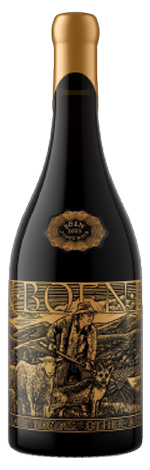
Winemaker’s Notes:“The label on our Böen Reserve pays homage to the agricultural legacy of Napa Valley and the family roots that shaped our winemaking journey. It features a woodcut-style image of a traditional farm, with my grandfather, Charlie Wagner Sr., standing at its center, surrounded by livestock and Bamse, the German shepherd who was a familiar face around the Copper Cane winery for years. Napa Valley was once more about farming than the renowned wine destination it is today, and I was fortunate to grow up in that era. My grandparents took a bold leap from being farmers of various crops to cultivating vineyards and making wine—an endeavor that, at the time, was as risky as it was rewarding and the legacy continues on as we farm & make wine from many coastal regions. This label is a tribute to my grandfather’s deep farming roots and serves as a reminder to always work hard, stay grounded, and never forget where we come from.” – Joseph Wagner, Fifth Generation Winemaker
Growing Season:The 2023 growing season in Santa Maria Valley AVA began with cooler temperatures and average rainfall, which led to a slightly delayed budbreak. A warm spell in February and March accelerated vine growth, but cooler conditions and frost events in April reduced yields. From late April to August, consistent warm days and cool nights promoted optimal ripening, with veraison completing by the end of August. A mild sub-tropical storm in September brought moderate rainfall, but dry weather afterward prevented rot. The resulting Pinot Noir grapes showcased vibrant colors, rich flavors of cherry and blackberry, excellent acidity, and smooth tannins. Harvesting took place from late September to early October, resulting in a promising vintage.
Winemaking:The Böen team harvested early in the morning so the fruit would arrive at the winery while the grapes were still cool to preserve their vineyard-fresh flavors. After destemming (but not crushing) the berries, they cold-soaked the must for 14 days to soften the skins and allow for ideal extraction. Both punch-down and pump-over techniques were used to ensure balanced extraction of flavor, aromatics, structure, and color. To allow both the sweet and structural influences from the barrels to intermingle seamlessly with the rich fruit and ripe tannins of the wine, they aged this Pinot Noir in 100% French oak, 40% new for nine months with limited use of S02 to maintain the phenolic profile.
About Böen Wines:
Böen Wines was founded by Joseph Wagner, a fifth-generation Napa Valley winemaker who grew up immersed in viticulture at his family’s Caymus Vineyards. In 2001, he established Belle Glos, focusing on vineyard-designated Pinot Noirs from California’s coastal regions. With Böen, Wagner continues his family’s legacy, producing Pinot Noir and Chardonnay that reflect his signature style of rich, ripe fruit flavors balanced with bright acidity and subtle oak nuances. The name “Böen,” meaning “The Farm,” serves as a personal reminder of the inseparable connection between the wine and its land, emphasizing Wagner’s identity as a farmer first and foremost. Learn more here.
This Estate Cabernet of deep purple hues, presents dark blackberry aromas combined with an elegant toasted oak nuance, threads of boysenberry, rich opulence with subtle notes of jam and graphite. Flavors follow with ripe blackberry jam, a luscious approach of dark fruits, terrific structure supported with elegant moments of oak and a finishing hint of anise. This is a supple yet generous wine with an excellent structure, feel and approach.
Varietals: 90% Cabernet Sauvignon, 4% Malbec, 3% Petit Verdot, 3% Merlot
Analysis: 14.5% alcohol / volume
pH: 3.70
Total Acidity: 6.2 g/L
Appellation: Napa Valley, California
Vineyards: Dollarhide Estate Vineyard, Rutherford Estate Vineyard
Farming: Sustainably farmed, estate grown and bottled
Oak Maturation: 100% French Oak (38% new) for 19 months
Harvest Dates: September 20-October 16, 2019
Bottling Date: July 12-21, 2021
Vintage 2019:The 2019 growing season had a very wet winter and spring, capturing 41” of rain at Dollarhide. A mild spring with one late-May rainfall resulted in damp soils and healthy canopy growth. Other than one mid-June heat spell, summer was warm and dry, allowing for consistent and balanced ripening. Late summer and early fall continued to provide steady warmth. As evenings began to cool, the fall growing season was extended. The even ripening season with a mild summer resulted in excellent wine of great flavor and density. Winemaking:The fruit was hand-harvested in the cool morning hours. At the winery, the clusters were sorted using a double sorting system. First, the clusters were sorted by hand. The fruit then ran through a small de-stemmer before the individual berries being sorted to ensure the ideal grapes were selected. These berries were delivered to a fermenter where there was a period of resting on skins. Warm fermentation temperatures with gentle cap maceration achieved the desired color and structure before an extended maceration time on skins, prior to final pressing. The wine was transferred directly to barrel for 19 months of maturation.
About the Winery:
St. Supéry Estate Vineyards and Winery is a 100% Estate Grown, sustainably farmed winery located in the renowned Rutherford growing region in the heart of Napa Valley. Committed to producing the highest quality estate wines without compromise, they focus on sustainable winery and farming operations to protect the land and environment for future generations. Their Napa Valley Estate collection includes Sauvignon Blanc, Cabernet Sauvignon and Rosé. These wines are balanced and showcase fruit-forward flavors. Learn more here.
Join our PREMIUM WINE CLUB, enjoy amazing wines every other month. Plus, you’ll receive 10% off all retail wine purchases!Learn more about ourPremium Club >
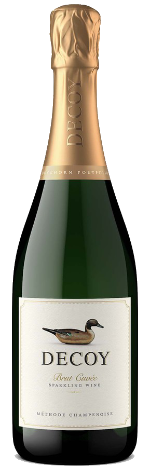
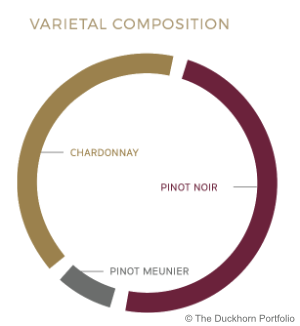
The debut Decoy Brut Cuvée is an enticing sparkling wine that offers alluring layers of baked apple, white peach and orange zest, as well as aromatic hints of honeysuckle and vanilla. On the palate, a delicate sweetness is perfectly balanced by bright acidity, which adds poise and energy to the lush, pure fruit flavors. The Brut Cuvée is crafted in the méthode champenoise tradition to ensure that your special moments truly sparkle.
Varietal: Pinot Noir, Chardonnay, Pinot MeunierAnalysis: 12.5% alcohol / volume
pH: 3.00-3.20
Acidity: 0.7-0.9 g/100 ml
Residual Sugar: 7 g/L
Dosage: 0.5-1.0 g/dL
Method: Méthode Champenoise (also know as the traditional method. The key element to this process is a secondary fermentation in the bottle)
Fermentation & Aging: Dosaged with French oak barrel fermented Napa Valley Chardonnay
Varietal Contributions:
Pinot Meunier: Floral aromatics & rich, fruit flavors
About Duckhorn Portfolio:
From its inaugural vintage in 1985 by legendary vintners Dan and Margaret Duckhorn as the companion label to Duckhorn Vineyards, Decoy has evolved to the perfect and comprehensive entry-level luxury brand for the entire Duckhorn Portfolio. It is a collaboration of all Duckhorn Portfolio winemakers that produces high-quality wines at remarkable prices. Its fruit is sourced from distinguished grower and estate vineyards, making approachable yet complex wines that are ready upon release. Learn more here.
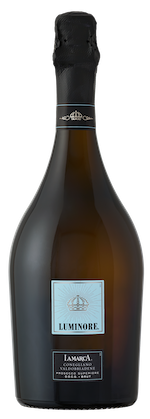
La Marca
Luminore
Prosecco Superiore D.O.C.G. Brut
Italy
BUBBLY WINE STYLE
La Marca’s finest sparkling wine. Hailing from the sun-drenched hills of Italy’s highest wine destination, Luminore is part of a prestigious segment of Proseccos with the designation D.O.C.G., meaning it’s one of Italy’s finest wines. Luminore sparkles with a pale, golden straw hue and lively bubbles, bursting in the glass. Delicate aromas of white flowers and stone-fruits complement the soft, creamy-texture. Subtle hints of fresh citrus, pear and nectarine round out the exquisite palate. Clean, crisp acidity balances a touch of sweetness and offers a light and refreshing style.
Varietal: ProseccoPairing Suggestions: Perfect for any occasion. Savor it as an aperitif or pair it with flavorful dishes like grilled herb-seasoned chicken, tender pork, or an Italian-inspired dessert like panna cotta brightened with a twist of lemon zest.
Winery Notes:Luminore Prosecco Superiore begins with hand-selected Glera grapes from the iconic hillside vineyards of Conegliano Valdobbiadene, the crown jewel of Prosecco D.O.C.G. After harvest, the grapes are gently crushed and pressed to capture their bright, fresh character. The juice is carefully cold-settled before its first fermentation in stainless-steel tanks, where temperatures are expertly maintained between 59–64°F. To elevate its elegance, the wine rests on its lees, building layers of complexity before the final fermentation creates its signature refined finish.
About La Marca:
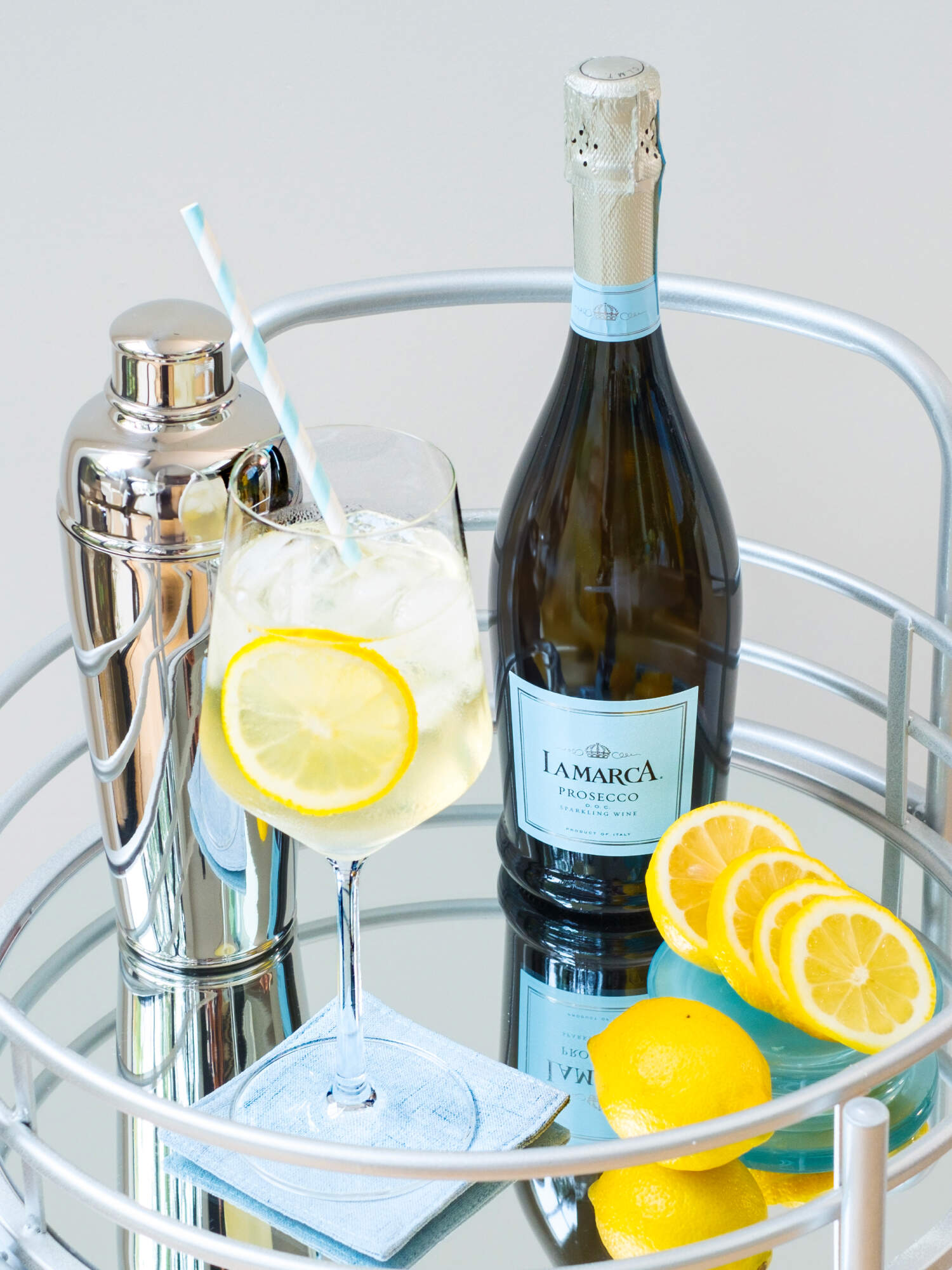
Founded in 1968, La Marca has dedicated itself to serving as an ambassador for Prosecco and the Veneto region to the world, representing 5,000 local growers who share a pride and passion for growing Prosecco and sharing their exceptional sparkling wines with the world. Their wine region, just a one-hour drive from Venice, boasts views of the Adriatic Sea on one side and the Dolomite mountains on the other. La Marca brings a welcome taste of La Dolce Vita through lively sparkling wines, warm Italian hospitality, and approachable style. Learn more here.Amici Spritz Cocktail RecipeToast the upcoming celebration of Spring with this Prosecco cocktail. Perfect for sharing with your besties, this spritz blends bubbly with the crisp notes notes of gin, all kissed with zesty lemon and a touch of sweetness from the honey syrup. Whether you’re lounging with friends or enjoying a sunny spring day at the lake, the Amici Spritz is the ideal way to spritz things up. So grab your favorite glass, mix up this refreshing recipe, and enjoy every sip! Cin cin!
Ingredients:
3 oz. La Marca Prosecco
1 ½ oz. Gin
¾ oz. lemon juice
¾ oz honey syrup
Directions:Muddle the lemon slices and shake all ingredients except La Marca. Strain into a spritz glass while simultaneously pouring in your Prosecco. Garnish your gin cocktail with a lemon slice.
Aromatic with bright raspberries, eucalyptus, and unique minerality. Flavors of tart berries, wild apples, and intense allspice lead to a lingering finish of dark chocolate and spicy Saigon cinnamon.
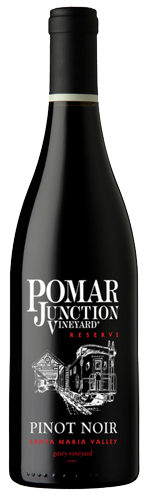
Varietal: 100% Pinot NoirAnalysis: 14.75% alcohol / volume
pH: 3.53
Residual Sugar: 0.35
Appellation: Santa Maria Valley AVA, California
Vineyards: Garey Ranch Vineyard in Los Alamos, CAAging: 20 monthsCooperage: 30% new French oakAccolades: 2022 San Francisco Chronicle Wine Competition – Bronze
The Merrill Family
About Pomar Junction Vineyard and Winery:
Dating back at least eight generations, the Merrill Family has been growing and producing grapes on California’s Central Coast since the 19th Century. Originally, the family was growing grapes for other wineries in California – from premium small producers to large international brands. Today, Dana and Marsha Merrill, along with their son, Matthew, and winemaker, Jim Shumate farm the vineyards and produce elegant wines of their own.Learn more here.
Try this wine with the following recipe…
Easy Roasted Garlic Butter Chicken
INGREDIENTS:
2 3/4 oz. unsalted butter, room temperature
1 ½ tsp sea salt flakes
¼ tsp cracked black pepper, plus extra to serve
1 tbsp freshly minced garlic
1 tbsp honey
2 tsp thyme leaves, plus extra to garnish (see note 1 for substitutions)
Combine the butter, salt, black pepper, garlic, honey and thyme in a small bowl.
Arrange the chicken thighs on a baking tray with sides, skin-side up.
Spread the butter mixture all over the chicken using your hands, focusing mainly on the skin. Pour the chicken stock around the seasoned chicken (this will protect the marinade from burning and leave a delicious sauce in the base of the tray).
Roast for 55–60 minutes until golden and cooked through, basting once halfway.
Serve with mashed potatoes and steamed asparagus and drizzle with the tray juices. Garnish with extra thyme sprigs and add a little extra black pepper to finish.
Join our WINE CLUB and enjoy these amazing wines and pairing recipes each month. Plus, you’ll receive 10% off all retail wine purchases!Learn about our Memberships >
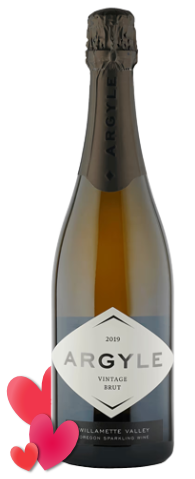
Golden apple and Anjou Pear flavors influenced by Knudsen Vineyard fruit add to the natural weight and brightness, while vanilla and toasted cake crust sneak into the flavor mix, adding to the opulence of this blend.
Pinot Noir: Dijon clones: 777, 667, 115 and Pommard
Chardonnay: Dijon clones 95, 76, 96
Pinot Meunier: Clone 1
Appellation: Willamette Valley, Oregon Total Acidity: 8.9 g/L pH: 3.05 Dosage: 2.5 g/L Dosage Vehicle: Chardonnay Brix at Harvest: 18.5 Fermentation: Cold fruit was gently pressed and racked into 25% Neutral Barrel, 75% stainless steel tank for fermentation and aging on the lees Tirage: 4 years en tirage for freshness and disgorged on demand Cases: 19,479 Critical Acclaim:
2019: 92 pts – Wine Spectator
2019: 91 pts – Wine Enthusiast
2019: 90 pts – James Suckling
Vineyards: Argyle farms four estate vineyards with nearly 500 acres in the Willamette Valley, with the majority in the Eola-Amity Hills and Dundee Hills nested AVAs.
Viticulture: Regenerative farming encourages the symbiotic relationship between the earth and the vine in tandem with the development of habitats for native flora and fauna. The results from their sustainable and responsible practices includes healthier soils, energetic vineyards and fruit.
About the Winemaker: Nate Klostermann is the 2nd winemaker in Argyle’s 35-year history and has emerged as one of Oregon’s most gifted winemakers. He currently celebrates nearly two decades at Argyle and continues to say he “landed in a good spot” when he arrived at Argyle to work his first harvest. With his fine-tuned winemaking skills and passion for Oregon wine, Nate is now recognized for making elegant and complex sparkling wines along with vibrant and impeccably balanced Pinot Noir, Chardonnay, Riesling and Pinot Meunier.
About the Winery: Founded in 1987 as Oregon’s sparkling wine house, Argyle quickly stood out as a study in contrasts – honoring the deep traditions of wine and embracing innovation and experimentation; proud to be Oregonian and pulling knowledge from winemakers around the world. When common knowledge said a winery could produce great sparkling wine or great still wine Argyle asked “why not both?”, answering the question with acclaimed still and sparkling wines. Argyle is the only winery in the world to be named to Wine Spectator’s Top 100 list for Sparkling, Chardonnay and Pinot Noir.
Deeply established in the Willamette Valley, yet young at heart, Argyle is led by stand-out winemaker Nate Klostermann, and innovative viticulturist Geoff Hall, who work together to explore and expand the possibilities of modern winemaking. Together they create world-class still and sparkling wines from Pinot Noir, Chardonnay, Pinot Meunier, and Riesling. Learn morehere.
Additional Accolades:
#1 Selling Sparkling Wine from Willamette Valley
Top 10 Selling Domestic Luxury Sparkling House
Oregon’s Best-known Champagne-Method Sparkling Wine House – Wall Street Journal
Whether served at the beginning of a beautiful evening for two, or sipped throughout a lively meal with friends, this celebrated bubbly is an aromatic and vibrant treasure that is meant to be shared time and time again.
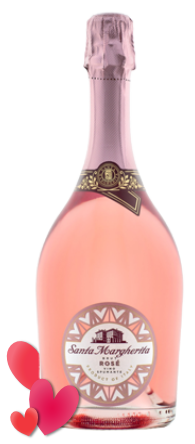
This pale pink wine brings a full bouquet of pleasing floral aromas with hints of red berries. It is artfully crafted with a blend of Glera and Chardonnay grapes with Malbec as the red varietal that lends its perfect light pink color. Its flavor is delicate, but vibrant and well-rounded. Santa Margherita Sparkling Rosé is an approachable wine that lingers on the palate; good for any occasion as an accompaniment to brunch, desserts, antipasti, seafood or intensely flavored Asian cuisines.
Analysis: 11.5% alcohol / volume Varietal: 55% Glera, 40% Chardonnay, 5% Malbec Sugar Content: 8.3 g/750ml Aspect & Elevation: 1-1,150 feet above sea level Soil Type: Fluvial (Chardonnay), Morainic (Glera), Fluvial and Lagoon (Malbec) Vine Training System: Guyot (Chardonnay), Sylvoz/double Guyot (Glera), Spurred cordon (Malbec) Planting Density: 3,500-4000 vines per acre (Chardonnay), 1,215 – 1,415 vines per acre (Glera), 2,105 per vines acre (Malbec) Harvest Period: Second half of September Serving Temperature: 42º-46ºF Recommended Glass: Medium-sized tulip-shaped, narrowing towards the rim Aging Potential: Meant to be enjoyed fresh Food Pairings: Tasty, aromatic apéritif, and an exciting companion for your food explorations: savory Italian appetizers, complex seafood dishes, and spicy, exotic Asian cuisines. It also brings a delightful sparkle to a festive brunch or your favorite rich dessert. Or enjoy with this recipe for Strawberries with Vanilla Mascarpone and Balsamic Drizzle.
Technical Information: The blending of a fine Sparkling Rosé wine is a delicate art, and Santa Margherita is proud to share this masterpiece. They start with a white wine made from the Glera grapes used to produce Prosecco, then add Chardonnay and a small amount of Malbec to add color and richness. This tantalizing blend undergoes a month-long second fermentation followed by six months of maturation in pressurized tanks. Only then is this dry, sparkling wine ready to serve and enjoy.
The Bottle: Featuring their family crest, the new clear glass bottle offers a fresh, contemporary look, while showcasing the lush, gorgeous color of their Sparkling Rosé. The updated label, reminiscent of Venetian design, proudly celebrates their Italian heritage.
Did you Know?
The Coat of Arms of the Marzotto family is on the neckband of every bottle of the delicious Sparkling Rosé. In 1935, the Marzotto family founded Santa Margherita, and it has been contributing to the international success of premium quality Italian wine for over 80 years.
Santa Margherita loves the bees: they avoid cutting the grass between the rows of vines while the grapes are growing to protect the work of bees and other pollinating insects.
Santa Margherita is vegan-friendly and has eliminated the use of all animal by-products during filtration.
Santa Margherita recycles grape skins, which further reduces waste.
About the Winery: Santa Margherita Winery, founded in 1935 in Italy’s Veneto region, is a pioneer in crafting elegant, approachable wines that celebrate the essence of Italian winemaking. The winery combines innovation with a deep respect for tradition and sustainability. With vineyards spanning some of Italy’s most prestigious regions, Santa Margherita produces a diverse portfolio of wines, each reflecting the unique character of its terroir. Dedicated to quality, heritage, and environmental responsibility, Santa Margherita continues to bring people together through the timeless pleasure of great wine. Learn more here.
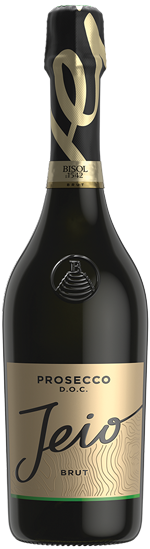
The Jeio Prosecco DOC presents a delightful bouquet where notes of honey and pear prominently stand out. This sparkling wine is delicate and offers a sensory experience that is reminiscent of various fruity scents. The subtle interplay of flavors creates a refreshing and memorable tasting experience, ideal for a variety of occasions.
Analysis: 11% alcohol / volume Varietal: 85% Glera; 15% International Varieties Total Acidity: 5.51 g/L Residual Sugar: 10.4 g/L pH: 3.1 Region: Veneto, Italy Appellation: Prosecco DOC Soil: Clay soils Vineyard Age: 5 to 50 years old Eco-Practices: Sustainable Vinification: Fermentation in stainless steel tank precede the second fermentation through the Martinotti method for at least 30 days. Critical Acclaim:
91 Points – James Suckling
2017 Wine & Spirits Value Brands of the Year
Vineyards: The Bisol Family is the founding family of Prosecco Superiore, home of the highest quality Prosecco vineyards.
Wine: The Jeio line is inspired by the influential Desiderio Bisol, whose wife lovingly referred to him as Jeio. The father of the current owners, Desiderios is dedicated to product quality, acquiring only the steepest plots. While considerably more difficult to work, these plots are ideal for vine cultivation. As a result of his vision, the Glera cultivated in these vineyards is especially rich in malic acid, making the final wine more dynamic and evolved. Only the best Glera grapes are selected from Bisol’s 35 plots in Valdobbiadene to make the highly aromatic Jeio Brut.
About the Winery: Jeio is the fruit of two interwoven love stories. The first of generations of the Bisol family who have faithfully cared for their vineyards and within this same family, there is the love of a wife who affectionately gave her husband Desiderio Bisol, the nickame “Jeio.”
The Jansz Premium Rosé continues the tradition of the fresh house style of the Jansz premium Cuvée, whilst showcasing the beguiling aromatics inherent to Tasmanian sparkling Pinot Noir. With Pinot Noir as the hero variety, the delicious flavors of strawberries and cream, rose petals, Turkish delight and fresh brioche are on full display. The palate shows more cream, texture and richness than the premium Cuvée, whilst still retaining an elegant vibrancy.
Analysis: 12% alcohol / volume Varietal: 94% Pinot Noir, 4% Chardonnay, 2% Pinot Meunier Total Acidity: 6.58 g/L Residual Sugar: 7.4 g/L pH: 3.14 Region: Tasmania, Australia Vineyard: Multiple Vineyards Soil Composition: Tasmanian Vineyards Elevation: 200-800 feet Average Wine Age: Various Fermentation container: Stainless steel tanks and oak barrels Malolactic Fermentation: Yes Fining agent: Animal based Type of aging container: Stainless steel tanks, hogsheads and bottle Length of aging before bottling: 24 months Total SO2: 77 mg/L Certified Organizations: Entwine Australia Sustainability Certification: EPA Accredited Sustainability License Winemaker: Teresa Heuzenroeder Viticulturist: Jennifer Doyle (in video below)
Wine Description: Sourced from selected vineyard sites across Tasmanian ranging from the Pipers River and Tamar Valley regions in the North and the Coal River Valley in the South representing the best of sparkling Tasmania. Tasmania’s cool latitude and maritime climate is ideal for producing elegant sparkling wines with powerful fruit flavors and high natural acidity. The blend is predominantly Pinot Noir selected from blocks which show the best aromatic expression of this variety. Classical sparkling techniques are used throughout the winemaking process for this cuvée. Hand picking, gentle whole bunch pressing, cool fermentation, 100% MLF, complex assemblage and long aging on lees after bottle fermentation, all combine to produce a stylish and complex wine. The final color is the result of a hint of residual color from the Pinot Noir skins and final liqueur.
About the Winery: Jansz Tasmania is a luxury sparkling wine house, solely devoted to the art of sparkling winemaking since 1986. Location is integral to growing outstanding fruit and only Tasmania can boast such idyllic conditions. Put simply, it is the perfect place to craft premium sparkling wines. By allowing nature to do the work, their wines are naturally expressive of Tasmania and its pure, pristine environment. Learn more here.
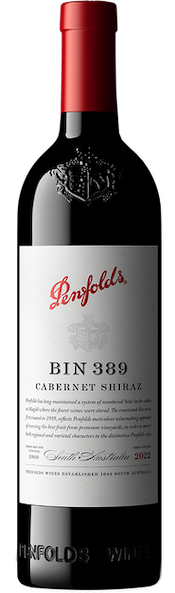
The color is glossy, dark red and purple. The nose is an “old school” Penfolds nose—a classic and comforting homage to their storied past. It opens with the rich, deep tones of mahagany and the refined scent of a cigar box. Sweet oak spices are neatly interlaced with a dusty character. This foundation is lifted by summer berries, offering a balance between richness and vitality. Baking spice is present alongside tart red currant and cranberry, while the aroma of fresh pastries rounds out the nose. The palate is immediately enveloped by cocoa powder-like tannins—smooth yet profound in their impact. The wine boasts volumes of Cabernet character, showcasing cool fruits that are well lifted and vibrant. A barrel ferment nuance adds depth without overshadowing the fruit’s purity. Sourdough notes bring a rustic edge which complement the lush profiles of plum fruits, blackberry, mulberry, wild cherries and more distinctly tart morello cherries.
Varietal: 51% Cabernet Sauvignon, 49% Shiraz Vineyard Region: McLaren Vale, Coonawarra, Barossa Valley, Padthaway, Wrattonbully Analysis: 14.5% alcohol / volume pH: 3.62 Total Acidity: 6.7 g/L Maturation: 12 months in American oak hogsheads (36% new) Peak Drinking: 2025-2050 Awards:
96 Points – Andrew Caillard MW
96 Points – Tyson Stelzer
96 Points – Huon Hooke
96 Points – James Halliday
96 Points – Ken Gargett
94 Points, #12 on Wine Spectator’s Top 100 List
Winemaker’s Notes: Bin 389 was often referred to as ‘Baby Grange’, in part because components of the wine are matured in the same barrels that held the previous vintage of Grange. First made in 1960 by the legendary Max Schubert, this was the wine that helped forge Penfolds reputation with red wine drinkers by combining the structure of Cabernet Sauvignon with the richness of Shiraz. Exemplifying the judicious balance of fruit and oak, Bin 389 highlights the generous mid-palate Penfolds is known for.
Vintage Conditions: In McLaren Vale, temperatures rarely soared above 35°C — significantly lower than in the previous vintage. This coolness contributed to a delayed but unhurried harvest, allowing Shiraz and Cabernet Sauvignon fruit to be picked at an ideal time for quality. Coonawarra experienced its own cold spells with nine days dipping below 2°C during spring. The lowest point was recorded early in September at -0.3°C. Frost fans played a critical role in protecting the vines from damage. Warmer weather returning late November to December provided perfect conditions for flowering and fruit-set, leading to uniform veraison with robust grape flavors, tannins, and color. The Barossa Valley told a story of resilience under cool conditions with spring storms bringing winds and heavy rains including hail; nevertheless, yields exceeded early predictions. A dry but cool December extended the fruit-set period; however, this did not hinder sugar accumulation or phenolic maturity thanks to healthy canopies that retained acid well into the growing season. Padthaway faced a challenging frost event in mid-October, followed by mild weather free from significant heat spikes or harvest delays due to rain — conditions conducive for quality grape development. Wrattonbully faced its own trials with rainfall from October to April measuring 49% above long-term averages. While excess moisture slowed ripening and pushed back harvest dates slightly, fruit quality was not impacted, and ‘A grade’ blocks produced a high-quality harvest.
About the Winery: Penfolds is one of Australia’s most iconic wineries, founded in 1844 by Dr. Christopher and Mary Penfold. With a history spanning over 175 years, the winery has built a legacy of crafting world-renowned wines. Penfolds blends tradition with innovation, focusing on quality, multi-regional sourcing, and a diverse portfolio that spans a wide range of varietals. The winery’s commitment to excellence has made it a symbol of premium Australian wine on the global stage. Learn more here.
The Etude Carneros Pinot Noir is a true reflection of the winery’s estate vineyard, Grace Benoist Ranch. A blend of the best grapes from individual vineyard parcels on the Ranch, this wine tells the story of a particular vintage from a very unique place.
Vibrant and lively, this ethereal ruby red Pinot Noir is full of lifted red berry aromas alongside flavors of strawberry compote, Bing cherry, pink peppercorn, and delicate hibiscus flower with nuances of earth and spice. The mouthfeel is savory and rich with fine-grained tannins and finishes long and fresh with hints of cinnamon and clove, a signature characteristic often found in Grace Benoist Ranch Pinot Noirs. Silky and supple with a lean line of acidity, making it ideal for enjoying now, or cellar away, for further development of the complex layers of flavor.
The Vineyard: The Etude Carneros Pinot Noir originates from their estate vineyards located in the far northwest corner of the Carneros appellation, near the southwest corner of Sonoma. Unlike the majority of Carneros, which features soils composed of clay from uplifted bay bottoms, the soils at Grace Benoist Ranch are diverse and influenced by volcanic origins. These well-drained, rocky upland soils, combined with the vineyard’s extreme western location near the Pacific Ocean and San Pablo Bay, create an ideal environment for cultivating Burgundian varieties.
The vineyard parcels at Grace Benoist Ranch are carefully aligned with the diverse soil types and varying contours of the ranch’s topography. Each vineyard averages just eight acres, with dense spacing to promote low per-vine yields of intensely concentrated fruit. The ranch is farmed to Etude’s rigorous standards using environmentally responsible viticultural practices. It is sustainably managed and certified by both the California Sustainable Winegrowing Alliance and Fish Friendly Farming. Grace Benoist Ranch encompasses four smaller vineyards—Laniger, Deer Camp, Temblor, and Heirloom—which feature five principal soil types and 20 distinct Pinot Noir clones.
Production: The 2019 harvest started one to two weeks later than previous years, mostly due to February rains, but because the vines were in their winter dormancy, it did not affect the 2019 crop. Spring continued to be wet with some rain during flowering, followed by cool temperatures that allowed the grapes to mature gradually. Most grapes ripened at lower sugars, thanks to the extended, cool growing season, and winemakers were pleased with the full flavors, fresh acidity and superb balance of the 2019 fruit. Wildfires in October did not impact this year’s harvest as the vast majority of the grapes were already brought in, resulting in a crop size pretty much on par with previous years.
Winemaking: For more than a decade Jon has fashioned Etude wines with a simple creed: Inspired winegrowing diminishes the need for a winemaker to intervene in the cellar. Whether sourcing from the estate Grace Benoist Ranch in Sonoma’s Los Carneros, or vineyards like Fiddlestix and North Canyon in famed growing regions of California’s Central Coast, his focus is on coaxing the very best from the vineyard. It shows in every glass of Etude.
About the Winery: Etude is located in the Carneros region, which is the only American Viticultural Area (AVA) located at the crossroads of two major regions: Napa and Sonoma. Los Carneros, named in tribute to the livestock that roamed its hills from the late 1800s to the mid-20th century, was officially designated as an AVA in 1983. The year before, Etude was founded by winemaker Tony Sotor, whose leadership, along with the efforts of the Etude winemaking team, played a pivotal role in defining not only the boundaries of this new AVA but also the distinctive characteristics and quality of its grapes. These qualities continue to set Los Carneros apart from other AVAs in both Napa and Sonoma. As a cooler climate wine region, Los Carneros benefits from fog and maritime breezes flowing in from the Pacific through the San Pablo Bay and Petaluma Gap. This natural cooling slows vine growth and photosynthesis, allowing for a prolonged hang time that results in concentrated flavors, optimal sugar and phenolic ripeness, and balanced acidity in the grapes. To learn more about the winery, click here.
Ruby color with violet reflections. The nose with aromas of fresh cherries and plums, forest fruits, a touch of black currant, herbs and a mineral finish. The palate is fresh, with round, soft tannins and good acidity. Juicy and fruity with varietal expression. An elegant, fresh Pinot Noir with mineral character.
WINEMAKING: Made with estate grown grapes in a ravine in the Andean foothills of the Cachapoal valley. The grapes are hand-harvested into 12-kg boxes. Mosaiko Pinot Noir is aged in stainless steel tanks for six months. Then it is bottled and it will spend at least six more months before it is released to market.
ABOUT CALYPTRA VINEYARDS & WINERY: In 1989, Dr. Jose Miguel Zarhi Troy, a plastic surgeon and wine enthusiast, initiated a vineyard project by planting the first Chardonnay vines on his property in the Alto Cachapoal Valley. Over time, his passion project expanded to include various vine varieties and a winery, producing some of Chile’s top-tier wines. In 2018, Dr. Zarhi extended the Calyptra Winery venture by partnering with Lic. Fernando Rodriguez Merino, an IT businessman from Argentina who is deeply involved in the wine, hospitality, and gastronomic industry since 2007. This collaboration led to the acquisition of a plot in Los Árboles de Villegas en Tunuyán, a prime wine-growing region in the Uco Valley at 1,250 meters above sea level. Learn more here.
Try this wine with the following recipe…
Balsamic Black Pepper Cherry Glazed Salmon
INGREDIENTS:
1 cup deep red cherries, pitted and sliced into quarters
⅓ cup brown sugar
¼ cup balsamic vinegar
½ teaspoon coarse salt
½ teaspoon coarse ground black pepper
1 tablespoon red wine vinegar
¼ cup dry white wine
6 salmon fillets (about 4 ounces each)
DIRECTIONS:
Preheat the oven to 375 degrees. Line a baking sheet with parchment paper or a non-stick mat.
Place the cherries, brown sugar, balsamic vinegar, salt, pepper, vinegar, and wine in a saucepan and bring to a boil over medium/high heat, stirring to combine ingredients and dissolve sugar.
Reduce the heat to a simmer and cook for 5-7 minutes, or until sauce has reduced and is thick enough to coat the back of a spoon. Remove from heat.
Lay the salmon fillets out on the prepared baking sheet, spacing them about 2″ from each other.
Portion out about 2 tablespoons of the glaze into a separate cup (to avoid cross contamination or glaze touching raw fish and cooked fish) and brush the glaze on to the salmon fillets, coating each one thoroughly.
Bake on the top rack of the preheated oven for 8-12 minutes, or until the fish flakes easily with a fork. Take care to not overcook. Remove from the oven. Move fish to a serving platter and spoon the remaining glaze generously over the fish.
Salmon pink color; fresh aromas of soft red berries, predominantly strawberry and raspberry. On the palate, round and fruity with hints of peach; the flavors are intense, with lively acidity framed by a well-made structure and delicate bubbles. The finish is smooth, clean and dry.
Wine: Crémant d’Alsace Brut Rosé is a sparkling rosé from 100% Pinot Noir. The brut-style wine’s red berry aromas of strawberry and raspberry lead into mouth-filling, juicy flavors and lively acidity.
Vineyards: Pierre Sparr’s sparkling wines use grapes that are farmed sustainably, dry-farmed (no irrigation), and hand-harvested. Located in the Vosges hillsides and Rhine valley, elevation 200 to 400 meters (656 to 1,312 feet), primary eastern and southern exposures.
Harvest Notes: Dates for the beginning of harvest for each Alsace AOC are set by decree, generally 100 days after the median date of flowering, at the time when the grapes display the best sugar-to-acid ratio. Intended vineyards for sparkling wine must be declared in advance of harvest and must be picked by hand. Grapes destined for Crémant are generally picked a few days before those for still wines in Alsace.
Winemaking: Whole-cluster pressing; first fermentation occurs in temperature controlled, stainless-steel vats, transforming the must into still wine. Six months later, wines from hillsides and valley floor are blended to achieve the distinctive flavor profile of the rosé. Blended wine is then bottled with a specific yeast added to relaunch the second fermentation in bottle. The wine rests on lees a minimum of 18 months prior to disgorgement. Finally, the dosage is added to provide the particular brut style of this sparkling wine.
About the Winery: The origin of winemaking in the Sparr family dates back to 1680. Generations later, Charles Sparr developed the business that his son, Pierre, later took the succession at the age of 20. Pierre had a distinct sense for business, making him a pioneer of “estate bottled” wines in Alsace. Pierre also had the courage and obstinacy to rebuild their entire estate after Sigolsheim and its vineyards were completely destroyed during WWII. In doing so, Pierre rebuilt one of Alsace’s most beautiful and prestigious Domaines. Today, with the help of the 9th generation, Pierre Sparr remains focused on producing quality wines, a pure expression of Alsace, that are aromatic, fruity, elegant, clean and vibrant. Pierre Sparr wines are food-friendly and accessible for everyday consumption. Learn more here.
This vibrant and approachable California Cuvée bursts with aromas of tart pineapple and orange blossom on its expressive nose. The palate is bright and rich, featuring layered flavors of Asian pear and honeysuckle, accented by fresh mandarin peel and a touch of marzipan, leading to a zesty, focused finish.
90 Points – James Suckling: A really fresh nose with green apples, limes and green papaya. Light to medium body, bright acidity and a fresh finish. Chardonnay and Pinot Noir. Drink now.
90 Points – Wine Enthusiast: Flavorful and polished, this supple wine blends subtle apple and pear notes with buttery, creamy accents. It is rich in character and softly framed by fine bubbles and elegant acidity, with a hint of sweetness on the finish.
About the Winery: J Vineyards & Winery, located in the heart of Sonoma County’s Russian River Valley, is renowned for its exceptional sparkling and varietal wines. Founded in 1986 by Judy Jordan, the winery is celebrated for its commitment to quality and innovation. It combines traditional winemaking techniques with sustainable practices across its estate vineyards, which are meticulously cultivated to highlight the unique terroir of the region. Learn more here.
The color has a saturated core and luminous crimson rim. The nose is abounded with red and sweet spices of paprika, sumac, cinnamon, rose water, saffron, red currants, Iranian barberries, and pomegranate. It has a steely-coolness and ferrous minerality. French oak announces itself, cedar-y and structural, all proudly supporting a saturated mulberry and summer berry core. It’s reminiscent of scents from the pâtisserie: dark cherry pie, and milk chocolate mousse dusted with freeze dried raspberries.
The palate is defined, yet approachable. It has a silkiness to it with a gorgeous texture that glides effortlessly across the palate. Succulence, mouth-watering and appetite-inducing acidity, a find graphite core confirms the varietal’s identity. There is power lurking beneath, a dense black fruit drive—which is somewhat unexpected, yet most welcome. This confident wine can be enjoyed now or cellar for a decade or more.
Analysis: 14.5% alcohol / volume AVA: Napa Valley Varietal: Cabernet Sauvignon pH: 3.73 Total Acidity: 6.33 g/L Maturation: 17 months in French oak (40% new) Peak Drinking: Now-2036 Awards:
94+ Points – Erin Larking – Robert Parker’s The Wine Advocate
94 Points – Lisa Perrotti – Brown, The Wine Independent
Winemaker’s Notes: Steeped in Penfolds winemaking tradition yet still embracing modernity, Bin 704 seeks to redefine Napa Valley Cabernet through a Penfolds lens. Being mindful of varietal nuances, regional essence and silk-like textural definition, the wine is nurtured in French barriques for maturation. Impressive is the cyclical nature of viticulture and winemaking and Penfolds recognizes that different hemispheres often end up being the mirror image of the other. The name Bin 704 draws inspiration from the “mirror” or “reverse” image of its Australian Bin 407 stablemate, a wine which also respects varietal expression.
Vintage Conditions: Excellent winter rainfall ensured the soil was fully saturated at the beginning of the growing season. Spring was cooler and wetter than recent years, resulting in a two-week delay to bud-burst and flowering. May rainfall was especially helpful in maintaining the soil moisture profile. Warm summer weather had the vines moving along well making up for the slow start to the season. August was characterized by warm days and cool nights, optimal conditions for veraison. Harvest across the region was one to two weeks later than usual with yields close to long-term average. A good vintage for Cabernet Sauvignon, with grapes showing bright acidity, powdery tannins, and strong varietal flavors.
About the Winery: Penfolds is one of Australia’s most iconic wineries, founded in 1844 by Dr. Christopher and Mary Penfold. With a history spanning over 175 years, the winery has built a legacy of crafting world-renowned wines. Penfolds blends tradition with innovation, focusing on quality, multi-regional sourcing, and a diverse portfolio that spans a wide range of varietals. The winery’s commitment to excellence has made it a symbol of premium Australian wine on the global stage.
The Bin 704 Cabernet Sauvignon, for example, is sourced from Napa Valley, marking the winery’s venture into crafting wines beyond Australia. Napa’s renowned terroir, known for producing exceptional Cabernet Sauvignon, offers a new canvas for Penfolds’ winemaking philosophy. By combining Napa’s rich soils with their expertise, Penfolds seeks to maintain the same meticulous standards they uphold in their Australian wines. Bin 704 is a reflection of the winery’s tradition of multi-regional sourcing, blending Napa’s signature characteristics with Penfolds’ distinctive style. Learn more here.
The bouquet is layered, with a fruity core of raspberry, cranberry, and red currants surrounded by oak and earthen spice. Silky tannins and fresh fruit jam nudge the palate, giving way to hints of warm baking spices. A model Willamette Valley wine, the Vireton Pinot Noir is juicy, fruit-forward, kissed with slight new oak nuances while wonderfully balanced. Enjoy now through the next 5-10 years.
The world-renowned Willamette Valley has become one of the most prized winegrowing regions on earth
Oregon is unique and offers its own distinctive voice
Viticulture & Production: The wine puts the beauty of the Willamette Valley on a pedestal. The grapes were hand-harvested and sorted before being fermented in a combination of stainless steel, concrete, and wooden open-top vessels. For added character and nuance, they incorporated 25% whole cluster fruit in the fermentation. The tanks were pumped over twice daily until about two-thirds of the way through fermentation. At that point, they conducted daily tasting to coax the wine to finish fermentation with pump overs and manual punch downs. The wine was then pressed and put to barrel, aged for 10 months in 17% new oak to frame the bright fruit profile inherent to the unique profile from the high elevation, volcanic soils of the Willamette Valley.
Winemaker’s Notes: Vireton Pinot Noir walks boldly into the Willamette Valley and returns with the unexpected, a kind of down-to-earth, everyday level of luxury. Not tethered to any one vineyard site, this outgoing wine instead reflects the merits of an entire region. It’s a testament to the power of multiple voices within one storied region and the strength in numbers that follows. In wine, just as in life, it’s the most intrepid who end up with the most fulfilling experiences. Vireton celebrates those experiences, whether you’re toasting another Tuesday, or celebrating something much bigger.
About the Winery: Archery Summit, founded by Gary Andrus in 1993, is a distinguished winery located in the Dundee Hills of Oregon’s Willamette Valley, renowned for its exceptional Pinot Noir. Andrus, a veteran winemaker with a successful background in Napa Valley, was captivated by the region’s potential for producing high-quality wines that reflect the unique terroir. Archery Summit focuses on site-specific wines, sourcing grapes from five estate vineyards and three grower sites across four American Viticultural Areas (AVAs). With a commitment to showcasing the refined flavors of place, Archery Summit continues to elevate the reputation of Willamette Valley wines on the global stage. Learn more here.
The 2020 vintage marks the 10th anniversary of Soul of a Lion, the true crown jewel of DAOU. It is an emblem of their quest to relentlessly produce unsurpassed Cabernet Sauvignon from the terroir of DAOU Mountain. This is the story of two sons, their beloved father, a history rooted in courage, and a wine called Soul of a Lion.
Analysis: 15.2% alcohol / volume Varietal: 81% Cabernet Sauvignon, 13% Cabernet Franc, 6% Petit Verdot Appellation: Adelaida District, Paso Robles, California Barrel Aging: 22 months in 100% new French Oak Winemaker: Daniel Daou Accolades: • 97 pts. Wine Enthusiast • 95 pts. Robert Parker’s Wine Advocate • 94-96 pts. Jeb Dunnuck
WINEMAKER’S NOTES: “The 2020 vintage presents an alluring profusion of black cherry, mulberry and Oregon blackberry aromas with notes of leather, cigar box and dark chocolate. Hints of desert sage and crème de menthe accent the rich fruit. The palate is silky and voluptuous, delivering loads of currant, cassis, black raspberry and ripe cherry. Notes of fig and baking spice are underscored by earthy tones of dates and truffle. Mature, ripe tannins yield a weighty, velvety texture integrated with a limestone minerality and subtle oak. A lengthy finish leaves lingering impressions of blackberry, plum and espresso with a touch of white pepper. A wine of immense staying power that will evolve favorably for many years to come.” – Daniel J. Daou, Co-Proprietor/Winemaker
“Soul of a Lion is named for our father Joseph, who exhibited unwavering love, passion and courage throughout our lives together. That pursuit of the extraordinary drove us to discover DAOU Mountain—and to embark on a dream decades in the making.” – Georges J. Daou, Co-Proprietor
VINTAGE NOTES: DAOU Estate wines showcase the visionary talent of Winemaker Daniel Daou and the unrivaled terroir of DAOU Mountain. These wines come from the mountain’s finest vineyard blocks and are made with the utmost passion, investment and intention. The 2020 growing season began on a dry note, followed by much-needed rains in April that replenished the soils and set the stage for healthy canopy growth. Conditions through mid-summer remained mild and steady, with the exception of a rare August thunderstorm. Subsequent heat waves and distant wildfires put DAOU Mountain to the test heading into harvest, yet despite the challenges the 2020 vintage produced some of the most complex wines yet.
ABOUT THE WINERY: Rediscovered by brothers Georges and Daniel Daou in 2007, DAOU Mountain was originally celebrated decades earlier as a “jewel of ecological elements” by renowned winemaker André Tchelistcheff. Their search for the perfect terroir led them to these steep slopes rising 2,200 feet above sea level, blessed with the rare calcareous clay soils found in the world’s finest wine regions. With a passion for crafting exceptional yet accessible wines, the Daou brothers transformed the Adelaida District into a global benchmark for Cabernet Sauvignon and Bordeaux varieties. DAOU is committed to creating extraordinary wines, fostering emotional connections, and offering elevated experiences filled with life’s greatest joys. Learn more here.
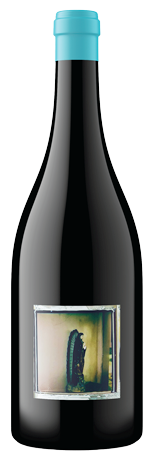
The 2022 Our Lady of Guadalupe Pinot Noir pours a dark persimmon core with a lucid rose hip rim. Laden with elegant aromatics, notes of bright raspberry and bing cherry develop into darker tones of black cherry, mocha and mahogany. On the palate, the entry is scrumptiously soft with cranberry crunch, ripe strawberry, redcurrant and a touch of maritozzo. Typical of the Sta. Rita Hills, the finish is lined with minerality and some saline hints with closing touches of fennel and anise.
Analysis: 14.8% alcohol / volume Varietal: 100% Pinot Noir pH: 3.76 TA: 5.55 g/L Appellation: Sta. Rita Hills, California Clonal Selection: All from “Our Lady of Guadalupe Vineyard” – 828, 777, Pommard 4, 667, 459, 115, Swan, Calera Élevage: Aged in French Oak for 10 months, 49% New Cooperage Selection: Alain Fouquet, Francoise Freres, Cadus, Ermitage and Damy Winemaker: Dave Phinney Accolades: • 96 pts. Decanter • 95 pts. Editor’s Choice – Wine Enthusiast • 94 pts. Vinous – Antonio Galloni
WINEMAKER NOTES: “Every year, we learn more about the intricacies of our special vineyard in the western – end of the Sta. Rita Hills. Coming off the heels of our successful inaugural vintage, the 2022 OLG Pinot Noir is a continuation of our quest to produce a wine that captures the Our Lady of Guadalupe vineyard , the vintage and the terroir it inhabits. Sandy loam and diatomaceous earth soils and the constant barrage from coastal winds, force our vines to focus their energy on producing concentrated berries, exemplified by the low yields. In 2022, we incorporated more sections of our vineyard and two additional clones — the famous Swan and Calera clones — to achieve a higher degree of complexity in the resulting wine. And while we do 95% of our winemaking in the vineyard, we experimented in the cellar with different types of barrel toasts, forest origins and cooperages to see what pairs best with each clone, furthering our goal of complexity.” – Dave Phinney, Winemaker.
ABOUT THE WINERY: Our Lady of Guadalupe Winery, nestled in the Sta. Rita Hills AVA in California, is the realization of a dream by renowned winemaker Dave Phinney. Purchased in 2015, the vineyard underwent a meticulous transformation, restoring its soil health and planting vines by 2018. The winery focuses on producing world-class Pinot Noir and Chardonnay, utilizing unique clones and sustainable practices. The vineyard’s name honors Mary, mother of Jesus, symbolizing protection and peace for the team. Phinney’s dedication to quality and attention to detail is evident in every aspect of the winery, from soil management to clone selection. Each decision is made with the goal of creating exceptional wines that reflect the terroir of the land. Still family-run, the winery embodies Phinney’s passion for crafting extraordinary wines while celebrating the beauty of the Sta. Rita Hills region. Learn more here.
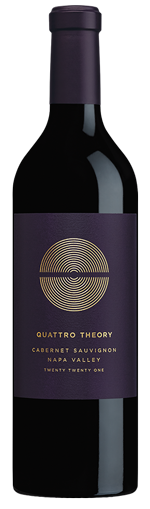
The classic Napa Valley varietal character is the star in this Cabernet Sauvignon, with the tannins and texture supporting the smooth fruit flavors. The wine’s balance and freshness make this a particularly food-friendly red wine.
Analysis: 14.5% alcohol / volume Varietal: 84% Cabernet Sauvignon, 7% Merlot, 6% Malbec, 2% Petit Verdot, 1% Cabernet Franc Clones: Cabernet Sauvignon: Clone 4 (Landon’s Favorite), Clone 7, Clone 8 | Merlot: 181 | Malbec: Clone 595 | Petit Verdot: Clone 7 Appellation: Napa Valley, California Aging: 15 months in 100% French Oak Barrel (45% new) Winemaker:Landon Donley Release Date: July 2023 Suggested Pairings: Grilled rack of lamb with fresh herbs, ribeye steak with sautéed mushrooms and braised short ribs.
VISION: Winemaker Landon Donley seeks to showcase the freshness and classic varietal character of the highest-quality Napa Valley Cabernet Sauvignons. Every aspect of the winemaking process is intentionally designed to ensure the wine’s structure supports and enhances the varietal character, resulting in a wine that overdelivers on quality and shows beautiful integration upon release.
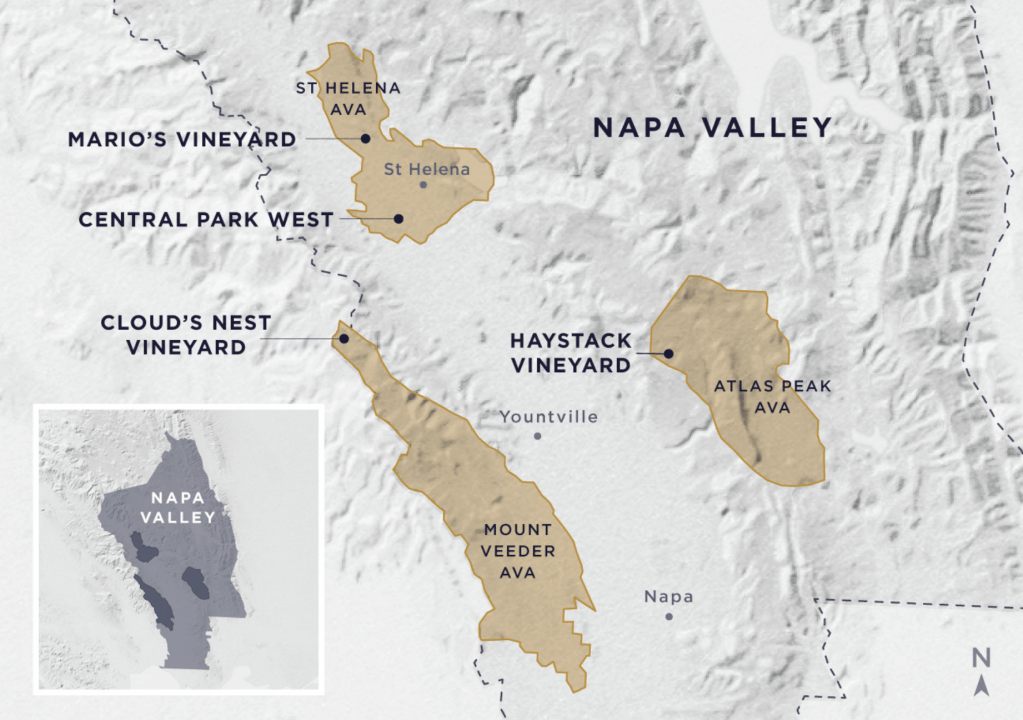
VINEYARDS: This Cabernet is structured primarily around valley floor fruit from two of their estate vineyards located in the St. Helena AVA, offering ripe fruit character, good structure and a smooth, long finish. Further complexity and elegance is added to the blend with the addition of estate mountain vineyards from AVAs including Mt. Veeder and Atlas Peak. The grapes are harvested by hand at night in small lots over the course of a few weeks, picked only when at the level that meets their style.
WINEMAKER NOTES: The cellar is set up with every step intentionally designed to emphasize natural aromatics and varietal character. The grapes are chilled to 40°F to heighten aromatics and minimize astringency, then sorted by cluster then berry by our optical sorting system before undergoing a three-to-five-day cold soak. Careful yeast selection and an even, moderate fermentation temperature is key in maintaining the wine’s sense of place. Tannin extraction is constantly analyzed so the wine can be drained off the skins at the ideal flavor, concentration, structure and color, then finish fermenting to dry. The preliminary blend is assembled once the wine completes malolactic fermentation in tank to ensure integration, and ages in a selection of custom-toasted new and used French oak barrels from select coopers.
ABOUT THE WINERY: Quattro Theory wines capture the truest expression of Napa Valley bringing together four defining elements: winemaker Landon Donley’s intentional vision, quality vineyards, precision winemaking and experience with food and friends. Seriously made to be easily enjoyed. Learn more here.

 Böen Wines
2023 Reserve Pinot Noir
Santa Maria Valley, California
Böen Wines
2023 Reserve Pinot Noir
Santa Maria Valley, California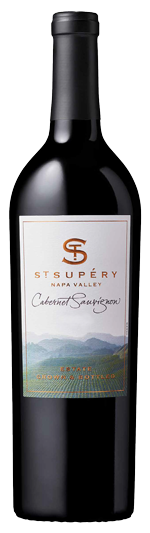 St. Supéry Estate Vineyards & Winery
 2019 Napa Valley Estate Cabernet Sauvignon
Napa Valley, California
2019 Napa Valley Estate Cabernet Sauvignon
Napa Valley, California Join our PREMIUM WINE CLUB, enjoy amazing wines every other month. Plus, you’ll receive 10% off all retail wine purchases!
Learn more about our Premium Club >
Join our PREMIUM WINE CLUB, enjoy amazing wines every other month. Plus, you’ll receive 10% off all retail wine purchases!
Learn more about our Premium Club >

 Decoy
Decoy
 pH: 3.00-3.20
Acidity: 0.7-0.9 g/100 ml
Residual Sugar: 7 g/L
Dosage: 0.5-1.0 g/dL
Method: Méthode Champenoise (also know as the traditional method. The key element to this process is a secondary fermentation in the bottle)
Fermentation & Aging: Dosaged with French oak barrel fermented Napa Valley Chardonnay
Varietal Contributions:
pH: 3.00-3.20
Acidity: 0.7-0.9 g/100 ml
Residual Sugar: 7 g/L
Dosage: 0.5-1.0 g/dL
Method: Méthode Champenoise (also know as the traditional method. The key element to this process is a secondary fermentation in the bottle)
Fermentation & Aging: Dosaged with French oak barrel fermented Napa Valley Chardonnay
Varietal Contributions:
 La Marca
 Pomar Junction Vineyard & Winery
Reserve Pinot Noir
Pomar Junction Vineyard & Winery
Reserve Pinot Noir
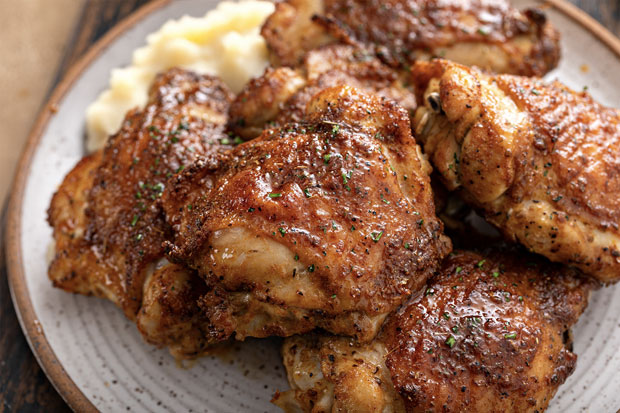 Easy Roasted Garlic Butter Chicken
 Argyle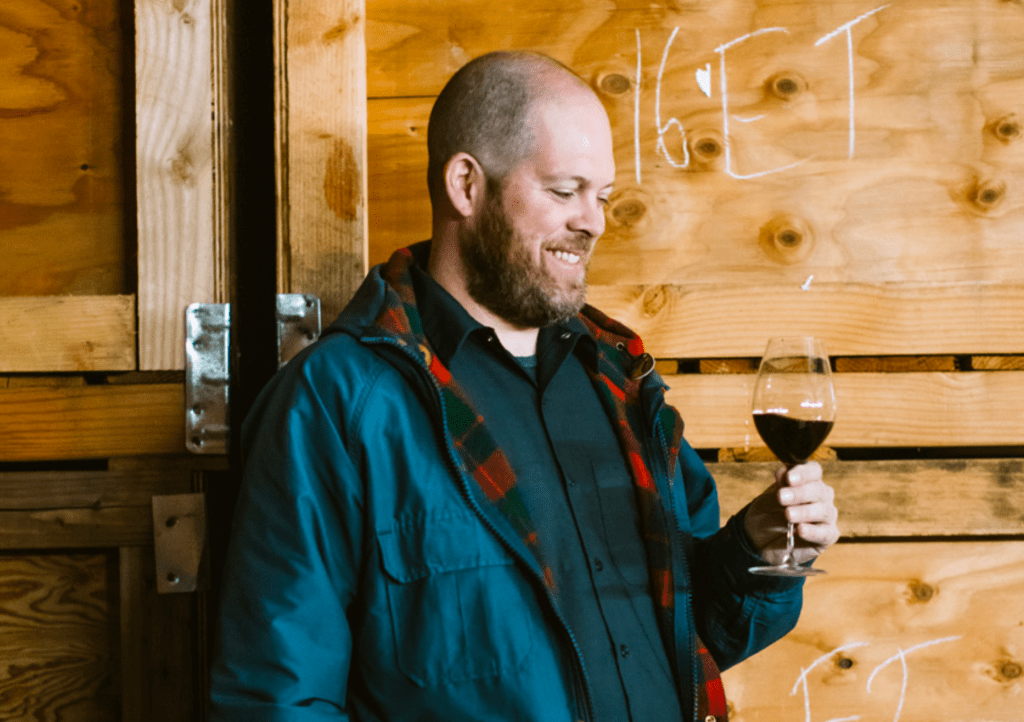
 Santa Margherita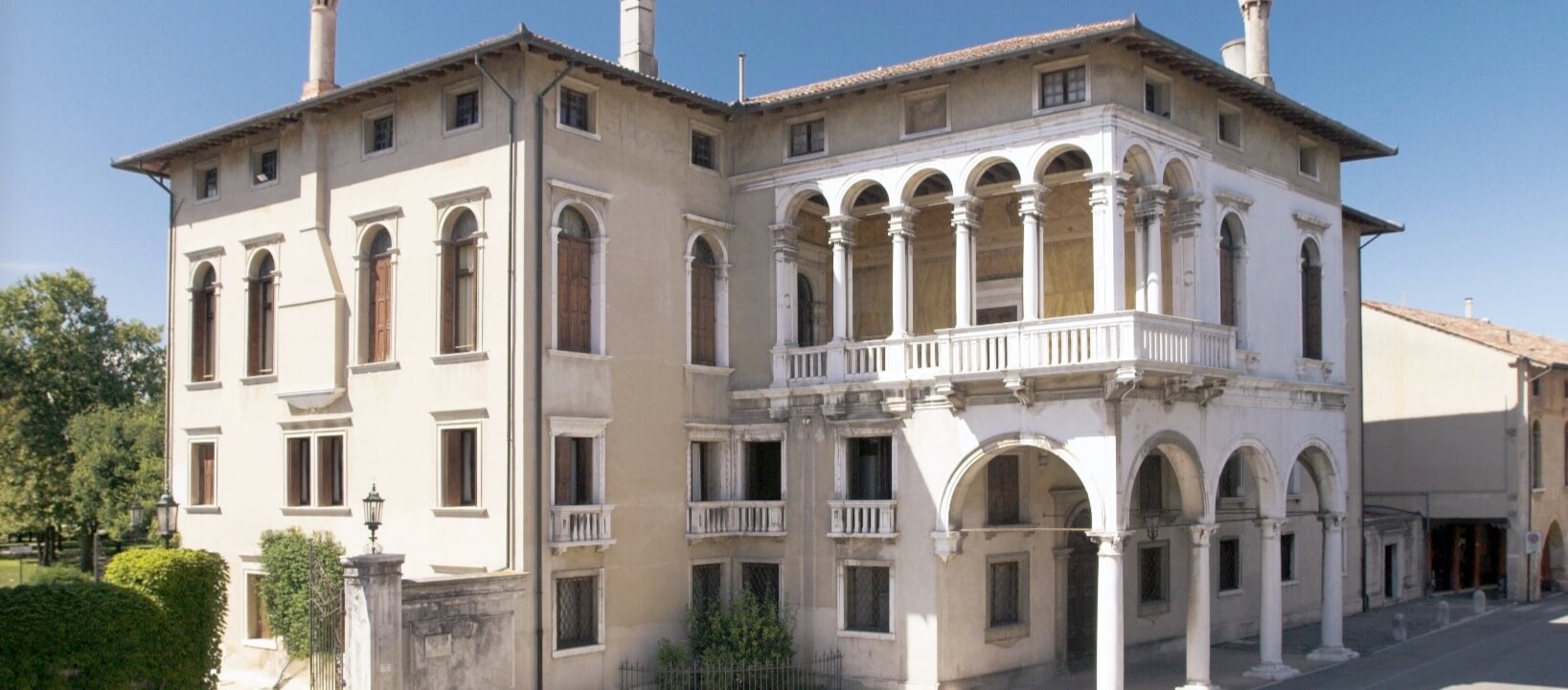
 Jeio
Jeio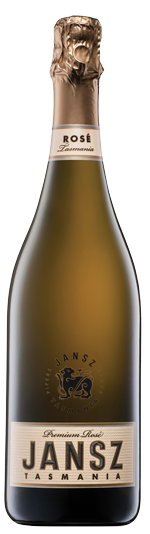 Jansz Tasmania
 Penfolds
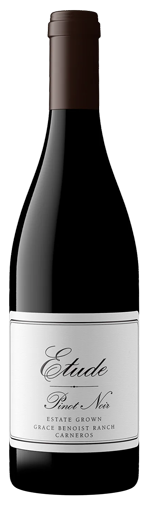 Etude
Etude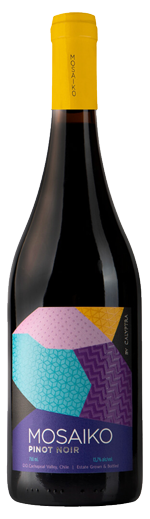
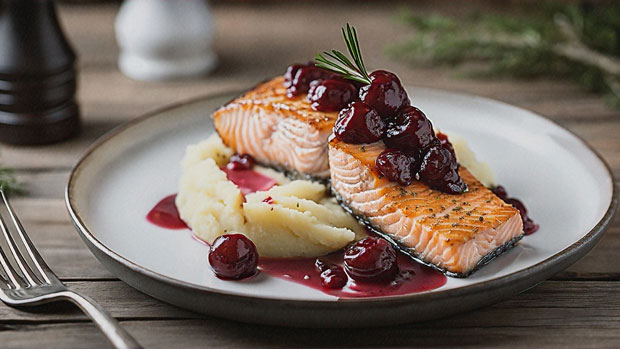 Balsamic Black Pepper Cherry Glazed Salmon
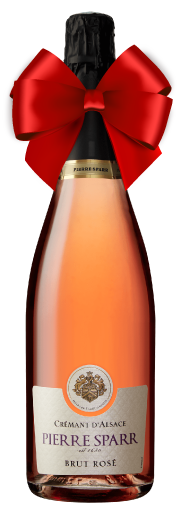 Maison Pierre Sparr Successeurs
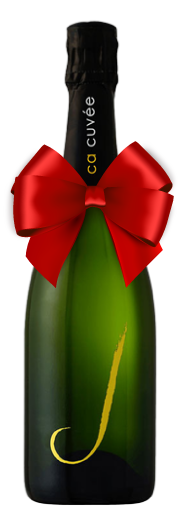 J Vineyards & Winery
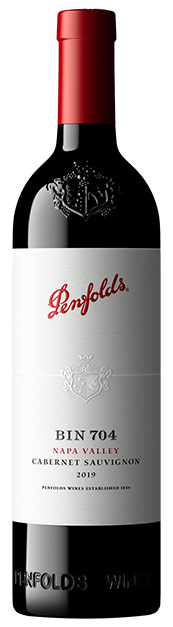 Penfolds
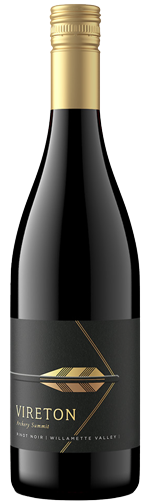 Archery Summit
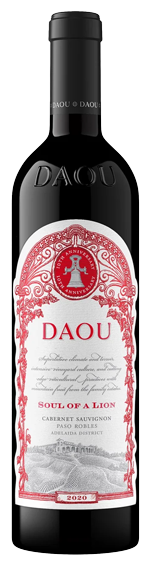 DAOU Vineyards
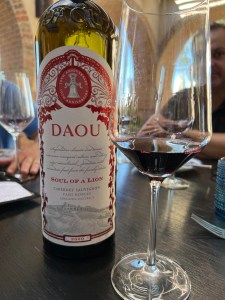 “The 2020 vintage presents an alluring profusion of black cherry, mulberry and Oregon blackberry aromas with notes of leather, cigar box and dark chocolate. Hints of desert sage and crème de menthe accent the rich fruit. The palate is silky and voluptuous, delivering loads of currant, cassis, black raspberry and ripe cherry. Notes of fig and baking spice are underscored by earthy tones of dates and truffle. Mature, ripe tannins yield a weighty, velvety texture integrated with a limestone minerality and subtle oak. A lengthy finish leaves lingering impressions of blackberry, plum and espresso with a touch of white pepper. A wine of immense staying power that will evolve favorably for many years to come.” – Daniel J. Daou, Co-Proprietor/Winemaker
 Our Lady of Guadalupe
 Quattro Theory Wines