August Bubbly Club: Strandveld

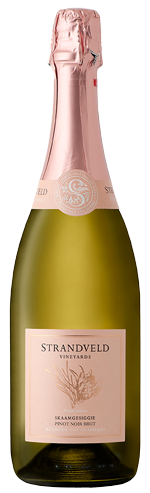
Strandveld-Skaamgesiggie-Pinot_noir-sparklingStrandveld Vineyards
Skaamgesiggie
Pinot Noir Brut 
South Africa

BUBBLY WINE STYLE

The delicate Cap Classique is made in the traditional method from Pinot Noir grapes. It highlights notes of strawberry, cherry and oyster shell and has a fine, lingering mousse that delights the palate.

The wine is named after the very rare and beautiful Protea pudens, affectionately known as the Skaamgesiggie or in English the “Bashful Sugarbush”, because of its unique downward hanging flowers. This shy Protea is endemic to the Strandveld. It is endangered and is categorized as a ‘red data’ species.

Analysis: 11.23% alcohol / volume
Varieties: 100% Pinot Noir
Residual Sugar: 6.1 g/L
Total Acidity: 6.6 g/L
pH: 3.27
Appellation: Elim, Cape Agulhas, South Africa
Bottling: En tirage for second fermentation on August 3, 2018. Disgorged August 16, 2019.
Pairing Recommendations: Oysters, salads, sushi, salmon, trout, duck breast or a yogurt dessert (recommended recipe below).

VINTAGE:
Winter of 2017 was one of the driest in the Western Cape in the last century; fortunately, the winter rains were within average range. The winery received very late cold fronts with icy rain in mid-September. The storm did extreme damage to the young shoots, so while they received water for irrigation, the price paid was the loss of half of their potential crop almost overnight. In late November, they had a further blow with a hail storm that caused more vineyard damage – resulting in the final harvest crop being on average a very low 3.5 ton/ha. The conditions during the rest of the growing season were moderate with cool, dry weather and the small crop was handled with care to make the most of it. The result was a small, concentrated vintage, comparable to 2015.

VINIFICATION:
Specially selected Pinot Noir grapes were harvested at 65.3ºF, and were cooled to 35.6ºF before being loaded whole bunch into the press for 5 hours with skin contact. Only the first 550l of juice per ton obtained from gentle pressing was used. The clear juice was cold fermented with selected year strains. After fermentation, the base wine was matured in 500L French oak barrels for 7 months. The base wine was then reinoculated with yeast and a small amount of sugar, then bottled under crown cap for a second fermentation.

ABOUT STRANDVELD VINEYARDS:
Driven by a deep passion for premium, quality wines, and the spirit of discovery, Strandveld refers to the coastal belt of land which straddles the coastline around Africa’s southernmost tip at Cape Agulhas – where the vineyard proudly stands. This confluence of maritime climate, varying sites and soil types creates the diversity of terroir that distinguishes their unique and remarkably complex wines. Learn more about their history here.

Strandveld Vineyards

Terrior Standveld Vineyards

Strandveld Vineyards South Africa


Recipe Recommendation:

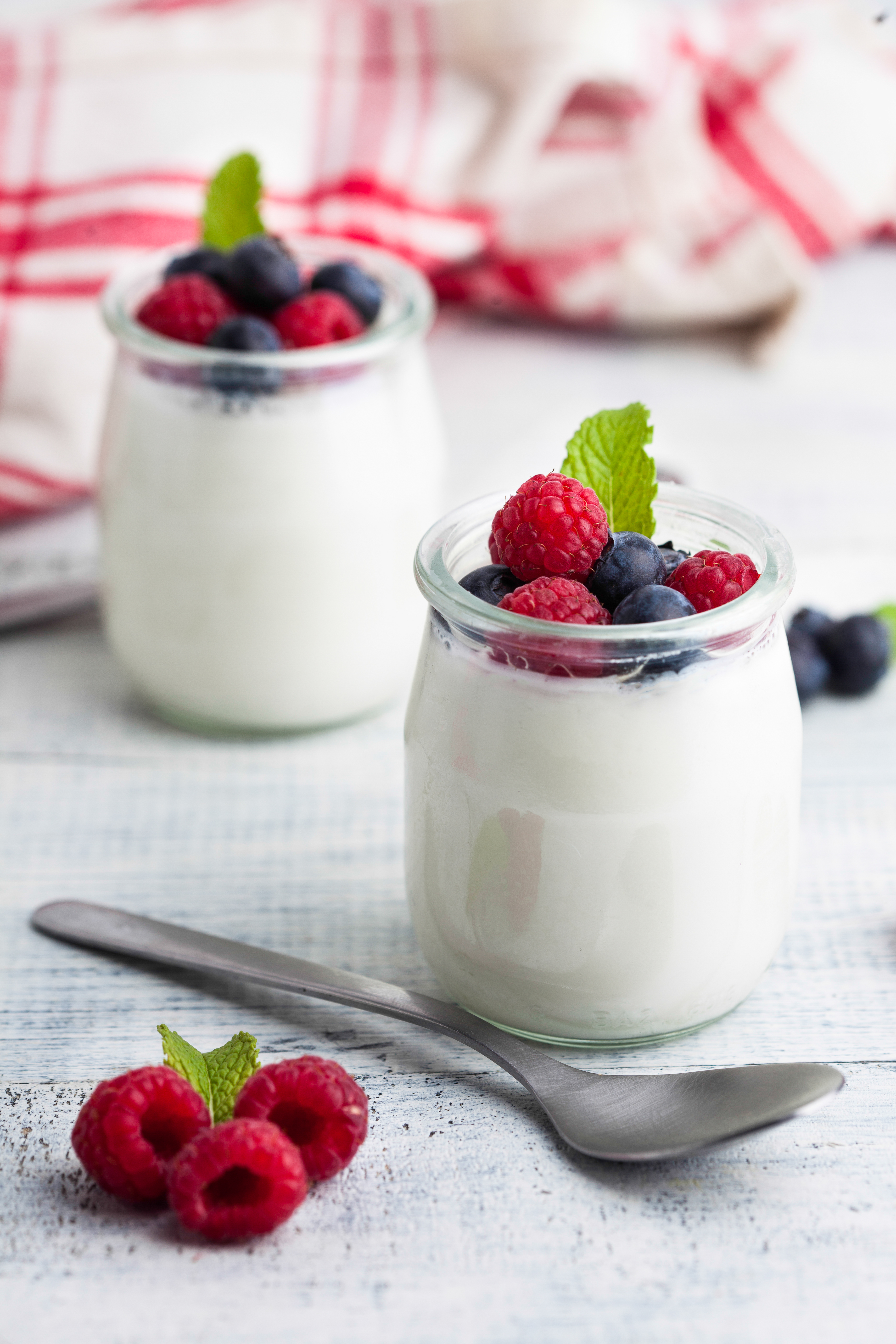
Yogurt,With,BerriesBAKED YOGURT WITH FRESH BERRIES:

  • Makes 6-8 servings

INGREDIENTS:

  • 2 cups Fresh Cream
  • 2 cups Double Cream Greek Yogurt
  • 1 cup condensed milk
  • 3 granadillas (or fruit of your choice)
  • 1 cup fresh raspberries

DIRECTIONS:

  • Mix the cream, yogurt and condensed milk together and stir until smooth
  • Divide evenly among ramekins
  • Bake in a preheated over at 140ºC (284ºF for about 10 minutes)
  • Remove from the oven and leave to cool at room temperature (or refrigerate for later)
  • To serve, scoop out the pulp of half a granadilla onto each baked yogurt
  • Finish with a generous scoop of berries

© Information provided by Strandveld Vineyards.
© Recipe from Liezie Mulder’s Book “île de païn-anytime”


Bubbly Wine ClubLearn more about our Bubbly Club >


Winery Spotlight: Remhoogte February 23rd

Remhoogte-Logo

Remhoogte Wine Estate
Stellenbosch, South Africa

Wednesday, February 23, 2022
6:00pm CST / 7:00pm EST

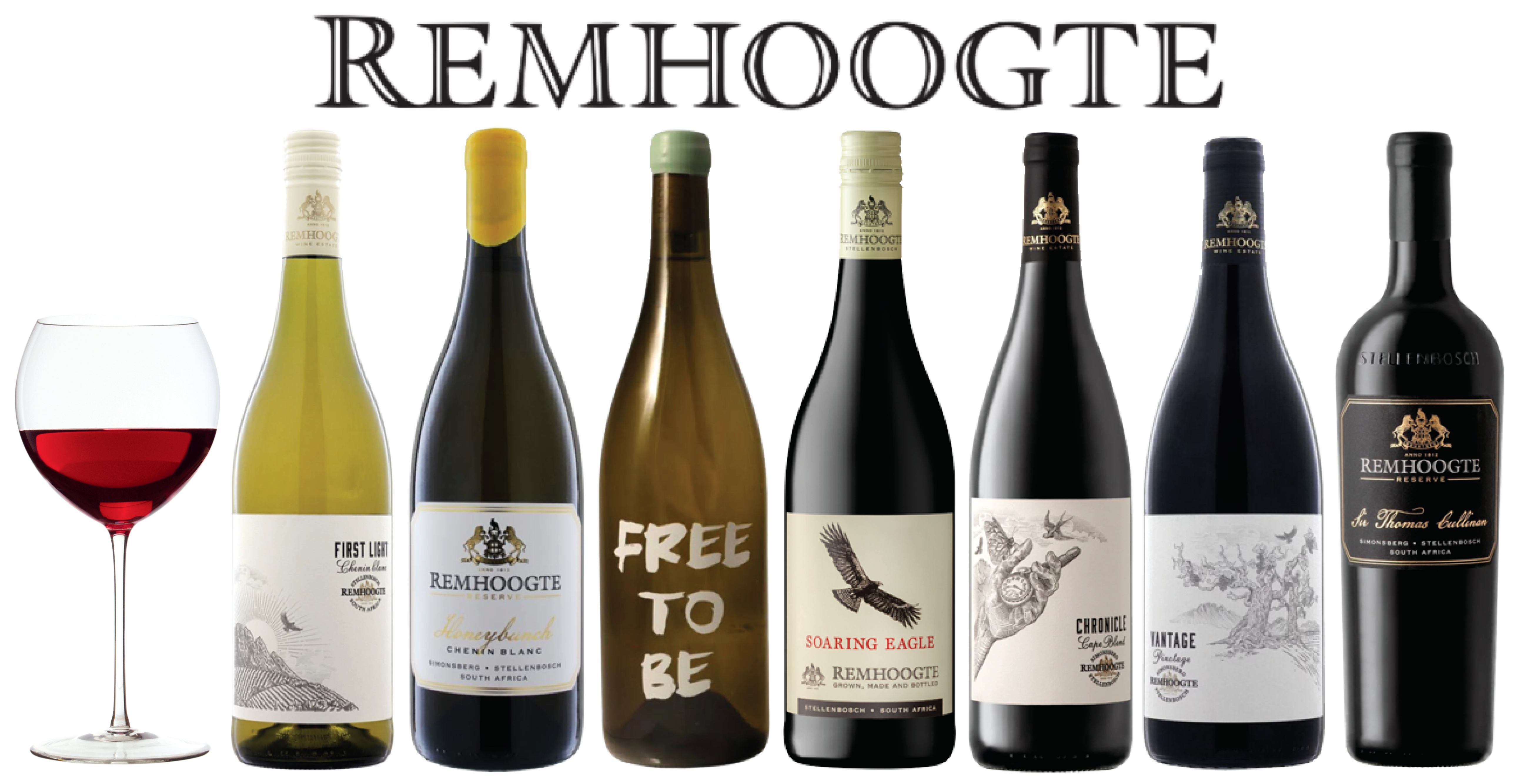
Join us for a wine tasting event, featuring Remhootge Wine Estate, a family winery in Stellenbosch, South Africa. Brothers Chris and Rob Boustred will be our guest speakers, tasting through 7 of their amazing wines from their winery in South Africa on the big screen.
 

Wines Tasted:

  • First Light Chenin Blanc
  • Honeybunch Reserve Chenin Blanc
  • Free to be Riesling
  • Soaring Eagle Blend
  • Chronicle Cape Blend
  • Vantage Pinotage
  • Sir Thomas Cullinan Reserve

To reserve a table and attend the wine tasting in person, please call your local participating WineStyles store. Or, if you prefer to attend remotely, pre-order a wine tasting kit to-go and watch/taste along with us on Zoom!

Remhootge_wines_email-header

About Remhoogte Wine Estate:

Remhoogte Wine Estate is a family winery, run by brothers Chris and Rob alongside their father Murray Boustred, with vineyards located in foothills of the Simonsberg mountain in Stellenbosh, South Africa. Learn more about their winery here.

“We believe wine is made in the vineyards, and our goal is to allow the vineyards to express themselves by interfering as little as possible. As a result we have adopted a minimalist approach in both the vineyards and the cellar. We are also proud members of the Biodiversity and Wine Initiative, and of the Integrated Production of Wine Scheme. We have set aside 30% of the estate and dedicated it to the Western Capes indigenous flora and fauna.” – Chris Boustred, winemaker.


Let’s Taste, Learn and Enjoy® together!
Contact your local WineStyles to RSVP for this tasting event.
Winery Spotlight with Remhoogte Wine Estate
Wednesday, February 23, 2022
6:00pm CST/ 7:00pm EST
Cheers!
WineStyles.com


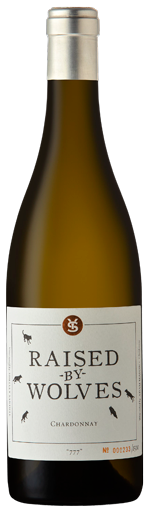
Raised by Wolves 777 Chardonnay

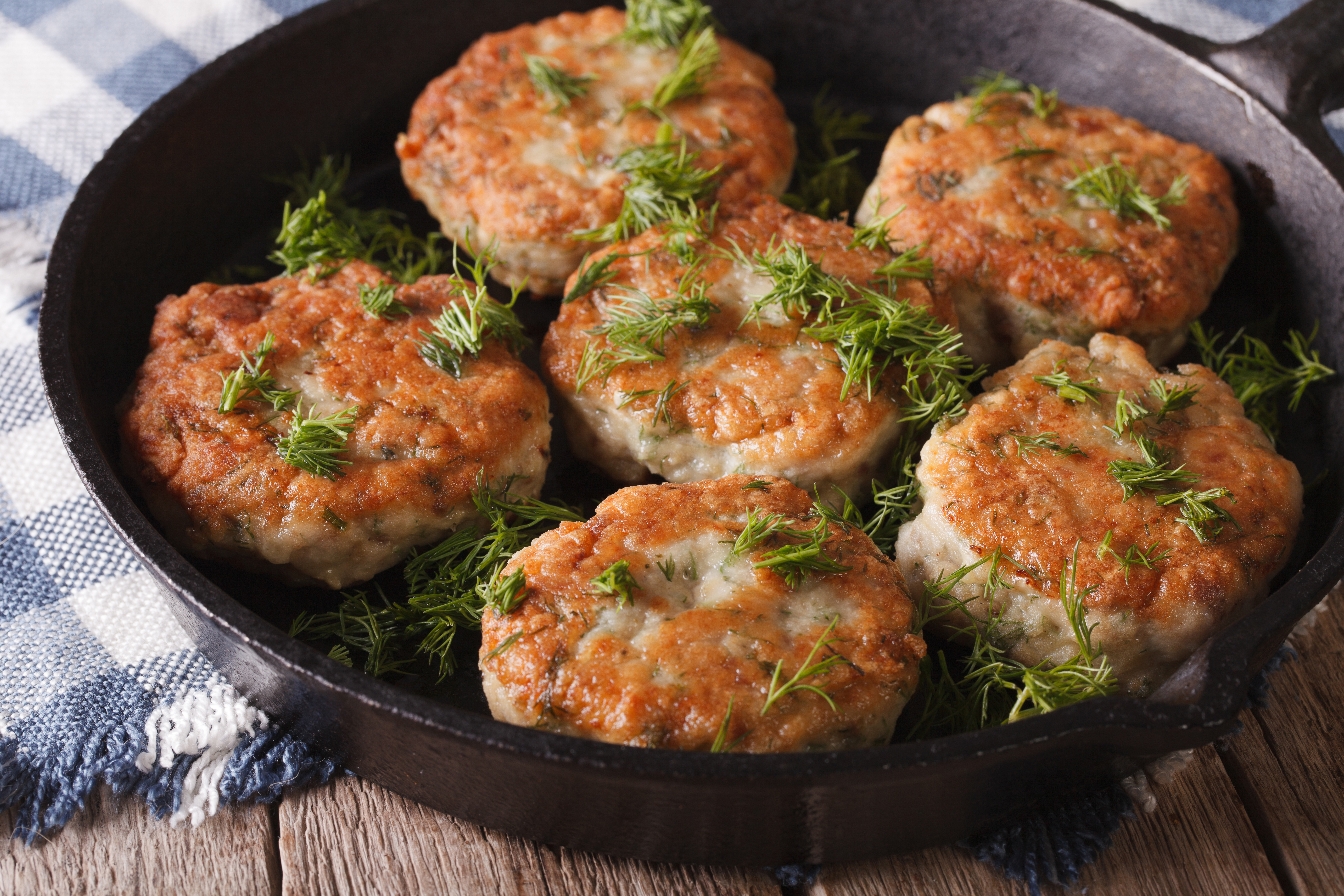
Delicious,Fish,Cakes,With,Dill,Closeup,In,A,Pan,OnMaryland Crab Cakes with Tartar Sauce

INGREDIENTS:

  • For the Crab Cakes:
    • 2 large eggs
    • 2-1/2 tablespoons mayonnaise, best quality such as Hellmann’s or Duke’s
    • 1-1/2 teaspoons Dijon mustard
    • 1 teaspoon Worcestershire sauce
    • 1 teaspoon Old Bay seasoning
    • 1/4 teaspoon salt
    • 1/4 cup finely diced celery, from one stalk
    • 2 tablespoons finely chopped fresh parsley
    • 1 pound lump crab meat (see note below)
    • 1/2 cup panko
    • Vegetable or canola oil, for cooking
  • For the Quick Tartar Sauce:
    • 1 cup mayonnaise, best quality such as Hellmann’s or Duke’s
    • 1-1/2 tablespoons sweet pickle relish
    • 1 teaspoon Dijon mustard
    • 1 tablespoon minced red onion
    • 1-2 tablespoons lemon juice, to taste
    • Salt and freshly ground black pepper, to taste

DIRECTIONS:

For the Crab Cakes:

  1. Line a baking sheet with aluminum foil for easy clean-up.
  2. Combine the eggs, mayonnaise, Dijon mustard, Worcestershire, Old Bay, salt, celery, and parsley in a large bowl and mix well. Add the crab meat (be sure to check the meat for any hard and sharp cartilage) and panko; using a rubber spatula, gently fold the mixture together until just combined, being careful not to shred the crab meat. Shape into 6 cakes (each about ½ cup) and place on the prepared baking sheet. Cover and refrigerate for at least 1 hour. This helps them set.
  3. Preheat a large nonstick pan over medium heat and coat with oil. When the oil is hot, place the crab cakes in the pan and cook until golden brown, 3 to 5 minutes per side. Be careful as oil may splatter. Serve the crab cakes warm with the tartar sauce.

For the Quick Tartar Sauce: In a small bowl, whisk together the mayonnaise, relish, mustard, onion, and lemon juice. Season with salt and pepper, to taste. Cover and chill until ready to serve.

Make-Ahead Instructions: The crab cakes can be formed, covered, and refrigerated a day ahead of time before cooking. The tartar sauce can be made and refrigerated up to 2 days in advance.

Note: If you can only find jumbo lump crab meat, you may need to break the pieces up a bit. If the clumps are too large, the crab cakes won’t hold together well.

© Recipe courtesy of Jenn Segal of Once Upon a Chef.

JANUARY WINE CLUB:

Rich WineStylesRaised-By-Wolves-777-Chardonnay-wine-bottleRaised by Wolves
777 Chardonnay
Piekenierskloof, South Africa

RICH WINE STYLE

The Cape is generally regarded as a hot viticultural region. Fortunately, there are some cool mesoclimates to be found close to the ocean or at higher altitudes. With high altitude generally comes a more continental climate, and so it is with this Piekenierskloof Chardonnay, grown between 700 and 800 meters above sea level on the Sandveld plateau bordering the Olifants river.

The 777 Chardonnay is whole bunch pressed, settled overnight without the use of enzymes, and then racked straight to barrel for uninoculated fermentation.

After maturing for 9 months in 228L Burgundian pieces, the Chardonnay was cleanly racked and bottled.

Appellation: Western Cape, Citrusdal Mountain, Olifants River Valley, Piekenierskloof Ward
Varietal:
100% Chardonnay
Analysis:
13.69% alcohol / volume

Residual Sugar: 2.1 g/L
VA:
0.54 g/L
pH:
3.33
TA:
5.3 g/L
SO₂:
13/72 ppm
Bottled: 8/10/2018
Grower:
Shelley Sandell

Raised by WolvesABOUT RAISED BY WOLVES:
Raised by Wolves is a project by Adam Mason, leading Wine Industry Specialist. Adam’s wines are produced in limited quantities, and are made from a selection of unique vineyards from his travels around the cape. He has showcased how interesting and rare the Cape’s vineyards can be; these small batch, experimental wines have transformed the Cape into one of the more dynamic regions in the world. 


Wine club logoJoin our WINE CLUB and enjoy these amazing wines and pairing recipes each month. Plus, you’ll receive 10% off all retail wine purchases!
Learn More >


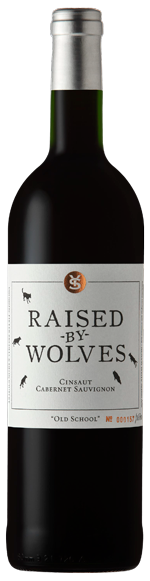
Raised by Wolves Old School Red Blend

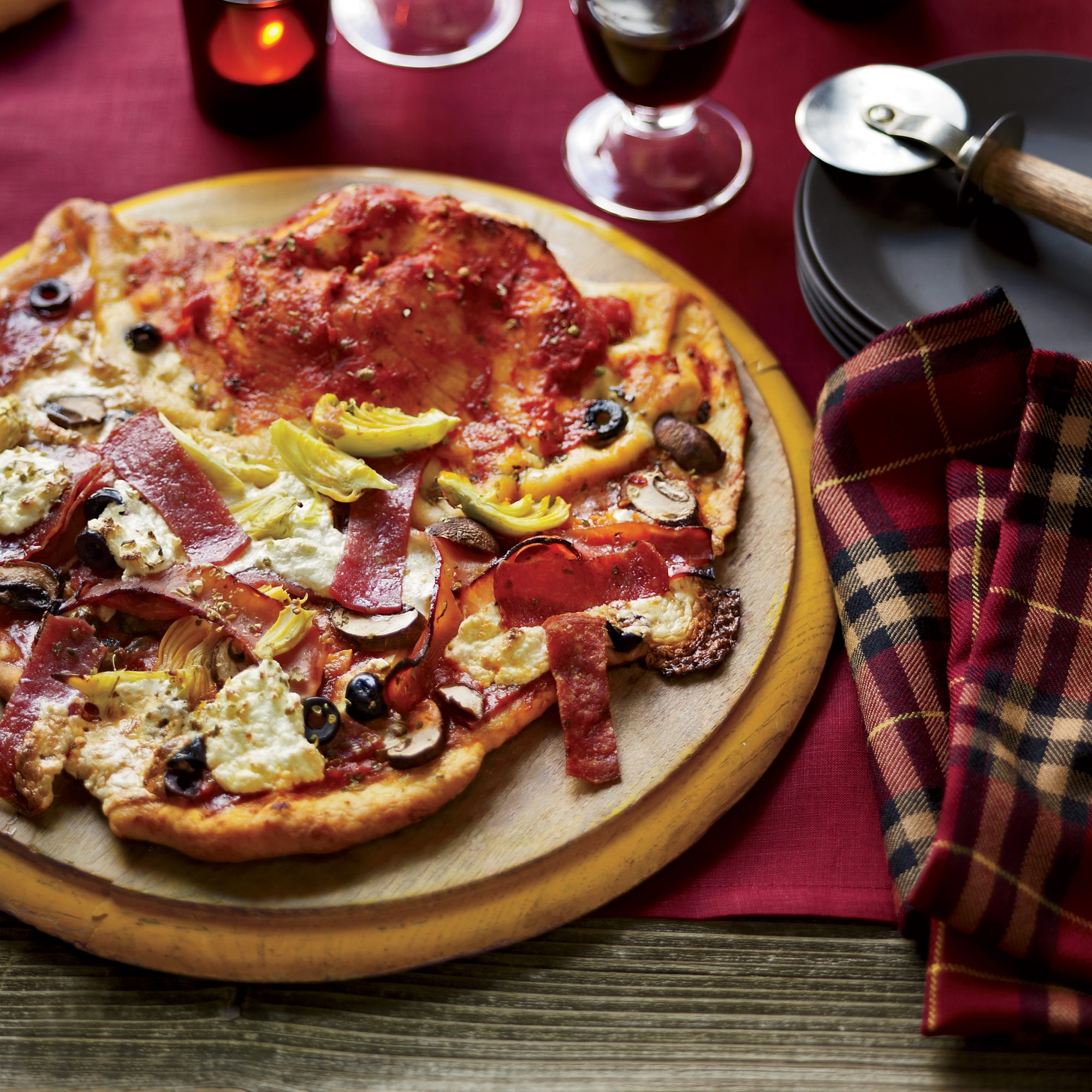
Pizza

Photo Credit: Copyright Anson Smart

Pizza Vesuvio with the Works

INGREDIENTS:

  • 1/2 cup frozen artichoke hearts, thawed, sliced
  • Extra-virgin olive oil
  • Salt and freshly ground pepper
  • 1/2 pound pizza dough, thawed if frozen
  • All-purpose flour, for dusting
  • 1/2 cup fresh ricotta (4 ounces)
  • 3/4 pound fresh mozzarella, cut into 1-inch cubes
  • 2 ounces thinly sliced baked ham, cut into 1-inch strips
  • 2 ounces salami, cut into 1-inch strips
  • 1/2 teaspoon dried oregano
  • 1/4 cup plus 2 tablespoons marinara sauce
  • 2 large cremini mushrooms, sliced 1/4 inch thick
  • 4 pitted olives, sliced 1/4 inch thick

DIRECTIONS:

  1. Set a pizza stone in the oven and preheat the oven to 500°. Let the stone heat for 30 minutes. In a bowl, lightly drizzle the artichoke hearts with oil. Season with salt and pepper.
  2. On a floured work surface, roll or stretch the pizza dough out to a 12-inch round, about 1/8 inch thick. Roll the edge on half of the pizza 1/16 inch thick. Generously flour a pizza peel. Transfer the dough to the peel and lightly brush with oil. Top the thinner side of the dough with half of the artichokes, mozzarella, ricotta, ham and salami, 3 inches from the edge. Sprinkle with half of the oregano and drizzle with 2 tablespoons of the marinara. Lift the 3-inch edge of dough over the filling and press to seal in the center of the round.
  3. Spread the remaining 1/4 cup of marinara over the dough, leaving a 1/2-inch border. Arrange the remaining artichoke hearts, mozzarella, ham and salami over the marinara. Spoon small dollops of ricotta over the toppings, then scatter the mushrooms and olives on top. Sprinkle with the remaining oregano.
  4. Slide the pizza onto the hot stone and bake for 8 to 10 minutes, until crisp and bubbling. Cut into wedges and serve.

© Recipe courtesy of Francis Ford Coppola from Food & Wine.

JANUARY WINE CLUB:

Bold wine Style logoRaised by Wolves Cinsaut Cabernet SauvignonRaised by Wolves
Old School
Cinsaut Cabernet Sauvignon
Stellenbosch, South Africa

BOLD WINE STYLE

Having enjoyed many old South African Cabernet Sauvignons from the 1960’s and 1970’s, Adam Mason was enthralled to discover that many of these old gems contained far greater percentages of Cinsaut than Cabernet Sauvignon, reflecting the actual plantings of both varieties at the time. Using possibly the oldest producing Cinsaut vineyard in Stellenbosch (planted in 1965) and Bonniemile Cabernet planted in the 1980’s, Adam attempted to pay homage to this uniquely South African story. Vinification of both varieties was carried out in separate concrete ‘kuipe’ before transferring to barrels for 18 months maturation.

Appellation: Stellenbosch, South Africa
Varietal: 2/3 Rustenhof Cinsaut, 1/3 Bonniemile Cabernet Sauvignon
Analysis:
12.81% alcohol / volume
Residual Sugar: 1.8 g/L
VA:
0.79 g/L
pH:
3.66
TA:
5.3 g/L
SO₂:
5/65 ppm
Bottled: 10/18/2019
Growers:

  • Rustenhof: Pieter Bredell
  • Bonniemile: Deon Joubert

Raised by WolvesABOUT RAISED BY WOLVES:
Raised by Wolves offers exceptional wines with excellent values. Made as a project by Wine Industry Specialist, Adam Mason, Adam says the name is a parody of the constant one-upmanship between winemakers. He mocks other winemakers’ statements of ‘my wine is single vineyard!’, or ‘Yeah, well my wine is naturally fermented…’, and ‘Oh yeah, well my wine is hand sorted by berry.’, by saying “My wines are all of the above, and I was raised by wolves.” – Adam Mason. Adam’s wines are produced in limited quantities, and are made from a selection of unique vineyards from his travels around the Cape, showcasing how interesting and rare the Cape’s vineyards can be. 


Wine club logoJoin our WINE CLUB and enjoy these amazing wines and pairing recipes each month. Plus, you’ll receive 10% off all retail wine purchases!

Learn More >


January Wine Club Pairing Recipe

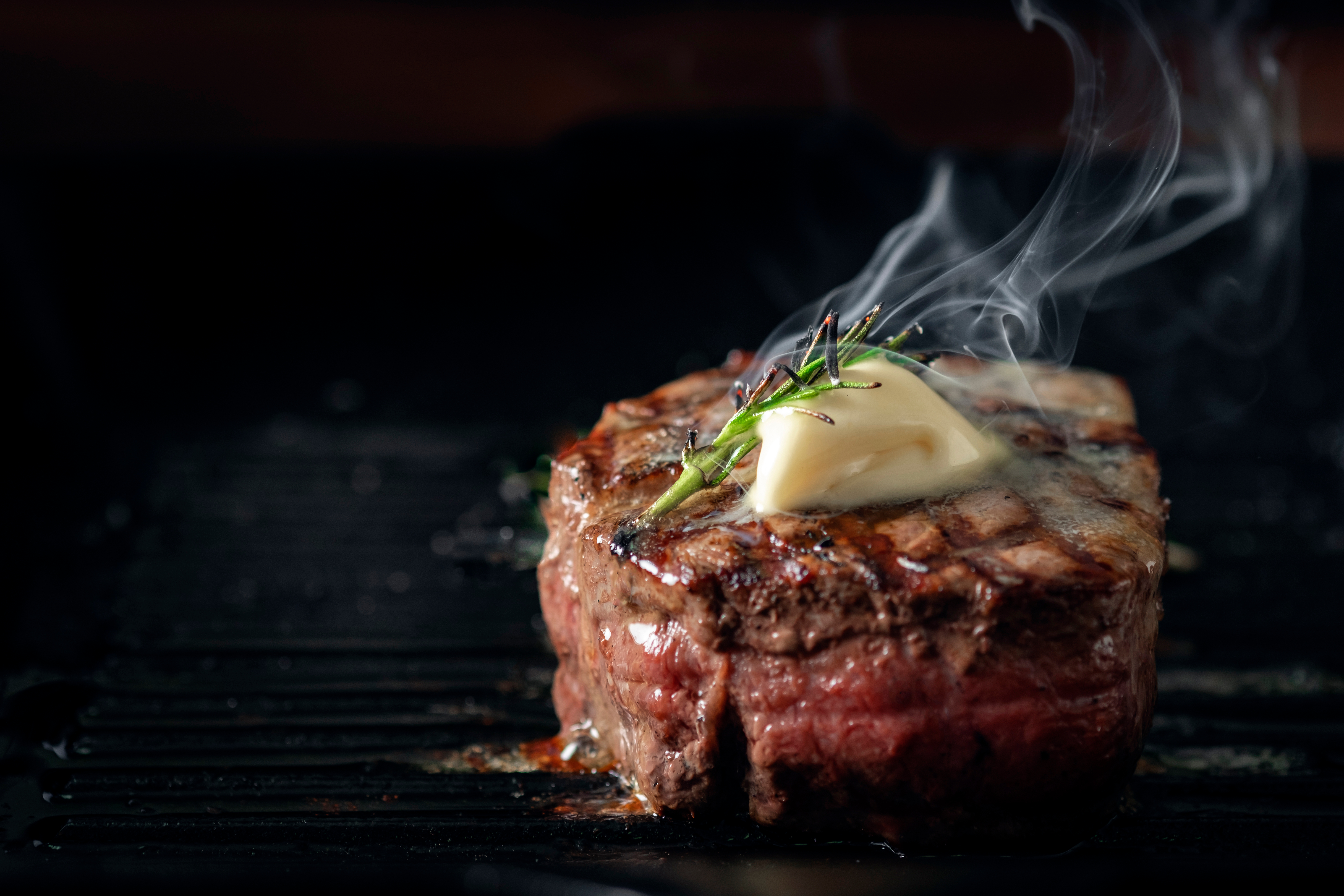
Filet MignonPan-Seared Filet Mignon

INGREDIENTS:

  • 4 (10 ounce) thick tenderloin beef fillets (roughly 2 inches thick)
  • 2–3 tablespoons butter
  • salt and pepper to taste
  • Garlic & Herb Butter
    • ½ stick of butter
    • 1 tablespoon chopped fresh rosemary
    • 1 tablespoon chopped fresh tarragon
    • ½ tablespoon minced garlic

DIRECTIONS:

  • FOR THE HERB BUTTER:
    • Soften the butter in a microwave safe bowl until malleable, 10-15 seconds. Stir in herbs and garlic until fully mixed. Spoon the butter onto tin foil doing your best to reshape it to resemble a stick of butter. Place in refrigerator for about 10 minutes and remove 5 minutes before adding to the filet.
  • FOR THE FILLETS:
    • Preheat the oven to 415° F. Remove steak from the fridge 30 minutes before cooking, this is to bring the steak to room temperature and ensure your cooking times are more accurate. Season both sides generously with salt and pepper.
    • Add the plain butter to an oven safe cast iron skillet and turn up high, allow the skillet to become scorching hot first. Place the fillets face down and sear undisturbed for 2 minutes. Flip the fillets and sear for an additional 2 minutes. This will give your fillets a nice seared edge.
    • Transfer your skillet directly to the oven. [WARNING] skillet may be hot, handle with oven mitts. For rare, bake for 4 minutes. Medium rare, 5-6 minutes. Medium, 6-7 minutes. Medium well, 8-9 minutes. Remember, depending on the size of the steak, the more or less time it will take. This recipe is ideal for a 8-10 ounce portion, roughly 2-3 inches thick. Remove fillets from the skillet and set on a plate, lightly cover with tin foil and let sit for 5 minutes before serving. This is important to bring your steak to its final serving temperature. Top with a slice of garlic and herb butter and serve.

© Recipe courtesy of Shawn Williams from Kitchen Swagger.

JANUARY WINE CLUB:

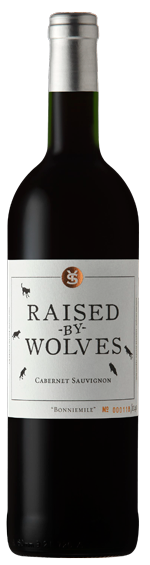
Raised-By-Wolves-Bonniemile-Cabernet-Sauvignon-wine-bottleBold wine Style logoRaised by Wolves
Bonniemile Cabernet Sauvignon

Stellenbosch, South Africa

BOLD WINE STYLE

The Bonniemile road provides access to agricultural smallholdings just south of Stellenbosch off the Polkadraai road. Established in 1986, this block of Cabernet Sauvignon occupies 0.89 hectares of land, and is planted to just 3100 vines.

The soil is typical of the area, being rich in ironstone laterites overlaying a heavy clay bank. It’s great terrain for Cabernet Sauvignon.

Vinified in traditional open-topped concrete fermentation tanks and left on skins for 14 days before pressing off, it then matured in neutral 300L hogsheads for 18 months before bottling.

Varietal: 100% Cabernet Sauvignon
Analysis:
13.09% alcohol / volume
Residual Sugar:
1.7 g/L
VA:
0.64 g/L
pH:
3.74
TA:
5.3 g/L
SO₂:
6/49 ppm

Bottled: 10/19/2018
Grower:
Deon Joubert
 
Raised by Wolves
ABOUT RAISED BY WOLVES:
Raised by Wolves is a project by Wine Industry Specialist, Adam Mason. Adam says the name came to mock the one-upmanship between winemakers, explaining his wines are all naturally fermented, single vineyard, and hand sorted but yet he was “raised by wolves”. His wines are produced in limited quantities, and are made from a selection of unique vineyards from his travels around the cape, showcasing how interesting and rare the Cape’s vineyards can be. Adam’s work with small batch, experimental wines has transformed the Cape into one of the more dynamic regions in the world. 
 

Wine club logoJoin our WINE CLUB and enjoy these amazing wines and pairing recipes each month. Plus, you’ll receive 10% off all retail wine purchases!

Learn about our Memberships >


May Premium Wine Club

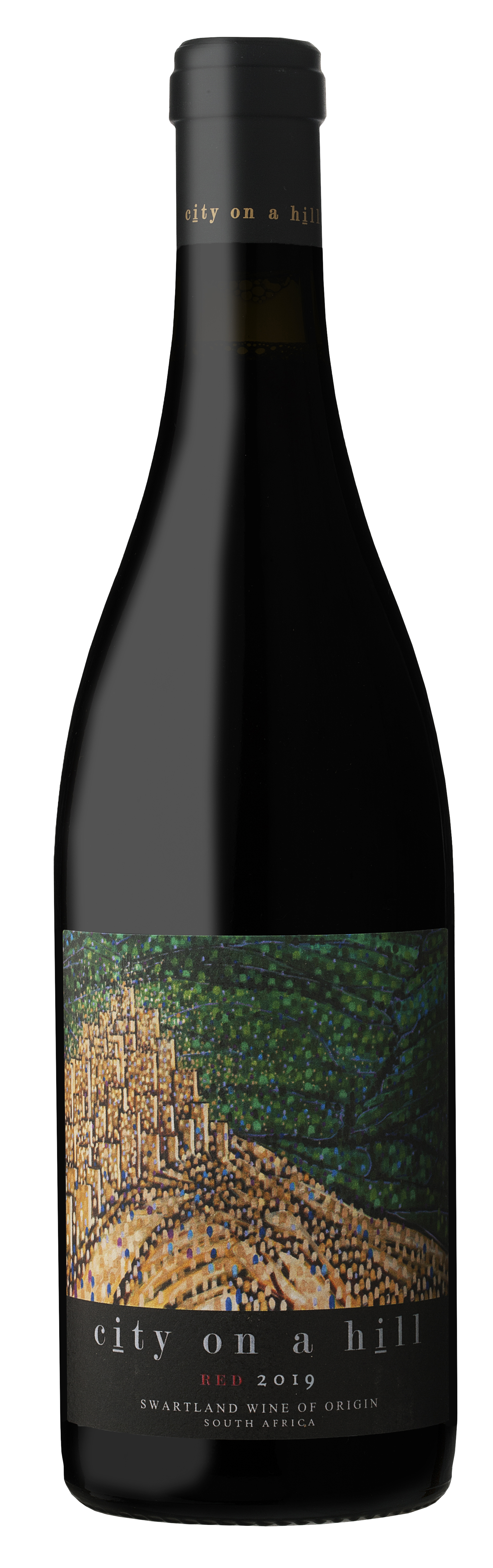
City-on-hill-red-blendCity on a Hill Wine Company
Red Blend
Swartland, South Africa

Bold wine Style logoBOLD WINE STYLE

The second of their “canvas wines” and the second vintage of this wine, City on a Hill Wine Co. used three varieties stretched across five vineyards. This wine remains the winery’s main focus in terms of red wine and this blend continues to grow in vineyards and varieties as they stretch their reach further across Swartland. The Red Blend has great structure, showing red and black fruit with their trademark Swartland fynbos and olive notes. Syrah dominates this blend followed by Tinta Barocca, and Cinsault.

Analysis: 13.5% alcohol / volume
Varietals: Syrah, Tinta Barocca, and Cinsault
RS: 1.9 g/L
TA:
5.2 g/L
pH:
3.65
Fermentation: Native Yeasts – 75% whole bunch
Vessels: Old 500 liter oak barrels
Year of Planting: 1968-1990’s
Soil Type: Decomposed granite, schist, & clay
Cultivation: Bush vines & trellised vineyards

ABOUT CITY ON A HILL WINE CO.:
City on a Hill Wine Company was started with one goal in mind: to make wine with freedom to explore and engage the vast terroirs and people that make up this beautiful region. The team was drawn to the rustic traits of the Swartland in the South Western part of South Africa – a location where you will rarely find landscaped vineyards or shiny farm gates, but rather an unforgiving landscape and people of the soil. The climate is hot and dry, and the conditions are becoming very extreme to farm in. Herein lies the beauty of the Swartland: a mix of old dry-land bush vines planted by previous generations, complimented by younger plantings of newer and experimental varieties, planted by this generation for the generations to come. City on a Hill Wine Co. has grown their offering to six wines. A lot of effort goes in to ensure constant improvement in all areas of grape growing and vinification. This is a lifelong task and something that the next generation will benefit from.


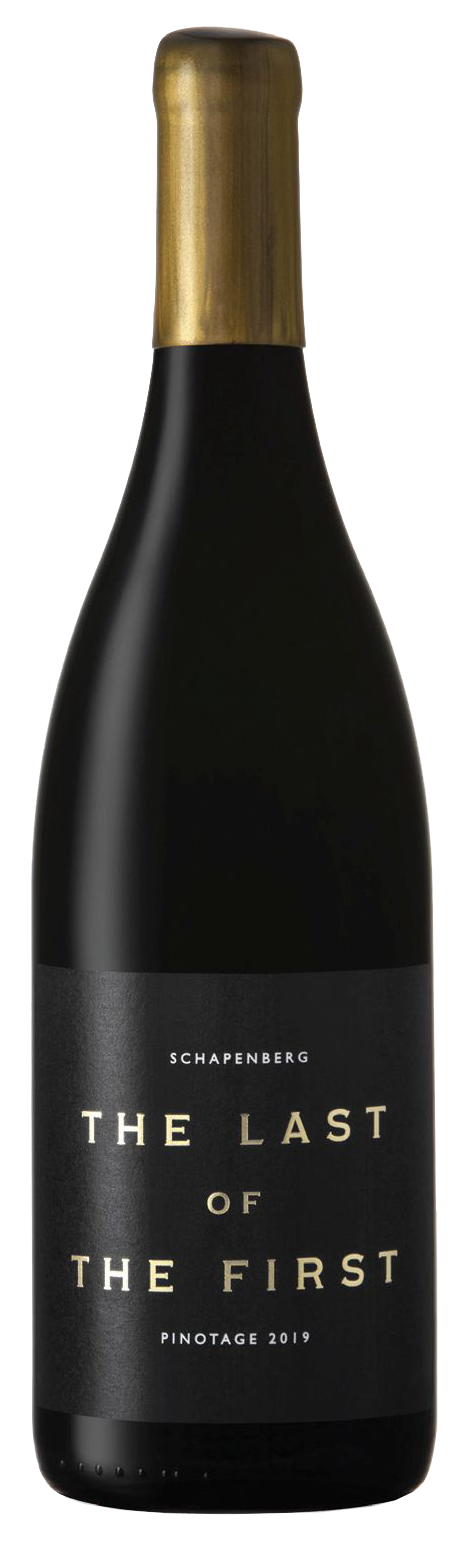
Last-of-the-First-WineFalse Bay Vineyards
Last of the First
Stellenbosch, South Africa

Bold wine Style logoBOLD WINE STYLE

Professor Perold’s creation, Pinotage, was propagated at Elsenburg College in 1935. In 1941 Myrtle Grove on the Schapenberg was chosen for the first commercial plantings. Today only one block remains on the Schapenberg — The Last of The First.

Completely different in style to inland Pinotage. The Last of The First is elegant, perfumed, graceful. It is luminescent dark cherry in color with earthy smells of lifted mulberry and damson plums. The taste is balanced with finely integrated tannins threading through from start to finish. It highlights morello cherry with a touch of earthiness. Drink now and over the next decade. Serve at 59ºF – pairs beautifully with duck.

Region: Schapenberg (W.O. Stellenbosch)
Varietal: Pinotage

Analysis: 13% alcohol / volume
RS: 1.5 g/L
TA:
4.9 g/L
Total SO2: 85 mg/l
Production: 1549 bottles

REGISTERED SINGLE VINEYARD:
A small and singular parcel of mature 1994 planted Bush Vine Pinotage measuring 1.3 hectares. This block is the last Pinotage grown on the ocean facing slopes of the Schapenberg, where the original commercial plantings of Pinotage took place. This rare little block is on a cooler, elevated south-facing slope, just 2.5 miles from False Bay. Due to the effect of incessant wind and the application of organic farming practices, the berry-size and yield is also tiny at just over 3 tons/ha or 20 hl/ha. The up-side, however, is healthy grapes with excellent balanced concentration. Good things really do come in small packages.

WINEMAKING:
Grapes are handpicked, sorted and fermented whole bunch with wild yeasts in a small open top oak fermenter, using regular, manual-punch downs during the fermentation process. The wine is left on the skins and stems for 31 days, then is pressed off in a basket press before being transferred to three old 600 liter barrels. Here, the wine goes through a maturation period of 16 months before bottling without fining with only the lightest of filtrations.

ABOUT THE WINERY:
Named after South Africa’s most iconic bay, which frames much of the country’s premium wine-lands, False Bay Vineyards, was born from a desire to make ‘real’ wine affordable. It is a sister company to Waterkloof Winery. In 1994, well before Waterkloof was founded, Paul Boutinot came to the Western Cape to seek grapes from balanced, yet under-appreciated vineyards. These vineyards would soon be lost to large co-operative blends that were dominating South Africa’s wine industry at that time. Paul transformed these Cape gems into wines with minimum intervention – something unusual for the time. He chose to organically farm using wild yeast ferments and no acid additions. Today, ingredients remain the same using beautiful coastal fruit, old vines, wild yeasts and additions avoided. Learn more here.

Wine club logoJoin our PREMIUM WINE CLUB, enjoy amazing wines every other month. Plus, you’ll receive 10% off all retail wine purchases!

Learn more about our Premium Club >


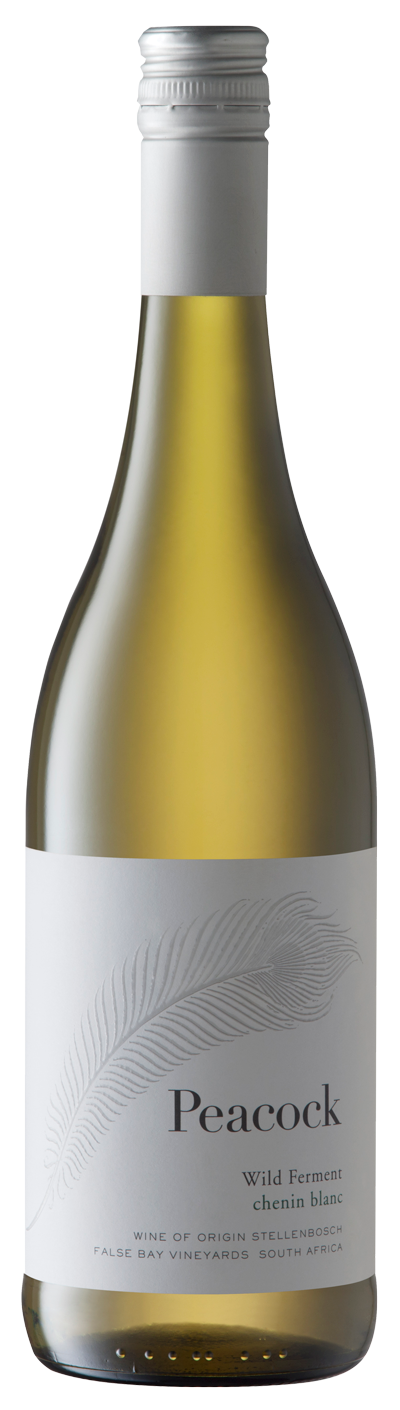
Peacock Wild Fernet Chenin Blanc

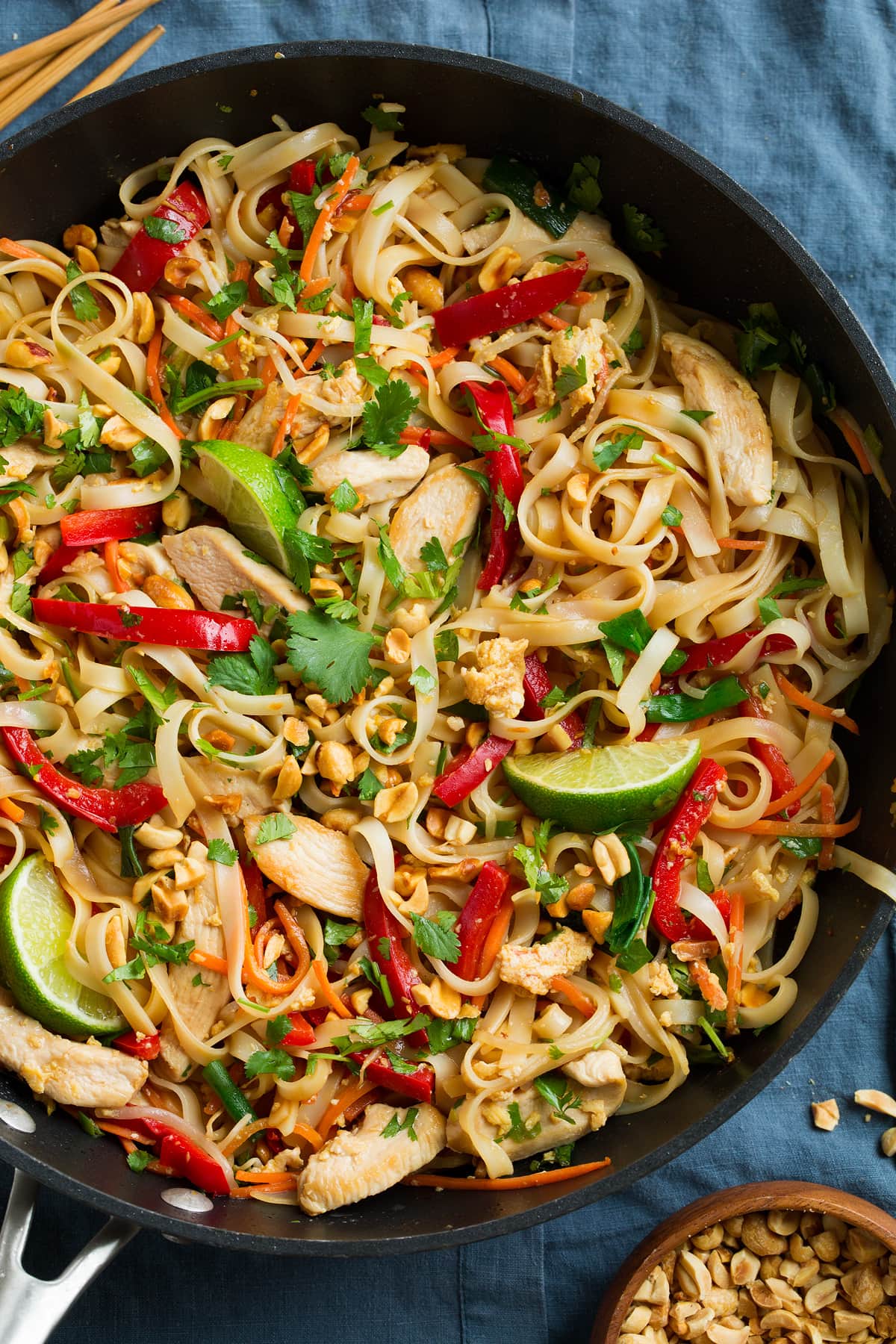
pad-thai-3

© Photo by Cooking Classy

Pad Thai (with Chicken or Shrimp)

INGREDIENTS:

  • 10 oz Thai Rice Noodles
  • 1 lb. boneless skinless chicken breasts, sliced into small strips, or 1 lb extra large shrimp, peeled and deveined
  • 2 tbsp vegetable oil
  • ¼ cup packed dark-brown sugar
  • ¼ cup soy sauce
  • 2 tbsp rice vinegar
  • 1 tbsp lime juice
  • 1 tbsp fish sauce
  • 1 red bell pepper, sliced into thin strips and strips halved
  • 1 ½ cups matchstick carrots
  • 2 cloves garlic
  • 5 green onions, whites minced, greens sliced into 1-inch pieces
  • 2 cups bean sprouts
  • 3 large eggs
  • ½ cup unsalted peanuts, chopped
  • 1/3 cup cilantro, chopped
  • red pepper flakes and sesame seeds (optional)

DIRECTIONS:

  1. Prepare rice noodles according to directions listed on package. In a mixing bowl, whisk together brown sugar, soy sauce, rice vinegar, lime juice and fish sauce, set aside.
  2. While noodles are cooking, heat oil in a wok or a 12-inch deep sauté pan set over medium-high heat. Add chicken and sauté until cooked through, about 6 minutes. If using shrimp cook about 1 ½ minutes per side or until opaque.
  3. Transfer to a plate, leaving oil in pan. Add bell pepper and carrots sauté 1 – 2 minutes then add garlic, green onions and bean sprouts sauté 1 minute longer. 
  4. Push veggies to edges of pan and crack eggs into center. Cook and scramble until eggs have cooked through. Add in chicken, noodles and sauce and toss everything together and cook 1 – 2 minutes.
  5. Serve warm topped with cilantro, peanuts and optional red pepper flakes and sesame seeds.

© Recipe courtesy of Cooking Classy.

MAY WINE CLUB:

Silky stylePeacock_cheninNVFalse Bay Vineyards
Peacock Wild Ferment Chenin Blanc
Stellenbosch, South Africa

SILKY WINE STYLE

Aromas of peach, lime and green apple on the nose. These elegant flavors carry through onto the palate with a lovely freshness and a long, elegant finish. Enjoy this wine with a variety of dishes, including seafood, chicken risottos and Thai cuisine.

Varietal: 100% Chenin Blanc
Analysis:
13% alcohol / volume

TA: 4.8 g/l
pH:
3.5
RS:
2.5 g/l

“Chenin Blanc is regarded as the workhorse of the South African wine industry. It produces the bulk of our generic white wines. There are, however, some gems lurking amidst the flurry of Chenin blanc vineyards. Our goal is to identify these gems and allow them to be expressed in our Peacock Wild Ferment Chenin Blanc. Our Peacock Wild Ferment Chenin Blanc grapes stem from the Helderberg ward on the coastal outskirts of Stellenbosch (the home of Waterkloof). Over time, these old bush-vine vineyards (20—50 years old), planted in Chenin friendly soils, have found their natural balance and it definitely shows in the wine.” – False Bay Vineyards

HARVEST AND PRODUCTION:
False Bay Vineyards follows a minimal intervention winemaking philosophy. Their grapes are tasted at regular intervals to ensure optimal taste and ripeness level. The grapes are hand-harvested and whole bunch pressed in a modern basket press. Wine undergoes natural clarification over a 24 hour period, without any added enzymes or settling agents. From here, the juice is fermented in stainless steel, concrete eggs and 600L old barrels with “wild yeasts” driven from the grapes; this process allows the flavors of the vineyard to be expressed in the wine. Due to the natural balance of the grapes, no additional tartaric acids are needed. The wine is fermented for about three months and then it is left on the secondary lees for another month before bottling.

ABOUT FALSE BAY VINEYARDS:
Waterkloof Winery’s sister company, False Bay Vineyards, produces two collections: the earlier drinking, yet refined Peacock Wild Ferment range, named after the brightly plumed birds conspicuous in and around Waterkloof’s vineyards and the False Bay wine range of easy-drinking yet quality driven wines. Named after South Africa’s most iconic bay, which frames much of the country’s premium wine-lands, False Bay Vineyards, was born from a desire to make ‘real’ wine affordable. Learn more about False Bay Vineyards here.

Wine club logoJoin our WINE CLUB and enjoy these amazing wines and pairing recipes each month. Plus, you’ll receive 10% off all retail wine purchases!

Learn More >


Peacock Wild Ferment Cabernet Sauvignon

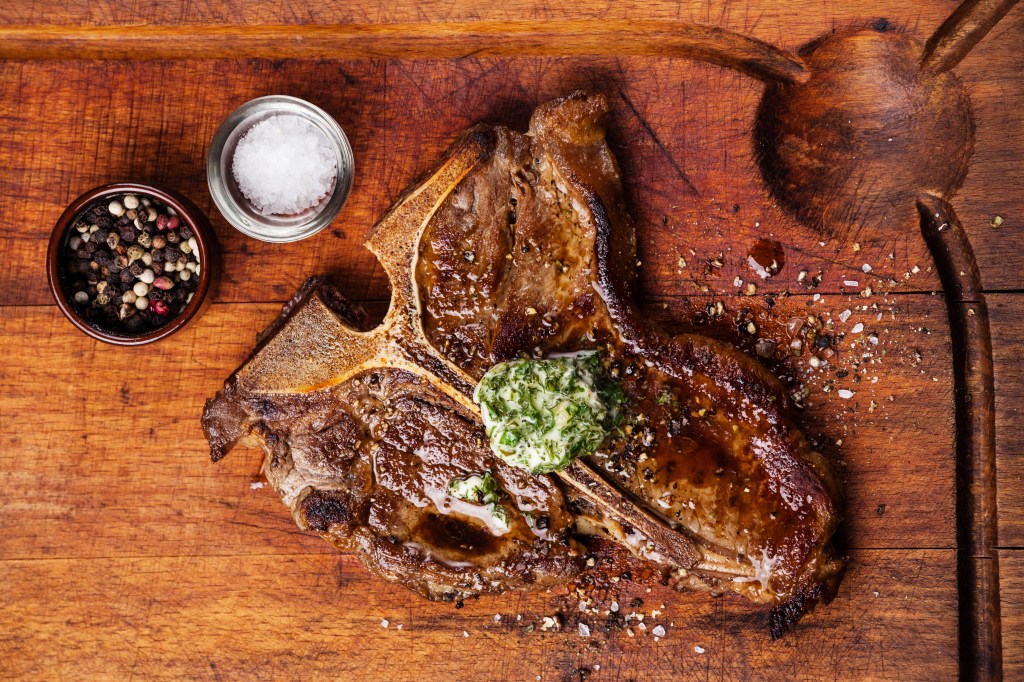
Grilled Steak

© Photo by Steve Giralt

Perfectly Grilled Steak

INGREDIENTS:

  • 4 1 1/4-to-1 1/2-inch-thick boneless rib-eye or New York strip steaks (about 12 ounces each) or filets mignons (8 to 10 ounces each), trimmed
  • 2 tablespoons canola or extra-virgin olive oil
  • Kosher salt and freshly ground pepper

DIRECTIONS:

  1. About 20 minutes before grilling, remove the steaks from the refrigerator and let sit, covered, at room temperature.
  2. Heat your grill to high. Brush the steaks on both sides with oil and season liberally with salt and pepper. Place the steaks on the grill and cook until golden brown and slightly charred, 4 to 5 minutes. Turn the steaks over and continue to grill 3 to 5 minutes for medium-rare (an internal temperature of 135°F), 5 to 7 minutes for medium (140°F) or 8 to 10 minutes for medium-well (150°F).
  3. Transfer the steaks to a cutting board or platter, tent loosely with foil and let rest 5 minutes before slicing.

© Recipe courtesy of Bobby Flay for Food Network Magazine.

MAY WINE CLUB:

Bold wine Style logoPeacock_CABSAVNV (1)False Bay Vineyards
Peacock Wild Ferment Cabernet Sauvignon

Stellenbosch, South Africa

BOLD WINE STYLE

A wine that portrays typical varietal character along with a lot of elegance and accessibility. On the nose you can enjoy subtle red berries, a hint of chocolate and green spices. The palate has a lifted freshness and soft tannins which are well integrated- the fruit also carries through well to the aftertaste. It’s great enjoyed on its own, but also pairs well with a variety of dishes ranging from a simple tomato-based pasta dish to a juicy sirloin steak.

Varietal: 100% Cabernet Sauvignon
Analysis:
13.4% alcohol / volume
TA: 6.3 g/l
pH:
3.46
RS:
2.6 g/l

“Cabernet Sauvignon has always been seen as a big, bold and very tannic wine…the king of the reds. It is traditionally marketed as a wine to keep for at least three years before even thinking of opening a bottle. But at Waterkloof we believe it does not necessarily have to be big and gutsy to make an impression. We look for vineyard sites that are able to produce wines with notable elegance and freshness, allied with a fine texture.” – False Bay Vineyards

HARVEST AND PRODUCTION:
The grapes for our Peacock Wild Ferment Cabernet Sauvignon are sourced from the cooler slopes of the Helderberg ward on the coastal outreaches of Stellenbosch. Deep red soils provide moisture and nutrients, which give this Cabernet its supple, dark berry character. This cooler area also allows a longer ripening period, which imparts balanced flavors and elegant tannins to this red varietal. False Bay Vineyards use very minimal intervention during their winemaking process. The grapes are tasted regularly to determine the optimal ripeness and taste. Wines are hand-harvested after the grapes are de-stemmed. The juice is naturally fermented using “wild yeasts”, allowing for the flavors of the vineyard to be further expressed in the bottle. The skins are juice are mixed using two punch-downs or two pump-overs per day. The wine is aged in older 225L barrels for 9 months, after which it underwent a light filtration and a small dosage of sulphur is added before finally bottled. No other additions such as tartaric acid or enzymes were added.

ABOUT FALSE BAY VINEYARDS:
Named after South Africa’s most iconic bay, which frames much of the country’s premium wine-lands, False Bay Vineyards, was born from a desire to make ‘real’ wine affordable. The sister company of Waterkloof Winery, False Bay Vineyards, produces two collections: the earlier drinking, yet refined Peacock Wild Ferment range, named after the brightly plumed birds conspicuous in and around Waterkloof’s vineyards and the False Bay wine range of easy-drinking yet quality driven wines. Learn more about False Bay Vineyards here.

Wine club logoJoin our WINE CLUB and enjoy these amazing wines and pairing recipes each month. Plus, you’ll receive 10% off all retail wine purchases!

Learn More >

May Wine Club Pairing Recipe

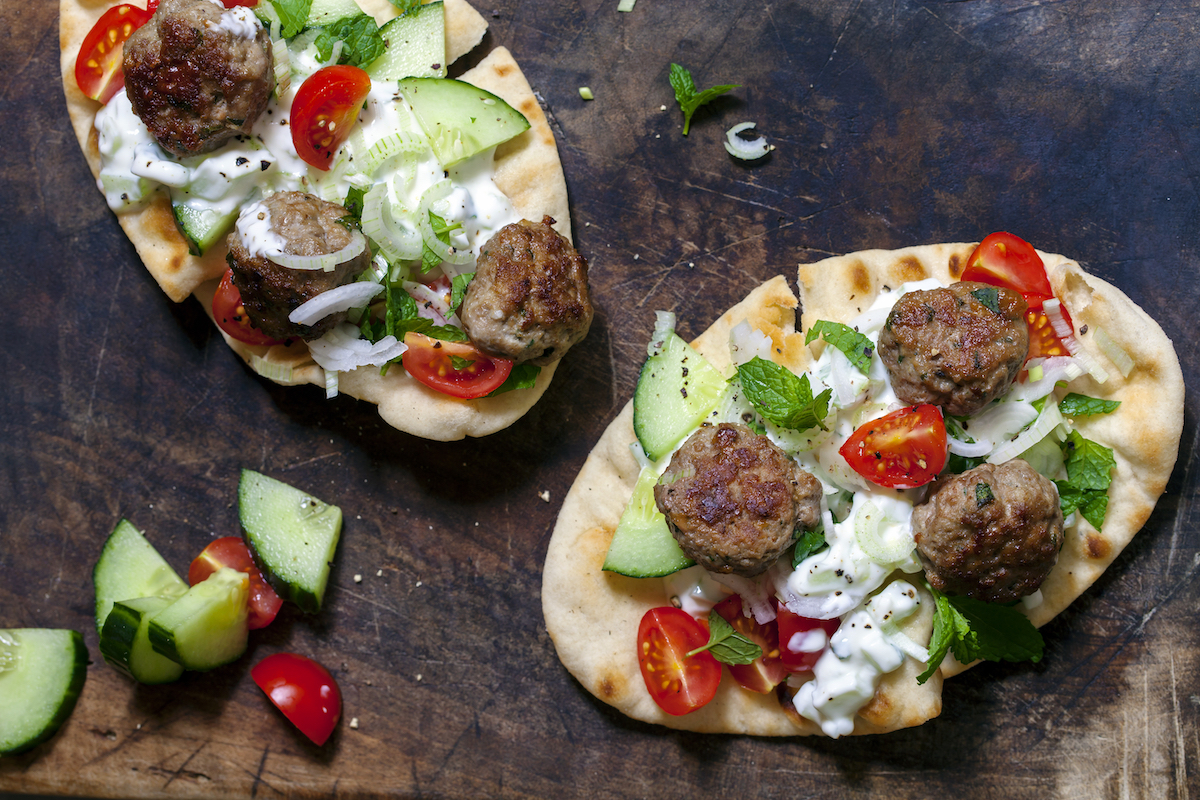
Lamb Chops Sizzled with Garlic

INGREDIENTS:

  • 8 1/2-inch-thick lamb loin chops (about 2 pounds fatty tips trimmed)
  • salt and freshly ground pepper
  • dried thyme
  • 3 tablespoons extra-virgin olive oil
  • 10 small garlic cloves (halved)
  • 3 tablespoons water
  • 2 tablespoons fresh lemon juice
  • 2 tablespoons minced parsley
  • crushed red pepper

DIRECTIONS:

  1. Season the lamb with salt and pepper and sprinkle lightly with thyme. In a very large skillet, heat the olive oil until shimmering. Add the lamb chops and garlic and cook over moderately high heat until the chops are browned on the bottom, about 3 minutes. Turn the chops and garlic and cook until the chops are browned, about 2 minutes longer for medium meat. Transfer the chops to plates, leaving the garlic in the skillet.
  2. Add the water, lemon juice, parsley and crushed red pepper to the pan and cook, scraping up any browned bits stuck to the bottom, until sizzling, about 1 minute. Pour the garlic and pan sauce over the lamb chops and serve immediately.

© Recipe courtesy of Janet Mendel from Food and Wine.

MAY WINE CLUB:

Bold wine Style logoCircle-of-Life-RedWaterkloof
Circle of Life Red

Stellenbosch, South Africa

BOLD WINE STYLE

A perfectly integrated blend with great length, combining the spiciness of the Syrah, the fresh fruits of the Petit Verdot and juiciness from the Merlot. The introduction is fresh and fruity with good acidity, evolving into riper flavors and herbaceous notes, and with elegant tannins and light acids on the finish. It is very versatile and will complement numerous dishes, but the winery recommends enjoying it with a hearty piece of lamb.
 
Varietal: 26% Syrah, 24% Merlot, 26% Petit Verdot and 24% Cabernet Franc
Analysis: 13-14% alcohol / volume
pH: 3.52
TA: 5.2 g/l
VA: 0.7
Residual Sugar: 2.3
Production:
17,400 bottles produced
 

Circle of Life tells the story of Waterkloof: A once conventionally farmed vineyard with great potential, that – since Paul Boutinot took over the property – has been transformed into a living, breathing organic and biodynamic vineyard by Farm Manager Christiaan Loots and his team. Waterkloof winery strives to produce distinctive, yet balanced wines using traditional, organic and biodynamic methods. They work with nature, not against it. Chickens, sheep and work-horses have unique and integral parts within the vineyard. Their soils are free of chemicals, and instead are kept healthy using plant extracts, fungi and bacteria from their own organic compost. The winery continuously works to understand their vineyards to harness the individual characteristics of each vineyard block. Waterkloof’s objective with Circle of Life was to produce two blends that encapsulate all the varying terroir characteristics and grape varietals found on Waterkloof.

HARVEST AND PRODUCTION:
All grapes are hand-picked and sorted in the vineyards, then brought to their cellars by their work-horses. The grapes are then hand-sorted again at the winery to ensure only the best berries are being used. The sorted grapes are then placed into wooden fermenters using their gravity system. This fermentation process starts naturally with yeast present on the grapes to enhance the flavors from the vineyards. Throughout the fermentation process, the winery performs soft punch downs twice a day to gently and slowly extract the tannins. The wines will spend around 30 days on the skins – give or take depending on taste. After the maceration time on the skins, the wine is ran down using gravity, no pumping is incorporated. The grape skins also fall through into the basket press and are softly pressed to gently extract every last bit of wine, aroma and color. The varietals are then aged separately in French oak for about 18 months. After the aging process, Waterkloof blends the Syrah (26%), Merlot (24%), Petit Verdot (26%), and Cabernet Franc (24%) together, then keeps in wooden fermenters for another 9 months. This wine is unfined and gently filtered.

ABOUT WATERKLOOF:
In 1993 Paul Boutinot commenced his search for a vineyard site with the potential to produce truly fine wine with a defining sense of origin. The classic areas, capable of growing naturally balanced grapes such as the Cote d’Or, Chablis, Paulliac, Barolo, etc. were either unavailable or unattainable (rich men’s toys), so he had to find a new classic. It took ten years to narrow the search down to a small area on the south-facing slopes of the Schapenberg, overlooking False Bay in the Cape. As soon as he was led up a steep ravine opening out into a hidden amphitheater of potential, all his experience and intuition told him: ‘THIS IS IT!’ Just like that, Waterkloof was born, and the hard work began. Learn more about the history of Waterkloof here.

Wine club logoJoin our WINE CLUB and enjoy these amazing wines and pairing recipes each month. Plus, you’ll receive 10% off all retail wine purchases!
Learn about our Memberships >


Winery Spotlight Series: Virtual Tasting with Winemakers of South Africa

Savory Sips of South Africa

Virtual Tasting on Zoom and Facebook LIVE

Waterkloof Wine Estate
Hermanuspietersfontein (HPF) Wines
Benguela Cove Lagoon Wine Estate
Brew Cru

Wednesday, September 16, 2020
6:00pm CST / 7:00pm EST

Zoom logo

RSVP at your local WineStyles and get a front row seat on Zoom! 

Join us for this special Winery Spotlight tasting event online, featuring the four winemakers of our September Wine Club wines from South Africa.  To find your nearest WineStyles, click here.

Nadia Langenegger, Winemaker of Waterkloof Wine Estate
Wilhelm Piennar, Winemaker of HPF Wines
Johann Fourie, Head Winemaker of Benguela Cove Lagoon Wine Estate
Bertus Fourie, Winemaker of Brew Cru

These incredible winemakers will be tasting through the following wines during our zoom event:

South Africa Wineries

September Wine Club Wines

ABOUT THE WINERIES AND THEIR WINEMAKERS:

Waterkloof Wine Estate:

In 1993 Paul Boutinot commenced his search for a vineyard site with the potential to produce truly fine wine with a defining sense of origin. The classic areas, capable of growing naturally balanced grapes such as the Cote d’Or, Chablis, Paulliac, Barolo, etc. were either unavailable or unattainable (rich men’s toys), so he had to find a new classic. It took ten years to narrow the search down to a small area on the south-facing slopes of the Schapenberg, overlooking False Bay in the Cape. As soon as he was led up a steep ravine opening out into a hidden amphitheater of potential, all his experience and intuition told him: THIS IS IT! Waterkloof was born, and the hard work began.

Nadia Langenegger of Waterkloof Winery

Winemaker Nadia Langenegger


Meet the Winemaker:
Nadia Langenegger grew up in Somerset West in the Western Cape of South Africa. After graduating with a degree in Viticulture and Oenology from the University of Stellenbosch, she completed her first student harvest at Flagstone in South Africa, then went on to harvest in Australia, France, and New Zealand. At the end of 2008, she joined the Waterkloof team as assistant wine maker to Werner Engelbrecht; in 2013 she was appointed as Winemaker, when Werner left Waterkloof.

Hermanuspietersfontein (HPF) Wines:

In the early 1800’s farmers imported a teacher named Hermanus Pieters to teach their children Dutch, the forerunner of Afrikaans. He would be paid in sheep which he grazed at a fountain under the Milkwood trees near the sea. The spot soon became known as Hermanus Pieter’s Fountein (HPF).  In 1855, the village was named after him – Hermanuspietersfontein.  Fast forward 100 years later, a wine cellar baring his name is the longest Afrikaans name for a cellar in the world and using Afrikaans-only wine names.  Operationally, their 350-ton urban winery combines European mindset and gravity concept to minimize handling and intervention in the winemaking process. “Good earth makes better wine” is HPF’s winemaking philosophy, the expression and sense of place is the soul of Sondagskloof.

Wilhelm Pienaar Winemaker

Wilhlem Pienaar, Head Winemaker

Meet the Winemaker:
Wilhelm Piennar, having 10 years of experience and traveled to more than 50 countries, has gained valuable knowledge and insights into the wine industry. With a double Masters degree in agriculture at Stellenbosch University and University of Montpellier, Wilhelm is the Managing Director and Head Winemaker of HPF wines.  “Winemaking is not just a job, it is a passion and a lifestyle.  And the essence of it, for me, is for the winemaker to remain true to his or her intuitions.” – Wilhelm Piennar

Benguela Cove Lagoon Wine Estate:

Benguela Cove Lagoon Wine Estate is a 200 hectare lifestyle farm and exclusive luxury estate situated in Walker Bay, Hermanus. Overlooking the Bot River Lagoon and Atlantic Ocean these unusual maritime conditions ensure that this unique terroir produces outstanding quality grapes.

Winemaker Johann Fourie

Winemaker Johann Fourie


Meet the Winemaker:
Johann Fourie was introduced to the world of wine as a student during his studies at Elsenburg Agricultural College in Stellenbosch. After extensive wine estate visits and experiencing the passion winemakers have for their craft, he changed the direction of his studies to specialize in winemaking and set out to become one of South Africa’s leading winemakers. With an incredible list of awards, and stints in more than nine international countries, Johann is now the Head Winemaker for Benguela Cove Wine Estate, situated in Walker Bay, South Africa.

Brew Cru:

Brew Cru is dedicated to cool-climate wines from the Cape South Coast, sourcing wines from maritime wine wards such as Elim and Walker Bay.  Both vineyards share hardened landscapes with constant gusts of Atlantic sea winds, which contributes to a cooler climate. This unique terroir provides extended ripening periods and extremely low yields resulting in small, intensely flavored berries with great potential. 

Winemaker Bertus Fourie

Winemaker Bertus Fourie

Meet the Winemaker:
Bertus Fourie is a legend in the world of creating distinctive wines. Known, as ‘Starbucks’, for his creation of the now iconic Coffee Style Pinotage. This Swartlander, born in Malmesbury, always loved wine, but never thought of it as a career. When arriving at University to study medicine, he found that due to an ‘administrative error’ he had not been admitted. Having worked in a cousin’s vineyard, he enrolled to study Oenology at the University of Stellenbosch; and as they say, the rest is history.

RSVP at your local WineStyles location > click here for store locator