April Collector’s Wine Club: Iowa

Collectors Wine ClubPEJU-Reserve-Cabernet-Franc-2019-bottle[224074]PEJU Winery
2019 Reserve Cabernet Franc
Napa Valley, California

BOLD WINE STYLE

This luxurious wine offers beautiful aromatics and a captivating presence. The nose displays a bouquet of dried savory herbs, ripe dark berries, and star anise. On the palate, this wine is nothing short of a masterpiece. The smooth and scrumptious flavors of caramel, integrated dark fruit, and chocolate play off each other beautifully. The wine is complex and layered, with a long smooth finish that coats the palate and leaves a lasting impression.

Analysis: 14.8% alcohol / volume
Varietal: 76% Cabernet Franc, 19% Cabernet Sauvignon, 5% Malbec
Appellation: Napa Valley, California
Aging: French oak, 85% new, 26 months
Harvest: October 2019
Release:
October 2024
Cases: 914
Winemaker: Sara Fowler
Accolades: 92 pts James Suckling; 92 pts Wine Advocate

WINEMAKER NOTES:
Peju believes great wines are made in the vineyard and are committed to farming sustainably and naturally to preserve these properties for the long term. The Peju team is certified Napa Green at their Rutherford winery and vineyard. In 2019 all six of their estate vineyards were certified Fish Friendly Farming, as part of their ongoing commitment to sustainability.

VINTAGE:
The beginning of the 2019 growing season was defined by copious rainfall. The long, warm summer saw very few extreme heat events, with foggy mornings setting the stage for vibrant and expressive wines. The long, relatively mild finish to the season, not without its moments of unpredictability, helped to preserve freshness and finesse in the fruit with abundant hang time teasing out great color, structure and soft tannins.

ABOUT PEJU WINERY:
In 1983, Tony and Herta (HB) Peju purchased thirty acres of vines in the famed Rutherford district of Napa Valley. They worked hard to build a winery, plant estate vineyards and raise their family. PEJU remains family-owned with Tony and HB’s two daughters, Ariana and Lisa, guiding the business today. Ariana and Lisa are bringing fresh ideas while maintaining the meticulous focus on quality that began 40 years ago. With its landmark tower and warm hospitality, PEJU Winery is an integral part of the Napa Valley landscape. Learn more here.

Photos and information © PEJU Winery – All Rights Reserved.


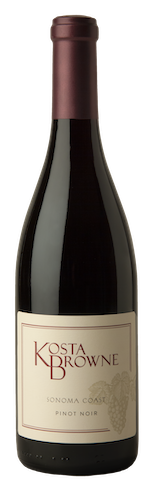
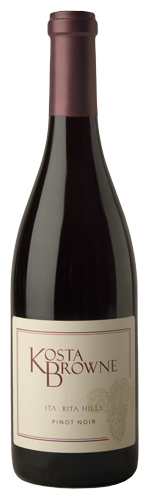
Mellow style logoKosta-Browne-Sta.-Rita-Hills-Pinot-Noir-bottleKosta Browne
Appellation Series
2022 Pinot Noir
Sta. Rita Hills, California

MELLOW WINE STYLE

The nose is an intriguing fusion of blackberry blossom and strawberry with a hint of baking spice. The mouth is elegantly structured with bramble fruit notes and bolstered tannins, this wine unfolds on the palate, culminated in a memorable finish.

Analysis: 14.1% alcohol / volume
Appellation: Sta. Rita Hills, California
Varietal:
Pinot Noir
pH:
3.64
TA: 5.87 g/L
Vineyard: Mt. Carmel, Rita’s Crown, Bentrock, Radian, John Sebastiano, Sanford & Benedict, Drum Canyon, Our Lady of Guadalupe, Peake Ranch, La Encantada
Clones: 828, 2A, Pommard, 667, 115, 777
Trellising: VSP
Soil: Silica (D.E. marine-based)
Fermentation: 64% stainless steel, 29% concrete, 7% oak; 3% whole cluster
Élevage: 37% new French oak, 42% neutral oak and 21% oak foudre/cask for 16 months; 3% whole cluster

WINEMAKER NOTES:
The Appellation Series embodies Kosta Browne’s unwavering commitment to exploration and the artistry of crafting soulful, thought-provoking wines that pay homage to the world’s extraordinary terroirs.

This microclimate, sculpted over 20 million years ago by a tectonic dance, stands as a testament to nature’s miracles. Mountains, rising from the sea with a clockwise grace, broke free to form the distinctive transverse ranges along the Pacific Coast. This geographical marvel funnels cool coastal fog and wind directly to the vines, solidifying the Sta. Rita Hills AVA as one of the most compelling cool-climate growing regions for Pinot Noir.

The 2022 Sta. Rita Hills Pinot Noir possesses profound aromas of layered boysenberry, blackberry blossom, and a hint of baking spice with bolstered tannins that seamlessly glide across the palate. With focused energy, this wine is composed with a near-everlasting finish.

ABOUT KOSTA BROWNE:
Kosta Browne is a celebrated California winery renowned for its meticulous craftsmanship and expressive Pinot Noir and Chardonnay. Founded in 1997 by Dan Kosta and Michael Browne, the winery began as a passion project and evolved into one of the most sought-after producers of premium wines from the Sonoma Coast, Russian River Valley, and Santa Lucia Highlands. With an unwavering commitment to site-driven winemaking, Kosta Browne sources fruit from esteemed vineyards, blending tradition with innovation to craft wines of depth, elegance, and balance. Today, the winery continues to honor its roots while pushing the boundaries of excellence in California winemaking. Learn more here.

Photos and information © Kosta Browne – All Rights Reserved.



Collectors Wine ClubLove to collect amazing wines?
Learn more about our quarterly Collectors Club > click here
 

Broken Earth Grenache

WINE CLUB

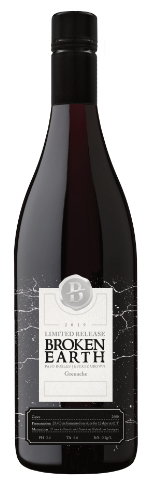
Broken_Earth_LR_19_Grenache_BottleMellow style logoBroken Earth Winery
Limited Release Grenache
Paso Robles, California

MELLOW WINE STYLE

Ripe red fruit drives this wine. Look for strawberry, raspberry, and mulberry, which lead into a mouth-filling experience, nicely balanced with finer oak and skin tannins. The wine went to oak in March and remained there for almost 20 months. The barrels (barriques) were predominantly 3rd and 4th use, allowing for gentle development without overpowering oak. On the palate, it appears softer, but the ripe tannins lend a lift to the extended flavors on the back end. This wine can be equally enjoyed on its own or at the dinner table.

Varietal: Grenache
Appellation: Paso Robles, California

Analysis: 13.79% alcohol / volume
pH: 3.4
Residual Sugar: 0.1 g/L
Total Acidity: 6.6 g/L
Winemaker: Chris Cameron

WINEMAKER NOTES:
The Paso Robles AVA has emerged as the premier Rhône varietal region in the USA. The dry, warm conditions lend themselves to producing Rhône-style wines of extraordinary depth and character. Grenache is certainly no exception. Broken Earth Winery has enjoyed considerable success with the Estate Grown (and California Certified Sustainable) Grenache, and proud to offer the latest vintage, a wine that delivers outstanding flavor without an elevated alcohol level. At 13.79%, it offers enough weight to the complex fruit without too much warmth on the palate. – Chris Cameron, Winemaker

ABOUT BROKEN EARTH WINERY:
Broken Earth Winery, located in Paso Robles, California, is deeply rooted in the region’s pioneering spirit. The winery’s estate, originally known as Rancho Tierra Rejada—Spanish for “land of worked earth”—has a rich history of cattle ranching and grape growing. Today, it encompasses over 700 acres of vineyards on Paso Robles’ east side. Established in 1973 as Continental Vineyards, it was one of the first large-scale vineyards in the area. Broken Earth Winery remains committed to sustainable farming practices, producing unique wines that reflect the character of their terroir. Learn more here.

Try this wine with the following recipe…

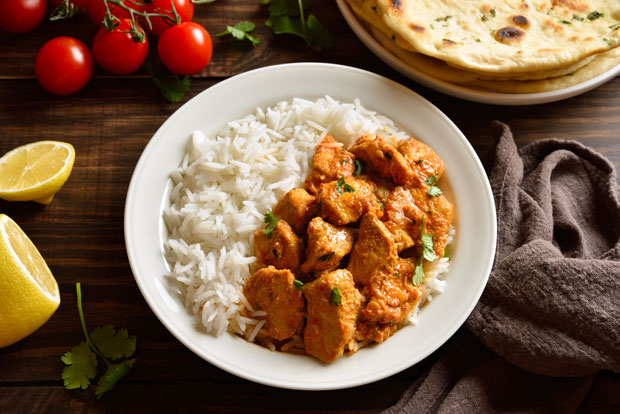
Easy Chicken Tikka Masala

INGREDIENTS:

  • 1 cup basmati rice
  • 1 ½ pounds boneless, skinless chicken thighs, cut into 1-inch chunks
  • kosher salt and freshly ground black pepper, to taste
  • 1 ½ tablespoons vegetable oil
  • ½ medium sweet onion, diced
  • 3 tablespoons tomato paste
  • 3 cloves garlic, minced
  • 1 tablespoon freshly grated ginger
  • 1 ½ teaspoons garam masala
  • 1 ½ teaspoons chili powder
  • 1 ½ teaspoons ground turmeric
  • 1 (15-ounce) can tomato sauce
  • 1 cup chicken stock
  • ½ cup heavy cream
  • 2 tablespoons chopped fresh cilantro leaves

DIRECTIONS:

  1. In a large saucepan with 2 cups water, cook rice according to package instructions; set aside.
  2. Season chicken with 1 teaspoon salt and ½ teaspoon pepper.
  3. Heat vegetable oil in a large stockpot or Dutch oven over medium heat. Add chicken and onion and cook until golden, about 4-5 minutes.
  4. Stir in tomato paste, garlic, ginger, garam masala, chili powder, and turmeric until fragrant, about 1 minute.
  5. Stir in tomato sauce and chicken stock; season with salt and pepper to taste. Bring to a boil, reduce heat, and simmer until reduced and slightly thickened, about 10 minutes.
  6. Stir in heavy cream until heated through, about 1 minute.
  7. Serve immediately with rice, garnished with cilantro, if desired.

Information & Photos © Broken Earth Winery – All Rights Reserved.

Recipe courtesy of DamnDelicious.net

Broken Earth Winery Grenache Blanc

WINE CLUB

Broken_Earth_LR_20_GrenacheBlanc_BottleSilky styleBroken Earth Winery
Grenache Blanc
Paso Robles, California

SILKY WINE STYLE

The wine is austere at first, but as it opens up, the fruit flavors emerge beautifully. It has a smooth texture that adds weight to the mouthfeel without the expected high alcohol. At 12.01% alcohol, this variety balances ripeness without excessive warmth on the palate. Enjoy with similarly subtle weighted dishes that highlight its bright, fresh personality.

Varietal: Grenache Blanc
Appellation: Paso Robles, California
Alcohol: 12.01% by volume
pH: 3.29
TA: 5.9 g/L
Residual Sugar: 1 g/L
Winemaker: Chris Cameron

WINEMAKER NOTES:
Grenache Blanc is closely related to Grenache Noir, originating in Spain before migrating to France. Historically, it has been a blending component for Châteauneuf-du-Pape and Côtes du Rhône wines, but recently it has gained popularity as a stand-alone variety. The Grenache Blanc Block 2D-N (1.5 acres) was grafted onto original Merlot vines in the late ’90s. The vines are prolific, ripening later than some reds like Syrah and Grenache. The fruit is harvested at 22 Brix, gently pressed, and fermented at 58°F for 33 days. No malolactic fermentation or oak aging is used to preserve its delicate fruit characteristics. – Chris Cameron, Winemaker

ABOUT BROKEN EARTH WINERY:
Located in Paso Robles, California, Broken Earth Winery embraces the region’s pioneering spirit. The estate, originally known as Rancho Tierra Rejada (Spanish for “land of worked earth”), has a rich history of cattle ranching and grape growing. Today, it spans over 700 acres of vineyards. Established in 1973 as Continental Vineyards, it was among the first large-scale vineyards in the area. The winery remains committed to sustainable farming practices.  Learn more about Broken Earth Winery.

Try this wine with the following recipe…

Baked Brie with Apricot Preserves

Baked Brie with Apricot Preserves

INGREDIENTS:

  • 8 oz wheel double cream brie
  • ¼ cup apricot preserves
  • 2 tbsp chopped roasted salted almonds
  • ½ tsp brandy (optional)
  • ¼ tsp chopped fresh rosemary

DIRECTIONS:

  1. Preheat oven to 350°F. Place brie on an oven-safe dish or a parchment-lined baking sheet.
  2. Combine preserves, rosemary, brandy (if using), and almonds in a bowl.
  3. Top brie with the mixture and bake for 12-15 minutes, until soft.
  4. Let rest for 5 minutes, then serve with crackers.

Information & Photos © Broken Earth Winery – All Rights Reserved.

Recipe courtesy of Cup of Zest.


Join our WINE CLUB and enjoy amazing wines and pairing recipes every month. Plus, receive 10% off all retail wine purchases!

Broken Earth Petite Sirah

WINE CLUB:

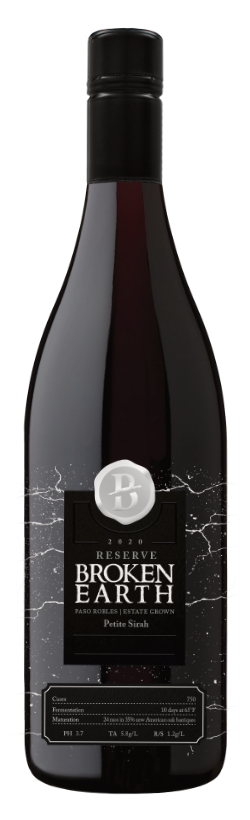
Broken Earth Reserve Petite Sirah BottleBold wine Style logoBroken Earth Winery
Reserve Petite Sirah
Paso Robles, California

BOLD WINE STYLE

Broken Earth’s Reserve Petite Sirah is inky in color and soft in structure. Picture violets on the nose and jam in the mouth. Petite Sirah will pair with almost all proteins; try it with grilled meats and vegetables. There is a spice in the finish that always surprises the palate.

Varietal: Petite Sirah
Appellation: Paso Robles, California
Analysis: 15.6% alcohol / volume
pH: 3.7
Residual Sugar: 1.2 g/L
TA: 5.8 g/L
Winemaker: Ben Mayo

WINEMAKER NOTES:
Originally called Duriff in the Rhône growing region in France, Petite Sirah made its way to California as a blending grape. Over time it became obvious that with California’s climate Petite Sirah could fully ripen. It is now one of the darlings of the state, especially of Paso Robles. Petite Sirah usually ripens early and is the first red to the party. Forty tons were machine harvested in the dead of night to keep the grapes cold for transportation to the winery. Upon arrival, the grapes were de-stemmed and gently crushed to open the berries for fermentation. Clos yeast was added immediately after the grapes were safely in the tank. Two pump-overs a day were completed until fermentation was done. This Reserve Broken Earth Petite Sirah was originally planted in 1996 to a parcel that was 40 acres in size.
The small yield gives this wine a complex and intense structure. – Ben Mayo, Winemaker

ABOUT BROKEN EARTH WINERY:
Broken Earth, as a brand, was born from the heritage of the vineyard property, originally named “Ranch Tierra Rejada”, meaning “land of worked or farmed earth”. For generations, farmers have cultivated and ‘broken’ the soil in the region with care and respect. Their goal is to respect the land and its treasures. Broken Earth winery encompasses a philosophy to provide wine that reflects the personality of where it is sustainably grown and the craftsmanship of its talented winemaker and crew. Learn more about the winery here.


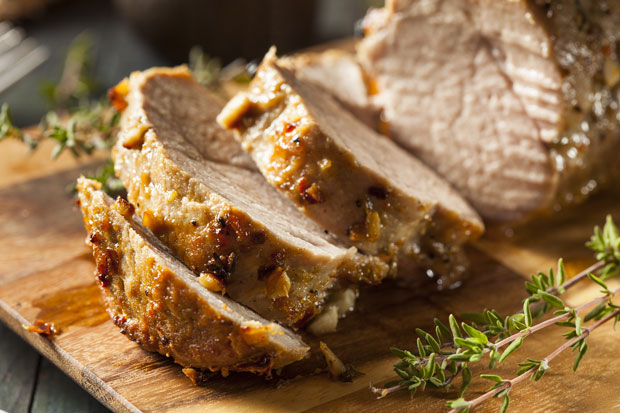
Grilled Pork Tenderloin Recipe
Grilled Pork Tenderloin

INGREDIENTS:

  • 1 ½ – 2 pounds pork tenderloin
  • juice of ½ lemon
  • 2 teaspoons minced garlic
  • 1 teaspoon Italian herb seasoning blend
  • ¼ cup oil
  • ½ teaspoon salt
  • ⅛ teaspoon cracked black pepper
  • 2 teaspoons Dijon mustard
  • 2 teaspoons honey

DIRECTIONS:

Marinate the pork

  • Pat pork tenderloin dry with a paper towel.
  • Stir together lemon juice, garlic, dried herbs, oil, salt, pepper, Dijon mustard, and honey.
  • Pour half of the mixture into a large Ziploc bag along with the tenderloin. Press out excess air, seal the bag, and chill for 30 minutes.

Grill the Pork

  • Preheat the grill to medium and oil the grates.
  • Using tongs, transfer pork to the grill.  Close the grill and cook 15-20 minutes, turning every few minutes to ensure even cooking and brushing reserved marinade over all sides of the pork half way through grilling. 
  • When done grilling or the internal temperature of the pork reaches 145 degrees, transfer to a cutting board to rest for 5 minutes before slicing and serving.
  • Note, if pork tenderloin is more than 2 1/2 inches thick and you want no pink in the middle once fully cooked, cut tenderloin in half lengthwise to yield two thinner tenderloin pieces and proceed with recipe.

Information & Photos © Broken Earth Winery – All Rights Reserved.
© Recipe courtesy of Creme de la Crumb.


Wine club logoJoin our WINE CLUB and enjoy these amazing wines and pairing recipes each month. Plus, you’ll receive 10% off all retail wine purchases!

Learn about our Memberships >

March Premium Club

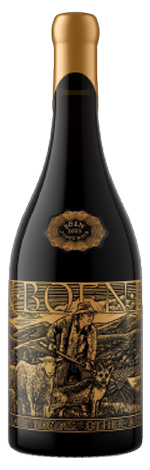
Boen-Reserve-bottleMellow style logoBöen Wines 2023 Reserve Pinot Noir Santa Maria Valley, California

MELLOW WINE STYLE  
Scarlet red with glimmers of garnet. The nose has notes of ripe blackberry, boysenberry, and tart cherry are followed by subtle hints of tobacco and cocoa powder. On the palate, vibrant flavors of very ripe boysenberry, blueberry, and plum pie are complemented by layers of rosemary and cocoa. These flavors are balanced by firm tannins that carry through to a long, structured, and mouthwatering finish.

Varietal: Pinot Noir
Analysis: 14.7% alcohol / volume
Appellation: Santa Maria Valley AVA, California
Vineyards: Haribach V. Vineyard
Oak Maturation: 100% French oak, 40% new for nine months with limited use of S02 to maintain phenolic profile
Harvest Dates: Late September to early October 2023
Food Pairing: Roasted lamb, rib eye with mashed potatoes, chicken mole, or a hearty charcuterie platter.
Awards: 95 pts Wine Enthusiast; 94 pts. Tasting Panel

Winemaker’s Notes: “The label on our Böen Reserve pays homage to the agricultural legacy of Napa Valley and the family roots that shaped our winemaking journey. It features a woodcut-style image of a traditional farm, with my grandfather, Charlie Wagner Sr., standing at its center, surrounded by livestock and Bamse, the German shepherd who was a familiar face around the Copper Cane winery for years. Napa Valley was once more about farming than the renowned wine destination it is today, and I was fortunate to grow up in that era. My grandparents took a bold leap from being farmers of various crops to cultivating vineyards and making wine—an endeavor that, at the time, was as risky as it was rewarding and the legacy continues on as we farm & make wine from many coastal regions. This label is a tribute to my grandfather’s deep farming roots and serves as a reminder to always work hard, stay grounded, and never forget where we come from.” – Joseph Wagner, Fifth Generation Winemaker

Growing Season: The 2023 growing season in Santa Maria Valley AVA began with cooler temperatures and average rainfall, which led to a slightly delayed budbreak. A warm spell in February and March accelerated vine growth, but cooler conditions and frost events in April reduced yields. From late April to August, consistent warm days and cool nights promoted optimal ripening, with veraison completing by the end of August. A mild sub-tropical storm in September brought moderate rainfall, but dry weather afterward prevented rot. The resulting Pinot Noir grapes showcased vibrant colors, rich flavors of cherry and blackberry, excellent acidity, and smooth tannins. Harvesting took place from late September to early October, resulting in a promising vintage.

Winemaking: The Böen team harvested early in the morning so the fruit would arrive at the winery while the grapes were still cool to preserve their vineyard-fresh flavors. After destemming (but not crushing) the berries, they cold-soaked the must for 14 days to soften the skins and allow for ideal extraction. Both punch-down and pump-over techniques were used to ensure balanced extraction of flavor, aromatics, structure, and color. To allow both the sweet and structural influences from the barrels to intermingle seamlessly with the rich fruit and ripe tannins of the wine, they aged this Pinot Noir in 100% French oak, 40% new for nine months with limited use of S02 to maintain the phenolic profile.

About Böen Wines: Böen Wines was founded by Joseph Wagner, a fifth-generation Napa Valley winemaker who grew up immersed in viticulture at his family’s Caymus Vineyards. In 2001, he established Belle Glos, focusing on vineyard-designated Pinot Noirs from California’s coastal regions. With Böen, Wagner continues his family’s legacy, producing Pinot Noir and Chardonnay that reflect his signature style of rich, ripe fruit flavors balanced with bright acidity and subtle oak nuances. The name “Böen,” meaning “The Farm,” serves as a personal reminder of the inseparable connection between the wine and its land, emphasizing Wagner’s identity as a farmer first and foremost. Learn more here.
Information & Photos © Böen Wines – All Rights Reserved.

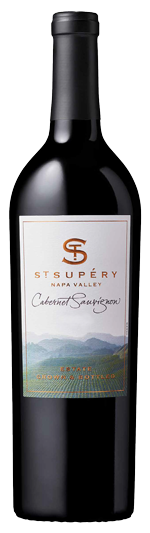
St-Supery-Napa-Valley-Estate-Cabernet-Sauvignon-bottleSt. Supéry Estate Vineyards & WineryBold wine Style logo 2019 Napa Valley Estate Cabernet Sauvignon Napa Valley, California

BOLD WINE STYLE
This Estate Cabernet of deep purple hues, presents dark blackberry aromas combined with an elegant toasted oak nuance, threads of boysenberry, rich opulence with subtle notes of jam and graphite. Flavors follow with ripe blackberry jam, a luscious approach of dark fruits, terrific structure supported with elegant moments of oak and a finishing hint of anise. This is a supple yet generous wine with an excellent structure, feel and approach.

Varietals: 90% Cabernet Sauvignon, 4% Malbec, 3% Petit Verdot, 3% Merlot Analysis: 14.5% alcohol / volume pH: 3.70 Total Acidity: 6.2 g/L Appellation: Napa Valley, California Vineyards: Dollarhide Estate Vineyard, Rutherford Estate Vineyard Farming: Sustainably farmed, estate grown and bottled Oak Maturation: 100% French Oak (38% new) for 19 months Harvest Dates: September 20-October 16, 2019 Bottling Date: July 12-21, 2021

Vintage 2019: The 2019 growing season had a very wet winter and spring, capturing 41” of rain at Dollarhide. A mild spring with one late-May rainfall resulted in damp soils and healthy canopy growth. Other than one mid-June heat spell, summer was warm and dry, allowing for consistent and balanced ripening. Late summer and early fall continued to provide steady warmth. As evenings began to cool, the fall growing season was extended. The even ripening season with a mild summer resulted in excellent wine of great flavor and density. Winemaking: The fruit was hand-harvested in the cool morning hours. At the winery, the clusters were sorted using a double sorting system. First, the clusters were sorted by hand. The fruit then ran through a small de-stemmer before the individual berries being sorted to ensure the ideal grapes were selected. These berries were delivered to a fermenter where there was a period of resting on skins. Warm fermentation temperatures with gentle cap maceration achieved the desired color and structure before an extended maceration time on skins, prior to final pressing. The wine was transferred directly to barrel for 19 months of maturation.
About the Winery: St. Supéry Estate Vineyards and Winery is a 100% Estate Grown, sustainably farmed winery located in the renowned Rutherford growing region in the heart of Napa Valley. Committed to producing the highest quality estate wines without compromise, they focus on sustainable winery and farming operations to protect the land and environment for future generations. Their Napa Valley Estate collection includes Sauvignon Blanc, Cabernet Sauvignon and Rosé. These wines are balanced and showcase fruit-forward flavors. Learn more here.
Information & Photos © St. Supéry Estate Vineyards & Winery – All Rights Reserved.

Wine club logoJoin our PREMIUM WINE CLUB, enjoy amazing wines every other month. Plus, you’ll receive 10% off all retail wine purchases! Learn more about our Premium Club >

Pomar Junction Vineyard Reserve Zinfandel

MARCH WINE CLUB:Bold wine Style logo

Pomar-Junction-Reserve-Zinfandel-bottlePomar Junction Vineyard & Winery Reserve Zinfandel Paso Robles, California

BOLD WINE STYLE
This barrel-select Zinfandel opens with toasted oak, blueberries and boysenberries. It has an enticing palate consisting of blue plums and mixed berry coulis, followed by a long elegant finish, with rich tannins.

Varietal: 100% Zinfandel Analysis: 14.4% alcohol / volume pH: 3.73 Residual Sugar: 0.25 Appellation: El Pomar District AVA, California Vineyards: 100% Pomar Junction Vineyard Aging: 19 months Cooperage: 33% new oak Accolades (for 2015 vintage): Gold Medal San Francisco Chronicle Wine Competition; Gold Medal Central Coast Wine Competition

About Pomar Junction Vineyard and Winery: Dating back at least eight generations, the Merrill Family has been growing and producing grapes on California’s Central Coast since the 19th Century. Originally, the family was growing grapes for other wineries in California – from premium small producers to large international brands. Today, Dana and Marsha Merrill, along with their son, Matthew, and winemaker, Jim Shumate farm the vineyards and produce elegant wines of their own. Learn more here.
Try this wine with the following recipe…

korean-pork-sliders-plateSlow Cooker Korean Pulled Pork Sliders

INGREDIENTS:

Pork:

  • 3-4 lbs boneless pork shoulder
  • 2-4 tbsp gochujang (Korean chili paste) add more for spicier meat
  • ¼ cup brown sugar
  • ¼ cup hoisin sauce
Gochujang BBQ Sauce:
  • 2-4 tbsp gochujang (Korean chili paste) (more to make more spicy)
  • ½ cup ketchup
  • ¼ cup rice wine vinegar
  • ¼ cup brown sugar
  • 2 tbsp soy sauce
  • 2 tbsp honey
  • 4 cloves garlic, minced
Quick Pickled Vegetables:
  • 2 tsp granulated sugar
  • ¼ cup rice wine vinegar
  • ½ medium cucumber, thinly sliced
  • 1 medium carrot, thinly sliced
  • 2 medium celery stalks, thinly sliced, including leaves

Sliders:

  • 16 slider buns
  • 2 tbsp chopped cilantro
DIRECTIONS:
Pork:
  1. Mix gochujang, brown sugar and hoisin sauce together in a small bowl and rub over pork shoulder.
  2. Place in slow cooker and add 1/2 cup water. Cook on low for 7-8 hrs or high for 3-4 hrs.
Gochujang BBQ Sauce:
  1. Whisk all ingredients together (gochujang, vinegar, brown sugar, soy sauce, honey and garlic) in a small sauce pan. Heat over medium and bring to a simmer, reduce heat and simmer on low for 10-15 minutes until flavors blend. Remove from heat and allow to cool.
Pickled Vegetables:
  1. In a bowl mix together sugar and vinegar. Add vegetables and toss. Cover and chill until meat is ready.
Assembly:
  1. Mix half the BBQ sauce with pulled pork and serve with buns, quick pickled vegetables, reserved BBQ sauce, and chopped cilantro (if using).
Information & Photos © Pomar Junction – All Rights Reserved. © Recipe courtesy of My Kitchen Love.

Wine club logoJoin our WINE CLUB and enjoy these amazing wines and pairing recipes each month. Plus, you’ll receive 10% off all retail wine purchases! Learn about our Memberships >
 

March Bubbly Club: Iowa

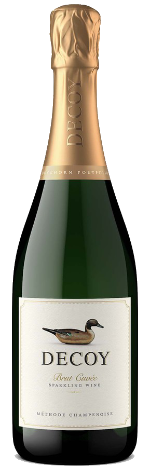
Bubbly Wine Clubthe-duckhorn-portfolio-decoy-brut-cuvee-sparkling-wine-LCVBTBDecoy Brut Cuvée Sparkling Wine California

BUBBLY WINE STYLE
The debut Decoy Brut Cuvée is an enticing sparkling wine that offers alluring layers of baked apple, white peach and orange zest, as well as aromatic hints of honeysuckle and vanilla. On the palate, a delicate sweetness is perfectly balanced by bright acidity, which adds poise and energy to the lush, pure fruit flavors. The Brut Cuvée is crafted in the méthode champenoise tradition to ensure that your special moments truly sparkle.

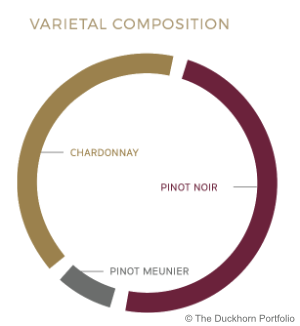
Varietal: Pinot Noir, Chardonnay, Pinot Meunier Analysis: 12.5% alcohol / volume Varietal-Composition-DuckhornpH: 3.00-3.20 Acidity: 0.7-0.9 g/100 ml Residual Sugar: 7 g/L Dosage: 0.5-1.0 g/dL Method: Méthode Champenoise (also know as the traditional method. The key element to this process is a secondary fermentation in the bottle) Fermentation & Aging: Dosaged with French oak barrel fermented Napa Valley Chardonnay Varietal Contributions:
  • Pinot Noir: Enhances body, structure & complexity
  • Chardonnay: Brightness, freshness, minerality, elegance
  • Pinot Meunier: Floral aromatics & rich, fruit flavors
About Duckhorn Portfolio: From its inaugural vintage in 1985 by legendary vintners Dan and Margaret Duckhorn as the companion label to Duckhorn Vineyards, Decoy has evolved to the perfect and comprehensive entry-level luxury brand for the entire Duckhorn Portfolio. It is a collaboration of all Duckhorn Portfolio winemakers that produces high-quality wines at remarkable prices. Its fruit is sourced from distinguished grower and estate vineyards, making approachable yet complex wines that are ready upon release. Learn more here
Information & Photos © Decoy & Duckhorn Winery – All Rights Reserved

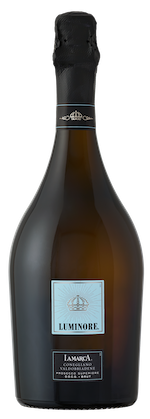
LAM_Luminore_750MLLa Marca Luminore Prosecco Superiore D.O.C.G. Brut Italy

BUBBLY WINE STYLE
La Marca’s finest sparkling wine. Hailing from the sun-drenched hills of Italy’s highest wine destination, Luminore is part of a prestigious segment of Proseccos with the designation D.O.C.G., meaning it’s one of Italy’s finest wines. Luminore sparkles with a pale, golden straw hue and lively bubbles, bursting in the glass. Delicate aromas of white flowers and stone-fruits complement the soft, creamy-texture. Subtle hints of fresh citrus, pear and nectarine round out the exquisite palate. Clean, crisp acidity balances a touch of sweetness and offers a light and refreshing style.

Varietal: Prosecco Pairing Suggestions: Perfect for any occasion. Savor it as an aperitif or pair it with flavorful dishes like grilled herb-seasoned chicken, tender pork, or an Italian-inspired dessert like panna cotta brightened with a twist of lemon zest.

Winery Notes: Luminore Prosecco Superiore begins with hand-selected Glera grapes from the iconic hillside vineyards of Conegliano Valdobbiadene, the crown jewel of Prosecco D.O.C.G. After harvest, the grapes are gently crushed and pressed to capture their bright, fresh character. The juice is carefully cold-settled before its first fermentation in stainless-steel tanks, where temperatures are expertly maintained between 59–64°F. To elevate its elegance, the wine rests on its lees, building layers of complexity before the final fermentation creates its signature refined finish.
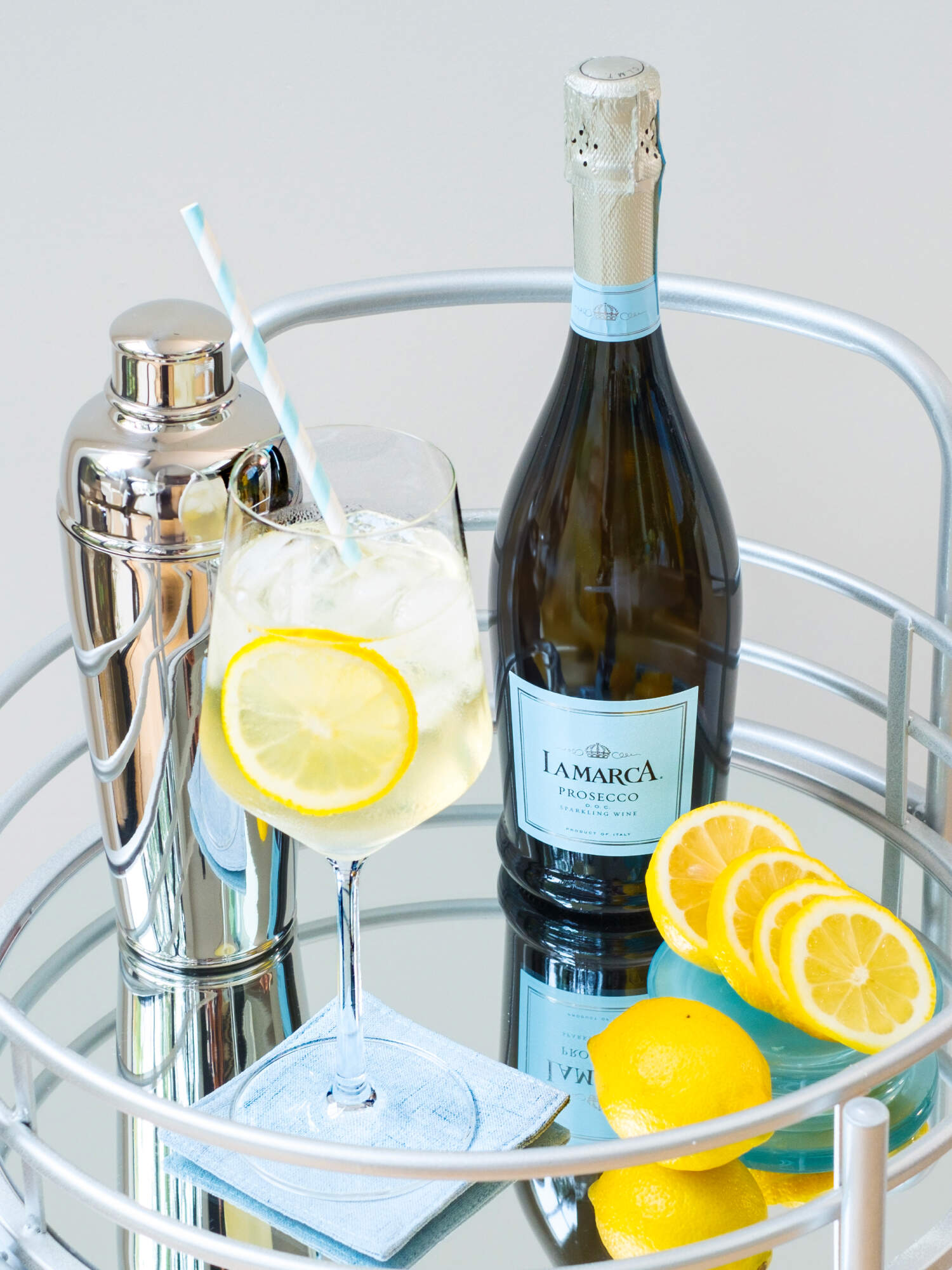
About La Marca: Founded in 1968, La Marca has dedicated itself to serving as an ambassador for Prosecco and the Veneto region to the world, representing 5,000 local growers who share a pride and passion for growing Prosecco and sharing their exceptional sparkling wines with the world. Their wine region, just a one-hour drive from Venice, boasts views of the Adriatic Sea on one side and the Dolomite mountains on the other. La Marca brings a welcome taste of La Dolce Vita through lively sparkling wines, warm Italian hospitality, and approachable style. Learn more here. bottle of La Marca on a wine cart with glass of spritz and lemonsAmici Spritz Cocktail Recipe Toast the upcoming celebration of Spring with this Prosecco cocktail. Perfect for sharing with your besties, this spritz blends bubbly with the crisp notes notes of gin, all kissed with zesty lemon and a touch of sweetness from the honey syrup. Whether you’re lounging with friends or enjoying a sunny spring day at the lake, the Amici Spritz is the ideal way to spritz things up.  So grab your favorite glass, mix up this refreshing recipe, and enjoy every sip! Cin cin!
Ingredients:
  • 3 oz. La Marca Prosecco
  • 1 ½ oz. Gin
  • ¾ oz. lemon juice
  • ¾ oz honey syrup
Directions: Muddle the lemon slices and shake all ingredients except La Marca. Strain into a spritz glass while simultaneously pouring in your Prosecco. Garnish your gin cocktail with a lemon slice.
Information & Photos © La Marca – All Rights Reserved

Pomar Junction Vineyard Roussanne

MARCH WINE CLUB:Rich WineStyles

Pomar-Junction-Roussanne-bottlePomar Junction Vineyard & Winery Roussanne Paso Robles, California

RICH WINE STYLE
This Roussanne presents a pleasant and surprising mouth-feel full of lush tropical fruit and bright pepperiness. It pairs well with buttery sauces filled with slow cooked vegetables or rich shellfish like scallop, crab, and lobster.

Varietal: 100% Roussanne Analysis: 14.7% alcohol / volume pH: 3.51 TA: 6.9 g/L Residual Sugar: 0.5 Appellation: El Pomar District AVA, California Vineyards: 100% Creston Ridge Vineyard in Paso Robles, California Aging: 4 months Cooperage: Neutral Oak Cases: 184 Accolades:

  • Best of Class/Double Gold: California Mid State Fair Wine Competition
  • Silver: Orange County Fair Wine Competition
About Pomar Junction Vineyard and Winery: Dating back at least eight generations, the Merrill Family has been growing and producing grapes on California’s Central Coast since the 19th Century. Originally, the family was growing grapes for other wineries in California – from premium small producers to large international brands. Today, Dana and Marsha Merrill, along with their son, Matthew, and winemaker, Jim Shumate farm the vineyards and produce elegant wines of their own. Learn more here.
Try this wine with the following recipe…

Lobster-Pasta-white-wine-garlic-breadLobster Pasta

INGREDIENTS:
  • 8 ounces dry pappardelle pasta
  • 4 lobster tails, with the meat removed and shells discarded **
  • 1 cup (2 sticks) unsalted butter
  • 3 garlic cloves, minced
  • ½ teaspoon paprika
  • ¼ cup grated parmesan
  • ½ cup heavy whipping cream
  • ¼ teaspoon ground black pepper
  • ½ teaspoon kosher salt
  • 1-2 teaspoons lemon juice
  • 2 tablespoons chopped fresh parsley
DIRECTIONS:
  1. In a large stockpot, boil 4 to 5 quarts of water and cook the pasta according to package directions.
  2. Meanwhile, in a large skillet or saucepan, melt the butter over medium heat. Once the butter has melted, add the lobster meat and cook until the meat has changed color, about 4-5 minutes.
  3. Add the garlic and paprika, and sauté with the lobster meat for about 1 minute, just to soften the garlic.
  4. Pour in the heavy cream and grated parmesan and stir until the parmesan has melted into the sauce.
  5. Add the cooked pasta to the saucepan or skillet, along with ¼ cup of the starchy pasta water. Stir all together. Season with salt and pepper. Add more pasta water as needed to get the sauce to your desired consistency. Add 1 teaspoon of lemon juice, stir, and taste; add more lemon juice if needed.
  6. Garnish with parsley just before serving.
Information & Photos © Pomar Junction – All Rights Reserved. © Recipe courtesy of Urban Bliss Life.

Wine club logoJoin our WINE CLUB and enjoy these amazing wines and pairing recipes each month. Plus, you’ll receive 10% off all retail wine purchases! Learn about our Memberships >

January Premium Wine Club

Bold wine Style logoPEN 2022 Bin389 CabShiz 750 FB Cork AUSPenfolds
Bin 389
Cabernet Shiraz

Southbank, Australia

BOLD WINE STYLE

The color is glossy, dark red and purple. The nose is an “old school” Penfolds nose—a classic and comforting homage to their storied past. It opens with the rich, deep tones of mahagany and the refined scent of a cigar box. Sweet oak spices are neatly interlaced with a dusty character. This foundation is lifted by summer berries, offering a balance between richness and vitality. Baking spice is present alongside tart red currant and cranberry, while the aroma of fresh pastries rounds out the nose. The palate is immediately enveloped by cocoa powder-like tannins—smooth yet profound in their impact. The wine boasts volumes of Cabernet character, showcasing cool fruits that are well lifted and vibrant. A barrel ferment nuance adds depth without overshadowing the fruit’s purity. Sourdough notes bring a rustic edge which complement the lush profiles of plum fruits, blackberry, mulberry, wild cherries and more distinctly tart morello cherries.

Varietal: 51% Cabernet Sauvignon, 49% Shiraz
Vineyard Region:
McLaren Vale, Coonawarra, Barossa Valley, Padthaway, Wrattonbully
Analysis:
14.5% alcohol / volume
pH: 3.62
Total Acidity: 6.7 g/L
Maturation: 12 months in American oak hogsheads (36% new)
Peak Drinking: 2025-2050
Awards:

  • 96 Points – Andrew Caillard MW
  • 96 Points – Tyson Stelzer
  • 96 Points – Huon Hooke
  • 96 Points – James Halliday
  • 96 Points – Ken Gargett
  • 94 Points, #12 on Wine Spectator’s Top 100 List

Winemaker’s Notes:
Bin 389 was often referred to as ‘Baby Grange’, in part because components of the wine are matured in the same barrels that held the previous vintage of Grange. First made in 1960 by the legendary Max Schubert, this was the wine that helped forge Penfolds reputation with red wine drinkers by combining the structure of Cabernet Sauvignon with the richness of Shiraz. Exemplifying the judicious balance of fruit and oak, Bin 389 highlights the generous mid-palate Penfolds is known for.

Vintage Conditions:
In McLaren Vale, temperatures rarely soared above 35°C — significantly lower than in the previous vintage. This coolness contributed to a delayed but unhurried harvest, allowing Shiraz and Cabernet Sauvignon fruit to be picked at an ideal time for quality. Coonawarra experienced its own cold spells with nine days dipping below 2°C during spring. The lowest point was recorded early in September at -0.3°C. Frost fans played a critical role in protecting the vines from damage. Warmer weather returning late November to December provided perfect conditions for flowering and fruit-set, leading to uniform veraison with robust grape flavors, tannins, and color. The Barossa Valley told a story of resilience under cool conditions with spring storms bringing winds and heavy rains including hail; nevertheless, yields exceeded early predictions. A dry but cool December extended the fruit-set period; however, this did not hinder sugar accumulation or phenolic maturity thanks to healthy canopies that retained acid well into the growing season. Padthaway faced a challenging frost event in mid-October, followed by mild weather free from significant heat spikes or harvest delays due to rain — conditions conducive for quality grape development. Wrattonbully faced its own trials with rainfall from October to April measuring 49% above long-term averages. While excess moisture slowed ripening and pushed back harvest dates slightly, fruit quality was not impacted, and ‘A grade’ blocks produced a high-quality harvest.

About the Winery:
Penfolds is one of Australia’s most iconic wineries, founded in 1844 by Dr. Christopher and Mary Penfold. With a history spanning over 175 years, the winery has built a legacy of crafting world-renowned wines. Penfolds blends tradition with innovation, focusing on quality, multi-regional sourcing, and a diverse portfolio that spans a wide range of varietals. The winery’s commitment to excellence has made it a symbol of premium Australian wine on the global stage.
 Learn more here.

Information & Photos © Penfolds – All Rights Reserved.


Mellow style logoEtude Pinot Noir CarnerosEtude
Carneros Pinot Noir

Carneros, California

MELLOW WINE STYLE

The Etude Carneros Pinot Noir is a true reflection of the winery’s estate vineyard, Grace Benoist Ranch. A blend of the best grapes from individual vineyard parcels on the Ranch, this wine tells the story of a particular vintage from a very unique place.

Vibrant and lively, this ethereal ruby red Pinot Noir is full of lifted red berry aromas alongside flavors of strawberry compote, Bing cherry, pink peppercorn, and delicate hibiscus flower with nuances of earth and spice. The mouthfeel is savory and rich with fine-grained tannins and finishes long and fresh with hints of cinnamon and clove, a signature characteristic often found in Grace Benoist Ranch Pinot Noirs. Silky and supple with a lean line of acidity, making it ideal for enjoying now, or cellar away, for further development of the complex layers of flavor.

Analysis: 14.2% alcohol / volume
Varietal: Pinot Noir
Region & Appellation: Carneros
Critical Acclaim:

  • 92 Points – James Molesworth, August 2021
  • 94 Points – James Suckling, August 2021

The Vineyard:
The Etude Carneros Pinot Noir originates from their estate vineyards located in the far northwest corner of the Carneros appellation, near the southwest corner of Sonoma. Unlike the majority of Carneros, which features soils composed of clay from uplifted bay bottoms, the soils at Grace Benoist Ranch are diverse and influenced by volcanic origins. These well-drained, rocky upland soils, combined with the vineyard’s extreme western location near the Pacific Ocean and San Pablo Bay, create an ideal environment for cultivating Burgundian varieties.

The vineyard parcels at Grace Benoist Ranch are carefully aligned with the diverse soil types and varying contours of the ranch’s topography. Each vineyard averages just eight acres, with dense spacing to promote low per-vine yields of intensely concentrated fruit. The ranch is farmed to Etude’s rigorous standards using environmentally responsible viticultural practices. It is sustainably managed and certified by both the California Sustainable Winegrowing Alliance and Fish Friendly Farming. Grace Benoist Ranch encompasses four smaller vineyards—Laniger, Deer Camp, Temblor, and Heirloom—which feature five principal soil types and 20 distinct Pinot Noir clones.

Production:
The 2019 harvest started one to two weeks later than previous years, mostly due to February rains, but because the vines were in their winter dormancy, it did not affect the 2019 crop. Spring continued to be wet with some rain during flowering, followed by cool temperatures that allowed the grapes to mature gradually. Most grapes ripened at lower sugars, thanks to the extended, cool growing season, and winemakers were pleased with the full flavors, fresh acidity and superb balance of the 2019 fruit. Wildfires in October did not impact this year’s harvest as the vast majority of the grapes were already brought in, resulting in a crop size pretty much on par with previous years.

Winemaking:
For more than a decade Jon has fashioned Etude wines with a simple creed: Inspired winegrowing diminishes the need for a winemaker to intervene in the cellar. Whether sourcing from the estate Grace Benoist Ranch in Sonoma’s Los Carneros, or vineyards like Fiddlestix and North Canyon in famed growing regions of California’s Central Coast, his focus is on coaxing the very best from the vineyard. It shows in every glass of Etude.

About the Winery:
Etude is located in the Carneros region, which is the only American Viticultural Area (AVA) located at the crossroads of two major regions: Napa and Sonoma. Los Carneros, named in tribute to the livestock that roamed its hills from the late 1800s to the mid-20th century, was officially designated as an AVA in 1983. The year before, Etude was founded by winemaker Tony Sotor, whose leadership, along with the efforts of the Etude winemaking team, played a pivotal role in defining not only the boundaries of this new AVA but also the distinctive characteristics and quality of its grapes. These qualities continue to set Los Carneros apart from other AVAs in both Napa and Sonoma. As a cooler climate wine region, Los Carneros benefits from fog and maritime breezes flowing in from the Pacific through the San Pablo Bay and Petaluma Gap. This natural cooling slows vine growth and photosynthesis, allowing for a prolonged hang time that results in concentrated flavors, optimal sugar and phenolic ripeness, and balanced acidity in the grapes. To learn more about the winery, click here.

Information & Photos © Etude Winery – All Rights Reserved.


Wine club logoJoin our PREMIUM WINE CLUB, enjoy amazing wines every other month. Plus, you’ll receive 10% off all retail wine purchases!

Learn more about our Premium Club >


January Collector’s Wine Club: Iowa

Collectors Wine ClubThe-Mascot-2019-bottleHarlan Estate
The Mascot
2019 Cabernet Sauvignon
Napa Valley, California

BOLD WINE STYLE

The wine is beautifully supple with a broadly fanned aromatic spectrum and an effortless depth of fruit. From a center point on the palate, the 2019 vintage undulates outward in all directions. Gentle, velvety swells pause and fold in on themselves, their liquid whorls of refined tannin and gratifying acidity gliding across the surface of smooth curves before retreating gradually to reveal, on the finish, the burnished dimensions beneath.

The Mascot is a Napa Valley Cabernet Sauvignon made from distinct hillside vineyards: specifically, the younger vines of Harlan Estate, BOND, and Promontory.

Analysis: 14.5% alcohol / volume
Varietal: Cabernet Sauvignon – depending on the vintage, The Mascot is composed of 85-95% Cabernet Sauvignon, along with small quantities of Cabernet Franc, Merlot, and Petit Verdot
Appellation: Napa Valley, California
Vineyards: Harlan Estate, BOND, Promontory
Production:
8,000 cases

About The Mascot:
Founded by Will Harlan, The Mascot began as a small, informal project shared among the family, the winemaking team and a handful of close friends. Drawing fruity from recently replanted blocks within the vineyards, The Mascot reveals its distinguished pedigree while offering insight into the evolution of its parent properties: a youthful promise of their future. With the 2008 vintage the family had enough wine – 500 cases – to introduce the endeavor to the outside world; releasing the first bottles in 2013. An athletic balance of energy and density, The Mascot is expressive and approachable early in its life with potential to evolve long into the future. Learn more here.

Vintage Notes:
Winter leading into the 2019 growing season delivered impressive rainfall (nearly 30 inches in the first four months) that lasted into May. The cool, wet spring delayed budbreak; yet this respite in a sequence of mostly arid years imbued the young vines with renewed energy. This potential for vigor required thor- ough and thoughtful pruning, early in the season, to ensure that energy would be most nobly directed: to maturing the fruit. Early autumn was met with even and steady warmth, and picking commenced in mid-September and stretched across five and a half weeks. This “leisurely” approach allowed for collection of the fruit in precise, well-delineated passes, and the wine extracted from these berries confirmed their decision to, in places, wait a little longer.

Winemaker:
Each of the three “parent” properties contributes components to The Mascot, and the winemaking teams – led by Cory Empting, Director of Winegrowing for the family domain – work collaboratively to weave together the final blend.

Terroir:
The Mascot is crafted from the younger vines of the three parent properties. Within the Napa Valley, hillside vineyards make up a miniscule percentage of planted acreage. The Harlan family has spent the past 40 years identifying the very finest and rarest of these sites.

Farming:
The vines contributing to The Mascot range from 5 to 12 years old. The parent properties are replanted about twice per century, with a continual supply of young vines. Replanting began over a decade ago at BOND, Harlan Estate and Promontory. The process involves replanting with cover crops to support the soil ecosystem without tilling, maintaining continuity between vine generations. By waiting three years for rootstocks to establish before grafting, the vines develop a strong root system, which results in fruit with better tannin and acidity balance. This focus on root development also allows for early dry farming, enhancing the wine’s purity and distinction. The vineyard teams manage the land through a “Vine Masters” program, where apprentices oversee specific vineyard blocks after a five to ten year training. This individualized care ensures each vine reaches its full potential in quality and longevity.

Winemaking:
The winemaking teams vinify the grapes from each property in accordance with the character of their land. For aging the wines, Harlan Estate and BOND use new and neutral French oak barrels, while Promontory employs larger casks made of Austrian oak. They evaluate the young-vine lots at the blending table between 6 and 14 months after fermentation, selecting the finest for inclusion in The Mascot. In total, The Mascot is aged in barrel for nearly three years prior to bottling and another 18 months in bottle prior to release.

Photos and information © The Harlan Estate & The Mascot – All Rights Reserved.


Bold wine Style logoProvenance-cabernet-napa-valley-bottleProvenance Vineyards
Cabernet Sauvignon 2017
Napa Valley, California

BOLD WINE STYLE

Deep ruby in color, this Cabernet Sauvignon expresses complex aromas of ripe blackberries, red cherries, espresso and violets. The fresh acidity on the palate lends a lively touch to the overall smooth mouthfeel and fine tannins. Notes of black fruits, fennel, dark chocolate and raspberries mix on the palate to create a mouthwatering wine with a long-lasting finish.

Analysis: 15.2% alcohol / volume
Varietal: 92% Cabernet Sauvignon, 5% Petite Sirah, 3% Malbec
RS: 1.2 g/L
pH:
3.74
TA: 5.9 g/L
Appellation: Napa Valley (22% Rutherfod, 18% Calistoga, 24% Single Vineyard Mountain Fruit (20% Diamond Mountain, 2% Other Mountain Fruit, 2% Oakville), 36% other Napa Valley
Aged: 18 months in winemaker-selected French oak barrels (35% new)
Fermentation: Night harvest, berry sorting, followed by a 3-day cold soak at 50ºF in stainless steel fermenters. 15 days in tank with an average fermentation temperature of 85-88ºF. Free run and light press to small barrels for Malolactic Fermentation.
Yeast: A33, three pump-overs per day, 8 hours apart.

Vintage:
The growing season in Napa Valley saw record-breaking weather events, with 80% of the total rainfall arriving before the new year. This filled vineyard ponds for the first time in two years but was followed by the driest three months on record, leading to an early bud break. The summer was generally average but slightly warmer. Harvest started 5 to 7 days earlier than the previous year and was 15% lighter but of exceptional quality. Overall, the harvest was the most condensed in recent memory.

Natural Winemaking:
Head of Winemaking Noel Basso has more than 20 years of experience with California vineyards and grapes. He is returning the brand to the purist philosophy of Founding Winemaker Tom Rinaldi, focusing on working in the vineyards and taking an unwavering grape-quality approach to each varietal. Minimal winemaker intervention allows the character and personality of the grapes to steal the show.

About the Winery:
Provenance Vineyards began in 1999 producing Rutherford Cabernets. Its founders had the vision to produce fine wines by discovering Napa Valley vineyards of unique “provenance” or origin. Over two decades, the brand was bought and sold twice and passed through the hands of two large corporations. Allen and Tiana Lombardi acquired Provenance Vineyards in November 2021 to infuse this iconic Napa Valley brand with the energy it deserves. They were attracted to its rich history, classic style and strong growth potential. They connected with the brand’s polish without pretense. The family will hold true to Provenance’s purpose to produce timeless Napa Valley wine. Learn more here.

Photos and information © Provenance Vineyards – All Rights Reserved.


Collectors Wine ClubLove to collect amazing wines?
Learn more about our quarterly Collectors Club > click here