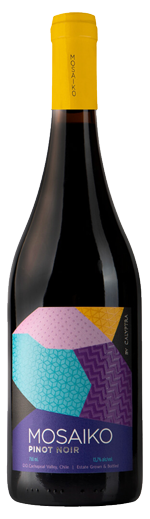
Ruby color with violet reflections. The nose with aromas of fresh cherries and plums, forest fruits, a touch of black currant, herbs and a mineral finish. The palate is fresh, with round, soft tannins and good acidity. Juicy and fruity with varietal expression. An elegant, fresh Pinot Noir with mineral character.
WINEMAKING: Made with estate grown grapes in a ravine in the Andean foothills of the Cachapoal valley. The grapes are hand-harvested into 12-kg boxes. Mosaiko Pinot Noir is aged in stainless steel tanks for six months. Then it is bottled and it will spend at least six more months before it is released to market.
ABOUT CALYPTRA VINEYARDS & WINERY: In 1989, Dr. Jose Miguel Zarhi Troy, a plastic surgeon and wine enthusiast, initiated a vineyard project by planting the first Chardonnay vines on his property in the Alto Cachapoal Valley. Over time, his passion project expanded to include various vine varieties and a winery, producing some of Chile’s top-tier wines. In 2018, Dr. Zarhi extended the Calyptra Winery venture by partnering with Lic. Fernando Rodriguez Merino, an IT businessman from Argentina who is deeply involved in the wine, hospitality, and gastronomic industry since 2007. This collaboration led to the acquisition of a plot in Los Árboles de Villegas en Tunuyán, a prime wine-growing region in the Uco Valley at 1,250 meters above sea level. Learn more here.
Try this wine with the following recipe…
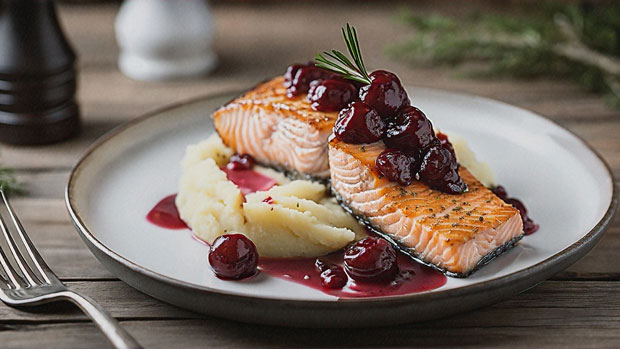
Balsamic Black Pepper Cherry Glazed Salmon
INGREDIENTS:
1 cup deep red cherries, pitted and sliced into quarters
⅓ cup brown sugar
¼ cup balsamic vinegar
½ teaspoon coarse salt
½ teaspoon coarse ground black pepper
1 tablespoon red wine vinegar
¼ cup dry white wine
6 salmon fillets (about 4 ounces each)
DIRECTIONS:
Preheat the oven to 375 degrees. Line a baking sheet with parchment paper or a non-stick mat.
Place the cherries, brown sugar, balsamic vinegar, salt, pepper, vinegar, and wine in a saucepan and bring to a boil over medium/high heat, stirring to combine ingredients and dissolve sugar.
Reduce the heat to a simmer and cook for 5-7 minutes, or until sauce has reduced and is thick enough to coat the back of a spoon. Remove from heat.
Lay the salmon fillets out on the prepared baking sheet, spacing them about 2″ from each other.
Portion out about 2 tablespoons of the glaze into a separate cup (to avoid cross contamination or glaze touching raw fish and cooked fish) and brush the glaze on to the salmon fillets, coating each one thoroughly.
Bake on the top rack of the preheated oven for 8-12 minutes, or until the fish flakes easily with a fork. Take care to not overcook. Remove from the oven. Move fish to a serving platter and spoon the remaining glaze generously over the fish.
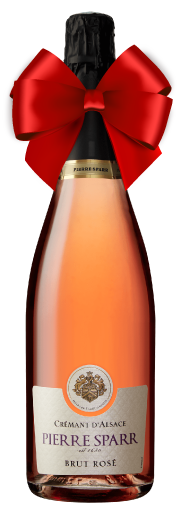
Salmon pink color; fresh aromas of soft red berries, predominantly strawberry and raspberry. On the palate, round and fruity with hints of peach; the flavors are intense, with lively acidity framed by a well-made structure and delicate bubbles. The finish is smooth, clean and dry.
Wine: Crémant d’Alsace Brut Rosé is a sparkling rosé from 100% Pinot Noir. The brut-style wine’s red berry aromas of strawberry and raspberry lead into mouth-filling, juicy flavors and lively acidity.
Vineyards: Pierre Sparr’s sparkling wines use grapes that are farmed sustainably, dry-farmed (no irrigation), and hand-harvested. Located in the Vosges hillsides and Rhine valley, elevation 200 to 400 meters (656 to 1,312 feet), primary eastern and southern exposures.
Harvest Notes: Dates for the beginning of harvest for each Alsace AOC are set by decree, generally 100 days after the median date of flowering, at the time when the grapes display the best sugar-to-acid ratio. Intended vineyards for sparkling wine must be declared in advance of harvest and must be picked by hand. Grapes destined for Crémant are generally picked a few days before those for still wines in Alsace.
Winemaking: Whole-cluster pressing; first fermentation occurs in temperature controlled, stainless-steel vats, transforming the must into still wine. Six months later, wines from hillsides and valley floor are blended to achieve the distinctive flavor profile of the rosé. Blended wine is then bottled with a specific yeast added to relaunch the second fermentation in bottle. The wine rests on lees a minimum of 18 months prior to disgorgement. Finally, the dosage is added to provide the particular brut style of this sparkling wine.
About the Winery: The origin of winemaking in the Sparr family dates back to 1680. Generations later, Charles Sparr developed the business that his son, Pierre, later took the succession at the age of 20. Pierre had a distinct sense for business, making him a pioneer of “estate bottled” wines in Alsace. Pierre also had the courage and obstinacy to rebuild their entire estate after Sigolsheim and its vineyards were completely destroyed during WWII. In doing so, Pierre rebuilt one of Alsace’s most beautiful and prestigious Domaines. Today, with the help of the 9th generation, Pierre Sparr remains focused on producing quality wines, a pure expression of Alsace, that are aromatic, fruity, elegant, clean and vibrant. Pierre Sparr wines are food-friendly and accessible for everyday consumption. Learn more here.
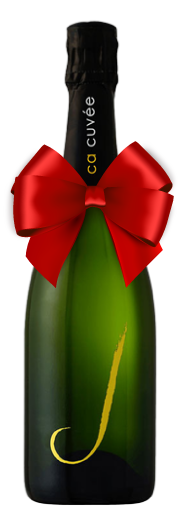
This vibrant and approachable California Cuvée bursts with aromas of tart pineapple and orange blossom on its expressive nose. The palate is bright and rich, featuring layered flavors of Asian pear and honeysuckle, accented by fresh mandarin peel and a touch of marzipan, leading to a zesty, focused finish.
90 Points – James Suckling: A really fresh nose with green apples, limes and green papaya. Light to medium body, bright acidity and a fresh finish. Chardonnay and Pinot Noir. Drink now.
90 Points – Wine Enthusiast: Flavorful and polished, this supple wine blends subtle apple and pear notes with buttery, creamy accents. It is rich in character and softly framed by fine bubbles and elegant acidity, with a hint of sweetness on the finish.
About the Winery: J Vineyards & Winery, located in the heart of Sonoma County’s Russian River Valley, is renowned for its exceptional sparkling and varietal wines. Founded in 1986 by Judy Jordan, the winery is celebrated for its commitment to quality and innovation. It combines traditional winemaking techniques with sustainable practices across its estate vineyards, which are meticulously cultivated to highlight the unique terroir of the region. Learn more here.
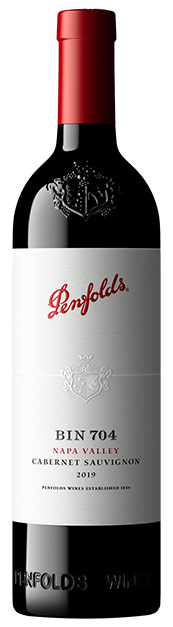
The color has a saturated core and luminous crimson rim. The nose is abounded with red and sweet spices of paprika, sumac, cinnamon, rose water, saffron, red currants, Iranian barberries, and pomegranate. It has a steely-coolness and ferrous minerality. French oak announces itself, cedar-y and structural, all proudly supporting a saturated mulberry and summer berry core. It’s reminiscent of scents from the pâtisserie: dark cherry pie, and milk chocolate mousse dusted with freeze dried raspberries.
The palate is defined, yet approachable. It has a silkiness to it with a gorgeous texture that glides effortlessly across the palate. Succulence, mouth-watering and appetite-inducing acidity, a find graphite core confirms the varietal’s identity. There is power lurking beneath, a dense black fruit drive—which is somewhat unexpected, yet most welcome. This confident wine can be enjoyed now or cellar for a decade or more.
Analysis: 14.5% alcohol / volume AVA: Napa Valley Varietal: Cabernet Sauvignon pH: 3.73 Total Acidity: 6.33 g/L Maturation: 17 months in French oak (40% new) Peak Drinking: Now-2036 Awards:
94+ Points – Erin Larking – Robert Parker’s The Wine Advocate
94 Points – Lisa Perrotti – Brown, The Wine Independent
Winemaker’s Notes: Steeped in Penfolds winemaking tradition yet still embracing modernity, Bin 704 seeks to redefine Napa Valley Cabernet through a Penfolds lens. Being mindful of varietal nuances, regional essence and silk-like textural definition, the wine is nurtured in French barriques for maturation. Impressive is the cyclical nature of viticulture and winemaking and Penfolds recognizes that different hemispheres often end up being the mirror image of the other. The name Bin 704 draws inspiration from the “mirror” or “reverse” image of its Australian Bin 407 stablemate, a wine which also respects varietal expression.
Vintage Conditions: Excellent winter rainfall ensured the soil was fully saturated at the beginning of the growing season. Spring was cooler and wetter than recent years, resulting in a two-week delay to bud-burst and flowering. May rainfall was especially helpful in maintaining the soil moisture profile. Warm summer weather had the vines moving along well making up for the slow start to the season. August was characterized by warm days and cool nights, optimal conditions for veraison. Harvest across the region was one to two weeks later than usual with yields close to long-term average. A good vintage for Cabernet Sauvignon, with grapes showing bright acidity, powdery tannins, and strong varietal flavors.
About the Winery: Penfolds is one of Australia’s most iconic wineries, founded in 1844 by Dr. Christopher and Mary Penfold. With a history spanning over 175 years, the winery has built a legacy of crafting world-renowned wines. Penfolds blends tradition with innovation, focusing on quality, multi-regional sourcing, and a diverse portfolio that spans a wide range of varietals. The winery’s commitment to excellence has made it a symbol of premium Australian wine on the global stage.
The Bin 704 Cabernet Sauvignon, for example, is sourced from Napa Valley, marking the winery’s venture into crafting wines beyond Australia. Napa’s renowned terroir, known for producing exceptional Cabernet Sauvignon, offers a new canvas for Penfolds’ winemaking philosophy. By combining Napa’s rich soils with their expertise, Penfolds seeks to maintain the same meticulous standards they uphold in their Australian wines. Bin 704 is a reflection of the winery’s tradition of multi-regional sourcing, blending Napa’s signature characteristics with Penfolds’ distinctive style. Learn more here.
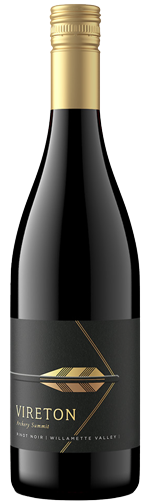
The bouquet is layered, with a fruity core of raspberry, cranberry, and red currants surrounded by oak and earthen spice. Silky tannins and fresh fruit jam nudge the palate, giving way to hints of warm baking spices. A model Willamette Valley wine, the Vireton Pinot Noir is juicy, fruit-forward, kissed with slight new oak nuances while wonderfully balanced. Enjoy now through the next 5-10 years.
The world-renowned Willamette Valley has become one of the most prized winegrowing regions on earth
Oregon is unique and offers its own distinctive voice
Viticulture & Production: The wine puts the beauty of the Willamette Valley on a pedestal. The grapes were hand-harvested and sorted before being fermented in a combination of stainless steel, concrete, and wooden open-top vessels. For added character and nuance, they incorporated 25% whole cluster fruit in the fermentation. The tanks were pumped over twice daily until about two-thirds of the way through fermentation. At that point, they conducted daily tasting to coax the wine to finish fermentation with pump overs and manual punch downs. The wine was then pressed and put to barrel, aged for 10 months in 17% new oak to frame the bright fruit profile inherent to the unique profile from the high elevation, volcanic soils of the Willamette Valley.
Winemaker’s Notes: Vireton Pinot Noir walks boldly into the Willamette Valley and returns with the unexpected, a kind of down-to-earth, everyday level of luxury. Not tethered to any one vineyard site, this outgoing wine instead reflects the merits of an entire region. It’s a testament to the power of multiple voices within one storied region and the strength in numbers that follows. In wine, just as in life, it’s the most intrepid who end up with the most fulfilling experiences. Vireton celebrates those experiences, whether you’re toasting another Tuesday, or celebrating something much bigger.
About the Winery: Archery Summit, founded by Gary Andrus in 1993, is a distinguished winery located in the Dundee Hills of Oregon’s Willamette Valley, renowned for its exceptional Pinot Noir. Andrus, a veteran winemaker with a successful background in Napa Valley, was captivated by the region’s potential for producing high-quality wines that reflect the unique terroir. Archery Summit focuses on site-specific wines, sourcing grapes from five estate vineyards and three grower sites across four American Viticultural Areas (AVAs). With a commitment to showcasing the refined flavors of place, Archery Summit continues to elevate the reputation of Willamette Valley wines on the global stage. Learn more here.
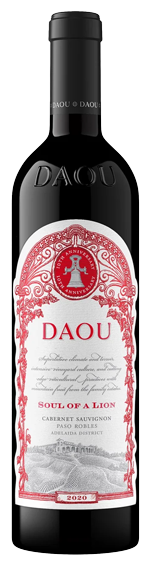
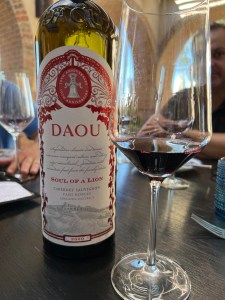
The 2020 vintage marks the 10th anniversary of Soul of a Lion, the true crown jewel of DAOU. It is an emblem of their quest to relentlessly produce unsurpassed Cabernet Sauvignon from the terroir of DAOU Mountain. This is the story of two sons, their beloved father, a history rooted in courage, and a wine called Soul of a Lion.
Analysis: 15.2% alcohol / volume Varietal: 81% Cabernet Sauvignon, 13% Cabernet Franc, 6% Petit Verdot Appellation: Adelaida District, Paso Robles, California Barrel Aging: 22 months in 100% new French Oak Winemaker: Daniel Daou Accolades: • 97 pts. Wine Enthusiast • 95 pts. Robert Parker’s Wine Advocate • 94-96 pts. Jeb Dunnuck
WINEMAKER’S NOTES: “The 2020 vintage presents an alluring profusion of black cherry, mulberry and Oregon blackberry aromas with notes of leather, cigar box and dark chocolate. Hints of desert sage and crème de menthe accent the rich fruit. The palate is silky and voluptuous, delivering loads of currant, cassis, black raspberry and ripe cherry. Notes of fig and baking spice are underscored by earthy tones of dates and truffle. Mature, ripe tannins yield a weighty, velvety texture integrated with a limestone minerality and subtle oak. A lengthy finish leaves lingering impressions of blackberry, plum and espresso with a touch of white pepper. A wine of immense staying power that will evolve favorably for many years to come.” – Daniel J. Daou, Co-Proprietor/Winemaker
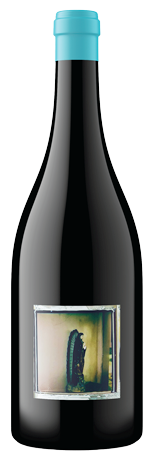
“Soul of a Lion is named for our father Joseph, who exhibited unwavering love, passion and courage throughout our lives together. That pursuit of the extraordinary drove us to discover DAOU Mountain—and to embark on a dream decades in the making.” – Georges J. Daou, Co-Proprietor
VINTAGE NOTES: DAOU Estate wines showcase the visionary talent of Winemaker Daniel Daou and the unrivaled terroir of DAOU Mountain. These wines come from the mountain’s finest vineyard blocks and are made with the utmost passion, investment and intention. The 2020 growing season began on a dry note, followed by much-needed rains in April that replenished the soils and set the stage for healthy canopy growth. Conditions through mid-summer remained mild and steady, with the exception of a rare August thunderstorm. Subsequent heat waves and distant wildfires put DAOU Mountain to the test heading into harvest, yet despite the challenges the 2020 vintage produced some of the most complex wines yet.
ABOUT THE WINERY: Rediscovered by brothers Georges and Daniel Daou in 2007, DAOU Mountain was originally celebrated decades earlier as a “jewel of ecological elements” by renowned winemaker André Tchelistcheff. Their search for the perfect terroir led them to these steep slopes rising 2,200 feet above sea level, blessed with the rare calcareous clay soils found in the world’s finest wine regions. With a passion for crafting exceptional yet accessible wines, the Daou brothers transformed the Adelaida District into a global benchmark for Cabernet Sauvignon and Bordeaux varieties. DAOU is committed to creating extraordinary wines, fostering emotional connections, and offering elevated experiences filled with life’s greatest joys. Learn more here.
The 2022 Our Lady of Guadalupe Pinot Noir pours a dark persimmon core with a lucid rose hip rim. Laden with elegant aromatics, notes of bright raspberry and bing cherry develop into darker tones of black cherry, mocha and mahogany. On the palate, the entry is scrumptiously soft with cranberry crunch, ripe strawberry, redcurrant and a touch of maritozzo. Typical of the Sta. Rita Hills, the finish is lined with minerality and some saline hints with closing touches of fennel and anise.
Analysis: 14.8% alcohol / volume Varietal: 100% Pinot Noir pH: 3.76 TA: 5.55 g/L Appellation: Sta. Rita Hills, California Clonal Selection: All from “Our Lady of Guadalupe Vineyard” – 828, 777, Pommard 4, 667, 459, 115, Swan, Calera Élevage: Aged in French Oak for 10 months, 49% New Cooperage Selection: Alain Fouquet, Francoise Freres, Cadus, Ermitage and Damy Winemaker: Dave Phinney Accolades: • 96 pts. Decanter • 95 pts. Editor’s Choice – Wine Enthusiast • 94 pts. Vinous – Antonio Galloni
WINEMAKER NOTES: “Every year, we learn more about the intricacies of our special vineyard in the western – end of the Sta. Rita Hills. Coming off the heels of our successful inaugural vintage, the 2022 OLG Pinot Noir is a continuation of our quest to produce a wine that captures the Our Lady of Guadalupe vineyard , the vintage and the terroir it inhabits. Sandy loam and diatomaceous earth soils and the constant barrage from coastal winds, force our vines to focus their energy on producing concentrated berries, exemplified by the low yields. In 2022, we incorporated more sections of our vineyard and two additional clones — the famous Swan and Calera clones — to achieve a higher degree of complexity in the resulting wine. And while we do 95% of our winemaking in the vineyard, we experimented in the cellar with different types of barrel toasts, forest origins and cooperages to see what pairs best with each clone, furthering our goal of complexity.” – Dave Phinney, Winemaker.
ABOUT THE WINERY: Our Lady of Guadalupe Winery, nestled in the Sta. Rita Hills AVA in California, is the realization of a dream by renowned winemaker Dave Phinney. Purchased in 2015, the vineyard underwent a meticulous transformation, restoring its soil health and planting vines by 2018. The winery focuses on producing world-class Pinot Noir and Chardonnay, utilizing unique clones and sustainable practices. The vineyard’s name honors Mary, mother of Jesus, symbolizing protection and peace for the team. Phinney’s dedication to quality and attention to detail is evident in every aspect of the winery, from soil management to clone selection. Each decision is made with the goal of creating exceptional wines that reflect the terroir of the land. Still family-run, the winery embodies Phinney’s passion for crafting extraordinary wines while celebrating the beauty of the Sta. Rita Hills region. Learn more here.
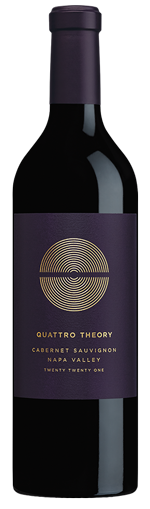
The classic Napa Valley varietal character is the star in this Cabernet Sauvignon, with the tannins and texture supporting the smooth fruit flavors. The wine’s balance and freshness make this a particularly food-friendly red wine.
Analysis: 14.5% alcohol / volume Varietal: 84% Cabernet Sauvignon, 7% Merlot, 6% Malbec, 2% Petit Verdot, 1% Cabernet Franc Clones: Cabernet Sauvignon: Clone 4 (Landon’s Favorite), Clone 7, Clone 8 | Merlot: 181 | Malbec: Clone 595 | Petit Verdot: Clone 7 Appellation: Napa Valley, California Aging: 15 months in 100% French Oak Barrel (45% new) Winemaker:Landon Donley Release Date: July 2023 Suggested Pairings: Grilled rack of lamb with fresh herbs, ribeye steak with sautéed mushrooms and braised short ribs.
VISION: Winemaker Landon Donley seeks to showcase the freshness and classic varietal character of the highest-quality Napa Valley Cabernet Sauvignons. Every aspect of the winemaking process is intentionally designed to ensure the wine’s structure supports and enhances the varietal character, resulting in a wine that overdelivers on quality and shows beautiful integration upon release.
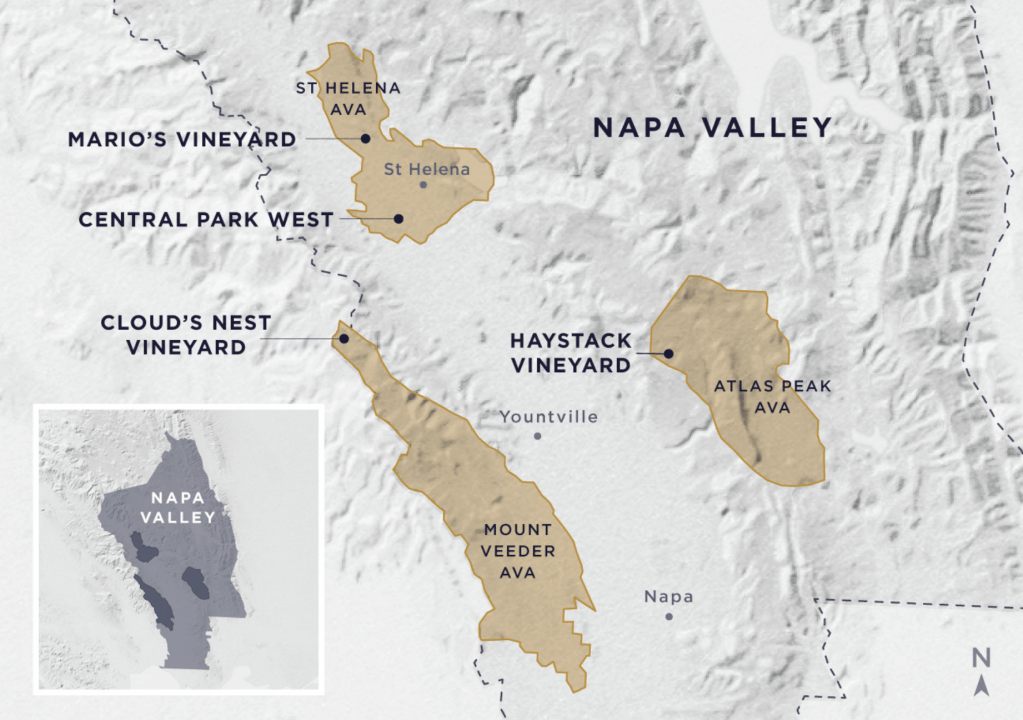
VINEYARDS: This Cabernet is structured primarily around valley floor fruit from two of their estate vineyards located in the St. Helena AVA, offering ripe fruit character, good structure and a smooth, long finish. Further complexity and elegance is added to the blend with the addition of estate mountain vineyards from AVAs including Mt. Veeder and Atlas Peak. The grapes are harvested by hand at night in small lots over the course of a few weeks, picked only when at the level that meets their style.
WINEMAKER NOTES: The cellar is set up with every step intentionally designed to emphasize natural aromatics and varietal character. The grapes are chilled to 40°F to heighten aromatics and minimize astringency, then sorted by cluster then berry by our optical sorting system before undergoing a three-to-five-day cold soak. Careful yeast selection and an even, moderate fermentation temperature is key in maintaining the wine’s sense of place. Tannin extraction is constantly analyzed so the wine can be drained off the skins at the ideal flavor, concentration, structure and color, then finish fermenting to dry. The preliminary blend is assembled once the wine completes malolactic fermentation in tank to ensure integration, and ages in a selection of custom-toasted new and used French oak barrels from select coopers.
ABOUT THE WINERY: Quattro Theory wines capture the truest expression of Napa Valley bringing together four defining elements: winemaker Landon Donley’s intentional vision, quality vineyards, precision winemaking and experience with food and friends. Seriously made to be easily enjoyed. Learn more here.
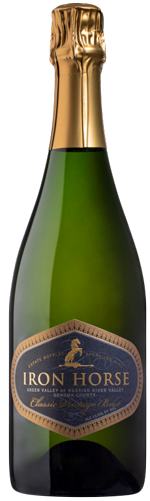
Classic Vintage Brut is considered the flagship wine of the estate and epitomizes the family’s dedication to excellence. Its quality and finesse evoke memories of Champagne, yet its flavors distinctly represent Sonoma County’s Russian River, Green Valley, and especially Iron Horse. Delightful and complex aromas of rising dough, orange marmalade, and baked apple lead to a perfectly balanced palate, showcasing ripe red apple, mandarin orange, and hazelnut. The intricate flavors and textures are matched only by the pure pleasure of its enjoyment.
Analysis: 13.5% alcohol / volume Varietal: 67% Pinot Noir, 33% Chardonnay Dosage: 0.5-1.0 g/dL Fermentation: Gently pressed as whole clusters yielding base wines of great delicacy. A long, cool ferment at 62º to 65ºF retains vibrant fruit esters. Individual lots of Pinot Noir and Chardonnay with a shy nose and a touch of fruit are blended to create a sparkling wine that shows rich, nutty, and toasty aromas with a hint of fruit and wonderful complexity. The dosage for this wine is 8 mls of BdB LEX, 8 mls of Rued Chardonnay, 2 mls of 1986 LD Blanc de Blancs. Accolades: 94 pts. Wine Spectator – “A bubbly with richness and verve, this cuvée offers lilting apple tart, crème brûlée and lemon verbena flavors that finish with a spicy, fresh ginger accent.” – T.F 9/23 Vineyard:
Soils: The Iron Horse estate is in the heart of Green Valley’s cool and foggy climate, 13 miles from the Pacific Ocean. The predominant soil-type is called “Gold Ridge”, a sandy loam that has excellent drainage and is perfectly, inherently balanced, making it one of the most coveted soil types, especially for growing Pinot Noir.
Farming: The certified sustainable estate features 164 acres under vine, planted exclusively to Chardonnay and Pinot Noir across a patchwork of gentle, rolling hills. Each of the 39 blocks has been planted with site-specific rootstock and clonal selections, enabling Iron Horse to farm, harvest, and vinify each block separately.
About Iron Horse Vineyards: Founded in 1976 by Audrey and Barry Sterling, Iron Horse has become a prominent name in American sparkling wine. Located in the cool microclimate of the Green Valley AVA, the estate spans 300 acres, with 164 acres dedicated to vineyards split equally between Pinot Noir and Chardonnay. Today, the second generation—Joy Sterling and her brother Laurence—manage the estate, focusing on enhancing vineyard practices, adopting regenerative agriculture and sustainability initiatives, and supporting their community and the environment. Learn more here.
Artfully combining Pinot Noir and Chardonnay, this radiant Brut Rosé draws you in with tantalizing aromas of Bing cherry, wild strawberry, candied lemon rind and graham cracker. On the palate, generous fruit flavors are framed by a lively balance between luxurious mousse and vibrant acidity, which carries the wine to a bright, sophisticated finish.
Production & Winemaking: Crafted in the méthode champenoise style and harvested early, this stunning wine spent a year en tirage before being disgorged. This fresh and radiant Brut Rosé shimmers with layers of strawberry, summer melon and orange blossom.
About Decoy Wines: From its inaugural vintage in 1985 by legendary vintners Dan and Margaret Duckhorn as the companion label to Duckhorn Vineyards, Decoy has evolved to the perfect and comprehensive entry-level luxury brand for the entire Duckhorn Portfolio. It is a collaboration of all Duckhorn Portfolio winemakers that produces high-quality wines at remarkable prices. Its fruit is sourced from distinguished grower and estate vineyards, making approachable yet complex wines that are ready upon release. Learn more here.
Primarily composed of Chardonnay, with some Pinot Noir, this Brut is dry and fresh, with a long elegant finish, possessing crisp citrus flavors with hints of green apple, mandarin orange and brioche. Delicious on its own or the perfect foundation for memorable mimosas and other classic cocktails such as their signature Sonoma 75. This sparkling wine pairs perfectly with crab cakes, sautéed shrimp or sushi.
Piper Sonoma Brut has a pale gold color, petite bubbles and a rich, creamy texture. Sonoma’s warm summer days and cool nights prolong the growing season, producing flavorful grapes with fresh acidity. The fruit is harvested by hand in small containers and whole clusters are pressed to bring out pure aromas and flavors.
In the Vineyards: With nearly forty years of experience in Sonoma County, the winemaking team source from more than 20 growers, some of whom, like the Greene, Young and Ledbetter families, have been supplying grapes for more than three decades. Many growers have adopted voluntary no-till farming practices, with a strict adherence to hillside ordinances. Sustainable agriculture and integrated pest management techniques have been integrated and organic or naturally derived fertilizers are utilized, while composted grape material is used as fertilizer to increase water efficiency and help build soil structure.
In the Cellar: Chardonnay, Pinot Noir and Pinot Blanc fruit is hand picked and brought directly to the winery. Each parcel is pressed and fermented separately, creating an extensive selection of base wines to choose from. Winemaker Keith Hock then tastes each component and selects those base wines that show potential to produce exceptional wine. The cuvée is placed en tirage for secondary fermentation in the bottle prior to disgorgement. Finally, a small percentage of older reserve wine is included in the liqueur d’expedition adding further complexity and texture.
House Style: The Piper Sonoma house style is focused on precision and attention to detail. Each wine displays a balance between fruit expression, complexity and texture, to create wines that are immediately approachable and can further develop with bottle aging.
About Piper Sonoma:
Piper Sonoma was founded in 1980 by the Marquis d’Aulan family, direct descendants of the Piper family. Recognizing Sonoma as a great growing region for Chardonnay and Pinot Noir, and believing in its terroir, the family’s vision was to produce world-class sparkling wines in the New World, using old-world winemaking techniques. Nearly forty years later, the Piper Sonoma winemaking team continues to realize that vision and hand crafts premium sparkling wines under the guidance of long-time winemaker Keith Hock.
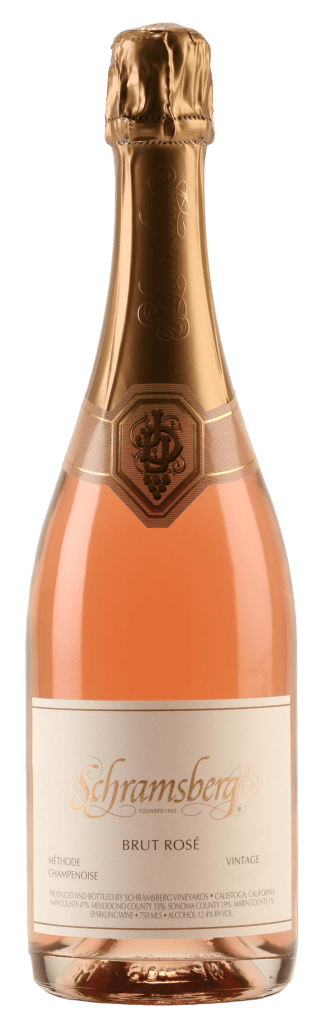
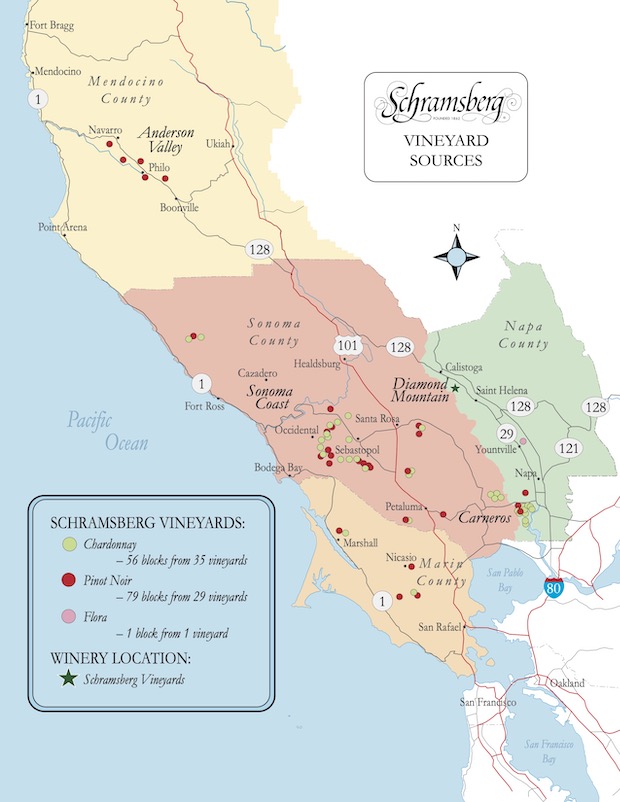
Schramsberg’s Brut Rosé is fruitful, complex and dry, making it both versatile with food and delicious by itself as an apéritif. The character of the wine is strongly influenced by bright, flavorful Pinot Noir grown along the coast from southern Mendocino County to northern Marin County. A few small lots of Pinot Noir are fermented in contact with their skins to add depth and subtle color to this vibrant sparkling wine. Chardonnay gives spice, structure and length on the palate.
“The 2019 Brut Rosé opens with enticing aromas of raspberry, strawberry and peach, intermingled with layers of lemon shortbread, brioche and a hint of white florals. A bright entry of watermelon, cherry-limeade, candied orange and sugar cookie leads to a long quenching finish.” – Winemakers Sean Thompson, Jessica Koga and Hugh Davies
Analysis: 13% alcohol / volume Varietal: 66% Pinot Noir, 34% Chardonnay TA: 8.0 g/L pH: 3.19 RS: 9.0 g/L Appellation: North Coast, California County Composition: 48% Sonoma, 24% Napa, 22% Mendocino, 6% Marin Harvest Dates: August 20 – September 24th, 2019 Release Date: September 1st, 2022 Barrel Fermentation: 32% Critical Acclaim: 93 pts Wine Enthusiast, 92 pts Wine Spectator Serving Suggestions: This is a very versatile wine; try it with sushi, salmon, rock shrimp, roast chicken BBQ ribs, Caprese and Panzanella salads, red berry tarts and an array of cheeses, charcuterie, nuts and fresh fruit. For more recipe inspiration, click here.
Production & Winemaking: Hand picking, careful handling and gentle pressing produce a wine of delicacy, aromatic purity and depth. Following the fall harvest and fermentation of the base wines, extensive tasting trails are carried out in the spring to create a polished blend reflective of the vintage. The finished blend undergoes a second fermentation in bottle before aging on its yeast lees for about two years, just enough to achieve refined effervescence and toastiness without diminishing its refreshing, vibrant appeal.
For 2019, winter brought an abundant amount of rainfall which helped restore the water reservoirs that had suffered from years of drought. With additional late rains in May, the vines had ample water for the growing season. The transition from veraison to full ripeness was very consistent due to the warm, but not hot, temperatures that were maintained during the summer. Harvest started slightly later than average, and in the end brought a bountiful crop with exceptional fruit structure, depth of flavor, and bright acidity.
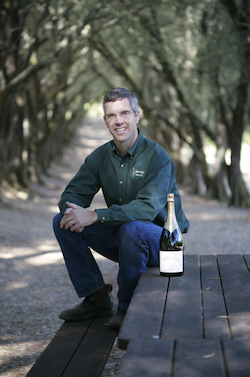
Hugh Davies was born in 1965, the year his parents, Jack and Jamie Davies, revived the historic Schramsberg Vineyards property in Napa Valley. Forty years later, Hugh was named president and CEO of the then 40-year-old sparkling wine house. Prior to 2005, he held the dual responsibilities of winemaker and general manager for the winery. He serves on the board of directors for the Napa Valley Vintners (president 2006), and with his family, chaired the 2004 Auction Napa Valley. For prior hands-on experience in the wine industry before joining Schramsberg, Hugh worked with Möet et Chandon in Epernay; Petaluma Winery in South Australia, and Mumm in Napa Valley, among others.
About Schramsberg Vineyards: In 1965, Jack and Jamie Davies established Schramsberg as a sparkling wine estate on the property originally founded in 1862 by German immigrant Jacob Schram. At a time when there were only 22 bonded wineries in Napa Valley and fewer than 100 acres of California vineyards planted to Chardonnay and Pinot Noir, they set out to make world-class sparkling wine in the true méthode champenoise style. Theirs was the first California winery to provide a Blanc de Blancs in 1965 followed by a Blanc de Noirs in 1967. Now their son Hugh Davies, who was born the same year the Davies arrived at Schramsberg, leads the winery’s management and winemaking team. Learn more here.
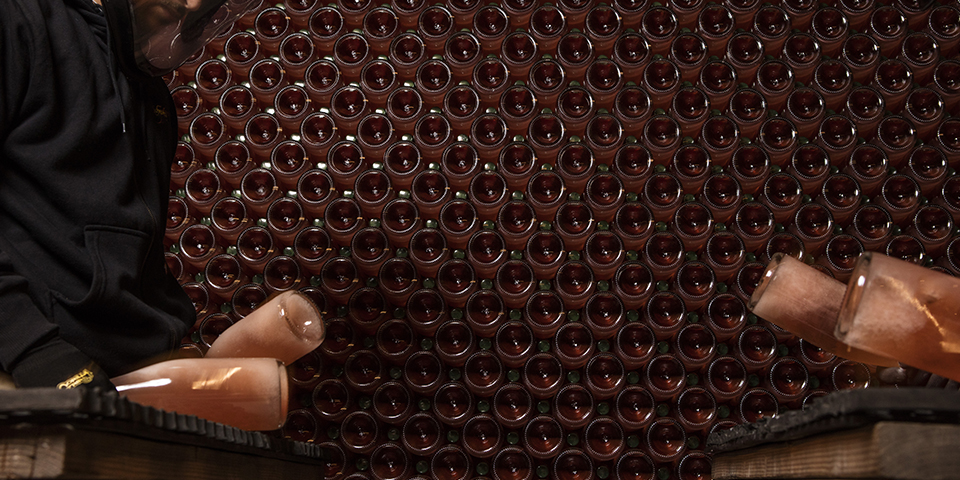
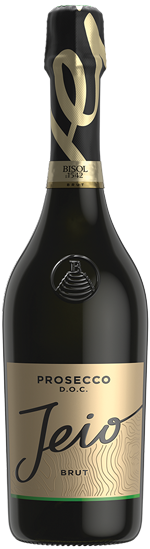
This Brut Cava D.O. is pale lemon, clean and bright in color; it has a good release of small bubbles that end up forming a cheerful crown of mousse. On the nose, there is a high intensity aroma dominated by citrus fruit (lemon, grapefruit) and dairy. Autolytic and honey aromas of aging in bottle are distinguished. On the palate, this wine is fresh, fruity and pleasant with balanced acidity and very good aromatic persistence.
Varietal: Xarel·lo, Macabeo, Parellada Terroir: Grapes varieties are from vineyards located in the Penedès region. It’s the territory between the sea and mountains, halfway between Barcelona and Tarragona. It has a great diversity of microclimates, a consequence of its proximity to the coast and its altitude. The climate is typically Mediterranean, mild and warm. Serving Suggestions: Risotto, shellfish, smoked foods or aperitif.
Winemaking: Made using the “méthode champenoise” or “traditional method” of the Cava DO. Blend or coupage of the traditional varieties of the appellation. Second fermentation in the bottle, as is traditional, with subsequent aging. Disgorgement and subsequent addition of the expedition liquor or dosage.
About Berceo: In the XIII Century, a monk and poet named Gonzalo de Berceo lived in La Rioja, in the Monastery of Suso. At that time, the languages spoken in the area were Arabic and Basque. Back then, Latin was the only written idiom. Gonzalo de Berceo dared to write in Spanish, in a religious poem that also made mention to wine. Since then, Berceo was a very important link between history and wine culture.
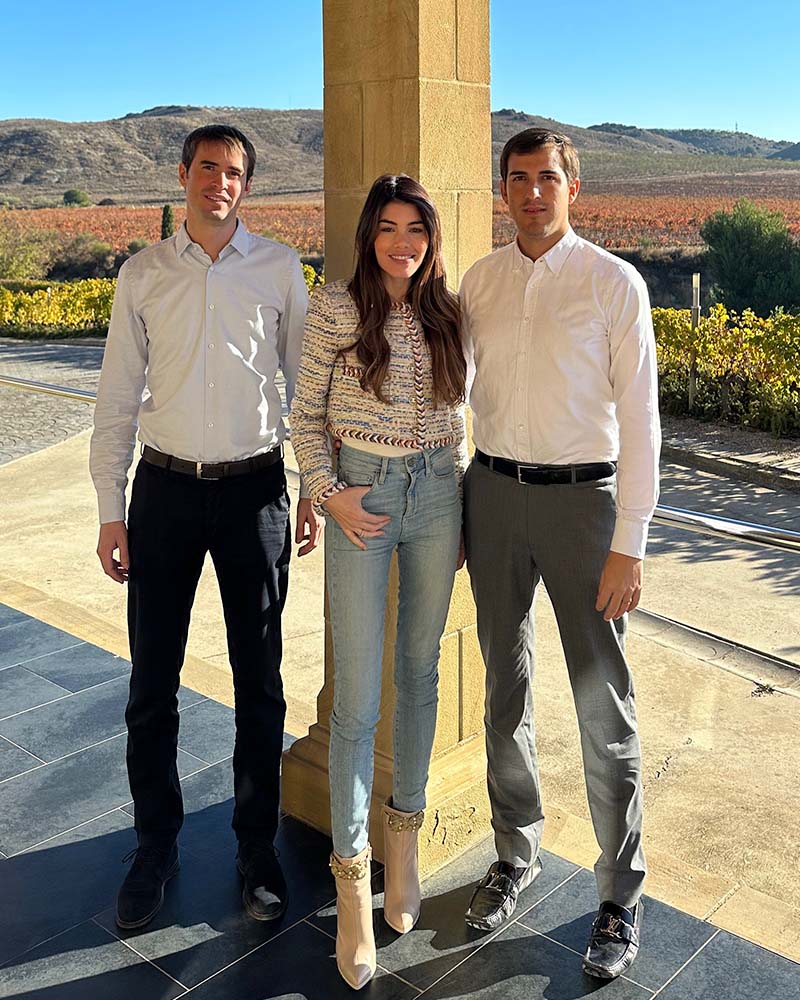
About Bodegas Manzanos: The history of Manzanos Wines is the story of a family, their effort, their perseverance and their know-how. The Fernández de Manzanos have been cultivating vineyards and producing wines for more than a century. It was exactly in 1890 when the first generation of the Fernández de Manzanos family established a small winery in Azagra with a capacity of 50,000 liters of wine. Nowadays, the public faces of Bodegas Manzanos are those of the brothers Víctor, and David Fernández de Manzanos, as well as Laura Mateo, wife of the former. In 2010, these young entrepreneurs took the reins of the winery to turn Bodegas Manzanos into a prosperous business, modern and endowed with the latest technologies in the field. A business that has managed to preserve the old flavor of tradition and its legacy. Learn more here.
The nose features notes of Meyer lemon blossom, baked brioche, pear and a hint of green apple with vibrant minerality. The palate is fresh but complex. Satsuma citrus with echoes of pear. Opens round and creamy, then turns zesty with bright natural acidity carrying through to the finish.
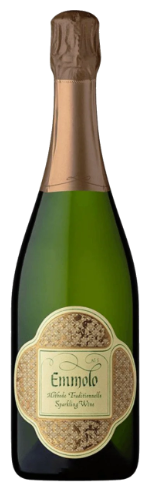
Varietal: 60% Chardonnay and 40% Pinot Noir – Being non-vintage allows the winery to build a desired character that is serious, yet light and fresh. Style differentiator: A prolonged en tirage for 41 months gives this wine creaminess and depth. Extremely fine bubbles provide elegance. Dosage: 2021 Chardonnay from Monterey gives this wine some of its fresh character. Vineyards: Monterey, Sonoma and Santa Barbara counties. The extended growing season in these cooler coastal regions leads to wine of heightened complexity. Serving Suggestions from Winemaker, Jenny Wagner: Cheese puff with biscuit dough, smoked salmon tartine, popcorn or just enjoy on its own.
Winemaker Notes: “My goal is to create an elegant wine with a richly developed character. Even tough this is a California sparkling, I take inspiration from my favorite Champagnes.” – Jenny Wagner, Owner and Winemaker
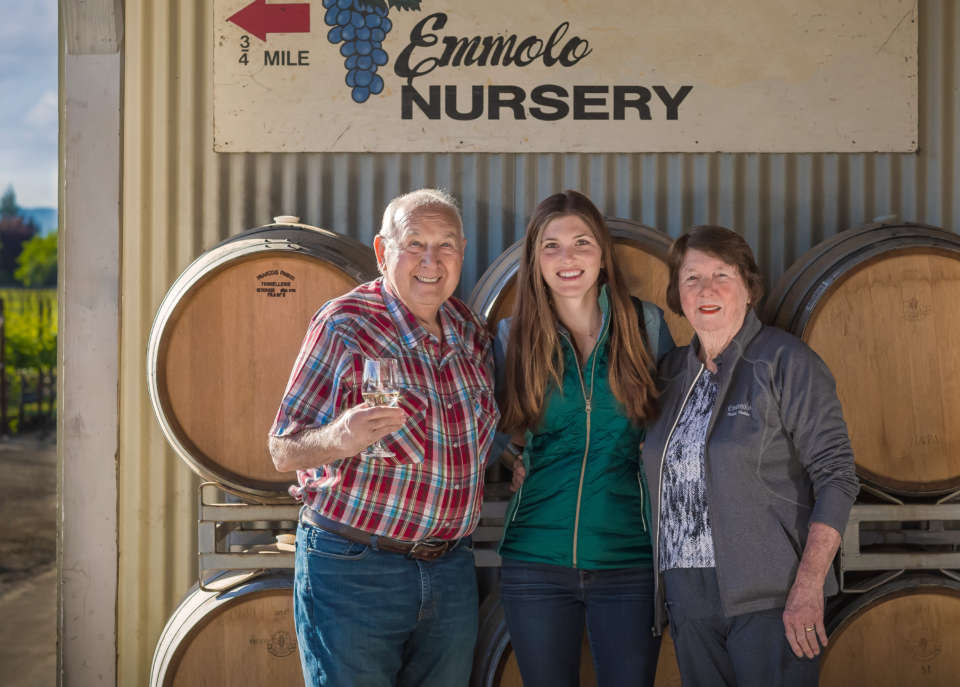
About the Winery: “Emmolo is the name of my mom’s side of the family, which has a long farming history in Napa Valley. My mom, Cheryl Emmolo, has no brothers and wanted to keep the name alive. She dreamed of making wine using family vineyards, and I feel very fortunate that she passed the reins on to me. When I showed my first wine to my grandparents, it was very emotional for all of us.” – Jenny Wagner
Emmolo Winery, established by Cheryl Emmolo in 1994, is deeply rooted in the rich wine history of Napa Valley. Cheryl’s vision was to honor her family’s long-standing tradition in the region, dating back to her grandfather, who operated a vine nursery in the 1920s. Today, her daughter Jenny Wagner has taken the helm as the winemaker, emphasizing minimalist winemaking techniques that showcase the unique characteristics of their varietals. Through a delicate balance of tradition and innovation, Emmolo continues to produce exceptional wines that are a tribute to their heritage and a delight to wine enthusiasts. Learn more here.
Intense raspberry in color with consistent fine bubbles. The nose has initial aromas of red berries and crushed strawberry; after aeration, the nose reveals notes of fresh pastries and vanilla. The palate is full bodied and round with subtle notes of red berries and a long finish.
Analysis: 12.5% alcohol / volume Varietal: 100% Pinot Noir TA: 3.8 pH: 3.18 RS: 9.2 g/L Winemaker: Franck Vollereaux Serving Suggestions: Delightful on its own, or perfect with macaroons. Vinification: Pinot Noir grapes are macerated via the traditional saignée’ method, or “bleeding” off a portion of pink juice during red wine production. The juice spends three years on lees, more than twice the time required by appellation rules. Critical Acclaim: 93 pts. – Wine Enthusiast, December 2020
About the Winery: Champagne Vollereaux was established in 1805 by Paul Emile Vollereaux. For six generations, the Vollereaux family’s attention to detail has been reflected in each bottle, leaving a finished product that delivers a fresh, light, elegant and fruity profile. What was once enjoyed by a small group of friends and family is now available worldwide. With its casual-chic style, Champagne Vollereaux creates the occasion and elevates any moment. Vollereaux is one of the very few champagne wineries to use the traditional saigne method of maceration for its Rosé Champagne, which involves bleeding off a portion of pink juice during red wine production (as opposed to blending red and white wine together). This process occurs after a short contact with the grape skins and seeds.
Today, the winery is owned and operated by brother-sister team Franck and Hélène Vollereaux. Franck is the winemaker and director while Hélène handles the domestic business and winery hospitality. Together, they carry the spirit of continuously strengthening and improving on the success achieved by their forebears.
Gold yellow in color with floral perfumes and hints of stone fruits such as peach and apricot on the nose. It’s smooth, mellow and luscious with a fine and intense palate on the finish. This wine pairs well with sweetbreads or Fricassée de cèpes.
Analysis: 12% alcohol / volume Varietal: 70% Pinot Noir (Côte des Bar), 30% Chardonnay (Montgueux, Côte des Blancs, Vitry) Appellation: Champagne, France Reserve Wines: 20% to 25% Alcoholic Fermentation: Stainless steel tank Malolactic Fermentation: 100% Aging: 3 years minimum Disgorgement: Extra aging of 3 months minimum Awards:
Gold – Mundus Vini 2021
94 pts. – Decanter 2020
91 pts. – James Suckling 2021
International Wine Challenge 2020 – Michel Parisot elected Sparkling Winemaker of the Year
Winery Commitments:
Sustainable vine-growing in Champagne
Vines: 15 years old minimum
First-press juice only
Limited Sulfite use (jetting)
Quality certifications
About the Winery: Devaux Winery, with a rich history dating back to 1846, is a distinguished Champagne house located in the Côte des Bar region of Champagne, France. Known for its commitment to quality and tradition, Devaux produces exceptional sparkling wines. The winery seamlessly blends heritage with modern techniques, crafting unique and refined Champagne expressions that reflect the essence of its vineyards and expertise. Learn more here.