January Premium Wine Club

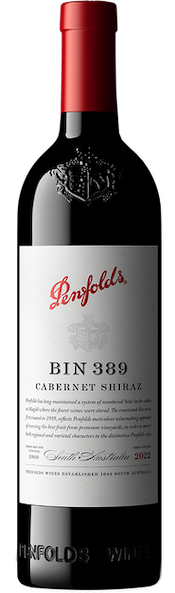
Bold wine Style logoPEN 2022 Bin389 CabShiz 750 FB Cork AUSPenfolds
Bin 389
Cabernet Shiraz

Southbank, Australia

BOLD WINE STYLE

The color is glossy, dark red and purple. The nose is an “old school” Penfolds nose—a classic and comforting homage to their storied past. It opens with the rich, deep tones of mahagany and the refined scent of a cigar box. Sweet oak spices are neatly interlaced with a dusty character. This foundation is lifted by summer berries, offering a balance between richness and vitality. Baking spice is present alongside tart red currant and cranberry, while the aroma of fresh pastries rounds out the nose. The palate is immediately enveloped by cocoa powder-like tannins—smooth yet profound in their impact. The wine boasts volumes of Cabernet character, showcasing cool fruits that are well lifted and vibrant. A barrel ferment nuance adds depth without overshadowing the fruit’s purity. Sourdough notes bring a rustic edge which complement the lush profiles of plum fruits, blackberry, mulberry, wild cherries and more distinctly tart morello cherries.

Varietal: 51% Cabernet Sauvignon, 49% Shiraz
Vineyard Region:
McLaren Vale, Coonawarra, Barossa Valley, Padthaway, Wrattonbully
Analysis:
14.5% alcohol / volume
pH: 3.62
Total Acidity: 6.7 g/L
Maturation: 12 months in American oak hogsheads (36% new)
Peak Drinking: 2025-2050
Awards:

  • 96 Points – Andrew Caillard MW
  • 96 Points – Tyson Stelzer
  • 96 Points – Huon Hooke
  • 96 Points – James Halliday
  • 96 Points – Ken Gargett
  • 94 Points, #12 on Wine Spectator’s Top 100 List

Winemaker’s Notes:
Bin 389 was often referred to as ‘Baby Grange’, in part because components of the wine are matured in the same barrels that held the previous vintage of Grange. First made in 1960 by the legendary Max Schubert, this was the wine that helped forge Penfolds reputation with red wine drinkers by combining the structure of Cabernet Sauvignon with the richness of Shiraz. Exemplifying the judicious balance of fruit and oak, Bin 389 highlights the generous mid-palate Penfolds is known for.

Vintage Conditions:
In McLaren Vale, temperatures rarely soared above 35°C — significantly lower than in the previous vintage. This coolness contributed to a delayed but unhurried harvest, allowing Shiraz and Cabernet Sauvignon fruit to be picked at an ideal time for quality. Coonawarra experienced its own cold spells with nine days dipping below 2°C during spring. The lowest point was recorded early in September at -0.3°C. Frost fans played a critical role in protecting the vines from damage. Warmer weather returning late November to December provided perfect conditions for flowering and fruit-set, leading to uniform veraison with robust grape flavors, tannins, and color. The Barossa Valley told a story of resilience under cool conditions with spring storms bringing winds and heavy rains including hail; nevertheless, yields exceeded early predictions. A dry but cool December extended the fruit-set period; however, this did not hinder sugar accumulation or phenolic maturity thanks to healthy canopies that retained acid well into the growing season. Padthaway faced a challenging frost event in mid-October, followed by mild weather free from significant heat spikes or harvest delays due to rain — conditions conducive for quality grape development. Wrattonbully faced its own trials with rainfall from October to April measuring 49% above long-term averages. While excess moisture slowed ripening and pushed back harvest dates slightly, fruit quality was not impacted, and ‘A grade’ blocks produced a high-quality harvest.

About the Winery:
Penfolds is one of Australia’s most iconic wineries, founded in 1844 by Dr. Christopher and Mary Penfold. With a history spanning over 175 years, the winery has built a legacy of crafting world-renowned wines. Penfolds blends tradition with innovation, focusing on quality, multi-regional sourcing, and a diverse portfolio that spans a wide range of varietals. The winery’s commitment to excellence has made it a symbol of premium Australian wine on the global stage.
 Learn more here.

Information & Photos © Penfolds – All Rights Reserved.


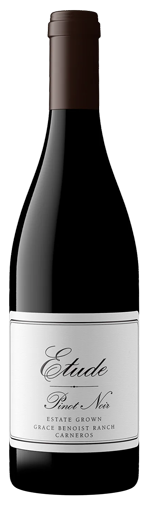
Mellow style logoEtude Pinot Noir CarnerosEtude
Carneros Pinot Noir

Carneros, California

MELLOW WINE STYLE

The Etude Carneros Pinot Noir is a true reflection of the winery’s estate vineyard, Grace Benoist Ranch. A blend of the best grapes from individual vineyard parcels on the Ranch, this wine tells the story of a particular vintage from a very unique place.

Vibrant and lively, this ethereal ruby red Pinot Noir is full of lifted red berry aromas alongside flavors of strawberry compote, Bing cherry, pink peppercorn, and delicate hibiscus flower with nuances of earth and spice. The mouthfeel is savory and rich with fine-grained tannins and finishes long and fresh with hints of cinnamon and clove, a signature characteristic often found in Grace Benoist Ranch Pinot Noirs. Silky and supple with a lean line of acidity, making it ideal for enjoying now, or cellar away, for further development of the complex layers of flavor.

Analysis: 14.2% alcohol / volume
Varietal: Pinot Noir
Region & Appellation: Carneros
Critical Acclaim:

  • 92 Points – James Molesworth, August 2021
  • 94 Points – James Suckling, August 2021

The Vineyard:
The Etude Carneros Pinot Noir originates from their estate vineyards located in the far northwest corner of the Carneros appellation, near the southwest corner of Sonoma. Unlike the majority of Carneros, which features soils composed of clay from uplifted bay bottoms, the soils at Grace Benoist Ranch are diverse and influenced by volcanic origins. These well-drained, rocky upland soils, combined with the vineyard’s extreme western location near the Pacific Ocean and San Pablo Bay, create an ideal environment for cultivating Burgundian varieties.

The vineyard parcels at Grace Benoist Ranch are carefully aligned with the diverse soil types and varying contours of the ranch’s topography. Each vineyard averages just eight acres, with dense spacing to promote low per-vine yields of intensely concentrated fruit. The ranch is farmed to Etude’s rigorous standards using environmentally responsible viticultural practices. It is sustainably managed and certified by both the California Sustainable Winegrowing Alliance and Fish Friendly Farming. Grace Benoist Ranch encompasses four smaller vineyards—Laniger, Deer Camp, Temblor, and Heirloom—which feature five principal soil types and 20 distinct Pinot Noir clones.

Production:
The 2019 harvest started one to two weeks later than previous years, mostly due to February rains, but because the vines were in their winter dormancy, it did not affect the 2019 crop. Spring continued to be wet with some rain during flowering, followed by cool temperatures that allowed the grapes to mature gradually. Most grapes ripened at lower sugars, thanks to the extended, cool growing season, and winemakers were pleased with the full flavors, fresh acidity and superb balance of the 2019 fruit. Wildfires in October did not impact this year’s harvest as the vast majority of the grapes were already brought in, resulting in a crop size pretty much on par with previous years.

Winemaking:
For more than a decade Jon has fashioned Etude wines with a simple creed: Inspired winegrowing diminishes the need for a winemaker to intervene in the cellar. Whether sourcing from the estate Grace Benoist Ranch in Sonoma’s Los Carneros, or vineyards like Fiddlestix and North Canyon in famed growing regions of California’s Central Coast, his focus is on coaxing the very best from the vineyard. It shows in every glass of Etude.

About the Winery:
Etude is located in the Carneros region, which is the only American Viticultural Area (AVA) located at the crossroads of two major regions: Napa and Sonoma. Los Carneros, named in tribute to the livestock that roamed its hills from the late 1800s to the mid-20th century, was officially designated as an AVA in 1983. The year before, Etude was founded by winemaker Tony Sotor, whose leadership, along with the efforts of the Etude winemaking team, played a pivotal role in defining not only the boundaries of this new AVA but also the distinctive characteristics and quality of its grapes. These qualities continue to set Los Carneros apart from other AVAs in both Napa and Sonoma. As a cooler climate wine region, Los Carneros benefits from fog and maritime breezes flowing in from the Pacific through the San Pablo Bay and Petaluma Gap. This natural cooling slows vine growth and photosynthesis, allowing for a prolonged hang time that results in concentrated flavors, optimal sugar and phenolic ripeness, and balanced acidity in the grapes. To learn more about the winery, click here.

Information & Photos © Etude Winery – All Rights Reserved.


Wine club logoJoin our PREMIUM WINE CLUB, enjoy amazing wines every other month. Plus, you’ll receive 10% off all retail wine purchases!

Learn more about our Premium Club >


July Premium Wine Club

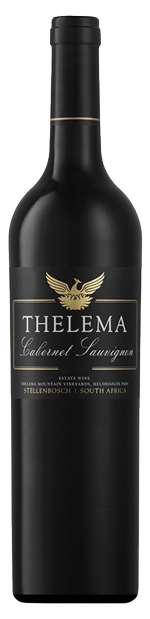
Bold wine Style logoThelema-Cabernet-Sauvignon-bottleThelema Mountain Vineyards
Cabernet Sauvignon 2019

Stellenbosch, South Africa

BOLD WINE STYLE

Complex and stylish, with aromas of blackcurrant leaf and coffee bean which progresses into a palate that’s structured and racy with hints of leather, dark chocolate and sweet blackberry. The firm tannins yield and gripping mouthfeel from the first sip through to the long lingering finish.

WINE DETAILS:

  • Analysis: 13.5% alcohol / volume
  • Varietal: Cabernet Sauvignon
  • pH: 3.66
  • Residual Sugar: 1.6 g/L
  • Total Acidity: 5.6 g/L
  • Food Pairing: A butterflied leg of lamb or lamb steak with rosemary and potato dauphinoise on the side

VITICULTURAL PRACTICES:

  • Varietal: Cabernet Sauvignon – clone 46C, 169A and 338C
  • Root stock: 101-14, R110 & R99
  • Soil type: Hutton – decomposed granite
  • Age of vines: Planted 2002, 2003 & 2008
  • Plant density: 2000-2300 vines per hectare
  • Trellising: Vertical hedge
  • Pruning: 2-bud spurs every 15cm
  • Yield: 10.4 tons per hectare
  • Irrigation: Supplementary drip
  • Vintage: Cool weather conditions constituted smaller more concentrated berries, leading to wines with great natural acidity and flavor
  • Picking date: 19 February – 28 February, 2029
  • Grape sugar: 24.7-25.2ºB
  • Acidity: 5.74 – 6.84 g/l
  • pH at harvest: 3.53-3.7

WINEMAKING PRACTICES: 

  • Yeasts: Alchemy 3 / X-Pure
  • Method: The grapes were gently de-stemmed, retaining as many whole berries as possible, before passing over an additional vibrating table to remove all MOG (matter other than grapes), after which a displacement pump takes the fruit to its fermentation tank. The tanks are then inoculated with a specific commercial yeast strain, this way insuring the development of the perfect flavor profile. Fermentation is done in stainless steel fermenters, and a combination of aerated pump overs and punch down techniques are used to ensure optimal color, tannin and flavor extraction. Once fermentation is complete, the wine is drained off the skins and moved to a holding tank to be barreled down. Malolactic fermentation takes place in the barrels. The wines are aged gracefully in place for 18 months, with 25% new French oak barrels and received only one racking during this period. After tasting through all the individual lots, the winemaking team decides on the final blend, the barrels are emptied into the tank farm and the wines are prepared for bottling.
  • Mood Maturation: 18 months in barrel, 30% new French oak, balance in older barrels

Bold wine Style logoThelema-The-Abbey-bottleThelema Mountain Vineyards
The Abbey 2019

Stellenbosch, South Africa

BOLD WINE STYLE

The name Thelema comes from a tale written by 16th Century French writer Francois Rabelais, who writes about beautiful Abbey, Thélème, where there is but one rule – ‘do what thou wilt’. This blend of Shiraz, Grenache and Petit Verdot pays homage to the spirit of the Abbey and to the author who gave them their name.

WINE DETAILS:

  • Analysis: 13.5% alcohol / volume
  • Varietal: 70% Shiraz, 15% Grenache and 15% Petit Verdot
  • pH: 3.62
  • Residual Sugar: 2.0 g/L
  • Total Acidity: 5.2 g/L
  • Food Pairing: Rich hearty stews, roasts and grilled meats

VITICULTURAL PRACTICES:

  • Varietal: Shiraz – Clone Sh1A / Grenache – Clone GN 70N / Petit Verdot – Clone PR 400D
  • Root stock: 101-14 & R99
  • Soil type: Hutton – decomposed granite
  • Age of vines: Planted 2003 to 2006
  • Plant density: 3000, 1996 and 2022 vines per hectare respectively
  • Trellising: Vertical hedge
  • Pruning: 2-bud spurs every 12cm
  • Yield: 8.5 tons per hectare (Shiraz), 11 tons/ha (Grenache), 13 tons/ha (PV)
  • Irrigation: Supplementary drip
  • Vintage: Cool weather conditions constituted smaller more concentrated berries, leading to wines with great natural acidity and flavor
  • Picking date: 15 March 2019 (Shiraz), 20 February 2019 (Grenache), 20 March 2019 (PV)
  • Grape sugar: 25.2ºB (Shiraz), 25.0ºB (Grenache), 24.8ºB (PV)
  • Acidity: 5.12 g/L (Shiraz), 6.19 (Grenache), 5.73 g/L (PV) 
  • pH at harvest: 3.6 (Shiraz), 3.33 (Grenache), 3.57 (PV)

WINEMAKING PRACTICES: 

  • Yeasts: Alchemy4
  • Fermentation temp: 80.6ºF
  • Method: De-stalked, hand sorted, crushed, pumped into stainless steel fermentation tanks, cold soak for two days, and pumped over once a day for 5 days. After fermentation, the wine is left on the skins for 2 days before pressing, once pressed, wine is racked to barrel for malolactic fermentation.
  • Mood Maturation: 18 months in 2nd & 3rd fill 225 L French oak barrels

ABOUT THELEMA MOUNTAIN VINEYARDS:
After leaving his accounting career to become a winemaker Gyles Webb and the McLeans, his in-laws, purchased Thelema in 1983. The manor house was restored and the first wines under the Thelema label were released in 1988. By the mid 1990’s, their wines sold out within a month of release, making it one of the most sought-after wine estates in South Africa. The Webb family describe Thelema as “one of the most beautiful places on earth”. Situated on the southeastern side of the Simonsberg Mountain, with elevations 1739 feet above sea level and mainly south-facing slopes, Thelema Mountain Vineyards possesses some of the highest elevations in Stellenbosch, South Africa. These high altitudes and the rich red soils are ideal for premium quality wine grape production. The Webb family believes grape quality is the single most important factor in serious winemaking; their policy is one of minimum interference, allowing the wines to be a true expression of each vineyard. Learn more about the winery here.

Information, Photos & Video © Thelema Mountain Vineyards – All Rights Reserved.


Wine club logoJoin our PREMIUM WINE CLUB, enjoy amazing wines every other month. Plus, you’ll receive 10% off all retail wine purchases!

Learn more about our Premium Club >


Thelema Mountain Red


Grilled BBQ Chicken PizzaGrilled BBQ Chicken Pizza

INGREDIENTS:

  • 1 pound pizza dough raw
  • all-purpose flour for dusting dough
  • olive oil for brushing on grill and pizza
  • ½ cup barbecue sauce
  • 1 ¼ cups mozzarella shredded
  • ½ cup smoked gouda shredded
  •  cup roma tomato, ¼-inch thick slice
  •  cup green bell peppers, ¼-inch thick slice
  •  cup red onions, ¼-inch thick slice
  • ½ cup corn fresh, canned or defrosted frozen
  • 2 slices bacon cooked, diced
  • 1 cup cooked chicken breast ¼-inch thick slice
  • ¼ cup green onions thinly sliced

DIRECTIONS:

  1. On a floured piece of parchment paper in a baking sheet pan, stretch or roll out the dough to about 12 inches in diameter.
  2. Make sure the bottom of the dough is floured and not sticking to the paper.
  3. Preheat barbecue grill to have all burners on medium-high heat, or direct heat if you are using charcoal, try to target 550°F (287°C).
  4. Clean the grill, then use a folded piece of paper towel to carefully grease the grill grates with a small amount of olive oil to help prevent sticking.
  5. Brush the top of the dough with olive oil.
  6. Use the parchment paper to transfer the dough oiled-side down onto the grill, work quickly to stretch the pizza dough into a circle before it sets on the grill.
  7. Cover the grill for 2 minutes, open and check if the bottom of the pizza crust has browned and no longer sticks, the dough may look bubbly. 
  8. Cook for an additional 1 to 2 minutes uncovered if needed.
  9. Turn all of the burners heat down to medium-low.
  10. Flip the dough over and work quickly to add the BBQ sauce, mozzarella, smoked Gouda, tomato, bell pepper, onion, corn, bacon and cooked chicken.
  11. Cover and cook for 4 to 5 minutes, until the cheese is melted and bubbly.
  12. Check the bottom of the crust halfway through to make sure it doesn’t burn too much. 
  13. Top pizza with sliced green onions and more barbecue sauce if desired.
  14. Transfer pizza to a cutting board and cut into 8 slices, serve immediately.

© Recipe courtesy of Jessica Gavin.

JULY WINE CLUB:

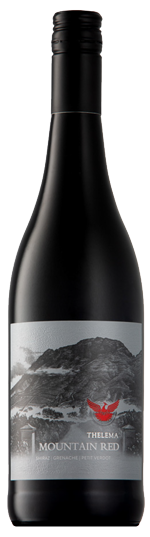
Mellow style logoThelema mountain red wine bottleThelema Mountain Vineyards
Mountain Red
Stellenbosch, South Africa

MELLOW WINE STYLE

This wine shows inviting aromas of juicy black fruit, mulberries, plums and hints of warm spice. After spending 18 months in barrel, the palate is soft and juicy with well rounded tannins and a long, delicious finish.

WINE DETAILS:

  • Varietal: 58% Shiraz, 22% Grenache, 20% Petit Verdot
  • Analysis: 14% alcohol / volume
  • Residual Sugar: 2.2 g/l
  • pH: 3.51
  • Total Acid: 5.4 g/l
  • Food Pairing: Particularly good with light and medium flavored meals, such as pizza or braai (barbecue)

VITICULTURAL PRACTICES:

  • Rootstock: 101-14, R99
  • Soil Type: Tukulu / Glenrosa
  • Age of Vines: Planted 2004-2006
  • Trellising: Vertical Hedge
  • Pruning: 2-bud spurs
  • Yield: 11.8 tons per hectar
  • Irrigation: Supplementary drip
  • Vintage: Cool weather conditions constituted smaller more concentrated berries, leading to wines with great natural acidity and flavor
  • Grape Sugar: 23.8-25.1ºBalling
  • Acidity: 5.48 g/l – 7.18 g/l
  • pH at Harvest: 3.45-3.48

WINEMAKING PRACTICES:

  • Yeasts: NT50 / Alchemy 3 / ICV Gre
  • Method: De-stalked, crushed, pumped into stainless steel tanks, with pump overs being done twice a day.
  • Wood Maturation: 18 months in older French Oak barrels

ABOUT THELEMA MOUNTAIN VINEYARDS:
Thelema Mountain Vineyards lightThelema Mountain Vineyards’ crest showcases a phoenix. This sacred phoenix appears in ancient Arabian, Egyptian, Greek, Roman, Chinese and Indian mythology, but it also symbolizes the birth of Thelema as it is present on both sides of the Thelema family. The McLeans owned the Phoenix Garden Hotel in Kimberley, and there is a phoenix on the Webb family crest. To learn more about the family winery and their history, click here.

Information and Photos © Thelema Mountain Vineyards – All Rights Reserved.


Wine club logoJoin our WINE CLUB and enjoy these amazing wines and pairing recipes each month. Plus, you’ll receive 10% off all retail wine purchases!

Learn More >


July Wine Club Pairing Recipe

Smash Burger PhotoSmoked Gouda Smash Burgers

INGREDIENTS:

  • 1 pound ground beef
  • 1 teaspoon salt
  • ½ tablespoon canola or vegetable oil
  • 1 tablespoon unsalted butter
  • 4 to 6 ounces smoked gouda cheese thinly sliced
  • buns for serving
  • lettuce tomato, red onion (whatever else you like)

(For the House Sauce):

  • ½ cup mayonnaise
  • 2 tablespoons dijon mustard
  • 1 tablespoon yellow mustard
  • 1 tablespoon honey
  • 1 tablespoon your favorite BBQ sauce

DIRECTIONS:

  1. Separate the ground beef into equal portions – most most likely 4 or 6 equal parts. Form into balls so they smash into a more circular burger, but it’s not necessary.
  2. Heat a large cast iron skillet over medium-high heat. You want it to be hot, so heat it for a few minutes.
  3. Once it’s hot and your burgers are ready to go, quickly brush the skillet with oil and place half of the butter on the skillet. It will smoke, so work quickly. Place one of the balls of beef on the skillet and smash it down with a spatula once or twice. You want it to be about ½ inch in thickness (or a little less if you wish) and want to try and smash it only 2 or 3 times. Season it with salt and pepper and repeat with the rest of the beef. Cook them for 2 to 3 minutes and then flip, season with salt on the other side and cook for 2 minutes more. Add the cheese and let it melt.
  4. Remove the burgers with a spatula and serve immediately with the house sauce, on buns, with lettuce, tomato and onion if you wish.
  5. (For the House Sauce): Whisk all ingredients together until creamy and smooth and combined. Serve for dipping or as a sauce on burgers and sandwiches.

© Recipe courtesy of How Sweet Eats.

JULY WINE CLUB:

Bold wine Style logoThelema-Shiraz-bottleThelema Mountain Vineyards
Shiraz
Stellenbosch, South Africa

BOLD WINE STYLE

Aromatic and inviting, this flavorful Shiraz shows a spicy white pepper undertone with cassis and dark red fruit aromas of mulberries. It is characterized by versatility, demonstrating a smooth, soft palate with a savory finish.

WINE DETAILS:

  • Varietal: Shiraz
  • Analysis: 13.5% alcohol / volume
  • pH: 3.48
  • Residual Sugar: 2.1 g/L
  • Total Acid: 5.5 g/L
  • Food Pairing: Grilled meats, meaty casseroles and mature cheeses

VITICULTURAL PRACTICES:

  • Varietal: Shiraz, clone SH99/SH9C/SH1A
  • Root stock: 101-14, R110
  • Soil type: Hutton – decomposed granite
  • Age of vines: Planted 2000 & 2001
  • Plant density: 2300-3200 vines per hectare
  • Trellising: VSP & Guyot
  • Pruning: 2-bud spurs every 12cm & cane pruning
  • Yield: Approximately 11.2 t/ha
  • Irrigation: Supplementary drip
  • Vintage: A warm, dry vintage with a late start, resulted in smaller tonnage but yielding balanced, well structured wines with lovely intensity
  • Grape sugar: 23.2-24.2 *B
  • Acidity: 5.0 g/l
  • pH at harvest: 3.4-3.5

WINEMAKING PRACTICES: 

  • Yeasts: Enoferm Syrah
  • Fermentation temp: 78.8-80.6ºF
  • Method: The grapes were gently de-stemmed, retaining as many whole berries as possible, before passing over an additional vibrating table to remove all MOG (matter other than grapes), after which a displacement pump takes the fruit to its fermentation tank. The tanks are then inoculated with a specific commercial yeast strain, this way insuring the development of the perfect flavor profile. Fermentation is done in stainless steel fermenters, and combination of aerated pump overs and punch down techniques are used to ensure optimal color, tannin and flavor extraction. Once fermentation is complete, the wine is drained off the skins and moved to a holding tank to be barreled down. Malolactic fermentation takes place in the barrels.
  • Mood Maturation: 18 months in barrel, 30% new French and the balance in older barrels

ABOUT THELEMA MOUNTAIN VINEYARDS:
After leaving his accounting career to become a winemaker, Gyles Webb, and the help of his wife’s family, the McLean’s, purchased Thelema in 1983. The manor house was restored and the first wines under the Thelema label were released in 1988. By the mid 90’s, their wines sold out within a month of release, making it one of the most sought-after wine estates in South Africa. The Webb family describe Thelema as “one of the most beautiful places on earth”. Situated on the Southeastern side of the Simonsberg Mountain, with elevations 1739 feet above sea level and mainly south-facing slopes, Thelema Mountain Vineyards possesses some of the highest elevations in Stellenbosch, South Africa. These high altitudes and the rich red soils are ideal for premium quality wine grape production. The Webb family believes grape quality is the single most important factor in serious winemaking; their policy is one of minimum interference, allowing the wines to be a true expression of each vineyard. Learn more about the winery here.

Information, Photos & Video © Thelema Mountain Vineyards – All Rights Reserved.


Wine club logoJoin our WINE CLUB and enjoy these amazing wines and pairing recipes each month. Plus, you’ll receive 10% off all retail wine purchases!

Learn about our Memberships >


Jan Harmsgat Shiraz

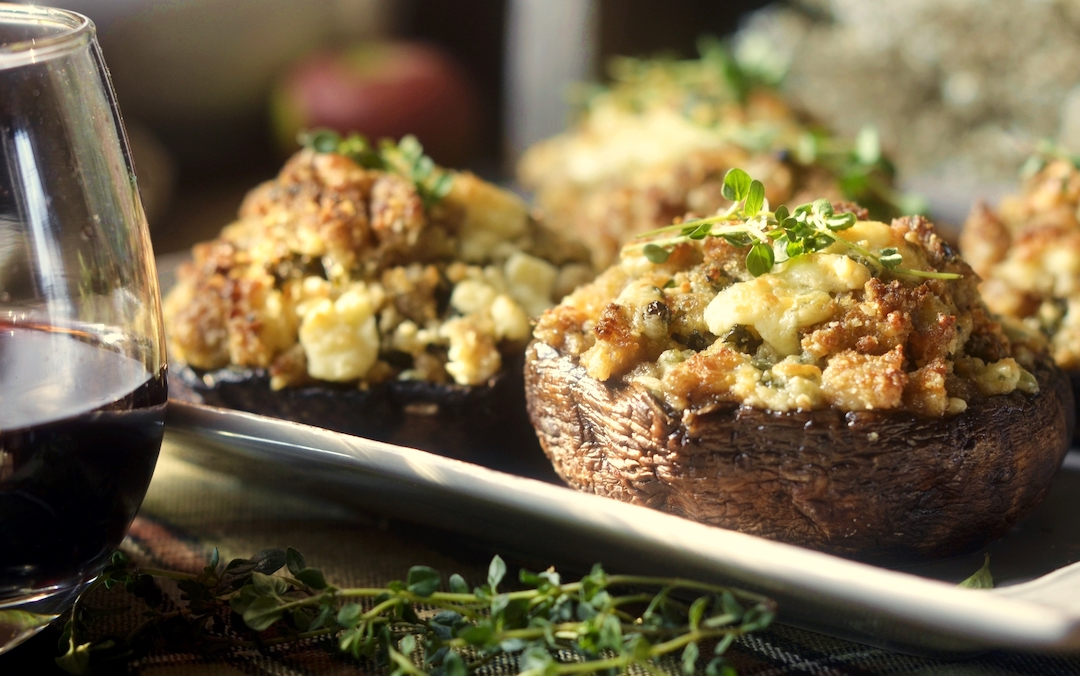
Stuffed Mushrooms, BreadcrumbsStuffing-Stuffed Mushrooms

INGREDIENTS:

    • 3 tablespoons olive oil, plus more for greasing pan
    • 24 large Cremini mushrooms (about 1¼ pounds), each about 2 inches wide
    • ½ teaspoon garlic powder
    • ¼ teaspoon onion powder
    • kosher salt and black pepper
    • 3 tablespoons unsalted butter
    • 2 small stalks celery, finely chopped (about ⅔ cup), plus 1 tablespoon minced celery leaves
    • 2 sarge shallots, minced
    • 3 garlic cloves, minced
    • 2 teaspoons finely chopped fresh rosemary
    • 1 teaspoon poultry seasoning
    • 1 teaspoon celery seeds
    • 6 ounces cornbread, crumbled into small pieces (about 2 loose cups)
    • 1 to 1½ cups grated Gruyère or Emmental cheese
    • 4 tablespoons minced fresh parsley
    • 2 large eggs

DIRECTIONS:

    1. Heat the oven to 400°F and lightly brush a large rimmed sheet pan with olive oil.
    2. Using barely moist paper towels, wipe the mushroom stems and caps clean. Carefully tear off the mushroom stems, setting them aside in a medium bowl. Set each mushroom cap on its side and slice off the excess mushroom cap that curls over the gills. The goal here is to create a flatter surface area so the mushrooms caramelize instead of steam, and so you can pile more stuffing on top. Transfer the mushroom scraps to the bowl with the mushroom stems, then transfer the trimmed mushroom caps to the sheet pan, cut-side up.
    3. Brush the tops of the trimmed mushrooms with 3 tablespoons oil. In a small bowl, stir together the garlic powder, onion powder, ½ teaspoon salt and ½ teaspoon pepper; sprinkle the mixture over the tops of the mushrooms. Flip the mushrooms so they are cut-side down, and roast until they have released their liquid and are starting to caramelize, about 15 minutes. Remove sheet pan from heat, and set aside.
    4. While the mushrooms roast, prepare the filling: Finely chop the mushroom stems and scraps or transfer them to a food processor and pulse until finely chopped (about 2 cups).
    5. In a large skillet, melt the butter over medium-high heat. Add the chopped celery, shallots, garlic, rosemary, poultry seasoning and celery seeds. Season generously with salt and pepper, and cook, stirring, about 5 minutes. Add the chopped mushrooms, season with salt and pepper and cook over medium-high, stirring occasionally, until caramelized and tender, 4 to 5 minutes. Transfer vegetable mixture to a large bowl to cool, at least 15 minutes.
    6. Once the vegetable mixture has cooled, stir in the cornbread, cheese, celery leaves and 3 tablespoons chopped parsley. Season generously with salt and pepper. Whisk the eggs together in a small bowl, then stir into the cornbread filling until combined (makes about 4 cups).
    7. Wipe the sheet pan clean, then brush again with olive oil to coat. Mound about 1 to 2 tablespoons filling into each mushroom cap, patting them gently without packing them tightly, then transfer to the sheet pan, spacing them evenly apart. Bake until mixture on top is warmed through, 10 to 15 minutes. Broil until browned in spots, 2 to 4 minutes. Let cool a few minutes, then transfer to a serving platter and sprinkle with remaining 1 tablespoon minced parsley to serve.

© Recipe courtesy of Alexa Weibel of NY Times Cooking.

NOVEMBER WINE CLUB:

Bold wine Style logoJan-Harmsgat_ShirazJan Harmsgat
Shiraz
South Africa

BOLD WINE STYLE

This Shiraz is spicy and fruit driven. The nose and the palate are equally spicy with notes of white peppers and dark fruit.

Varietal: Shiraz
Analysis:
15.0% alcohol / volume
pH: 3.77
RS:
2.1 g/L
Production: 5,000 Bottles
Wood Maturation: Spicy, white peppers, dark fruit

WINEMAKER’S NOTES
For a red wine so young, this Shiraz is remarkably drinkable with plenty of dark soft berries and spice. The flavors are rich and mouth-filling, while comfortably fresh tannins ensure there’s no heaviness. This wine should give pleasure of the next year or two.

ABOUT JAN HARMSGAT:
Founded in 1723, the Jan Harmsgat Farm (JHG) is situated on the most southern tip of the Robertson Wine valley, along the foothills of the Langeberg Mountains in the Western Cape of South Africa. This area is locally known as the “valley of wine and roses”. JHG’s philosophy is to create delicious single-block wines — the smallest production unit for vineyards that may not exceed six hectares per cultivar. Their unique position borders with dry conditions of the Karoo (semi-desert region), along with cool sea breezes from the coastal regions. Learn more about the winery’s history here.

© Information provided by Jan Harmsgat


Wine club logoJoin our WINE CLUB and enjoy these amazing wines and pairing recipes each month. Plus, you’ll receive 10% off all retail wine purchases!

Learn about our Memberships >


Jan Harmsgat Shiraz

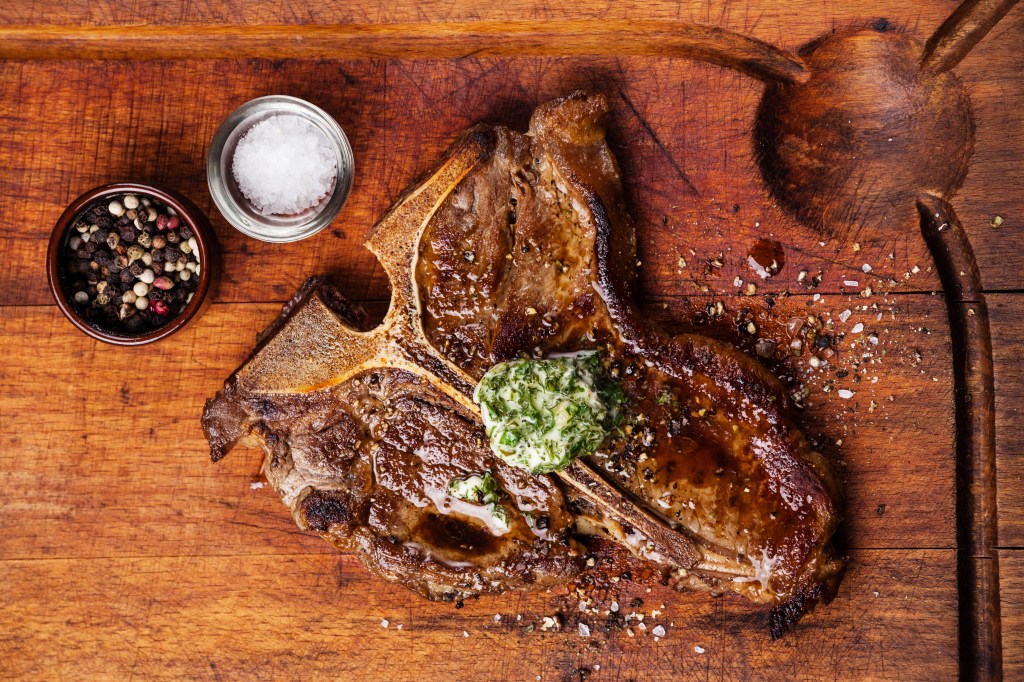
Grilled T-Bone Steak and herb butter on wooden cutting board

GRILLED T-BONE STEAK

INGREDIENTS:

  • For the Steak:
    • 1 (36 oz.) T-bone or porterhouse steak
    • 2 tablespoons olive oil
    • 1 tablespoon salt
    • ½ tablespoon pepper
  • For the Herb Compound Butter:
    • ½ cup butter (room temperature)
    • 3 tablespoons fresh cilantro (chopped)
    • 3 tablespoons fresh parsley (chopped)
    • 1 tablespoon fresh oregano (chopped)
    • 2 cloves garlic (diced)

DIRECTIONS:

  • For the Steak:
    • Take the steak out of the fridge and out of it’s packaging. Pat both sides with paper towel. Season with oil, salt and pepper on both sides. Let it come to room temperature.
    • Preheat your BBQ over high heat.
    • When the steak is too temperature, place it on the grill, let it sear for 2-3 minutes with the lid closed. Come back, and turn it 90°, and let it sear for another 2-3 minutes with the lid closed.
    • Flip the steak over (at this point, you should be able to see the diamond patter on this side). Sear for 2-3 minutes, then turn 90°. Allow it to finish cooking in this position (it should take another 8-12 minutes, depending on the size of your steak.
    • Allow the steak to rest on a cooling rack for 7-8 minutes. Serve with compound butter discs on top.
  • For the Compound Herb Butter:
    • In a small bowl, mix the butter, herbs and garlic.
    • Place a section of plastic wrap on your work surface. Scrap the butter on to the surface, and carefully roll the wrap around the butter. Twisting the ends, roll the butter back and forth until it forms a smooth cylinder. Refrigerate for one hour, then slice and serve with steak.

© Recipe courtesy of Cara at The Gourmet Bon Vivant.

AUGUST WINE CLUB:

Bold wine Style logoJan-Harmsgat_ShirazJan Harmsgat
Shiraz
South Africa

BOLD WINE STYLE

This Shiraz is spicy and fruit driven. The nose and the palate are equally spicy with notes of white peppers and dark fruit.

Varietal: Shiraz
Analysis:
15.0% alcohol / volume
pH: 3.77
RS:
2.1 g/L
Production: 5,000 Bottles
Wood Maturation: Spicy, white peppers, dark fruit

WINEMAKER’S NOTES
For a red wine so young, this Shiraz is remarkably drinkable with plenty of dark soft berries and spice. The flavors are rich and mouth-filling, while comfortably fresh tannins ensure there’s no heaviness. This wine should give pleasure of the next year or two.

ABOUT JAN HARMSGAT:
Founded in 1723, the Jan Harmsgat Farm (JHG) is situated on the most southern tip of the Robertson Wine valley, along the foothills of the Langeberg Mountains in the Western Cape of South Africa. This area is locally known as the “valley of wine and roses”. JHG’s philosophy is to create delicious single-block wines — the smallest production unit for vineyards that may not exceed six hectares per cultivar. Their unique position borders with dry conditions of the Karoo (semi-desert region), along with cool sea breezes from the coastal regions. Learn more about the winery’s history here.

© Information provided by Jan Harmsgat


Wine club logoJoin our WINE CLUB and enjoy these amazing wines and pairing recipes each month. Plus, you’ll receive 10% off all retail wine purchases!

Learn about our Memberships >


Kilikanoon Killerman’s Run Shiraz

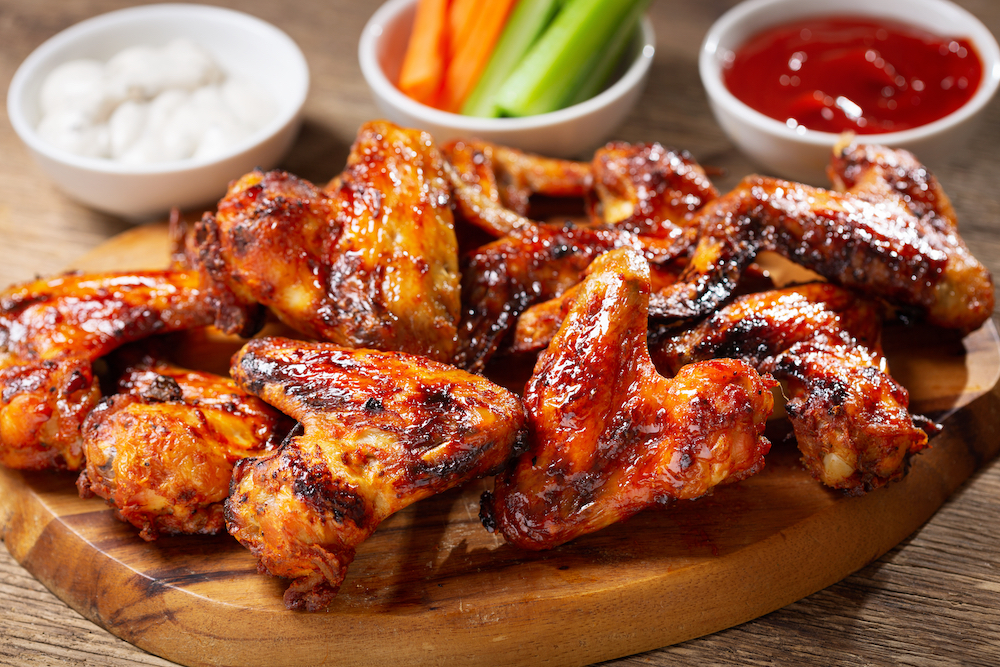
grilled chicken wings on a wooden board

Lampe’s Chicken Wings with Sweet-and-Spicy Pantry Sauce

INGREDIENTS:

  • 16 chicken wings, with the two joints attached, tips removed
  • 1 cup ketchup
  • ¼ cup Dijon mustard
  • ¼ cup hot sauce
  • ¼ cup soy sauce
  • 1 Tablespoon light brown sugar

DIRECTIONS:

  1. Make a slash on the inside of the chicken wing joints without cutting through the bone and in a few other places. In a large, shallow baking dish, combine the ketchup with the mustard, hot sauce, soy sauce and brown sugar. Add the chicken wings and turn to coat. Cover and refrigerate overnight.
  2. Light a grill. Remove the chicken wings from the marinade (pantry sauce), leaving some of it on them, and reserve the remaining marinade. Grill the wings over a medium-hot fire, turning and basting them with the reserved marinade, until nicely charred and cooked through, about 30 minutes. Stop basting during the last 5 minutes of grilling and discard any remaining marinade. Serve the wings hot or at room temperature.

© Recipe courtesy of Ray Lampe on Food & Wine.

JULY WINE CLUB:

Mellow style logoKillermans-Run-Shiraz-bottle-webKilikanoon
Killerman’s Run Shiraz
Clare Valley, South Australia

MELLOW WINE STYLE

There are pronounced aromatics of dark fruits, sweet spices, and forest floor. The palate is welcoming with generous flavors of black cherry, dusted chocolate and plum. It evolves beautifully in the glass, a wonderfully textured wine that finishes on a savory note.

Varietal: Shiraz
Analysis:
14.5% alcohol / volume
Maturation: 15 months in new and seasoned French oak barriques
Winemaker: Peter Warr
Appellation: Clare Valley, South Australia, Australia
Pairing Recommendations: Marinated pork spare ribs, BBQ chicken wings or pizza
Critical Acclaim:
91 pts. Wine Spectator; 90 pts. Wine Enthusiast

BACKGROUND:
Named after a legendary Clare Valley squatter, Killerman, who planted and tended vines on a paddock adjoining the Kilikanoon property. As legend has it, Killerman made his own wines in a galvanized iron lean-to.

WINEMAKING:
The Killerman’s Run Shiraz uses low yielding grapes from premium vineyards, hand-selected from exclusively Clare Valley vineyards. The grapes are then vinified by traditional winemaking methods and matured in small French barriques before careful blending and unfiltered bottling.

ABOUT KILIKANOON:
Kilikanoon is a boutique Clare Valley winery founded in 1997 by Kevin Mitchell; it is known for producing regionally expressive, terroir-driven wines. The Kilikanoon property, featuring a circa 1860s stone cottage housing Kilikanoon’s tasting room, was orginally settled by early English migrants who named it after a historic old mansion in Cornwall. When purchasing the historic property in 1997, Kevin Mitchell inherited 30 year old Shiraz, Cabernet, Grenache and Riesling vineyards− many of which were planted by his father, Mort, in the 1960’s. Learn more here.

© Information provided by Old Bridge Cellars.


Wine club logoJoin our WINE CLUB and enjoy these amazing wines and pairing recipes each month. Plus, you’ll receive 10% off all retail wine purchases!

Learn about our Memberships >


January Collector’s Wine Club: Iowa

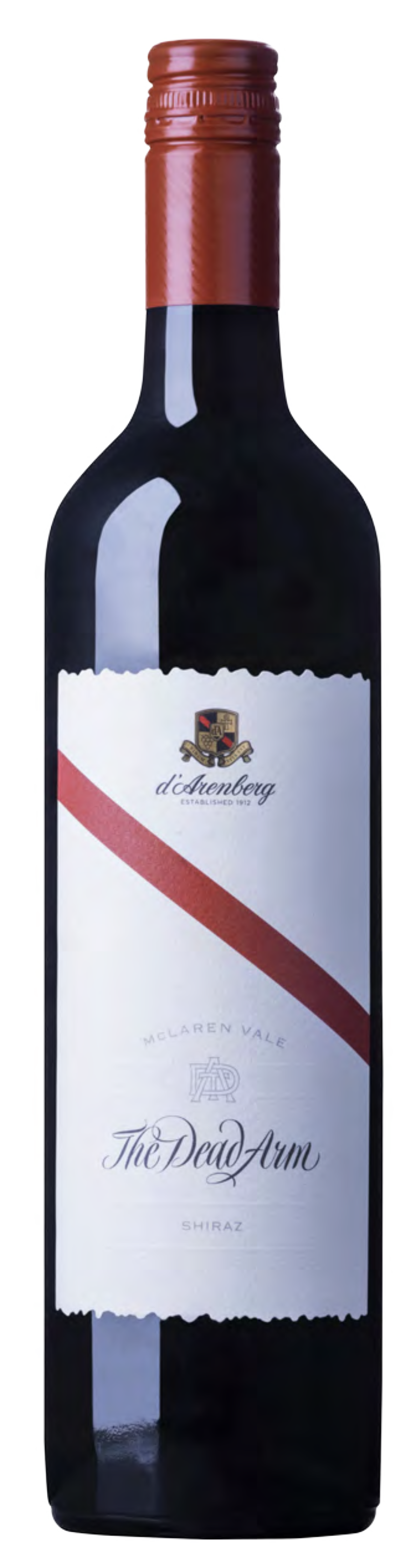
Dead ArmBold wine Style logod’Arenberg
2014 Dead Arm Shiraz
McLaren Vale, Australia

BOLD WINE STYLE

Dead Arm is a vine disease caused by the fungus ‘Eutypa Lata’ that randomly affects vineyards all over the world. Often affected vines are severely pruned or replanted. One half, or an ‘arm’ of the vine slowly becomes reduced to dead wood. That side may be lifeless and brittle, but the grapes on the other side, while low yielding, display amazing intensity.

This is one of the more pure fruited versions of this iconic wine that we have seen in recent times. Highly aromatic in the early stages of its life, the nose is dominated by an array of perfectly ripe berry fruits and spicy notes. The dark, earthy and savory characters that we are well accustomed to, whilst present, seem to be taking a back seat. Nonetheless, they play an integral role in adding depth and complexity here. The palate is similarly positioned, showing almost restrained fruit weight but great depth of flavor and wonderful brightness. What hasn’t changed is that line of fine, lively tannins that present themselves early and drive the wine from start to finish, drawing fruit flavor along with them.

Analysis: 14.4% alcohol / volume
Varietal: Shiraz 100%
Residual Sugar:
0.9 g/L
pH: 3.48
Titratable Acid:
7.4
Oak Maturation:
18 months
Harvest Dates:
February 12th – April 17th
Chief Winemaker: Chester Osborn
Senior Winemaker: Jack Walton
Critical Acclaim:

  • 91 pts. on Wine Enthusiast
  • 97 pts. Tony Keys, The Key Report
  • 97 pts. Ray Jordan, The West Australian
  • 96 pts. Patrick Eckel, Wine Reviewer
  • 95 pts. James Halliday, Australian Wine Companion
  • 94 pts. Mike Bennie, The Wine Front
  • 92+ pts. Lisa Perrotti-Brown, Robert Parker’s Wine Advocate
  • 92 pts. Nick Stock, JamesSuckling.com
  • Double Gold Medal China Wine & Spirits Awards ‘Best Value’ 2017
  • 5 Stars Winestate Magazine Mainfreight World’s Greatest Shiraz Wine Show
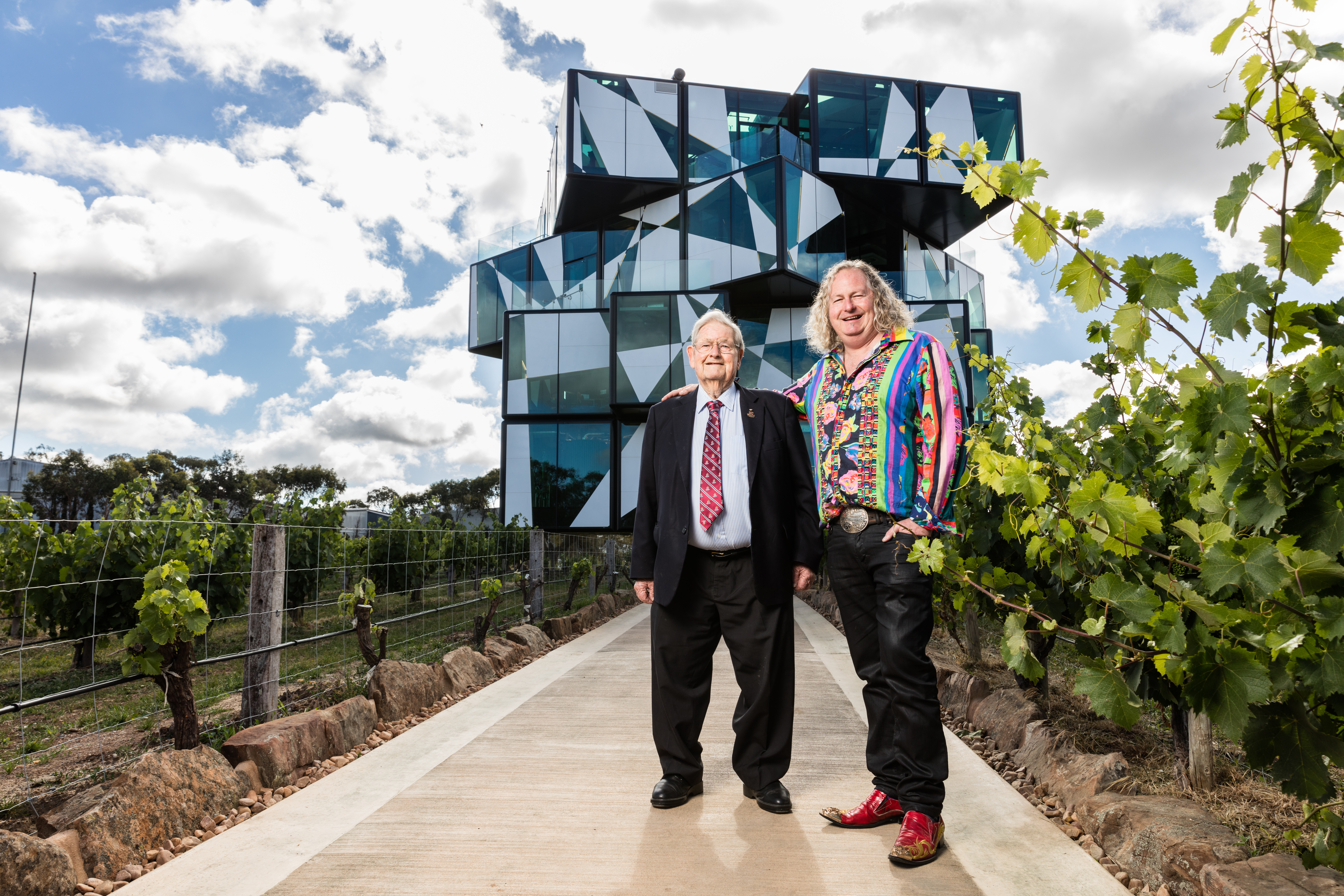
© Photo by d'Arenberg Winery - Darry and Chester Osborn

© Photo by d’Arenberg Winery – Darry and Chester Osborn

VINTAGE:
A wet winter ensured good sub soil moisture and set up the vines well with healthy canopies. Spring was very dry with above average temperatures, a heavy downpour in January was a welcome relief. Mild conditions during the ripening period produced wines that show an abundance of spicy fruits with great color, richness and balanced tannins. Vintage started on 30 January, the earliest start on record by one day.

THE WINEMAKING:

Small batches of grapes are gently crushed and then transferred to five tonne headed down open fermenters. These batches remain separate until final blending. Foot treading is undertaken two thirds of the way through fermentation. The wine is then basket pressed and transferred to a mixture of new and used French and old American oak barriques to complete fermentation. The barrel ferments are aged on lees, there is no racking until final blending and no fining or filtration.

CELLARING POTENTIAL:

The youthful exuberance and purity offers itself up for relatively early consumption (in Dead Arm terms that is). However, the lovely balance between acid and tannin along with the depth of fruit promises greater things to come. Watch patiently as the earthy vineyard expression grows with time. This wine will reach its full potential with bottle age up to at least 20 years. The considerable structure and depth will ensure that the fruit characters will develop over time revealing more complexity. This wine is best stored in an environment free of direct sunlight and with consistent temperatures between 10°C and 15°C.


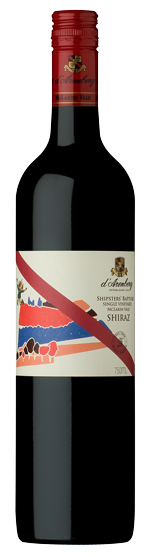
Shipsters'-Rapture-ShirazBold wine Style logod’Arenberg
2010 Shipsters’ Rapture Shiraz
McLaren Vale, Australia

BOLD WINE STYLE

Shipsters’ Rapture is named in honor of Henry Shipster and his family who owned the vineyard before the Osborn family. The Shipsters are said to have delighted in their small plot of land, lovingly planting it to vines, an orchard and Needle Pines that still line the vineyard today.

Upon release, The Shipsters’ Rapture has a vivid, young, dense, purple-red colour. The nose is dominated by deep, dark purple fruits. Initially a little tight, with air there is the appearance of spice and flowery, mulberry notes.

Deep, rich mulberries and plums are the feature fruits on the palate. There is also a very appealing volume of spice on the finish. The cooling influence of the steep vineyard has created a more focused, linear wine. There is a real density to the wine with lovely long, mineral tannins that really linger. This wine epitomizes elegance but power. It will benefit from cellaring and decanting prior to serving is recommended.

Analysis: 14.2% alcohol / volume
Varietal: Shiraz
pH: 3.42
Titratable Acid: 6.6
Oak Maturation: 20 months in new and old French and Old American Oak
Harvest Date: 5 March 2010 
Chief Winemaker: Chester d’Arenberg Osborn
Senior Winemaker: Jack Walton
Additional Info: Vegan Friendly
Altitude: 70m Above Sea Level
Aspect: Southern
Size (area): 1.5 Hectares
Soil: Sandy Loam/Limestone
Age of Vines: 43 years
Critical Acclaim:

  • 92 points on Wine Enthusiast 
  • 91 points on Wine Spectator
  • 97 points from Huon Hooke
  • 91 points from Vinous Antonio Galloni
  • 91 points from Stephen Tanzer

VINTAGE:
Above average autumn rains set the vines up well. There was some heat during flowering which reduced crop levels in but with no ill-effects on quality. There was some more warm weather in January as the reds were going through veraison, this did no damage, but did encourage an early start to vintage. The day time temperatures were mild through out ripening with mild to cool nights. 2010 was a very strong vintage in McLaren Vale with the reds in particular showing excellent varietal characters and balance.

THE VINEYARD:
This very steep south aspect vineyard (depicted front) was planted to Shiraz in 1969. This aspect promotes the flowery fruit characters of the wine. The floweriness is further enhanced as the vines are situated in a steep gully where considerable cold air drainage occurs at nightfall. The geology is Blanche Point formation (limestone based), promoting the powerful structure of the wine.
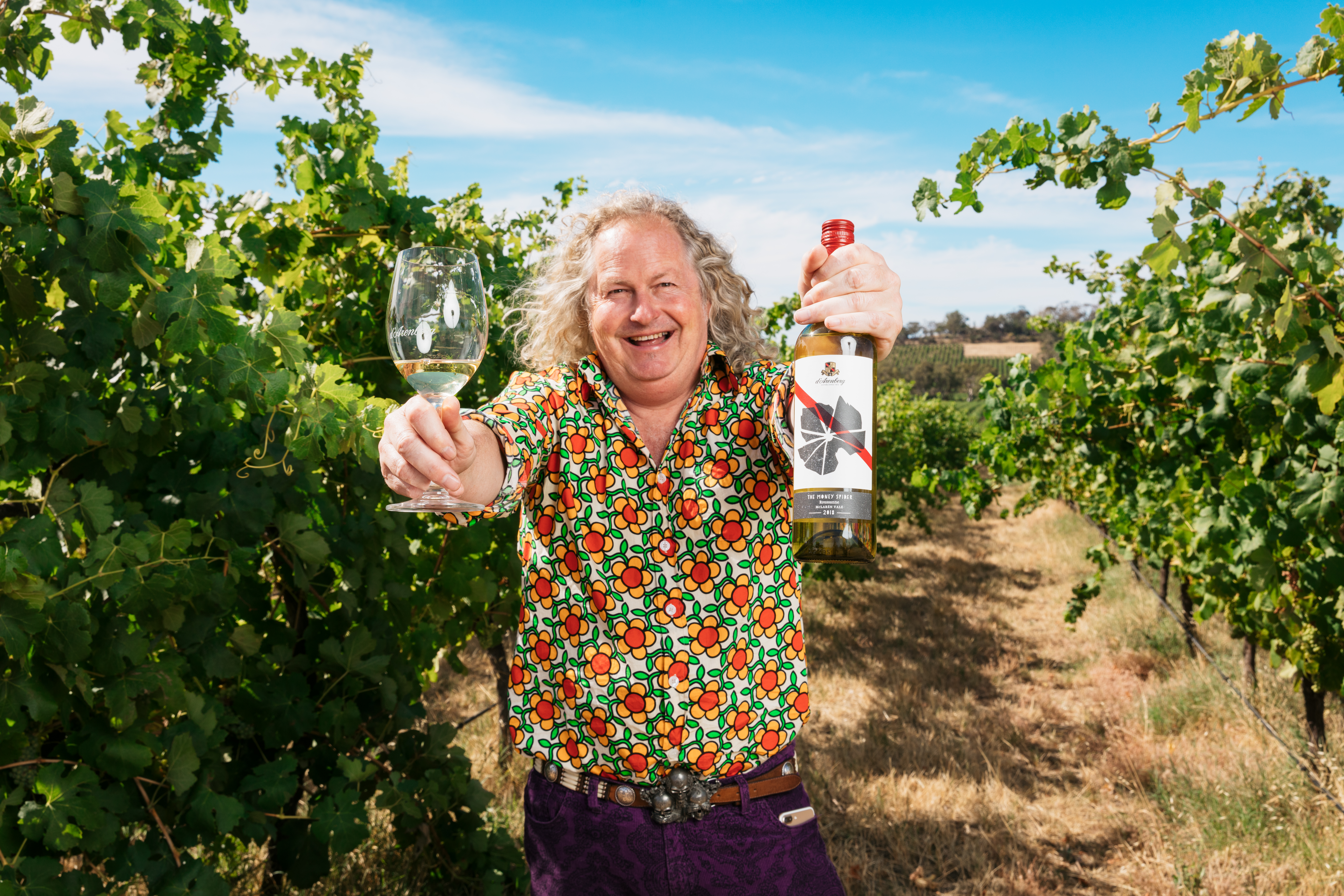
© Photo by d'Arenberg Winery - Winemaker Chester Osborn

© Photo by d’Arenberg Winery – Winemaker Chester Osborn

THE WINEMAKING:
Walking the vineyard rows and tasting grapes, Chester Osborn classifies and determines the ideal picking time for each individual vineyard. Small batches are crushed in the Demoisy open-mouthed, rubber toothed crusher and then transferred to five-tonne headed-down open fermenters. These batches remain separate until final blending. Foot treading is undertaken two thirds of the way through fermentation. When tannin extraction is just right the wine is basket pressed and transferred to a mixture of new and used French and old American oak barriques to complete primary and secondary fermentation. The barrel ferments are aged on lees to keep the wine fresh while also reducing the oak influence. There is no racking until final blending. Chester and the winemaking team undertake an extensive barrel tasting process for the ‘Amazing Sites’ range and only the best shiraz blocks from each vintage are selected.

CELLARING POTENTIAL:
The youthful exuberance and purity offers itself up for relatively early consumption (in Dead Arm terms that is). However, the lovely balance between acid and tannin along with the depth of fruit promises greater things to come. Watch patiently as the earthy vineyard expression grows with time. This wine will reach its full potential with bottle age up to at least 20 years. The considerable structure and depth will ensure that the fruit characters will develop over time revealing more complexity. This wine is best stored in an environment free of direct sunlight and with consistent temperatures between 10°C and 15°C.

ABOUT D’ARENBERG:
Since 1912 the Osborn family have tended vineyards in McLaren Vale, South Australia. It is one of the undisputed kings of Australian Shiraz and other Rhone varieties that have historically defined the region. A century on, their vineyards have grown to some 450 acres in McLaren Vale, including Shiraz dating back to d’Arenberg’s first plantings in 1912, and nearly one-third of McLaren Vale’s old bush-vine Grenache. Today fourth generation family member, Chester, makes distinctive wines using traditional methods both in the vineyard and the winery. Recently, Chester has converted all of the family’s vineyards to organics and biodynamics and moved to solar energy in the winery. All the while, in terms of winemaking, not much has changed – all the wines are basket-pressed, the reds foot-trodden during fermentation; everything is done in small batches, leading to an impressive array of bottling every year, each showing a different facet of McLaren Vale terroir. Having been inducted into Wine & Spirits Magazine’s Hall of Fame for earning place on its Top 100 Wineries nine times, this accolade is a reflection of d’Arenberg’s revered reputation worldwide. To learn about the history of d’Arenberg, click here.


Bold wine Style logoSteyning-cabernetPenley Estate
2014 Steyning Cabernet Sauvignon
Coonawarra, Australia

BOLD WINE STYLE

The 2014 Steyning is an excellent example of a Coonawarra Cabernet Sauvignon. It has a concentrated aroma of leather, olive, dark blueberries and plum. The densely concentrated fruit is supported by cedar French oak, and is a wine of complexity and length bolstered by brooding savory tannin. Drink fantastically now, or well into the future. Suggested to decant before drinking.

Analysis: 15% alcohol / volume
Varietal: 100% Cabernet Sauvignon
pH:
3.54
Titratable Acid:
6.74 g/L

© Photo by Penley Estate

© Photo by Penley Estate of Hans

Viticulture:
Hans is a natural in the Vineyard. He’s a Viticulturist and a Geologist who has always been keen to understand the interaction between the vine and its own local geology. A visit to Portugal’s Douro Valley helped him realize his two fields of knowledge were a perfect match and since then Hans has been busy applying his geological mapping skills to the mapping of vineyards around Penley Estates. Hans’ aim is to always identify the small parcels of fruit in each vintage that will enable their winemakers, Kate and Lauren, to bring the ‘season to your glass’.

Winemaking:
Kate is one of Australia’s best contemporary winemakers. Wineries such as Wirra Wirra (McLaren Vale), Tim Kanppstein (Clare Valley), Seppelt (Great Western), Punt Road (Yarra Valley) have all benefited from Kate’s brilliance. There is no denial of talent and absolute harmony when it comes to Kate and the winery, which the Penley Estate has witnessed each year since she started in 2016.​ Her investment in Penley is what has fed their evolution into creating some spectacular contemporary varietals. Coupled with the addition of winemaker, Lauren Hansen, it’s as though Penley Estates have taken an almighty breath of fresh Coonawarra air. Learn more about their team here.
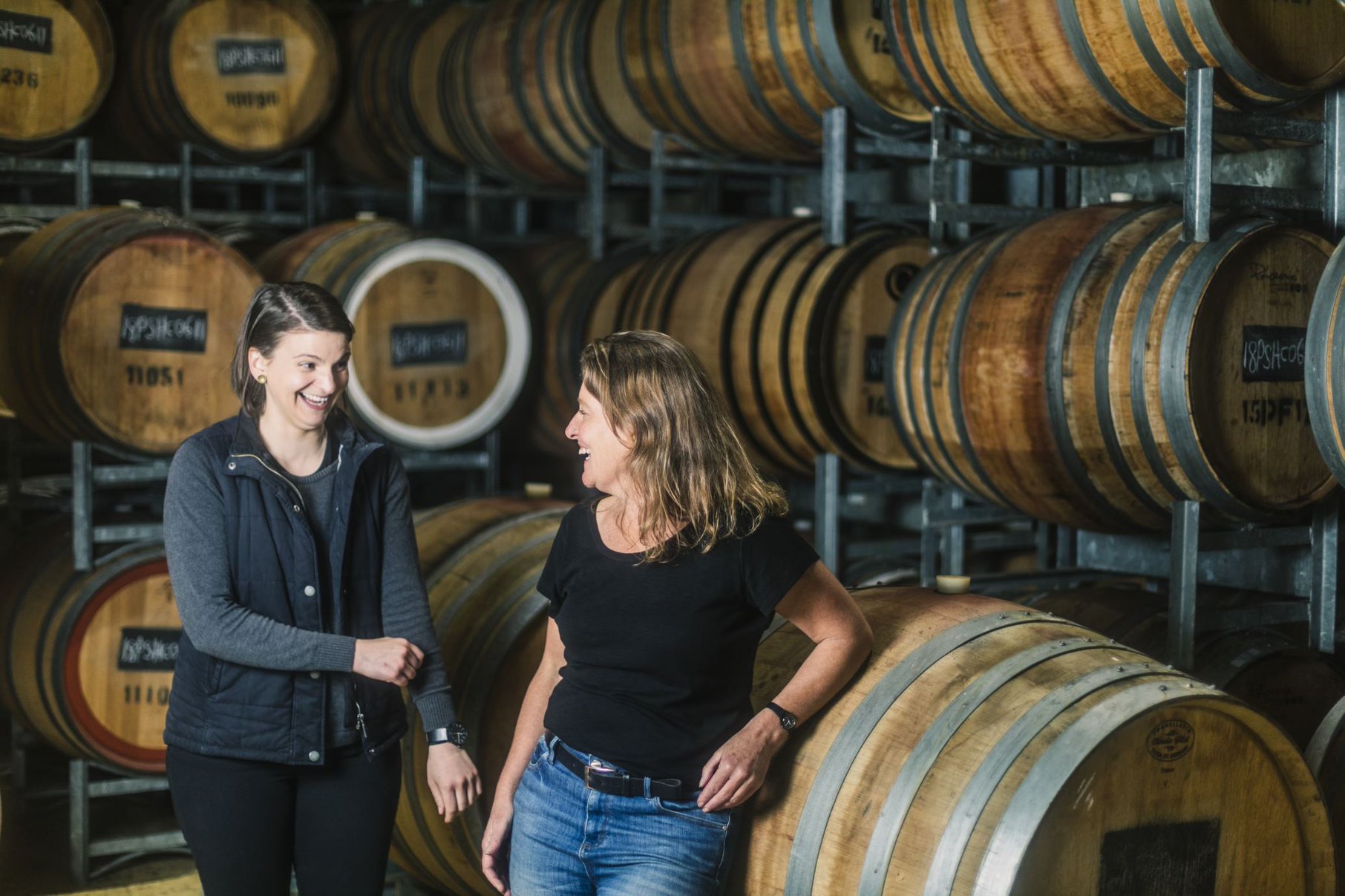
Penley Estate_Kate Goodman and Lauren Hansen

© Photo by Penley Estate – Winemakers Kate Goodman and Lauren Hansen


About Penley:
The Penley Estate wine-making history dates back to 1844, but it really began with a red sports car in 1945. It was a collision of hearts and minds, a collision that had been 100 years in the making – refined and distilled from two pioneering winemaking families When Reginald Lester Tolley rolled up to a function in his red sports car, Judith Anne Penfold Hyland was suitably impressed by the car and rather taken by the man behind the wheel. Sparks flew, romance blossomed and Penley was conceived (as a business name) in 1947 after Reginald and Judith married. However, it wasn’t until 1988 that the Penley name came to life, when the children of Reginald and Judith decided to create their own wines and put a label on tradition. They bought a plot of land in Coonawarra, planted cabernet grapes and called it Penley Estate. In 1995, they built a winery at Penley Estate – a full on, all the bells and whistles, impress me with your red sports car winery. Their reputation had grown by then, and it made sense to have everything on site. They planted more vineyards, added some Shiraz to the Cabernet, and increased their range of wine, producing classic Coonawarra reds that were full-bodied, to be kept and savored. To learn more about the history of Penley Estate, click here.

“Our history is a rich mix of endeavor, passion and vision with a touch of scandal and madness thrown in for good measure. We could write a book about it. Instead, we’ll leave you with the words of our glamorous mother; words that we hope you’ll taste in every bottle of our contemporary Coonawarra wine… ‘Grow up and be fascinating.'” – Ang and Bec Tolley


Love to collect amazing wines? 
Learn more about our quarterly Collectors Club > click here

Collectors Wine Club


October Cheese Club: Iowa

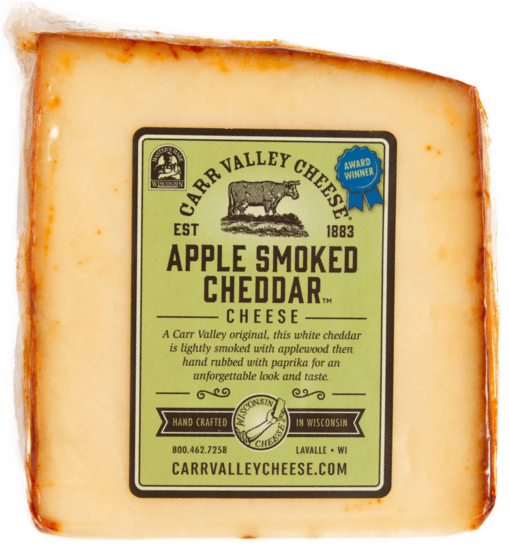
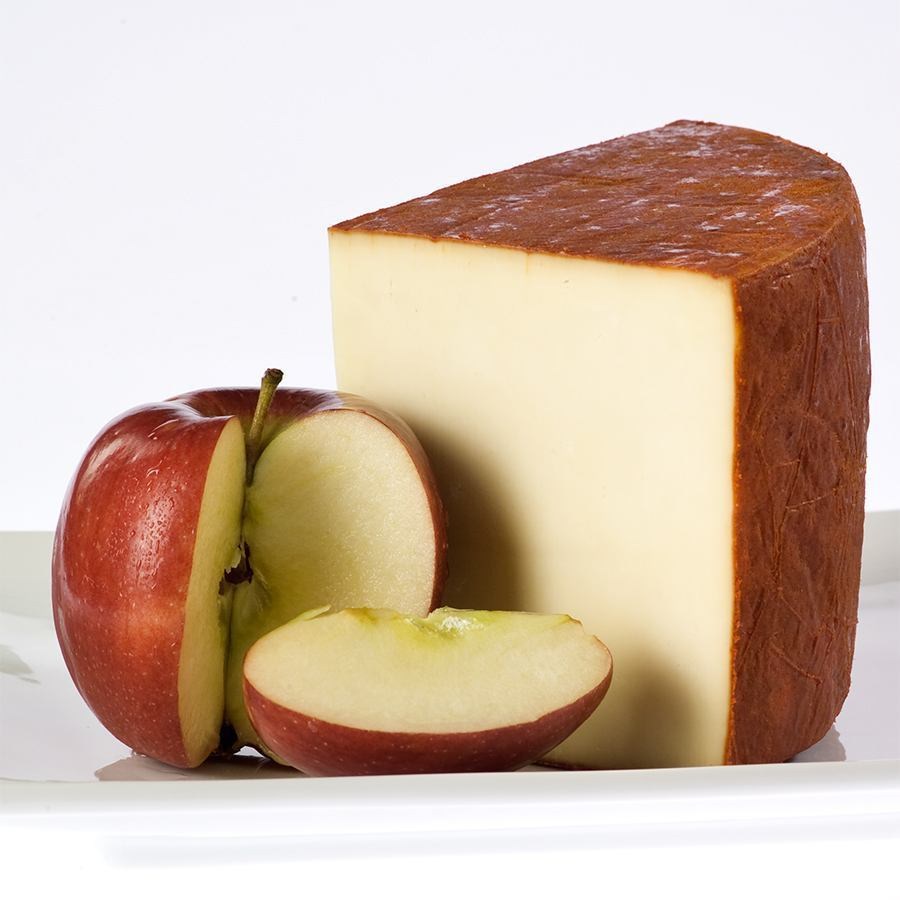
Cheese ClubApple Smoked CheddarCarr Valley Apple Smoked Cheddar La Valle, WI

This white cheddar is apple smoked and then hand rubbed with paprika. It has a light smoky flavor that balances very well with the flavors from the paprika. WINE & CRAFT BEER PAIRING: Merlot and Shiraz grape wines will bring out the mature flavor of the cheese. For beer, reach for a Hard Cider or a Porter when pairing with this cheese. WINESTYLES: Bold, Fruity, or Nectar BEERSTYLES: Dark and Roasty; or Fruity and Spicy
Carr Valley Cheese

Photo by Carr Valley Cheese: Apple Smoked Cheddar

ABOUT CARR VALLEY: Owned and operated by the Cook family, Carr Valley Cheese Company is over one-hundred years old. Nestled amongst the rolling hills and lush pastures of central Wisconsin, they remain one of Wisconsin’s traditional cheese plants, famous for making cheese the old-fashioned way! Carr Valley Cheese has won numerous awards over the years and continues to offer delicious and unique Wisconsin Cheeses. Certified Master Cheesemaker, Sid Cook, has won more top national and international awards than any other cheesemaker in North America. As a fourth-generation cheesemaker, he received his cheesemaking license when he was 16, and now owns and operates four cheese plants and eight retail cheese stores in Wisconsin. As a company, Carr Valley Cheese began in 1902, and today is best known for producing high-quality, artisanal aged Cheddars. Using cow, goat, and sheep milks, Sid enjoys creating new cheeses, and Carr Valley now produces more than 50 original varieties. APPLEWOOD SMOKED CHEDDAR AWARDS:
  • 1st Place 2016 Los Angeles Int. Dairy Competition
  • 1st Place 2005 American Cheese Society
  • 2nd Place 2007 World Cheese Competition
  • 2nd Place 2012 American Cheese Society Competition

Maytag White CheddarMaytag Dairy Farms 7 Year Aged Cheddar Newton, Iowa
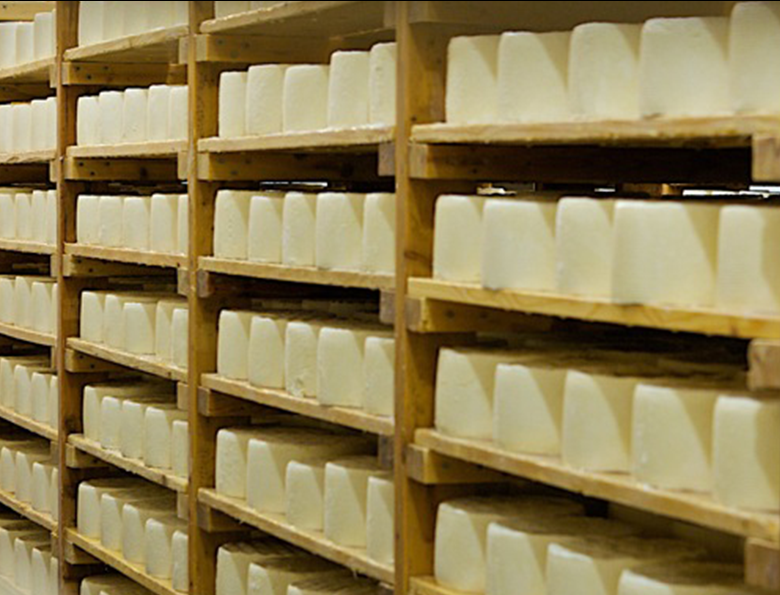
This 7 Year Aged Cheddar has a robust cheddar flavor and an assertive tang that can be slightly acidic or even lactic. It showcases dense, fruit notes and a slightly earthy flavor. The aging process takes the cheddar from a smooth creamy texture to a drier, more crumbly style. This is the 2nd most popular cheese in America and is very versatile. Traditional food pairings include apple pie, or a salted caramel for a nice contrast.

HOW IT IS MADE: Made from cow’s milk, Maytag 7 Year Cheddar has gone through the traditional process of “cheddaring” which involves stacking the blocks of cheese on top of one another to press out moisture. The aging process makes the recognizable cheddar flavor of this cheese even more pronounced and concentrated.  Typical “grocery store” cheddars only age 2-3 months, while this cheddar is aged for 7 years. WINE & CRAFT BEER PAIRINGS: For Aged Cheddars with earthy undertones, look for the yin and yang. This cheese pairs well with hoppy bitters and dryness, like an IPA Beer and a Cabernet Wine; or full bodied red, stout, or scotch. WINESTYLES: Fruity; Nectar; or Bold BEERSTYLES: Dark and Roasty; Fruity and Spicy; or Hoppy and Bitter
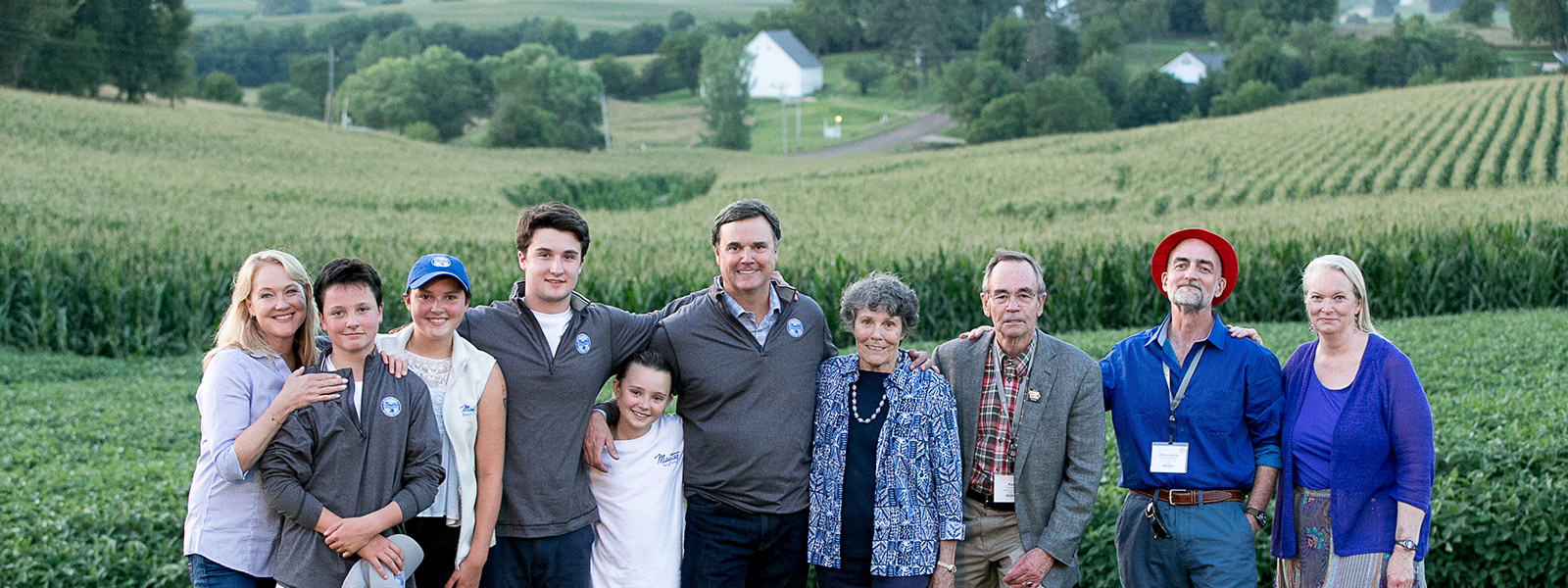
Maytag Family

Photo by Maytag Diary Farms: Maytag Family

ABOUT MAYTAG DIARY FARMS: In 1919 E.H. Maytag, the son of Maytag Appliance company founder F.L. Maytag, purchased a single Holstein cow to provide fresh clean milk to his children. E.H. quickly developed a passion and determination to breed champion Holstein-Friesian cows that could supply milk to the community while also winning blue ribbon upon blue ribbon at livestock shows across the United States.
Cave Wheels

Photo by Maytag Diary Farm: Cave Wheels

Upon E.H.’s death in 1940, his sons Fred and Robert Maytag assumed leadership of the farms and Fred pursued his idea of creating a uniquely American blue cheese made from cow’s milk. Maytag Dairy Farms collaborated with Iowa State University to pioneer the first great American blue cheese that would compete with classic European cheeses such as Roquefort, made from sheep’s milk. The cheese plant and caves were completed a year later, and the first wheels of Maytag Blue Cheese were formed in October of 1941. Fred’s son Fritz Maytag assumed leadership in 1962 and helped guide the small family company for the next 50 years. In 2003, Fritz was awarded the James Beard Foundation Outstanding Wine, Beer or Spirits Professional, and in 2008 won the Beard Foundation Award for Lifetime Achievement. Fritz now serves as Chairman Emeritus and a director with his brother, Ken Maytag, and their sister, Martha Maytag Peterson. Today, Seventy nine-years after the first wheels of Maytag Blue Cheese were made, the family tradition continues. Each wheel is handcrafted on the family farm in the rolling hills of central Iowa. Maytag Dairy Farm is still owned and operated by the grandchildren and great-grandchildren of E.H. Maytag. His legacy is the pleasure and joy taken from good food shared with people you cherish.

Monthly Cheese ClubDon’t let your Wine Club go home alone! Join our Cheese Club and bring home a match made in heaven!

If you enjoy pairing cheese with wine, this is your club!  Each month you’ll discover specialty and artisan cheeses to pair with your Wine Club. Monthly cheese selections are chosen by your local WineStyles participating location. It’s the perfect opportunity to Taste, Learn and Enjoy® amazing artisan cheese every month! Only $19.99/month and your wine won’t be lonely!  Click to learn more >

Winery Spotlight Series: October 13, 2020

Greg and Morgan

Virtual Wine Tasting Event on Zoom and Facebook LIVE

Greg Norman Estates

Tuesday, October 13th at 6:00pm CST / 7:00pm EST

Zoom Facebook LivePlease join us for our October Winery Spotlight tasting event on Zoom, featuring Greg Norman Estates, an internationally recognized collection of 10 varietals from Australia, California and New Zealand. Our special guest will be Morgan-Leigh Norman, daughter of Greg Norman. 

Morgan will be guiding us through a tasting of 7 different wines from Greg Norman Estates; starting with their New Zealand Sauvignon Blanc, leading into their California Chardonnay, Pinot Noir, and Cabernets, ending with their South Australian Shiraz Cabernet and Shiraz.  Be sure to RSVP at your local WineStyles location or on Eventbrite.  Pre-order your wines in advance at your local participating WineStyles location and taste alongside Morgan with a front seat on Zoom!  Or watch on our Facebook LIVE event.Greg Norman Wines

Greg Norman Event Header

ABOUT GREG NORMAN ESTATES:

Greg Norman Estates, founded in 1996, is a collection of fine wines sourced from stunning wine regions in California, New Zealand, and Greg’s homeland of Australia. With fourteen 90+ point scores to its record, Greg Norman Estates rivals top brands having earned countless accolades from Wine Spectator and Wine Enthusiast. A staple on the “Top 100 Wines in the World” list, the 1999 Reserve Shiraz received the distinction of “No. 8 Wine in the World.” While his well-documented wins on the golf course have assured his place in golf history, off the course, founder Greg Norman’s enthusiasm for wine and zest for living well have combined to create a stunning collection of high-quality, accessible wines from some of his favorite places in the world.

Greg Norman, Founder

Greg Norman

Greg Norman, Founder of Greg Norman Estates

Greg Norman has won more than 90 professional golf tournaments worldwide, including two Open Championships, and he holds the distinction of defending his No. 1 position in the world golf rankings for 331 weeks, the second-longest reign in history. As one of the most prolific players in the game, his career culminated in 2001 when he was inducted into the World Golf Hall of Fame with a higher percentage of votes than any other inductee.

Whether on the course or off, he instinctively sees opportunities others miss. Greg now transcends the game of golf, with over a dozen companies around the world bearing his name. in 2016, Greg Norman partnered with powerhouse brand, entertainment and marketing company, Authentic Brands Group, to promote and further establish him as a world-class entrepreneur.

Guest speaker Morgan-Leigh Norman, Proprietor and Brand Ambassador

Morgan-Leigh Norman

Morgan-Leigh Norman of Greg Norman Estates

After an impressive foray into the culinary world, Morgan-Leigh joined Greg Norman Estates as part of the marketing team. Since then, she has been instrumental in the brand redesign as well as representing her family’s business with both trade and consumers. Morgan-Leigh lives in Palm Beach, Florida, where she works on growing the Greg Norman Estates business. Learn more about the family here.

ABOUT THE VINEYARDS:

The selected growing regions are appreciated for the incredible wines they produce and the personal influence they have had on the Normans over Greg’s many years of professionally touring the world.  A strong believer in the role of wine as part of an active, easygoing lifestyle, Greg’s aim is to produce approachable, yet bold wines to be enjoyed by family, fans and wine enthusiasts alike. Greg’s top priority when it comes to sourcing fruit from some of the world’s finest wine regions is to work with growers who are good land stewards. Fruit is sourced from premium vineyards that have distinctive slower ripening periods as well as favorable elevations, aspects and soil profiles.

Greg Norman Estates Vineyard

Photo by Greg Norman Estates: Vineyard

Greg Norman Estate

Let’s Taste, Learn and Enjoy® together! 

Contact your local WineStyles to RSVP for this tasting event.

Greg Norman Estates
California, New Zealand, and Australia

Cheers!

WineStyles.com