
Tag Archives: winestyles

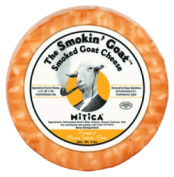 Grupo Ganaderos de Fuerteventura
The Smokin’ Goat
Smoked Goat Cheese
Grupo Ganaderos de Fuerteventura
The Smokin’ Goat
Smoked Goat Cheese
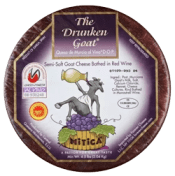 The Drunken Goat
Semi-Soft Goat Cheese
Queso de Murcia al Vino DOP
Jumilla, Spain
The Drunken Goat
Semi-Soft Goat Cheese
Queso de Murcia al Vino DOP
Jumilla, Spain
February Beer Club: Iowa

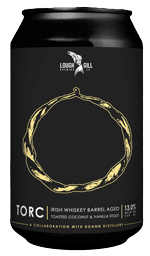 Lough Gill Brewery
Torc
Toasted Coconut and Vanilla Stout
Irish Whiskey Barrel Aged
Sligo, Ireland
This Imperial Oatmeal Stout is aged in Irish whiskey barrels and infused with toasted coconut and Madagascan vanilla. It’s a rich and full-bodied stout playing on notes of whiskey, chocolate, coconut and vanilla with a long finish and a great kick.
ABV: 13% alcohol / volume
Style: Imperial Stout – Oatmeal
Beer Style at WineStyles: Dark & Roasty
Made in collaboration with Boann Distillery – Craft brewed and aged in their independent brewery in Sligo. The Irish Whiskey Barrels are from Boann Distillery in Drogheda.
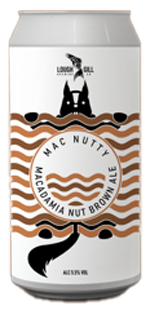 Lough Gill Brewery
Mac Nutty
Macadamia Nut Brown Ale
Sligo, Ireland
Rich, roasty, toasty, nutty, and malt aromas with a biscuity, bread-y nose. Raisins, nuts, and a touch of chocolate flavors are balanced with just enough hop bitterness to keep this beer easy drinking. Mac Nutty received a Silver Medal in Dublin’s Craft Beer Cup 2017 and Bronze Medal in 2018.
ABV: 5.5% alcohol / volume
Style: Macadamia Nut Brown
Beer Style at WineStyles: Dark & Roasty
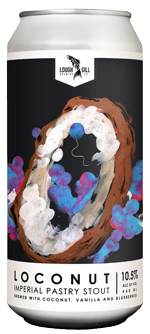 Lough Gill Brewery
Loconut
Imperial Pastry Stout
Sligo, Ireland
This Imperial Pastry Stout is brewed with coconut, vanilla, and blueberry. Notes of chocolate, cocoa, and coconut are balanced with flavors of vanilla and blueberry. As a final touch, a cloud of milk is added to sweeten this stout.
ABV: 10.5% alcohol / volume
Style: Imperial Pastry Stout
Beer Style at WineStyles: Dark & Roasty
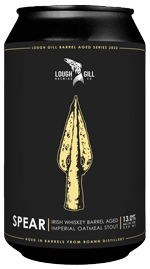 Lough Gill Brewery
Spear
Imperial Oatmeal Stout
Irish Whiskey Barrel Aged
Sligo, Ireland
Elected Beer of the Year 2022 by the Independent Craft Brewers of Ireland. Spear is aged for a year in Sherry Oloroso casks that previously held Irish Whiskey – revealing strong notes of whiskey, softened by the chocolate and coffee aromas coming from the brewery’s blend of roasted and caramel malts. A soft sherry finish gives this Imperial Stout a silky texture to support the high alcohol content.
ABV: 13% alcohol / volume
Style: Imperial Stout – Oatmeal
Beer Style at WineStyles: Dark & Roasty
Made in collaboration with Boann Distillery – Craft brewed and aged in their independent brewery in Sligo. The Irish Whiskey Barrels are from Boann Distillery in Drogheda.
 ABOUT LOUGH GILL BREWERY:
We are excited to announce that WineStyles will be the first to bring this Irish Brewery, Lough Gill, to market in Iowa! Founded in 2016 in Sligo, Ireland (near the shores of Lough Gill, on Ireland’s Wild Atlantic Way), Lough Gill Brewery is an independent, family run brewery known for their dark beers. Their beer philosophy is to, “brew the best hand crafted beers using the best ingredients and, where possible, to add some local indigenous ingredients to the brews”. Learn more about the brewery here, and follow them on Untappd.
Information © Lough Gill Brewery – All Rights Reserved.

Follow WineStyles on Untappd
Don’t forget to follow your local WineStyles on the Untappd app and tag us when enjoying your Brew!
LEARN MORE ABOUT OUR BEER CLUB >
February Sweet Club: Iowa

 Mosketto
Rosso
Brachetto
Piedmont, Italy
NECTAR WINE STYLE
Mosketto Rosso is produced in the modified Martinotti method from Brachetto grapes. This delicate sweet red wine is medium-ruby color; its palate is persistent with a delicate mousse that invites the senses to discover a nose and palate bursting with ripe fruit and flowers. Its low alcohol content, natural sugar and naturally occurring bubbles make this wine both unsullied and delectable
Varietal: 100% Natural Brachetto Grapes
Analysis: 5.5% alcohol / volume
Acidity: 6 g/L
pH: 3.43
Residual Sugar: 113 g/L (natural sweetness from the fruit, no sugar added).
Appellation: Vino D’Italia
Carbonation: Natural carbonation
Winemaker: Daniele Astegiano
Food Pairings: Enjoyable anytime, but an especially classic accompaniment is with dry pastries, mixed berries and crème brûlée. It also lends itself to contrasting very spicy dishes.
Critical Acclaim:
- San Diego Wine Competition 2018 – Gold 91
WineStyles’ Wine and Cheese Pairing: Don’t be afraid to branch out. This sweet wine from our ‘Nectar’ section will pair well with a blue cheese. Learn more about our wine and cheese pairings here.
ABOUT THE WINERY:
Mosketto is the combination of two famous grapes, Moscato and Brachetto, both locally grown in Piedmont and the base for the brand’s delicious, mildly sweet, naturally bubbly, low-alcohol wines. Mosketto produces three different wines – white, rosé and red – the white wine is made from the Moscato grapes, red is made from Brachetto, and rosé is the blend of the two. The wines are made in the same was as the more classic Moscato D’Asti and Brachetto D’Acqui, but are stopped from fermenting at low alcohol, retaining the natural sugars from the grapes. Mosketto wines are imported by Mack & Schühle, The Wine and Spirits Family. Learn more here. >
Information © Mack & Schühle – All Rights Reserved.
 Acquesi
Asti DOCG
Piedmont, Italy
NECTAR WINE STYLE
This Asti has a delicate, pale-yellow color with an elegant and inviting perlage. The bouquet consists of honey, peach and a touch of citrus.
Varietal: 100% Moscato Bianco di Canelli
Analysis: 7% alcohol / volume
Acidity: 6 g/L
pH: 3.25
Residual Sugar: 95 g/L
Appellation: Monferrato
Soil: Sandy, clay and limestone
Winemaker: Daniele Astegiano
Food Pairings: Enjoy on its own, with spicy Asian cuisine, or with more traditional pairings such as desserts and dry pastries. Serve at 39.2ºF-42.8ºF
Critical Acclaim:
- 2020 “World Champion” – The Champagne & Sparkling Wine World Championships
- 2020 “Regional Champion” – The Champagne & Sparkling Wine World Championships
- 2020 Gold Medal – The Champagne & Sparkling Wine World Championships
- 2020 “Best in Class” – The Champagne & Sparkling Wine World Championships
- 2019 “World Champion” – The Champagne & Sparkling Wine World Championships
- Silver – Berlin Wine Trophy
- Gold – World Wine Championships
WineStyles’ Wine and Cheese Pairing: This sweet wine from our ‘Nectar’ section will pair well with a soft cheese, such as a brie. The bubbles help to cleanse the palate and refresh it for another bite. Learn more about our wine and cheese pairings here.
WINEMAKING:
This wine is produced using the Martinotti Method, allowing the winemakers to preserve the pure varietal aromas of the grape. The wines are placed in a large pressurized vat, where the natural sugars and the yeast create a secondary fermentation, creating delicate, frothy bubbles.
ABOUT THE WINERY:
Known for its Traditional Method wines, the Acquesi brand is a territory line paying tribute to its host city, Acqui Terme. In the early 20th century, the city was known for its Art Nouveau style, which is reflected in the art on the bottles of their wines. Its particular terroir, cultivates native grapes like Cortese and Moscato, resulting in fruity, aromatic and lively wines with a persistent perlage. Acquesi wines are imported by Mack & Schühle, The Wine and Spirits Family. Learn more about the winery here. >
Information © Acquesi and Mack & Schühle – All Rights Reserved.
 Love the Sweet life?
“Wine” not try our Sweet Club!
Heredad de Peñalosa Tinto Joven
 Spicy Pesto Pasta Alla Vodka
INGREDIENTS:
- ¼ cup extra virgin olive oil
- 1 shallot, finely chopped
- 4 cloves garlic, finely chopped
- 1 teaspoon dried oregano
- 1–2 teaspoons crushed red pepper flakes
- ½ cup tomato paste
- ¼ cup vodka
- ¾ cup basil pesto, homemade or store-bought
- kosher salt and black pepper
- 1 cup heavy cream or canned coconut milk
- 1 pound short cut pasta
- 3 tablespoons salted butter
- 1/3 cup grated Parmesan cheese, plus more for serving
- ¼ cup fresh basil roughly chopped
DIRECTIONS:
-
Heat a large skillet over medium-low heat. When the oil shimmers, add the shallot, garlic, and oregano. Cook until the shallots begin to caramelize, about 5 minutes. Reduce the heat to low, add the tomato paste and red pepper flakes, cook 4-5 minutes, until thickened. Stir in the vodka, cook another 2 minutes. Stir in the pesto and cream. Season with salt and pepper. Keep warm over low heat.
-
Bring a large pot of salted water to a boil. Add the pasta and cook according to package directions until al dente. Just before draining, remove 1 ½ cups of the pasta cooking water. Drain.
-
To the vodka sauce, add the pasta, ½ cup pasta cooking water, and the butter, tossing until the butter has melted. Add the Parmesan and basil. If needed, thin the sauce with additional pasta cooking water.
-
Divide the pasta among plates and top with basil and cheese. Enjoy!
© Recipe courtesy of Tieghan Gerard of Half Baked Harvest.
FEBRUARY WINE CLUB:

 Bodegas Pascual
Heredad de Peñalosa
Tinto Joven
Ribera del Duero, Spain
BOLD WINE STYLE
This unoaked, Ribera del Duero, young red wine is clean, deep, intense cherry red in color. On the nose, there are very intense aromas of red fruit along with very well-integrated light lactic tones. Mulberries, raspberries and strawberries provide the nose with a complex fan of very clear scents. On the palate, the wine has a silky and clean entrance, full of sweetness with fresh hints that wash the palate. It is very powerful, long, fine and complex.
Varietal: 100% Tempranillo
Denominación de Origen (DO): Ribera Del Duero, Spain
Serving Recommendation: The ideal serving temperature is from 62.6ºF-68ºF
ABOUT THE WINERY:
The Pascual family’s philosophy and work with wines began in the fourteenth century in their historic winery situated in the Burgos town of Fuentelcésped. Over the years, the family’s ancestors dedicated their artisan talents and wisdom towards extracting the juice from their vineyards, turning it into what they called, “the drink of the gods”. Bodegas Pascual was officially founded in 1986, in Fuentelcésped – the province belonging to the DO Ribera del Duero. “Heredad de Peñalosa” became their first commercial brand – that paved the way for their other wine brands to later be produced. Learn more about the winery and its vineyards here.
Information © Bodegas Pascual – All Rights Reserved.
 Join our WINE CLUB and enjoy these amazing wines and pairing recipes each month. Plus, you’ll receive 10% off all retail wine purchases!
Heredad de Peñaloso Blanco Rueda
 Coconut and Turmeric Fried Rice
INGREDIENTS:
- 6 tbsp. extra-virgin olive oil, divided
- 4 Medjool dates, pitted, coarsely chopped
- 3 scallions, thinly sliced
- 2 garlic cloves, coarsely chopped
- 2 fresh bay leaves
- 1 tbsp. finely grated unpeeled ginger
- 1 tsp. freshly grated turmeric or 1 Tbsp. ground turmeric
- kosher salt
- 4 cups cooled cooked long-grain white rice
- ½ cup unsweetened coconut flakes
- 2 tbsp. soy sauce
- 1 cup cilantro leaves with tender stems
- handful of mint leaves, torn if large
- 2 limes
DIRECTIONS:
- Heat 3 tbsp. extra-virgin olive oil in a large nonstick skillet over medium. Add 4 Medjool dates, pitted, coarsely chopped, 3 scallions, thinly sliced, 2 garlic cloves, coarsely chopped, 2 fresh bay leaves, 1 tbsp. finely grated unpeeled ginger, 1 tsp. freshly grated turmeric or 1 tbsp. ground turmeric; season with kosher salt. Cook, stirring occasionally, until fragrant and garlic is starting to soften, about 2 minutes. Transfer mixture to a small bowl and set aside; discard bay leaves.
- Heat remaining 3 tbsp. extra-virgin olive oil in same skillet (no need to wipe out) over medium-high. Add 4 cups cooled cooked long-grain white rice and press into a flat even layer. Cook, undisturbed, until crisp underneath, about 5 minutes. Shake pan to loosen rice, then break up rice into large pieces with a spatula and turn over. Scatter ½ cup unsweetened coconut flakes over and cook, undisturbed, until coconut is warmed through, about 2 minutes.
- Mix in reserved date mixture and 2 tbsp. soy sauce; toss to break up rice clumps. Taste and add more salt if needed. Remove from heat and let cool slightly.
- Just before serving, stir in 1 cup cilantro leaves with tender stems and a handful of mint leaves, torn if large. Cut 2 limes into quarters; squeeze juice from a few quarters over. Serve remaining lime quarters alongside.
© Recipe courtesy of Devonn Francis on Bon Appétit.
FEBRUARY WINE CLUB:

 Bodegas Pascual
Heredad de Peñalosa
Blanco Rueda
Verdejo, Viura
Rueda, Spain
CRISP WINE STYLE
This Blanco (or White Wine) Rueda is very bright and straw-greenish yellow in color. It is clean and lingering on the nose, with aromas of tropical fruit (pineapple and mango), white flowers and some slight hints of hay. It is tasty, full-bodied and well-rounded with a good lingering on the mouth.
Varietal: 60% Verdejo, 40% Viura
Denominación de Origen (DO): Rueda, Spain
Production: This wine is made from flower must. Fermentation takes place at 64.4ºF through cold stabilization and micro-filtering.
Climate: Dry, cold, extreme continental climate, rainfall is 405 l/m2 and average height of vineyards is 680 m.
Soil: Sediment accumulation with deposits from the Miocene Age. Average temperature is 51.8ºF (maximum 95ºF, minimum -0.4 °F)
Serving Recommendation: The ideal serving temperature is from 50ºF to 53.6ºF
ABOUT THE WINERY:
The Pascual family’s philosophy and work with wines began in the fourteenth century in their historic winery situated in the Burgos town of Fuentelcésped. Over the years, the family’s ancestors dedicated their artisan talents and wisdom towards extracting the juice from their vineyards, turning it into what they called, “the drink of the gods”. Bodegas Pascual was officially founded in 1986, in Fuentelcésped – the province belonging to the DO Ribera del Duero. “Heredad de Peñalosa” became their first commercial brand – that paved the way for their other wine brands to later be produced. Learn more about the winery and its vineyards here.
Information © Bodegas Pascual – All Rights Reserved.
Join our WINE CLUB and enjoy these amazing wines and pairing recipes each month. Plus, you’ll receive 10% off all retail wine purchases!
February Wine Club Pairing Recipe
 Date Night Herb Crusted Lamb Chops
INGREDIENTS:
- 2 lbs lamb rib chops
- ¼ cup olive oil
- 5 cloves garlic minced
- 1 tbsp fresh parsley minced
- 1 tsp course sea salt
- 1 tbsp thyme
- 1 tsp onion powder
- salt/pepper to taste
- 1 tbsp reduced fat margarine
DIRECTIONS:
-
In a small bowl, combine olive oil, garlic, parsley, sea salt, thyme, and onion powder. Mix well and rub evenly over each lamb chop. Place lamb chops in a medium baking dish, cover, and refrigerate for about 30 minutes.
-
Heat a large skillet to medium heat and add 1 tbsp reduced fat margarine. Add lamb chops to the pan and sear on each side for about 3-4 minutes, depending on thickness and desired doneness. Remember that the temperature will continue to rise as meat rests. Season with salt/pepper to taste.
-
When done, pair with your favorite side item and enjoy!
*Note, the USDA recommends a safe cooking temperature of 145 degrees for lamb.
© Recipe courtesy of Beautiful Eats & Things.
FEBRUARY WINE CLUB:
 Bodegas Pascual
Heredad de Peñalosa
Tinto Roble
Ribera Del Duero, Spain
BOLD WINE STYLE
This oaked (4 months in oak) young red wine is clean, bright ruby red in color. On the nose, there are fruity aromas and well-balanced new noble wood complexities, and ripe red fruits – like cherries and mulberries. Hints of toast and tobacco make the aroma a round harmony. There are few mature tannins on the palate that guess great potential. It has a good ample and pleasant attack that leaves a smooth and fleshy aftertaste with a lingering finish.
Varietal: 100% Tempranillo
Denominación de Origen (DO): Ribera Del Duero, Spain
Serving Recommendation: The ideal serving temperature is from 62.6ºF-68ºF
ABOUT THE WINERY:
The Pascual family’s philosophy and work with wines began in the 14th century in their historic winery situated in the Burgos town of Fuentelcésped. Over the years, the family’s ancestors dedicated their artisan talents and wisdom towards extracting the juice from their vineyards, turning it into what they called, “the drink of the gods”. Bodegas Pascual was officially founded in 1986, in Fuentelcésped – the province belonging to the DO Ribera del Duero. “Heredad de Peñalosa” became their first commercial brand – that paved the way for their other wine brands to later be produced. Learn more about the winery and its vineyards here.
Information © Bodegas Pascual – All Rights Reserved.

Join our WINE CLUB and enjoy these amazing wines and pairing recipes each month. Plus, you’ll receive 10% off all retail wine purchases!
January Collector’s Wine Club: Iowa

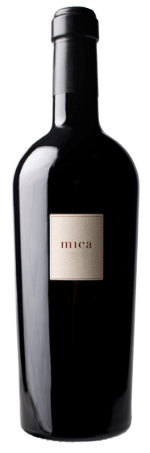 Buccella
Mica
Cabernet Sauvignon
Napa, California
BOLD WINE STYLE
Made from the same vineyards as their flagship winery, Buccella, the Mica grapes are made to express more fruit forward wines that are fresh with plush tannins. This generous Cabernet Sauvignon has aromas of black cherry, and cassis with hints of dark chocolate and caramel. The palate is fresh, lively and bright with luscious and smooth tannins and flavors of dark chocolate, tobacco and boysenberries.
Analysis: 14.2% alcohol / volume
Varietal: Cabernet Sauvignon
Region: Napa, California
ABOUT THE WINERY:
Founded in 2002 by Bill Deem and his wife, Alicia; the couple discovered their mutual love for the wine industry over a bottle of 1990 Gaja, shared on their very first date. They chose the name “Buccella,” meaning “mouthful” in Latin, to highlight the big, bold, concentrated flavors that make their wines so luxurious. Their goal is to create wines that bring people together, initiate new relationships and celebrate life’s most monumental moments. Learn more about their story here.
Photos and Information © Buccella– All Rights Reserved.
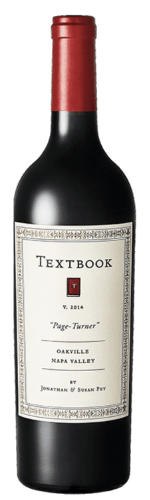 TEXTBOOK
2014 “Page-Turner”
Oakville, Napa Valley, California
BOLD WINE STYLE
This juicy, well-integrated red blend is deep ruby-purple in color with aromas of blackcurrant, sweet cherry, licorice, clove and plum. The palate has spicy and floral notes of red and blackcurrants with hints of white chocolate. It’s a concentrated, yet medium-bodied wine with sweet tannins and a round mouthfeel.
Analysis: 14.6% alcohol / volume
Varietal: 60% Merlot, 25% Cabernet Sauvignon, 15% Cabernet Franc
Region: Oakville AVA, Napa Valley, California
WINEMAKER’S NOTES:
“Our ‘Page-Turner’ release reflects our commitment to careful blending of classic “Right Bank” varieties grown in Oakville. Vintage 2014 gave us six barrels (about 150 cases). Hand-pruned, hand-picked and hand-sorted, with twenty-two months maturation in small French oak barrels, it displays the textbook qualities of Oakville’s finest red wines.”
ABOUT THE WINERY:
Jonathan Pey and his wife, Susan, set out to find wines that married the refinement of their favorite French and Italian wines with the rich, powerhouse wines they often found in Napa Valley. Through their connections, Susan and Jonathan were able to create their first vintage of Oakville Cabernet and claimed it was a “textbook Oakville Cab”; thus the birth of TEXTBOOK wines. Today, the couple continues to work closely with other partners and winemakers across Napa Valley to create superior and consistently high quality wines. Learn more about their story here.
Photos and Information © Textbook Winery – All Rights Reserved.
 Love to collect amazing wines?
Learn more about our quarterly Collectors Club > click here
January Beer Club: Iowa
 Evil Twin Brewing
Even More Xmas
New York
Imperial Stout with marshmallow, coconut, vanilla & cocoa nibs.
ABV: 12% alcohol / volume
Style: Stout – Imperial / Double
Beer Style at WineStyles: Dark & Roasty
 Evil Twin Brewing
Christmas Eve at a NYC Hotel – Royal Suite Edition
New York
Imperial Stout brewed with almond, vanilla, muscovado sugar, maple, marshmallow, coffee, raspberry & chocolate. There are notes of chocolate, roasted malt & caramel with accents of dark berries, vanilla, coffee, maple and nuts. It is full-bodied and sweet.
ABV: 12% alcohol / volume
Style: Stout – Imperial / Double
Beer Style at WineStyles: Dark & Roasty
ABOUT EVIL TWIN BREWING:
Evil Twin Brewing was started up “nomadically” in 2010 by Jeppe Jarnit- Bjergso. In 2012, Jeppe and his family decided to make New York City their home and join the burgeoning local beer scene. In 2016, Jeppe was approached with the opportunity to finally root his ideas & dreams and Evil Twin Brewing NYC was born. Evil Twin Brewing is now prepared at 10 different breweries around the world. Check them out on Untappd, or learn more about their company here.
 Kings County Brewers Co.
Bodega Cat
Brooklyn, New York
A blend of premium English malts plus a healthy dose of flaked oats and a touch of crystal rye for layers of dark roast, bittersweet cocoa, black bread and a hint of tangy spice. It’s medium-bodied, approachable and balanced with a dry finish.
ABV: 5.8% alcohol / volume
Style: Stout – Oatmeal
Beer Style at WineStyles: Dark & Roasty
Made in Collaboration with Interboro Spirits & Ales
ABOUT KINGS COUNTY BREWERS CO.:
Located in a 5,000 square foot warehouse in Bushwick, Brooklyn, Kings County Brewers Collective is the first brick-and-mortar brewery to operate in the neighborhood for more than 40 years following the New York State hop blight and Prohibition. Today, they are a proud production brewery and taproom dedicated to bring unique and collaborative craft beers to New York City and beyond. Learn more about the brewery here, and follow them on Untappd.
Photos and information © Evil Twin Brewing and KCBC – All Rights Reserved.
Follow WineStyles on Untappd
Don’t forget to follow your local WineStyles on the Untappd app and tag us when enjoying your Brew!
LEARN MORE ABOUT OUR BEER CLUB >
January Cheese Club: Iowa

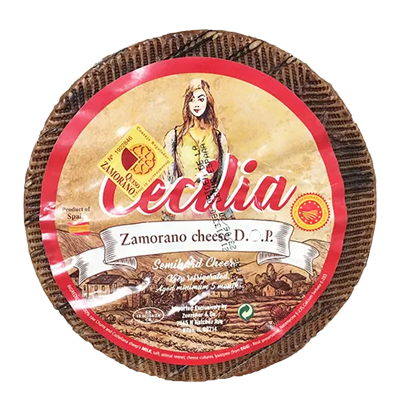 Cecilia
Zamorano D.O.P.
Sheep Semibold Cheese
Castile-León, Spain
Cecilia
Zamorano D.O.P.
Sheep Semibold Cheese
Castile-León, Spain
Aged for 3-9 months, this DOP cheese is made from raw milk of its namesake region’s Churra and Castellano sheep. The rind has a familiar zigzag pattern – typical of many Spanish cheeses – but its flavor is all its own. This cheese is deliciously sweet and nutty with a touch of salt.
WINE & CRAFT BEER PAIRINGS:
Pair with a fruity wine such as a Tempranillo or a mellow wine such as our January Wine Club wines: Chateau Govain Merlot and the Domaine de Lilotte Bordeaux. For beer, grab something fruity and spicy, like a Belgian-Style Wheat Ale.
WINESTYLES: Fruity or Mellow
BEERSTYLES: Fruity and Spicy
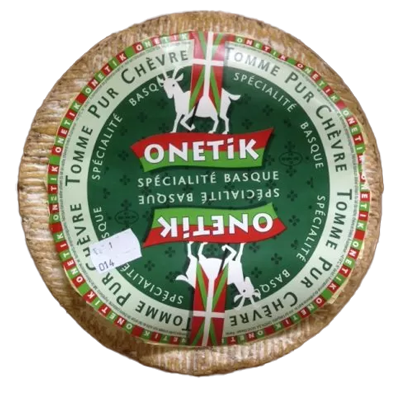 Onetik
Tomme Pur Chèvre
Goat Cheese
Pyrenees, France
Onetik
Tomme Pur Chèvre
Goat Cheese
Pyrenees, France
This natural rinded Tomme cheese is made from pasteurized goat’s milk. Similar in texture to Onetik’s Ossau-Iraty Cheese, however, the flavors here are clearer and brighter, with cool herbal tones to replace the nuttiness that you would get from a sheep’s milk Tomme. This is a great addition to any cheese board.
WINE & CRAFT BEER PAIRINGS:
Pair with a crisp wine such as a Sancerre or a Sauvignon Blanc – try with our January White Wine Club wine – Chateau Le Prieur Cuvée Passion. For beer, pair with a crisp Basque Cider from the Basque region of Europe (think: “what grows together, goes together”).
WINESTYLES: Crisp
BEERSTYLES: Crisp & Clean
Information © Zuercher & Co. – All Rights Reserved.
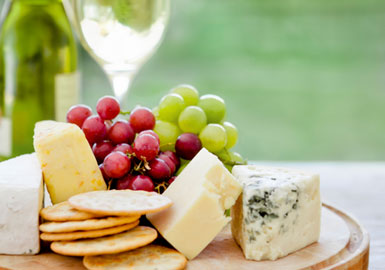 Don’t let your Wine Club go home alone!
Join our Cheese Club and bring home a match made in heaven!
Don’t let your Wine Club go home alone!
Join our Cheese Club and bring home a match made in heaven!
If you enjoy pairing cheese with wine, this is your club! Each month you’ll discover specialty and artisan cheeses to pair with your Wine Club. Monthly cheese selections are chosen by your local WineStyles participating location. It’s the perfect opportunity to Taste, Learn and Enjoy® amazing artisan cheese every month! Only $19.99/month and your wine won’t be lonely! Click to learn more >
January Sweet Club: Iowa
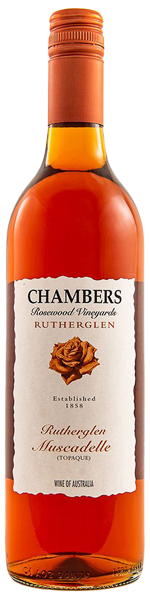 Chambers Rosewood Vineyards
Muscadelle
Rutherglen, Australia
NECTAR WINE STYLE
This wine is dark bronze-gold in color with hints of amber. It has intense, fresh and fruity aromatics with characters of honey, butterscotch, crème brûlée, creamy caramel, dried oranges, orange blossom, dried pears, tea-cake, malt and green tea. These characters are also evident on the palate which is luscious with a hint of jasmine and fresh layers of flavor which linger in the mouth. This wine has a luscious texture with the gentle warmth of clean spirit and well-balanced sweetness complementing the finish.
Analysis: 18.5% alcohol / volume
Critical Acclaim:
-
-
-
-
- Halliday Wine Companion
- 2023 Rating: 92
- 2022 Rating: 92
- 2021 Rating: 91
- 2020 Rating: 94
- 2019 Rating: 93
- Wine Enthusiast Buying Guide – 92 pts.
- Halliday Wine Companion
-
-
-
ABOUT THE WINERY:
Since establishment in 1858, in Victoria’s famed Rutherglen region in Australia, winemaking duties at Chambers Rosewood have been passed down from father to son through six generations. Today, Chambers Winery and Vineyards are operated by Stephen Chambers, supported by his father, the legendary Bill Chambers. This relaxed family-owned winery has been producing Muscats and Muscadelles that have been recognized all over the world for their complexity, intensity and balance for centuries. Learn more here. >
Information © Chambers Rosewood Vineyards – All Rights Reserved.
 Scott Harvey Wines
Jana Winery
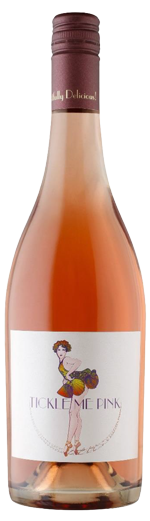
Tickle Me Pink
California
NECTAR WINE STYLE
The four components of this wine make for a foxy, sassy, and yummy wine with aromas and flavors of strawberry, cherry rosemary and thyme. There is a hint of fresh carbonation on the finish that makes it refreshing and surprising.
Varietal: 68% Lodi Chardonnay, 24% Lodi Riesling, 5% Mystery Wine, 3% Syrah
Analysis: 12% alcohol / volume
pH: 3.19
RS: Off Dry, 2.6%
Produced: 1,556 at 12/750 ml
WineStyles’ Wine and Cheese Pairing: These sweet wines from our ‘Nectar’ section will pair well with a soft cheese, such as a brie. Learn more about our wine and cheese pairings here.
WINEMAKER’S NOTES:
“Making this wine gives me the chance to produce a true European type Rosé in a light, crisp and off dry style, similar to the wines we produced while working as an apprentice and going to winemaking school in Europe. I had a fun time putting this blend together. It is mainly Chardonnay and Riesling, with a little something mysterious thrown in to give it that mischievous character and flavor. The Syrah adds spice and color.” – Jana Winery
ABOUT THE WINERY:
In 1979 Scott Harvey developed an ambitious winery plan for the Santino family. As Winemaker and General Manager of Santino Winery, Scott is credited with placing Amador County firmly on the California wine map. Over the years, Scott honed in on his skills within the wine industry, becoming Partner, Winemaker and President of other wineries before starting his own venture with his most ideal partner – his wife, Jana, a wine industry veteran. Learn more here. >
Information © Scott Harvey Wines – All Rights Reserved.
Love the Sweet life?
“Wine” not try our Sweet Club!

