May Premium Wine Club

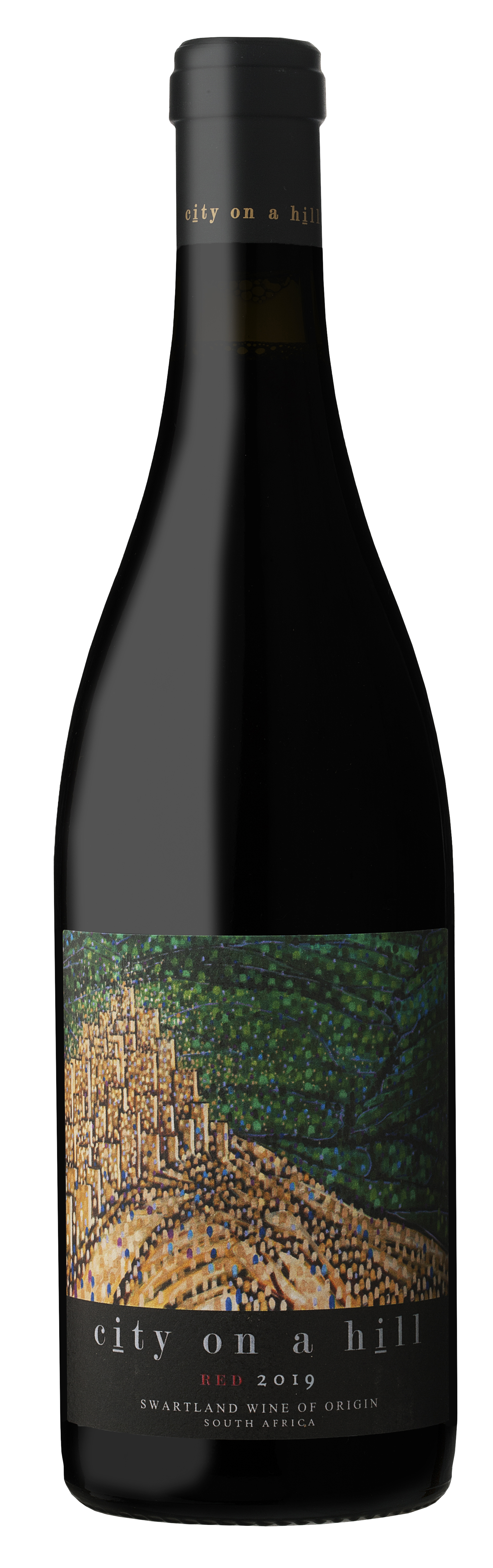
City-on-hill-red-blendCity on a Hill Wine Company
Red Blend
Swartland, South Africa

Bold wine Style logoBOLD WINE STYLE

The second of their “canvas wines” and the second vintage of this wine, City on a Hill Wine Co. used three varieties stretched across five vineyards. This wine remains the winery’s main focus in terms of red wine and this blend continues to grow in vineyards and varieties as they stretch their reach further across Swartland. The Red Blend has great structure, showing red and black fruit with their trademark Swartland fynbos and olive notes. Syrah dominates this blend followed by Tinta Barocca, and Cinsault.

Analysis: 13.5% alcohol / volume
Varietals: Syrah, Tinta Barocca, and Cinsault
RS: 1.9 g/L
TA:
5.2 g/L
pH:
3.65
Fermentation: Native Yeasts – 75% whole bunch
Vessels: Old 500 liter oak barrels
Year of Planting: 1968-1990’s
Soil Type: Decomposed granite, schist, & clay
Cultivation: Bush vines & trellised vineyards

ABOUT CITY ON A HILL WINE CO.:
City on a Hill Wine Company was started with one goal in mind: to make wine with freedom to explore and engage the vast terroirs and people that make up this beautiful region. The team was drawn to the rustic traits of the Swartland in the South Western part of South Africa – a location where you will rarely find landscaped vineyards or shiny farm gates, but rather an unforgiving landscape and people of the soil. The climate is hot and dry, and the conditions are becoming very extreme to farm in. Herein lies the beauty of the Swartland: a mix of old dry-land bush vines planted by previous generations, complimented by younger plantings of newer and experimental varieties, planted by this generation for the generations to come. City on a Hill Wine Co. has grown their offering to six wines. A lot of effort goes in to ensure constant improvement in all areas of grape growing and vinification. This is a lifelong task and something that the next generation will benefit from.


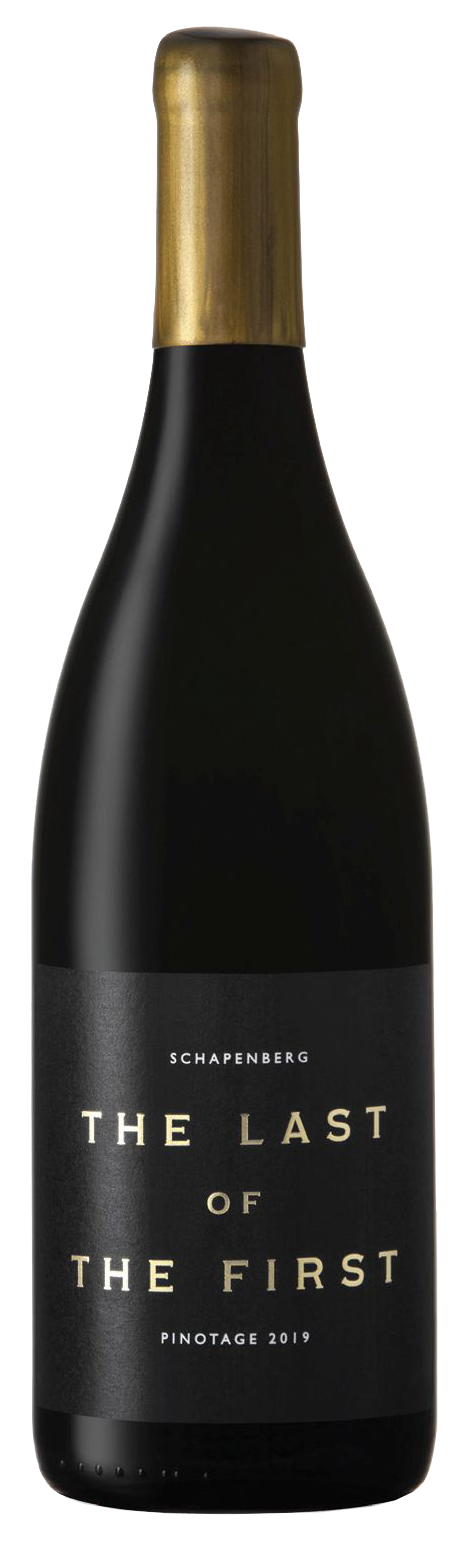
Last-of-the-First-WineFalse Bay Vineyards
Last of the First
Stellenbosch, South Africa

Bold wine Style logoBOLD WINE STYLE

Professor Perold’s creation, Pinotage, was propagated at Elsenburg College in 1935. In 1941 Myrtle Grove on the Schapenberg was chosen for the first commercial plantings. Today only one block remains on the Schapenberg — The Last of The First.

Completely different in style to inland Pinotage. The Last of The First is elegant, perfumed, graceful. It is luminescent dark cherry in color with earthy smells of lifted mulberry and damson plums. The taste is balanced with finely integrated tannins threading through from start to finish. It highlights morello cherry with a touch of earthiness. Drink now and over the next decade. Serve at 59ºF – pairs beautifully with duck.

Region: Schapenberg (W.O. Stellenbosch)
Varietal: Pinotage

Analysis: 13% alcohol / volume
RS: 1.5 g/L
TA:
4.9 g/L
Total SO2: 85 mg/l
Production: 1549 bottles

REGISTERED SINGLE VINEYARD:
A small and singular parcel of mature 1994 planted Bush Vine Pinotage measuring 1.3 hectares. This block is the last Pinotage grown on the ocean facing slopes of the Schapenberg, where the original commercial plantings of Pinotage took place. This rare little block is on a cooler, elevated south-facing slope, just 2.5 miles from False Bay. Due to the effect of incessant wind and the application of organic farming practices, the berry-size and yield is also tiny at just over 3 tons/ha or 20 hl/ha. The up-side, however, is healthy grapes with excellent balanced concentration. Good things really do come in small packages.

WINEMAKING:
Grapes are handpicked, sorted and fermented whole bunch with wild yeasts in a small open top oak fermenter, using regular, manual-punch downs during the fermentation process. The wine is left on the skins and stems for 31 days, then is pressed off in a basket press before being transferred to three old 600 liter barrels. Here, the wine goes through a maturation period of 16 months before bottling without fining with only the lightest of filtrations.

ABOUT THE WINERY:
Named after South Africa’s most iconic bay, which frames much of the country’s premium wine-lands, False Bay Vineyards, was born from a desire to make ‘real’ wine affordable. It is a sister company to Waterkloof Winery. In 1994, well before Waterkloof was founded, Paul Boutinot came to the Western Cape to seek grapes from balanced, yet under-appreciated vineyards. These vineyards would soon be lost to large co-operative blends that were dominating South Africa’s wine industry at that time. Paul transformed these Cape gems into wines with minimum intervention – something unusual for the time. He chose to organically farm using wild yeast ferments and no acid additions. Today, ingredients remain the same using beautiful coastal fruit, old vines, wild yeasts and additions avoided. Learn more here.

Wine club logoJoin our PREMIUM WINE CLUB, enjoy amazing wines every other month. Plus, you’ll receive 10% off all retail wine purchases!

Learn more about our Premium Club >


May Sweet Club


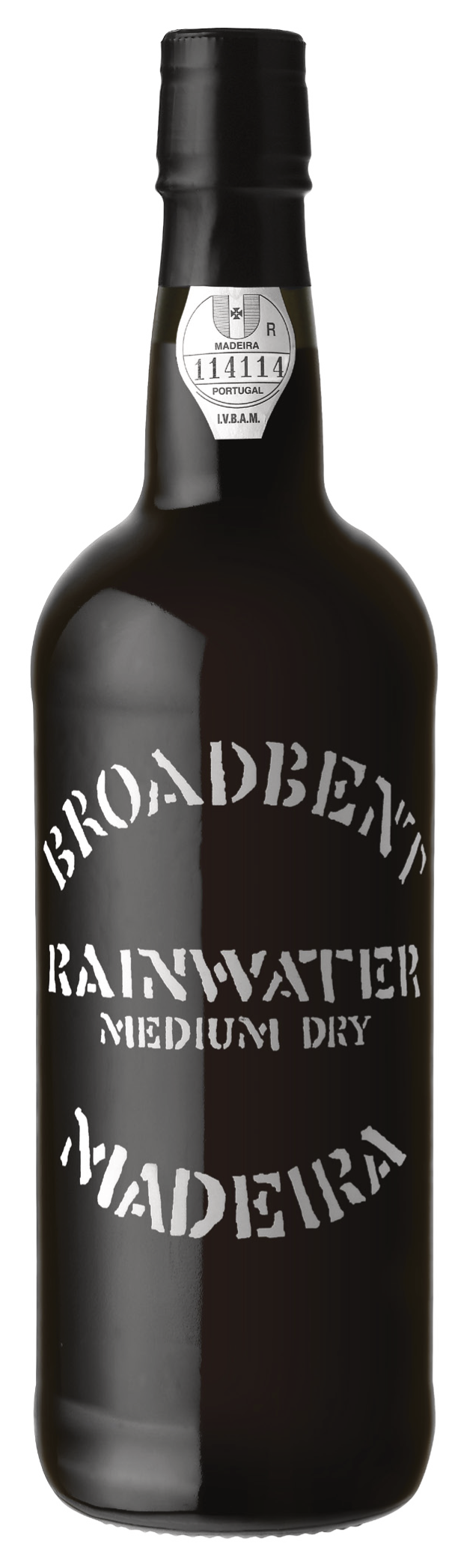
Sweet Wine ClubBroadbent_Madeira_Rainwater_NVBroadbent Selections
Rainwater Madeira NV
Madeira, Portugal

NECTAR WINE STYLE

The Rainwater Madeira has a light, toffee-scented bouquet with hints of crème brûlée. The wine highlights subtle notes of marzipan, raisin and fresh fig that become more well-defined and bold as it aerates. On the palate, it is sweet and spicy on the entry. At first, it is quite understated with smoked walnut, nougat, cumin and Chinese 5-spice. As it continues to build, the wine becomes beautifully balanced and harmonious with traces of red chillies, dried honey and walnuts at the finish.

Analysis: 19% alcohol / volume
Varietal: 98% Tinta Negra, 2% other regional red varieties
RS: 74 g/L
pH:
3.1
Total Acidity:
6.4 g/L (tartaric)
Total Sulphur:
<15 mg/L
Annual Production:
20,000 cases x 12/750 ml

Winemaker: Juan Teixeira
Critical Acclaim: 90 points – Neil Martin, eRobertParker.com #202, August 2012

Pairing:
Serve slightly chilled on its own or with antipastos, cheeses, or sweet desserts.

WineStyles Wine and Cheese Pairing: Sweet wines from our ‘Nectar’ section pair well with an herbal cheese. Learn more about our wine and cheese pairings here.

HARVEST AND PRODUCTION: 
“Combining different wines together, we try to have a final wine with high quality. Blending helps to balance the wine, to add layers of flavors and better integrate the sugars and acids.  Blending allows us to select the best characteristics of different wines and then mix them all together to create a much better flavor profile, maintaining the consistence of quality and, off course, reduce the negative impacts, if any, that some harvest years may present.” – Broadbent Selections


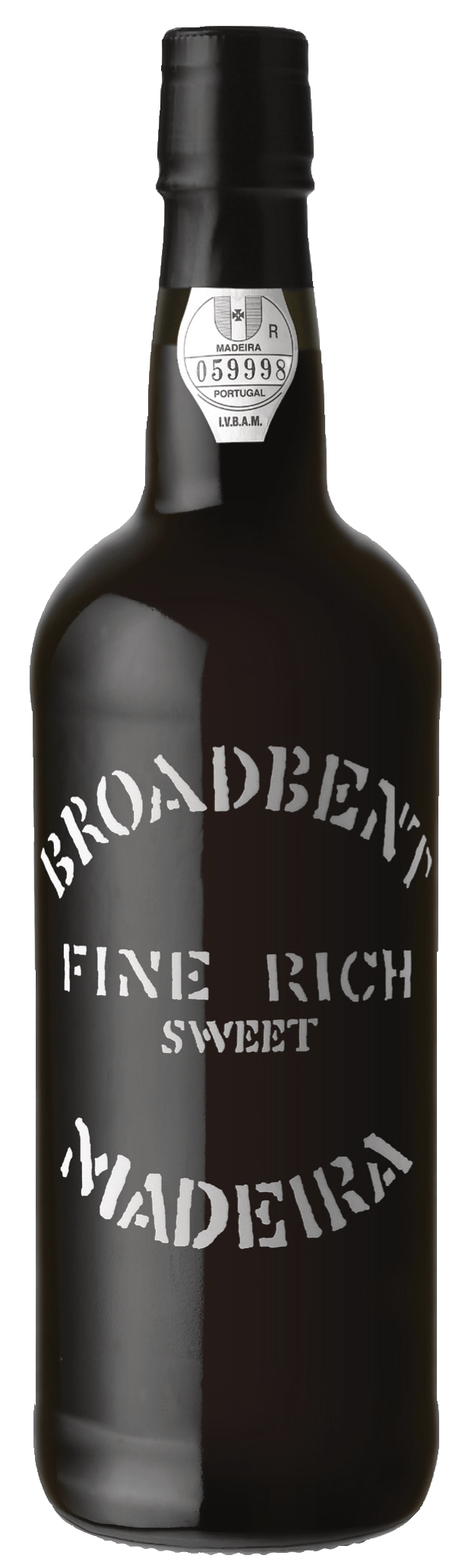
Broadbent_Madeira_Fine_Rich_SweetBroadbent Selections
Fine Rich Sweet
Madeira, Portugal

NECTAR WINE STYLE

Broadbent’s Fine Rich Sweet Madeira has notes of caramel, light fruits, toasted nuts and sesame. It has a well-balanced acidity and clear, fresh aftertaste. This is a well made, uncomplicated Madeira.

Analysis: 19% alcohol / volume
Varietal: 98% Tinta Negra, 2% other regional red varieties
Residual Sugar: 106 g/L
pH: 3.42

Total Acidity: 5.18 g/L (tartaric)
Total Sulphur: 36 mg/L
Winemaker: Juan Teixeira

Pairing:
Serve slightly chilled on its own or with antipastos, strong cheeses, chocolate or dessert.

WineStyles Wine and Cheese Pairing: Sweet wines from our ‘Nectar’ section pair well with an herbal cheese. Learn more about our wine and cheese pairings here.

HARVEST AND PRODUCTION:
“The harvest period started mid September, concluding the 2nd week of October. The grapes were de-stemmed, crushed and pressed. The must obtained was then allowed to ferment at a controlled temperature in stainless steel tanks. Fermentation stopped after 6 or 7 days by addition of neutral grape spirit (96% minimum) in order to maintain the desired sweetness degree. Vinification was made in strict accordance with traditional methods. Aged in old oak cask in the traditional “Canteiro ”system. After maturing, the wine underwent racking, fining and filtering before the blend was assembled and bottled.” – Broadbent Selections

Bartholomew Broadbent

Bartholomew Broadbent

ABOUT BROADBENT SELECTIONS:
Broadbent Selections, Inc. was founded in 1996 by Bartholomew Broadbent, who established Premium Port Wines in 1986 and is considered responsible for the reintroduction of Madeira to the United States in 1989. The company acts as the U.S. national importer, distributor and representative for wineries from around the world. Bartholomew was named one of the “fifty most influential people in the wine world.” by Decanter Magazine (June 1997). Broadbent Selections, Inc. was nominated Importer of the Year in 2005 by Wine Enthusiast Magazine and was named one of the 100 fastest growing companies in 1998 by Entrepreneur Magazine and Dun & Bradstreet. Today, he has expanded from his pivotal role in the breathtaking growth of Port and Madeira to “exert a profound influence on the US wine market” says Decanter. Learn more here.


Love the Sweet life?
“Wine” not try our Sweet Club! 

Click here to learn more >

Sweet Club


Peacock Wild Fernet Chenin Blanc

pad-thai-3

© Photo by Cooking Classy

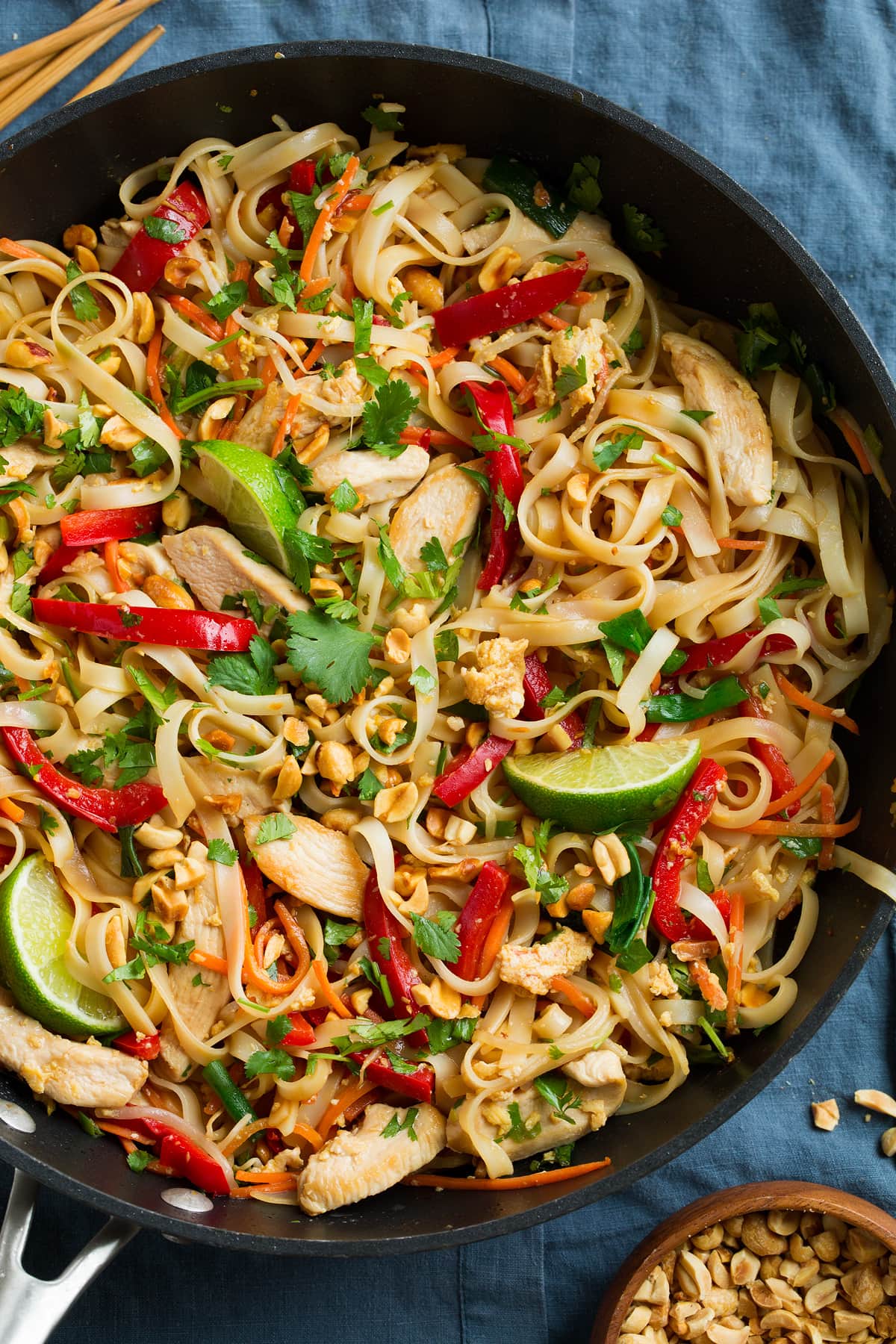
Pad Thai (with Chicken or Shrimp)

INGREDIENTS:

  • 10 oz Thai Rice Noodles
  • 1 lb. boneless skinless chicken breasts, sliced into small strips, or 1 lb extra large shrimp, peeled and deveined
  • 2 tbsp vegetable oil
  • ¼ cup packed dark-brown sugar
  • ¼ cup soy sauce
  • 2 tbsp rice vinegar
  • 1 tbsp lime juice
  • 1 tbsp fish sauce
  • 1 red bell pepper, sliced into thin strips and strips halved
  • 1 ½ cups matchstick carrots
  • 2 cloves garlic
  • 5 green onions, whites minced, greens sliced into 1-inch pieces
  • 2 cups bean sprouts
  • 3 large eggs
  • ½ cup unsalted peanuts, chopped
  • 1/3 cup cilantro, chopped
  • red pepper flakes and sesame seeds (optional)

DIRECTIONS:

  1. Prepare rice noodles according to directions listed on package. In a mixing bowl, whisk together brown sugar, soy sauce, rice vinegar, lime juice and fish sauce, set aside.
  2. While noodles are cooking, heat oil in a wok or a 12-inch deep sauté pan set over medium-high heat. Add chicken and sauté until cooked through, about 6 minutes. If using shrimp cook about 1 ½ minutes per side or until opaque.
  3. Transfer to a plate, leaving oil in pan. Add bell pepper and carrots sauté 1 – 2 minutes then add garlic, green onions and bean sprouts sauté 1 minute longer. 
  4. Push veggies to edges of pan and crack eggs into center. Cook and scramble until eggs have cooked through. Add in chicken, noodles and sauce and toss everything together and cook 1 – 2 minutes.
  5. Serve warm topped with cilantro, peanuts and optional red pepper flakes and sesame seeds.

© Recipe courtesy of Cooking Classy.

MAY WINE CLUB:

Silky stylePeacock_cheninNVFalse Bay Vineyards
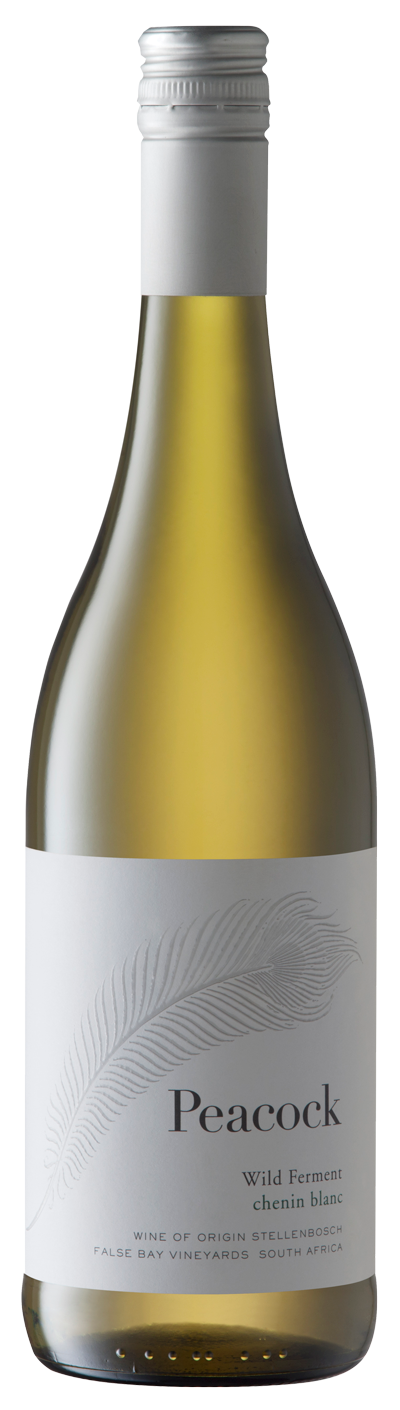
Peacock Wild Ferment Chenin Blanc
Stellenbosch, South Africa

SILKY WINE STYLE

Aromas of peach, lime and green apple on the nose. These elegant flavors carry through onto the palate with a lovely freshness and a long, elegant finish. Enjoy this wine with a variety of dishes, including seafood, chicken risottos and Thai cuisine.

Varietal: 100% Chenin Blanc
Analysis:
13% alcohol / volume

TA: 4.8 g/l
pH:
3.5
RS:
2.5 g/l

“Chenin Blanc is regarded as the workhorse of the South African wine industry. It produces the bulk of our generic white wines. There are, however, some gems lurking amidst the flurry of Chenin blanc vineyards. Our goal is to identify these gems and allow them to be expressed in our Peacock Wild Ferment Chenin Blanc. Our Peacock Wild Ferment Chenin Blanc grapes stem from the Helderberg ward on the coastal outskirts of Stellenbosch (the home of Waterkloof). Over time, these old bush-vine vineyards (20—50 years old), planted in Chenin friendly soils, have found their natural balance and it definitely shows in the wine.” – False Bay Vineyards
HARVEST AND PRODUCTION:
False Bay Vineyards follows a minimal intervention winemaking philosophy. Their grapes are tasted at regular intervals to ensure optimal taste and ripeness level. The grapes are hand-harvested and whole bunch pressed in a modern basket press. Wine undergoes natural clarification over a 24 hour period, without any added enzymes or settling agents. From here, the juice is fermented in stainless steel, concrete eggs and 600L old barrels with “wild yeasts” driven from the grapes; this process allows the flavors of the vineyard to be expressed in the wine. Due to the natural balance of the grapes, no additional tartaric acids are needed. The wine is fermented for about three months and then it is left on the secondary lees for another month before bottling.

ABOUT FALSE BAY VINEYARDS:
Waterkloof Winery’s sister company, False Bay Vineyards, produces two collections: the earlier drinking, yet refined Peacock Wild Ferment range, named after the brightly plumed birds conspicuous in and around Waterkloof’s vineyards and the False Bay wine range of easy-drinking yet quality driven wines. Named after South Africa’s most iconic bay, which frames much of the country’s premium wine-lands, False Bay Vineyards, was born from a desire to make ‘real’ wine affordable. Learn more about False Bay Vineyards here.

Wine club logoJoin our WINE CLUB and enjoy these amazing wines and pairing recipes each month. Plus, you’ll receive 10% off all retail wine purchases!

Learn More >


Peacock Wild Ferment Cabernet Sauvignon

Grilled Steak

© Photo by Steve Giralt

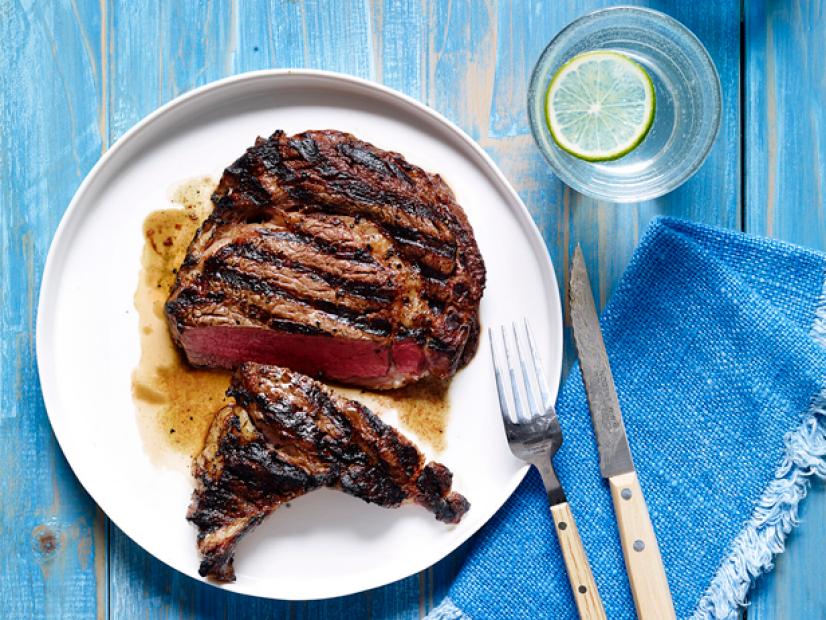
Perfectly Grilled Steak

INGREDIENTS:

  • 4 1 1/4-to-1 1/2-inch-thick boneless rib-eye or New York strip steaks (about 12 ounces each) or filets mignons (8 to 10 ounces each), trimmed
  • 2 tablespoons canola or extra-virgin olive oil
  • Kosher salt and freshly ground pepper

DIRECTIONS:

  1. About 20 minutes before grilling, remove the steaks from the refrigerator and let sit, covered, at room temperature.
  2. Heat your grill to high. Brush the steaks on both sides with oil and season liberally with salt and pepper. Place the steaks on the grill and cook until golden brown and slightly charred, 4 to 5 minutes. Turn the steaks over and continue to grill 3 to 5 minutes for medium-rare (an internal temperature of 135°F), 5 to 7 minutes for medium (140°F) or 8 to 10 minutes for medium-well (150°F).
  3. Transfer the steaks to a cutting board or platter, tent loosely with foil and let rest 5 minutes before slicing.

© Recipe courtesy of Bobby Flay for Food Network Magazine.

MAY WINE CLUB:

Bold wine Style logoPeacock_CABSAVNV (1)False Bay Vineyards
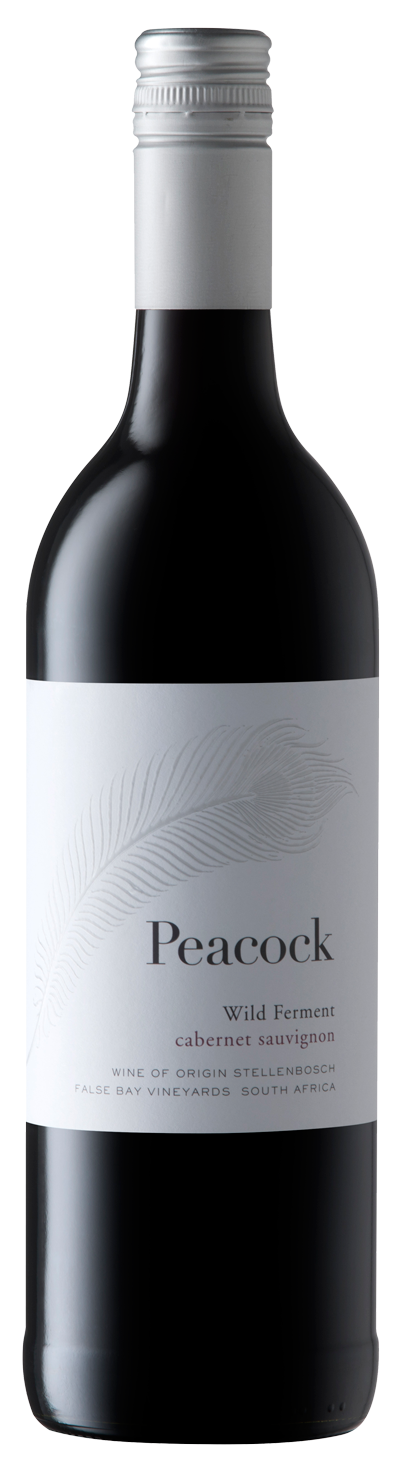
Peacock Wild Ferment Cabernet Sauvignon

Stellenbosch, South Africa

BOLD WINE STYLE

A wine that portrays typical varietal character along with a lot of elegance and accessibility. On the nose you can enjoy subtle red berries, a hint of chocolate and green spices. The palate has a lifted freshness and soft tannins which are well integrated- the fruit also carries through well to the aftertaste. It’s great enjoyed on its own, but also pairs well with a variety of dishes ranging from a simple tomato-based pasta dish to a juicy sirloin steak.

Varietal: 100% Cabernet Sauvignon
Analysis:
13.4% alcohol / volume
TA: 6.3 g/l
pH:
3.46
RS:
2.6 g/l

“Cabernet Sauvignon has always been seen as a big, bold and very tannic wine…the king of the reds. It is traditionally marketed as a wine to keep for at least three years before even thinking of opening a bottle. But at Waterkloof we believe it does not necessarily have to be big and gutsy to make an impression. We look for vineyard sites that are able to produce wines with notable elegance and freshness, allied with a fine texture.” – False Bay Vineyards

HARVEST AND PRODUCTION:
The grapes for our Peacock Wild Ferment Cabernet Sauvignon are sourced from the cooler slopes of the Helderberg ward on the coastal outreaches of Stellenbosch. Deep red soils provide moisture and nutrients, which give this Cabernet its supple, dark berry character. This cooler area also allows a longer ripening period, which imparts balanced flavors and elegant tannins to this red varietal. False Bay Vineyards use very minimal intervention during their winemaking process. The grapes are tasted regularly to determine the optimal ripeness and taste. Wines are hand-harvested after the grapes are de-stemmed. The juice is naturally fermented using “wild yeasts”, allowing for the flavors of the vineyard to be further expressed in the bottle. The skins are juice are mixed using two punch-downs or two pump-overs per day. The wine is aged in older 225L barrels for 9 months, after which it underwent a light filtration and a small dosage of sulphur is added before finally bottled. No other additions such as tartaric acid or enzymes were added.

ABOUT FALSE BAY VINEYARDS:
Named after South Africa’s most iconic bay, which frames much of the country’s premium wine-lands, False Bay Vineyards, was born from a desire to make ‘real’ wine affordable. The sister company of Waterkloof Winery, False Bay Vineyards, produces two collections: the earlier drinking, yet refined Peacock Wild Ferment range, named after the brightly plumed birds conspicuous in and around Waterkloof’s vineyards and the False Bay wine range of easy-drinking yet quality driven wines. Learn more about False Bay Vineyards here.

Wine club logoJoin our WINE CLUB and enjoy these amazing wines and pairing recipes each month. Plus, you’ll receive 10% off all retail wine purchases!

Learn More >

May Wine Club Pairing Recipe

Lamb Chops Sizzled with Garlic

INGREDIENTS:

  • 8 1/2-inch-thick lamb loin chops (about 2 pounds fatty tips trimmed)
  • salt and freshly ground pepper
  • dried thyme
  • 3 tablespoons extra-virgin olive oil
  • 10 small garlic cloves (halved)
  • 3 tablespoons water
  • 2 tablespoons fresh lemon juice
  • 2 tablespoons minced parsley
  • crushed red pepper

DIRECTIONS:

  1. Season the lamb with salt and pepper and sprinkle lightly with thyme. In a very large skillet, heat the olive oil until shimmering. Add the lamb chops and garlic and cook over moderately high heat until the chops are browned on the bottom, about 3 minutes. Turn the chops and garlic and cook until the chops are browned, about 2 minutes longer for medium meat. Transfer the chops to plates, leaving the garlic in the skillet.
  2. Add the water, lemon juice, parsley and crushed red pepper to the pan and cook, scraping up any browned bits stuck to the bottom, until sizzling, about 1 minute. Pour the garlic and pan sauce over the lamb chops and serve immediately.

© Recipe courtesy of Janet Mendel from Food and Wine.

MAY WINE CLUB:

Bold wine Style logoCircle-of-Life-RedWaterkloof
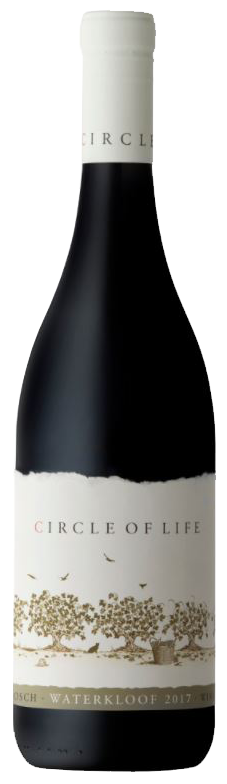
Circle of Life Red

Stellenbosch, South Africa

BOLD WINE STYLE

A perfectly integrated blend with great length, combining the spiciness of the Syrah, the fresh fruits of the Petit Verdot and juiciness from the Merlot. The introduction is fresh and fruity with good acidity, evolving into riper flavors and herbaceous notes, and with elegant tannins and light acids on the finish. It is very versatile and will complement numerous dishes, but the winery recommends enjoying it with a hearty piece of lamb.
 
Varietal: 26% Syrah, 24% Merlot, 26% Petit Verdot and 24% Cabernet Franc
Analysis: 13-14% alcohol / volume
pH: 3.52
TA: 5.2 g/l
VA: 0.7
Residual Sugar: 2.3
Production:
17,400 bottles produced
 

Circle of Life tells the story of Waterkloof: A once conventionally farmed vineyard with great potential, that – since Paul Boutinot took over the property – has been transformed into a living, breathing organic and biodynamic vineyard by Farm Manager Christiaan Loots and his team. Waterkloof winery strives to produce distinctive, yet balanced wines using traditional, organic and biodynamic methods. They work with nature, not against it. Chickens, sheep and work-horses have unique and integral parts within the vineyard. Their soils are free of chemicals, and instead are kept healthy using plant extracts, fungi and bacteria from their own organic compost. The winery continuously works to understand their vineyards to harness the individual characteristics of each vineyard block. Waterkloof’s objective with Circle of Life was to produce two blends that encapsulate all the varying terroir characteristics and grape varietals found on Waterkloof.

HARVEST AND PRODUCTION:
All grapes are hand-picked and sorted in the vineyards, then brought to their cellars by their work-horses. The grapes are then hand-sorted again at the winery to ensure only the best berries are being used. The sorted grapes are then placed into wooden fermenters using their gravity system. This fermentation process starts naturally with yeast present on the grapes to enhance the flavors from the vineyards. Throughout the fermentation process, the winery performs soft punch downs twice a day to gently and slowly extract the tannins. The wines will spend around 30 days on the skins – give or take depending on taste. After the maceration time on the skins, the wine is ran down using gravity, no pumping is incorporated. The grape skins also fall through into the basket press and are softly pressed to gently extract every last bit of wine, aroma and color. The varietals are then aged separately in French oak for about 18 months. After the aging process, Waterkloof blends the Syrah (26%), Merlot (24%), Petit Verdot (26%), and Cabernet Franc (24%) together, then keeps in wooden fermenters for another 9 months. This wine is unfined and gently filtered.

ABOUT WATERKLOOF:
In 1993 Paul Boutinot commenced his search for a vineyard site with the potential to produce truly fine wine with a defining sense of origin. The classic areas, capable of growing naturally balanced grapes such as the Cote d’Or, Chablis, Paulliac, Barolo, etc. were either unavailable or unattainable (rich men’s toys), so he had to find a new classic. It took ten years to narrow the search down to a small area on the south-facing slopes of the Schapenberg, overlooking False Bay in the Cape. As soon as he was led up a steep ravine opening out into a hidden amphitheater of potential, all his experience and intuition told him: ‘THIS IS IT!’ Just like that, Waterkloof was born, and the hard work began. Learn more about the history of Waterkloof here.

Wine club logoJoin our WINE CLUB and enjoy these amazing wines and pairing recipes each month. Plus, you’ll receive 10% off all retail wine purchases!

Learn about our Memberships >


April Cheese Club: Iowa

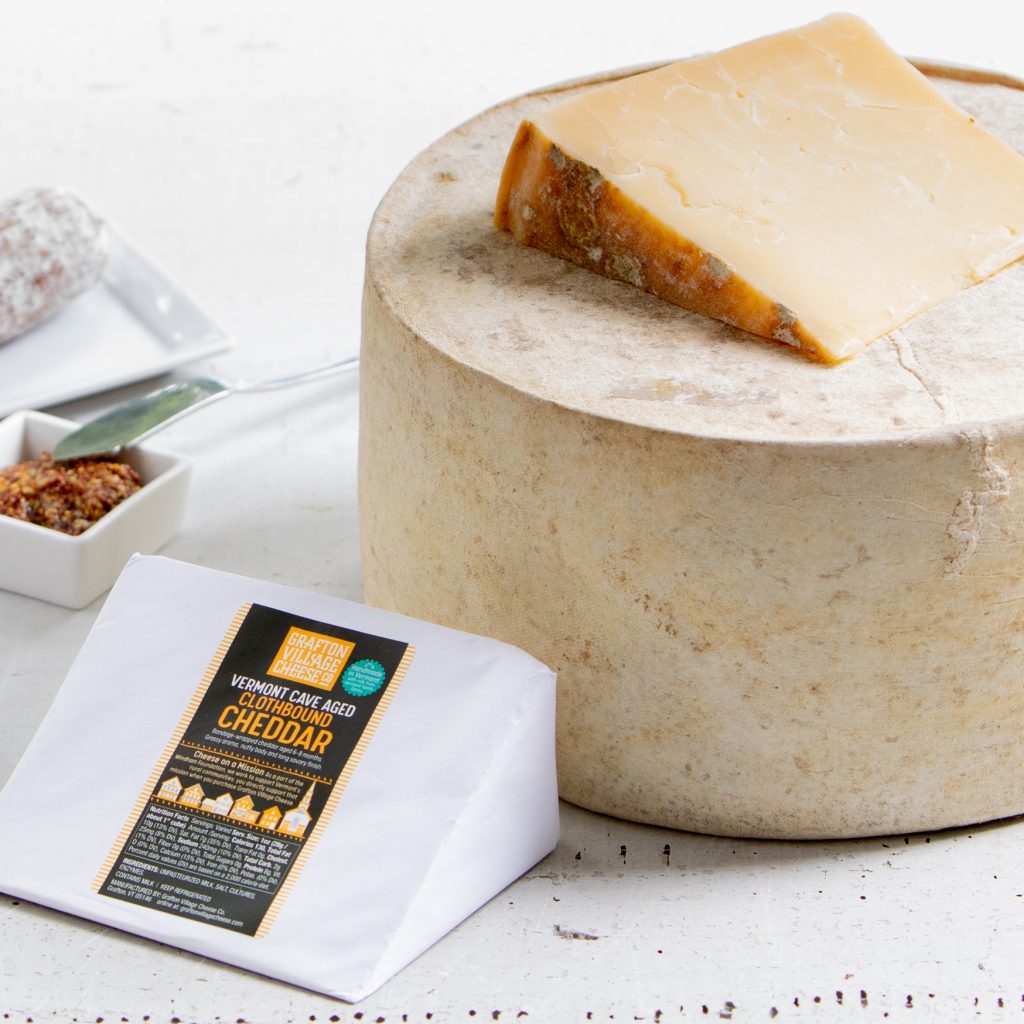
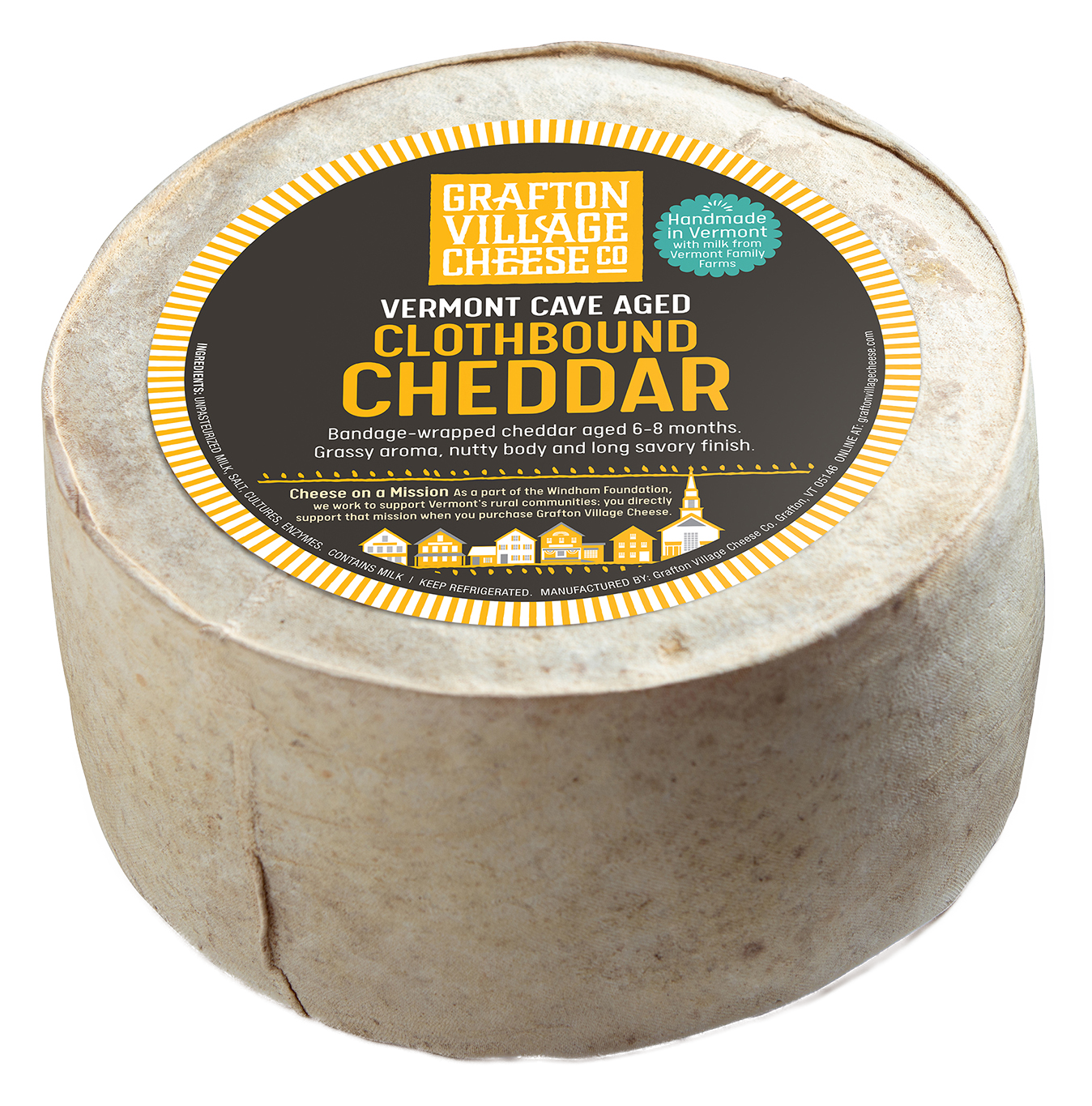
Cheese ClubGrafton Cheese ClubGrafton Village Cheese Clothbound Cheddar Vermont, USA

Grafton’s signature Cheddar is wrapped in cheesecloth and cave-aged for 6-8 months, a traditional method used for centuries allowing the cheese to take on a deeper variety of flavors. Grassy, nutty notes dominate with some lemony accents and a smooth, lactic body. The texture is firm and creamy with a tendency to crumble. AWARDS:
  • 2019 American Cheese Society – Second Place
  • 2019 International Cheese & Dairy Awards – Gold
  • 2019 Big E Gold Medal Cheese Competition – Silver
  • Many others – click here
FOOD PAIRING: Serve as table cheese, alongside dried fruits, nutty bread, dark berries, or grainy mustards WINE & CRAFT BEER PAIRING: For wine, pair with our April Wine Club Wine – Pierre Jean Sauvignon Blanc; or other ‘Old-World’ classics such as a Chablis, Pinot Noir or Riesling. For beer, reach for a Wheat Beer, Red Ale or off-dry Cider. WINESTYLES: Silky BEERSTYLES: Crisp & Clean or Fruity & Spicy
Grafton Cheese

© Photo by Grafton Village Cheese

ABOUT GRAFTON VILLAGE CHEESE: The Grafton Cooperative Cheese Company was founded in 1892 by dairy farmers in rural agricultural communities who gathered together to make their surplus raw milk into cheese. This helped the community as they were able to take an abundance of creamy milk and turn it into a food that could be stored for a longer period of time. In 1912, a fire destroyed the original factory; it wasn’t until several decades later, in the mid 1960s, the nonprofit Windham Foundation restored the company, and a new era for the town was born. Today, quality and taste are the hallmarks of their company’s award-winning cheeses. Learn more about their story here.

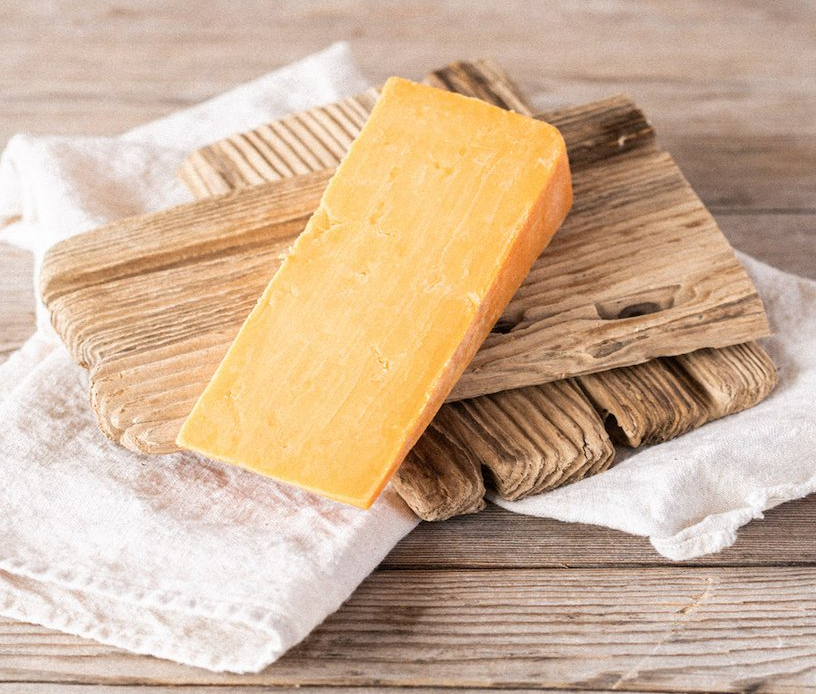
Quicke’s Devonshire Red Clothbound Cheese Devon, UK

Quicke’s is handcrafted using milk from grass-fed cows, clothbound and naturally matured, typically for 6 months. This vibrant, full-flavored cheese has a distinctive taste on a classic Red Leicester, with crumbly texture, fresh, nutty flavors and a lemony creaminess. Best to be eaten within 7 days of opening. Once opened, wrap in greaseproof paper and store in air-tight container in the fridge.  AWARDS:
  • 2020 Great Taste Award
FOOD PAIRING: Use in a Shepard’s Pie or with savory scones WINE & CRAFT BEER PAIRING: Pair with April’s Red Wine Club Wines or a fruity Pinot Noir. Also pairs well with sparkling wines, ciders and ales. WINESTYLES: Mellow or Fruity BEERSTYLES: Crisp & Clean; Sour, Tart & Funky; or Fruity & Spicy
Quickes03-06-20MattAustin-120_820x

© Photo by Quicke’s

ABOUT QUICKE’S: Established in 1540 by Andrew Quicke, when he fell in love with Devon village and built a better farm. Using traditional recipes, time-honored techniques and heritage starters passed down through the generations, Quicke’s continues to create outstanding clothbound cheddar. Made by hand in the old-fashioned way, slowly matured for a deeply satisfying flavor, their cheese celebrates the deep connection that has grown between the Quicke family and the land they have nurtured for almost 500 years. Learn more about their story here.
WineStyles of West Des Moines is excited to announce they have got their hands on a small amount of Hook’s Cheese Company’s special 15 Year Cheddar! While this is not featured in this month’s Cheese Club, we promise you don’t want to miss this. Ask how you can pick up this very special, limited cheese at your local wine store!

Monthly Cheese Club

Don’t let your Wine Club go home alone! Join our Cheese Club and bring home a match made in heaven!

If you enjoy pairing cheese with wine, this is your club!  Each month you’ll discover specialty and artisan cheeses to pair with your Wine Club. Monthly cheese selections are chosen by your local WineStyles participating location. It’s the perfect opportunity to Taste, Learn and Enjoy® amazing artisan cheese every month! Only $19.99/month and your wine won’t be lonely!  Click to learn more >

Château Roc de Candale

tagliatelles-aux-morilles-et-champignons-de-paris-entete

© Photo by Les Vins de Saint-Emilion

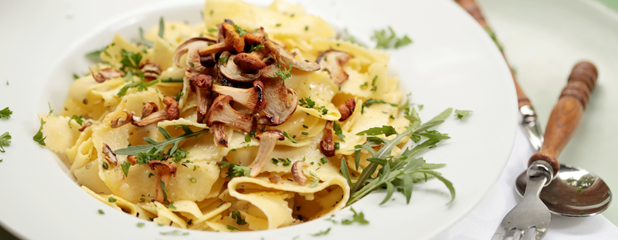
Tagliatelle with Morels and Paris Mushrooms

This mushroom pasta pairs beautifully with the notes from the Merlot and Cabernet Franc blend of Château Roc de Candale. We have found a French recipe from the Saint-Émilion region in France, however, for ingredients more easily accessible in the United States, this Creamy Pasta with Mushrooms from Bon Appétit is a good alternative to try.

INGREDIENTS:

  • 1.1 lbs (500 g) fresh Tagliatelle pasta
  • 1/3 cup (25 g) dried morels (or substitute dried porcini or shiitake mushrooms)
  • 1 cup (250 g) fresh Paris mushrooms (substitute white or Crimini mushrooms)
  • 1 leek (white part)
  • 1 yellow onion
  • 16.9 fl. oz. or about 2 cups (50 cl) light cream (about 18% fat content)
  • sunflower oil
  • nut oil
  • salt and pepper

DIRECTIONS:

  1. The day before, rehydrate the mushrooms in water for half an hour. Rinse to remove sand and then soak them again in 2 cups (50 cl) of fresh cream. Place the preparation in the refrigerator overnight.
  2. The next day, drain the mushrooms and keep the liquid cream. Peel and cut the Paris mushrooms into thin strips. Slice the leek and onion.
  3. Sauté the onion, leek and mushrooms in an oiled pan. Add salt and pepper. Wet it if necessary.
  4. After ten minutes, add the fresh cream, filtered through a fine sieve. Stir regularly and adjust seasoning. Cook for 10 minutes.
  5. When cooked, boil a large pot of salted water. Cook the Tagliatelle.
  6. Once the pasta is cooked and drained, serve immediately, if you like, with a drizzle of walnut oil from Périgord.

© Recipe courtesy of Les Vins de Saint-Emilion.

APRIL WINE CLUB:

Mellow style logoChateau-Roc-de-Candale-bottle-webMagali & Thibaut Decoster Vineyards
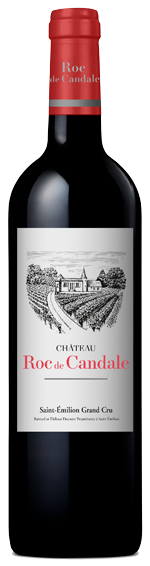
Château Roc de Candale

Saint-Émilion Grand Cru, France

MELLOW WINE STYLE

Château Roc de Candale has a bright purple color. The flattering bouquet is charming thanks to fine notes of spices. The wine is immediately pleasing with notes of fresh, ripe and juicy fruits. Château Roc de Candale offers sophisticated and spontaneous enjoyment.

Varietal: 90% Merlot, 10% Cabernet Franc
Analysis:
13.5% alcohol / volume
Harvest: By hand, in small crates
Average Yield: 25 hl/ha
Vinification: Soaking, pigeages (punching down the cap), and malolactic fermentation in barrels
Fermentation: 30 days
Vats: Wooden
Aging: 12 months in barrels
Production: 23,000 Bottles
Oenologist Consultant: Stéphane Derenoncourt

ABOUT THE VINEYARD
Château Roc de Candale was previously called Vieux Château Haut Béard. Its vineyard is close to that of Château de Candale and is planted at the foot of Saint-Emilion’s south-facing slope. The former owner brought together the two estates when he acquired Vieux Château Haut Béard after having purchased Château de Candale. Today, each growth has its own vineyard and cellar. In this way, the identity and style of each of them are preserved. 
Château Roc de Candale is planted on a more clay-silt terroir which gives the wine greater suppleness in its early years. Being less complex than its neighbor, it is a wine for more immediate enjoyment. Learn more here. 

ABOUT DECOSTER VINEYARDS:

Their story began in 2004 when Thibaut and Magali became wine-growers at Clos des Jacobins, though they had little ties to the world of wine-growing. Both came from Limoges, and they studied business and marketing in France and England. Eventually, Thibaut moved to the Bordeaux area and was taken on as a vineyard worker at a wine estate in Léognan. There, for a period of 3 years in the field, he practiced all the vine-growing tasks required to produce high-end reds and whites. In 2003, an opportunity came along for Thibaut and Magali to set up in Saint-Émilion. Clos des Jacobins and Château La Commanderie were up for sale, and one year later Thibaut and Magali were the new owners of the estates. Learn more about their story here. 

Wine club logoJoin our WINE CLUB and enjoy these amazing wines and pairing recipes each month. Plus, you’ll receive 10% off all retail wine purchases!

Learn More >

Pierre Jean Sauvignon Blanc

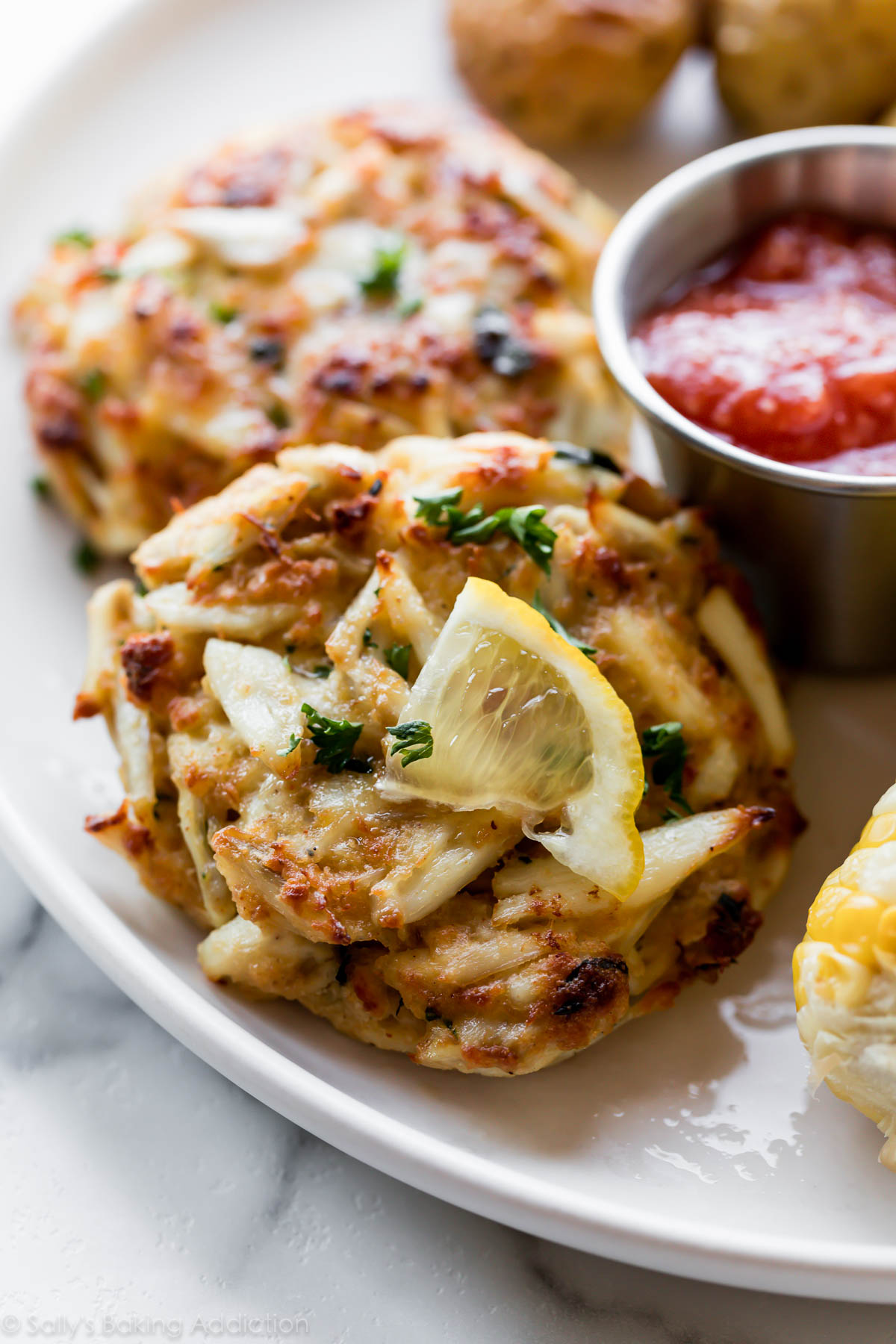
maryland-crab-cakes

© Photo by Sally’s Baking Addiction

Maryland Crab Cakes 

INGREDIENTS:

  • 1 Large egg
  • ¼ cup (60g) mayonnaise
  • 1 Tablespoon chopped fresh parsley (or 2 teaspoons dried)
  • 2 teaspoons dijon mustard
  • 2 teaspoons Worcestershire sauce
  • 1 teaspoon Old Bay seasoning (up to 1 and ½ teaspoons for a spicier kick)
  • 1 teaspoon fresh lemon juice, plus more for serving
  • 1/8 teaspoon salt
  • 1 pound fresh lump crab meat*
  • 2/3 cup Saltine cracker crumbs (about 14 crackers)
  • Optional: 2 Tablespoons (30g) melted salted or unsalted butter

DIRECTIONS:

  1. Whisk the egg, mayonnaise, parsley, dijon mustard, Worcestershire sauce, Old Bay, lemon juice, and salt together in a large bowl. Place the crab meat on top, followed by the cracker crumbs. With a rubber spatula or large spoon, very gently and carefully fold together. You don’t want to break up that crab meat.
  2. Cover tightly and refrigerate for at least 30 minutes and up to 1 day.
  3. Preheat oven to 450°F (232°C). Generously grease a rimmed baking sheet with butter or nonstick spray or line with a silicone baking mat.
  4. Using a ½ cup measuring cup, portion the crab cake mixture into 6 mounds on the baking sheet (don’t flatten). Use your hands or a spoon to compact each individual mound so there aren’t any lumps sticking out or falling apart. For extra flavor, brush each with melted butter. This is optional but recommended!
  5. Bake for 12-14 minutes or until lightly browned around the edges and on top. Drizzle each with fresh lemon juice and serve warm.
  6. Cover leftover crab cakes tightly and refrigerate for up to 5 days or freeze for up to 3 months.

© Recipe courtesy of Sally’s Baking Addiction

APRIL WINE CLUB:

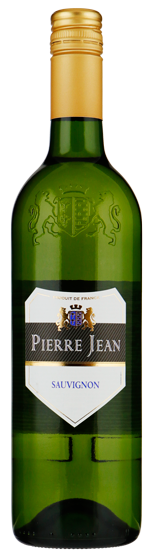
Silky styleJean-Pierre-Sauvignon-Blanc-bottle-webPierre Jean
Sauvignon Blanc
Côtes de Gasgone, France

SILKY WINE STYLE

Classically French with lively aromas of wildflower, lemongrass, apple and pear with a nuance of flint.  Delicious flavors of mandarin orange, peach, apple and pear lead to a crisp, long finish with racy acidity and more of that flinty terroir.  This wine is an ideal aperitif or will complement almost any light summer cuisine.

Varietal: 100% Sauvignon Blanc
Analysis:
11% alcohol / volume

Appellation: Côtes de Gascogne
Closure: Screw cap
Pairing: Serve between 50˚F-53.6˚F with aperitif, fresh fish, haddock, seafood, or salads

Côtes de Gascogne is located just south of Bordeaux, in the Gascony district and specializes in white wines. Most are local grape varieties but better-known varietals such as Sauvignon Blanc are borrowed from Bordeaux (to the north). About 60% of its wines are exported and young sommeliers have recently rediscovered this wine region. In 1979, an association of  Vin de Pays (country wine) was established and today includes 1400 wine farmers. The Pierre Jean brand is named after one of Yvon Mau’s grandsons, who developed the design for the bottle. The Pierre Jean series consists of very accessible wines that are a party every day. The beautifully styled bottle of course also contributes to this. 

Wine club logoJoin our WINE CLUB and enjoy these amazing wines and pairing recipes each month. Plus, you’ll receive 10% off all retail wine purchases!

Learn More >


April Wine Club Pairing Recipe

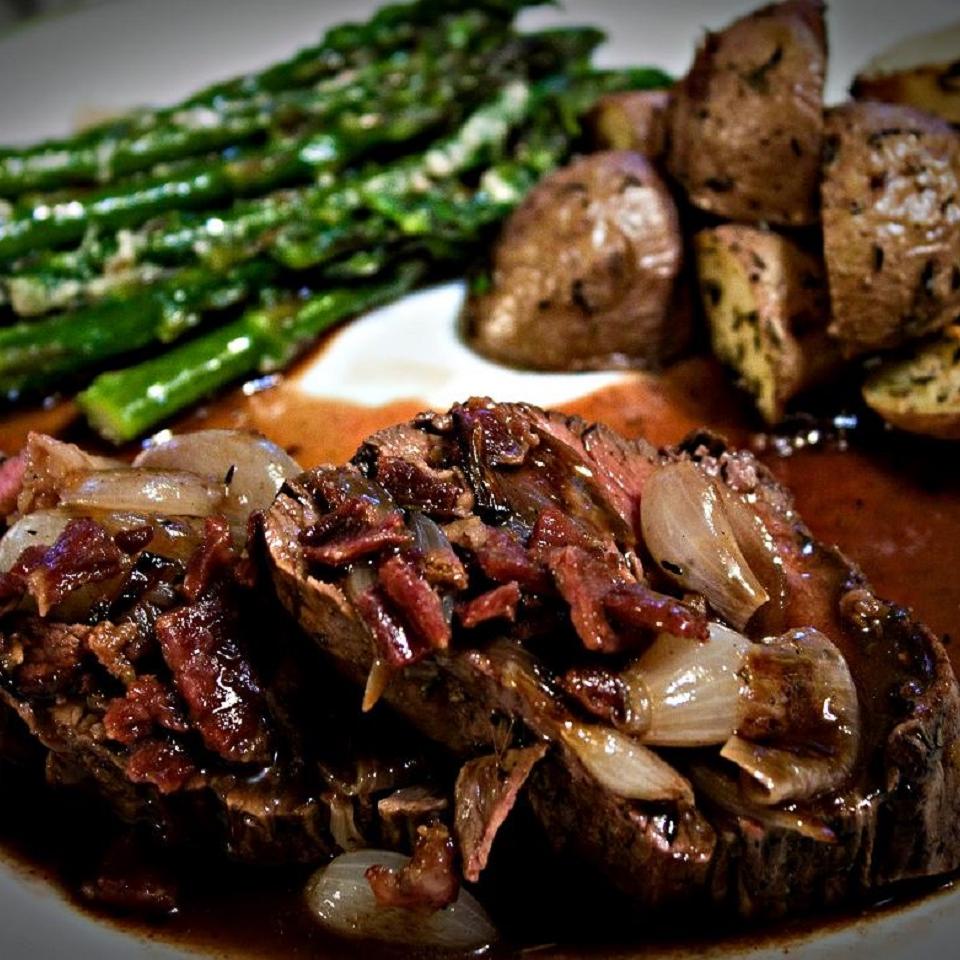
Beef Tenderloin with Roasted Shallots

Beef Tenderloin with Shallots

© Photo by All Recipes

INGREDIENTS:

  • ¾ pound shallots, halved lengthwise and peeled
  • 1 ½ tablespoons olive oil
  • salt and pepper to taste
  • 3 cups beef broth
  • ¾ cup port wine
  • 1 ½ teaspoons tomato paste
  • 2 pounds beef tenderloin roast, trimmed
  • 1 teaspoon dried thyme
  • 3 slices bacon, diced
  • 3 tablespoons butter
  • 1 tablespoon all-purpose flour
  • 4 sprigs watercress, for garnish

DIRECTIONS:

  1. Preheat oven to 375°F (190°C). In a 9-inch pie pan, toss shallots with oil to coat. Season with salt and pepper. Roast until shallots are deep brown and very tender, stirring occasionally, about 30 minutes.
  2. In a large saucepan, combine beef broth and port. Bring to a boil. Cook over high heat until the volume is reduced by half, about 30 minutes. Whisk in tomato paste. Set aside.
  3. Pat beef dry; sprinkle with thyme, salt and pepper. In a large roasting pan, set over medium heat on the stove top, sauté bacon until golden. Using a slotted spoon, transfer bacon to paper towels. Add beef to pan; brown on all sides over medium high heat, about 7 minutes.
  4. Transfer pan to oven. Roast beef until meat thermometer inserted into center registers 125°F (50°C) for medium rare, about 25 minutes. Transfer beef to platter. Tent loosely with foil.
  5. Spoon fat off top of pan drippings in roasting pan. Place pan over high heat on stove top. Add broth mixture, and bring to boil; stir to scrape up any browned bits. Transfer to a medium saucepan, and bring to simmer. Mix 1 ½ tablespoon butter and flour in small bowl to form smooth paste; whisk into broth mixture, and simmer until sauce thickens. Whisk in remaining butter. Stir in roasted shallots and reserved bacon. Season with salt and pepper.
  6. Cut beef into ½ inch thick slices. Spoon some sauce over, and garnish with watercress.

© Recipe courtesy of Christine L. from All Recipes.

APRIL WINE CLUB:

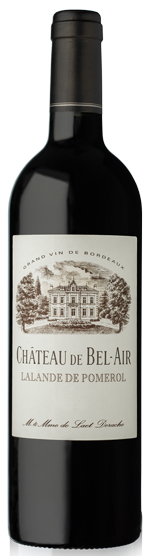
Mellow style logoChateau-de-Bel-Air-Lalande-de-Pomerol-bottle-webChâteau de Bel-Air
Merlot, Cabernet Franc, Cabernet Sauvignon

Lalande de Pomerol, France

MELLOW WINE STYLE

On the nose, Château de Bel-Air presents notes of red fruit and floral aromas; on the palate, a harmonious balance between flesh and tannins means it can be enjoyed after just a few years of cellaring. A delicate wine that is a perfect partner for refined dishes.
 
Varietal: 73% Merlot, 19% Cabernet Franc, 8% Cabernet Sauvignon
Analysis: 13-14% alcohol / volume
Viticulture: Culture Raisonnée, soil tilling or cover cropping
Harvest: Mechanical, with sorting in the cellar
Winemaking: Parcellary, in thermo-regulated concrete vats


Mentioned in the Cocks & Feret guides as one of the best wines of the appellation as early as 1922, Château de Bel-Air is situated on a sunny plateau that gently slopes southward. The historical quality of its wines and its privileged position, which guarantees the vineyard ideal sun exposure year-round, inspired owner Michel de Laet Derache to acquire the property in 2011. The vines, averaging 40 years of age, are planted on a terroir of gravel brought from the volcanic Massif Central by rivers during the quaternary era, with layers of iron rich clay. In order to best express the nuances of the site, the vineyard is managed and vinified plot by plot, with a respect for the different ages of the vines, varietals, and rootstocks. Vinification takes place in thermo-regulated concrete tanks. The wine is then mostly aged in oak barrels (45% new) for 12-18 months. 

Wine club logoJoin our WINE CLUB and enjoy these amazing wines and pairing recipes each month. Plus, you’ll receive 10% off all retail wine purchases!

Learn about our Memberships >


April Collector’s Wine Club: Iowa


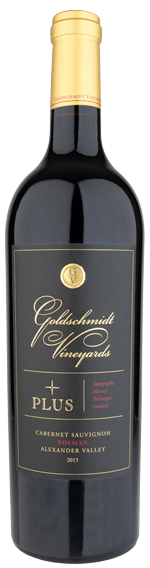
Bold wine Style logogoldschmidt-alexvalley-plus-yoeman_2015-webGoldschmidt Vineyards
PLUS Yoeman Cabernet Sauvignon
Alexander Valley, California

BOLD WINE STYLE

Goldschmidt PLUS Yoemen Cabernet Sauvignon comes from a small mountain vineyard just east of the town of Geyserville, California. It’s a superb vintage for Alexander Valley Cabernet Sauvignon. Nick Goldschmidt hand bottled it directly from the barrels. It’s very refined with deep, almost opaque, purple-black color and outstanding flavor development. Showcasing bold aromas of dusty plum, black cherry, graphite and flint nuanced with black pepper. There are hints of blueberry and black licorice, which lie in perfect balance to its generous structure and very dense, yet silk tannin profile. This wine is very concentrated but marvelously flavorful.

Analysis: 14.8% alcohol / volume
Appellation: Alexander Valley, CA
Vineyard: Yoeman
Varietal: 100% Cabernet Sauvignon
pH: 3.6
TA: 6.9 g/L
Clones: Heritage, 337
Average Vine Age: 35 years
Harvest: Hand-picked
Harvest Date: October 1, 2015
Yield: 2.5 tons per acre
Filtering: Unfined/Unfiltered
Aging: Allier Oak, tight-Grain, 43 months, 100% new
Production: 99 cases
Critical Acclaim:

  • 2011 – 94 Points, Anthony Diaz Blue
  • 2008 – 93 Points, Wine Enthusiast
  • 2007 – 94 Points, Wine Enthusiast
  • 2006 – 93 Points, Wine Enthusiast
  • 2005 – 93 Points, Wine Enthusiast
  • 2004 – 91 Points, Wine Enthusiast

ABOUT THE VINEYARD:
The vineyard slopes to the southeast and is comprised of well-draining glacial loam. Soft morning sun promotes slower grape maturation and longer “hang times” in this secluded micro-climate. Rarely do vineyard conditions afford a winemaker the opportunity to make a wine such as this.

VINTAGE NOTES:
“We were challenged this year by a warm winter, a cool spring, and three summer heat waves, but the gorgeous fruit at harvest released our worries. Yields were down we were blessed with great quality and consistency. Small clusters with some of the smallest berries we’ve ever seen. Very concentrated but marvelously flavorful!” – Nick Goldschmidt and the Goldschmidt winery


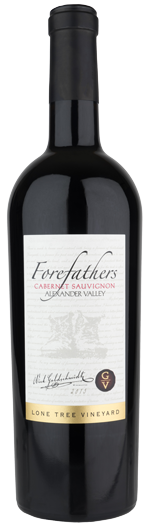
Bold wine Style logoGoldschmidt-Forefathers-Cabernet-webGoldschmidt Vineyards
Lone Tree Vineyard Cabernet Sauvignon
Alexander Valley, California

BOLD WINE STYLE

The magnum bottle is signed by winemaker, Nick Goldschmidt. Forefathers Lone Tree Cabernet Sauvignon comes from a 3 acre parcel just north of Geyersville. Deep ruby-black in color.  It highlights blackberry, cassis, and plum aromas with nuances of malted chocolate and tobacco. On the palate, there are savory tastes of black cherry and black currant with smooth, finely-structured tannins. This wine is beautifully weighted and will continue to develop complexity well into 2025.

Bottle Size: Magnum 1.5 L (equivalent to two standard 750 ml bottles)
Analysis:
14.3% alcohol / volume
Appellation: Alexander Valley, CA
Vineyard: Lone Tree
Varietal: 100% Cabernet Sauvignon
pH: 3.6
TA: 6.8 g/L
Yield: 1.8 tons per acre
Aging: Demptos Allier, 70% French, 30% American; 16 months, 18% new
Racked: Gravity racked three times
Production: 660 six-packs
Critical Acclaim:

  • 2017 – Best of Class, LA Wine Competition
  • 2015 – 93 Points, North Coast Wine Comp.
  • 2014 – 95 Points, The Tasting Panel
  • 2012 – 90 Points, Wine Enthusiast
  • 2010 – 90 Points, Wine Enthusiast
  • 2009 – 92 Points, Wine Enthusiast
  • 2008 – 90 Points, Wine Enthusiast
  • 2007 – 93 Points, Wine Enthusiast
  • 2006 – 90 Points, Wine Enthusiast
  • 2004 – 93 Points, Wine Enthusiast
  • 2003 – 90 Points, Wine Enthusiast

ABOUT THE VINEYARD:
This mountain vineyard faces east avoiding hot afternoon temperatures. East-facing slopes are a relatively rare occurrence in the Alexander Valley, as most are either heavily forested or too steep to plant. Up 800 feet in elevation, this vineyard runs cooler than others along the valley floor, allowing grapes to ripen very slowly at first. Starting in September the morning fogs roll in and cover the valley completely. Lone Tree is above the fogline and gets abundant sunshine for the remainder of the season. The overall season is longer than the others though and the longer hang-times translate into more complexity and depth. Learn more about the vineyard and its production here.

VINTAGE NOTES:
“Bud-break occurred three weeks ahead of normal but March and April remained warm with no signs of frost. In May, however, the weather changed considerably. Unusually cool and somewhat damp days lingered for the first two weeks during fertilization of the vines’ flowers. This caused a lot of shatter in the developing clusters, which led to fewer flowers and ultimately less berries. Warm weather returned through the rest of the season with a heat spike in early September. A tiny crop ensued and with it tiny berries. Some of the berries were the smallest we’d ever seen! Definitely a vintage for the record books in terms of yield but equally noteworthy for its depth of flavor and extraordinary concentration.” – Nick Goldschmidt and the Goldschmidt winery

ABOUT THE WINEMAKER:
Nick Goldschmidt was born and educated in New Zealand and trained in Australia.  In 1989, after spending 18 months of winemaking in Australia, New Zealand, California and South America, Nick returned to California with an amazing range of winemaking experience.  In 1990, Nick and his wife Yolyn settled down in Healdsburg, California becoming Simi’s Chief Winemaker and then Vice President in 1996.  In 1998 Nick and Yolyn established their own line of wines with the release of Goldschmidt Vineyards and Forefathers, with the goal of focusing on site specific vineyards from around the world. Having produced so many world-class wines around the globe, Nick knew exactly the vineyard sites he would choose for his wines.  The wines are all single vineyards, 100% varietal, handcraft, small production artisan wines. Learn more about Goldschmidt Winery here.


Love to collect amazing wines? 
Learn more about our quarterly Collectors Club > click here
Collectors Wine Club