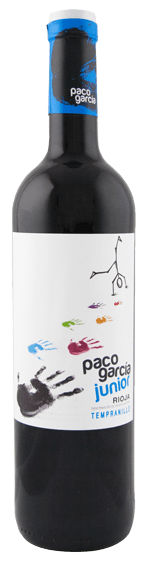
Paco García Junior Tempranillo

Prawn and Bacon Brochettes

Praw Bacon wrap

The Spanish love bacon, this combination of prawns and bacon can be found at most Tapas bars. It’s a delicious treat for guests or backyard BBQ. Makes 12 units.

INGREDIENTS:

  • 5 oz jamón or thinly sliced bacon
  • 24 medium to large uncooked, headless prawns, peeled
  • freshly ground black pepper
  • 1 tablespoon olive oil
  • 2 lemons, quartered
  • cherry tomatoes / bamboo tooth picks (optional serving)

DIRECTIONS:

  • Cut the bacon (or jamón, if using it) into pieces which will wrap generously round the prawns. Place the wrapped prawns down flat on a board and skewer them through the fattest part and the tail, making sure the jamón is firmly fixed.  Season generously and drizzle with the oil.
  • On a high heat griddle, grill or barbecue the prawn and bacon brochettes for 2-3 minutes on each side, so the jamón crisps up.  Alternatively, roast in a hot oven at 425°F on an oiled baking tray for 8-10 minutes. Squeeze over the juice of the lemon wedges and serve immediately. Optional serving on bamboo toothpicks on top of cherry tomatoes.  © Recipe courtesy of Spain Recipes

AUGUST WINE CLUB:

Bold wine Style logoPaco Garcia Junior TempranilloBodegas Paco Garcia
Junior Tempranillo

Rioja, Spain

BOLD WINE STYLE

Consider native to Rioja, Tempranillo is the wine region’s most typical grape occupying 75% of the vineyards.  The name comes from the Spanish word “temprano” (early) because of its short ripening cycle.  Rioja is the origin of the Tempranillo’s identity and one of the great grape varieties in the world.  Dating back to Roman times, numerous archaeological remains of wine presses and wineries were found in Rioja lands two thousand years ago. The centuries-old economic importance of viticulture for the region started when it became a marketable good during the Middle Ages to the French Revolution.

The grapes for this wine were hand-harvested at the “Ventas Blancas” vineyards, 510 meters above sea level. “It’s a relaxing wine, perfect as a first step into the world of wine.  Easy to notice the floral notes and fruity young wine. It’s a palatable wine for your mouth and nose. A wine that will leave an imprint, a wine to remember.” – Juan Bautista García, winemaker

Intense purple color with cherry red rim.  On the nose, wild berries, predominately blackberry and raspberry.  Balanced palate with a strong underlying taste.  Leaves a long and pleasant aftertaste.  Pairs well with potatoes, cheese, salad, pasta, pizza and white meat.

Appellation:  Rioja Alta, Spain
Varietal: 100% Tempranillo
Analysis: 13.58% alcohol / volume
pH: 3.65
TA: 5.29 g/l
Residual Sugar: 1.9 g/l
Critical Acclaim: Reviewed & approved by Doug Frost, Master Sommelier and Master of Wine.

Wine club logoJoin our WINE CLUB and enjoy these amazing wines and pairing recipes each month. Plus, you’ll receive 10% off all retail wine purchases!
 

Paco García Tempranillo Blanc

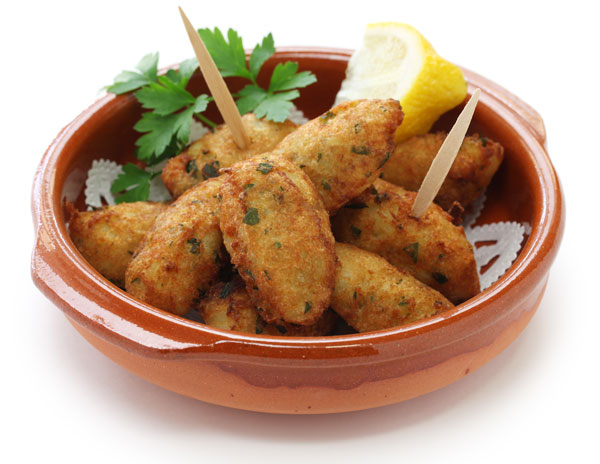
Croquetas de Bacalao Tapas (Salt Cod Fritters)

salt cod tapasBacalao (salt cod) is a Spanish delight.  Enjoy these bite size fish cakes, dipped into rich, creamy, garlicky allioli. They are irresistible as a tapas dish or appetizer. Serves 6.

INGREDIENTS:

  • 1 lb salt cod
  • 1 1/4 floury potatoes
  • 1 1/4 cups milk
  • 6 spring onions, finely chopped
  • 2 tablespoons olive oil
  • 2 tablespoons chopped fresh parsley
  • juice of 1/2 lemon
  • 2 egg, beaten
  • plain (all-purpose) flour, for dusting
  • 3 1/2 oz dried white breadcrumbs
  • olive oil, for shallow frying
  • lemon wedges and salad leaves, to serve

ALLIOLI INGREDIENTS:

  • 2 large garlic cloves, finely chopped
  • 2 egg yolks
  • 1 1/4 cups olive oil
  • juice of 1/2 lemon, to taste

DIRECTIONS:

Soak the salt cod in cold water for at least 24 hours, changing the water two or three times. The cod should swell as it rehydrates. Sample a tiny piece. It should not taste unpleasantly salty when fully rehydrated. Drain well and pat dry with kitchen paper.

Cook the potatoes, unpeeled, in a pan of lightly salted boiling water for about 20 minutes, until tender. Drain. As soon as they are cool enough to handle, peel the potatoes, then mash with a fork or use a potato masher.

Pour the milk into a pan, add half the spring onions and bring to a simmer. Add the soaked cod and poach very gently for 10-15 minutes, or until it flakes easily. Remove the cod and flake it with a fork into a bowl, discarding bones and skin.

Add 4 tablespoons of mashed potato to the cod and beat them together with a wooden spoon. Work in the olive oil, then gradually add the remaining mashed potato. Beat in the remaining spring onions and the parsley.

Season with lemon juice and pepper to taste – the mixture may also need a little salt but taste it before adding any. Add one egg to the mixture and beat it until thoroughly combined, then chill until firm.

Shape the chilled fish mixture into 12-18 balls, then gently flatten into small round cakes. Coat each one in flour, then dip in the remaining beaten egg and coat with dried breadcrumbs. Chill until ready to fry.

Meanwhile, make the allioli. Place the garlic and a good pinch of salt in a mortar and pound to a paste with a pestle. Using a small whisk or a wooden spoon, gradually work in the egg yolks.
Beat in about half the olive oil, a drop at a time. When the sauce is as thick as soft butter, beat in 1-2 tablespoons lemon juice. Continue adding oil until the allioli is very thick. Season to taste, adding more lemon juice if you wish.

Heat about 3/4 inch oil in a large, heavy frying pan. Add the fritters and cook over a medium-high heat for about 4 minutes. Turn them over and cook for a further 4 minutes on the other side, until crisp and golden. Drain on kitchen paper, then serve with the allioli, lemon wedges and salad leaves.

© Recipe courtesy of Spain-Recipes.com

AUGUST WINE CLUB:

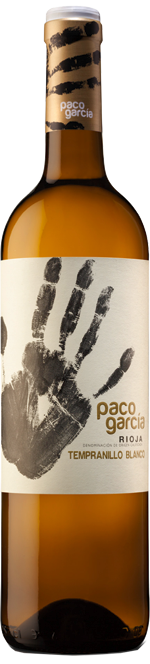
Paco Garcia Tempranillo BlancoBodegas Paco Garcia
Tempranillo Blanco
Rioja, Spain

Silky styleSILKY WINE STYLE

In 1988, a local grower in Murillo de Rio Leza discovered that one of his red Tempranillo vines produced both red and white grapes at the same time. This spontaneous genetic mutation, very similar to what would be a case of albinism, gave birth to a new cepage, Tempranillo Blanco.  It has been harvested by hand in Paco Garcia’s “La Finca del Yergo” vineyard (2014) on clay laden soils; altitude of 550 meters above the sea level.

Winemaking Process: Once at the winery, after stemming, the berries are placed by gravity in stainless steel tanks to macerate for several hours so as to maximize extraction of structure, aromas, color and acidity from Tempranillo grapes.  They’re then presses (separating the skins from the pips) and the resulting must is taken to tapered and inverted tapered stainless steel tanks of 10,000 liters each, with double cold water sleeves to begin fermentation at low temperature.

Afterwards, the wine is kept on its lees for six months, half in stainless steel tanks and half in French oak barrels. This ensures the wine is rich, smooth and creamy, yet displaying the citric fruit and floral character typical of the Tempranillo Blanco variety.  The resulting wines are then blended together and bottled, expressing their round character and persistent bouquet once released.

Tasting Notes:The wine shows a unique bouquet of citrus notes (lemon and orange blossom) and fruits (pineapple and banana) with hints of mint, honey and cedar wood, displaying a subtle minerality.  And the mouthfeel benefits from the original Tempranillo’s volume, structure and length.  Try is now and later, to see the evolution that its acidity, structure and time spent in the barrel provide.  A couple years of bottle aging will appease its freshness and increase its finesse. It’s up to you to decide when and why you prefer to drink it, but it’ll always be a beautiful drop of loveliness.


Appellation: Rioja Alta DOCa, Spain
Varietal: 100% Tempranillo Blanco
Analysis: 12.90% alcohol / volume
pH: 3.23
TA: 6.81 g/l
Residual Sugar: 1.5 g/l
Critical Acclaim: Reviewed & approved by Doug Frost, Master Sommelier and Master of Wine.

Wine club logoJoin our WINE CLUB and enjoy these amazing wines and pairing recipes each month. Plus, you’ll receive 10% off all retail wine purchases!


August Cheese Club: Iowa

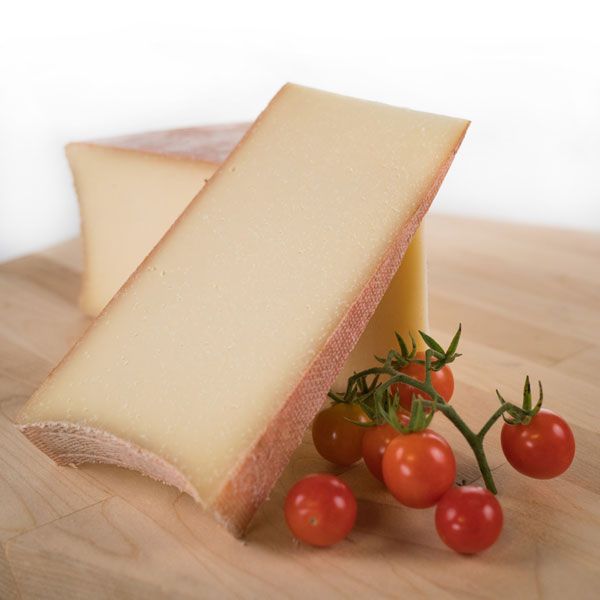
cheese_club_logo-1240x1240Abondance CheeseAbondance AOP Rodolphe Le Meunier Haute-Savoie, France

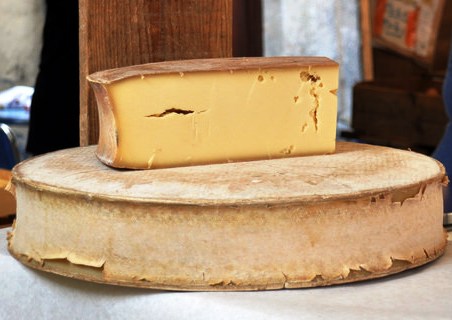
Abondance, is a semi-hard, traditionally French, mountain cheese produced in the Abondance Valley of Haute Savoie, in the Auvergne-Rhône-Alpes region of France. The cheese is made exclusively from unpasteurized cow’s milk sourced from its own breed of cattle, Abondance, as well as Taurine and Montbéliarde. Abondance features a slightly grainy and creamy paste with floral, vegetal, and nutty aromas. On the palate, there’s a beautiful balance of sweetness to acidity; it tastes intensely fruity and buttery with a hazelnut flavor.  Before eating, remove the natural rind its gray layer underneath. WINE & CRAFT BEER PAIRINGS: Abondance cheese pairs wonderfully with a dry white wine from the Savoie region; or a light red, such as a Gamay Beaujolais or a light Pinot Noir.  Additionally, this cheese pairs well a crisp, pale lager or a kolsch. WINESTYLES: Crisp and Fruity BEERSTYLES: Crisp and Clean PRODUCTION: Abondance cheese has had an Appellation d’origine contrôlée (AOC) designation since 1990.  AOC designations were created to ensure products with long histories and strong senses of terroir will guard their identity and uniqueness in the marketplace. With this designation, a cheese producer cannot call a cheese Abondance if it is not made within the confines of a singular region, or according to traditional methods and specifications, similar to wine AOCs like Bordeaux, Bourgogne, and Champagne. Abondance was originally made by monks at the Abbaye d’Abondance (Abondance Abbey) in the 12th century. In the late 1300s, the monks were the official supplier of cheeses to the Avignon popes. This rich, ivory-yellow cheese is made in the area’s mountain chalets from batches of raw milk that combine morning milk with milk from the previous evening. The milk is heated in a copper cauldron to 90° F to warm the curd that is formed, without cooking it. The curd is then cut, drained, put into a round wooden mold, and pressed for a day with a weight on it. It is then salted either by hand, or soaked in brine, then cave aged on spruce planks for six months at a temperature of 54° F and a humidity level of 95%. The cheese is brushed with brine and turned while aging.

Tomme d’Abondance

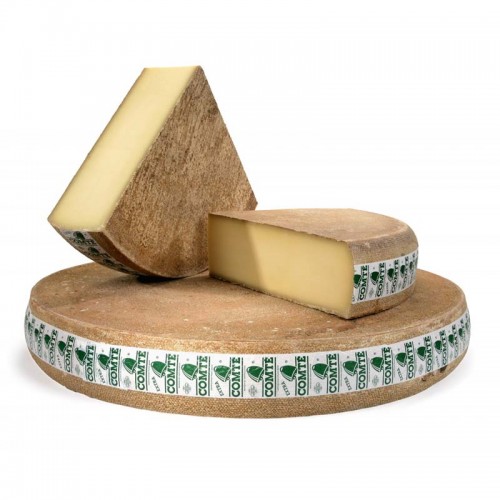
Comté Fort Saint-Antoine CheeseComté Fort Saint Antoine Marcel Petite Jura, France

Comté Fort Saint Antoine is a semi-firm, unpasteurized, aged, cow’s milk cheese from the Jura and Franche-Comté regions of Eastern France. Century-old techniques are used to make Comté, which is the most produced and consumed cheese in France. Made with unpasteurized cow’s milk, from Montbeliarde Cattle or French Simmental (or crossbreeds of the two), the taste is complex, nutty and caramelized with a lingering, but not sharp, flavor. The combination of sweetness and saltiness give this cheese an intriguing flavor. This mature Comté is firm but supple, with a buttery and oily texture. It is traditionally sold in huge blocks and matures for a year before it is ready for sale. The natural cave atmosphere of the fort allows this longer aged Comté to have a rich, nutty, fruitier and more flowery taste than its younger aged counterparts. Considered one of the finest cheeses in the world, a wedge of Comte reveals a pale yellow interior and a texture that can vary from silky, flabby to crystalline. WINE & CRAFT BEER PAIRING: Comté Cheese is very versatile and pairs beautifully with a Chablis (Chardonnay), a Champagne, or a Pinot Noir. It also pairs well with a light lager, a blonde ale, or a pilsner. WINESTYLES: Silky, Bubbly and Mellow BEERSTYLES: Crisp and Clean PRODUCTION: In 1966, Marcel Petite discovered a defunct military fort in a forest of Haut Doubs, at 3600 feet altitude. The fort’s structure of cut and vaulted stone, covered with a thick layer of soil, providing ideal conditions for “affinage lent” (slow maturing). Petite realized that his Comté cheeses should be aged in their natural environment, near the mountain cheese dairies where they are made. This hard mountain cheese is matured to perfection in the silence and darkness of special caves where the cheese gets its unique taste, texture and color. There are several maturing cellars in the region where Comté is ripened for a minimum of 4 months to 18 or 24 months. Comté generally will get its name from the cellar where it was ripened, such as Comté Fort Saint-Antoine. Today, over 100,000 wheels are ripened for 10 to 20 months, in the Cathedral of Marcel Petite Comté. Comté was one of the first few kinds of cheese to receive an AOC status in 1958. It is one of the most popular AOC cheeses in France with around 40,000 tons of annual production.
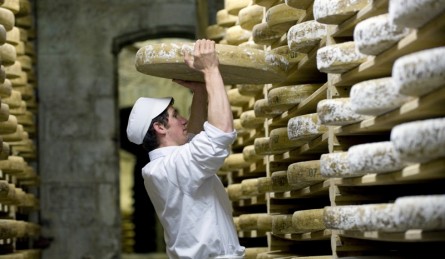
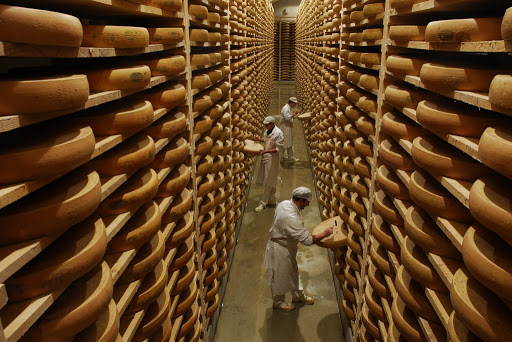
Comté Cheese Production

© Comté Marcel Petite

Comté Production

© Comté Marcel Petite


Monthly Cheese ClubDon’t let your Wine Club go home alone! Join our Cheese Club and bring home a match made in heaven!

If you enjoy pairing cheese with wine, this is your club!  Each month you’ll discover specialty and artisan cheeses to pair with your Wine Club. Monthly cheese selections are chosen by your local WineStyles participating location. It’s the perfect opportunity to Taste, Learn and Enjoy® amazing artisan cheese every month! Only $19.99/month and your wine won’t be lonely!  Click to learn more >

August Wine Club Pairing Recipe

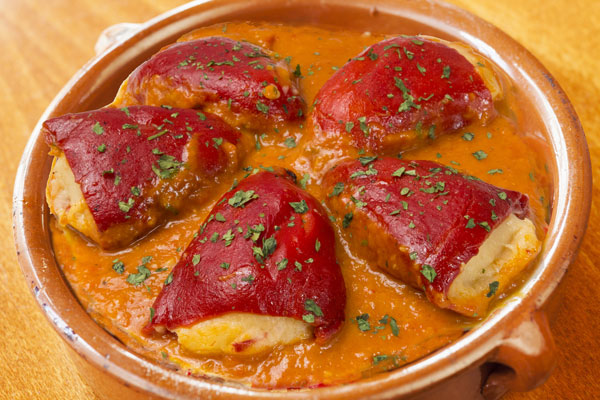
Pimientos del Piquillo Rellenos Tapas (stuffed Piquillo peppers)

piquillo stuffed peppers tapasConsidered a Navarran speciality, neighboring La Rioja also enjoys the celebrated peppers.  Stuffed in Longroño style, the capital of the region, which is a good starting point for visiting local wineries.  Start the recipe the previous evening, allowing meat to marinate over night. Serves 4.

INGREDIENTS:

  • 3 cloves garlic, peeled but left whole
  • 1 tablespoon chopped fresh flat-leaf parsley
  • 2 tablespoons water
  • 1/2 pound ground veal
  • 1/2 pound lean ground pork
  • salt
  • 1 cup olive oil
  • 1 yellow onion, grated
  • 2 tablespoons finely chopped jamón (dry-cured ham)
  • 3 eggs
  • 1 tablespoon fine dried bread crumbs
  • 1 jar preserved whole piquillo peppers (about 18 peppers)
  • 1 cup all-purpose flour
  • 2 tablespoons whole milk

DIRECTIONS:

In a mortar, pound together 2 of the garlic cloves, 1  1/2 teaspoons of the parsley, and 1 tablespoon of the water until a paste forms. Place the veal and pork in a bowl, season well with salt, add the garlic paste, and mix well. Cover and refrigerate overnight.

In a skillet, heat 1/4 cup of the olive oil over high heat. Add half of the grated onion and saute for 5 minutes, or until shiny and tender. Add the veal and pork mixture, decrease the heat to medium, and cook, breaking up the meat with a wooden spoon and then stirring constantly, for 5 minutes, or until the meat starts to crumble a little.

Transfer to a bowl and let cool. Add the jamon, 1 of the eggs, and the bread crumbs to the bowl. Mix well and reserve.

Drain the piquillo peppers in a sieve or colander placed over a bowl. Measure 1/2 cup of the brine and set aside.

In a small saucepan, heat 1/4 cup of the olive oil over medium heat. Add the remaining grated onion and saute for about 5 minutes, or until it starts to turn golden. Meanwhile, in a mortar, pound together the remaining garlic clove, 1 1/2 teaspoons parsley, and 1 tablespoon water until a paste forms. Add the garlic paste to the onion in the saucepan and mix well. Add 1 teaspoon of the flour, stirring to incorporate with the onion. Add the pepper brine, increase the heat to high, and cook, stirring, for 5 minutes. Decrease the heat to low and cook the sauce for 10 minutes longer, or until thickened. Remove from the heat, let cool, and then pass through a food mill fitted with a medium plate held over a large cazuela.

With a small spoon, carefully fill each pepper with the meat mixture, taking care not to tear the pepper by overfilling it. Close the opening of each pepper by gently folding the edges. Spread the remaining flour in a shallow bowl. In a bowl, combine the remaining 2 eggs and the milk and whisk them together lightly.

In a large skillet, heat the remaining 1/2 cup olive oil over high heat. One at a time, lay the peppers in the flour, coating them on both sides and shaking off any excess, and then dip into the beaten egg and set aside on a plate. When the oil is hot, add 5 or 6 peppers, decrease the heat to medium, and fry for 2 minutes on each side, or until browned. Using a slotted spoon, transfer the peppers in the same way, always making sure the oil is hot again before adding the next batch.

Just before serving, place the peppers in the cazuela (shallow unglazed earthenware) with the sauce, place over medium heat, and heat through. Serve hot. © Recipe courtesy of Spain-Recipes.com

AUGUST WINE CLUB:

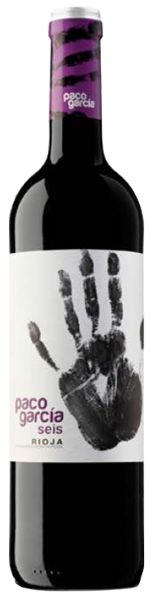
Paco SeisBold wine Style logoBodegas Paco Garcia
Seis Tempranillo
Rioja, Spain

BOLD WINE STYLE

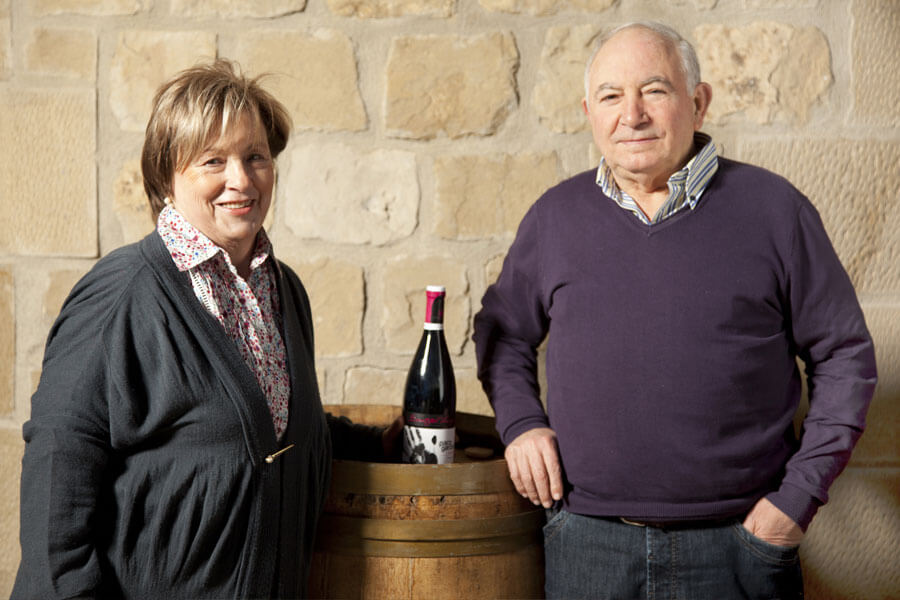
Julia Pablo and Francisco Garcia

Julia Pablo and Francisco Garcia

Francisco (Paco) Garcia and Julia Pablo founded the family winery in their town, Murillo de Río Leza, in 2001. The hand logo is the original hand tracing of Paco Garcia, the soul of the winery.  It represents the hand craftsmanship and handwork of each and every wine.

Bodegas Paco Garcia winery owns 40 hectares of vineyards spread over seven estates in the central area of La Rioja, near the provincial capital Logroño.   The winery is situated in the town of Murillo alongside the Rio Leza river, in the Rioja Denomination of Origin in Spain. The winery has vineyards in a small valley between the Sierra Cantabria and Clavijo Mountains. The average age of the vines is 30 years and in some cases, reaches up to 80 years.

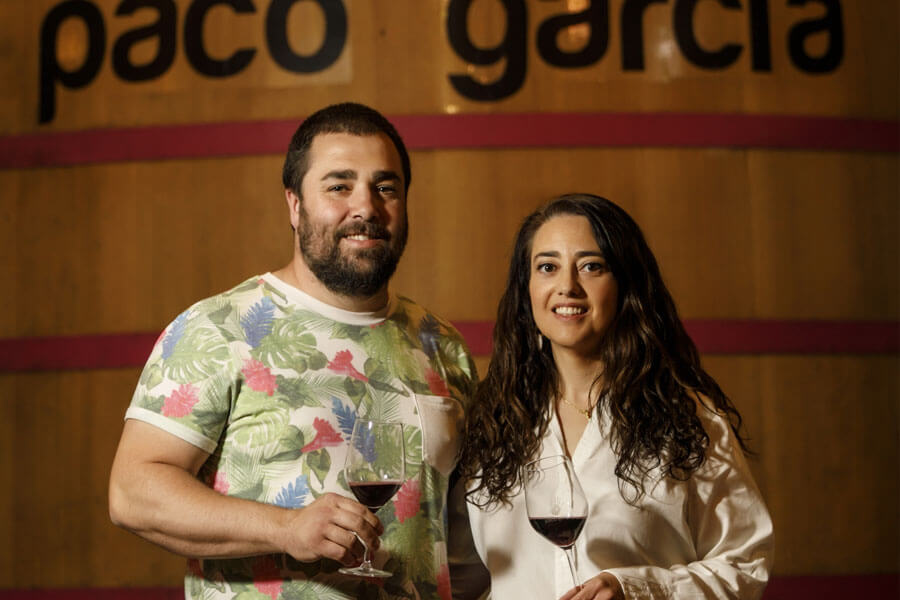
Since 2008, his son Juan Bautista has been managing it with his wife Ana, and together they have brought a new air to the winery as well as the wine.   “We are focused on the production of quality wines respecting the most deeply rooted traditions of Rioja but without forgetting the most modern oenological techniques.” – Juan Bautista.

Juan Bautista

Juan and Ana Bautista

This young Rioja wine was aged six months in barrels, seeking the highest expression of the varietal, embracing all possible flavors of the Tempranillo grape and maintaining a sweet and harmonious palate. The result, Paco Garcia Seis, with great aromatic power, velvety mouth and awakening of the senses.

Blackberry and ruby red color, clean and bright.  Aromatic explosion on the nose, strawberries, raspberries, blackberries and violets.  On the palate, tons of fresh red fruit, floral tones (violets), sweet blackberries. Round mouth, full and pleasant. Hint of oak and caramel. Very harmonious with long finish.   Pair with light cheeses, salads, white meats and fish. Suitable for vegans and vegetarians.  

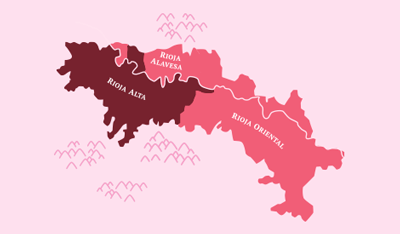
Rioja map

Appellation: Rioja Alta DOCa, Spain
Varietal: 100% Tempranillo
Analysis: 13.84% alcohol / volume
pH: 3.55
TA: 4.7 g/l
Residual Sugar: 1.4 g/l
Aging: 6 months French oak, semi-new, low toasted
Critical Acclaim: Reviewed & approved by Doug Frost, Master Sommelier and Master of Wine.

Wine club logoJoin our WINE CLUB and enjoy these amazing wines and pairing recipes each month. Plus, you’ll receive 10% off all retail wine purchases!

 

July Beer Club: Iowa

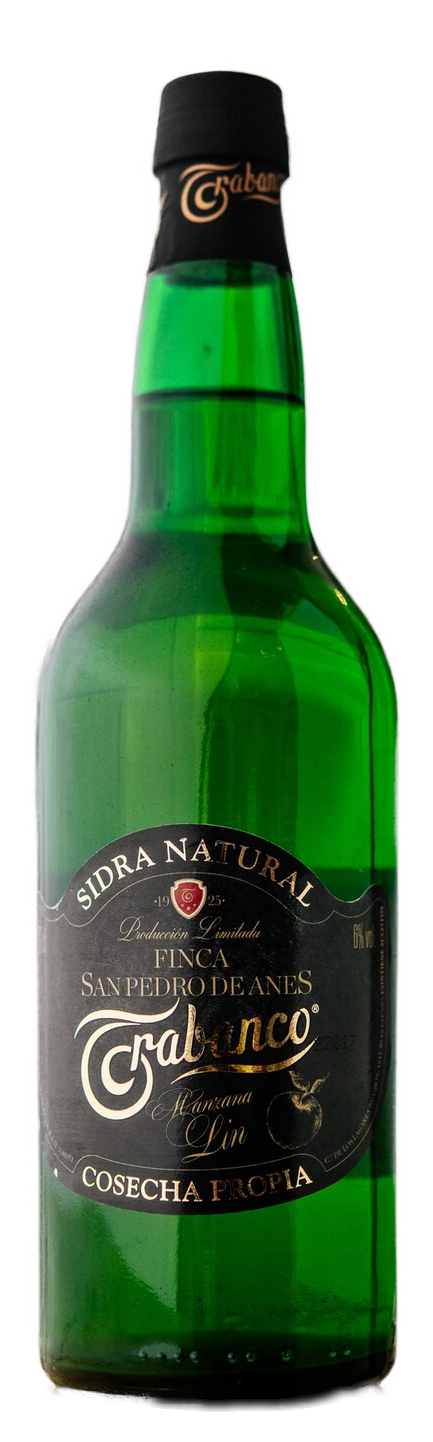
Manzana LinTrabanco
Manzana Lin Sidra Natural
Gijón, Asturias, Spain

Manzana Lin is a special, limited production release from Trabanco. This single-site cider is made of Lin apples sourced from the San Pedro de Anes orchard. The juice is fermented with indigenous yeasts and in accordance with the guidelines for “Sidra Natural,” producing a low-alcohol cider that is tart and lacks carbonation. Sidra Natural should be served cold in a wide glass and poured from great height to break up the residual carbonic gas. Only a small amount (one sip’s worth) should be poured into the glass at a time.

BeerStyles: Fruity and Spicy
Style: Sidra Natural (Cider)
ABV:
6%
Apples: 70% Lin with a blend of local apples sourced from the San Pedro de Anes orchard.

Vinification: This cider has been fermented with indigenous yeasts and in accordance to the guidelines for “Naturally Fermented Quality Ciders.”

ABOUT THE CIDERY:

Like most families from the Asturian countryside, the Trabanco Family made their own cider from their own apples, but in 1925 Emilio Trabanco decided to turn this household hobby into a family business; creating Trabanco Cider. Using the best apples of selected varieties and following traditional methods, Trabanco Cider quickly became known throughout the region as the premier natural cider from Asturias. Not much has changed since then, the Trabanco family is still using traditional methods, augmented with modern technologies, to produce exceptional Asturian ciders. From a very young age, all of the members of the family are involved in the production process, from the apple picking and weighing, to operating the press. The family business continues to grow, as their inheritance is passed from one generation to the next.

Asturias Map

Asturias Map by Paul Dangel

Trabanco Orchard

Trabanco Orchard. Photo by Steven Alexander

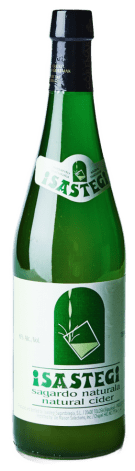
Isastegi CiderIsastegi
Sagardo Naturala
Tolosa (Isastegi), Spain

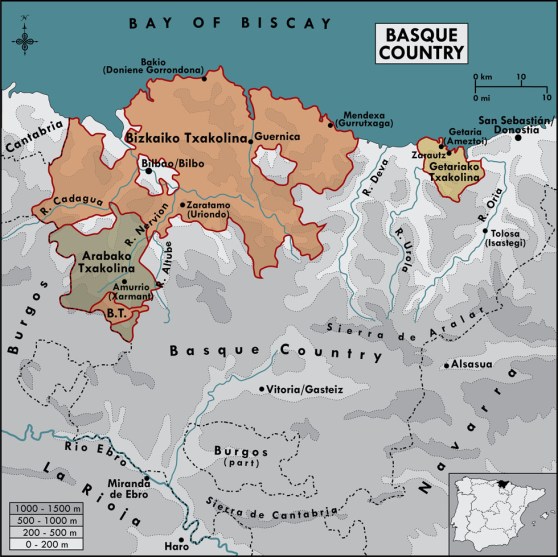
Sagardo Naturala, or “natural cider” is from the Basque Country in Spain, where basque ciders have been produced for over 2,000 years.  Golden-green hue in the glass, Isastegi’s Sagardo Naturala has ripe notes of apple on the nose, but lead to an acidic, malted apple on the palate. The finish is crisp and fresh. This cider goes through a completely natural fermentation process in large wooden barrels and is bottled fresh without filtration. Sagardo Naturala is more bitter than most ciders, with only mild residual carbonic acid. It should be served cold in a wide glass and poured from great height to break up the residual carbonic gas. Only a small amount (one sip’s worth) should be poured into the glass at a time.

BeerStyles: Fruity and Spicy
Style: Sagardo Naturala (Natural Cider)
ABV:
6%
Apples:
A blend of over a dozen native varietals
Vinification:
After fermentation in kupelas (old, large, oak cider barrels) the cider is bottled fresh and without filtration before each shipment.

ABOUT THE CIDERY:

Isastegi is an old family estate located in the town of Tolosa in the Basque Country of Spain. The estate was originally covered by pastures for cattle, with only a few apple trees for the family to make a small amount of cider for itself. In 1983 they decided to switch from livestock to cider output and started selling their cider to the public. Over the years the demand for Isastegi cider has increased and the family’s country house has adapted to the changes. Pastures were replaced by orchards, while renovations added new state-of-the-art pressing and bottling rooms and a larger spaces for the kupelas (old, large, oak cider barrels). Isastegi prides themselves on their local focus and adhere to the strict guidelines of Basque Ciders by using only local apples with no added carbonation or sugars.

Basque Country

Map by Paul Dangel

Isastegi

Isastegi Cidery


July Cheese Club: Iowa

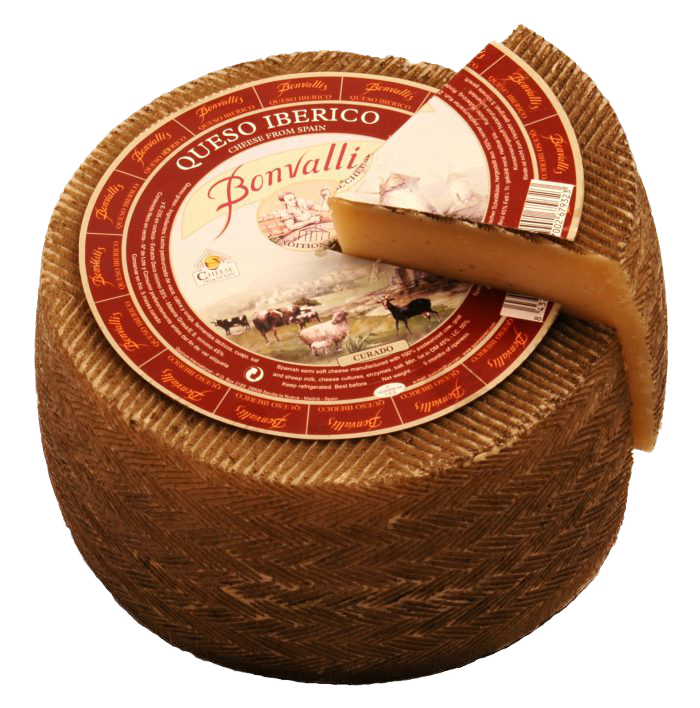
cheese_club_logo-1240x1240Iberico BonvallisBonvallis – Iberico Cheese Valladolid, Spain

Bonvallis Iberico Cheese is a Manchego-style cheese, one of the most eaten in Spain. An authentic Iberico Cheese must have, by law, a maximum of 50% cow’s milk, a minimum of 15% goat’s milk, and a minimum of 15% sheep’s milk. If these amounts are not specified on the label, the cheese cannot be labeled ‘Iberico’. Bonvallis Iberico Cheese is compact and firm in texture. It features herby, grassy flavors from the goat and ewe milk, and a smooth, creamy texture from the cow’s milk. It is slightly lactic, yet mild and buttery on the palate; making this cheese tasty and aromatic. WINE & CRAFT BEER PAIRINGS: Bonvallis Iberico Cheese pairs wonderfully with wines from our Bubbly wine style category, such as a Cava. Additionally, Iberico cheese pairs well with our Fruity & Spicy beers, such as a cider. WINESTYLES: Bubbly BEERSTYLES: Fruity & Spicy PRODUCTION: Located in Valladolid, the capital of Castilla y León, the family-run dairy, Bonvallis, has produced their cheeses since 1984. The region of Castilla y León is well known for its vast production of sheep and blend cheeses, and cured meat products. Long cold winters and dry hot summers are the perfect conditions for manufacturing their products. Bonvallis Iberico can be semi-cured (around 2 months), cured (4-6 months) and aged (over 7 months).

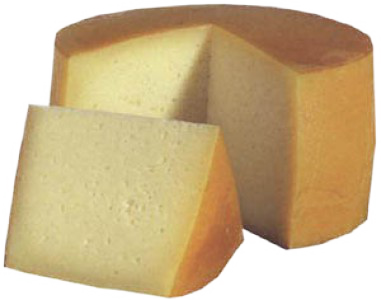
Idizabal DOPAraz Smoked Idiazabal Cheese Basque County, Spain

Smoked Idiazabal by Araz is a traditional, farmhouse, hard cheese made from raw milk of Latxa or Carranza sheep in the Basque and Navarra regions of northern Spain. Named after the village of Idiazabal, the cheese received Spanish D.O. (Denomination of Origin) in 1987, which defines the basic regulations for the product’s manufacturer. Idiazabal is produced in the shape of a cylinder, with a smooth and hard natural rind that is pale yellow to amber in color. The cheese has a compact texture that is dry, but not crumbly, and feels pleasantly oily in the mouth. The rind carries the marks of the wooden moulds in which it was drained and the cheese itself has a characteristic smoky flavor, coming from the fireplaces it is stored near during the summer. WINE & CRAFT BEER PAIRING: Idiazabal Cheese pairs beautifully with a medium-bodied tempranillo from our Fruity wine style category. It also pairs well with Fruity & Spicy beers, such as a cider or a sour. WINESTYLES: Fruity BEERSTYLES: Fruity & Spicy PRODUCTION: In the summer, the sheep migrate to higher pastures to graze on the blossoming, new grass. During this time, the artisanal cheese makers milk the sheep, make the Idiazabal cheese and leave it in the rafter to mature for a minimum ripening of 2 months. At the end of summer, when the cheese makers return back to the lowlands with their sheep, the cheese has ripened and is ready for sale.

Monthly Cheese ClubDon’t let your Wine Club go home alone! Join our Cheese Club and bring home a match made in heaven!
If you enjoy pairing cheese with wine, this is your club!  Each month you’ll discover specialty and artisan cheeses to pair with your Wine Club. Monthly cheese selections are chosen by your local WineStyles participating location. It’s the perfect opportunity to Taste, Learn and Enjoy® amazing artisan cheese every month! Only $19.99/month and your wine won’t be lonely!  Click to learn more >

July Bubbly Club: Iowa

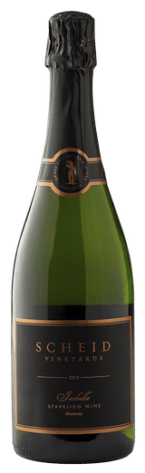
Bubbly Wine ClubScheid Vineyards - Isabelle SparklingScheid Vineyards
Isabelle Sparkling Cuvée
Monterey, California

BUBBLY WINE STYLE

If you know about the crafting of champagne, you understand it is a special wine that is a labor of love. And that is why Scheid Vineyards’ sparkling cuvée was named for Isabelle Adolphin Pearce, the beloved mother of Founder, Al Scheid. Like the hands-on, no-shortcuts-allowed méthode champenoise way Scheid produces their sparkler, Isabelle was old school through and through. Something “store bought” wasn’t worth nearly as much as something that was lovingly made by hand, whether it was an intricately crocheted afghan, a faux red fur coat for her granddaughter, or her melt-in-your-mouth pot roast. She firmly believed that busy hands make a happy heart and she lived by those words by working hard and taking care of others her entire life. Scheid Vineyards’ Isabelle Sparkling Wine is an elegant and complex cuvée in a brut style, with aromas of green apple, pear and hints of white flowers, honey and brioche. Here’s to Isabelle, much loved and greatly missed.

Appellation: Monterey
Varietal: Cuvée – 51% Chardonnay, 49% Pinot Noir
Analysis: 12.5% alcohol / volume
pH: 3.13
TA: 8.7 g/L
Aging: 100% Stainless Steel
Tirage: 48 months en tirage (on the lees)

VINEYARDS
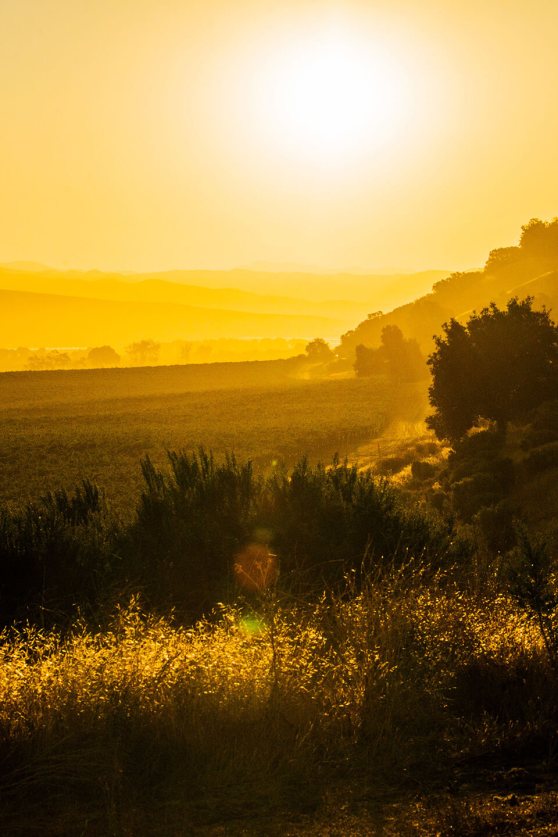
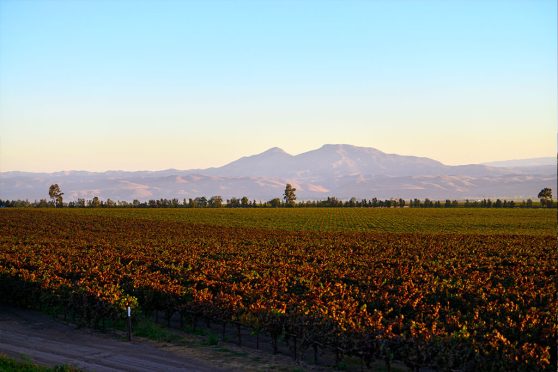
Great sparkling wine is made from grapes grown in only the coolest climates, where the delicate aromas and natural acidity are preserved. Monterey County, with morning fogs that often linger until mid-day, possesses just the right conditions to place it on par with the best growing regions of the world for Chardonnay and Pinot Noir. Scheid Vineyards carefully farms specific estate vineyard rows throughout the year that epitomize intensity, complexity and excellent structure. These grapes are carefully hand-harvested into small bins and transported promptly to the winery.

WINEMAKING
‘Isabelle’ is produced in the traditional méthode champenoise. Primary fermentation was done slowly and at cold temperatures to enhance the varietal aromatics and preserve the natural delicate character.  Next, the cuvée was bottled with sugar and yeast, and a secondary fermentation proceeded in the bottle. While fermenting en tirage, carbon dioxide that would normally be released was trapped, producing the sparkle and bubbles. After aging on the lees for 48 months, the wine was riddled—slowly shaken and turned with the angle gradually increased, causing the lees to dislodge and settle in the neck of the bottle. The settled lees were then frozen to form a “plug” and disgorged. The sparkling wine was quickly corked to maintain the effervescence and voilà, Isabelle was born! 

Scheid Vineyards
Scheid Vineyards
By Scheid Vineyards – Explore Vineyards

July Sweet Club: Iowa

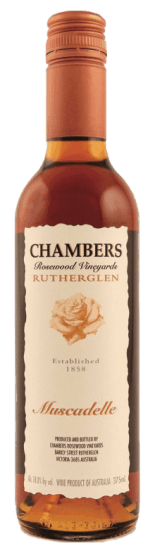
Sweet Wine ClubChambers Rutherglen MuscadelleChambers Rosewood Vineyards
Muscadelle
Rutherglen, Victoria, Australia

Produced from the Muscadelle grape, and previously called Tokay, this blend is comprised of varietals aged between six and ten years old. Amber to gold in color, it shows fresh honeycomb, orange peel and cold leaf-tea on the nose. The palate offers sweet toffee, citrus fruits and honey with a hint of spirit and aged oak spice on the back palate. Muscadelle carries itself with a feline grace as opposed to the powerhouse Muscat persona.

Appellation: Rutherglen, Victoria, Australia
Varietal: Muscadelle
Analysis: 18.3% alc/vol | TA: 4.35 g/L | pH: 3.6
Critical Acclaim: 92 pts Halliday Wine Companion, 91 pts Vinous, 91 pts Wine Spectator, 90 pts/Editors‘ Choice Wine Enthusiast

Chambers Rutherglen MuscatChambers Rosewood Vineyards
Muscat
Rutherglen, Victoria, Australia

Produced from Muscat a Petit Grains, or Brown Muscat as it is more commonly known, this blend is comprised of varietals aged between six and ten years old. Amber gold in color with copper hues, the nose offers fresh raisins, sultanas, lifted spirit and cinnamon oak spices. The palate is rich and silky, its sweet dried fruits balanced by aged oak tannins and bright acidity, providing a clean, rather than cloying, finish.

Appellation: Rutherglen, Victoria, Australia
Varietal: Muscat a Petit Grains
Analysis: 17.7% alc/vol | TA: 4.15 g/L | pH: 3.6
Critical Acclaim: 94 pts Halliday Wine Companion, 92 pts Wine Enthusiast, 91 pts Vinous, 90 pts Wine Spectator

 
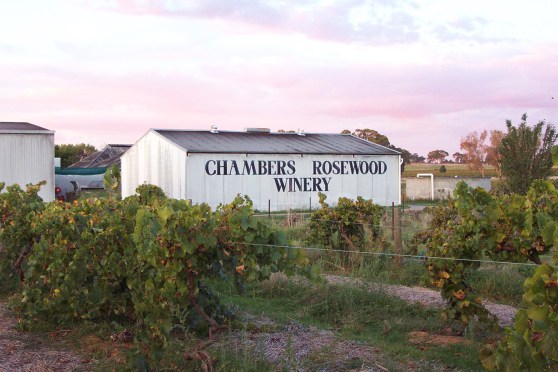
Chambers Rosewood Winery

ABOUT THE WINERY:
Since establishment in 1858 in Victoria’s famed Rutherglen region in Australia, winemaking duties at Chambers Rosewood have been handed down from father to son through six generations. Recognized the world over for their complexity, intensity and balance, these Muscats and Muscadelles are a national relic; wines expertly crafted from unctuous material that has matured in the family cellars for more than a century.

Stephen Chambers

Stephen Chambers

WINEMAKING:
In the warm fall climate the grapes ripen and shrivel on the vines producing natural sugar levels in the range of 30-36 degrees Brix. The raisined grapes are then picked, crushed, and this intensely sweet grape juice is fortified with neutral grape spirit. A wood aging program then follows loosely resembling a solar system, lasting, in some cases, for over 100 years.

“This 120-acre estate, now helmed by Stephen Chambers, is one of the most consistent producers of top-class fortified sweet wines in the world.”
Josh Raynolds, Vinous (2016)

Love the Sweet life?
“Wine” not try our Sweet Club! 

Click here to learn more >

Sweet Club


July’s Collectors Wine Club: Iowa

Collectors Wine ClubClos du Clocher

About Clos Du Clocher

Clos du Clocher wine estate is located in the Pomerol wine growing region in France. With three parcels of vineyard and just 300 yards south of the church in Pomerol, it is surrounded by the most famous growths of the appellation.   Founded in 1924, when the first parcel of vines were bought by a successful Bordeaux negociant,  Jean Baptiste Audy.  Today, the estate is owned by his grandson Pierre Bourotte and his great-grandson Jean-Baptiste.  The soils are composed of the famous dense iron-rich clay that is found in Pomerol.  The vineyards are planted with 70% Merlot and 30% Cabernet Franc with an average age of 39 years old. Grapes are hand harvested into small baskets and double sorted.  Winemaking is traditional and carried out in stainless steel and cement thermo-regulated vats.  After 4 weeks in the vats, malolactic fermentation takes place in oak barrels or vats, depending on the parcels and the vintage.  The wine is aged for up to 18 months in French oak barrels (two thirds new and one third one year old).

Clos du Clocher PomerolBold wine Style logoClos du Clocher
Pomerol
Merlot, Cabernet Franc
Bordeaux, France

BOLD WINE STYLE

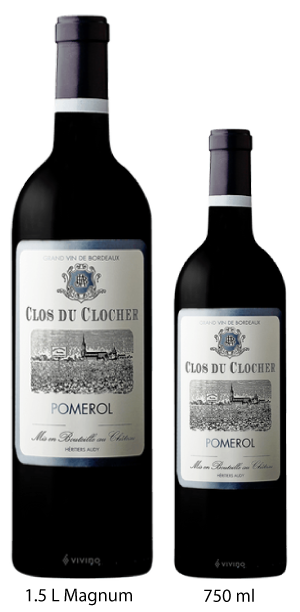
This month’s Collector’s Club includes both the 750ml and 1.5 Magnum bottle of Clos du Clocher.

In the very center of the famous Pomerol plateau, under the shadow of the eponymous bell tower of the neighboring church, this vineyard is home to some truly ancient vines that translate into a tremendous wine in bottle. This is without a doubt “A beauty from the high plateau of Pomerol” to quote Robert Parker of The Wine Advocate. 

Clos du Clocher is an elegant Pomerol style and a wonderfully pure expression of the vineyard’s terroir. Perfect for short-medium term drinking for the vintage.  Annual production at Clos du Clocher is about 2000 cases and the legendary consultant Michel Rolland consistently produces wines of real elegance from a modest 7 hectares. In a diminishing field, this elegant style is one of Pomerols very best values. 

“Has a lightly roasted feel, with ganache and espresso notes lining the core of plum and blackberry fruit. Roasted alder hints fill the finish, while the roasted edge provides the texture. Shows more guts than refinement.” Wine Spectator

Appellation: Bordeaux (right bank), Pomerol, France
Varietal: 80% Merlot, 20% Cabernet Franc
Analysis: 14% alcohol / volume
Aging: 18 months French Oak barrels
Winemaker: Michel Rolland

About Chateauneuf-du-Pape

In the 14th Century, under the reign of Pope John XXII, the Avignon village became the summer residence of the papacy. As for the precious nectar produced in this area, he granted it the rank of “Vin du Pape”, opening the doors of the great European courts.  More than likely, during Gallo-Roman times the vines covered the territory of Châteauneuf-du-Pape. However, the first written evidence of its existence dates from 1157. In keeping with local tradition and planting himself, Geoffroy, bishop of Avignon, had a vineyard within the territory of Châteauneuf-du-Pape. However, it’s the popes from the fourteenth century that were the real promoters of the wine growing business of the appellation.

By the 19th Century, the wines were very well known, enjoyed by famous people, poets, literary and cultural associates in Paris.  By the 20th Century, winemakers were anxious to defend the growing reputation of the Châteauneuf-du-Pape wines, the beginnings of the current system of AOC.  The 1919 wine appellation law on “designations of origin” was too general and didn’t prevent fraud. The constituent meeting of the “Châteauneuf-du-Pape winegrowers union” took place in October 1923. After several years of legal proceedings, the decree of the appellation is published and Châteauneuf-du-Pape becomes the first wine-making AOC of France on May 15, 1936.  Still in force today, it continues to protect and guarantee the quality of Châteauneuf-du-Pape wines. The vineyards now cover 7900 acres in the towns of Châteauef-du-Pape, Bédarrides, Courthézon, Orange and Sorgue.

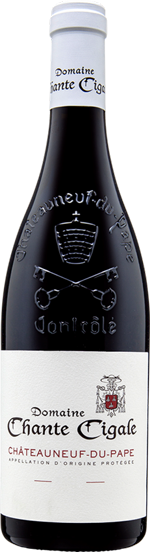
Domaine Chante CigaleBold wine Style logoDomaine Chante Cigale
Rouge 2016
Châteauneuf du Pape, France

BOLD WINE STYLE

Today, the Domaine Chante Cigale is one of the most important family estates of Châteauneuf du Pape.  Alexandre Favier is now carefully running the winery by keeping up with the winemaker’s tradition of the family.

The Estate now stretches over 40 hectares on the Châteauneuf du Pape appellation, divided into 45 parcels, scattered all over this exceptional terroir.  The diversity of its soils and of the grape varieties allows the elaboration of a unique and exceptional wines.  Alexandre Favier and his team are taking good care of every step of the wine production themselves, respecting the spirit of the Domaine. 

“Bright violet. Ripe cherry and raspberry on the deeply perfumed nose, lifted by suggestions of pungent flowers and cracked pepper.  Nicely concentrated but lively as well, offering sappy red berry, candied cherry and lavender flavors that show very good clarity and smooth, seamless texture.  Finishes sweet and silky, displaying spicy persistence and gentle tannic grip.” – 91 pts. Vinous 2018

“It boasts silky tannins, plenty of cherry fruit and a dusting of ground pepper and all spice on the long finish. Drink 2018-2028.” – 91 pts, Robert Parker 2018

Appellation: Châteauneuf-du-Pape, France
Varietal: 65% Grenache, 20% Syrah, 10% Mourvédre, 5% Cinsault
Analysis: 15.5% alcohol / volume
Aging: 12-14 months in 35% new French oak


July Premium Wine Club

Scheid Vineyards logo

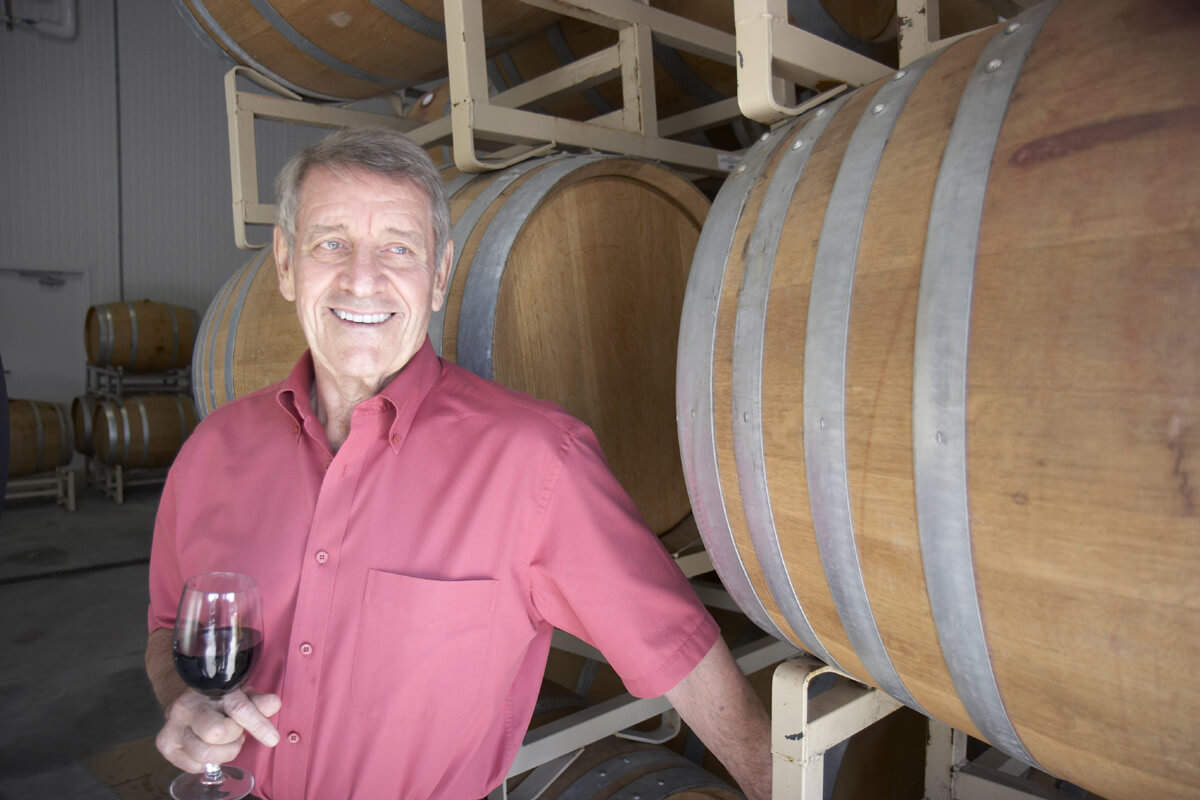
Al Scheid

Al Scheid

About Scheid Vineyards

Al Scheid set his roots in Monterey County in 1972, embracing his role as a pioneer of wine growing in the region. Al’s outlook has always been that life is an adventure and this attitude served him well as he embarked on the journey of his lifetime.   For the first 15 years, Scheid Family Wines was known as Monterey Farming Corp, a grape grower that sold all its production to winery clients for use in their own brands. Fast forward to today, Scheid Family owns 12 estate vineyards located along a 70-mile stretch of the Salinas Valley. They now focus on building their own brand that is produced at their state-of-the-art winery, as well as a smaller Reserve Winery where the small production wines of Scheid Vineyards are crafted.

Mellow style logoScheid Vineyards
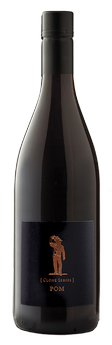
Pinot Noir Clone POM Reserve
Monterey, California

Scheid’s Clone series was created to highlight the different nuances that each Pinot Noir clone exhibits.  What do we mean by “clone”? Grapevines in general and Pinot Noir in particular, are generally unstable and can mutate slightly over time. Each grape variety is actually made up of many subtypes, called clones. These clones can result in different flavors, intensity, color, etc.  Scheid Vineyards grow 20 different clones of Pinot Noir. Pommard is one of the Dijon clones and is known for earthy, fruit forward characteristics, as well as structure and density.  A dramatic and vibrant wine, Scheid Vineyards Clone POM has aromas of black cherries, blackberries and currants with notes of vanilla, mocha, and oak, mingled with a hint of clove. it is a classic Pinot Noir, with soft tannins and round, rich, red, fruit on the palate.

The Pommard clone is one of the oldest clones planted in the U.S., where it was originally sourced from Chateau de Pommard in the early 1950’s. The fruit for this Pinot Noir was sourced from the Riverview Vineyard, adjacent to the Pinnacles National Park.  This 215 acre vineyard is nestled on a bench overlooking the Salinas River and is an ideal site for ultra-premium Pinot Noir. The bench location aids in creating excellent air flow and the southwestern exposure maximizes available sunlight and allows the fruit to ripen slowly and evenly.

Appellation: Monterey, California
Varietal: 100% Pinot Noir
Analysis: 13.5% alcohol / volume
pH: 3.73
Total Acidity: 5.6 g/l
Aging: 100% French oak

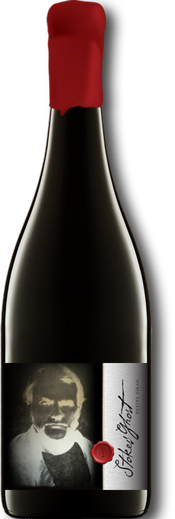
Stokes Ghost

Stokes Ghost Bold wine Style logoScheid Family Wines
Stokes Ghost
Petite Sirah
Monterey, California

In 1833, British sailor James Stokes jumped ship in Monterey with a booty of stolen medicine. Passing himself off as a doctor, he opened a downtown pharmacy and launched a thriving medical practice as “Dr. Stokes”.  Despite a knack for killing his patients, he landed a commission as the personal physician to California Governor Jose Figueroa. Within a year, the governor was dead. The phony physician was astonishingly successful for someone so poor at his job. He grew wealthy, married the widow of one of his patients, and served as mayor of Monterey. Eventually the gig was up. According to legend, Stokes’ sons confronted him of his devious deeds and he ingested poison, falling lifeless at their feet. His former home still stands today and haunted by the ghostly figure of a man dressed in 1800s garb. This is the legend of Stokes’ Ghost.

Deep and brooding, this Petite Sirah is brimming with aromas of blackberry, plum and black currant.   The intense, jammy fruit provides the drama while subtle notes of mocha and hazelnut bring finesse. Stokes’ Ghost is full-bodied with balanced tannins and a finish that lingers on the palate.  This rich, lush wine is just what the doctor ordered.

The Petite Sirah grapes in this wine were harvested at night in the southernmost reaches of Monterey appellation, an ideal location for growing this dramatic, heart-stopping variety. Upon arrival to the winery, the grapes were crushed and fermented in small lots to extract the full flavors and tannin structure for which Petite Sirah is so well known.  The wine was then pressed and racked at dryness for oak aging.

The fruit for Stokes’ Ghost hails from Scheid’s estate vineyard in the Hames Valley, an inland enclave at the southern end of Monterey County. Considered a “Goldilocks” region – not too hot, not too cold – it offers ideal conditions for Petite Sirah. The wine was aged in American and Hungarian oak barrels to add complexity and soften the tannins.

Winemaker Dave Nagengast

Dave Nagengast, Winemaker

Winemaker: Dave Nagengast has a strong connection to Petite Sirah. As winemaker for Stokes’ Ghost, he is passionate about this powerhouse variety and well-acquainted with its deepest, darkest secrets. He knows where to grow, how to farm, when to harvest, and how to vinify Petite Sirah to create a wine that is not only big, dark and bold, but also lush, balanced and aromatic. Says Dave, “Petite Sirah is not for those with delicate sensibilities. But for those of us who revel in a muscular, full-bodied wine packed with flavor, character and soul, Petite Sirah has no equal.”

Appellation: Hames Valley, Monterey, California
Varietal: Petite Sirah
Analysis: 14.5% alcohol / volume
Total Acidity: 6.2 g/l
pH: 3.54
Aging: 12 months in American, French and Hungarian oak