Martellotto Melodeon

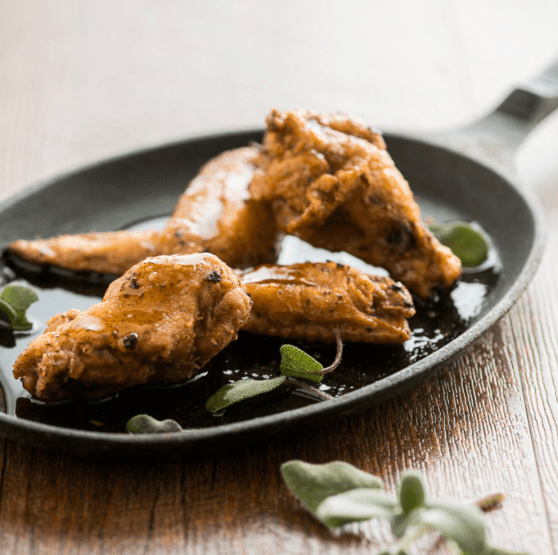
Brown Butter-Sage Chicken Wings Recipe

Credit: © Todd Porter & Diane Cu

Credit: © Todd Porter & Diane Cu

INGREDIENTS:
  • 1/2 cup unsalted butter
  • 4 cloves garlic, minced
  • 6 to 8 small sage leaves
  • 1 tablespoon ground sage
  • 1 tablespoon Worcestershire sauce
  • 1/2 tablespoon brown sugar
  • 2 pound chicken wings, split
  • Kosher or sea salt, to taste
  • Fresh cracked black pepper, to taste
  • 1 cup all-purpose flout, for dredging
  • Vegetable Oil (or other high flashpoint oil), for frying
DIRECTIONS:
  1. Heat a saucepan over medium heat. Melt the butter and stir in the garlic. Continue cooking the butter until it is light brown and develops a nutty aroma.
  2. Remove the butter from the heat and stir in the sage leaves, ground sage, Worcestershire sauce and brown sugar. Set aside.
  3. Rinse the chicken wings and pat them dry. Generously season the chicken with salt and black pepper. Dredge the wings in flour, shaking off any excess flour, and set aside.
  4. In a large saucepan or deep fryer, heat the oil to about 375°. Fry the chicken wings in small batches until golden brown, 8 to 10 minutes. Shake off any excess oil and place on paper towels to drain. Continue frying the chicken in batches until all of the wings are cooked. Toss the wings in the brown butter sauce and serve warm.
© Recipe courtesy of Todd Porter and Diane Cu of Food and Wine Magazine 

FEBRUARY WINE CLUB:

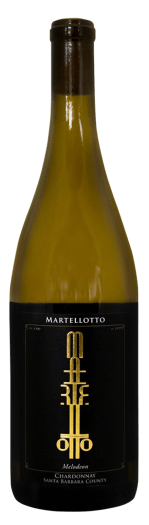
Martellotto ChardonnaySilky styleMartellotto Winery Melodeon Chardonnay Sta. Rita Hills, California

SILKY WINE STYLE
“A Chardonnay lover’s Chardonnay. The fruit in the Martellotto Chardonnay is from the Spear Vineyard, located a few miles west of the winery in Buellton, off Highway 246 in the Santa Rita Hills. This area is famous for the best Pinot Noir and Chardonnay grapes and we are pleased to be sourcing such high quality fruit. Spear Vineyard is farmed organically and located very near Seasmoke, which charges $100-$200/bottle for their wines!” – Martellotto Winery
This Melodeon Chardonnay was barrel fermented and has a lovely natural acidity and a light zip in the mouth from the sandy loam vineyard that was covered by the Pacific Ocean millennia ago. A broad mouthfeel and yummy vivacity combine with layers of vanilla, toasted hazelnuts, and nutmeg singing into the finish. If you love Chablis and dry, nuanced Chardonnay with layers of depth and a crunchy deliciousness, then you will love this wine.
Analysis: 13.5% alcohol / volume Varietal: 100% Chardonnay AVA: Sta. Rita Hills Soil: Sandy Loam Farming: Organic Production: 14 barrels Oak: 11 months, 20% new French Oak “The daring, innovative spirit embodied by the region’s young producers and a vast range of first-class sites creates conditions that are idea for the production of distinctive, pedigreed wines of the highest level. Best of all, with few exceptions, these wines remain under the radar and very fairly priced relative to global peers.” – Antonio Galloni, Vinous Media ABOUT MARTELLOTTO WINERY:
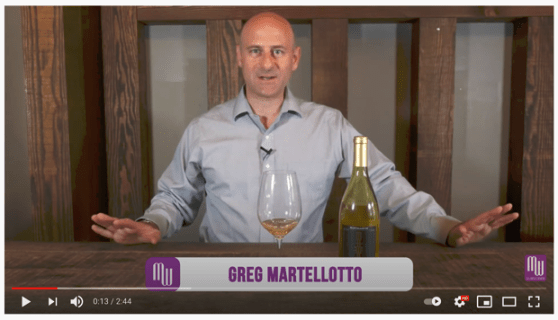
Greg Martellotto

Winemaker, Greg Martellotto

The Martellotto family roots trace back to a 17th century winery in Alberobello in Puglia, Italy. Over four centuries later, winemaker Greg Martellotto continues his family’s viticultural legacy, by making enticing, vibrant wines that speak to his own viticultural passion. Located in Buellton, California – in the hottest new AVA region of Happy Canyon of Santa Barbara – Martellotto Winery focuses on vibrant Bordeaux varietals, with a vineyard first philosophy of gentle handling and minimal intervention. Through a deft combination of sourcing sustainably farmed grapes from California’s choicest vineyards and deploying creative, progressive blending and fermenting techniques, Martellotto produces outstanding wines that capture pinpoint varietal expression. Greg has nearly two decades of diverse experience in all facets of the wine business, including import and distribution and working with some of the greatest wines and wineries in California, Piemonte, Tuscany, and Bordeaux, as well as Spain, Chile and Argentina. Consultant Mike Roth, an authority in the fields of biodynamics and natural winemaking, has working under Napa pioneers Mike Grgich and Nils Venge. He has made wine in Santa Barbara at Koehler, Demetria, Martian Ranch, and for his own Lo-Fi brand. THE MARTELLOTTO LABEL: John Langdon designed the Martellotto label as a spiritual totem, symmetrical down the middle, and a mirror image. The ARTE of the name recognizes the Art & Science of winemaking. The bottle enumeration demonstrates the handmade, limited availability of these wines. Prof. Landon’s signature ambigram design is located on the bottom right of the back label. Turn the bottle upside down to visualize how his name reads left to right. Greg Martellotto video Wine club logoJoin our WINE CLUB and enjoy these amazing wines and pairing recipes each month. Plus, you’ll receive 10% off all retail wine purchases! Learn More >

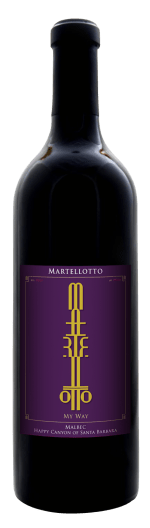
Martellotto ‘My Way’ Malbec

Lamb Sliders with Blue Cheese

INGREDIENTS:

  • 1 1/4 teaspoons olive oil
  • 1 2/3 cups thinly sliced onion (about 1 large)
  • 3/4 teaspoon brown sugar
  • dash of salt
  • 1/4 teaspoon freshly ground black pepper
  • 13 ounces lean ground lamb
  • cooking spray
  • 8 (1.3 ounce) mini-sandwich buns
  • 2 tablespoons crumbled blue cheese

DIRECTIONS:

  1. Heat oil in a large nonstick skillet over medium heat. Add onion and sugar to pan; cook 10 minutes, stirring frequently. Stir in 1/8 teaspoon salt. Reduce heat; cook 8 minutes or until tender and browned, stirring occasionally. Keep warm.
  2. Preheat broiler.
  3. Combine remaining 1/4 teaspoon salt, pepper, and lamb in a large bowl. Divide lamb mixture into 8 equal portions; shape each into a 1/2-inch-thick patty. Place patties on the rack of a broiler pan coated with cooking spray; place rack in pan. Broil 6 minutes, turning once after 3 minutes. Remove from oven; let stand 3 minutes.
  4. Broil buns, cut sides up, 2 minutes or until lightly toasted. Place patties on bottom halves of buns; top each patty with about 1 1/2 tablespoons caramelized onion and about 3/4 teaspoon blue cheese. Cover with top halves of buns.

FEBRUARY WINE CLUB:

Bold wine Style logoMalbecMartellotto Winery
My Way

Santa Barbara, California

BOLD WINE STYLE

“A Hedonistic wine that is a pleasure to share. This Malbec is the dark horse of Cahors and Argentina. Martellotto produces an outstanding expression from the hottest part of SB County.” – Martellotto Winery

The “My Way” Malbec is dark as night, inky, and redolent with blue fruits. Flavors of dark plum, cherry, and blackberry explode in the glass and the finish is lush with toasty oak, vanilla, and crusted flowers. ‘My Way’ is an awesome California expression on this noble varietal – it’s a velvet glove with an iron fist.

Varietal: 80% Malbec, 20% Petit Verdot
Analysis:
14% alcohol / volume
AVA: Happy Canyon of Santa Barbara
Soil:
Sandy Loam
Farming:
Sustainable
Production:
20 barrels
Aging:
10 months, 30% new French Oak

HAPPY CANYON OF SANTA BARBARA:
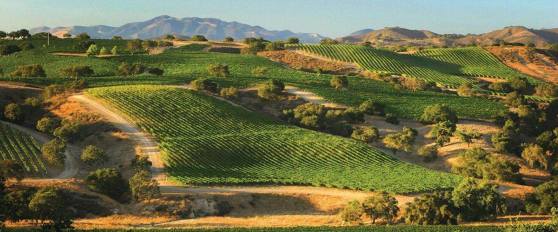
This new, small AVA was established in 2009. Located in the southeast part of the larger Santa Ynez Valley, this is the hottest part of the valley and furthest from the ocean. Rolling hills sit atop a serpentine-laced terroir that is primarily planted to Bordeaux varietals.


ABOUT MARTELLOTTO WINERY:
The Martellotto family roots trace back to 17th century winery in Alberobello in Puglia, Italy. Over four centuries later, winemaker Greg Martellotto continues his family’s viticultural legacy, by making enticing, vibrant wines what speak to his own viticultural passion. 

Located in Buellton, California, Martellotto Winery focuses on vibrant Bordeaux varietals from the hottest new AVA, Happy Canyon of Santa Barbara. Indeed, Martellotto Winery is one of the few California wineries bottling and producing varietal wines from each of the five noble Bordeaux grapes: Cabernet Sauvignon, Malbec, Petit Verdot, Cabernet Franc and Merlot. Since 2005, Martellotto Winery has produced unique and exciting wines designed to surprise and ignite discerning palates of wine lovers everywhere.

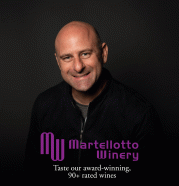
Winemaker, Greg Martellotto

Winemaker, Greg Martellotto

ABOUT THE WINEMAKER:
Greg Martellotto has been making wine since 2005. His peripatetic path has led him to winemaking experience in Mexico, Italy, Napa Valley, Paso Robles, and Santa Barbara. He holds a degree in Biological Sciences from Stanford University and a Masters degree from the University of Texas. His global wine experience has provided opportunities to travel to most of the major winemaking regions of the world as both a buyer and a consumer, which informs his style. Equally important and unique among most winemakers, Greg’s experience as an importer and wine buyer provides insiders access to the greatest wines and wineries in the world. In this capacity, he regularly tastes more than 400 wines per month and he knows great wine.

Wine club logoJoin our WINE CLUB and enjoy these amazing wines and pairing recipes each month. Plus, you’ll receive 10% off all retail wine purchases!

Learn about our Memberships >

February Wine Club Pairing Recipe

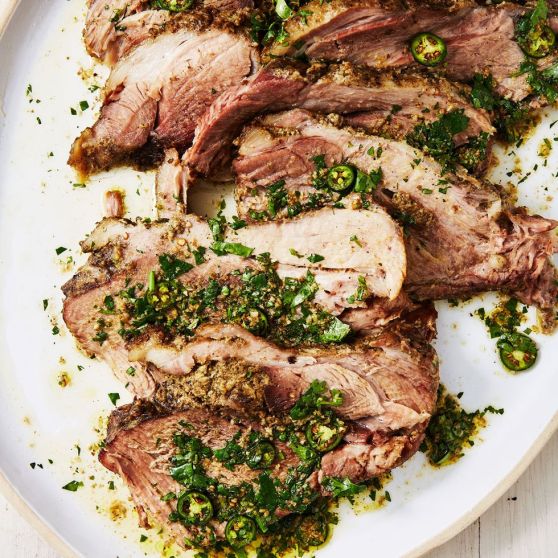
delish-191015-slow-cooked-pork-shoulder-0369-portrait-pf-1572470102

© Photo by Parker Feierbach of Delish

Slow-Cooker Pork Shoulder

  • 1 boneless, skinless pork shoulder, Boston butt about 6 lbs.
  • 20 cloves garlic 
  • 1/2 cup olive oil, divided 
  • 2 tsp. cumin
  • 2 tbsp. salt 
  • 1 tbsp. black pepper 
  • 3 tbsp. oregano leaves 
  • 1/2 cup fresh squeezed orange juice 
  • 1/4 cup fresh squeezed lime juice 
  • 1 Serrano pepper, seeded, and diced
  • 1/4 cup freshly chopped fresh cilantro  
  • White rice, for serving, optional 

DIRECTIONS:

  1. Dry pork shoulder with a paper towel and make 1” incisions with a knife all over.
  2. Pulse garlic, ¼ cup oil, cumin, salt, pepper, and oregano in a food processor until a paste is formed. Remove 2 tablespoons of the paste and set aside.
  3. Rub pork shoulder all over with remaining paste, pushing some of it into the incisions.
  4. Place pork in slow cooker, cover, and cook on low until meat is fork-tender but not yet completely falling apart, 7 1/2 to 8 hours.
  5. To make the sauce, heat remaining ¼ cup oil in a small saucepan over medium heat until shimmering. Add reserved 2 tablespoons garlic paste and let sizzle, stirring continuously until fragrant, just about 1 minute. Remove from heat and let cool before whisking in orange juice, lime juice, serrano pepper, and cilantro.
  6. Serve sliced pork over rice with sauce drizzled on top.

© Recipe courtesy of Kat Boytsova of Delish

FEBRUARY WINE CLUB:

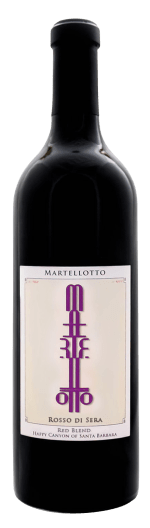
Rosso Di SeraBold wine Style logoMartellotto Winery
Rosso Di Sera
Santa Barbara, California

BOLD WINE STYLE

“Martellotto’s ‘Evening Red’ Bordeaux blend steals the Spotlight! Greg Martellotto believes blends are better and this wine highlights the symphonic harmony of three Bordeaux varietals: Malbec, Cabernet Sauvignon, and Cabernet Franc.” – Martellotto Winery

Aromas of luxardo cherry, cedar, and fresh Mediterranean herbs entice; while flavors of ripe plum, blueberry and oak dance on the tongue. This Rosso Di Sera is a stunning value; rich, opulent and easy to gulp; and a wonderful expression of the AVA.

Varietal: 40% Malbec, 35% Cabernet Sauvignon, 25% Cabernet Franc
Analysis:
14.2% alcohol / volume
AVA:
Happy Canyon of Santa Barbara
Soil:
Sandy/Clay Loam
Farming:
Sustainable
Production:
60 barrels
Aging:
10 months in tank, 20% new oak
Critical Acclaim: 90 pts. Wine Enthusiast; 90 pts. Jeb Dunnuck

HAPPY CANYON OF SANTA BARBARA:
This new, small AVA was established in 2009. Located in the southeast part of the larger Santa Ynez Valley- the hottest part of the valley and furthest from the ocean. Rolling hills sit atop a serpentine-laced terroir that is primarily planted to Bordeaux varietals.

Photo from Martellotto Winery

© Photo from Martellotto Winery

ABOUT MARTELLOTTO WINERY:
The Martellotto family roots back to a 17th century winery in Alberobello in Puglia, Italy. Over four centuries later, winemaker Greg Martellotto continues his family’s viticultural legacy, by making enticing, vibrant wines that speak to his own viticultural passion.

Located in Buellton, California, Martellotto Winery focuses on vibrant Bordeaux varietals from the hottest new AVA, Happy Canyon of Santa Barbara. Indeed, Martellotto Winery is one of the few California wineries bottling and producing varietal wines from each of the five noble Bordeaux grapes: Cabernet Sauvignon, Malbec, Petit Verdot, Cabernet Franc and Merlot. Since 2005, Martellotto Winery has produced unique and exciting wines designed to surprise and ignite discerning palates of wine lovers everywhere. Martellotto has a vineyard first philosophy, and sources sustainably farmed grapes from California’s choicest vineyards. Gentle handling and minimal intervention result in wines that are consistently vibrant and a joy to share. Learn more about the Martellotto Winery here.

Greg Martellotto

Winemaker, Greg Martellotto

ABOUT THE WINEMAKER – GREG MARTELLOTTO:
Greg has been making wine since 2005. His peripatetic path has led him to winemaking experience in Mexico, Italy, Napa Valley, Paso Robles, and Santa Barbara. He holds a degree in Biological Sciences from Stanford University and a Masters degree from the University of Texas. His global wine experience has provided opportunities to travel to most of the major winemaking regions of the world as both a buyer and a consumer, which informs his style. Equally important and unique among most winemakers, Greg’s experience as an importer and wine buyer provides insiders access to the greatest wines and wineries in the world. In this capacity, he regularly tastes more than 400 wines per month and he knows great wine.

Wine club logoJoin our WINE CLUB and enjoy these amazing wines and pairing recipes each month. Plus, you’ll receive 10% off all retail wine purchases!

Learn More >

January Cheese Club: Iowa

Cheese ClubBlumenkäse Switzerland

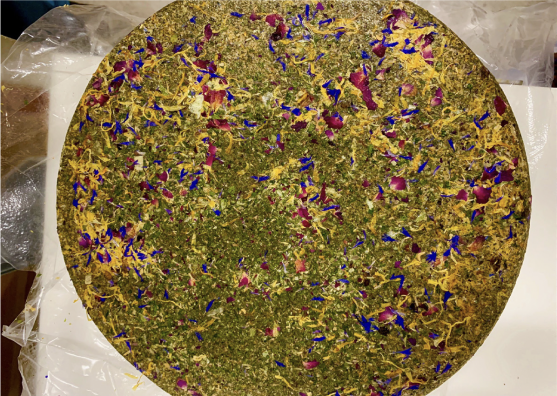
An alpine cheese covered with wildflowers from the meadows of Switzerland. This floral beauty isn’t just pretty on the outside, it’s packed with flavors of French onion soup and sweet carrots on the inside. The rind is decorated in a long list of herbs and flowers, including: winter savory, dill, garlic, caraway, lovage, marjoram, mint, leek, chive, parsley, juniper berries, onion, marigolds, cornflower, roses, and strawberry leaves.  WINE & CRAFT BEER PAIRING: When pairing wine with this cheese, reach for a Chardonnay, Viognier, Bubbles or Fruity Red Wines; for beer, look for something Hoppy and Bitter, such as an IPA. WINESTYLES: Crisp, Fruity, and Bubbly BEERSTYLES: Hoppy and Bitter Blumenkases

Marcel Petite Sagesse 24-Month Comté France

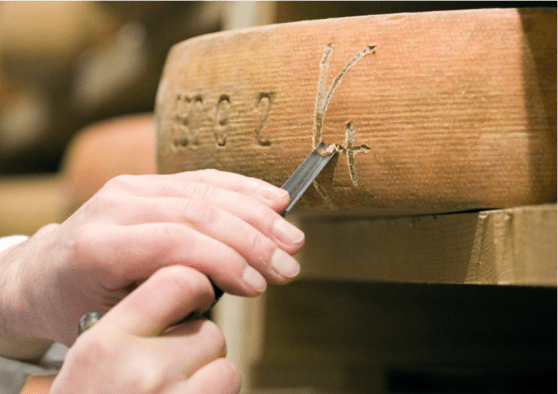
Selected by Essex St. Cheese Co., Sagesse Comté (formerly “Symphony”) represents the highest level a wheel of Comté can achieve at Marcel Petite; only 2% of all production reaches this point. Sagesse Comté is selected in line with the Essex flavor profile, but is bigger and broader in taste with a darker paste and immense tyrosine crystallization. This is an unpasteurized cows’ milk cheese with a powerful depth of flavor, similar to a great piece of dark chocolate. Sagesse Comté is available only once a year. WINE & CRAFT BEER PAIRING: When pairing wine with this cheese, reach for a Champagne, aged Chardonnay, or Pinot Noir; for beer, look for something Malty & Sweet such as a Milk Stout. WINESTYLES: Rich, Mellow, or Bubbly BEERSTYLES: Malty & Sweet
MarcelPetiteSagesse

© Photo by Comté Marcel Petite


Monthly Cheese ClubDon’t let your Wine Club go home alone! Join our Cheese Club and bring home a match made in heaven!

If you enjoy pairing cheese with wine, this is your club!  Each month you’ll discover specialty and artisan cheeses to pair with your Wine Club. Monthly cheese selections are chosen by your local WineStyles participating location. It’s the perfect opportunity to Taste, Learn and Enjoy® amazing artisan cheese every month! Only $19.99/month and your wine won’t be lonely!  Click to learn more >

January Collector’s Wine Club: Iowa

Dead ArmBold wine Style logod’Arenberg
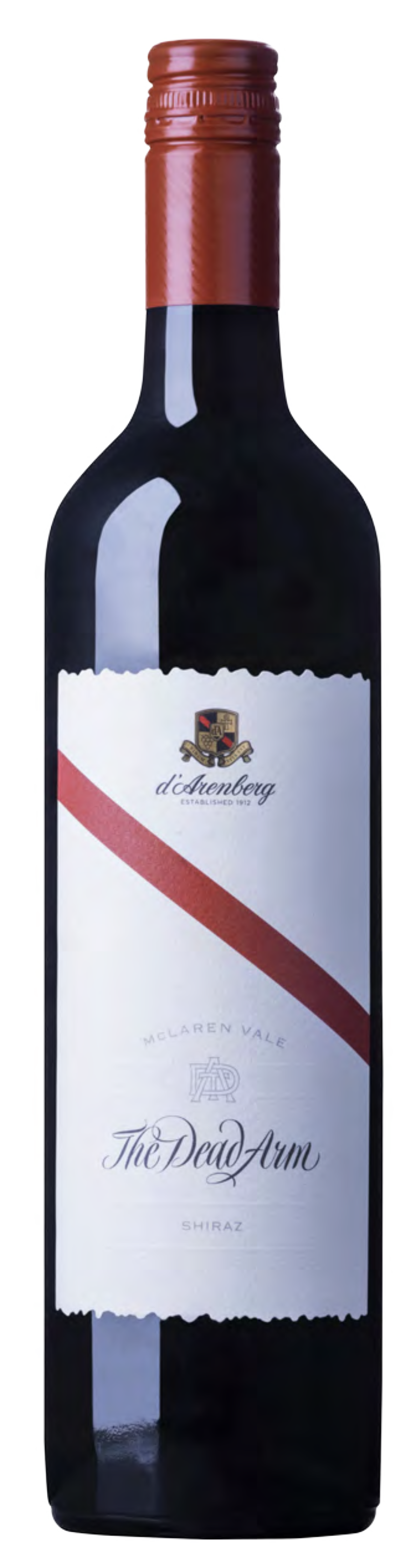
2014 Dead Arm Shiraz
McLaren Vale, Australia

BOLD WINE STYLE

Dead Arm is a vine disease caused by the fungus ‘Eutypa Lata’ that randomly affects vineyards all over the world. Often affected vines are severely pruned or replanted. One half, or an ‘arm’ of the vine slowly becomes reduced to dead wood. That side may be lifeless and brittle, but the grapes on the other side, while low yielding, display amazing intensity.

This is one of the more pure fruited versions of this iconic wine that we have seen in recent times. Highly aromatic in the early stages of its life, the nose is dominated by an array of perfectly ripe berry fruits and spicy notes. The dark, earthy and savory characters that we are well accustomed to, whilst present, seem to be taking a back seat. Nonetheless, they play an integral role in adding depth and complexity here. The palate is similarly positioned, showing almost restrained fruit weight but great depth of flavor and wonderful brightness. What hasn’t changed is that line of fine, lively tannins that present themselves early and drive the wine from start to finish, drawing fruit flavor along with them.

Analysis: 14.4% alcohol / volume
Varietal: Shiraz 100%
Residual Sugar:
0.9 g/L
pH: 3.48
Titratable Acid:
7.4
Oak Maturation:
18 months
Harvest Dates:
February 12th – April 17th
Chief Winemaker: Chester Osborn
Senior Winemaker: Jack Walton
Critical Acclaim:

  • 91 pts. on Wine Enthusiast
  • 97 pts. Tony Keys, The Key Report
  • 97 pts. Ray Jordan, The West Australian
  • 96 pts. Patrick Eckel, Wine Reviewer
  • 95 pts. James Halliday, Australian Wine Companion
  • 94 pts. Mike Bennie, The Wine Front
  • 92+ pts. Lisa Perrotti-Brown, Robert Parker’s Wine Advocate
  • 92 pts. Nick Stock, JamesSuckling.com
  • Double Gold Medal China Wine & Spirits Awards ‘Best Value’ 2017
  • 5 Stars Winestate Magazine Mainfreight World’s Greatest Shiraz Wine Show
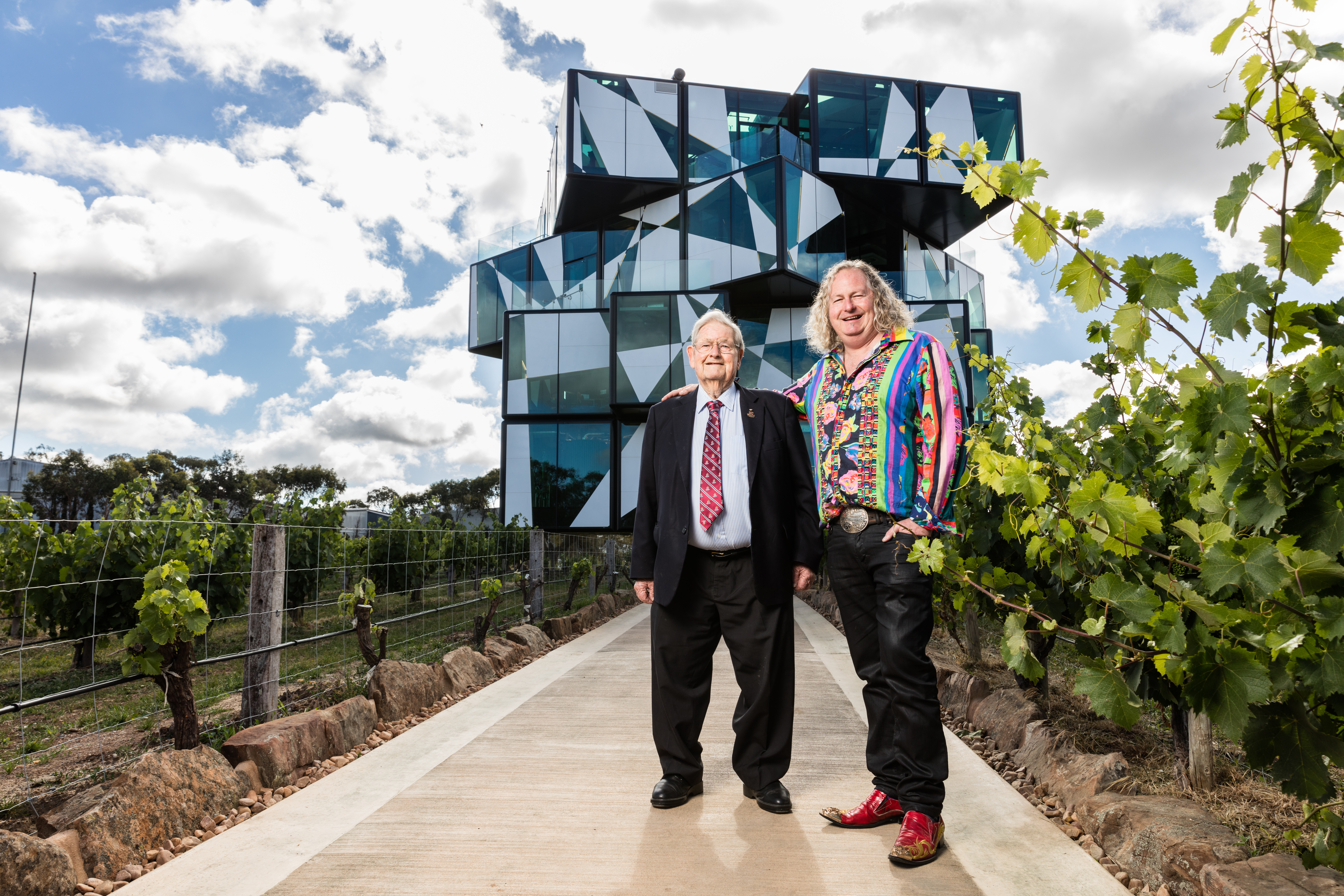
© Photo by d'Arenberg Winery - Darry and Chester Osborn

© Photo by d’Arenberg Winery – Darry and Chester Osborn

VINTAGE:
A wet winter ensured good sub soil moisture and set up the vines well with healthy canopies. Spring was very dry with above average temperatures, a heavy downpour in January was a welcome relief. Mild conditions during the ripening period produced wines that show an abundance of spicy fruits with great color, richness and balanced tannins. Vintage started on 30 January, the earliest start on record by one day.

THE WINEMAKING:

Small batches of grapes are gently crushed and then transferred to five tonne headed down open fermenters. These batches remain separate until final blending. Foot treading is undertaken two thirds of the way through fermentation. The wine is then basket pressed and transferred to a mixture of new and used French and old American oak barriques to complete fermentation. The barrel ferments are aged on lees, there is no racking until final blending and no fining or filtration.

CELLARING POTENTIAL:

The youthful exuberance and purity offers itself up for relatively early consumption (in Dead Arm terms that is). However, the lovely balance between acid and tannin along with the depth of fruit promises greater things to come. Watch patiently as the earthy vineyard expression grows with time. This wine will reach its full potential with bottle age up to at least 20 years. The considerable structure and depth will ensure that the fruit characters will develop over time revealing more complexity. This wine is best stored in an environment free of direct sunlight and with consistent temperatures between 10°C and 15°C.


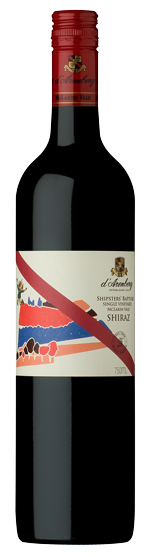
Shipsters'-Rapture-ShirazBold wine Style logod’Arenberg
2010 Shipsters’ Rapture Shiraz
McLaren Vale, Australia

BOLD WINE STYLE

Shipsters’ Rapture is named in honor of Henry Shipster and his family who owned the vineyard before the Osborn family. The Shipsters are said to have delighted in their small plot of land, lovingly planting it to vines, an orchard and Needle Pines that still line the vineyard today.

Upon release, The Shipsters’ Rapture has a vivid, young, dense, purple-red colour. The nose is dominated by deep, dark purple fruits. Initially a little tight, with air there is the appearance of spice and flowery, mulberry notes.

Deep, rich mulberries and plums are the feature fruits on the palate. There is also a very appealing volume of spice on the finish. The cooling influence of the steep vineyard has created a more focused, linear wine. There is a real density to the wine with lovely long, mineral tannins that really linger. This wine epitomizes elegance but power. It will benefit from cellaring and decanting prior to serving is recommended.

Analysis: 14.2% alcohol / volume
Varietal: Shiraz
pH: 3.42
Titratable Acid: 6.6
Oak Maturation: 20 months in new and old French and Old American Oak
Harvest Date: 5 March 2010 
Chief Winemaker: Chester d’Arenberg Osborn
Senior Winemaker: Jack Walton
Additional Info: Vegan Friendly
Altitude: 70m Above Sea Level
Aspect: Southern
Size (area): 1.5 Hectares
Soil: Sandy Loam/Limestone
Age of Vines: 43 years
Critical Acclaim:

  • 92 points on Wine Enthusiast 
  • 91 points on Wine Spectator
  • 97 points from Huon Hooke
  • 91 points from Vinous Antonio Galloni
  • 91 points from Stephen Tanzer

VINTAGE:
Above average autumn rains set the vines up well. There was some heat during flowering which reduced crop levels in but with no ill-effects on quality. There was some more warm weather in January as the reds were going through veraison, this did no damage, but did encourage an early start to vintage. The day time temperatures were mild through out ripening with mild to cool nights. 2010 was a very strong vintage in McLaren Vale with the reds in particular showing excellent varietal characters and balance.

THE VINEYARD:
This very steep south aspect vineyard (depicted front) was planted to Shiraz in 1969. This aspect promotes the flowery fruit characters of the wine. The floweriness is further enhanced as the vines are situated in a steep gully where considerable cold air drainage occurs at nightfall. The geology is Blanche Point formation (limestone based), promoting the powerful structure of the wine.
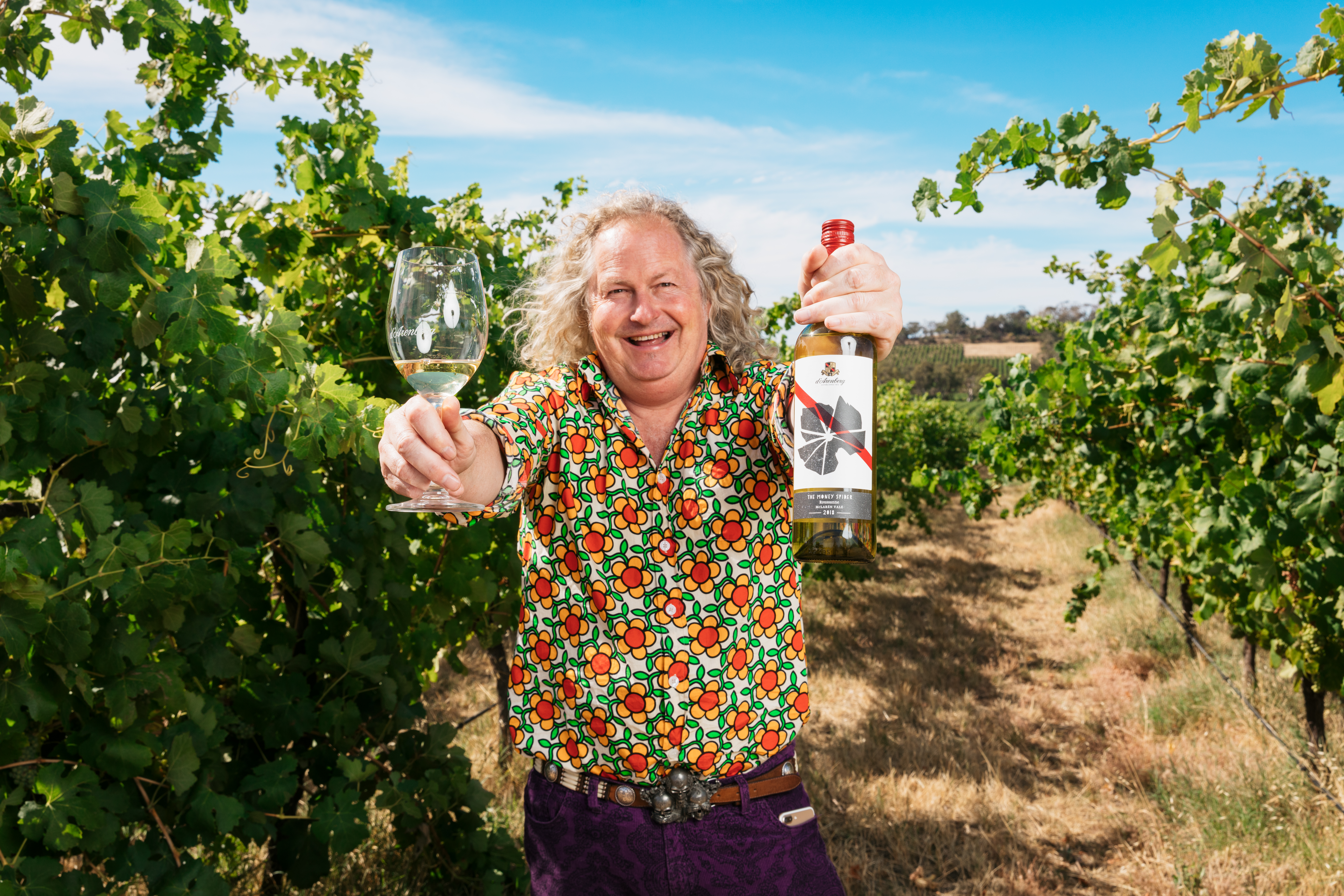
© Photo by d'Arenberg Winery - Winemaker Chester Osborn

© Photo by d’Arenberg Winery – Winemaker Chester Osborn

THE WINEMAKING:
Walking the vineyard rows and tasting grapes, Chester Osborn classifies and determines the ideal picking time for each individual vineyard. Small batches are crushed in the Demoisy open-mouthed, rubber toothed crusher and then transferred to five-tonne headed-down open fermenters. These batches remain separate until final blending. Foot treading is undertaken two thirds of the way through fermentation. When tannin extraction is just right the wine is basket pressed and transferred to a mixture of new and used French and old American oak barriques to complete primary and secondary fermentation. The barrel ferments are aged on lees to keep the wine fresh while also reducing the oak influence. There is no racking until final blending. Chester and the winemaking team undertake an extensive barrel tasting process for the ‘Amazing Sites’ range and only the best shiraz blocks from each vintage are selected.

CELLARING POTENTIAL:
The youthful exuberance and purity offers itself up for relatively early consumption (in Dead Arm terms that is). However, the lovely balance between acid and tannin along with the depth of fruit promises greater things to come. Watch patiently as the earthy vineyard expression grows with time. This wine will reach its full potential with bottle age up to at least 20 years. The considerable structure and depth will ensure that the fruit characters will develop over time revealing more complexity. This wine is best stored in an environment free of direct sunlight and with consistent temperatures between 10°C and 15°C.

ABOUT D’ARENBERG:
Since 1912 the Osborn family have tended vineyards in McLaren Vale, South Australia. It is one of the undisputed kings of Australian Shiraz and other Rhone varieties that have historically defined the region. A century on, their vineyards have grown to some 450 acres in McLaren Vale, including Shiraz dating back to d’Arenberg’s first plantings in 1912, and nearly one-third of McLaren Vale’s old bush-vine Grenache. Today fourth generation family member, Chester, makes distinctive wines using traditional methods both in the vineyard and the winery. Recently, Chester has converted all of the family’s vineyards to organics and biodynamics and moved to solar energy in the winery. All the while, in terms of winemaking, not much has changed – all the wines are basket-pressed, the reds foot-trodden during fermentation; everything is done in small batches, leading to an impressive array of bottling every year, each showing a different facet of McLaren Vale terroir. Having been inducted into Wine & Spirits Magazine’s Hall of Fame for earning place on its Top 100 Wineries nine times, this accolade is a reflection of d’Arenberg’s revered reputation worldwide. To learn about the history of d’Arenberg, click here.


Bold wine Style logoSteyning-cabernetPenley Estate
2014 Steyning Cabernet Sauvignon
Coonawarra, Australia

BOLD WINE STYLE

The 2014 Steyning is an excellent example of a Coonawarra Cabernet Sauvignon. It has a concentrated aroma of leather, olive, dark blueberries and plum. The densely concentrated fruit is supported by cedar French oak, and is a wine of complexity and length bolstered by brooding savory tannin. Drink fantastically now, or well into the future. Suggested to decant before drinking.

Analysis: 15% alcohol / volume
Varietal: 100% Cabernet Sauvignon
pH:
3.54
Titratable Acid:
6.74 g/L

© Photo by Penley Estate

© Photo by Penley Estate of Hans

Viticulture:
Hans is a natural in the Vineyard. He’s a Viticulturist and a Geologist who has always been keen to understand the interaction between the vine and its own local geology. A visit to Portugal’s Douro Valley helped him realize his two fields of knowledge were a perfect match and since then Hans has been busy applying his geological mapping skills to the mapping of vineyards around Penley Estates. Hans’ aim is to always identify the small parcels of fruit in each vintage that will enable their winemakers, Kate and Lauren, to bring the ‘season to your glass’.

Winemaking:
Kate is one of Australia’s best contemporary winemakers. Wineries such as Wirra Wirra (McLaren Vale), Tim Kanppstein (Clare Valley), Seppelt (Great Western), Punt Road (Yarra Valley) have all benefited from Kate’s brilliance. There is no denial of talent and absolute harmony when it comes to Kate and the winery, which the Penley Estate has witnessed each year since she started in 2016.​ Her investment in Penley is what has fed their evolution into creating some spectacular contemporary varietals. Coupled with the addition of winemaker, Lauren Hansen, it’s as though Penley Estates have taken an almighty breath of fresh Coonawarra air. Learn more about their team here.
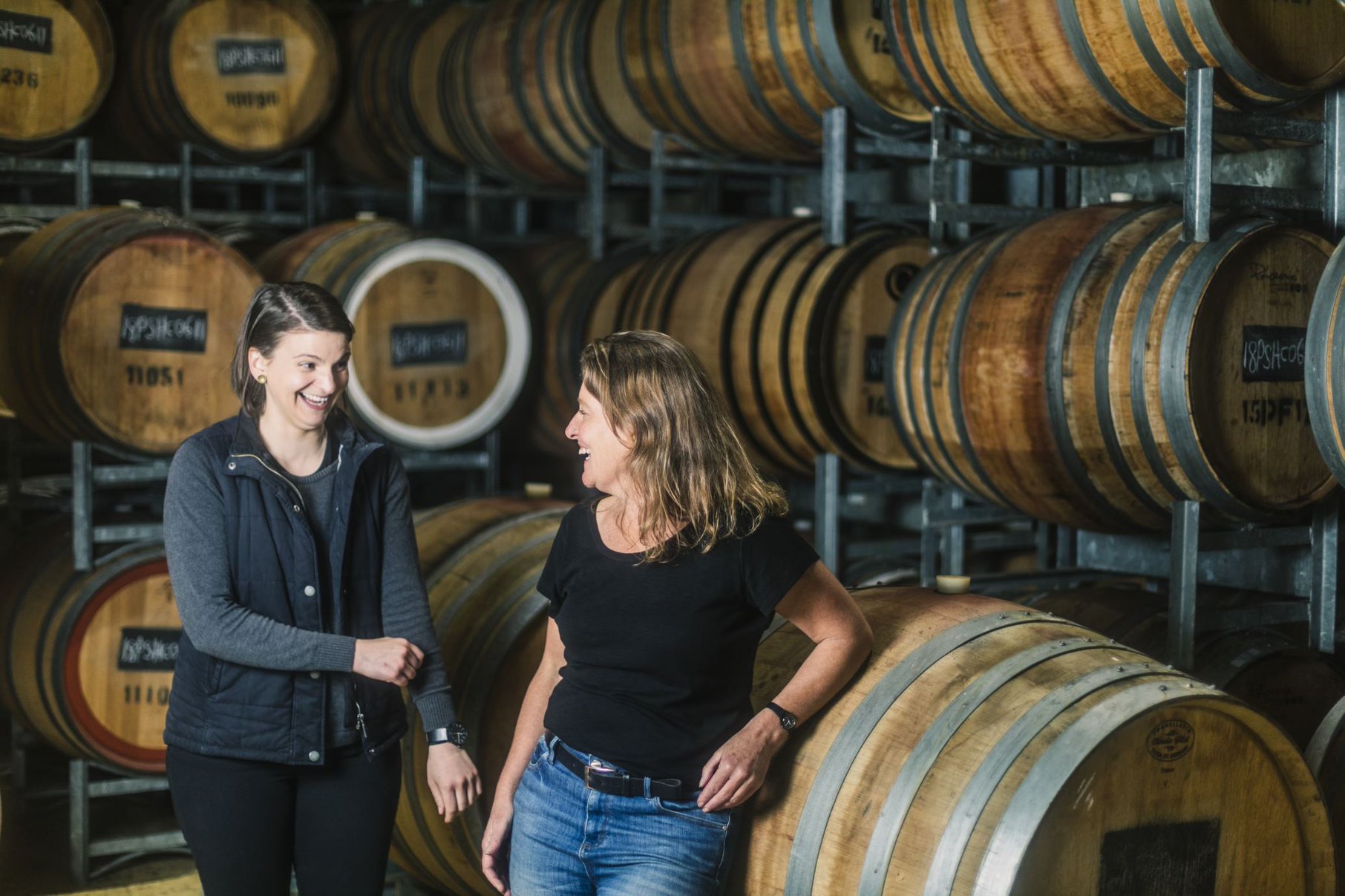
Penley Estate_Kate Goodman and Lauren Hansen

© Photo by Penley Estate – Winemakers Kate Goodman and Lauren Hansen


About Penley:
The Penley Estate wine-making history dates back to 1844, but it really began with a red sports car in 1945. It was a collision of hearts and minds, a collision that had been 100 years in the making – refined and distilled from two pioneering winemaking families When Reginald Lester Tolley rolled up to a function in his red sports car, Judith Anne Penfold Hyland was suitably impressed by the car and rather taken by the man behind the wheel. Sparks flew, romance blossomed and Penley was conceived (as a business name) in 1947 after Reginald and Judith married. However, it wasn’t until 1988 that the Penley name came to life, when the children of Reginald and Judith decided to create their own wines and put a label on tradition. They bought a plot of land in Coonawarra, planted cabernet grapes and called it Penley Estate. In 1995, they built a winery at Penley Estate – a full on, all the bells and whistles, impress me with your red sports car winery. Their reputation had grown by then, and it made sense to have everything on site. They planted more vineyards, added some Shiraz to the Cabernet, and increased their range of wine, producing classic Coonawarra reds that were full-bodied, to be kept and savored. To learn more about the history of Penley Estate, click here.

“Our history is a rich mix of endeavor, passion and vision with a touch of scandal and madness thrown in for good measure. We could write a book about it. Instead, we’ll leave you with the words of our glamorous mother; words that we hope you’ll taste in every bottle of our contemporary Coonawarra wine… ‘Grow up and be fascinating.'” – Ang and Bec Tolley


Love to collect amazing wines? 
Learn more about our quarterly Collectors Club > click here
Collectors Wine Club


January Sweet Club

Sweet Wine ClubAntech EspritAntech
Esprit de Bulles
Limoux, France

NECTAR WINE STYLE

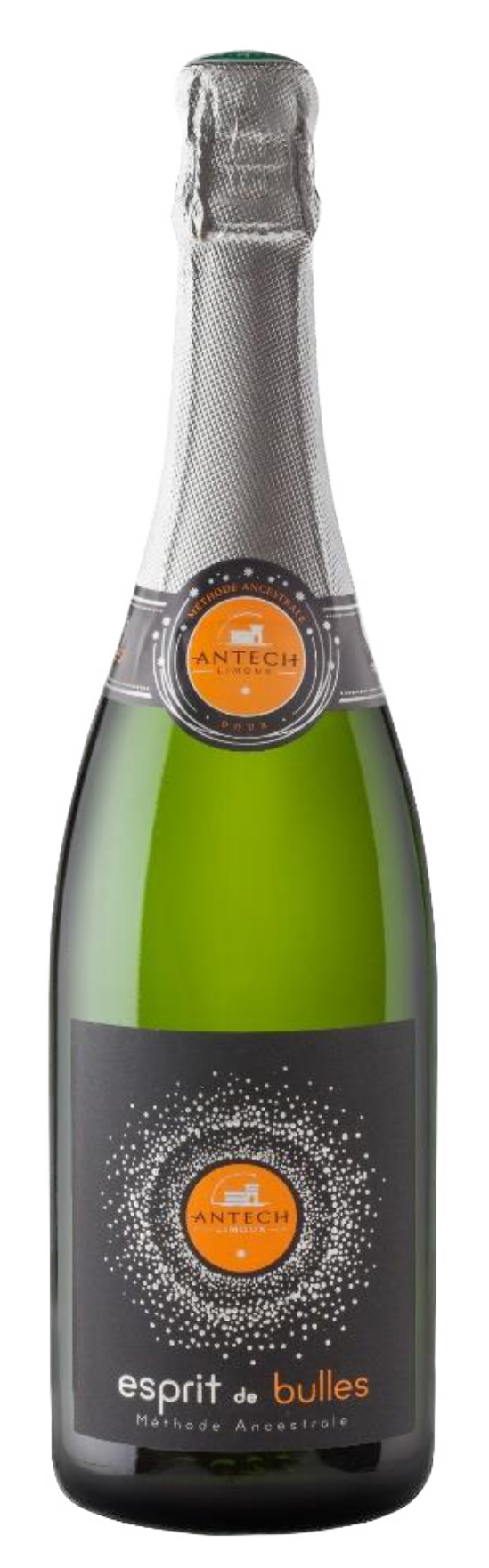
This Cuvée offers a unique taste and is a local symbol, allied to traditions and history of Limoux. Its straw yellow color with swirling bubbles and sparkling reflections is already a call to party. The palate is lively with the sensation of biting into apples and grapes. Honey, scents of acacia and very ripe pear notes bring softness and voluptuousness. Serve chilled at 41- 43 °F. 

Food Pairing Recommendations: Its lightness and freshness are ideal as an aperitif or to accompany desserts with apples, pancakes, fruit pies and French King cakes.

WineStyles’ Wine and Cheese Pairing: Sweet wines from our ‘Nectar’ section pair well with an herbal cheese, such as a gorgonzola. Learn more about our wine and cheese pairings here.

Analysis: 6.5% alcohol / volume
Varietal: 100% Mauzac
Residual Sugars: 80 g/L
Vinification:
All grapes are handpicked, carried to the fermenting room in cases of at most 660 pounds, and then immediately pressed pneumatically. The juices selected are then fermented in temperature controlled stainless steel vats set at low temperatures. The juices are then fermented until they reach a degree of 5 percent alcohol content. Effervescence is produced by the Méthode Ancestrale using only the natural residual sugars in the juice after the first fermentation in their temperature controlled cellars (57°F) over a 14 week period. Effervescence occurs and the alcohol content rises to 6-7 percent.

ABOUT THE VINEYARD:
Hillsides and terraces have gently sloping clay-limestone soil with Mediterranean climate and an oceanic influence. The vine age is on average 20 to 40 years old and y
ields less than 50 hectares. To move further ahead in their quest for finesse and elegance, the Antech Winery conducts advanced experiments on the vines. In their family vineyard, they try out new methods on their old vine-stocks on the appellation’s highest land — stony, south-facing hillsides nearly 400m above sea level, opposite to the Pyrenees. To learn more about the Antech Vineyards, click here.

© Photo by Antech Winery

© Photo by Antech Winery

ABOUT THE WINERY:
Family owned and independent for six generations, The Antech Estate dedicates itself to the elaboration of Sparkling wines in Limoux’s legendary sparkling area. The Antech Estate distinguishes itself with their distinctive style – from the elegance of its bubbles to the commitment of its action. To learn more about Antech Winery’s history and their team, click here.


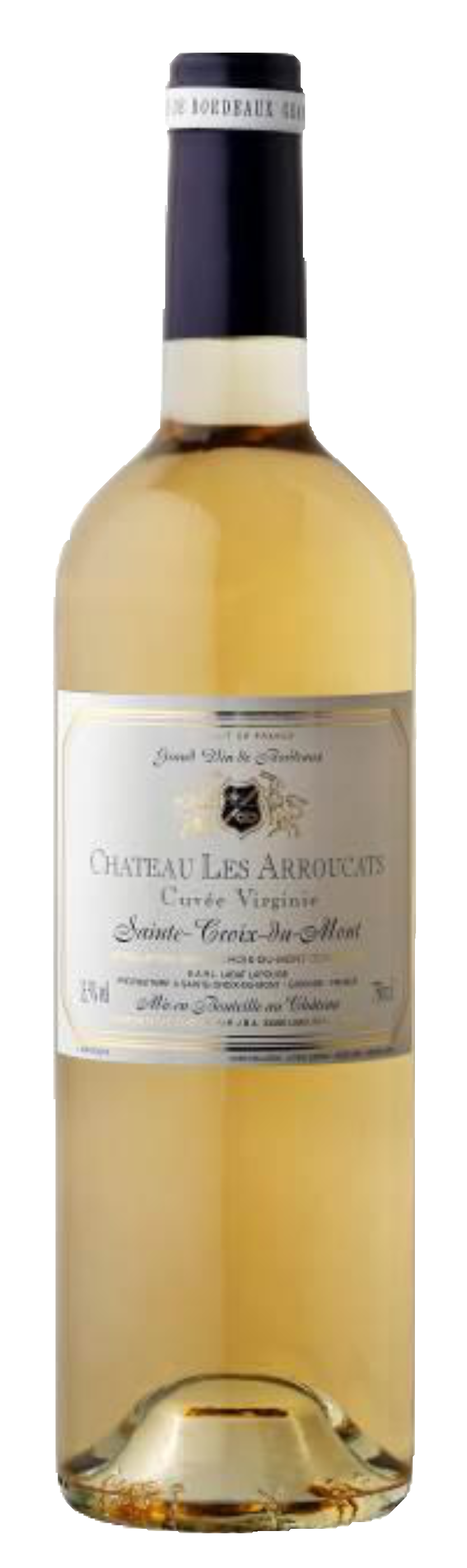
Les_Arroucats_Cuvee_VirginieChâteau Les Arroucats
Cuvée Virginie
Sainte-Croix-du-Mont, France

NECTAR WINE STYLE

A fleshy, powerful, elegant wine with beautiful aromas and a good length. To drink now as an apéritif, with fat liver, poultry or apricot tarts; or to lay down for 5 years.

WineStyles’ Wine and Cheese Pairing: Sweet wines from our ‘Nectar’ section pair well with an herbal cheese, such as a gorgonzola. Learn more about our wine and cheese pairings here.

Analysis:
13.5% alcohol / volume
Varietal: 87% Sémillon, 10% Sauvignon, 3% Muscadelle
Harvesting: Hand picked by successive sorting 
Yields: 35 hl/ha
Winemaking: Traditional winemaking in cement and stainless steel vats
Aging: In vats during one to two years
Annual Production: 20,000 bottles per year for this cuvée

ABOUT THE VINEYARD:
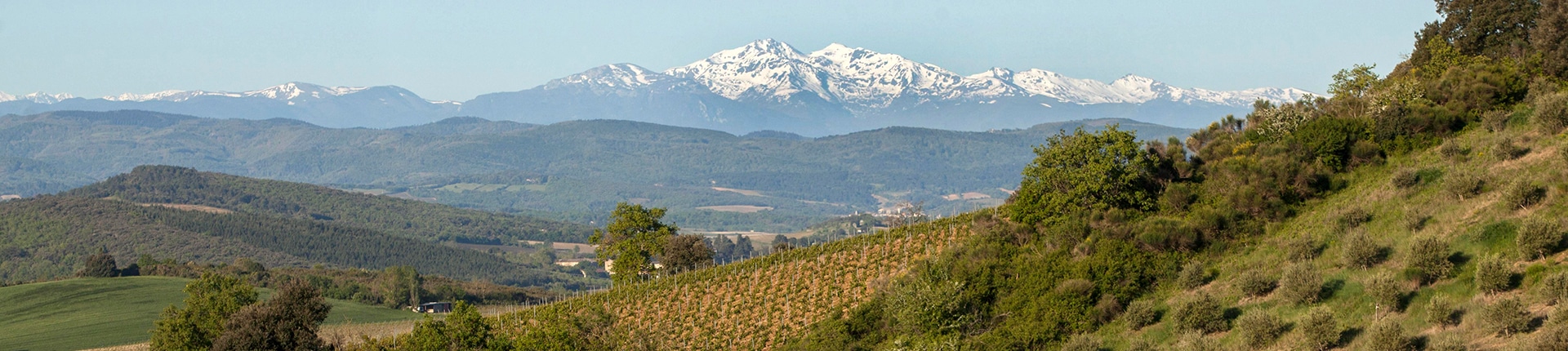
The Vineyard sits on about 22 hectares of land. The soil is on a panoramic plateau composed of fossilized oysters, located at 110 meters from the sea – called Clayey-calcareous soils. The average age of the vines is about 40 years old.

ABOUT THE WINERY:
Located in the district of Sainte Croix Du Mont, the estate was created after the war by Mr. Labat. From 1990 to 2000, his daughter, Annie Lapouge committed to develop and modernize the estate. Annie’s daughter, Mme Virginie Barbe now runs the estate.

Love the Sweet life?
“Wine” not try our Sweet Club! 

Click here to learn more >

Sweet Club

December Cheese Club: Iowa

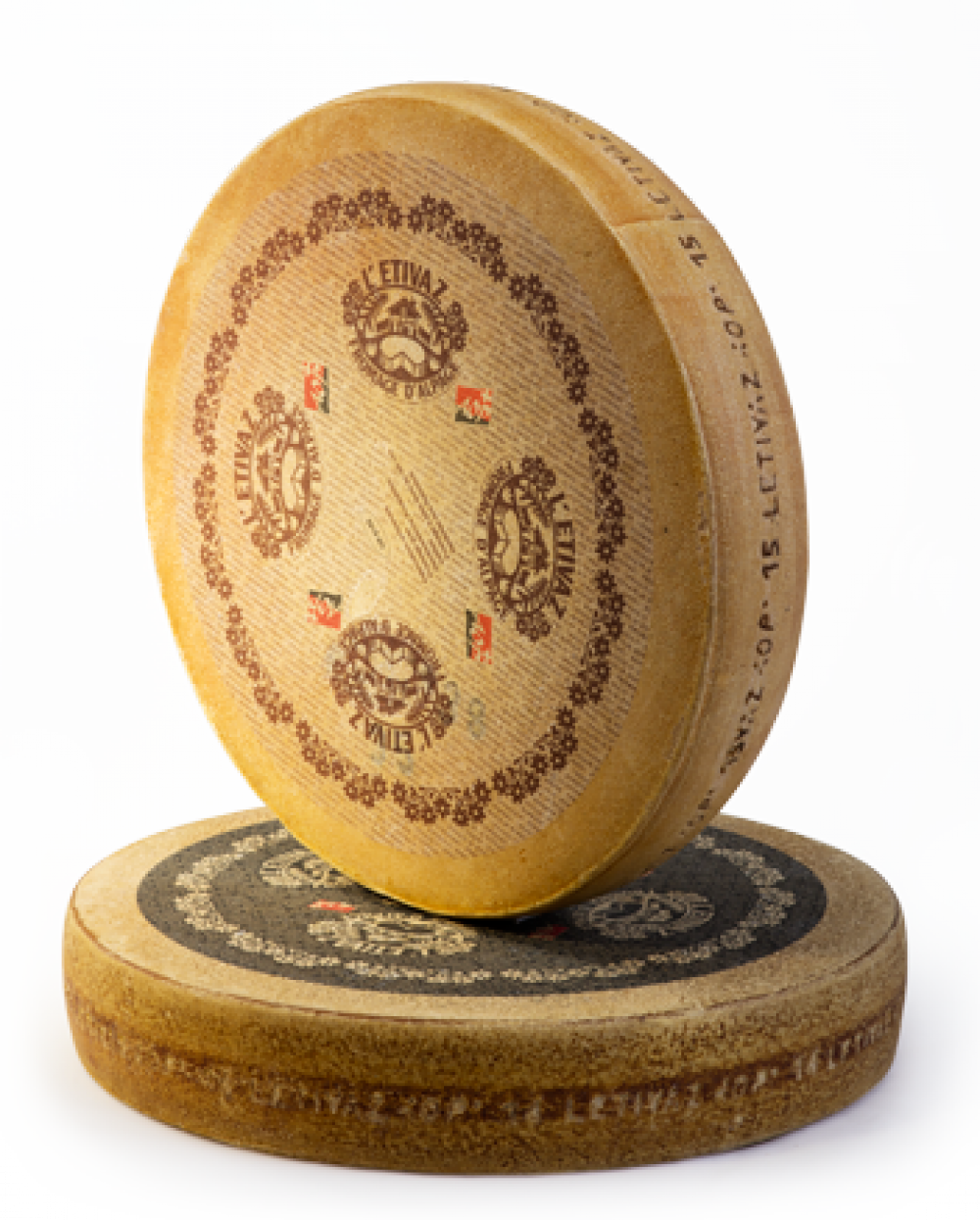
Cheese Clubletivaz-cheeseGenillard Philippe and Marianne L’Etivaz AOP Ormont-Dessus, Switzerland

L’Etivaz AOP is a hard alpine cheese produced by hand in over 100 creameries in the Vaud Alps between May and October using raw milk, under an open fire and the traditional recipe. The long ripening process brings out the rich, powerful aromas which come from the large amounts of herbs the cows consume. This is an excellent dessert cheese, fondue, or cheese that will compliment many cuisines. Members will enjoy two distinctive varieties of the L’Etivaz AOP, both a floral and onion style. WINE & CRAFT BEER PAIRING: When pairing wine with this cheese, reach for a Crisp Chardonnay, a Fruity Barbera d’Alba, or a Fruity Pinot Noir. For beer, grab something light and crisp, such as a Hard Cider. WINESTYLES: Crisp or Fruity BEERSTYLES: Crisp and Clean PRODUCTION: The Alpine pastures are situated at an altitude of between 1,000 to 2,000 meters. The raw milk comes from cows which graze on the natural pastures of the Vaud Alps and Alpine foothills. It is these pastures, rich in wild flowers, that create the aroma and provide the unique flavor of L’Etivaz AOP. To make the cheese, the milk from the evening milking is stocked in churns until the following morning, when the cheesemaker skims off the cream with a ladle. The evening milk and morning milk are then poured into a copper cauldron. The milk, enriched with lactic bacteria obtained from the production center itself, is gently heated to 89.6°F over a wood fire. The cheesemaker then adds the rennet, which consists of natural enzymes extracted exclusively from the abomasum of young calves. After stirring the milk for a few minutes the cheesemaker stops the mixer and allows the milk to rest so that it can curdle. The cheesemaker then stretches a cheesecloth on a rod, slides it under the curds and lifts out the cheese mass which he then puts into a mould and presses. The wheel of cheese thus formed must subsequently be turned over several times. The producer then puts the L’Etivaz AOP casein mark on it as well as his initials in order to be able to guarantee traceability. The wheels remain in the press until the following morning. Weighing between 33 and 84 lbs., the wheels are rubbed with cheese dairy salt and kept at the alpine production center for a maximum of 7 days. For more information, click here.    

Monthly Cheese ClubDon’t let your Wine Club go home alone! Join our Cheese Club and bring home a match made in heaven!

If you enjoy pairing cheese with wine, this is your club!  Each month you’ll discover specialty and artisan cheeses to pair with your Wine Club. Monthly cheese selections are chosen by your local WineStyles participating location. It’s the perfect opportunity to Taste, Learn and Enjoy® amazing artisan cheese every month! Only $19.99/month and your wine won’t be lonely!  Click to learn more >

December Sweet Club

Sweet Wine ClubKiona Red Mountain Ice WineKiona Vineyards
Chenin Blanc Ice Wine
Red Mountain AVA
Washington

NECTAR WINE STYLE

While the Red Mountain AVA is known for big, powerful red wine, it’s also an exceedingly good place to grow white varietals. The Kiona Estate Vineyard has four acres of Chenin Blanc planted in a depression, ensuring a consistent freeze year-in, year-out. We don’t pick Ice Wine until the grapes are naturally frozen in the vineyard, typically picking in the early morning hours before the sun rises.

Ice Wine is one of the world’s most elusive and delicious elixirs. Kiona prefers to use Chenin Blanc, a varietal that allows for robust acidity and intense green and tropical fruit flavors. Kiona’s philosophy with this wine is to emphasize acidity over outright sweetness, a tactic that ensures a balanced, crisp wine that dances on the tongue.

Food Pairing Recommendations: Ideal with fruit desserts, including pastries and tarts.

WineStyles’ Wine and Cheese Pairing: Sweet wines from our ‘Nectar’ section pair well with an herbal cheese, such as a gorgonzola. Learn more about our wine and cheese pairings here.

Analysis:
9% alcohol / volume
pH: 3.26
TA:
8.63 g/L
Residual Sugars: 175 g/L
Vineyard Source: 100% Kiona Estate, Red Mountain, Washington
Vineyard Blocks Planted: 1976, 1983
Varietal Composition: 100% Chenin Blanc
Winemaking: 100% Stainless, 31.3º Brix @ Harvest

PRODUCTION: Heat accumulation tracked slightly behind the previous vintage on Red Mountain. Bloom occurred slightly ahead of historical averages, and during ideal weather conditions. Crop loads were heavy going into the summer, resulting in the need to perform additional thinning. Weather during harvest (September-October) was ideal. It’s a stellar high acid and high sugar vintage.

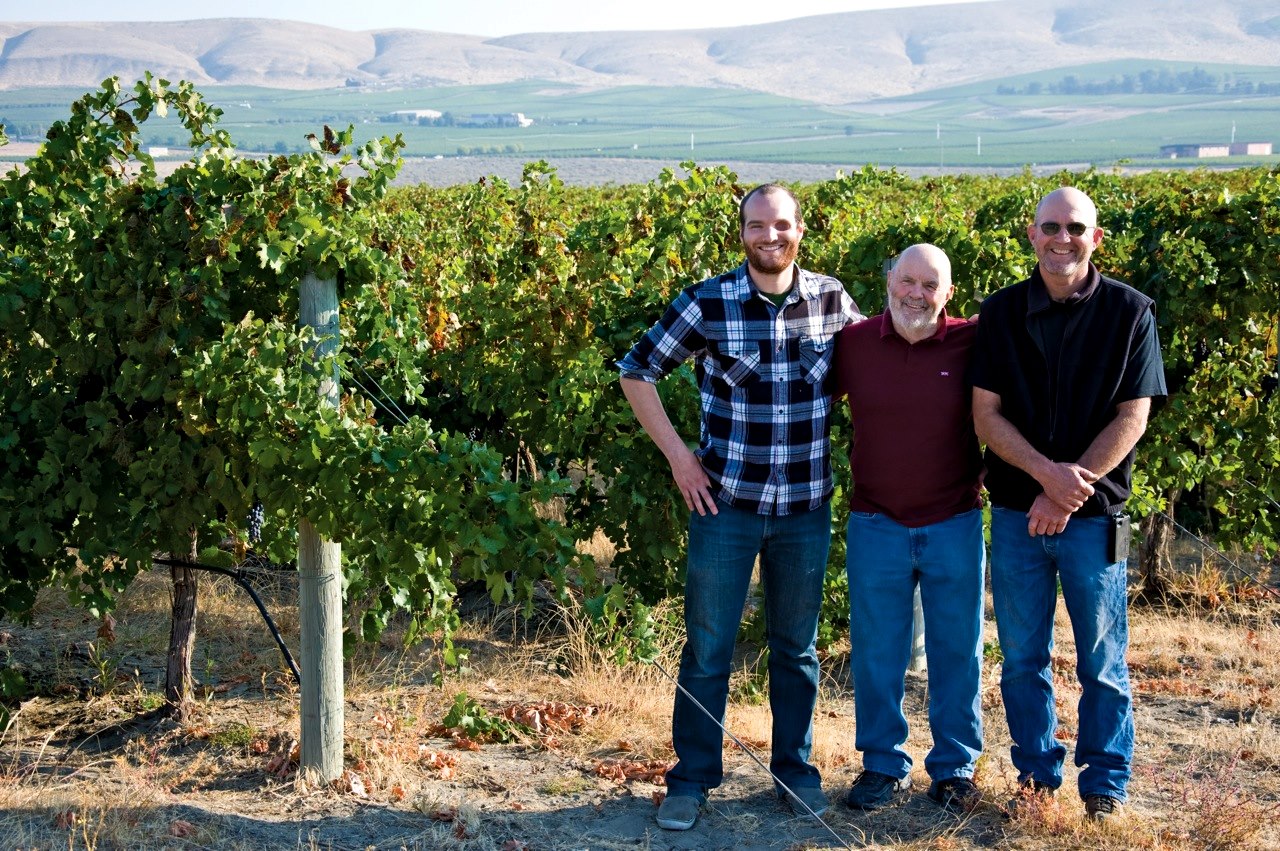
Photo by John Vitale of Washington Tasting

Photo by John Vitale of Washington Tasting Room Magazine


ABOUT THE VINEYARD:
While Red Mountain is known for big, powerful red wines, it’s also an exceedingly good place to grow white varietals. The Kiona Estate vineyard has four acres of Chenin Blanc planted in a depression, increasing the likelihood that we are able to produce Ice Wine. They don’t pick the grapes until they are naturally frozen in the vineyard, a process that concentrates the sugar and flavor to unprecedented levels.

ABOUT THE WINERY:
In 1975 John Williams and Jim Holmes’ families planted the first vineyard on Red Mountain, an area now known for producing some of the world’s most powerful, opulent wines of distinction. For three generations their families have worked side by side, hand in hand to craft exciting, vineyard-driven wines that capture the essence of Red Mountain. Learn more about Kiona Vineyards here.

Love the Sweet life?
“Wine” not try our Sweet Club! 

Click here to learn more >

Sweet Club

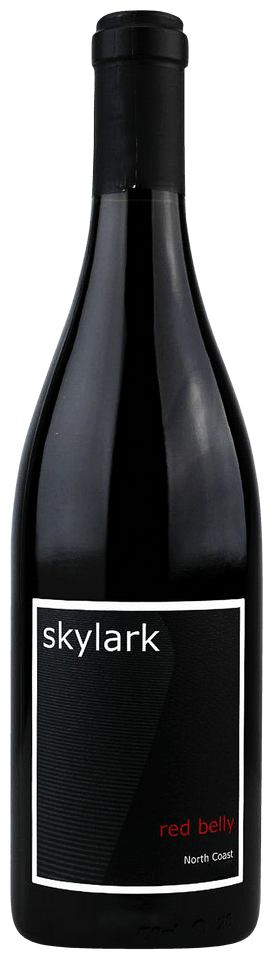
Skylark Red Belly

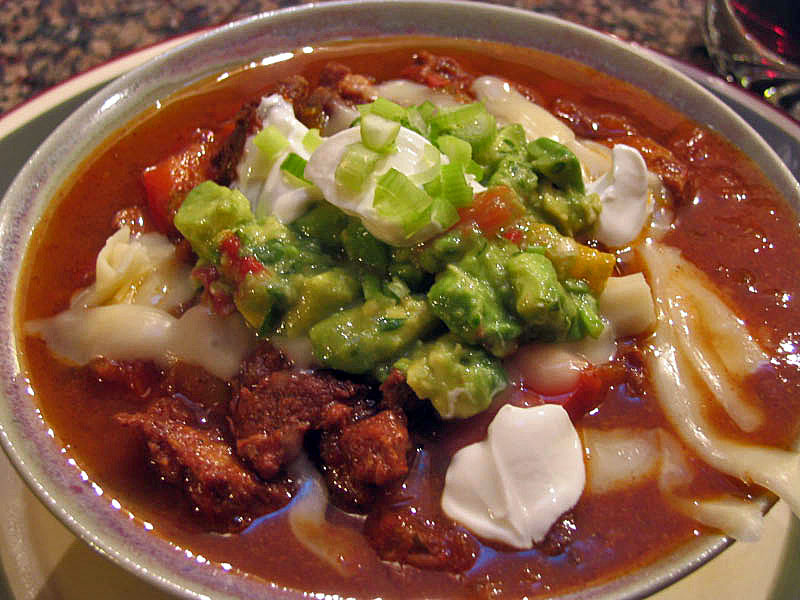
Down Home Dig-in Chili

© Bewitching Kitchen

© Bewitching Kitchen

INGREDIENTS:

  • 1/4 cup vegetable oil
  • 2 medium onions, finely chopped
  • 2 green bell peppers, chopped
  • 1 celery stalk, chopped
  • 2 garlic cloves, minced
  • 2 1/2 lbs stewing beef, chopped
  • 2 lbs pork shoulder (Boston butt), chopped
  • 4 cans (14 1/2 ounces) stewed tomatoes, drained, liquid reserved
  • salt and pepper to taste
  • 1 bottle pale ale (12 ounce)
  • 7 Tbsp chili powder
  • 4 jalapeno chilies, seeded
  • 1 tsp cayenne pepper
  • 1 tsp cumin
  • Hot pepper sauce (Tabasco type), to taste

DIRECTIONS:

  • Heat the oil in heavy large pot over medium heat. Add finely chopped onions, bell peppers, celery, and garlic and sauté until onions are translucent, about 10 minutes. Remove vegetables using slotted spoon and set aside.
  • Increase heat to high. Add beef and pork; sprinkle with salt and pepper. Cook until browned, stirring frequently, about 10 minutes. Return vegetables to pot. Add tomatoes, ale, chili powder chilies, cayenne and cumin. Reduce heat, cover partially and simmer 2 hours, adding reserved tomato liquid if chili appears dry. Taste and adjust seasoning with salt and pepper. Uncover and simmer until thickened and meat is tender, 2 more hours.
  • Season chili with hot pepper sauce. Serve with green onions, cheddar cheese, avocado and sour cream.
  • © Photo courtesy of Bewitching Kitchen; Recipe from Bon Appétit, 1988

DECEMBER WINE CLUB:

Mellow style logoSkylark Red BellySkylark Wine Company
Red Belly

North Coast, California

MELLOW WINE STYLE

Purple in the glass. Aromas of black cherry, plum, black licorice and a violet floral top note completes the engaging and complex nose. The red and black fruits on the palate turn creamy, silky and supple; as the medium-bodied palate is polished with lovely fruit viscosity buffered by inner mouth perfume. This is an eminently drinkable vintage for Red Belly, enjoyable now and for the next decade.

Red Belly is Skylark’s ode to the South of France where blending varietals to create a unique synergy is the way of life. Blending compatible varietals together is a centuries old tradition, and the Skylark team loves the challenges and complexities that come with that tradition. The Red belly is comprised of 40% Niemi Vineyard Carignane, 36% Ashurst Vineyard Syrah and 24% Sawyer Vineyard Grenache. Each varietal is fermented separately, then after secondary fermentation in barrel, the cepage is finalized after multiple blending sessions. The goal for Red Belly is juicy fruit, integrated tannins and early accessibility with mid-term aging potential. Skylark has definitely have achieved that here.

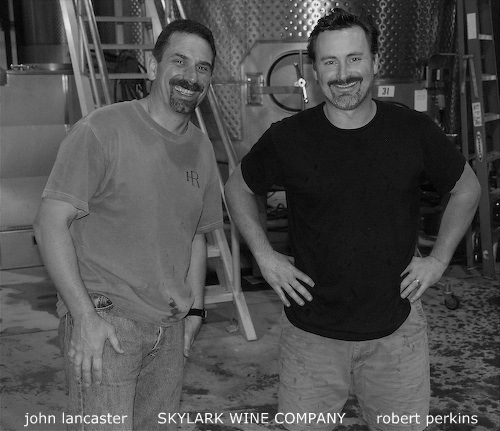
John L and Robert P

Photo by Skylark Wine: John L. and Robert P.

Varietal: 40% Carignan, 36% Syrah, 24% Grenache
Analysis:
14.5% alcohol / volume
pH:
3.61
TA: 6.2
Aging: Native yeast vinification of individual varietals in neutral French oak

Harvested: Hand-picked
Vineyards: Niemi Vineyard – Ashurst Vineyard – Sawyer Vineyard
Produced: 37 barrels – 925 cases

“While we continuously explore the fertile California landscape for red wine vineyards that excite us, our current releases are native to the Rhone Valley in France. Our single vineyard Syrahs are inspired by the Northern Rhone wines of Cote Rotie and Hermitage. Our Grenache is reflective of the great wines produced in the south of France in tiny villages such as Chateauneuf-du-Pape. We love the style of these wines and have discovered vineyards in Northern California that allow these varietals to truly shine.”

Wine club logoJoin our WINE CLUB and enjoy these amazing wines and pairing recipes each month. Plus, you’ll receive 10% off all retail wine purchases!

Learn about our Memberships >

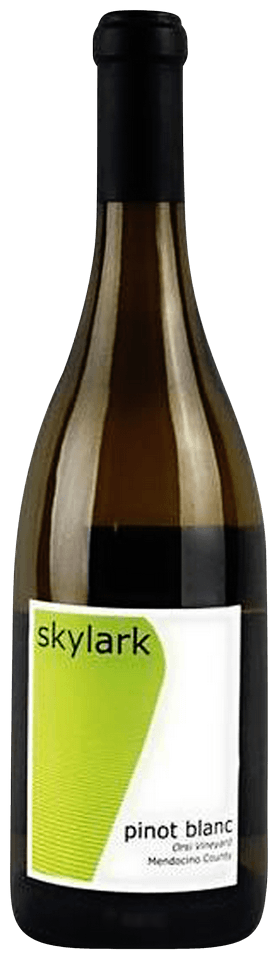
Skylark Pinot Blanc

Creamy Lemon Pappardelle with Scallops

Creamy Lemon Scallop Pasta

© Spices in my DNA

INGREDIENTS:

For the scallops

  • 1 pound jumbo scallops, side muscle removed
  • small drizzle of olive oil
  • 1/2 tablespoon unsalted butter
  • salt and pepper to taste
  • squeeze of lemon

For the pasta

  • 9 ounces pappardelle pasta
  • 2 tablespoons unsalted butter
  • 1 tablespoon olive oil
  • 2 cloves garlic, minced
  • 1/4 – 1/2 cup reserved pasta water
  • 4 ounces mascarpone cheese
  • 1/2 cup ricotta cheese
  • 1/3 cup finely grated parmesan cheese, plus extra for serving
  • zest of 1/2 a lemon
  • 2 tablespoons chopped fresh basil, plus extra for serving

DIRECTIONS:

For the scallops

  1. Make sure scallops are super dry, pat down thoroughly with paper towels until they’re dry. Season with pepper (no salt yet). Heat a nonstick skillet over medium-high heat. Add a small drizzle of olive oil and the butter. Once melted, wipe out the pan so that only a thin layer of oil and butter remain. Sear the scallops on one side for about 2 minutes, or until a golden brown crust forms. Flip and sear on the other side for 1 minute or until just cooked through. Season with salt and a squeeze of lemon.

For the pasta

  1. Bring a large pot of water to a boil for the pasta. Salt the water generously. Once boiling, add the pasta and cook until al dente. Be sure to scoop out the pasta water during the last few minutes of cooking, or right before you drain it.
  2. Heat a large skillet over medium-high heat. Add the butter and olive oil. Once melted and hot, add the garlic and sauté for 30 seconds to 1 minute until fragrant, stirring constantly. If it seems too hot, reduce the heat to medium (you don’t want the garlic to brown). Add the reserved pasta water (start with 1/4 cup), mascarpone, ricotta, parmesan, and lemon zest, and stir until melted and creamy. Add the pasta and toss until coated. If the sauce seems too dry, add another splash of pasta water and toss until desired consistency is reached. Add the chopped basil and toss again. Season to taste with salt and pepper. Serve the scallops over the pasta, and garnish with extra fresh basil and parmesan. Enjoy!

© Recipe from Spices in my DNA

DECEMBER WINE CLUB:

Silky styleSkylark Wine Company
Pinot Blanc
Mendocino County, California

SILKY WINE STYLE

Light straw yellow in color. High-toned aromatics of lime peel, roasted lemon, Granny Smith apple and a complicating note of pebbled soil. Intense and penetrating on the palate, the flavors follow through with the roasted lemon and green apple enlivened by natural acidity. Deftly light and concentrated at the same time, with the crunchy fruit streaming into a palate-staining finish.

One of Skylark’s oldest vineyard sources is Bernie Orsi’s Pinot Blanc outside of Hopland in Mendocino, California. Originally planted by John Fetzer in the 1970s, John and Robert walked through the oldest block of this site in 2005. Impressed by the thick, stubby trunks and gnarled old vines, they signed on to purchase that section for harvest 2005.  They have now grown production to almost the entire vineyard for Skylark’s Pinot Blanc bottling. After picking, the fruit is whole cluster pressed into a tank, then racked to Mueller stainless steel barrels for fermentation. Stirred the lees once, blocked malolactic fermentation and bottled with a light filtration. No doubt, this vintage of Pinot Blanc will brighten your day.

John L and Robert P

Photo by Skylark Wine: John L. and Robert P.

Analysis: 13.2% alcohol / volume
pH: 3.28 g/L
TA: 7.1
Aging:
Whole cluster pressed and vinification in multiple stainless steel 75gl barrels

Harvested: Hand-picked
Vineyard: Orsi Vineyard
Cases Produced: 800

“To reflect our palates, the portfolio at Skylark includes crisp, flavorful, aromatic white wines and full-bodied, rich, spicy red wines. As we have long admired the beautiful white wines produced in Alsace and Austria, our Pinot Blanc is a California rendition of a classic European varietal.”


Wine club logoJoin our WINE CLUB and enjoy these amazing wines and pairing recipes each month. Plus, you’ll receive 10% off all retail wine purchases!

Learn More >