September Sweet Club

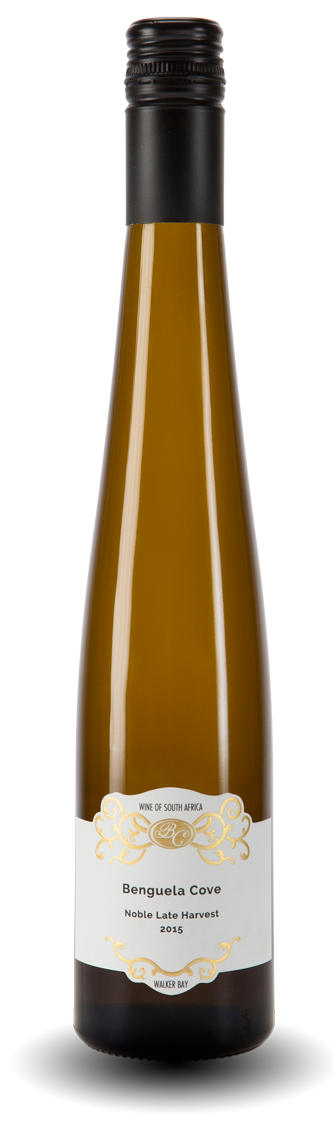
Sweet Wine ClubBenguela Cove - Noble Late HarvestBenguela Cove
Noble Late Harvest
Hermanus, South Africa

NECTAR WINE STYLE

This wine has a medium straw color with heady notes of honey blossom, orange peel, pineapple and dried peaches. The lovely sweetness of the wine is balanced with a lingering finish while still remaining fresh and crisp on the palate.

Region: Walker Bay, Hermanus, South Africa
Analysis: 9.50% alcohol / volume
Residual Sugar: 190.00 g/L
pH: 3.17
TA: 8/30 g/L
Critical Acclaim: 4.5/5 stars in 2016 Platter’s South African Wine Guide

Food Pairing Recommendations:
Enjoy this versatile liquid gold nectar of the gods on its own or with strong cheeses, figs, pâtés, pastries and desserts. This wine should always be enjoyed well chilled.

ABOUT BENGUELA COVE LOGOON WINE ESTATE:
Benguela Cove Lagoon Wine Estate is a 200 hectare lifestyle farm and exclusive luxury estate situated in Walker Bay, Hermanus. Overlooking the Bot River Lagoon and Atlantic Ocean these unusual maritime conditions ensure that this unique terroir produces outstanding quality grapes.

VINEYARDS:
Benguela Cove’s close proximity to the Atlantic Ocean results in a cooler median daytime temperature and in cool maritime winds that caress the vineyards at night. This favorable climate, use of covered crops and the direction in which the vines face aid in the slow ripening of these grapes.
The Sauvignon Blanc grapes’ exposure to the cool ocean mist helps to create conditions under which botrytis cinerea (noble rot) can flourish, producing grapes of concentrated intensity.
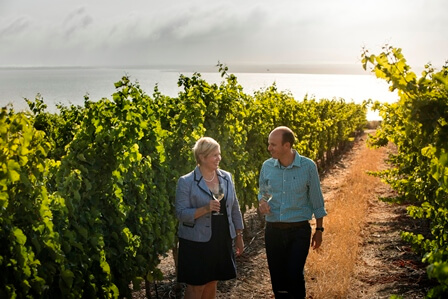
Photo by Benguela Cove Lagoon Wine Estate: Penny Streeter OBE (Owner) & Johann Fourie (Winemaker)


WINEMAKING:
The grapes are harvested, pressed, centrifuged, and then held as a cold juice at 28 degrees Fahrenheit. The juice is fermented at various intervals throughout the year, which allows the wine to remain fresh and delicate throughout the entire fermenting process. The Stella Rosa family uses this technique to capture the fresh flavors of natural blueberry distillates & purées for their Blueberry wine, and an off-dry Rosé, busting with fresh flavors for their Watermelon wine. Both Stella Rosa Blueberry and Watermelon contain natural carbonation. The juice is fermented in Charmat-style, pressurized tanks, and as the alcohol is created, so is the carbonation. Once the desired sweetness is achieved, the wine is centrifuged and bottled. The alcohol level stays at approximately 5% and contains 6-10% residual sugar. Its natural acidity and low pH strike the perfect balance with the wine’s natural sweetness.
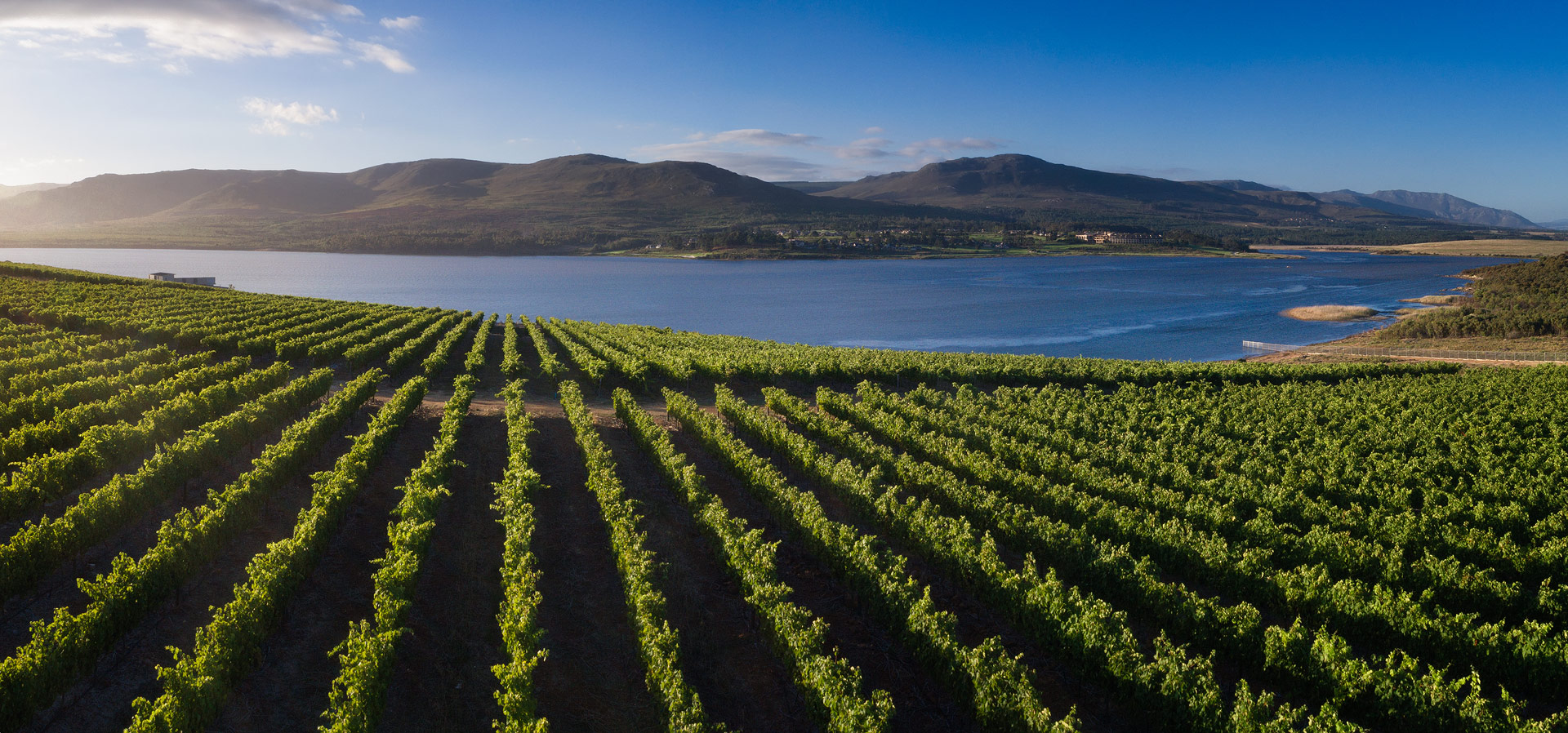
Benguela Cove Vineyard

Photo by Benguela Cove Lagoon Wine Estate

VINIFICATION AND MATURATION:
The botrytis cinerea grapes were meticulously selected and harvested by hand. On arrival at the cellar, further hand selection and sorting of botrytis infected bunches was done. Destemming was followed by 24 hours of cold maceration and thereafter the fruit was pressed several times to extract the highly concentrated juice. After settling, fermentation occurred in both stainless steel tanks and 225-liter French oak barrels (20%) at 16°C. This process took three weeks until the desired sugar/acid balance was reached. Fermentation was stopped by filtration and the wine was then chilled.

VINTAGE:
A cool ripening period, and especially low night temperatures, contributed towards exceptional quality and flavor. The favorable conditions resulted in exceptionally flavorful and intense Sauvignon Blanc with good acidity. The harvest had the earliest start in decades and resulted in one of the best vintages for white wines with above average quality. Warm weather in August resulted in earlier bud break, after which a warm, dry and windy summer kept vineyard growth under control and accelerated ripening by approximately two weeks. The dry weather also led to one of the healthiest seasons in years.

WineStyles’ Wine and Cheese Pairing: Sweet wines from our ‘Nectar’ section pair well with strong cheeses, such as a blue cheese. Learn more about our wine and cheese pairings here.

Love the Sweet life?
“Wine” not try our Sweet Club! 

Click here to learn more >

Sweet Club

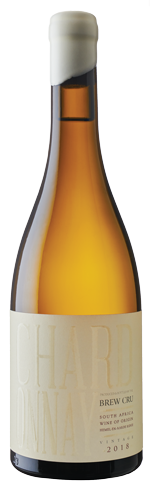
Brew Cru Chardonnay

Asparagus and Bok-Choy Frittata

Asparagus and Bok-choy Frittata

© FoodandWine.com

South Africa is one of the so-called New World wine countries, along with Australia, New Zealand, and the Americas, but its wines best reflect the balance of the European tradition. A South African chardonnay will make a marvelous partner for this Italian-inspired dish.  When making an Italian frittata, don’t limit yourself to traditional ingredients. The Asian flavors that fill this version offer a real change of pace. Cook the eggs on top of the stove or in the oven —but be sure to use moderate heat so they don’t turn rubbery.

INGREDIENTS:

  • 2 tablespoons cooking oil
  • 3 scallions including green tops, sliced thin
  • 1 teaspoon grated fresh ginger
  • 1 clove garlic, minced
  • 1 small head bok-choy (about 3/4 pound), cut into 1-inch pieces
  • 3/4 pound asparagus, tough ends snapped off and discarded, spears cut into 1-inch pieces
  • 3/4 teaspoon salt
  • 9 eggs, beaten to mix
  • 1/4 teaspoon fresh-ground black pepper
  • 1 teaspoon Asian sesame oil

DIRECTIONS:

  • Heat the oven to 325°F. In a medium cast-iron or ovenproof nonstick frying pan, heat the cooking oil over moderate heat. Add the scallions, ginger, and garlic and cook, stirring, until fragrant, about 30 seconds. Add the bok-choy and cook, stirring, until the leaves wilt, about 2 minutes. Add the asparagus and 1/2 teaspoon of the salt and continue to cook, stirring occasionally, until the vegetables are almost tender, about 3 minutes more.
  • Evenly distribute the vegetables in the pan and then add the eggs, pepper, and the remaining 1/4 teaspoon of salt. Cook the frittata, without stirring, until the edges start to set, about 2 minutes. Put the frittata in the oven and bake until firm, about 25 minutes. Drizzle the sesame oil over the top. Serves 4.
  • © Photo and recipe courtesy of FoodandWine.com 

SEPTEMBER WINE CLUB:

Brew Cru ChardonnaySilky styleBREW CRU
Chardonnay
Hemel-en-aarde Ridge, South Africa

SILKY WINE STYLE

Walker Bay, a region known for producing world-class, cool climate wines, is rapidly becoming synonymous with outstanding South African Chardonnay. Its close proximity to the ocean is ideal for the development of lovely lime notes, austere structure and lively acidity. 

This well-balanced wine displays the true characteristics of a cool-climate Chardonnay.  On the nose there is beautiful orange blossom, peach and mandarin with tones of raw almonds. The palate shows great finesses and has subtle hints nougat and toasty notes with a refreshing, lasting and creamy finish.

Appellation: Hemel-en-aarde Ridge, Walker Bay, South Africa
Varietal: 100% Chardonnay
Analysis: 13.9% alcohol / volume
pH: 3.2
TA: 6.6 g/l
Residual Sugar: 2.6 g/l
Aging: 9 months French oak
Critical Acclaim: Reviewed & approved by Doug Frost, Master Sommelier and Master of Wine.

Wine club logoJoin our WINE CLUB and enjoy these amazing wines and pairing recipes each month. Plus, you’ll receive 10% off all retail wine purchases!

Learn More >

South Africa HPF Posmeester Merlot

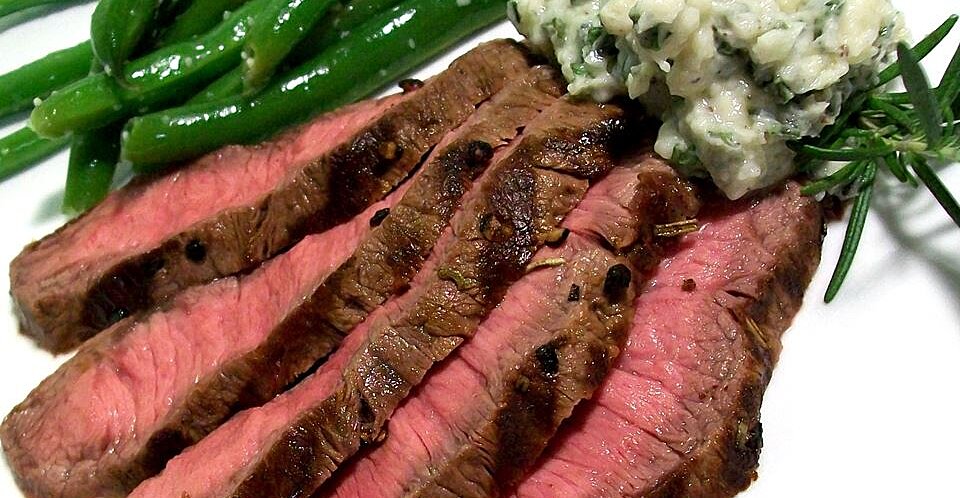
Grilled Flat Iron Steak with Blue Cheese

Grilled Flat Iron Steak

© SunnyBryd

Steaks and Merlot are a sure thing, especially with blue cheese, rosemary, garlic and a hot grill. Your Merlot will be mad for this meal.

INGREDIENTS:

  • 2 tablespoons red wine vinegar
  • 2 cloves garlic, minced
  • 1 tablespoon cracked black pepper
  • 1 teaspoon dried rosemary leaves, crumbled
  • 1 teaspoon dried oregano
  • 1/4 teaspoon kosher salt
  • 1/4 cup olive oil
  • 1 1/2 pound flat iron steak
  • 3 tablespoons softened unsalted butter
  • 1 ounce crumbled blue cheese
  • 1 tablespoon chopped fresh chives
  • 1/8 teaspoon cracked black pepper

DIRECTIONS:

  • Whisk together vinegar, garlic, 1 tablespoon black pepper, rosemary, oregano, and kosher salt in a bowl along with the olive oil. Place the flat iron steak into a resealable plastic bag, and pour the marinade overtop. Squeeze the excess air from the bag and seal. Marinate in the refrigerator 30 minutes.
  • Preheat an outdoor grill for medium-high heat and lightly oil grate. Remove steak from the marinade, shake off excess, and discard the remaining marinade. Allow the steak to stand at room temperature for 15 minutes as the grill warms.
  • Mash together the butter, blue cheese, chives, and 1/8 teaspoon of black pepper; set aside. Cook the steak on the preheated grill to desired degree of doneness, about 5 minutes per side for medium-rare. Allow the steak to rest in a warm place for 10 minutes before slicing thinly across the grain. Serve with a dollop of blue cheese-chive butter.
  • © Recipe courtesy from Kristin at Allrecipes.com

SEPTEMBER WINE CLUB:

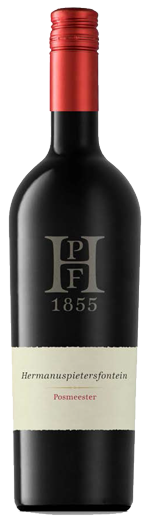
HPF Posmeester MerlotBold wine Style logoHermanuspietersfountein (HPF)
Posmeester Merlot

Walker Bay, South Africa

BOLD WINE STYLE

In the early 1800’s farmers imported a teacher named Hermanus Pieters to teach their children Dutch, the forerunner of Afrikaans. He would be paid in sheep which he grazed at a fountain under the Milkwood trees near the sea. The spot soon became known as Hermanus Pieter’s Fountein (HPF).  In 1855, the village was named after him – Hermanuspietersfontein.  Fast forward 100 years later, a wine cellar baring his name is the longest Afrikaans name for a cellar in the world and using Afrikaans-only wine names.  Operationally, their 350-ton urban winery combines European mindset and gravity concept to minimize handling and intervention in the winemaking process. “Good earth makes better wine” is HPF’s winemaking philosophy, the expression and sense of place is the soul of Sondagskloof.   Sondagskloof is sheltered in a mountainous area, 50 kilometers from the southern tip of Africa and was granted “Ward Status” (ie. AVA) in February 2007.  While the ward comprises of two farms, Hermanuspietersfontein is the only wine producer marketing the Wines of Origin Sondagskloof.

Elegant red blend with an aroma of red and purple fruit such as blueberries and currants.  Milk chocolate undertone and fruit freshness. Lush and juicy palate; supple and full with good length.

Appellation: Walker Bay, South Africa
Varietal: 85% Merlot, 14% Shiraz, 1% Mourvedre
Analysis: 13.8% alcohol / volume
pH: 3.5
TA: 5.35 g/l
Residual Sugar: 2.2 g/l
Aging: 10 months French oak
Critical Acclaim: Reviewed & approved by Doug Frost, Master Sommelier and Master of Wine.

Wine club logoJoin our WINE CLUB and enjoy these amazing wines and pairing recipes each month. Plus, you’ll receive 10% off all retail wine purchases!

Learn about our Memberships >

September Wine Club Pairing Recipe

Red Kuri Squash Soup

© Con Poulos

Red Kuri Squash Soup

  • 1 1/2 pounds red kuri or butternut squash, peeled and cut into 1-inch cubes (3 cups)
  • 1/2 medium onion, coarsely chopped
  • 1 bay leaf
  • 1 medium fennel bulb, cored and cut into thin wedges
  • 1 tablespoon extra-virgin olive oil, plus more for drizzling
  • Salt and freshly ground black pepper
  • 1 tablespoon unsalted butter
  • Chopped toasted pecans and small marjoram leaves, for garnish

DIRECTIONS:

  • Preheat the oven to 375°F.  In a large saucepan, combine the cubed squash with the chopped onion, bay leaf and 3 cups of water and bring to a boil over high heat. Cover and simmer over low heat until the squash is tender, about 20 minutes.
  • Meanwhile, on a large rimmed baking sheet, toss the fennel wedges with the 1 tablespoon of olive oil. Season with salt and pepper and toss well. Roast for about 25 minutes, until the fennel is tender and starting to brown.
  • Discard the bay leaf from the soup. Working in batches, puree the soup in a blender. Return the soup to the saucepan and warm over low heat. Stir in the butter and season the soup with salt and pepper. Ladle the soup into bowls and garnish with the roasted fennel, pecans, marjoram leaves and a drizzle of olive oil.
  • The soup can be refrigerated overnight, reheat gently.
  • Pairs well with strawberry or cinnamon inflected Pinot Noir
  • © Photo by Con Poulos. © Recipe by Alice Waters of FoodandWine.com

SEPTEMBER WINE CLUB:

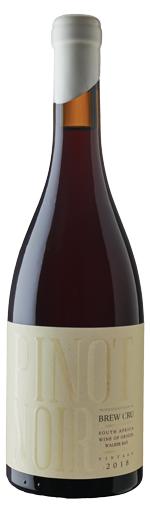
Brew Cru Pinot NoirMellow style logoBREW CRU
Pinot Noir
Cape South Coast, South Africa

MELLOW WINE STYLE

Walker Bay, a region known for producing world-class, cool climate wines, is rapidly becoming synonymous with outstanding South African Pinot Noir. With its close proximity to the ocean, it enjoys cool daytime temperatures that are even lower overnight, particularly during the growing season, resulting in this medium-bodied wine with classic elegance that exhibits both grace and power. 

This elegant wine shows prominent aromas of wild cherries and raspberries with earthy undertones.  It has a finely textured palate with silky tannin and strawberry, making way for slight savory notes, followed by a fresh and vibrant finish.

Appellation: Walker Bay, Cape South Coast, South Africa
Varietal: 100% Pinot Noir
Analysis: 13.4% alcohol / volume
pH: 3.57
TA: 5.63 g/l
Residual Sugar: 2.4 g/l
Aging: 9 months French oak
Critical Acclaim: Reviewed & approved by Doug Frost, Master Sommelier and Master of Wine.

Wine club logoJoin our WINE CLUB and enjoy these amazing wines and pairing recipes each month. Plus, you’ll receive 10% off all retail wine purchases!

Learn More >


Food Pairing Ideas for Goldschmidt Wines

Goldschmidt-Vineyards-Logo

If you’re joining us for the Virtual Wine Tasting event with Nick Goldschmidt on August 12th on Zoom, here are some great food pairing ideas to enhance your tasting experience with Goldschmidt wines.

TIP: Pull white wines out of the refrigerator 30 minutes hour prior to serving so it is closer to wine cellar temperature of 50-58 degrees. Sparkling wines should be served even colder at 40-50 degrees.


Singing Tree ChardonnaySinging Tree Chardonnay
Russian River, California

This Chardonnay is lightly oaked and so fresh, the fruit really shines.  It pairs beautifully with crab or artichoke dip or hummus on soft pita or crispy bruschetta.   Greens with apples, jicama or pears, nuts and vinaigrette made with the wine.  Fish and chicken with less bold/overly spicy sauces to allow the wine to be tasted and not covered up.   Baked brie en croute.  Whole wheat linguine with browned butter panko crumbs, toasted pine nuts, shaved Parmesan & parsley (can add splash of lemon juice garlic, and protein of your choice.)


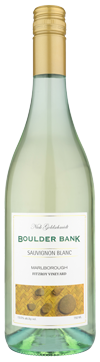
Boulder Bank Sauvignon BlancBoulder Bank Sauvignon Blanc,
Marlborough, Australia

From a dried up river bed vineyard in the Rapaura region, this wine pulls some salinity into the minerality and has a hint of sweetness on the finish.  Tart, slightly sweet and salty combos pair well.  Try with grilled 1/2 fresh apricots with goat cheese, thyme, honey and candied walnuts or baked or grilled prosciutto wrapped shrimp or scallop on dill aioli.  Or try pan seared Walleye with sweet pea risotto and crispy Pancetta.  Spinach pie with Tahini sauce pairs nicely too. Or try a flatbread with roasted/grilled vegetables with feta cheese & lemon miso sauce.  


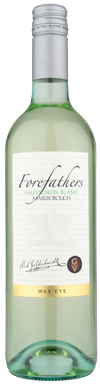
Forefathers Sauvignon BlancForefathers Sauvignon Blanc,
Marlborough, Australia

This wine super aromatic, concentrated and viscous, so it likes a little fat/richness in food to meet it head to head.  Sweetness falls on the mid-palate (like the proteins) and the long finish & racy acidity complements the tartness from cheese and lemon is the perfect finish to pull the wine and the foods together.  Pair with creamy smoked trout (or crab) and corn chowder or a fattier fish such as grilled salmon or sea bass with lemon zest.  Ahi tuna and avocado tartare with salted pita chips.  Chilled Mediterranean grain bowl with chickpeas, kalamata olives, sundried tomato, a bit of red onion, chopped fresh parsley, and feta cheese, with lemon, olive oil and splash of the wine.


TIP: Serve reds lightly chilled (especially for the warm night on the patio)…chill them down for about 30 minutes in the fridge. Average house temp of 70 degrees or higher does not do justice to your red wines. They are at their best when consumed between 55 and 65 degrees.

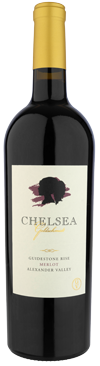
Chelsea Merlot Goldschmidt wine bottleChelsea Merlot,
Alexander Valley, California

Pair with grilled or smoked cherry marinated chicken breast or pork loin. Also yummy with classic Cassoulet, sweet Italian sausage and mozzarella.  Yummy with stuffed grilled Portobella mushroom caps…and always great with a traditional ground sirloin burger or lentil mushroom burger.  Will also pair with lasagna or chili, just be easy on the heat/spice.


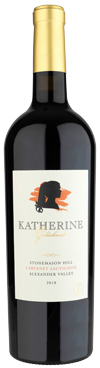
Katherine Cabernet SauvignonKatherine Cabernet Sauvignon,
Alexander Valley, California

With moderate tannins and excellent food acidity, this wine pairs best with sauces that have earthy and herbal characteristics that are typical of Alexander Valley wines. Crispy pork belly, with black cherry Au jus,  Ribeye tips with Gorgonzola sauce, variety of aged cheeses,  wild mushroom gratin, or beef wellington. Or try with short ribs with wine reduction with touch of dark molasses or wild Game Sausage.

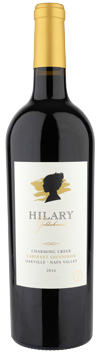
Hilary Goldschmidt wine bottleHilary Cabernet Sauvignon,
Oakville, California  

This wine’s focused and lush tannins on the mid-palate pull it all together…which is why Oakville Cabernet is often considered to be the BEST Cabernet Sauvignon from California by mainstream wine critics and high end consumers.

Pair with traditional seared filet of beef, Osso Bucco, or lamb lollipops with rosemary demi-glaze. Beef Bourguignon. Leaner, rich and tender cuts and most importantly the sauce should not overpower to allow the wine to shine when combined with the food.


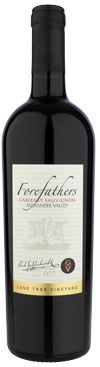
Forefathers Cabernet wine bottleForefathers Cabernet Sauvignon,
Alexander Valley, California

Alexander Valley vineyard is very steep so it is dry farmed, resulting in tiny berries. Small grapes = higher skin-to-pulp ratio and all the flavor in wine comes from the skins.  This wine is just pure, decadent, highly extracted and exotic Alexander Valley Cabernet.  On opening it may seem wound up…it is best to allow it to breathe for a couple hours or give it some air in your glass.  The nose is stunning.  Dubbed  “Your Ribeye Wine” but it is also stunning with a nice little chunk of aged Gouda or 10-year Cheddar.


TIP: Hey not to be Debbie-Downer….though many of us LOVE dark chocolate… this is NOT a true “pairing” for red wine unless it is nearly void of sugar.  The sugar in chocolate desserts completely coats the tongue and overpowers the fruit in the wine, only tasting alcohol in the wine.  Port wines makes a much better “pairing” for chocolate and aged, full flavor cheese is a better dessert offering for red wines. Yes, the chocolate tastes so good with the last wine of the tasting…BUT, please taste and enjoy your reds on their own.  First, get to know the wine and then maybe as you get closer to the bottom of the glass, then pop that chocolate if you must 😉 HAPPY SIPPING EITHER WAY!

Winemaker Virtual Tasting Event on Zoom and Facebook LIVE

Goldschmidt Vineyards

Wednesday, August 12th at 6:00pm CST / 7:00pm EST

Please join us for our August Winery Spotlight tasting event on Zoom, featuring Goldschmidt Vineyards from California.  Our special guest will be Owner and Winemaker, Nick Goldschmidt

Nick will be tasting through 7 different wines from Goldschmidt Vineyards, starting with their Chardonnay, two different Sauvignon Blancs, Merlot, and ending with three different Goldschmidt Cabernet Sauvignons.  Be sure to RSVP at your local WineStyles location or on Eventbrite.  Pre-order your wines in advance at your local participating WineStyles location and taste alongside Nick with a front seat on Zoom!  Or watch on our Facebook LIVE event.

Guest speaker Nick Goldschmidt, Owner and Winemaker

me hi rez

Owner and Winemaker, Nick Goldschmidt

Nick Goldschmidt was born and educated in New Zealand and trained in Australia.  In 1989, after spending 18 months of winemaking in Australia, New Zealand, California and South America, Nick returned to California with an amazing range of winemaking experience.  In 1990, Nick and his wife Yolyn settled down in Healdsburg, California becoming Simi’s Chief Winemaker and then Vice President in 1996.  In 1998 Nick and Yolyn established their own line of wines with the release of Goldschmidt Vineyards and Forefathers, with the goal of focusing on site specific vineyards from around the world. Having produced so many world-class wines around the globe, Nick knew exactly the vineyard sites he would choose for his wines.  The wines are all single vineyards, 100% varietal, handcraft, small production artisan wines. Learn more about Nick’s background here.

Let’s Taste, Learn and Enjoy® together

Contact your local WineStyles to RSVP for this tasting event.

Goldschmidt Vineyards
California

Cheers!

WineStyles.com

Goldschmidt Napa Oakville

August Sweet Club: Iowa

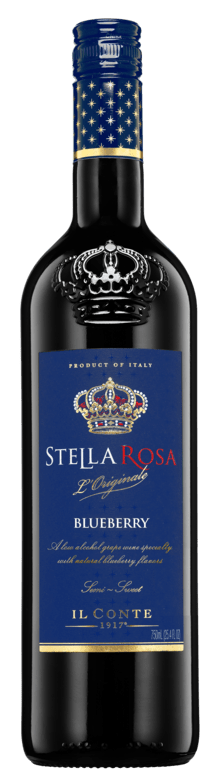
Sweet Wine ClubStella Rosa BlueberryStella Rosa®️ Wines
Blueberry
Piedmont, Italy

NECTAR WINE STYLE

Stella Rosa Blueberry is their winery’s newest flavor, and is a proprietary blend of several red grape varietals. The wine is combined with flavors of natural blueberry distillates & purées, making it undeniably irresistible. Its sweet and succulent blueberry taste will elevate your mood and your wine-tasting expectations.

Region: Piedmont, Italy
Analysis: 5% alcohol / volume

Food Pairing Recommendations: This flavor pairs well with fresh fruits, BBQ chicken, charcuterie, cheesecake, and cinnamon roll coffee cake.

Blueberry Frosé

Photo credit: Stella Rosa Wines

BLUEBERRY FROSÉ
Cool off this summer with a refreshing frosé! Check out this fun way to switch up Stella Rosa Blueberry Wine.

INGREDIENTS:

1 bottle Stella Rosa Blueberry
2 1/3 cups frozen blueberries, divided
¼ cup lemon juice
2 oz. vodka
fresh blueberries (for garnish)

INSTRUCTIONS:

1.Pour wine into ice cube trays and freeze for 6 to 8 hours until almost frozen solid Note: wine will not freeze completely
2. In a blender, pulse together wine ice cubes, vodka, 2 cups frozen blueberries, and lemon juice.
3. Divide frosé among 4 glasses. Garnish with a handful of fresh blueberries and enjoy!
© Recipe courtesy of Stella Rosa Wines

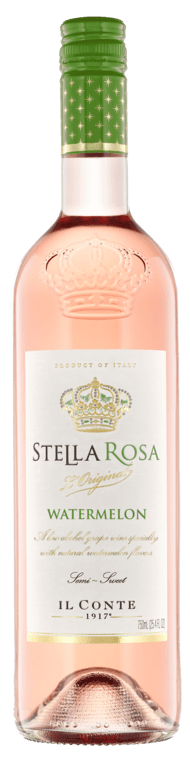
Stella Rosa WatermelonStella Rosa®️ Wines
Watermelon
Piedmont, Italy

NECTAR WINE STYLE

Stella Rosa Watermelon is a new, and exclusive, addition to the winery’s semi-sparkling collection. Featuring a proprietary blend of several white grape varietals, including White Moscato (an indigenous grape variety from Piedmont, Italy), and a touch of Barbera for color. Its crisp, refreshing taste showcases the natural flavors of watermelon, created using a distillation process of Italian fruits grown in southern Italy. The semi-dry character is a perfect compliment to Brunch and light appetizers.

Region: Piedmont, Italy
Analysis: 5.5% alcohol /volume

Food Pairing Recommendations: This flavor pairs wonderfully with light salads, such as Greek or Caesar, as well as salty appetizers like Edamame or Jalapeño poppers. For dessert, you can pair it with coconut cream pie!

Stella Rosa Watermelon

Photo credit: Stella Rosa Wines

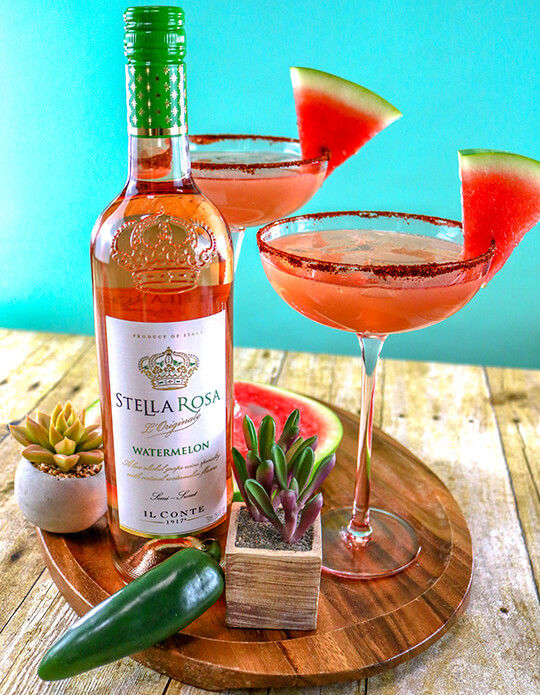
SPICY STELLA ROSA RITA

A little sweet, a little spicy! Try this fun cocktail at home with this month’s Stella Rosa Watermelon Wine.

INGREDIENTS

For Drink:
5 oz. Stella Rosa Watermelon, chilled
1½ oz. Jose Cuervo Tequila Blanco
¾ oz. lime juice
2 oz. watermelon juice
1 jalapeño, sliced
For Rim:
1 tbsp. Kosher salt
1 tbsp. chili powder
Lime wedges

INSTRUCTIONS

1. Place jalapeño slices in a jar with tequila and let sit for 15 minutes for the spice to infuse the tequila.
2. Remove the jalapeño slices & set aside.
3. Mix salt and chili powder together on a separate plate. Smear the rim of the glass with a lime wedge then dip it into the salt-chili powder mixture to coat the rim.
4. Add a handful of ice to the glass.
5. In a cocktail shaker, add the juices & infused tequila; shake vigorously.
6. Strain the mixture into the glass.
7. Top off with Stella Rosa Watermelon, garnish with a Watermelon slice, and enjoy!
© Recipe courtesy of Stella Rosa Wines

Stella RosaWINEMAKING:
The grapes are harvested, pressed, centrifuged, and then held as a cold juice at 28 degrees Fahrenheit. The juice is fermented at various intervals throughout the year, which allows the wine to remain fresh and delicate throughout the entire fermenting process. The Stella Rosa family uses this technique to capture the fresh flavors of natural blueberry distillates & purées for their Blueberry wine, and an off-dry Rosé, busting with fresh flavors for their Watermelon wine. Both Stella Rosa Blueberry and Watermelon contain natural carbonation. The juice is fermented in Charmat-style, pressurized tanks, and as the alcohol is created, so is the carbonation. Once the desired sweetness is achieved, the wine is centrifuged and bottled. The alcohol level stays at approximately 5% and contains 6-10% residual sugar. Its natural acidity and low pH strike the perfect balance with the wine’s natural sweetness. 

ABOUT STELLA ROSA:
It all started in 1917, when the Riboli family founded Los Angeles’ historic San Antonio Winery. Back then, Los Angeles was the prime location for wine growing in all of California. For some time, the wine industry reigned as one of Southern California’s most economically significant and popular industries of that time. After surviving Prohibition and about a century later, the Riboli family has continued its artisan winemaking tradition through four generations. From within the tasting rooms of San Antonio Winery, customers repeatedly requested a sweeter, light, refreshing wine. The Riboli family took this unique opportunity to create a new semi-sweet, semi-sparkling wine style, which today, they are a leader of. And so, Stella Rosa was born.

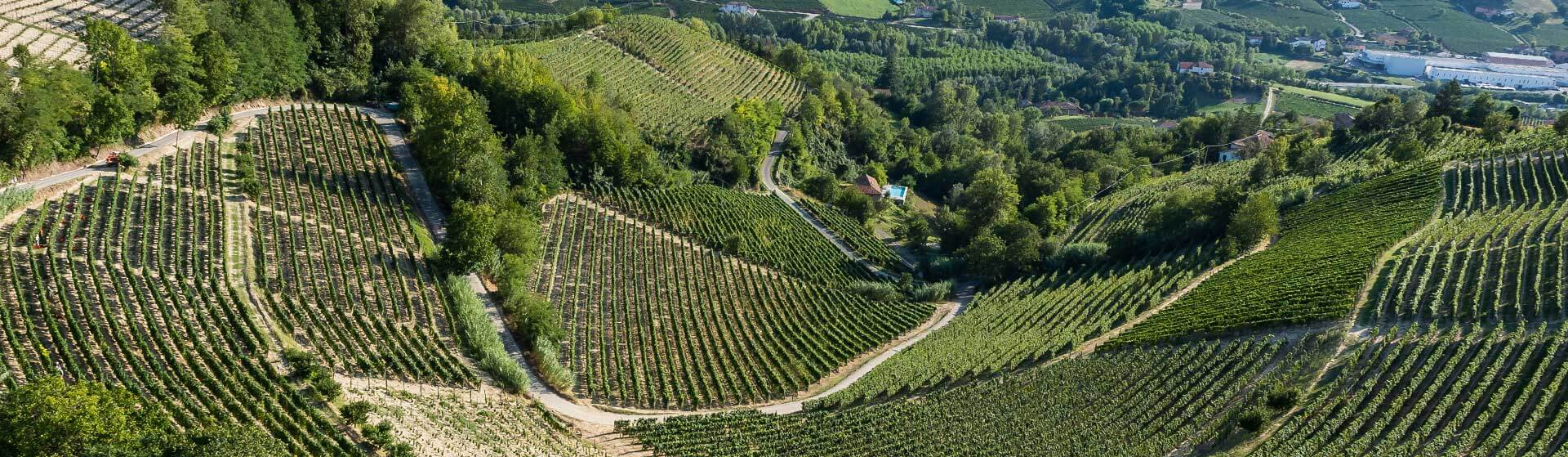
our-story-mapMADE AND IMPORTED FROM ITALY:
To create the Stella Rosa wines, their family chose the region of Asti, a province in Piedmont, Italy, as the source for its aromatic grapes. The area of Asti has particular significance to the Riboli family, as it is the birthplace of their family matriarch, Maddalena Riboli. Their first Stella Rosa wine was Moscato D’Asti, which has become a flagship of this line. Soon after, Stella Rosa Rosso was created – the brand’s first semi-sweet, semi-sparkling red wine blend, and first wine of its kind to be brought to America from Asti. The rapid phenomenal successes of these two wines began the lineage of Stella Rosa, which now boasts over 20 distinctive flavors.

WineStyles’ Wine and Cheese Pairing: Sweet wines from our ‘Nectar’ section pair well with strong cheeses, such as a blue cheese. Learn more about our wine and cheese pairings here.
Love the Sweet life?
“Wine” not try our Sweet Club! 

Click here to learn more >

Sweet Club

August Bubbly Club: Iowa

Bubbly Wine ClubDSC_0588-EditPOE Wines
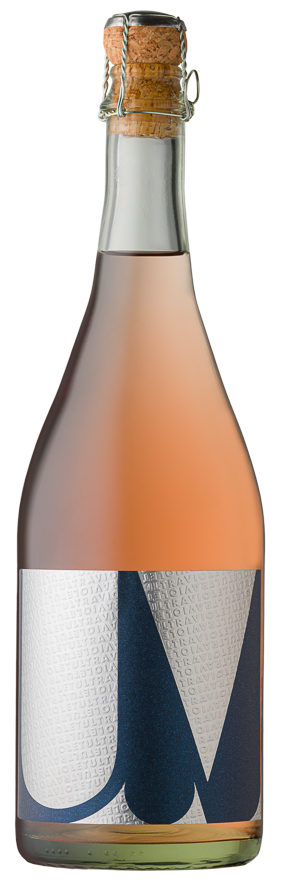
NV Ultraviolet Sparkling Rosé

Napa, California

BUBBLY WINE STYLE

NV Ultraviolet Sparkling Rosé is a base of 85% Coombsville Cabernet Franc Rosé, made from the grapes that go into POE’s Ultraviolet Cabernet Sauvignon. The remaining 15% is French Colombard from Mendocino.  This sparkling rosé has aromatics of lemon blossoms and strawberry, the palate shows lovely minerality and fine bubbles, with underripe strawberry, peach, and orange peel, with a lingering bright grapefruit on the finish.

WINEMAKING:
POE had been making Champagne method sparkling wines for six years, when they decided to make a playful, fruit driven California sparkling wine, by utilizing the Charmant method.  As opposed to fermenting in the bottle, POE takes their sparkling base and instigates a second fermentation in stainless steel, utilizing yeast and sugar.  This is the same process as the Champagne method, but in a different vessel.  The fermentation is kept cold, and lasts seven weeks.  After a few months of rest, they bottle under cork.


ABOUT POE WINES:
Samantha Sheehan founded POE in 2009 after being inspired by the wines she tasted in Burgundy and Champagne.  The goal was not to replicate Burgundy, but rather create alluring, vineyard specific, age-worthy wines revealing the beautiful terroir of California.  There is minimal intervention, judicious use of sulfur, and never any additives. POE produces traditional Champagne method sparkling wines, Rosé, Chardonnay, Pinot Noir, and a nouveau from Pinot Noir.  Each wine is made in very limited quantities, and sold directly from the winery and to high-end restaurants around the country. 

Owner/Winemaker Sam Poe Sheehan

POE Vineyards© POE Wines

Bubbly Wine ClubBodkin Sparkling Sauv BlancBodkin Wines
Sparkling Sauvignon Blanc

Healdsburg, California

BUBBLY WINE STYLE

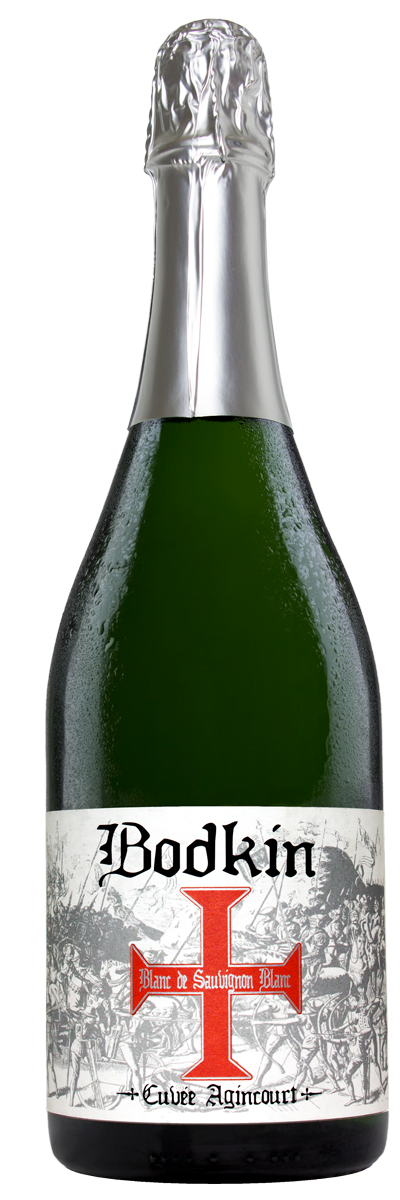
Bodkin Wines is proud to release the fourth cuvée of California’s first Sparkling Sauvignon Blanc. This unique and stylish twist on Sauvignon Blanc has a core of racy crispness driven by lively acidity, accented with lemon-lime aromas (no cat grass — no worries) and citrus-passion fruit flavors. The pronounced citrus tones team with a note of toasted hazelnuts to accent the enchantingly plush mouth feel of the wine. The wine is called Cuvée Agincourt in reference to the Battle of Agincourt during the Hundred Years War. In 1415 where the English army comprised largely of archers armed with Bodkin pointed arrows beat back a French army much more numerous and comprised of the nation’s high nobility.

VARIETY: 100% Sauvignon Blanc
ALCOHOL: 11.5%

DOSAGE: Brut

ABOUT BODKIN WINES:
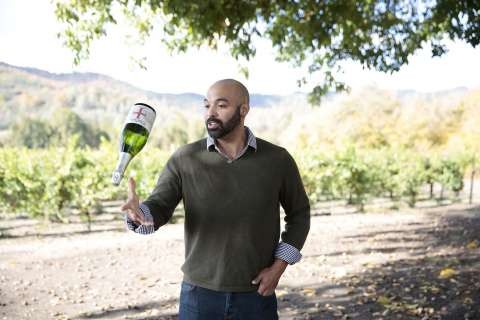
Bodkin Wines was founded by Chris Christensen, an Iowa native, in 2011. His passion for aromatic wines and winemaking led him to create America’s first Sauvignon Blanc with bubbles. In 2013, Andrew Chambers, an Oregon native, joined the brand and they purchased 24 tons and made 1,100 cases of their award-winning Sparkling Sauvignon Blanc. Since that time, Bodkin Wines has produced over 15 varietals of wine, eleven of which were scored at 90 points or higher by Wine Enthusiast. They are consistently growing, year after year, but are determined to keep their presence small and unique. Bodkin Wines is still 100% owned by both Chris and Andrew, two guys living and working hard in Sonoma County.

ee5774_c9f6ce12a8fe4898b27246fed2853b0b_mv2
Screen Shot 2020-07-20 at 6.38.33 PM© Bodkin Wines

Paco García Junior Tempranillo

Prawn and Bacon Brochettes

Praw Bacon wrap

The Spanish love bacon, this combination of prawns and bacon can be found at most Tapas bars. It’s a delicious treat for guests or backyard BBQ. Makes 12 units.

INGREDIENTS:

  • 5 oz jamón or thinly sliced bacon
  • 24 medium to large uncooked, headless prawns, peeled
  • freshly ground black pepper
  • 1 tablespoon olive oil
  • 2 lemons, quartered
  • cherry tomatoes / bamboo tooth picks (optional serving)

DIRECTIONS:

  • Cut the bacon (or jamón, if using it) into pieces which will wrap generously round the prawns. Place the wrapped prawns down flat on a board and skewer them through the fattest part and the tail, making sure the jamón is firmly fixed.  Season generously and drizzle with the oil.
  • On a high heat griddle, grill or barbecue the prawn and bacon brochettes for 2-3 minutes on each side, so the jamón crisps up.  Alternatively, roast in a hot oven at 425°F on an oiled baking tray for 8-10 minutes. Squeeze over the juice of the lemon wedges and serve immediately. Optional serving on bamboo toothpicks on top of cherry tomatoes.  © Recipe courtesy of Spain Recipes

AUGUST WINE CLUB:

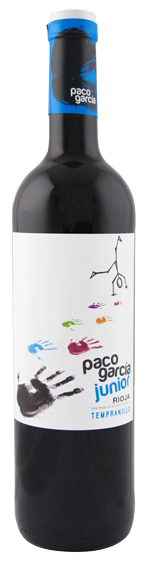
Bold wine Style logoPaco Garcia Junior TempranilloBodegas Paco Garcia
Junior Tempranillo

Rioja, Spain

BOLD WINE STYLE

Consider native to Rioja, Tempranillo is the wine region’s most typical grape occupying 75% of the vineyards.  The name comes from the Spanish word “temprano” (early) because of its short ripening cycle.  Rioja is the origin of the Tempranillo’s identity and one of the great grape varieties in the world.  Dating back to Roman times, numerous archaeological remains of wine presses and wineries were found in Rioja lands two thousand years ago. The centuries-old economic importance of viticulture for the region started when it became a marketable good during the Middle Ages to the French Revolution.

The grapes for this wine were hand-harvested at the “Ventas Blancas” vineyards, 510 meters above sea level. “It’s a relaxing wine, perfect as a first step into the world of wine.  Easy to notice the floral notes and fruity young wine. It’s a palatable wine for your mouth and nose. A wine that will leave an imprint, a wine to remember.” – Juan Bautista García, winemaker

Intense purple color with cherry red rim.  On the nose, wild berries, predominately blackberry and raspberry.  Balanced palate with a strong underlying taste.  Leaves a long and pleasant aftertaste.  Pairs well with potatoes, cheese, salad, pasta, pizza and white meat.

Appellation:  Rioja Alta, Spain
Varietal: 100% Tempranillo
Analysis: 13.58% alcohol / volume
pH: 3.65
TA: 5.29 g/l
Residual Sugar: 1.9 g/l
Critical Acclaim: Reviewed & approved by Doug Frost, Master Sommelier and Master of Wine.

Wine club logoJoin our WINE CLUB and enjoy these amazing wines and pairing recipes each month. Plus, you’ll receive 10% off all retail wine purchases!


Paco García Tempranillo Blanc

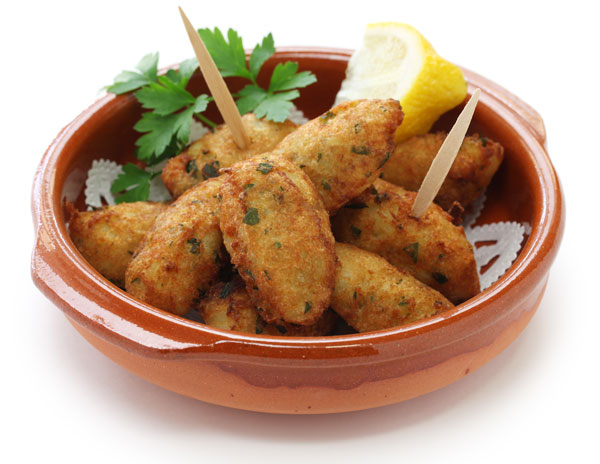
Croquetas de Bacalao Tapas (Salt Cod Fritters)

salt cod tapasBacalao (salt cod) is a Spanish delight.  Enjoy these bite size fish cakes, dipped into rich, creamy, garlicky allioli. They are irresistible as a tapas dish or appetizer. Serves 6.

INGREDIENTS:

  • 1 lb salt cod
  • 1 1/4 floury potatoes
  • 1 1/4 cups milk
  • 6 spring onions, finely chopped
  • 2 tablespoons olive oil
  • 2 tablespoons chopped fresh parsley
  • juice of 1/2 lemon
  • 2 egg, beaten
  • plain (all-purpose) flour, for dusting
  • 3 1/2 oz dried white breadcrumbs
  • olive oil, for shallow frying
  • lemon wedges and salad leaves, to serve

ALLIOLI INGREDIENTS:

  • 2 large garlic cloves, finely chopped
  • 2 egg yolks
  • 1 1/4 cups olive oil
  • juice of 1/2 lemon, to taste

DIRECTIONS:

Soak the salt cod in cold water for at least 24 hours, changing the water two or three times. The cod should swell as it rehydrates. Sample a tiny piece. It should not taste unpleasantly salty when fully rehydrated. Drain well and pat dry with kitchen paper.

Cook the potatoes, unpeeled, in a pan of lightly salted boiling water for about 20 minutes, until tender. Drain. As soon as they are cool enough to handle, peel the potatoes, then mash with a fork or use a potato masher.

Pour the milk into a pan, add half the spring onions and bring to a simmer. Add the soaked cod and poach very gently for 10-15 minutes, or until it flakes easily. Remove the cod and flake it with a fork into a bowl, discarding bones and skin.

Add 4 tablespoons of mashed potato to the cod and beat them together with a wooden spoon. Work in the olive oil, then gradually add the remaining mashed potato. Beat in the remaining spring onions and the parsley.

Season with lemon juice and pepper to taste – the mixture may also need a little salt but taste it before adding any. Add one egg to the mixture and beat it until thoroughly combined, then chill until firm.

Shape the chilled fish mixture into 12-18 balls, then gently flatten into small round cakes. Coat each one in flour, then dip in the remaining beaten egg and coat with dried breadcrumbs. Chill until ready to fry.

Meanwhile, make the allioli. Place the garlic and a good pinch of salt in a mortar and pound to a paste with a pestle. Using a small whisk or a wooden spoon, gradually work in the egg yolks.
Beat in about half the olive oil, a drop at a time. When the sauce is as thick as soft butter, beat in 1-2 tablespoons lemon juice. Continue adding oil until the allioli is very thick. Season to taste, adding more lemon juice if you wish.

Heat about 3/4 inch oil in a large, heavy frying pan. Add the fritters and cook over a medium-high heat for about 4 minutes. Turn them over and cook for a further 4 minutes on the other side, until crisp and golden. Drain on kitchen paper, then serve with the allioli, lemon wedges and salad leaves.

© Recipe courtesy of Spain-Recipes.com

AUGUST WINE CLUB:

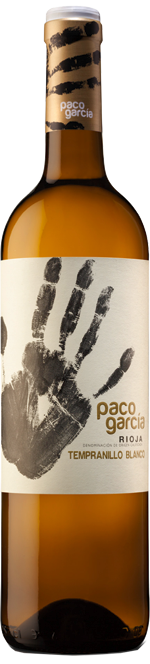
Paco Garcia Tempranillo BlancoBodegas Paco Garcia
Tempranillo Blanco
Rioja, Spain

Silky styleSILKY WINE STYLE

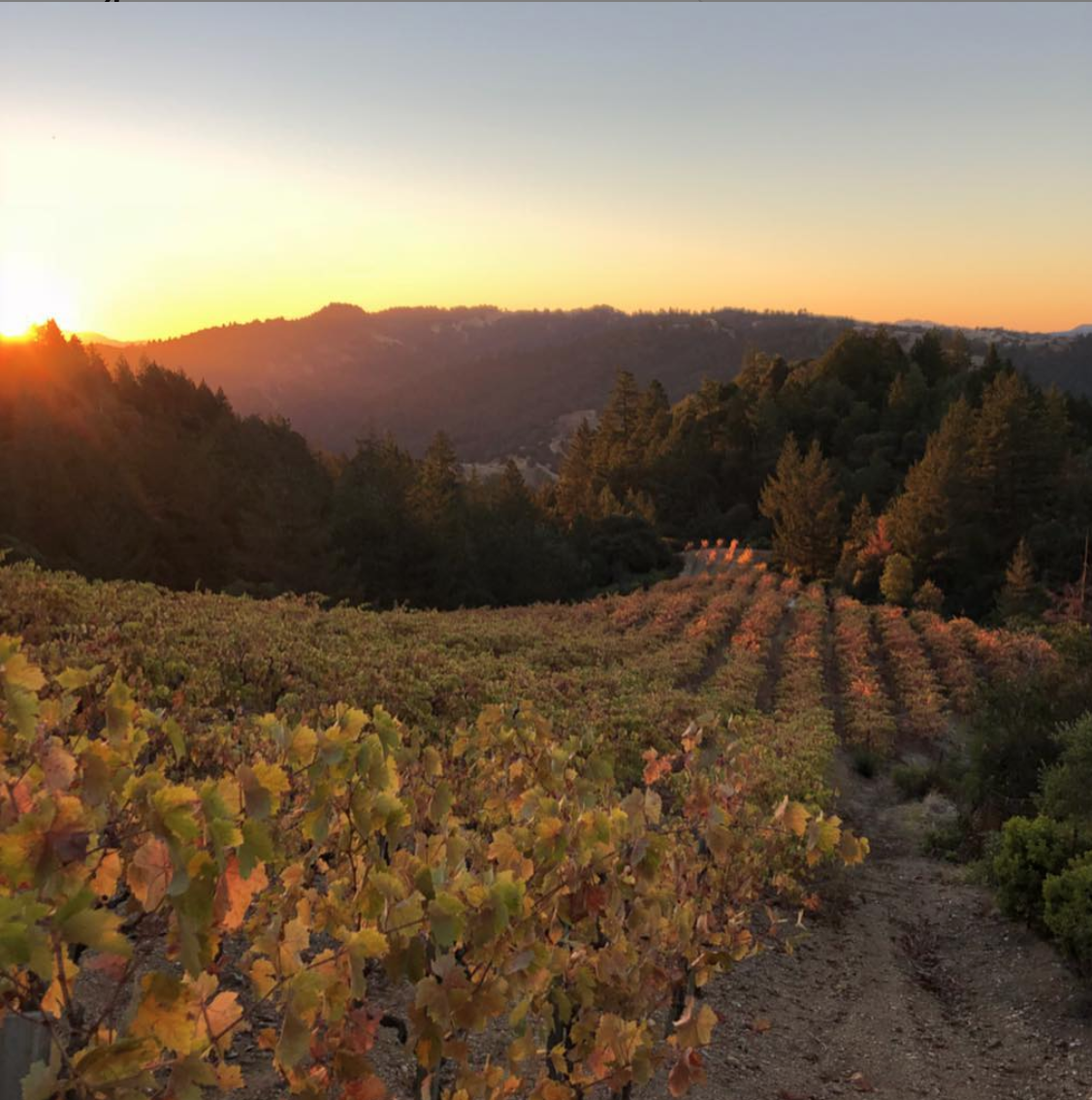
In 1988, a local grower in Murillo de Rio Leza discovered that one of his red Tempranillo vines produced both red and white grapes at the same time. This spontaneous genetic mutation, very similar to what would be a case of albinism, gave birth to a new cepage, Tempranillo Blanco.  It has been harvested by hand in Paco Garcia’s “La Finca del Yergo” vineyard (2014) on clay laden soils; altitude of 550 meters above the sea level.

Winemaking Process: Once at the winery, after stemming, the berries are placed by gravity in stainless steel tanks to macerate for several hours so as to maximize extraction of structure, aromas, color and acidity from Tempranillo grapes.  They’re then presses (separating the skins from the pips) and the resulting must is taken to tapered and inverted tapered stainless steel tanks of 10,000 liters each, with double cold water sleeves to begin fermentation at low temperature.

Afterwards, the wine is kept on its lees for six months, half in stainless steel tanks and half in French oak barrels. This ensures the wine is rich, smooth and creamy, yet displaying the citric fruit and floral character typical of the Tempranillo Blanco variety.  The resulting wines are then blended together and bottled, expressing their round character and persistent bouquet once released.

Tasting Notes:The wine shows a unique bouquet of citrus notes (lemon and orange blossom) and fruits (pineapple and banana) with hints of mint, honey and cedar wood, displaying a subtle minerality.  And the mouthfeel benefits from the original Tempranillo’s volume, structure and length.  Try is now and later, to see the evolution that its acidity, structure and time spent in the barrel provide.  A couple years of bottle aging will appease its freshness and increase its finesse. It’s up to you to decide when and why you prefer to drink it, but it’ll always be a beautiful drop of loveliness.


Appellation: Rioja Alta DOCa, Spain
Varietal: 100% Tempranillo Blanco
Analysis: 12.90% alcohol / volume
pH: 3.23
TA: 6.81 g/l
Residual Sugar: 1.5 g/l
Critical Acclaim: Reviewed & approved by Doug Frost, Master Sommelier and Master of Wine.

Wine club logoJoin our WINE CLUB and enjoy these amazing wines and pairing recipes each month. Plus, you’ll receive 10% off all retail wine purchases!


August Wine Club Pairing Recipe

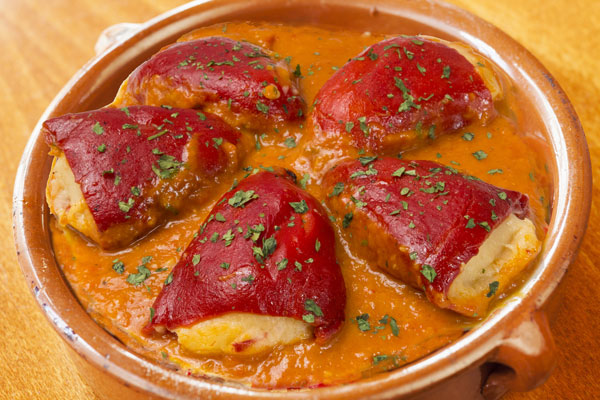
Pimientos del Piquillo Rellenos Tapas (stuffed Piquillo peppers)

piquillo stuffed peppers tapasConsidered a Navarran speciality, neighboring La Rioja also enjoys the celebrated peppers.  Stuffed in Longroño style, the capital of the region, which is a good starting point for visiting local wineries.  Start the recipe the previous evening, allowing meat to marinate over night. Serves 4.

INGREDIENTS:

  • 3 cloves garlic, peeled but left whole
  • 1 tablespoon chopped fresh flat-leaf parsley
  • 2 tablespoons water
  • 1/2 pound ground veal
  • 1/2 pound lean ground pork
  • salt
  • 1 cup olive oil
  • 1 yellow onion, grated
  • 2 tablespoons finely chopped jamón (dry-cured ham)
  • 3 eggs
  • 1 tablespoon fine dried bread crumbs
  • 1 jar preserved whole piquillo peppers (about 18 peppers)
  • 1 cup all-purpose flour
  • 2 tablespoons whole milk

DIRECTIONS:

In a mortar, pound together 2 of the garlic cloves, 1  1/2 teaspoons of the parsley, and 1 tablespoon of the water until a paste forms. Place the veal and pork in a bowl, season well with salt, add the garlic paste, and mix well. Cover and refrigerate overnight.

In a skillet, heat 1/4 cup of the olive oil over high heat. Add half of the grated onion and saute for 5 minutes, or until shiny and tender. Add the veal and pork mixture, decrease the heat to medium, and cook, breaking up the meat with a wooden spoon and then stirring constantly, for 5 minutes, or until the meat starts to crumble a little.

Transfer to a bowl and let cool. Add the jamon, 1 of the eggs, and the bread crumbs to the bowl. Mix well and reserve.

Drain the piquillo peppers in a sieve or colander placed over a bowl. Measure 1/2 cup of the brine and set aside.

In a small saucepan, heat 1/4 cup of the olive oil over medium heat. Add the remaining grated onion and saute for about 5 minutes, or until it starts to turn golden. Meanwhile, in a mortar, pound together the remaining garlic clove, 1 1/2 teaspoons parsley, and 1 tablespoon water until a paste forms. Add the garlic paste to the onion in the saucepan and mix well. Add 1 teaspoon of the flour, stirring to incorporate with the onion. Add the pepper brine, increase the heat to high, and cook, stirring, for 5 minutes. Decrease the heat to low and cook the sauce for 10 minutes longer, or until thickened. Remove from the heat, let cool, and then pass through a food mill fitted with a medium plate held over a large cazuela.

With a small spoon, carefully fill each pepper with the meat mixture, taking care not to tear the pepper by overfilling it. Close the opening of each pepper by gently folding the edges. Spread the remaining flour in a shallow bowl. In a bowl, combine the remaining 2 eggs and the milk and whisk them together lightly.

In a large skillet, heat the remaining 1/2 cup olive oil over high heat. One at a time, lay the peppers in the flour, coating them on both sides and shaking off any excess, and then dip into the beaten egg and set aside on a plate. When the oil is hot, add 5 or 6 peppers, decrease the heat to medium, and fry for 2 minutes on each side, or until browned. Using a slotted spoon, transfer the peppers in the same way, always making sure the oil is hot again before adding the next batch.

Just before serving, place the peppers in the cazuela (shallow unglazed earthenware) with the sauce, place over medium heat, and heat through. Serve hot. © Recipe courtesy of Spain-Recipes.com

AUGUST WINE CLUB:

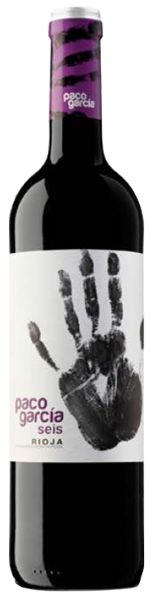
Paco SeisBold wine Style logoBodegas Paco Garcia
Seis Tempranillo
Rioja, Spain

BOLD WINE STYLE

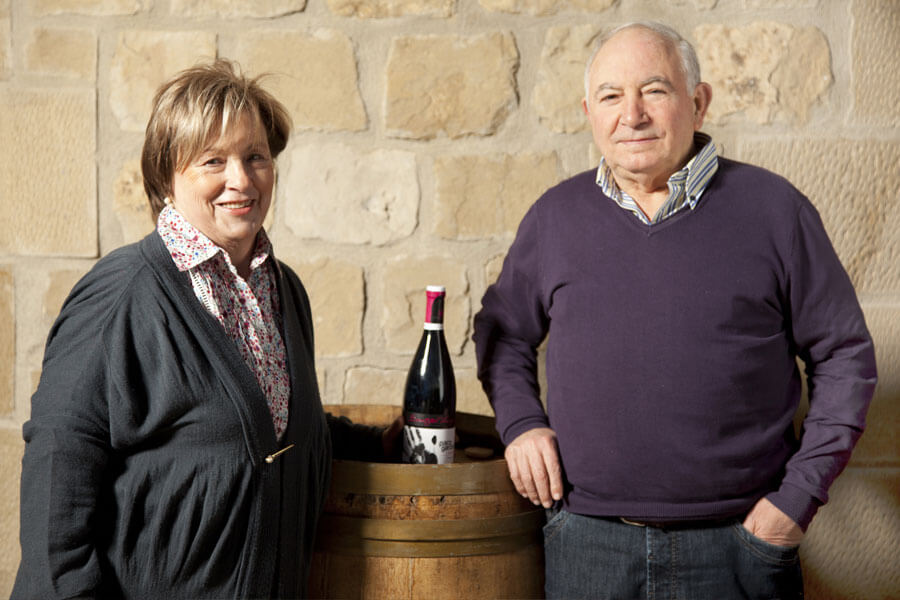
Julia Pablo and Francisco Garcia

Julia Pablo and Francisco Garcia

Francisco (Paco) Garcia and Julia Pablo founded the family winery in their town, Murillo de Río Leza, in 2001. The hand logo is the original hand tracing of Paco Garcia, the soul of the winery.  It represents the hand craftsmanship and handwork of each and every wine.

Bodegas Paco Garcia winery owns 40 hectares of vineyards spread over seven estates in the central area of La Rioja, near the provincial capital Logroño.   The winery is situated in the town of Murillo alongside the Rio Leza river, in the Rioja Denomination of Origin in Spain. The winery has vineyards in a small valley between the Sierra Cantabria and Clavijo Mountains. The average age of the vines is 30 years and in some cases, reaches up to 80 years.

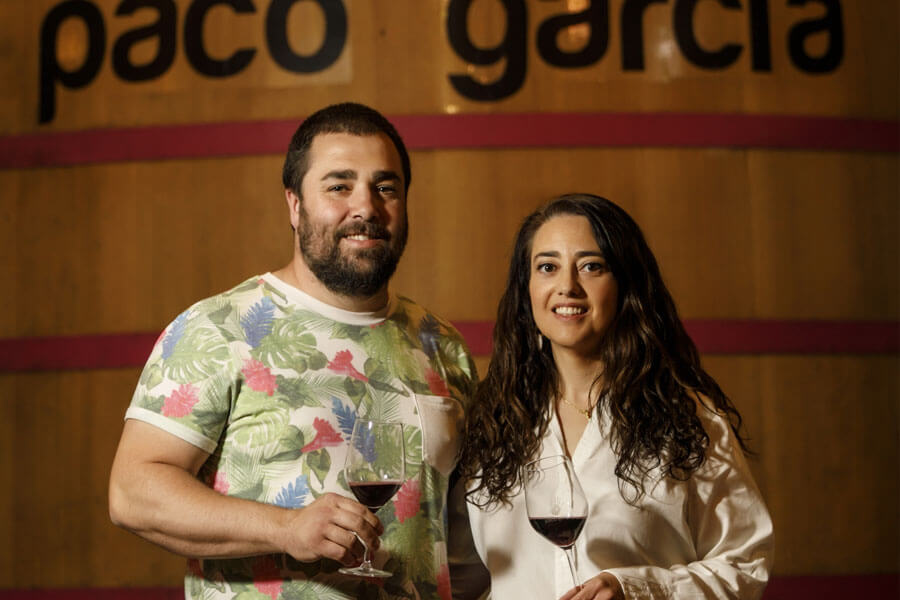
Since 2008, his son Juan Bautista has been managing it with his wife Ana, and together they have brought a new air to the winery as well as the wine.   “We are focused on the production of quality wines respecting the most deeply rooted traditions of Rioja but without forgetting the most modern oenological techniques.” – Juan Bautista.

Juan Bautista

Juan and Ana Bautista

This young Rioja wine was aged six months in barrels, seeking the highest expression of the varietal, embracing all possible flavors of the Tempranillo grape and maintaining a sweet and harmonious palate. The result, Paco Garcia Seis, with great aromatic power, velvety mouth and awakening of the senses.

Blackberry and ruby red color, clean and bright.  Aromatic explosion on the nose, strawberries, raspberries, blackberries and violets.  On the palate, tons of fresh red fruit, floral tones (violets), sweet blackberries. Round mouth, full and pleasant. Hint of oak and caramel. Very harmonious with long finish.   Pair with light cheeses, salads, white meats and fish. Suitable for vegans and vegetarians.  

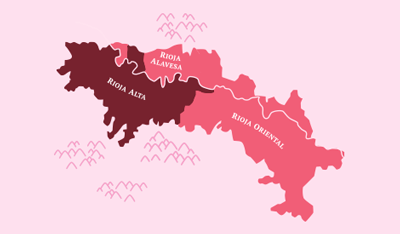
Rioja map

Appellation: Rioja Alta DOCa, Spain
Varietal: 100% Tempranillo
Analysis: 13.84% alcohol / volume
pH: 3.55
TA: 4.7 g/l
Residual Sugar: 1.4 g/l
Aging: 6 months French oak, semi-new, low toasted
Critical Acclaim: Reviewed & approved by Doug Frost, Master Sommelier and Master of Wine.

Wine club logoJoin our WINE CLUB and enjoy these amazing wines and pairing recipes each month. Plus, you’ll receive 10% off all retail wine purchases!