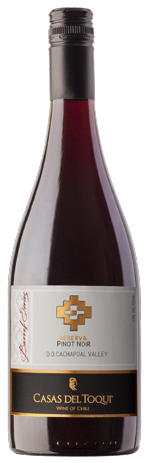
Casas del Toqui Barrel Series Pinot Noir

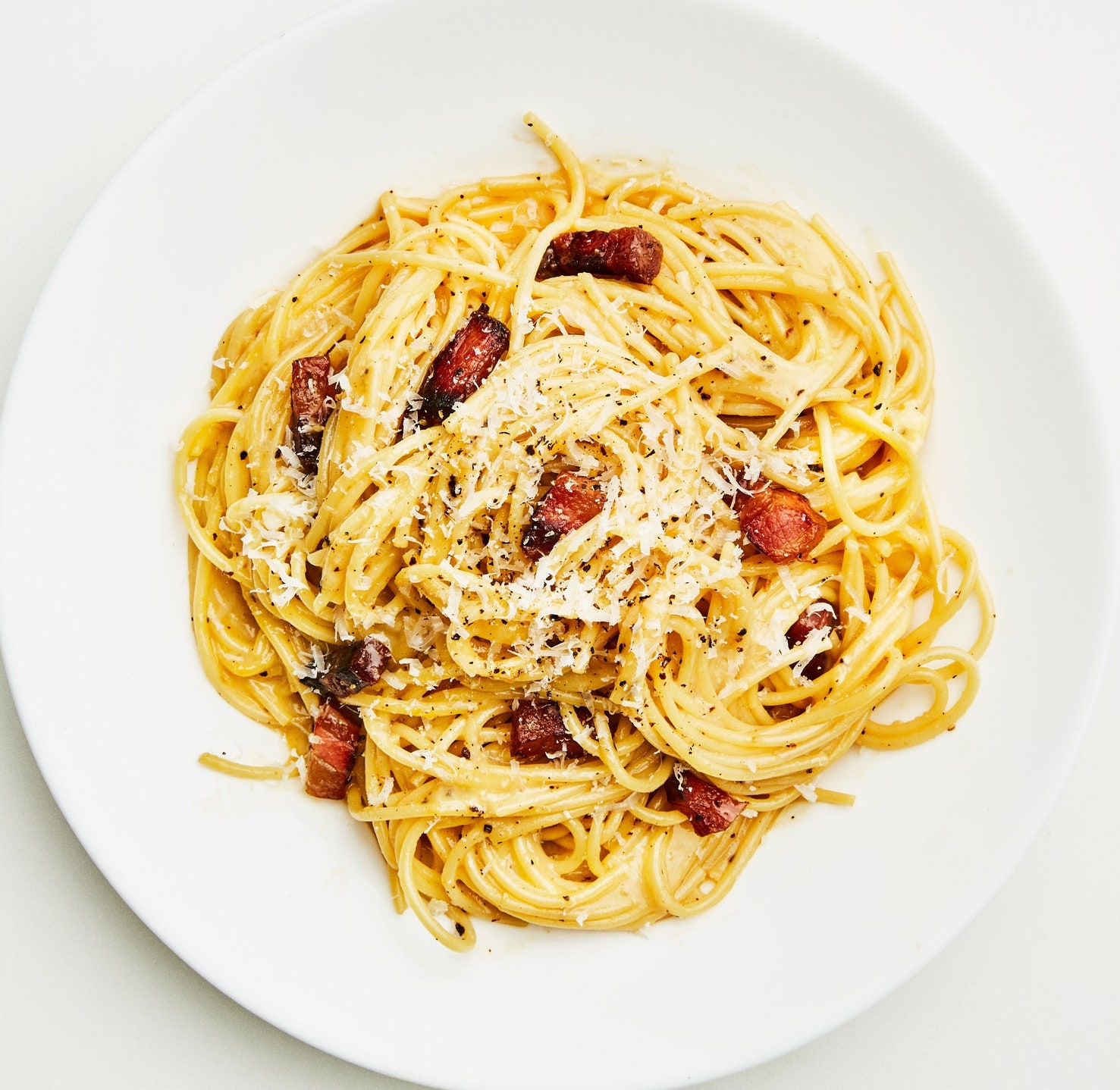
Simple Spaghetti Carbonara

pasta-carbonara_Chelsie Craig

© Photo by Chelsie Craig at Bon Appétit

INGREDIENTS:

  • 3 tbsp. kosher salt, plus more
  • 4 oz. guanciale (salt-cured pork jowl), pancetta (Italian bacon), or bacon
  • 2 oz. Parmesan
  • 4 large egg yolks
  • 2 large eggs
  • freshly ground black pepper
  • 2 tbsp. extra-virgin olive oil
  • 1 lb. spaghetti, bucatini, or rigatoni

DIRECTIONS:

  1. Heat 6 qt. water in a large pot over high. When water starts to steam, add 3 Tbsp. salt and cover pot with a lid (this will bring water to a boil faster).
  2. While you are waiting on the water, do a little prep. Remove 4 oz. guanciale from packaging and cut into about 1 x ¼” strips. Finely grate 2 oz. cheese and set aside one-quarter of cheese for later.
  3. Whisk 4 egg yolks and 2 whole eggs in a medium bowl until no streaks remain, then stir in remaining grated cheese. Add several cranks of pepper and set aside.
  4. Working next to pot, heat 2 Tbsp. oil in a large Dutch oven or other heavy pot over medium. Add guanciale and cook, stirring occasionally, until crisp around the edges, 7–10 minutes.
  5. Remove pot from heat. Using a wooden spoon, fish out guanciale and transfer to a small bowl. Pour fat into a heatproof measuring cup, then add back about 3 Tbsp. to pot. Discard any remaining fat.
  6. Cook 1 lb. pasta in boiling water, stirring occasionally, 2 minutes shy of package instructions. Just before pasta is finished, scoop out 1¾ cups pasta cooking liquid with same heatproof measuring cup.
  7. Add 1 cup reserved pasta cooking liquid to Dutch oven and bring to a boil over medium-high. Drain pasta in a colander, then transfer to Dutch oven.
  8. Cook pasta, stirring constantly and vigorously, until al dente and water is reduced by about half, about 2 minutes. Remove pot from heat.
  9. Whisk ¼ cup pasta cooking liquid into reserved egg mixture, then very slowly stream into Dutch oven, stirring constantly, until cheese is melted and egg is thickened to form a glossy sauce. Season with salt, if needed. Thin sauce with remaining ½ cup pasta cooking liquid, adding a tablespoonful at a time, until it’s the consistency of heavy cream (you most likely won’t use all of it).
  10. Mix in guanciale and divide pasta among bowls. Top with pepper and reserved cheese.

© Recipe courtesy of Claire Saffitz from Bon Appétit

MARCH WINE CLUB:

Mellow style logoCasas-Toqui-Pinot-NoirCasas del Toqui
Barrel Series Pinot Noir

Cachapoal Valley, Chile

MELLOW WINE STYLE

The Barrel Series Pinot Noir is ruby red in color with medium intensity. It has an elegant nose, with aromas of red berries and a hint of vanilla. The palate is soft, with good balance and a long finish.

Varietal: 100% Pinot Noir
Analysis:
14% alcohol / volume
Viticulture: Vertical espalier
Vinification:
Fermentation at 80.6ºF-84.2ºF, post fermentation maceration and aged in oak barrels for 6 months
Closure: Screw cap
Pairing: Serve between 57.2ºF-60.8ºF with pasta or a variety of cheeses

Vincent Johnson

© Photo of Vincent Johnson

Casas del Toqui Winery was created with the intention to develop and produce high quality fine wines, to be shared both domestically and internationally. They are committed to excellence by continuously managing their quality, labor safety and environmental sustainability; allowing them to be a role model for the Chilean wine industry. Their philosophy is to achieve maximum balance, quality and identity to each of their wines, to ensure they are a direct reflection of their terroirs. The majority of Casas del Toqui’s vineyards are located in Alto Cachapoal, about 100 kilometers south of Santiago. Here, the alluvial soils and the Mediterranean climate provide ideal conditions for grapevines. 

Wine club logoJoin our WINE CLUB and enjoy these amazing wines and pairing recipes each month. Plus, you’ll receive 10% off all retail wine purchases!

Learn about our Memberships >

Winery Spotlight Series: March 10 De Martino

De Martino LogoVirtual Wine Tasting Event on Zoom and Facebook LIVE

De Martino

Isla de Maipo, Chile

Wednesday, March 10, 2021 6:00pm CST / 7:00pm EST

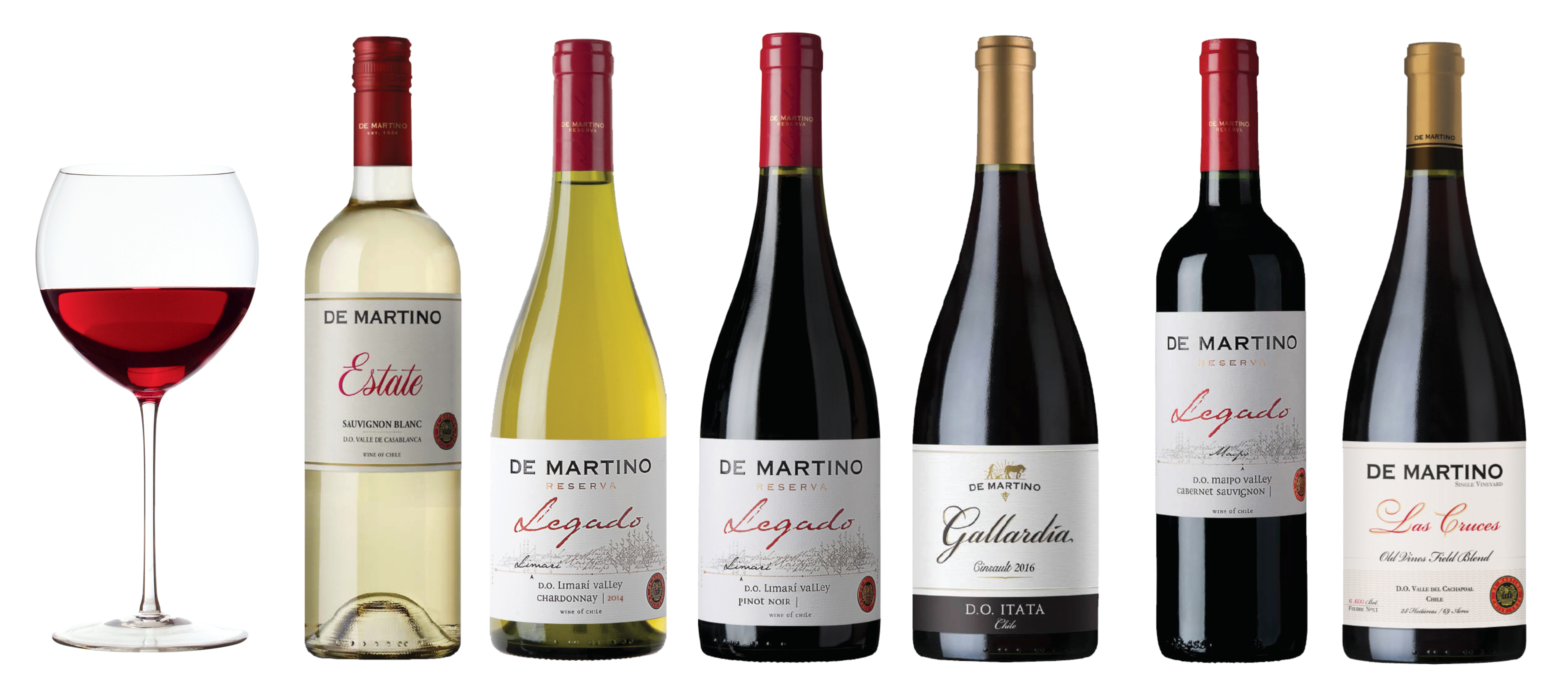
Join us for a virtual wine tasting event, featuring De Martino wines from Chile, with guest speaker Sebastián De Martino. During our virtual event, Sebastián will be guiding us through a tasting of the following 6 De Martino wines:

Zoom Facebook Live
  • Estate Sauvignon Blanc
  • Legado Chardonnay
  • Legado Pinot Noir
  • Gallardia Cinsault
  • Legado Cabernet Sauvignon
  • Les Cruces Malbec
Be sure to RSVP at your local WineStyles location or on Eventbrite. Pre-order your wines in advance at your local participating WineStyles location and taste alongside Sebastián with a front seat on Zoom! Or watch on our Facebook LIVE event.
De Martino WInes
About De Martino:
Founded in 1934, for four generations, the De Martino family has specialized in creating wines that are a faithful reflection of their origins by focusing on selected parcels throughout Chile. The De Martino family has worked to achieve wines that represent them as a family; they believe wines of great purity, with a sense of place and balance, are a result of sustainable agriculture and traditional fermentation techniques. The style that represents the De Martino family, is one that blends origin, personality, balance and gastronomic sensibilities. In order to achieve this type of wine, over the years the De Martino family has explored over 347 vineyards all across Chile. The fourth generation, headed by Marco Antonio and Sebastián De Martino, along with their team, continue with their constant search for exciting terroirs to polish their house style. Learn more about De Martino Winery here.
Winemaking:
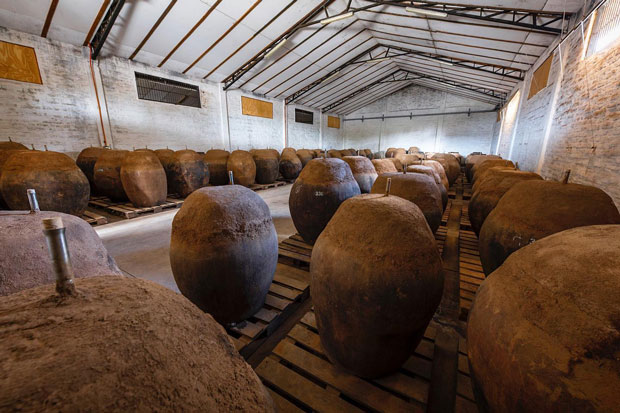
De Martino Winery uses organic farming and early harvesting to achieve balanced alcohol levels in their wines. Their fermentation is carried out exclusively with native yeasts, leaving out unnecessary winemaking additives that can alter the profile of the wine. Finally, aging is completed in concrete or stainless steel containers, old barrels, large oak foudres (5,000 liters each) or an ancestral terracotta amphorae (pictured below). All of these are used in the hopes of limiting external influences on the aromas and flavors of their wines, allowing the quality of each origin to fully express itself. De Martino Terracotta wine vessels
About Sebastián De Martino:
Sebastián De Martino is a 4th generation vintner and co-owner who grew up in Isla de Maipo on the vineyards of his family’s wine estate. The De Martino family came from Italy in 1934 and settled in Chile in Isla de Maipo (DO Maipo), where they began specializing in creating wines from Bordeaux grape varieties. In the years since, De Martino has become a leader in innovation and winemaking. Along with receiving his Wine MBA in Bordeaux, Sebastián supplements his wine education by traveling to wine regions around the world. So far, he has traveled to the wine regions of Burgundy, Champagne, Bordeaux, the South of France, Barolo, Tuscany, Sicily, Jura, Rioja, Madrid, Georgia, New Zealand, Australia, and the United States. In 2011, Sebastián and his brother Marco worked with the De Martino technical team to help define the house style of De Martino wines. In the years since, their goal has been to position this house style in the market. Their current goals are also to help develop Itata as a world-renowned wine region, to create an elegant Cabernet Sauvignon and Carmenere from D.O. Maipo, and to spend time experimenting with volcanic wines from the Patagonia region. Today, Sebastián lives in the vineyards of the De Martino winery on Isla de Maipo, with his three dogs.
De Martino Terroirs: 
In the Coast the De Martino’s farm vineyards in Limarí (limestone/ clay) and Casablanca (granite), where they specialize in Chardonnay, Pinot Noir and Sauvignon Blanc. In the mild – warm climate of Maipo (gravel) they grow Carmenere and Cabernet Sauvignon. In the southern region they focus their attention at old vines, fi eld blends, dry farmed vineyards in Cahcapoal and Maule (granite). In the coast of Itata (450 km south of Santiago), where fi rst vineyards were planted back in 1551, the De Martino’s farm old vines– up to 110 year old – grown sustainably over granite, resulting in exciting Cinsault, Muscat and some other rarities.  

Let’s Taste, Learn and Enjoy® together! 

Contact your local WineStyles to RSVP for this tasting event.

De Martino Isla de Maipo, Chile

Cheers!

WineStyles.com

February Bubbly Club

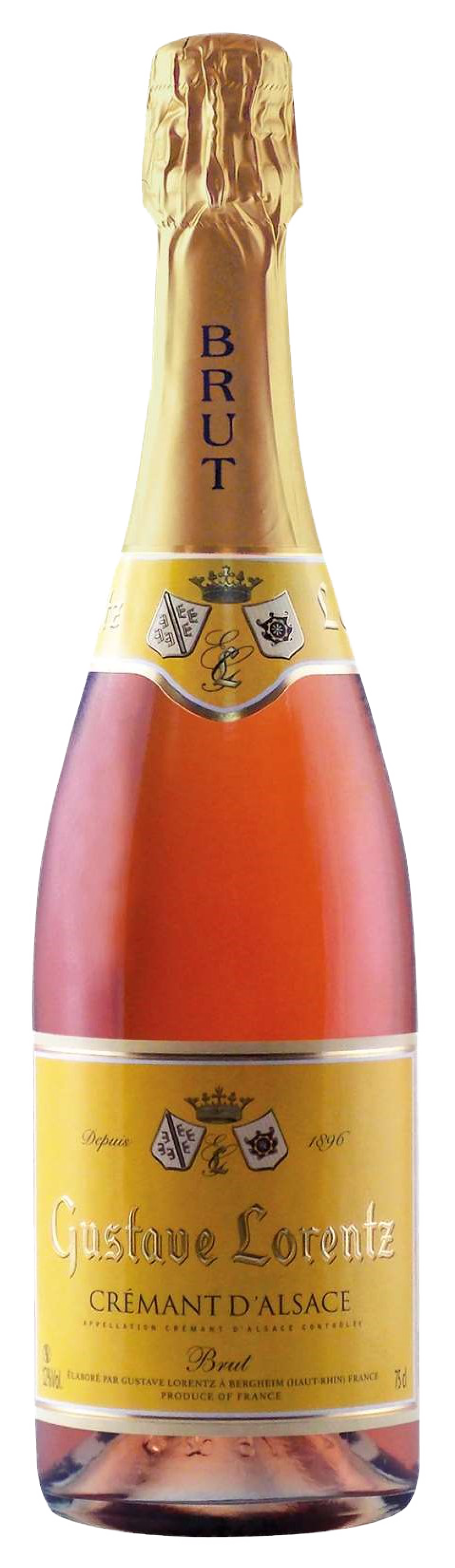
Bubbly Wine ClubGustave_Lorentz_Cremant_dAlsace_Brut_Rose_Fact_new-format_JCGustave Lorentz
Crémant d’Alsace Brut Rosé
Alsace, France

BUBBLY WINE STYLE

The Cremant d’Alsace Rosé is made from Pinot Noir, which is full of charm and elegance. It makes a refined aperitif and an ideal cocktail or reception drink. Fresh and discreetly fruity, it inspires a host of gastronomic matches. This refined wine also works with hot and cold seafood appetizers, chicken, pork and other white meats & game, as well as some desserts. Serve chilled.

Analysis: 12.3% alcohol / volume
Varietals: 100% Pinot Noir
Total Acidity: 5.6 g/l
Residual Sugar: 7.8 g/l
Producer: Gustave Lorentz
Region: AOC Alsace
Country: France

WINEMAKING:
The grapes are carefully selected and vinified according to “Methode Champenoise.” After traditional fermentation “vin de base” in tanks, a second fermentation (“prise de mousse”) takes place in the cool cellars. It does not undergo malolactic fermentation. Aging is done “sur lie” between 14 and 18 months, with daily bottle rotation, going from a horizontal to vertical position, in order for the yeast deposit to accumulate in the neck of the bottle. At the time of “degorgement,” the neck is frozen and, enclosed in ice, the sediment is ejected by natural pressure, after which the bottle is corked and wired.

ABOUT THE WINERY:
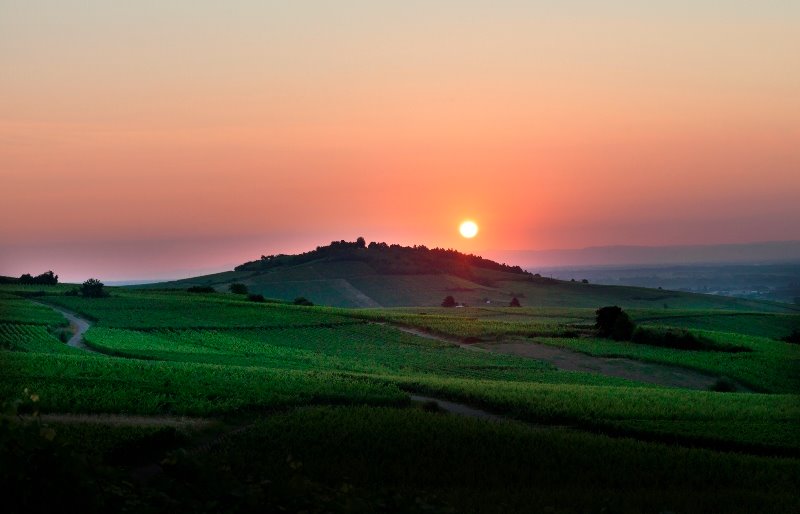
Founded in 1836, Maison Gustave Lorentz owned 33 hectares of land on the hillsides of Bergheim in the heart of the Alsace wine region, 12.8 hectares of which are classified Grand Cru Altenberg de Bergheim, and 1.75 hectares Grand Cru Kanzlerberg. The first mention of the Lorentz family in the commune of Ribeauvillé dates back to the end of the Thirty Years’ War in the second half of the 17th century. They were innkeepers or coopers as well as ‘gourmets’, the old name given to wine merchants, which afforded them an important status in the local community. In 1748, winegrower and blacksmith Jean-Georges Lorentz was the first to settle in Bergheim, which later became the heart of our domaine. His son, Pierre Lorentz, was married to the youngest daughter of the Mayor of the time (Nicolas Schmitt). Generations passed with the birth of Jacques Lorentz in 1798 and Charles Lorentz in 1836. This same year, Maison Lorentz was founded in the commune of Bergheim. Today, Georges Lorentz has the honor of managing the estate, seven generations later.
To learn more about Gustave Lorentz Winery and family, click here.

Gustave Lorentz Vineyard

© Photo by: Gustave Lorentz Winery


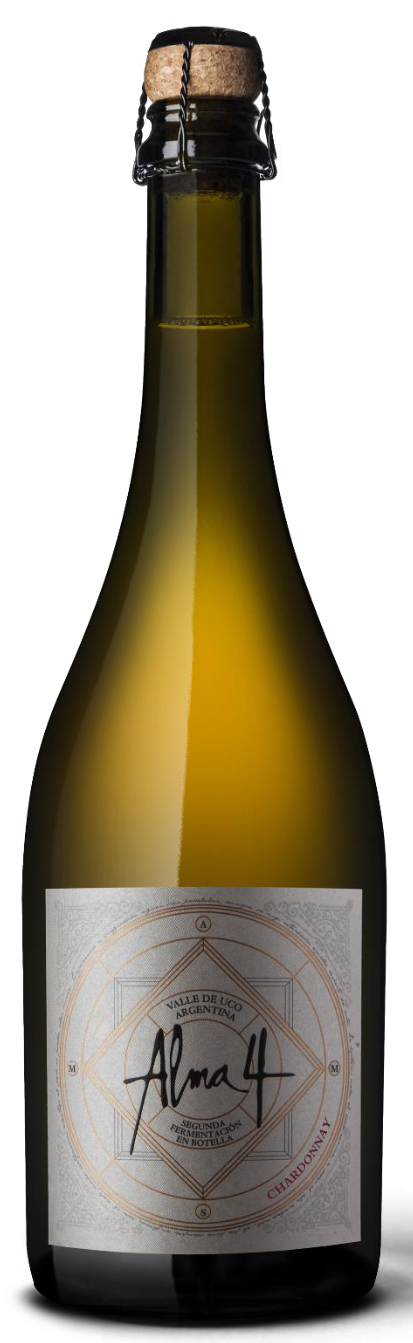
Alma 4 Alma 4
Blanc de Blanc
Uco Valley, Mendoza, Argentina

BUBBLY WINE STYLE

Alma 4’s Blanc de Blanc Chardonnay is greenish yellow in color with slight tints of gold. It has persistent and delicate chains of small bubbles. The nose is quite shocking. It has strong flavors of fruits, such as fresh pear, as well as some citrus notes of mandarin peel and Kinoto. The fruit is balanced, the yeast is subtle, and the wood flavor is complex. On the mouth, it is creamy and fully. There is a harmony of sugar to acidity with an exotic fruit finish. It is long and complex. Intense and fresh. This sparkling wine is tasted with the 5 senses.

Analysis: 12.5% alcohol / volume
Varietals: 100% Chardonnay
Residual Sugar: 4.7 g/l
Acidity: 7.05 g/l
Region: Mendoza, Argentina
Appellation:
Uco Valley
Vineyard: Sustainably farmed – 1200-1550 meters in elevation
Production:Traditional method (Champenoise) using direct pressing. Fermentation begins at 59-64.4ºF for 20 days. 15% of Chardonnay is fermented in French oak barrels. No malolactic fermentation. The second fermentation is in bottles between 57.2º F and 60.8º F.
Disgorgement:
Performed manually
Time on Yeasts: 40 months

ABOUT THE WINERY:
Alma Cuatro (or Alma 4) began in 1999 as an experimental sparkling wine-making project led by four young people from Mendoza, with a strong investigative spirit: Mauricio, Agustín, Marcela and Sebastián. With passion, perseverance, friendship and work, these four friends came together to create a line of sparkling wines made by second fermentation in the bottle — combining innovation with the avant-garde method.
Learn more about these four friends and owners here.

Alma 4 Friends

© Photo by Alma 4

Bubbly Wine ClubLearn more about our Bubbly Club >


January Cheese Club: Iowa

Cheese ClubBlumenkäse Switzerland

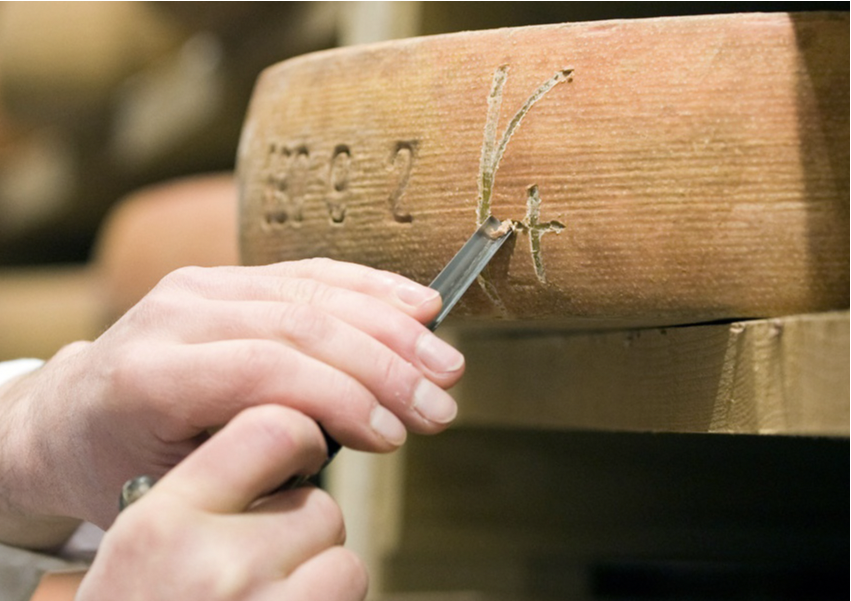
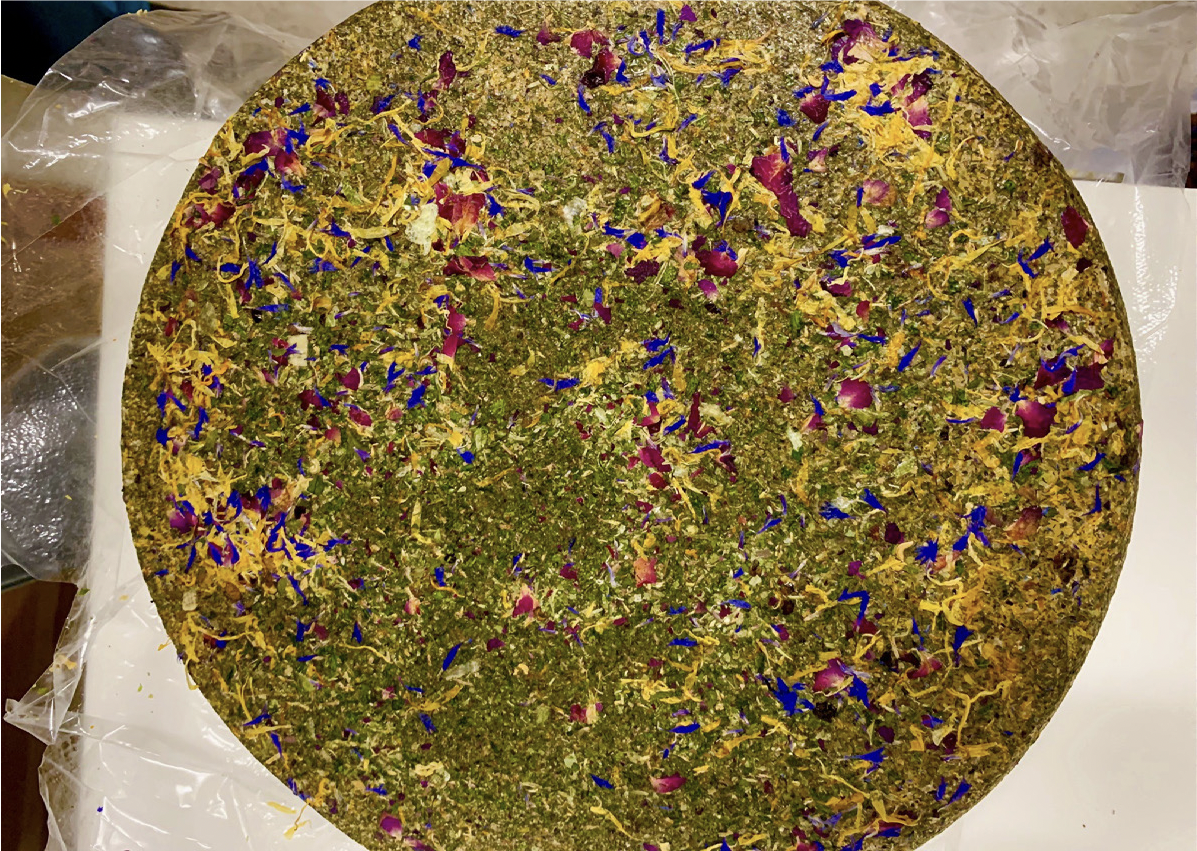
An alpine cheese covered with wildflowers from the meadows of Switzerland. This floral beauty isn’t just pretty on the outside, it’s packed with flavors of French onion soup and sweet carrots on the inside. The rind is decorated in a long list of herbs and flowers, including: winter savory, dill, garlic, caraway, lovage, marjoram, mint, leek, chive, parsley, juniper berries, onion, marigolds, cornflower, roses, and strawberry leaves.  WINE & CRAFT BEER PAIRING: When pairing wine with this cheese, reach for a Chardonnay, Viognier, Bubbles or Fruity Red Wines; for beer, look for something Hoppy and Bitter, such as an IPA. WINESTYLES: Crisp, Fruity, and Bubbly BEERSTYLES: Hoppy and Bitter Blumenkases

Marcel Petite Sagesse 24-Month Comté France

Selected by Essex St. Cheese Co., Sagesse Comté (formerly “Symphony”) represents the highest level a wheel of Comté can achieve at Marcel Petite; only 2% of all production reaches this point. Sagesse Comté is selected in line with the Essex flavor profile, but is bigger and broader in taste with a darker paste and immense tyrosine crystallization. This is an unpasteurized cows’ milk cheese with a powerful depth of flavor, similar to a great piece of dark chocolate. Sagesse Comté is available only once a year. WINE & CRAFT BEER PAIRING: When pairing wine with this cheese, reach for a Champagne, aged Chardonnay, or Pinot Noir; for beer, look for something Malty & Sweet such as a Milk Stout. WINESTYLES: Rich, Mellow, or Bubbly BEERSTYLES: Malty & Sweet
MarcelPetiteSagesse

© Photo by Comté Marcel Petite


Monthly Cheese ClubDon’t let your Wine Club go home alone! Join our Cheese Club and bring home a match made in heaven!

If you enjoy pairing cheese with wine, this is your club!  Each month you’ll discover specialty and artisan cheeses to pair with your Wine Club. Monthly cheese selections are chosen by your local WineStyles participating location. It’s the perfect opportunity to Taste, Learn and Enjoy® amazing artisan cheese every month! Only $19.99/month and your wine won’t be lonely!  Click to learn more >

December Bubbly Club

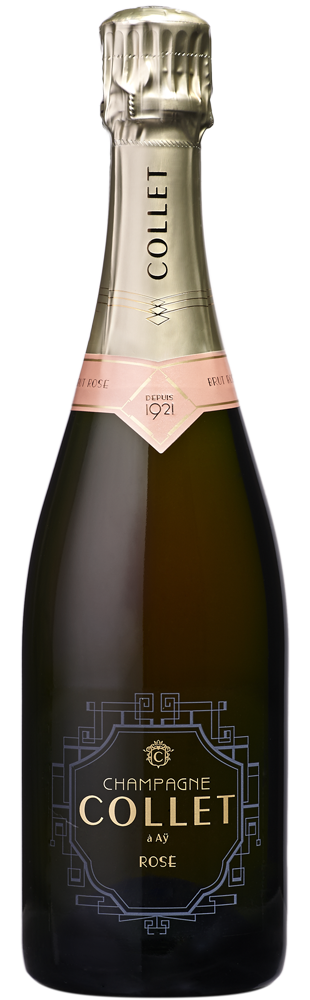
Bubbly Wine ClubChampagne Collet RoseChampagne Collet
Brut Rosé
Aÿ-Champagne, France

BUBBLY WINE STYLE

“This Brut Rosé Champagne seduces with its intense pink color, its tenderness and harmony.”

This Brut Rosé Champagne is intense and luminous peach-pink color. On the nose it first gives off floral fragrances, which give way to fragrances of orange, mandarin, yellow peach and red fruits – mulberries and raspberries. It has a beautiful freshness and a delicate nose with notes of brown sugar. Enjoyment and elegance describe this cuvée Brut Rosé. A richness of fruits – mulberry, blackcurrant, and peach – and a note of cocoa, make a round, supple, velvety wine. This wine has a beautiful, silky texture, sustained by a tender effervescence.

Brut Rosé will delight the palate as an aperitif, but also lends itself perfectly to a buttery lobster or a red fruit dessert.

Analysis: 12.5% alcohol / volume
Varietals: 50% Pinot Noir, 40% Chardonnay, 10% Pinot Meunier
Closure: Natural Cork
Critical Acclaim:  91 pts. Wine Spectator

VINEYARD:
The grapes in this wine have their origin in 20 Crus from the Grand and Premier Crus sites of the Champagne region. The Chardonnay comes predominantly from the Premier Cru of Vertus and gives the wine freshness and lemony notes, while the mineral dimension and flinty aromas, come from the Cru of Villers-Marmery, which has a limestone soil. The Grands Crus and Premiers Crus villages, such as Chouilly, Avize, Oger and Vaudemange, complete the blend with great complexity. The Pinot Noir comes from the Grands Cru and Premiers Cru villages of Ay, Hautvillers, Avenay Val d’Or and Louvois; it produces light, tender and fruity wines, while the Pinot Meunier imparts a roundness and suppleness. This unique blend of terroirs, producing a unique Rosé Champagne.

Brut Rosé

Photo by Eric Vanden at Champagne Collet

ABOUT THE WINERY:

Since 1921, Maison Collet has been creating distinctive champagnes that appeal to a clientele of demanding wine connoisseurs in search of authentic, elegant and refined champagnes. Established in Aÿ, in the heart of the Champagne region, Maison Collet uses primarily Premier and Grand Crus in its wines in order to reflect the diversity of the Champagne terroirs. Champagne Collet is a gastronomic wine and every cuvée has been created to complement various fine dining and fine drinking experiences, whether served as an aperitif or paired with the most sophisticated of dishes.

Raoul Collet became Director of Champagne Collet in 1928. At the time he was a wine producer in Mareuil-sur-Aÿ and had created his eponymous brand in 1921. Over his lifetime (1896-1960), he dedicated 30-years of work to Maison Collet, which he took to the most important French and international exhibitions. He was the instigator of property investments and was behind the brand’s first advertising campaigns. During his tenure as director, he lived in the Villa Collet with his family.

This spirit of the “Roaring Twenties” lives on at Maison Collet today and is reflected in its rich heritage and its elegant, Art Deco-inspired visual identity. The elegant transparency of the Champagne Collet labels gives the brand a contemporary feel and is an expression of the brand’s sincerity and taste for innovation. This design universe has been applied to all the Champagne House’s creations, from the champagnes’ packaging, gift boxes and cases, to the decor of Villa Collet, our “brand home”. Learn more about Champagne Collet here.

Bubbly Wine Club Learn more about our Bubbly Club >

November Bubbly Club

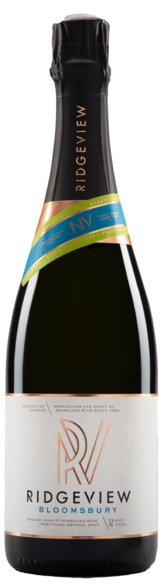
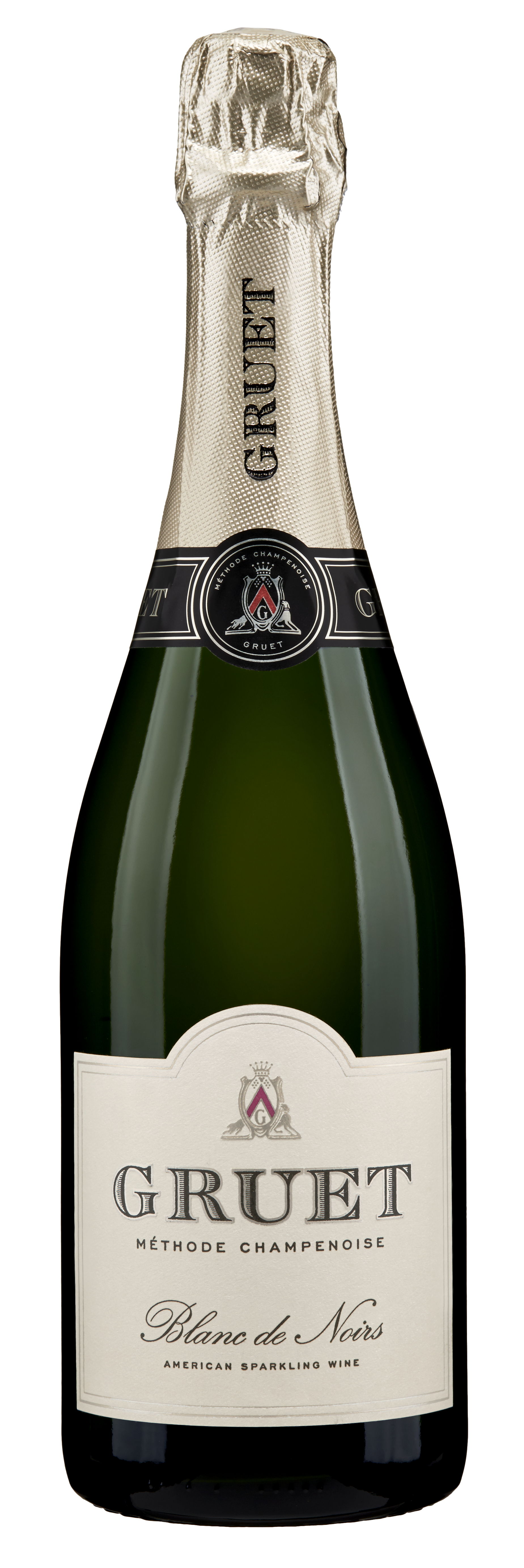
Bubbly Wine ClubBouteille Fiche BrutRidgeview
Bloomsbury Brut
Ditchling, Sussex, England

BUBBLY WINE STYLE

“Our sole focus in the winery at Ridgeview is minimal intervention, to let our exceptional grapes speak for themselves and nurture the juice into making the best wine possible. Balance is at the heart of all of our wines, making the most of the full fruit flavors in harmony with our wonderful cool climate acidity.”

Bloomsbury is light golden in color with a fine, persistent mousse. Citrus fruit aromas with hints of melon, peach and honey. Chardonnay dominance brings finesse, along with crisp freshness. The Pinots add depth and character leading to a beautifully balanced finish. Will age gracefully over time as the Chardonnay matures.

Analysis: 12.5% alcohol / volume
Varietals: Chardonnay, Pinot Noir and Pinot Meunier
Altitude: 5m-65m ASL
Vineyard Age: Between 8 and 22 years old
Exposure: South & Southeast
Soil: Clay & Limestone, Flint & Loam
Bottle fermentation on the Lees: 12-18 months
Memorable Moment: Official wine served for the Queen’s Diamond Jubilee
Critical Acclaim:

  • SILVER Decanter World Wine Awards 2018
  • SILVER OUTSTANDING International Wine and Spirit Competition 2018
  • 90 pts. – Decanter 2013
  • 90 pts. – The Wine Advocate (NV)
  • 91 pts. – AG Vinous (NV)
  • 90 pts. – Wine Enthusiast (NV)
  • 92 pts. – Wine Enthusiast 2015
  • 91 pts. – Wine Enthusiast 2014
  • 92 pts. – Wine Enthusiast 2013
  • 90 pts. – Wine & Spirits (NV)

PRODUCTION:
Whole-bunch pressed to limited pressure, and to give a low yield of 62% volume to weight. A natural cold settling takes places without the use of enzymes. Fermentation at a moderate temperature of 60.8-64.4°F in stainless steel using natural yeast. Malolactic fermentation is carried out.

ABOUT THE WINERY:
The Ridgeview story began in 1995, when Mike and Chris Roberts decided to release a vision, nurtured for many years. With a love of England and a passion for wine, they investigated the English wine industry with a view to understanding the type of wine production they felt would thrive best in the cool climate of Southern England. Their research pointed towards traditional method sparkling wine made from the three classic varieties: Chardonnay, Pinot Noir and Pinot Meunier. At the time, sparkling wine production in England was largely unexplored and unproven, so the dream to create world class sparkling wine in Sussex was a certainly a risk.

Nestled at the base of the beautiful South Downs with their chalky soils, the perfect site was found – the ridge with an unforgettable view. It was here the journey began. Whilst the vines were gently nurtured towards their first harvest, we were busy creating one of England’s only underground cellars and building a state-of-the-art winery. Ridgeview’s first grapes were harvested and pressed; the wines were bottled, then hidden away in the cellar to age.

Over 20 years later, production has increased to more than a quarter of a million bottles and Ridgeview is sold across the world. Their winery continue to invest in the most modern, specialist machinery and proudly crafts every element of their production methods on site- from hand picking all of their grapes, gently pressing them to extract maximum flavor, bottling, riddling, disgorging and labelling. Learn more about Ridgeview Winery here.

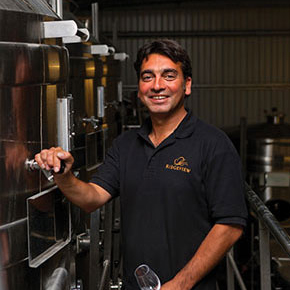
Simon Roberts

Head Winemaker: Simon Roberts

WINEMAKER:
Founder, Mike Roberts MBE, was originally at the winemaking helm ably assisted by his son Simon, to whom he passed his considerable knowledge and experience. Simon Roberts is now Ridgeview’s Head Winemaker, supported by a highly experienced and talented winery team.

A natural winemaker with a skilled palate, Simon likes minimal intervention as a Winemaker and would rather let the grapes speak for themselves. Simon trained at Plumpton Wine College and gained experience in Australia. Now responsible for the day-to-day Winemaking at Ridgeview, Simon has the support of a fantastic team. In his spare time Simon can be found coming up with culinary creations in the kitchen. Learn more about the Ridgeview team here.

Bubbly Wine Club Learn more about our Bubbly Club >
October Bubbly Club

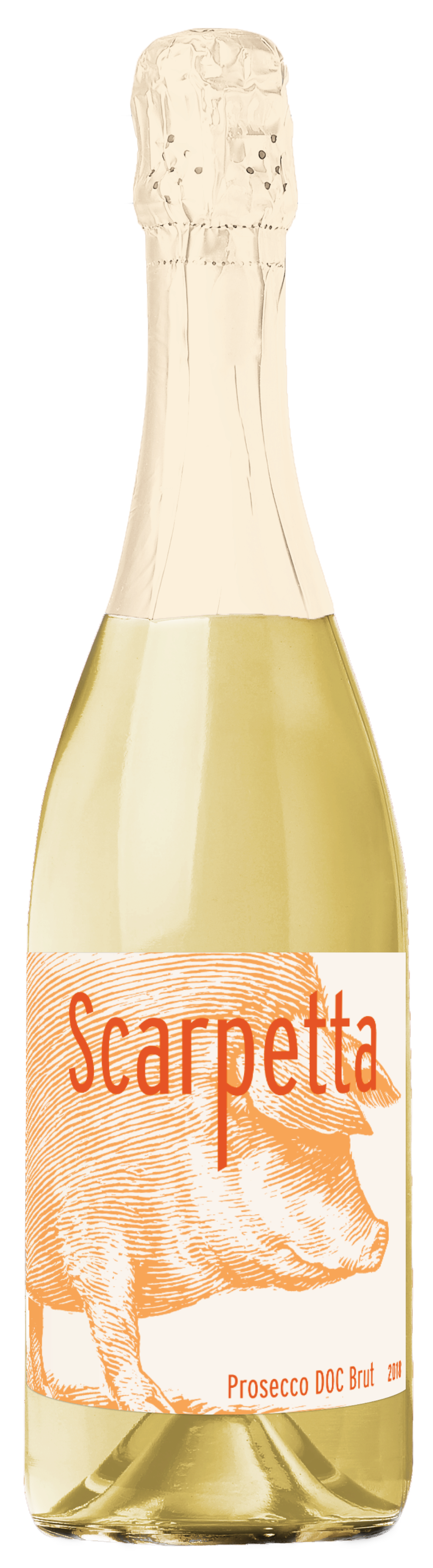
Bubbly Wine ClubDOC BrutScarpetta 
Prosecco
DOC Brut
Friuli-Venezia Giulia, Italy

BUBBLY WINE STYLE

This Prosecco comes from the Grave del Friuli, Italy’s newest DOC region for Prosecco. Light, bright and sparkling appearance, with aromas of juicy melon, white flowers and hazelnut. This light, dry and vibrant Prosecco makes the quintessential aperitivo with flavors of green apple, honeydew melon and fresh cut flowers. Pair with anything from a bag of chips to a light appetizer – enjoy on its own, or while dreaming of relaxing in the Piazza San Marco in Venice.

Analysis: 12% alcohol / volume

Production:
The grapes Glera (the noble grapes of Prosecco) and Chardonnay are fermented in stainless steel, kept at very low temperatures and then brought into the Charmat Method, also known as Metodo Italiano. From there, they are further aged in bottle.

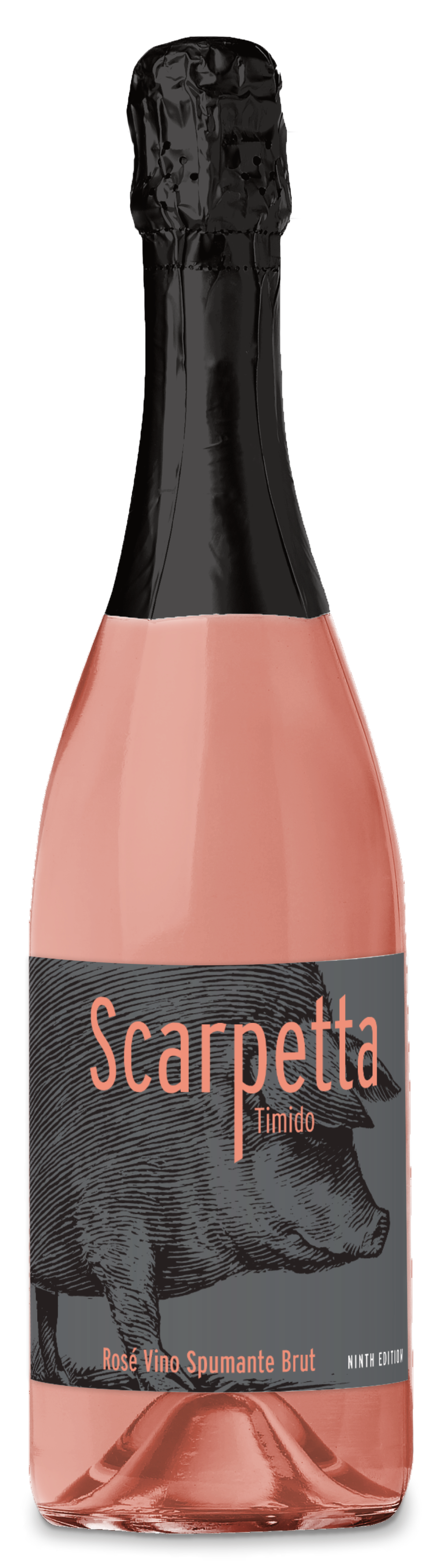
Rosé Brut TimidoScarpetta 
Timido
Rosé Vino Spumante Brut
Friuli-Venezia Giulia, Italy

BUBBLY WINE STYLE

This sparkling rosé comes from the Grave del Friuli and is made from 100% Pinot Noir. It has a bright pink, rosy and vibrant appearance, with aromas of strawberries and fresh cut flowers. On the palate, this wine is crisp and dry with delicate flavors of juicy strawberries and fresh herbs. This Spumante Rosé is great to have before or after a meal; its wonderful with salads, plates of salumi or a lovely grilled salmon.

Analysis: 12% alcohol / volume

Production: The grapes are fermented in stainless steel and produced in the Charmat Method (also called “Metodo Italiano”); this is the same method used in Prosecco production. The wine is then aged in stainless steel and in bottle.


ABOUT THE WINERY:
Years ago, travels took the winery to the northeastern Italian region of Friuli-Venezia Giulia. A passion for creating wines from this unique region eventually led Scarpetta to expanding into all of Italy. True to Italian traditions, part of everyday meals include drinking good wine, great conversation, and little moments of celebration. Scarpetta was created as an homage to this lifestyle. Scarpetta refers to a small piece of bread used to soak up the last bit of delicious sauce on your plate that you can’t possibly leave behind.

Italy is as diverse in its wines as it is in its cuisine, which is why we’ve developed a passion for combining regional wines with provincial recipes. There’s an old food and wine pairing motto that says, “if it grows together, it goes together.” Our hope is that Scarpetta wines will bring this story of the Italian table to life. Our wines are meant to be enjoyed with good food, but more importantly shared — from special occasions to everyday adventures.


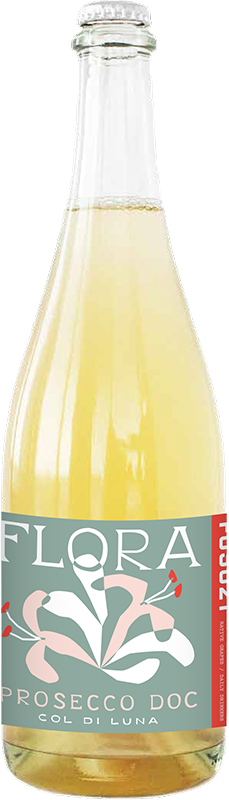
Flora ProseccoCol di Luna 
“Flora” Prosecco DOC
Veneto, Italy

BUBBLY WINE STYLE

Made in the pre-Dolimites of Vittorio Vento, Italy, this is a ‘Brut’ nature Prosecco. On the palate, it is bone-dry, with flavors of mountain flowers, mixed with honeysuckle and wild tart apples. The crown cap closure keeps the wine fresh and fizzy – more ideal than the classic cage and cork method, as it is quick to open and easily enjoy.

Analysis:
12% alcohol / volume

ABOUT THE WINERY:

For generations the Col di Luna family has been dedicated to wine-growing and has lived on this hills passionately cultivating their land and growing the traditional local grapes. Love for making wine has been a part of the family heritage from the distant 1780s, when Antonio Maria Casagrande Cosmo moved from Venice to the hills north of the city and planted their first vineyard.

Col di Luna is located in the Conegliano Valdobbiadene Prosecco producing area. Due to its geographic position, this beautiful and unique area has an enormous potential for the production of distinctive great sparkling Prosecco wines. They believe good wines come from grapes which bear the characters of the place they originated from and that’s why Col di Luna allows their wines to naturally express the earth that grows them. The harvest begins in the middle of September. Testing for the proper ripeness of the grapes begins at the end of August. When it is confirmed that the level of sugar and acidity is ideal and stable, the harvest starts.

Col di Luna believes that man is an important and irreplaceable link in the life cycle of grapevines, so, all harvesting is done by hand. The grapes are then taken immediately afterwards to the cellar for processing. Their production areas extend over 9 provinces in Veneto and Friuli. The most important production area is the province of Treviso. Col di Luna is located in the very hearth of the traditional area for glera production.

Bubbly Wine Club Learn more about our Bubbly Club >

Winery Spotlight Series: October 13, 2020

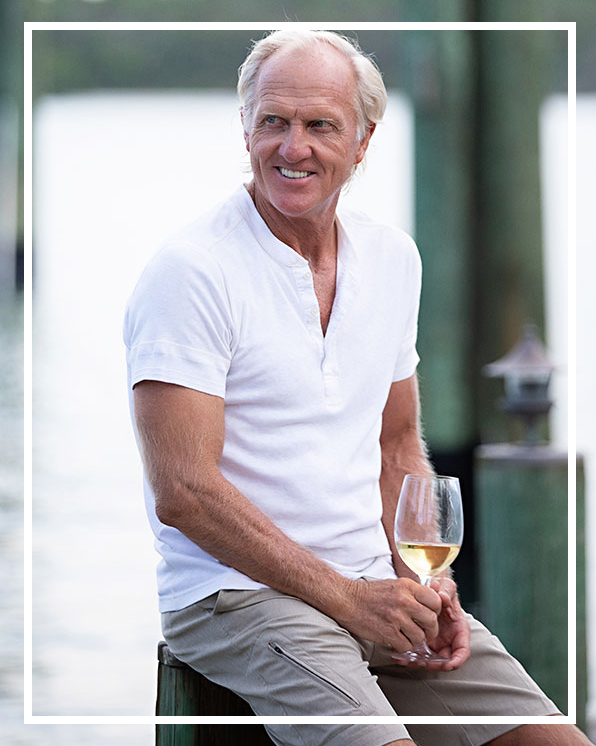
Greg and Morgan

Virtual Wine Tasting Event on Zoom and Facebook LIVE

Greg Norman Estates

Tuesday, October 13th at 6:00pm CST / 7:00pm EST

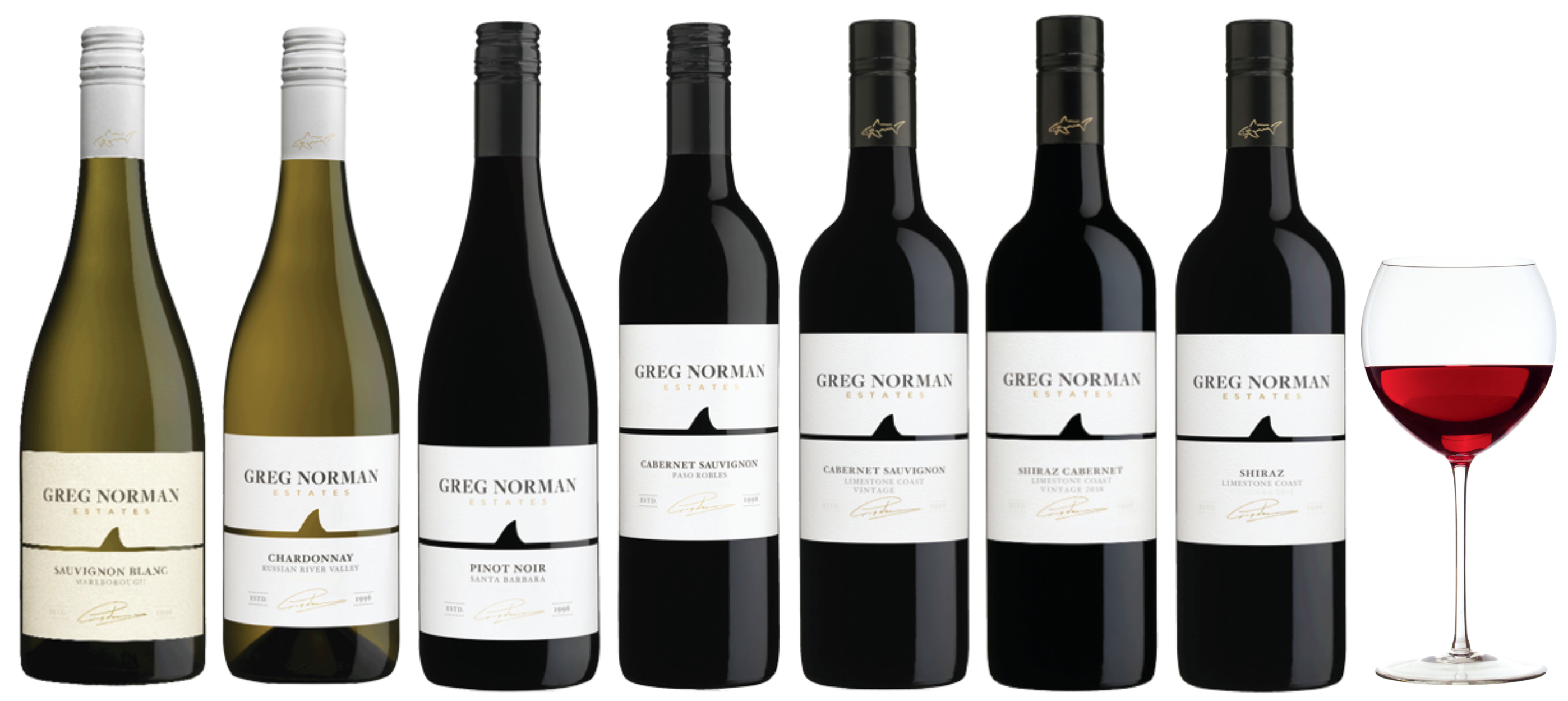
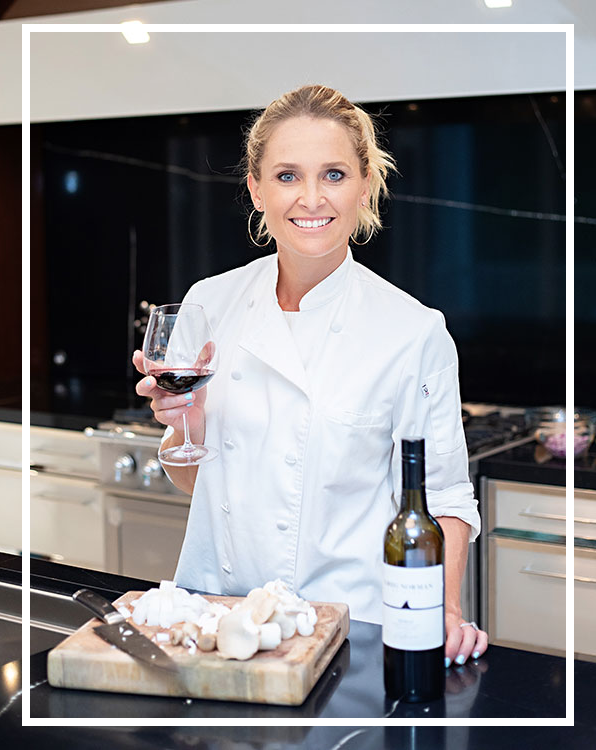
Zoom Facebook LivePlease join us for our October Winery Spotlight tasting event on Zoom, featuring Greg Norman Estates, an internationally recognized collection of 10 varietals from Australia, California and New Zealand. Our special guest will be Morgan-Leigh Norman, daughter of Greg Norman. 

Morgan will be guiding us through a tasting of 7 different wines from Greg Norman Estates; starting with their New Zealand Sauvignon Blanc, leading into their California Chardonnay, Pinot Noir, and Cabernets, ending with their South Australian Shiraz Cabernet and Shiraz.  Be sure to RSVP at your local WineStyles location or on Eventbrite.  Pre-order your wines in advance at your local participating WineStyles location and taste alongside Morgan with a front seat on Zoom!  Or watch on our Facebook LIVE event.Greg Norman Wines

Greg Norman Event Header

ABOUT GREG NORMAN ESTATES:

Greg Norman Estates, founded in 1996, is a collection of fine wines sourced from stunning wine regions in California, New Zealand, and Greg’s homeland of Australia. With fourteen 90+ point scores to its record, Greg Norman Estates rivals top brands having earned countless accolades from Wine Spectator and Wine Enthusiast. A staple on the “Top 100 Wines in the World” list, the 1999 Reserve Shiraz received the distinction of “No. 8 Wine in the World.” While his well-documented wins on the golf course have assured his place in golf history, off the course, founder Greg Norman’s enthusiasm for wine and zest for living well have combined to create a stunning collection of high-quality, accessible wines from some of his favorite places in the world.

Greg Norman, Founder

Greg Norman

Greg Norman, Founder of Greg Norman Estates

Greg Norman has won more than 90 professional golf tournaments worldwide, including two Open Championships, and he holds the distinction of defending his No. 1 position in the world golf rankings for 331 weeks, the second-longest reign in history. As one of the most prolific players in the game, his career culminated in 2001 when he was inducted into the World Golf Hall of Fame with a higher percentage of votes than any other inductee.

Whether on the course or off, he instinctively sees opportunities others miss. Greg now transcends the game of golf, with over a dozen companies around the world bearing his name. in 2016, Greg Norman partnered with powerhouse brand, entertainment and marketing company, Authentic Brands Group, to promote and further establish him as a world-class entrepreneur.

Guest speaker Morgan-Leigh Norman, Proprietor and Brand Ambassador

Morgan-Leigh Norman

Morgan-Leigh Norman of Greg Norman Estates

After an impressive foray into the culinary world, Morgan-Leigh joined Greg Norman Estates as part of the marketing team. Since then, she has been instrumental in the brand redesign as well as representing her family’s business with both trade and consumers. Morgan-Leigh lives in Palm Beach, Florida, where she works on growing the Greg Norman Estates business. Learn more about the family here.

ABOUT THE VINEYARDS:

The selected growing regions are appreciated for the incredible wines they produce and the personal influence they have had on the Normans over Greg’s many years of professionally touring the world.  A strong believer in the role of wine as part of an active, easygoing lifestyle, Greg’s aim is to produce approachable, yet bold wines to be enjoyed by family, fans and wine enthusiasts alike. Greg’s top priority when it comes to sourcing fruit from some of the world’s finest wine regions is to work with growers who are good land stewards. Fruit is sourced from premium vineyards that have distinctive slower ripening periods as well as favorable elevations, aspects and soil profiles.

Greg Norman Estates Vineyard

Photo by Greg Norman Estates: Vineyard

Greg Norman Estate

Let’s Taste, Learn and Enjoy® together! 

Contact your local WineStyles to RSVP for this tasting event.

Greg Norman Estates
California, New Zealand, and Australia

Cheers!

WineStyles.com

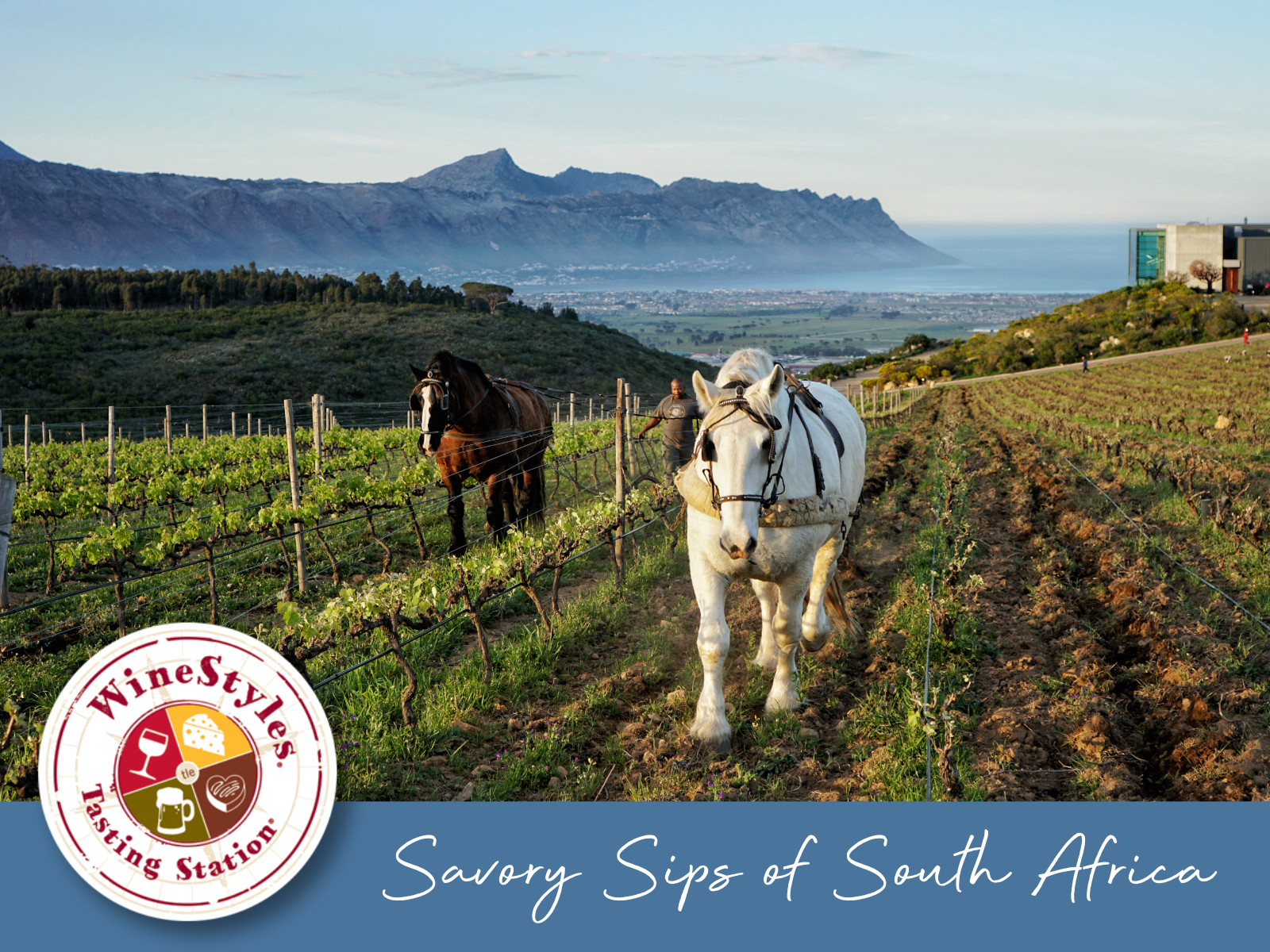
Winery Spotlight Series: Virtual Tasting with Winemakers of South Africa

Savory Sips of South Africa

Virtual Tasting on Zoom and Facebook LIVE
Waterkloof Wine Estate
Hermanuspietersfontein (HPF) Wines
Benguela Cove Lagoon Wine Estate
Brew Cru

Wednesday, September 16, 2020
6:00pm CST / 7:00pm EST

Zoom logo

RSVP at your local WineStyles and get a front row seat on Zoom! 

Join us for this special Winery Spotlight tasting event online, featuring the four winemakers of our September Wine Club wines from South Africa.  To find your nearest WineStyles, click here.

Nadia Langenegger, Winemaker of Waterkloof Wine Estate
Wilhelm Piennar, Winemaker of HPF Wines
Johann Fourie, Head Winemaker of Benguela Cove Lagoon Wine Estate
Bertus Fourie, Winemaker of Brew Cru

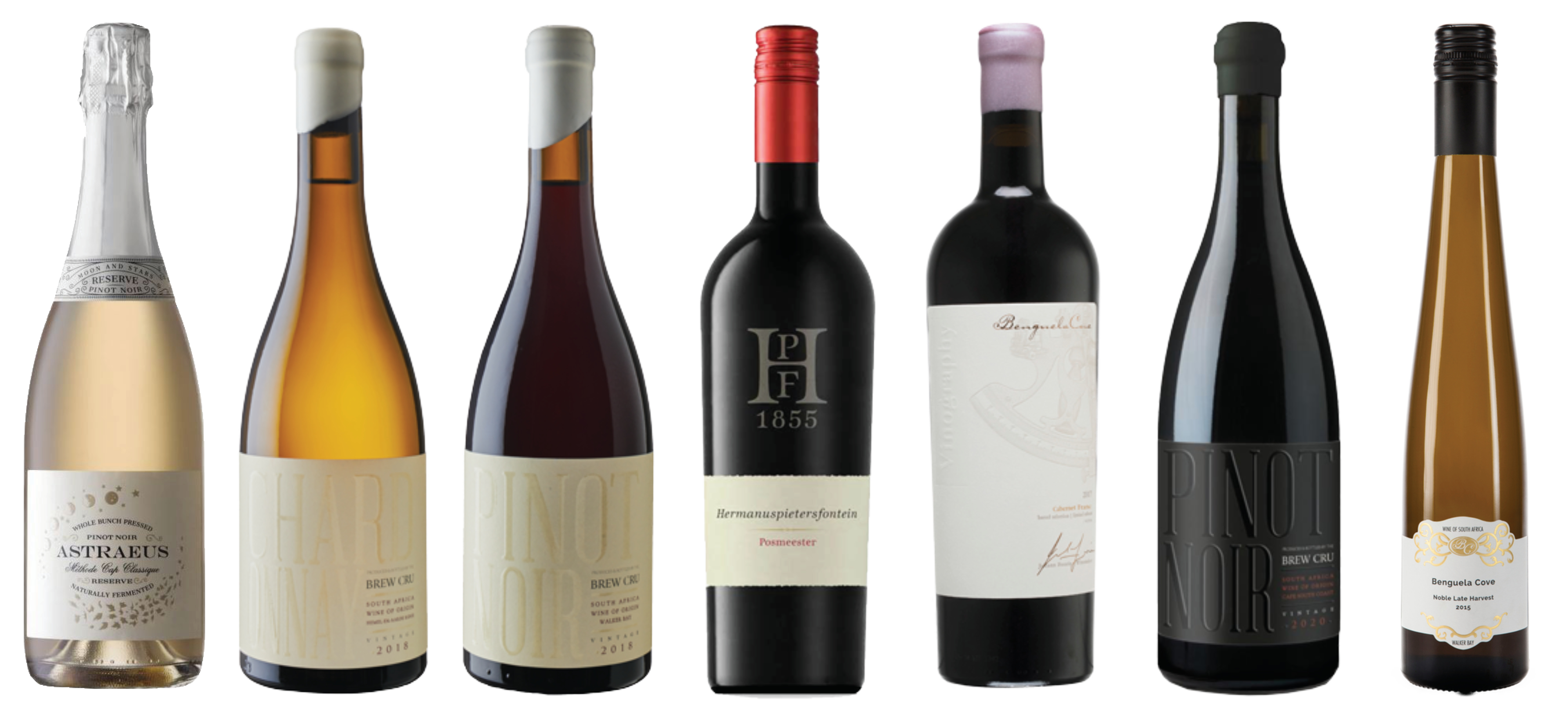
These incredible winemakers will be tasting through the following wines during our zoom event:

South Africa Wineries

September Wine Club Wines

ABOUT THE WINERIES AND THEIR WINEMAKERS:

Waterkloof Wine Estate:

In 1993 Paul Boutinot commenced his search for a vineyard site with the potential to produce truly fine wine with a defining sense of origin. The classic areas, capable of growing naturally balanced grapes such as the Cote d’Or, Chablis, Paulliac, Barolo, etc. were either unavailable or unattainable (rich men’s toys), so he had to find a new classic. It took ten years to narrow the search down to a small area on the south-facing slopes of the Schapenberg, overlooking False Bay in the Cape. As soon as he was led up a steep ravine opening out into a hidden amphitheater of potential, all his experience and intuition told him: THIS IS IT! Waterkloof was born, and the hard work began.

Nadia Langenegger of Waterkloof Winery

Winemaker Nadia Langenegger


Meet the Winemaker:
Nadia Langenegger grew up in Somerset West in the Western Cape of South Africa. After graduating with a degree in Viticulture and Oenology from the University of Stellenbosch, she completed her first student harvest at Flagstone in South Africa, then went on to harvest in Australia, France, and New Zealand. At the end of 2008, she joined the Waterkloof team as assistant wine maker to Werner Engelbrecht; in 2013 she was appointed as Winemaker, when Werner left Waterkloof.

Hermanuspietersfontein (HPF) Wines:

In the early 1800’s farmers imported a teacher named Hermanus Pieters to teach their children Dutch, the forerunner of Afrikaans. He would be paid in sheep which he grazed at a fountain under the Milkwood trees near the sea. The spot soon became known as Hermanus Pieter’s Fountein (HPF).  In 1855, the village was named after him – Hermanuspietersfontein.  Fast forward 100 years later, a wine cellar baring his name is the longest Afrikaans name for a cellar in the world and using Afrikaans-only wine names.  Operationally, their 350-ton urban winery combines European mindset and gravity concept to minimize handling and intervention in the winemaking process. “Good earth makes better wine” is HPF’s winemaking philosophy, the expression and sense of place is the soul of Sondagskloof.

Wilhelm Pienaar Winemaker

Wilhlem Pienaar, Head Winemaker

Meet the Winemaker:
Wilhelm Piennar, having 10 years of experience and traveled to more than 50 countries, has gained valuable knowledge and insights into the wine industry. With a double Masters degree in agriculture at Stellenbosch University and University of Montpellier, Wilhelm is the Managing Director and Head Winemaker of HPF wines.  “Winemaking is not just a job, it is a passion and a lifestyle.  And the essence of it, for me, is for the winemaker to remain true to his or her intuitions.” – Wilhelm Piennar

Benguela Cove Lagoon Wine Estate:

Benguela Cove Lagoon Wine Estate is a 200 hectare lifestyle farm and exclusive luxury estate situated in Walker Bay, Hermanus. Overlooking the Bot River Lagoon and Atlantic Ocean these unusual maritime conditions ensure that this unique terroir produces outstanding quality grapes.

Winemaker Johann Fourie

Winemaker Johann Fourie


Meet the Winemaker:
Johann Fourie was introduced to the world of wine as a student during his studies at Elsenburg Agricultural College in Stellenbosch. After extensive wine estate visits and experiencing the passion winemakers have for their craft, he changed the direction of his studies to specialize in winemaking and set out to become one of South Africa’s leading winemakers. With an incredible list of awards, and stints in more than nine international countries, Johann is now the Head Winemaker for Benguela Cove Wine Estate, situated in Walker Bay, South Africa.

Brew Cru:

Brew Cru is dedicated to cool-climate wines from the Cape South Coast, sourcing wines from maritime wine wards such as Elim and Walker Bay.  Both vineyards share hardened landscapes with constant gusts of Atlantic sea winds, which contributes to a cooler climate. This unique terroir provides extended ripening periods and extremely low yields resulting in small, intensely flavored berries with great potential. 

Winemaker Bertus Fourie

Winemaker Bertus Fourie

Meet the Winemaker:
Bertus Fourie is a legend in the world of creating distinctive wines. Known, as ‘Starbucks’, for his creation of the now iconic Coffee Style Pinotage. This Swartlander, born in Malmesbury, always loved wine, but never thought of it as a career. When arriving at University to study medicine, he found that due to an ‘administrative error’ he had not been admitted. Having worked in a cousin’s vineyard, he enrolled to study Oenology at the University of Stellenbosch; and as they say, the rest is history.

RSVP at your local WineStyles location > click here for store locator

September Bubbly Club

Astraeus RoséBubbly Wine ClubWaterkloof
Astraeus Rosé Pinot Noir MCC
Elgin Valley, South Africa

BUBBLY WINE STYLE

“In Greek mythology, ASTRAEUS, father of the four wind gods and the stars was an astrological deity known as the god of the dusk. Appropriately he married Eos who was the goddess of the dawn. Together they had many children, one of whom was named Boreas: God of the cold north wind, which howls relentlessly through Waterkloof’s vineyards and so defines the character of our grapes and resulting wines. While many people believe Waterkloof’s logo depicts a blowing man, it is actually a blowing god – Boreas. No myth, this palest of pale MCC rosés is a true product of nature.” – Waterkloof Wines

This is a lightly colored Pinot Noir Rosé with fine bubbles and not an overpowering mousse. It gives off floral and mineral aromas and strikes a fine balance on the palate between elegance and fine supporting structure. It can be enjoyed on its own or with some classic red fruit desserts.

Analysis: 12% alcohol / volume
TA: 6.2g/l
pH: 3.2
Residual Sugar: 5.24 g/l

ABOUT THE VINEYARDS:
The grapes for Astraeus were sourced from an organically farmed vineyard in Elgin Valley, in the Western Cape of South Africa. Here, the Pinot Noir grapes receive enough cold temperatures during the winter season, as well as during the growing season, with Elgin Valley’s natural level of cloud cover. Elgin has a big diversity in soil types, but this particular vineyard consists of Table Mountain sandstone, which imparts a minerality to the wine.

Vineyard Work 1

WINEMAKING PROCESS:
This hand harvested Pinot Noir is whole bunch basket pressed for the purest juice; no further maceration is allowed. The juice is then left to settle naturally for 12 hours. From there, wild yeast fermentation, with no additions, takes place in old 600 liter barrels, where the wine spends 9 months on the lees. With bottling, champagne yeast is added and the wine is left in bottle on the lees for a further 11 months; after it is disgorged and left under cork for a further 7 months, the wine is ready to be released.

HISTORY OF WATERKLOOF:
In 1993 Paul Boutinot commenced his search for a vineyard site with the potential to produce truly fine wine with a defining sense of origin. The classic areas, capable of growing naturally balanced grapes such as the Cote d’Or, Chablis, Paulliac, Barolo, etc. were either unavailable or unattainable (rich men’s toys), so he had to find a new classic. It took ten years to narrow the search down to a small area on the south-facing slopes of the Schapenberg, overlooking False Bay in the Cape. As soon as he was led up a steep ravine opening out into a hidden amphitheater of potential, all his experience and intuition told him: THIS IS IT! Waterkloof was born, and the hard work began.  Learn more about the Waterkloof story here >


Bubbly Wine Club Learn more about our Bubbly Club >